
Most tech skeptics assume that artificial intelligence is just a major drain on global energy and clean water grids. We believe that running massive data centers only accelerates our ecological decline.
But advanced environmental engineers are using smart software to design radical solutions for our planet. These neural networks are optimizing ecological dynamic models and uncovering rare carbon-capturing materials.
Mapping Forest Ecosystems
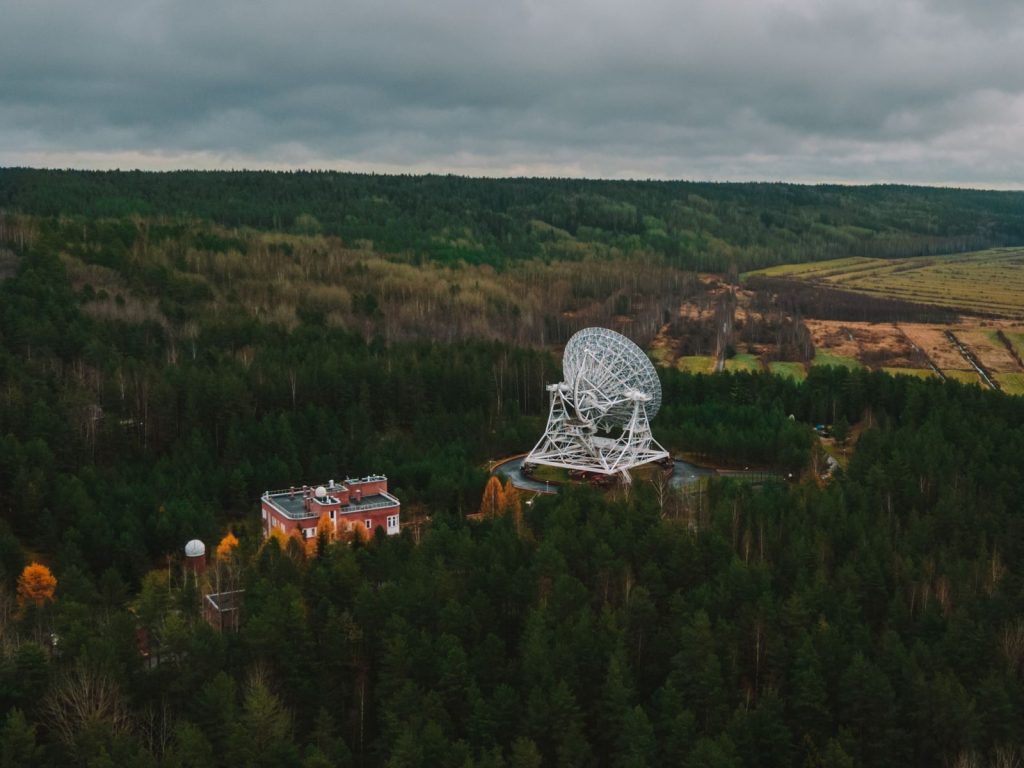
Traditional land surveying methods take years to map the health of a vast forest reserve. Forests are complex. According to reports from the World Resources Institute, advanced neural networks can analyze satellite images in seconds to detect early signs of illegal logging and disease. This rapid detection allows rangers to intercept threats before major damage occurs. But mapping the trees is only the first step.
Tracking Ocean Pollution

Massive patches of plastic waste float across our oceans, constantly shifting with global currents. Waves move fast. According to studies by the National Oceanic and Atmospheric Administration, AI algorithms use wind patterns and current data to predict exactly where plastic waste will accumulate. This predictive modeling allows cleanup ships to navigate directly to high-density zones. But cleaning the water requires managing the land as well.
Optimizing Electrical Grids

Power grids often waste enormous amounts of clean energy because they cannot store it efficiently. Energy is valuable. According to reports from the Department of Energy, smart software can balance power distribution from wind and solar farms in real time. This automated system ensures that clean electricity is delivered exactly where and when it is needed. But saving energy on land also requires altering how we farm.
Precision Farming Tech
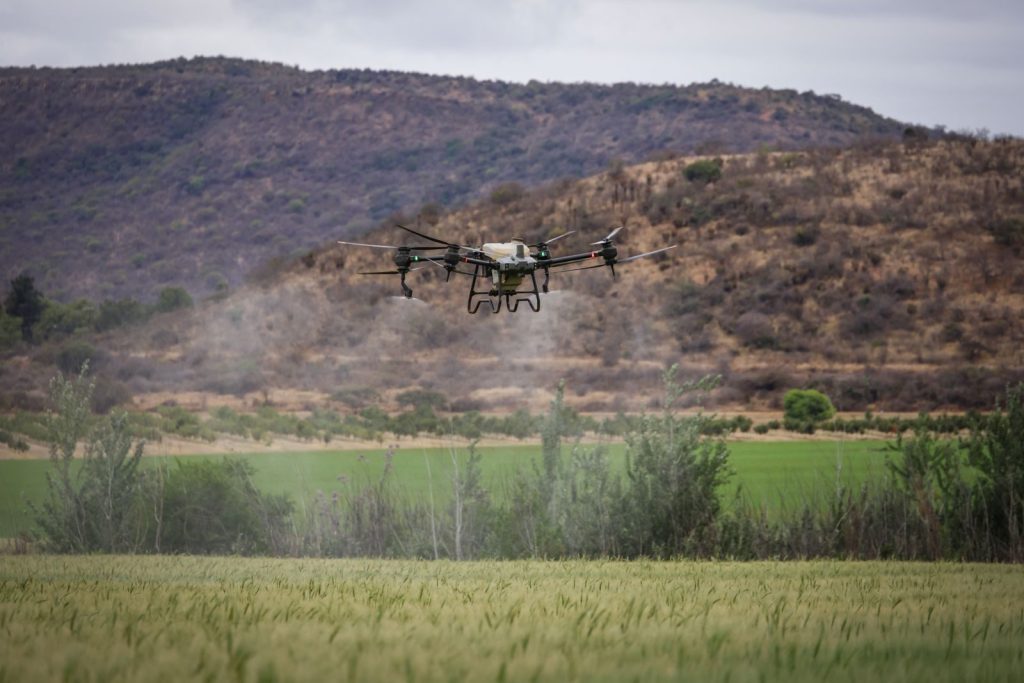
Excessive fertilizer use can poison local water supplies and destroy healthy soil biology. Crops need care. According to agricultural research from Cornell University, smart sensors combined with neural networks analyze soil conditions to deliver precise amounts of nutrients directly to individual plants. This targeted approach dramatically reduces chemical waste while boosting food production. But the biggest challenge is pulling carbon directly out of the sky.
Discovering New Carbon Filters

Creating materials that can capture carbon emissions directly from heavy industrial plants is incredibly slow work. Testing takes time. According to studies by the Massachusetts Institute of Technology, AI systems can screen millions of potential chemical combinations in hours to find highly effective carbon-absorbing materials. This digital screening process accelerates material discovery by several decades. But deploying these digital designs requires immense computing power.
Green Data Centers

To prevent software from harming the planet, engineers must optimize the energy consumption of the databases themselves. Algorithms must adapt. According to reports from Google Research, utilizing machine learning models to automatically cool computer servers has reduced their overall power usage by forty percent. This internal efficiency ensures that digital tools do not cancel out their own environmental benefits. But the future of ecological tech is expanding even further.
A Greener Horizon

Harnessing neural networks allows humanity to manage our natural resources with unprecedented accuracy and care. The future is bright. According to global environmental tech alliances, integrating smart software into ecological planning is currently our most powerful weapon against climate instability. This digital transition is permanently changing how we protect our fragile home. This article is for informational purposes only.
Featured Image: Photo by Vinícius Vieira ft on Pexels
Leave a Reply