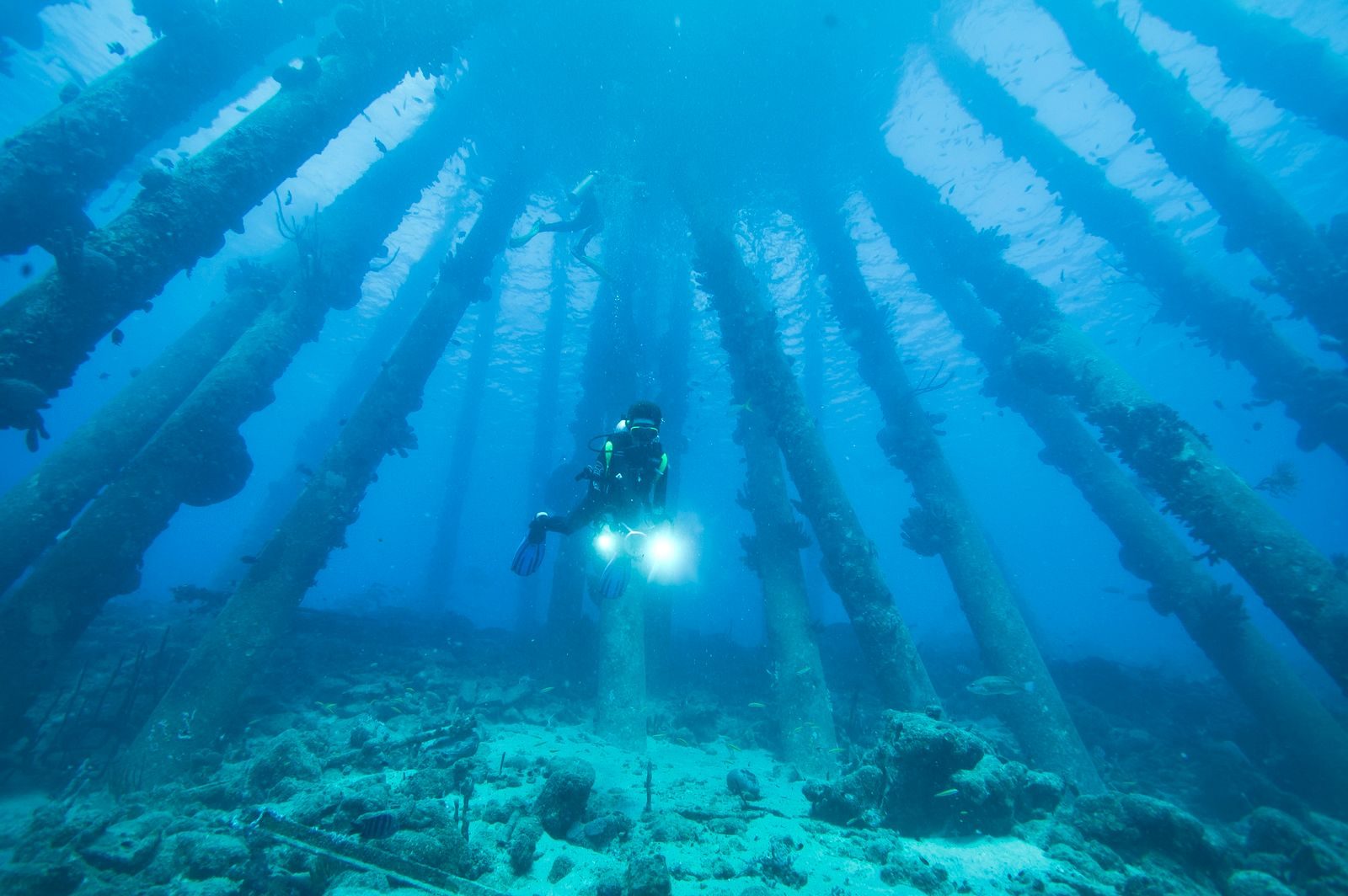
Most divers think that any strange underwater rock formation is just a random act of nature. We believe that ocean currents alone carve the steps and shelves we find on the seabed.
But a massive stone structure resting off the coast of Japan is challenging this easy assumption. Its perfect right angles and flat platforms look suspiciously like human work.
The Deep Underwater Discovery
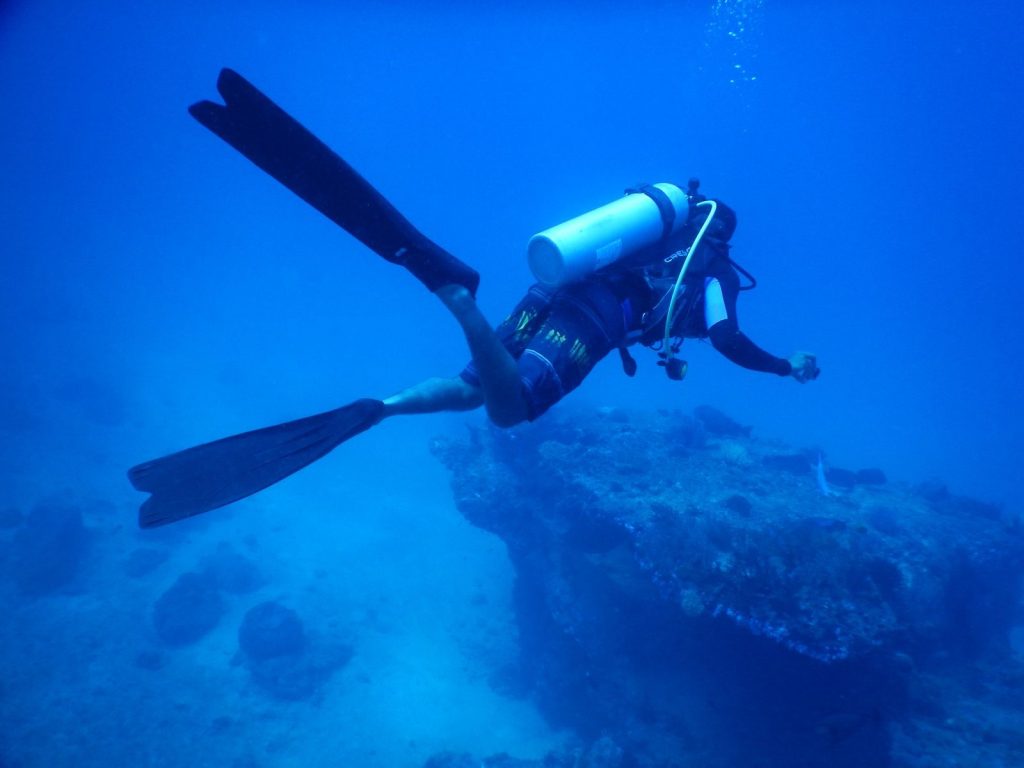
A local diver was exploring the coast of Yonaguni Island when he spotted a colossal stone structure. It was massive. According to reports from the University of the Ryukyus, the block spans over two hundred feet in length and rises high above the seabed. This giant monument looked like a carved temple. But scientists immediately began a fierce debate over its origin.
Nature Or Ancient Hands

Many geologists argue that the ocean shaped this monument through natural wear. Waves are powerful. According to studies by the Japanese Geological Society, tectonic activity and strong currents can fracture sandstone into straight lines. Yet the strange absence of loose rock debris around the site suggests a different story. This clean layout points to a much more deliberate force at work.
The Perfectly Carved Steps
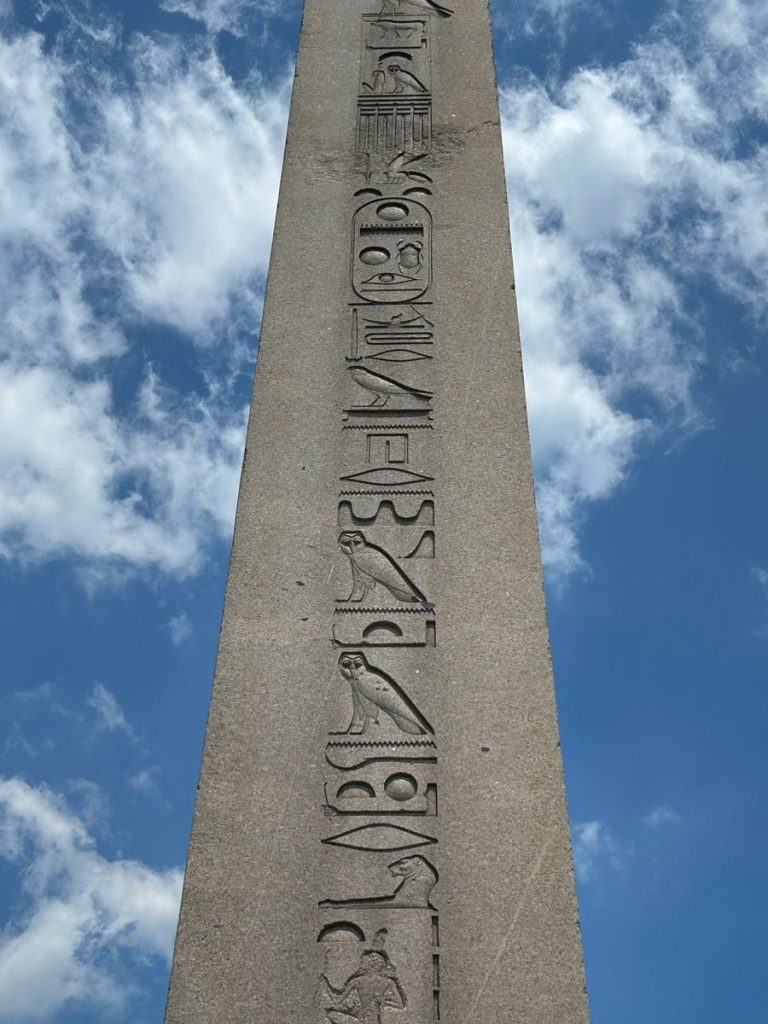
The structure features a series of terraced platforms that resemble grand staircases. They look flawless. According to marine geologist Dr. Masaaki Kimura, the site contains clear channels, parallel grooves, and two towering obelisks that nature could not easily replicate. These physical details suggest ancient stonemasons spent years carving this site. But finding out when they did this work would shock the research team.
Before The Ice Melted

If humans built this monument, it must have been carved when the area sat above water. That was long ago. According to historical climate data from the University of Tokyo, this region was last dry land over ten thousand years ago during the Ice Age. This timeline pushes the structure back to a time before complex civilizations existed. But another deep mystery hides on the flat stone surfaces.
Faint Markings In Stone
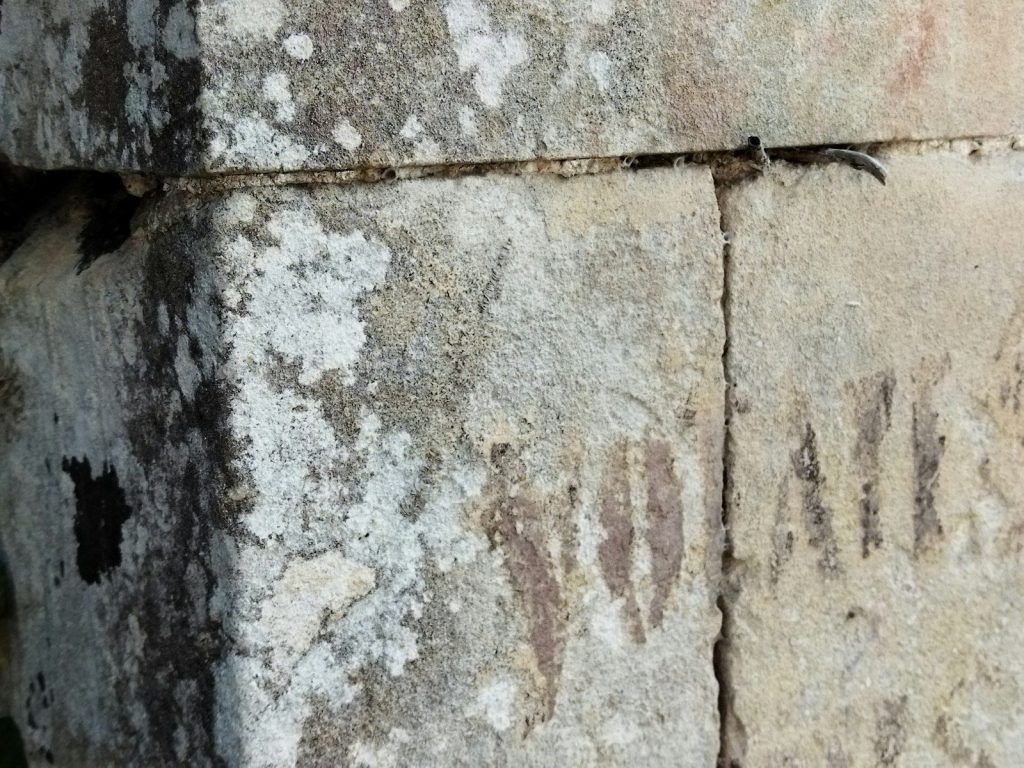
Researchers scanning the monument found unusual symbols etched into the hard rock. They are faded. According to reports from the Ryukyu Archaeological Institute, these shapes resemble primitive animal drawings and simple written signs. Critics say these marks are just natural scratches made by sea life or passing boat anchors. But a closer look at the local legend reveals an ancient connection.
Legends Of Underwater Cities
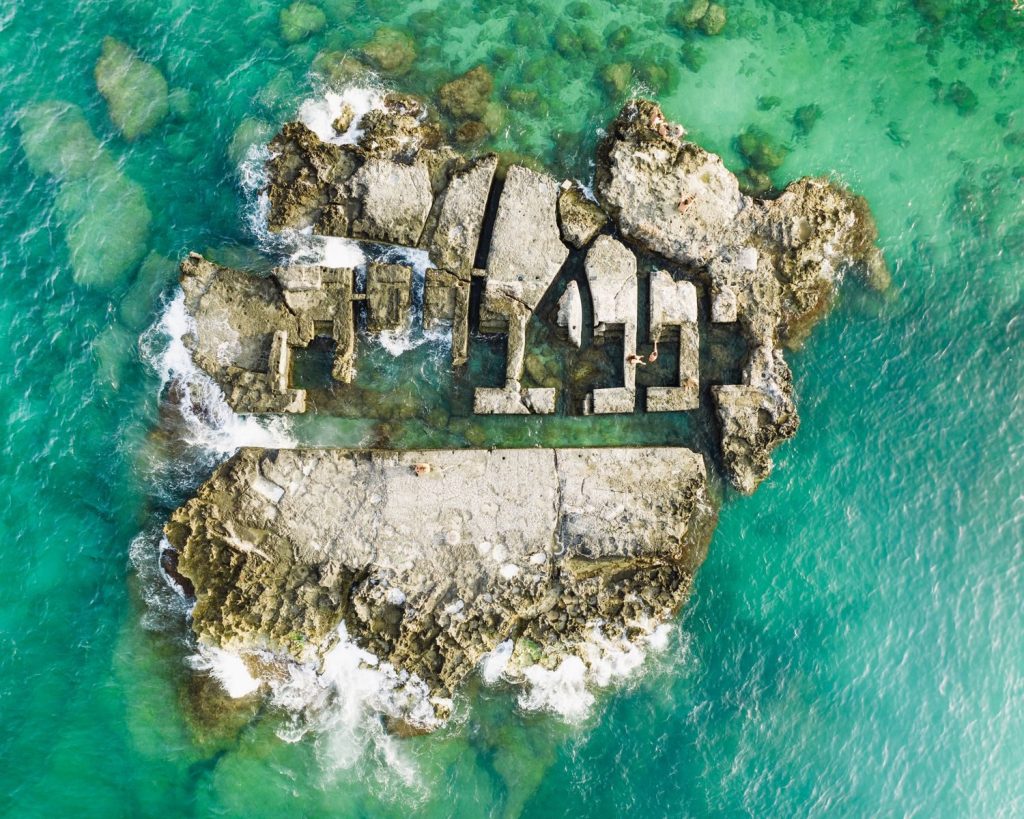
Local island folklore speaks of a legendary palace that sank beneath the sea. The tales are ancient. According to translation reports from Ryukyu University, these legends match historical records of sudden earthquakes that triggered massive coastal floods. This history suggests the monument might be the remnants of a forgotten port. But researchers still require definitive proof before rewriting history.
The Search Continues
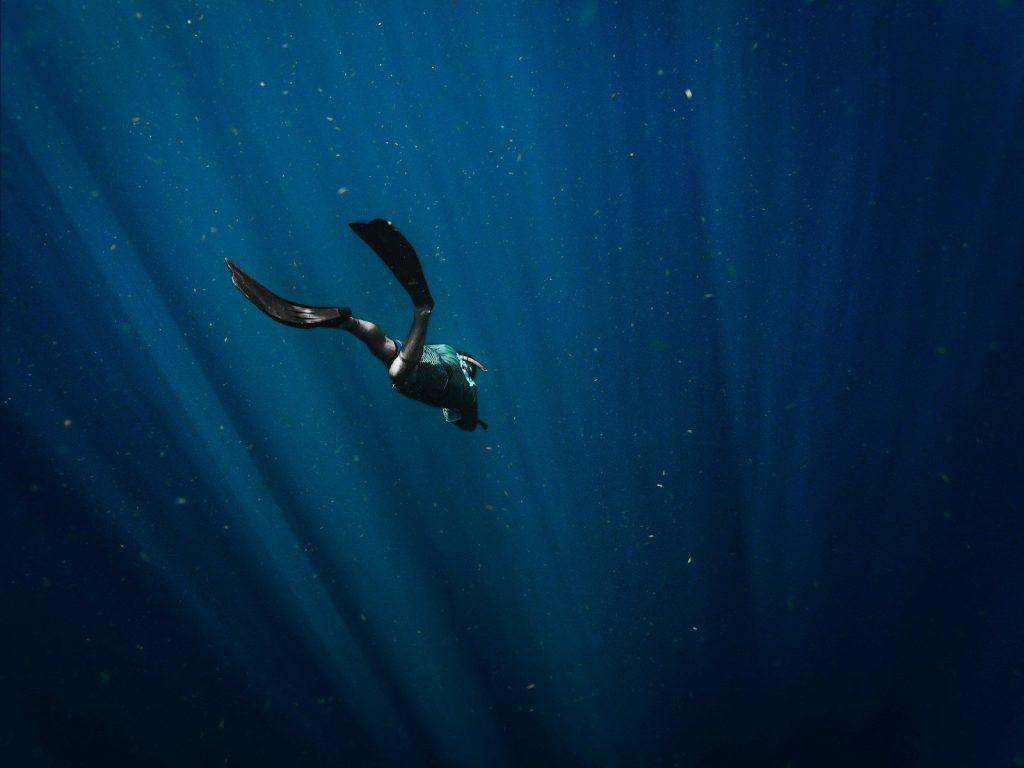
The mystery of Japan’s sunken stone giant remains unsolved as researchers continue to scan the seabed. Technology is improving. According to modern marine survey teams, new three-dimensional sonar mapping will soon reveal if these blocks are natural or man-made. This ongoing exploration keeps the wonder of our deep oceans alive for future explorers. This article is for informational purposes only.
Featured Image: Photo by Pascal Ingelrest on Pexels
Leave a Reply