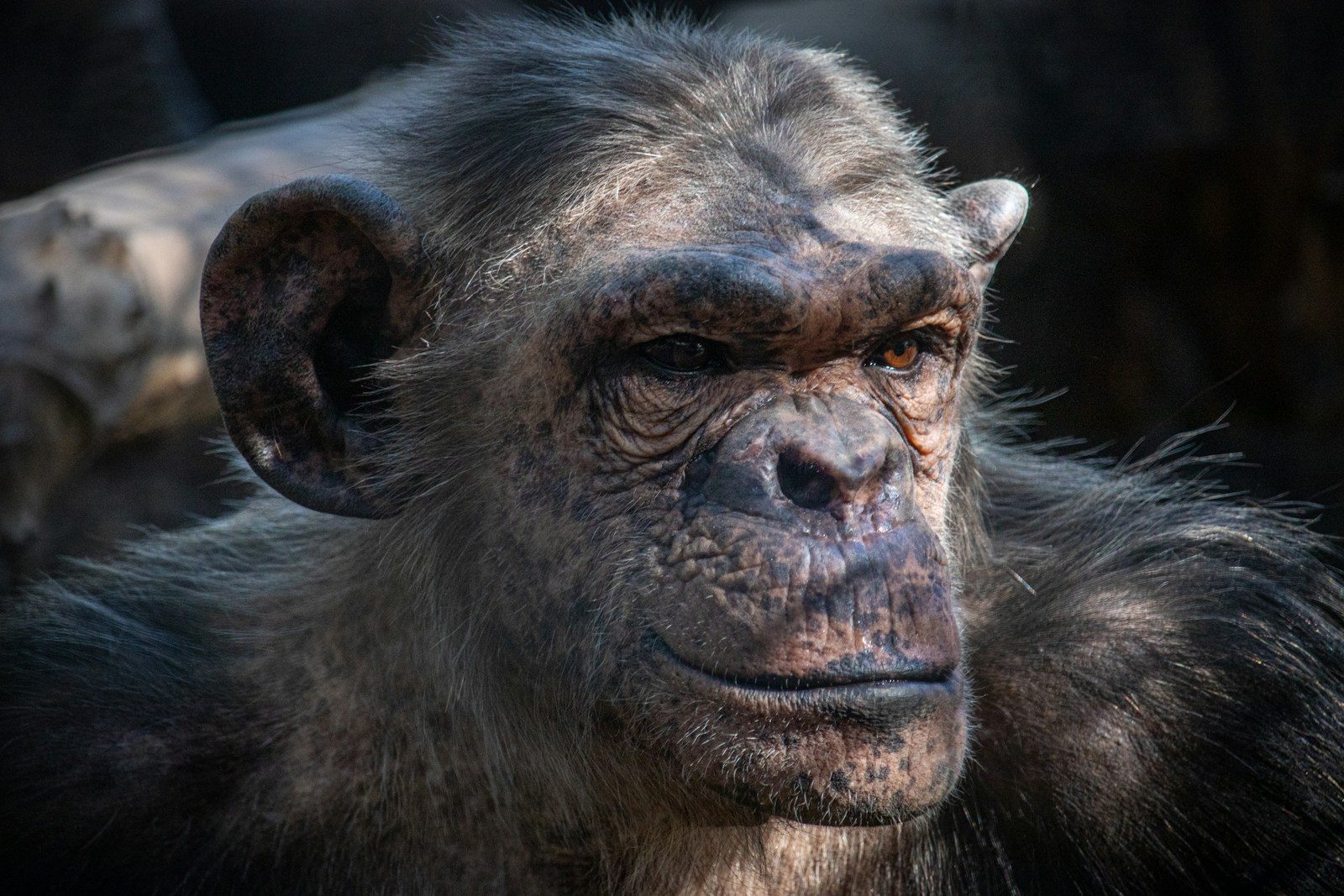
Most people assume that humans are completely separated from the animal kingdom by our advanced intelligence. We believe our brains are wired in a totally unique way.
But modern genetic sequencing has revealed a jaw-dropping connection to our closest living relatives. Our genetic codes are so similar that scientists are still struggling to explain the differences.
The Nearly Perfect Match
When scientists first mapped the chimpanzee genome, they expected to find vast differences. Instead, they discovered an almost identical genetic blueprint. According to a study in Nature, humans and chimpanzees share nearly 99 percent of their active DNA sequences. We are cousins. But this tiny one percent difference holds the key to our unique evolutionary journey.
Unlocking Brain Power

The primary difference between our species lies in how our brains develop in early childhood. Human brains continue to grow rapidly and build complex neural connections long after birth. According to evolutionary biologists, chimpanzee brain growth slows down dramatically shortly after they are born. They learn fast. Yet, these animals still possess some mental abilities that put humans to shame.
The Photographic Memory
In several famous memory tests, young chimpanzees easily defeated adult human college students. They can memorize the exact location of numbers on a screen in a fraction of a second. According to cognitive researchers at Kyoto University, chimpanzees possess an incredible photographic memory that humans lost over evolutionary time. It is unmatched. This mental trade-off allowed humans to develop another critical skill.
The Power Of Speech

To gain the ability to speak, humans sacrificed raw visual processing speed. Our brains rewired themselves to handle complex language and symbolic thinking instead of instant recall. According to linguistics experts, this cognitive shift explains why humans can discuss abstract ideas while chimpanzees rely on physical gestures. Speech is power. However, chimpanzees still use physical tools with incredible skill.
Master Tool Makers
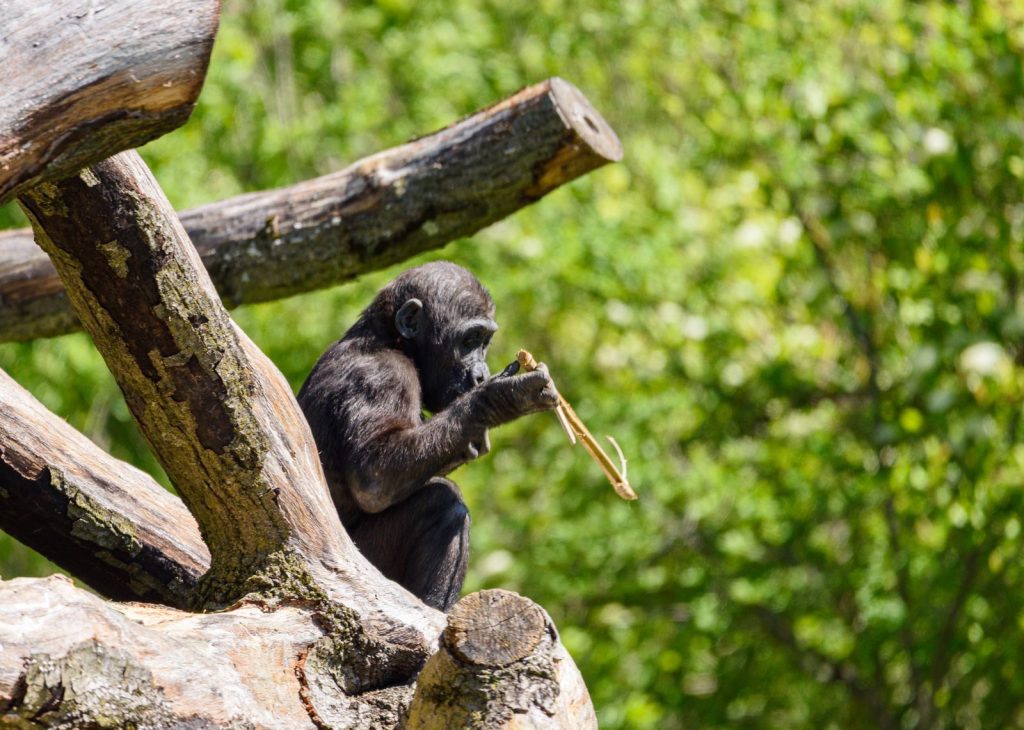
For decades, scientists believed that only humans could manufacture and use complex tools. Wild chimpanzees shattered this belief when they began stripping leaves off twigs to fish for termites. According to the Jane Goodall Institute, different chimp communities even pass down unique tool-making traditions over generations. They are teaching. But their physical strength remains their most shocking biological advantage.
Raw Muscle Force
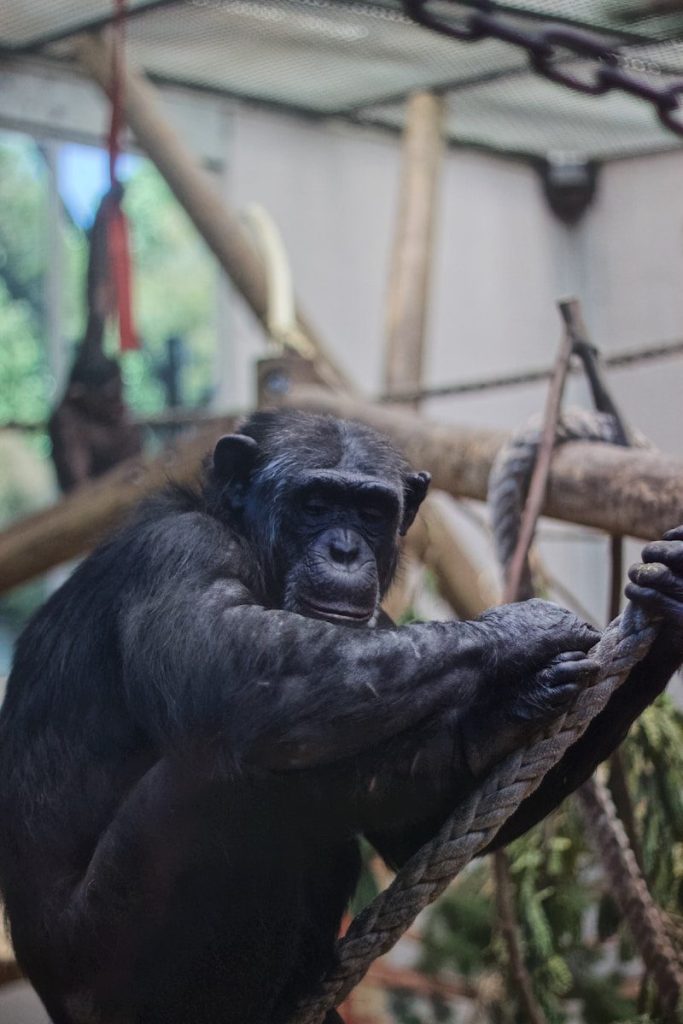
An adult chimpanzee generates nearly twice the physical strength of an athletic human of the same weight. Their muscle fibers pack much more densely and generate far more explosive power. According to a study in Proceedings of the National Academy of Sciences, this strength helps them swing through high trees with ease. Muscles are different. Yet, this incredible force relies on a highly sensitive nervous system.
The Brain Constraint

Humans can perform incredibly delicate tasks like threading needles because our brains control single muscle fibers. Chimpanzees lack this fine motor control and must activate large muscle groups all at once. According to neurological researchers, their nervous system programs raw power rather than delicate precision. It is a trade. But this shared genetic puzzle still helps us cure modern human diseases.
Our Living Mirror
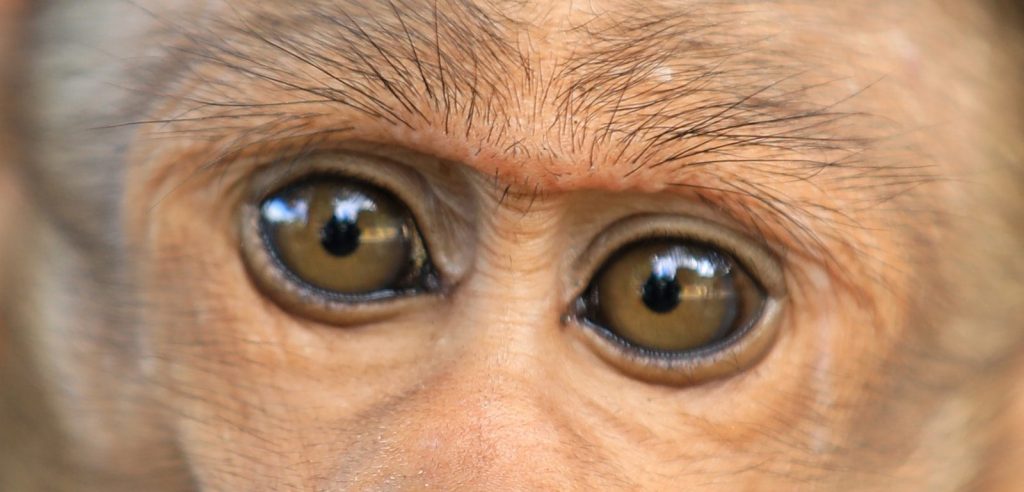
Studying chimpanzee genetics helps us understand the precise evolutionary paths that made us human. They are our mirror. According to genomic scientists, comparing our DNA is key to unlocking treatment for complex neurological conditions. This article is for informational purposes only.
Featured Image: Photo by Joseph Grazone on Unsplash
Leave a Reply