We assume that the physical size of wild animals is determined entirely by natural selection. Most people believe that wildlife evolved gradually over millions of years without human interference.
But a major historical study has revealed a shocking truth about our past millennium. Our global cities and trade routes have accidentally forced wild animals to physically shrink over time.
The Disappearing Giants
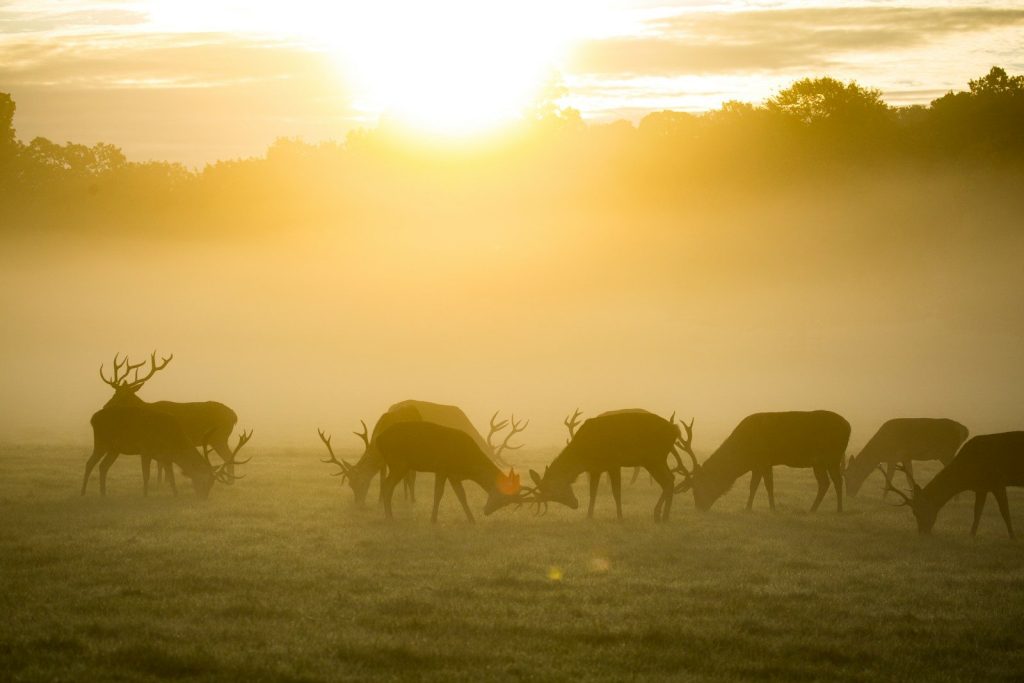
Over the past thousand years, the average size of many mammal species has declined rapidly. This physical shrinking occurred alongside the rapid expansion of human agricultural lands. According to a study in Global Ecology and Biogeography, human hunters consistently target larger animals. Size is a disadvantage. But the real driver of this shrinking is actually our massive cities.
Urban Heat Islands
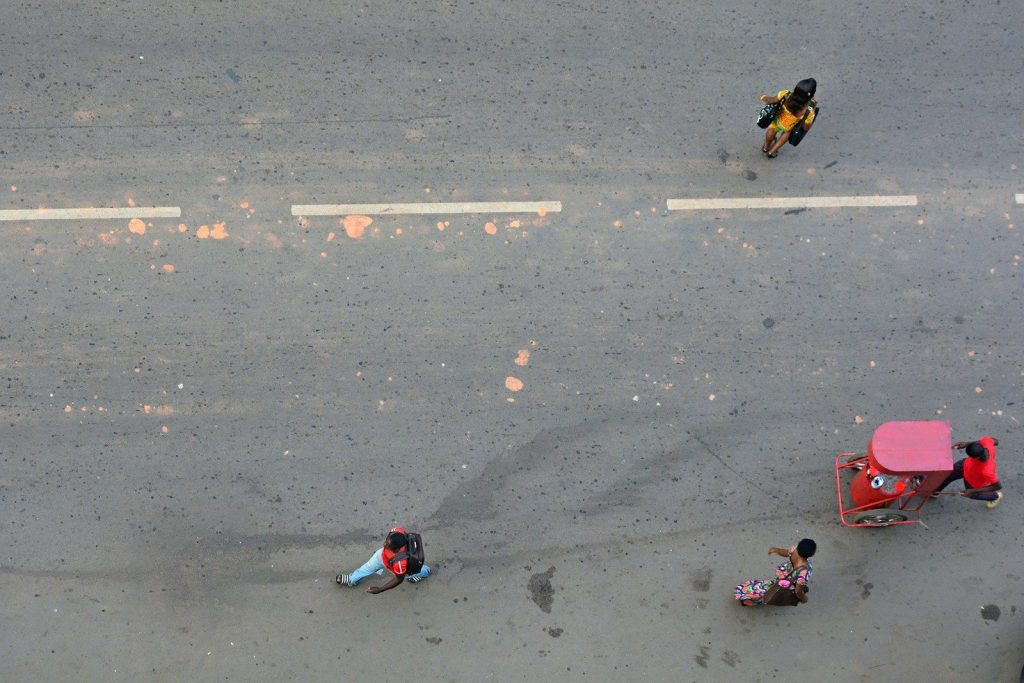
Concrete and asphalt absorb an immense amount of solar radiation and warm the surrounding air. This warming effect creates localized zones of elevated temperature known as urban heat islands. According to evolutionary ecologists, smaller animals dissipate body heat much faster than larger ones in warm environments. They survive better. This heat advantage is causing urban species to shrink with every generation.
Splitting The Forest
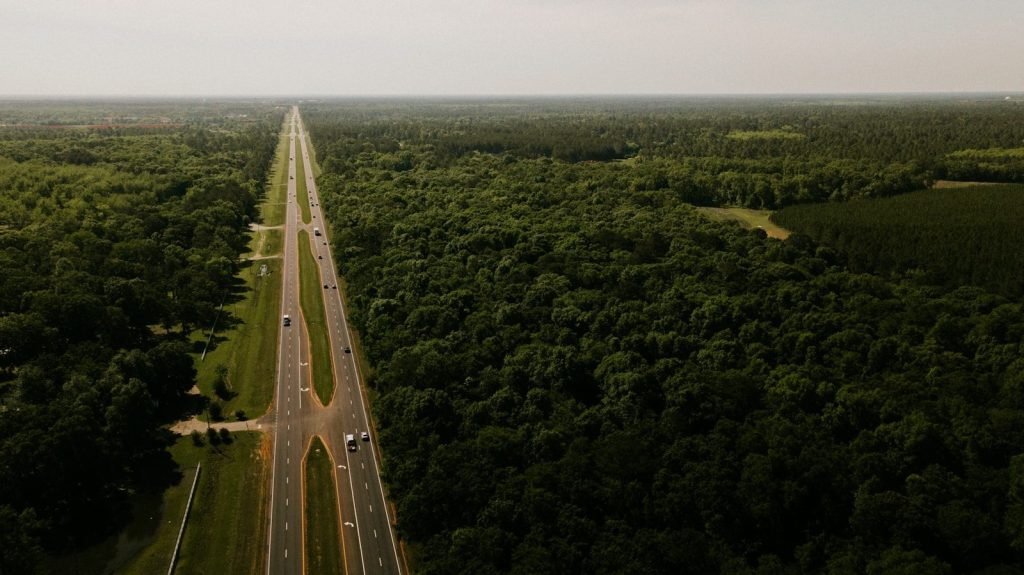
When humans build wide highways and train tracks, we split natural forests into tiny, isolated pockets. This fragmentation prevents animals from traveling to find food or diverse breeding mates. According to conservation biologists, these isolated populations suffer from rapid genetic decline and physical stunting. Food is scarce. And this lack of resources is triggering a highly unusual survival mechanism.
The Dwarfism Response
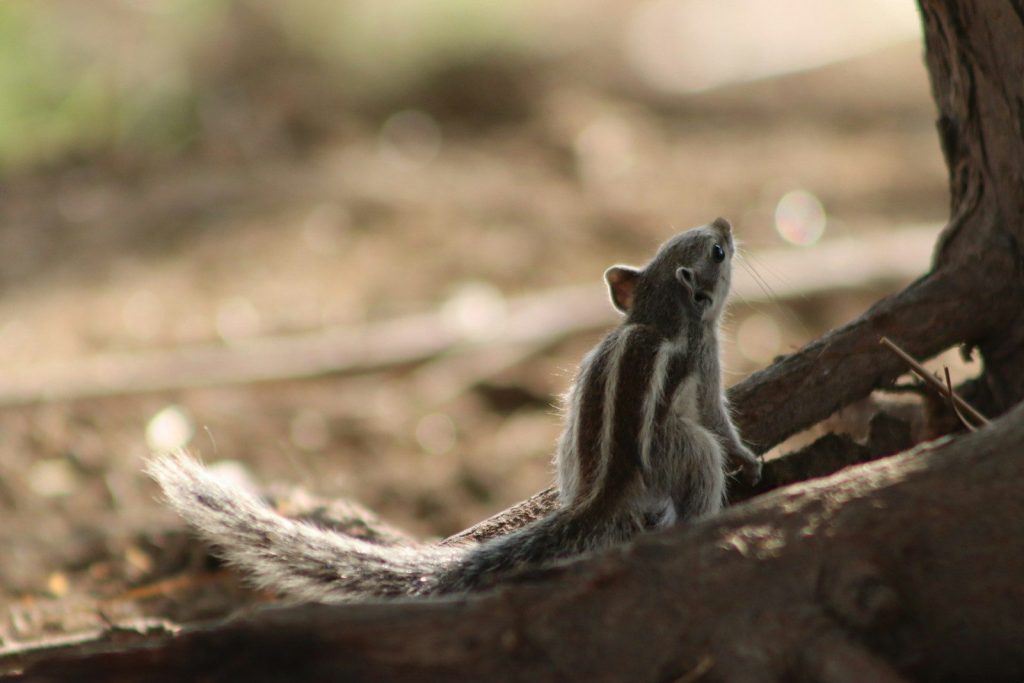
In biology, isolated populations on small islands often evolve into miniature versions of themselves over generations. Our human fences have essentially turned continental forests into artificial islands. According to evolutionary researchers, this human-made isolation triggers rapid dwarfism in mammals across the globe. They are shrinking fast. However, the oceans currently experience a completely different physical transformation.
Marine Size Shifts
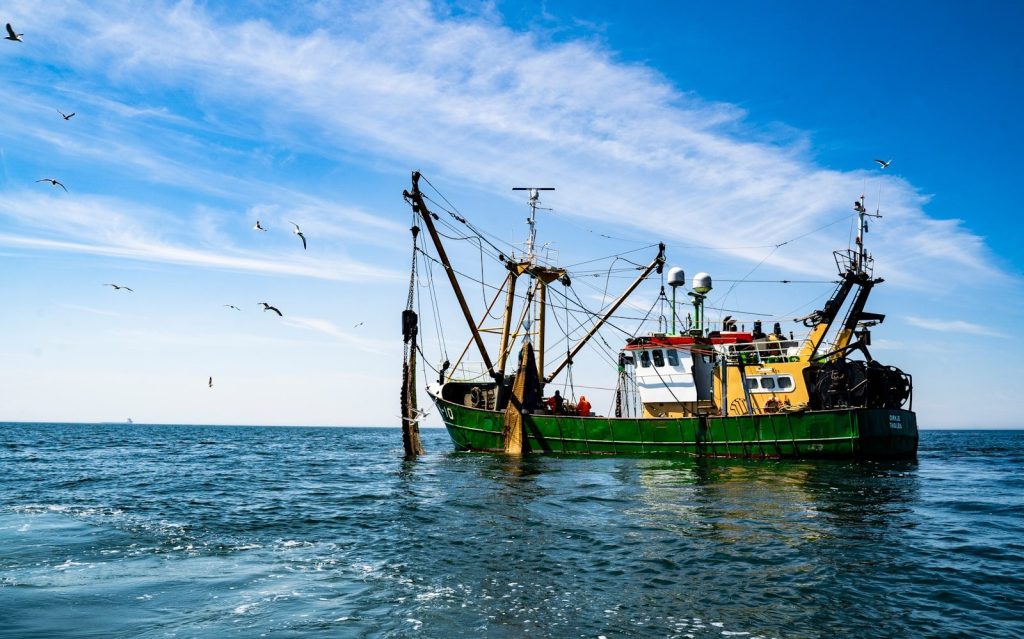
While land animals are getting smaller, marine creatures face a different set of survival pressures. Commercial fishing fleets consistently catch the largest fish, leaving smaller individuals behind to breed. According to marine biologists, this selective breeding pressure has permanently reduced the average size of key fish populations. It is artificial selection. But this rapid evolutionary shift causes a major collapse in ocean food webs.
Cascading Ecosystem Failures
When predators shrink, they can no longer hunt their traditional, larger prey species. This disruption causes prey populations to explode and consume all local vegetation. According to environmental scientists, these physical size changes are quietly destabilizing entire global ecosystems. Balance is lost. This silent collapse is forcing conservationists to rethink how we protect our wild spaces.
Restoring Nature’s Scale
The physical shrinking of the animal kingdom proves that human history is deeply carved into wild biology. We must act quickly. According to conservationists, repairing these genetic pathways is vital for bringing back the giants of our world. This article is for informational purposes only.
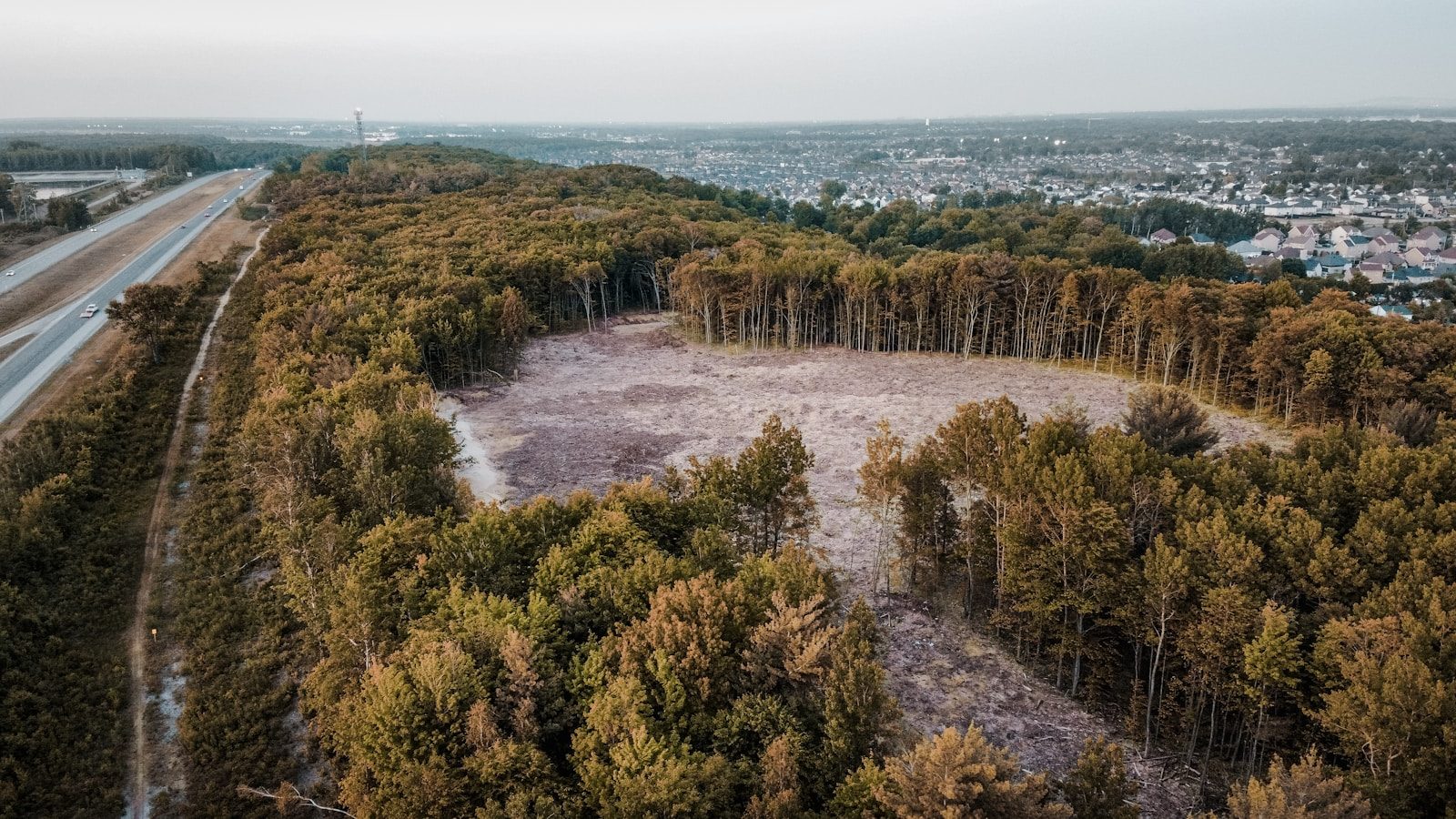
Featured Image: Photo by Mathieu Deslauriers on Unsplash
Leave a Reply