Streaming used to feel simple: pick a service, pay one monthly price, and watch what you like. Now it feels more like a moving puzzle. Prices shift, bundles return, ad-supported plans grow, and some platforms are placing more value on live events, sports, and cheaper entry points. Deloitte reported that subscription growth has slowed while ad-supported streaming is becoming a bigger part of the business. It also predicted that the old habit of stacking many separate services would decline as bundles become more important.
For viewers, that means the “best” subscription may not stay the same for long. A plan that works today might feel too expensive, too limited, or less useful a few months later.
Bundles are coming back
Many viewers cut cable to avoid big packages, but streaming is starting to borrow one of cable’s old ideas: the bundle. Instead of paying for many apps one by one, people may see more combined deals.
This can make things easier and sometimes cheaper. It also helps companies keep customers from canceling after watching one favorite show. Deloitte predicted that stacking separate streaming services would fall in 2025 as bundles grow.
Ads are changing the price
Ad-supported plans are becoming a major part of streaming. They usually cost less than ad-free plans, which makes them attractive when monthly bills keep rising. Deloitte’s 2026 survey said ad-supported tiers are now leading the next stage of streaming growth.
For streaming companies, these plans create another way to earn money. For viewers, the trade-off is simple: pay less, but watch some ads. That choice may become more common.
Prices keep moving upward

Streaming prices have not stayed still. Several major services raised prices in 2025 or announced higher costs going into 2026, and many viewers are paying closer attention to their monthly bills.
That pressure may push more people to downgrade, rotate services, or wait for deals. As prices rise, streaming companies may keep reshaping plans to make each tier feel like it offers a clear reason to stay.
Free options are gaining ground
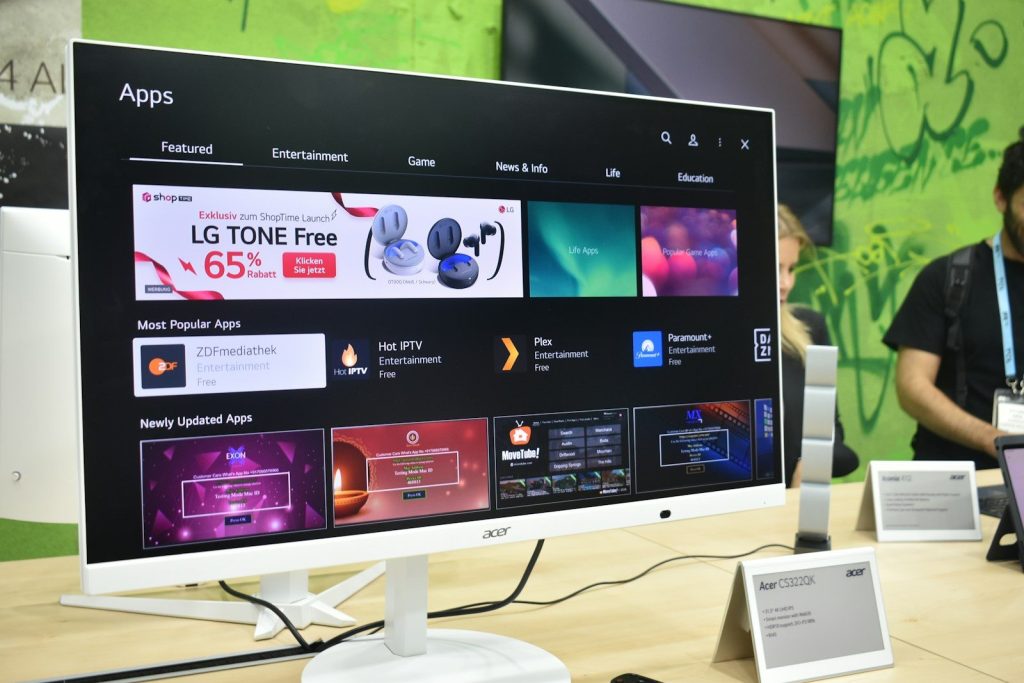
Free ad-supported streaming TV, often called FAST, is also growing. These services feel more like traditional TV because viewers can browse channels without paying a monthly fee.
This matters because free choices compete with paid apps for attention. A 2026 market report estimated the FAST market at $14.33 billion in 2026, with continued growth expected through 2031.
Canceling is more normal now
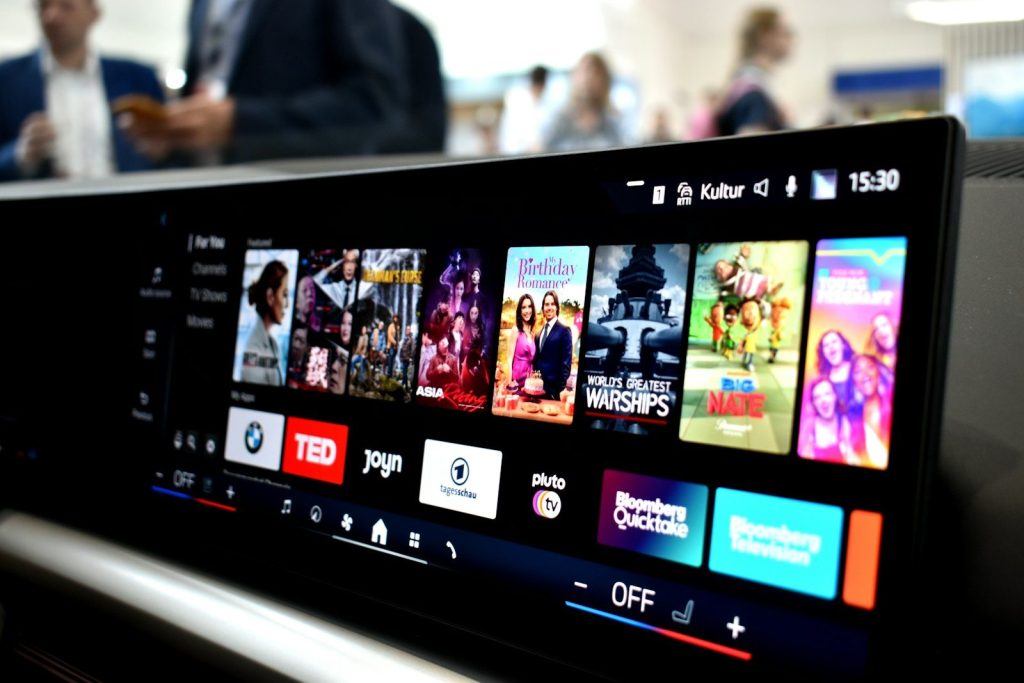
Many people no longer treat streaming subscriptions as permanent. They may sign up for a new season, cancel after finishing it, and return later when something else arrives.
That pattern makes streaming companies think differently. Instead of only winning new subscribers, they also need to bring old ones back. Adobe noted that resubscription is becoming important as the industry moves beyond simple cancellation numbers.
Live content adds new value
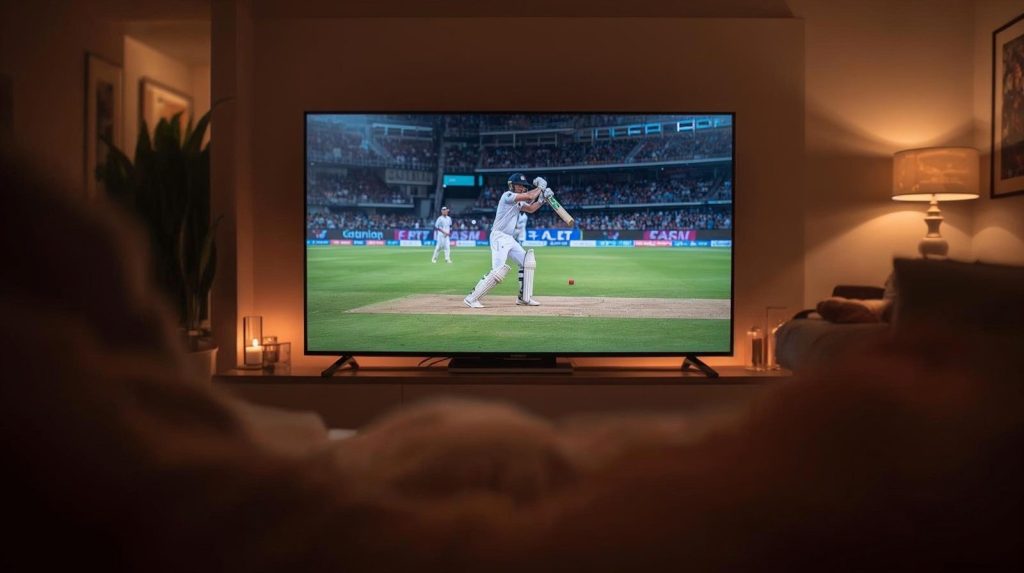
Streaming is not just about movies and shows anymore. Sports, live events, and special programming are becoming bigger reasons to subscribe. These events can make a service feel more urgent than a library of older titles.
That may also explain why some plans cost more over time. When platforms add expensive live content, they may adjust prices, tiers, or bundles to support it.
Viewers want more control
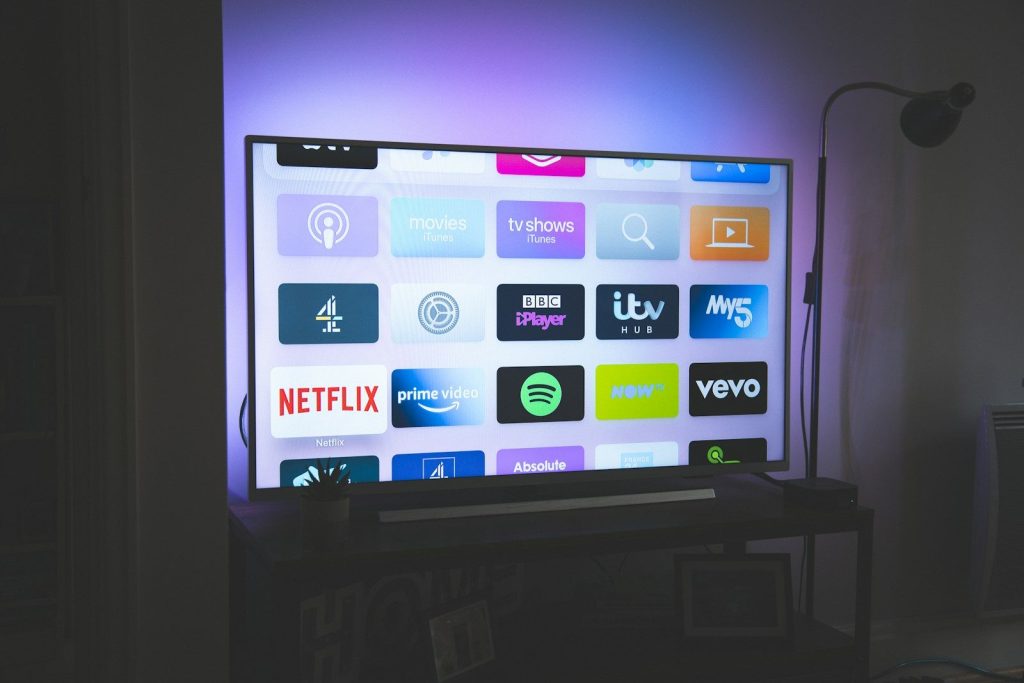
The biggest change may be the viewer’s mindset. People want flexibility, clear value, and fewer surprise costs. They are more willing to switch plans, pause subscriptions, or try cheaper options.
That means streaming subscriptions may keep changing shape because the audience keeps changing too. The winning plan may be the one that feels easy, fair, and useful month after month.
Leave a Reply