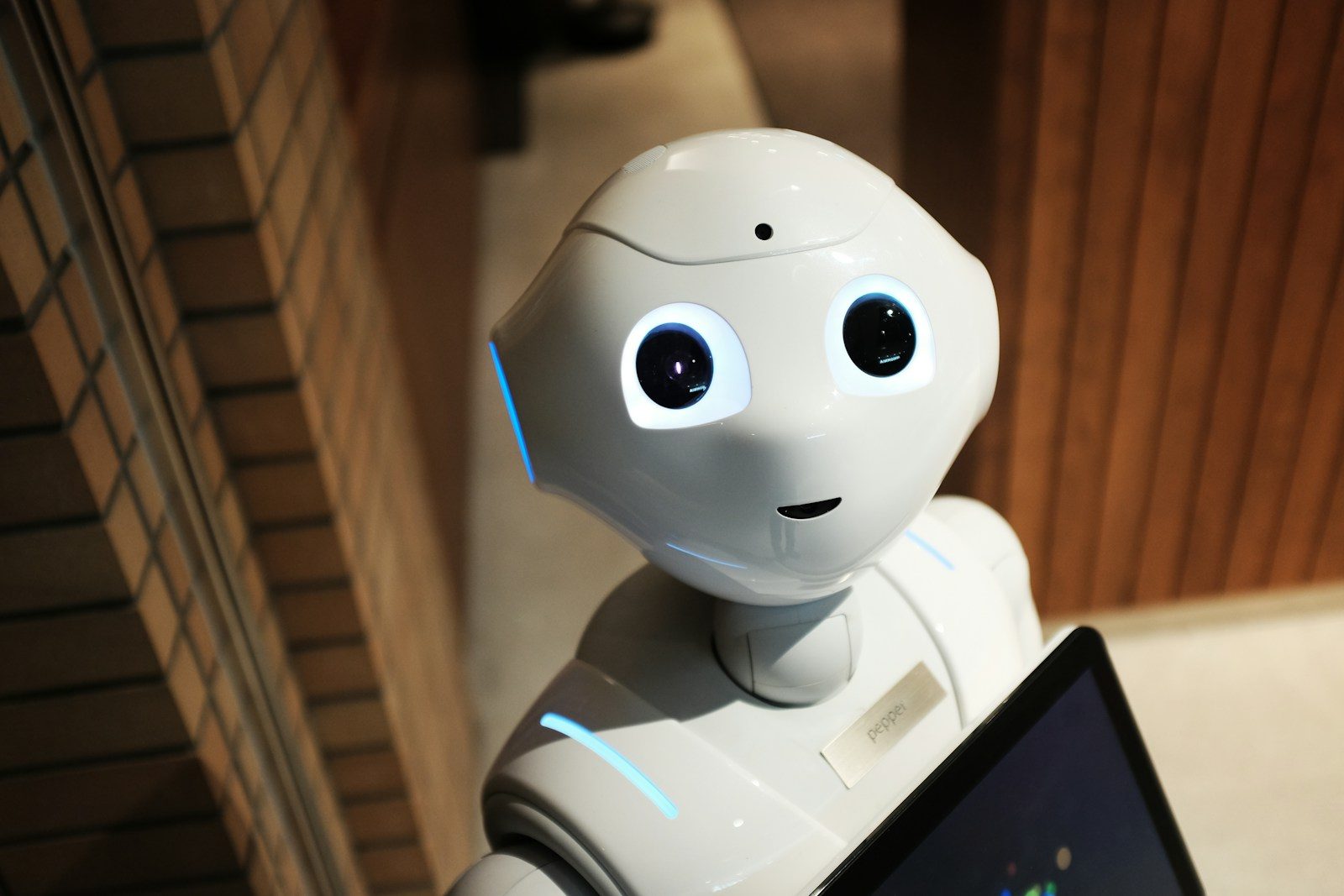
A robot that folds towels, clears dishes, and picks up toys sounds like the next big household upgrade. The idea is exciting because people already trust smaller home robots for jobs like vacuuming and floor cleaning. But a real home is not a neat test lab. It has tight corners, loose cords, pets, stairs, clutter, soft objects, fragile items, and people moving around without warning.
That is why building a helpful home robot is much harder than making one look impressive in a short demo. Experts still point to major challenges in object handling, safety, cost, privacy, and real-world reliability. Navigation is already useful in many settings, but object handling remains much harder.
Homes are full of surprises
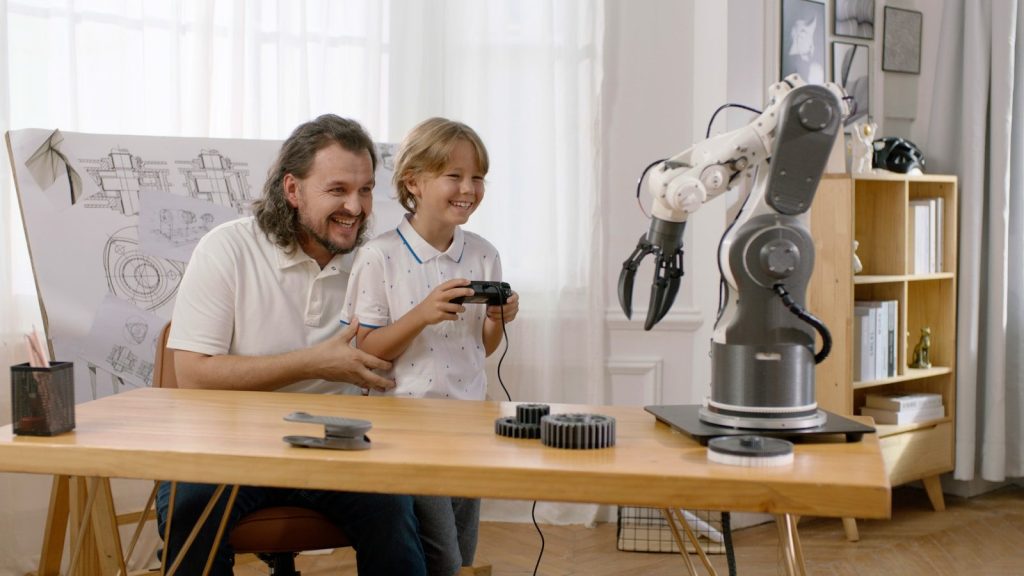
A factory floor can be mapped, planned, and controlled. A home changes every day. Shoes move, chairs shift, bags land in walkways, and toys appear where the robot does not expect them.
That makes simple jobs harder than they sound. A robot may know how to cross a clean room, but a busy living room asks it to notice obstacles, avoid people, and keep working without getting stuck.
Picking things up is tough
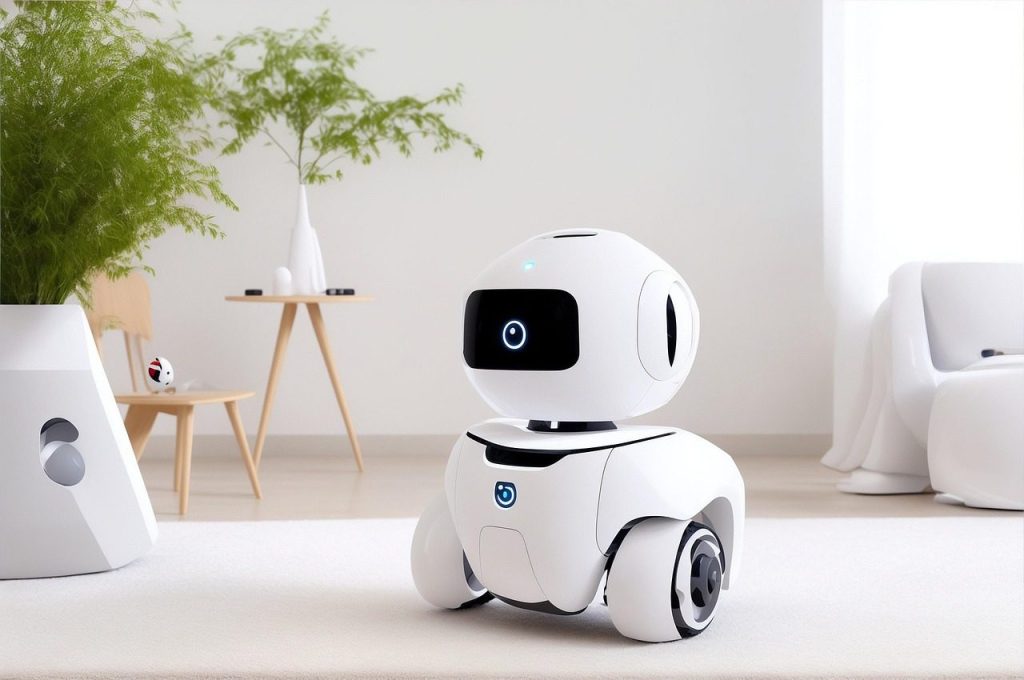
Humans grab objects without thinking. We adjust our grip when something is soft, slippery, heavy, or oddly shaped. Robots have to calculate all of that before they even lift an item.
That is one reason laundry, dishes, and clutter are still hard tasks. Small, delicate, or irregular objects remain a challenge for home robots, even as AI improves.
Clean demos can fool us
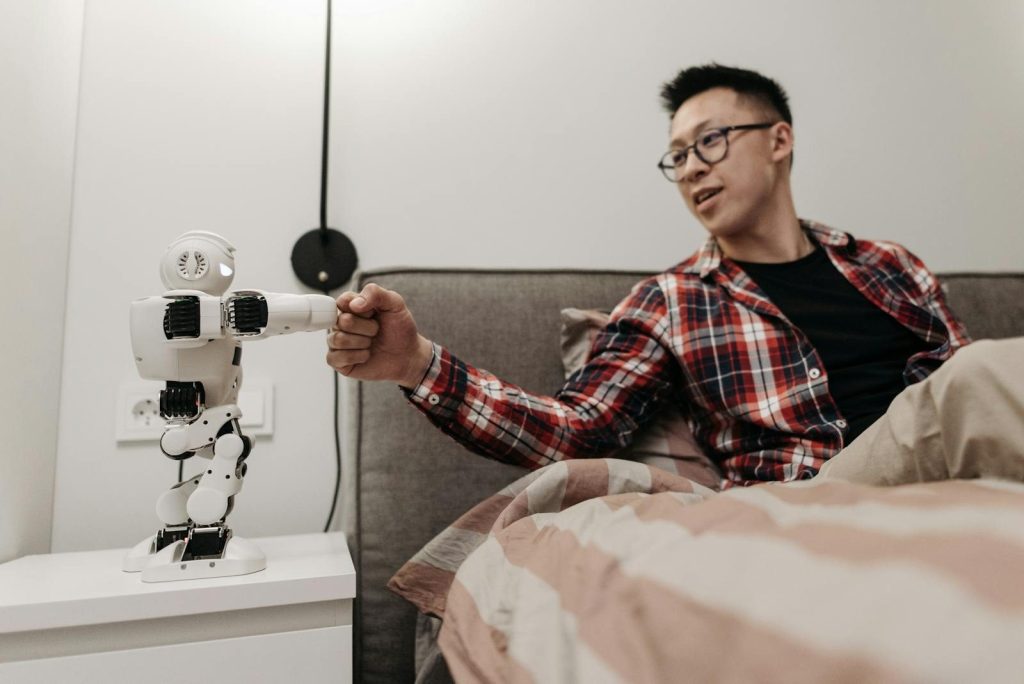
Robot videos often show a polished moment: one robot, one task, one clean space, and one successful result. That can make the technology seem closer than it really is.
Real homes are less predictable. A robot must repeat the job many times, recover from mistakes, and handle bad lighting, noise, and changing layouts. A short clip rarely shows that full test.
Safety has to come first
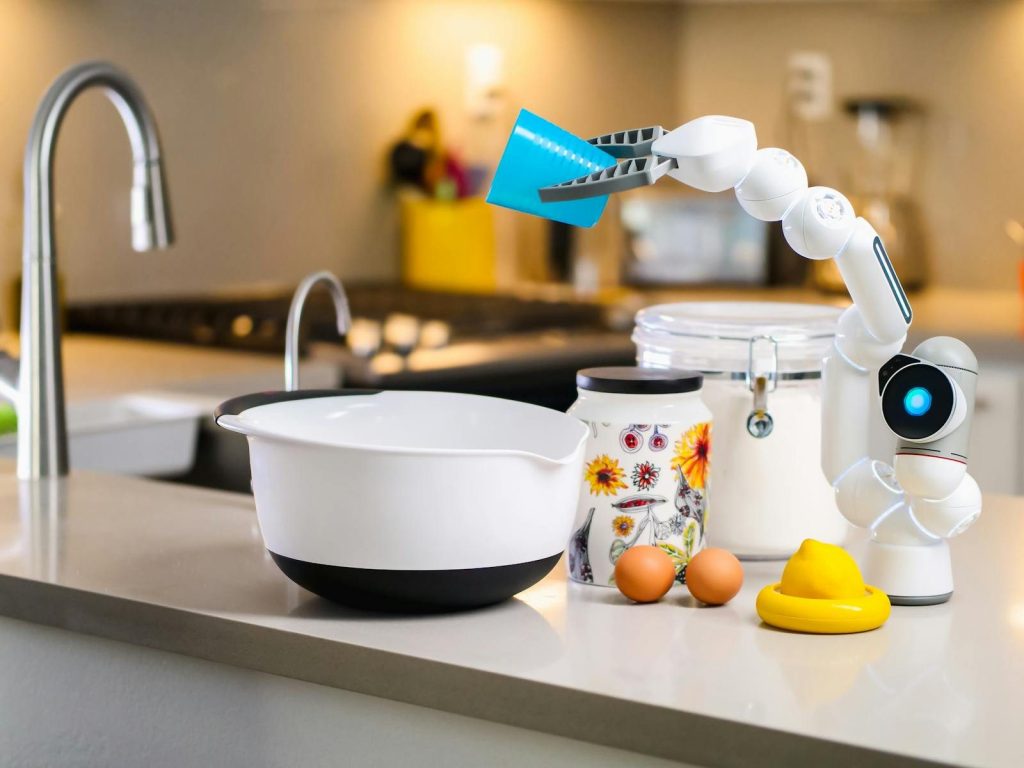
A home robot may work near kids, pets, older adults, furniture, glass, and electronics. Even a small mistake can matter if the robot bumps into someone or drops something fragile.
That is why speed is not the only goal. The robot must move carefully, understand personal space, and stop when something feels unsafe. People need to trust it before they let it roam freely.
Privacy is a real concern
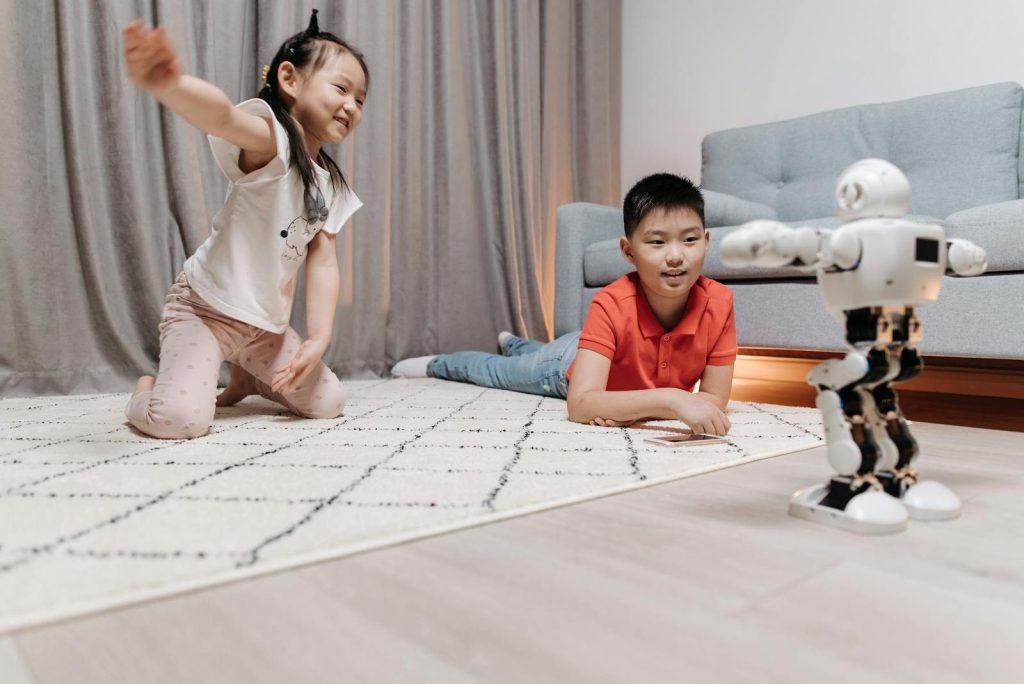
Many home robots depend on cameras, microphones, sensors, maps, and connected apps. Those tools can help the robot understand the room, but they also raise questions about personal data.
People may wonder what the robot records, where the information goes, and who can access it. Surveys and expert reviews have pointed to privacy and trust as major issues for home robots.
Price must make sense

A home robot has to be useful enough to justify its cost. That is a high bar when many people already own cheaper tools like vacuums, smart speakers, and basic appliances.
Even robot vacuums show how tough the market can be. The Roomba helped make home robots familiar, but its maker, iRobot, later faced major business pressure and filed for bankruptcy protection.
AI helps, but not alone
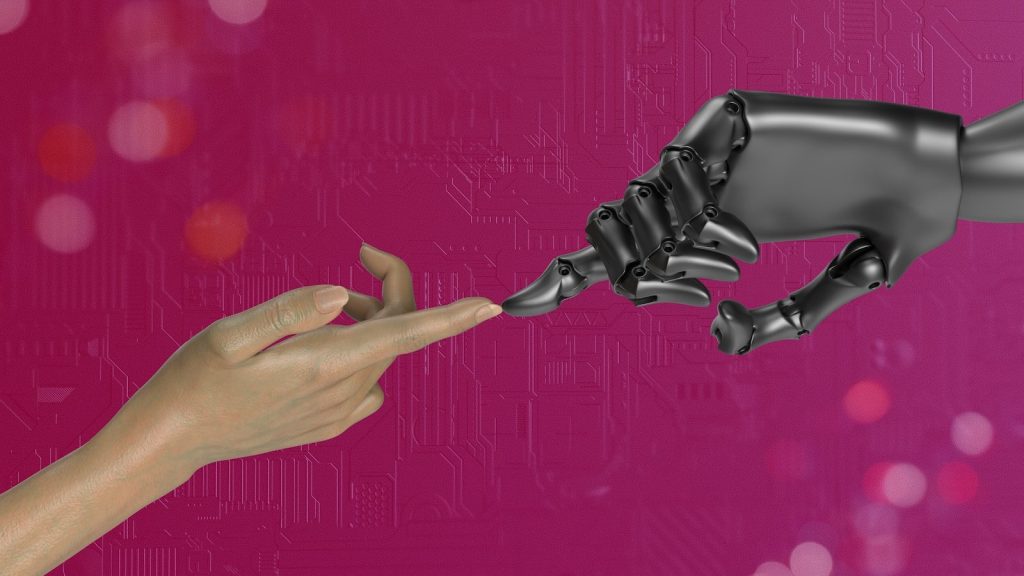
Better AI can help robots understand speech, recognize objects, and learn from examples. Still, a home robot also needs strong hardware, good sensors, safe motors, and long battery life.
That mix is difficult. A smart robot that cannot grip well is not very useful. A strong robot that cannot understand its surroundings is not safe. The whole system has to work together.
Progress will look practical
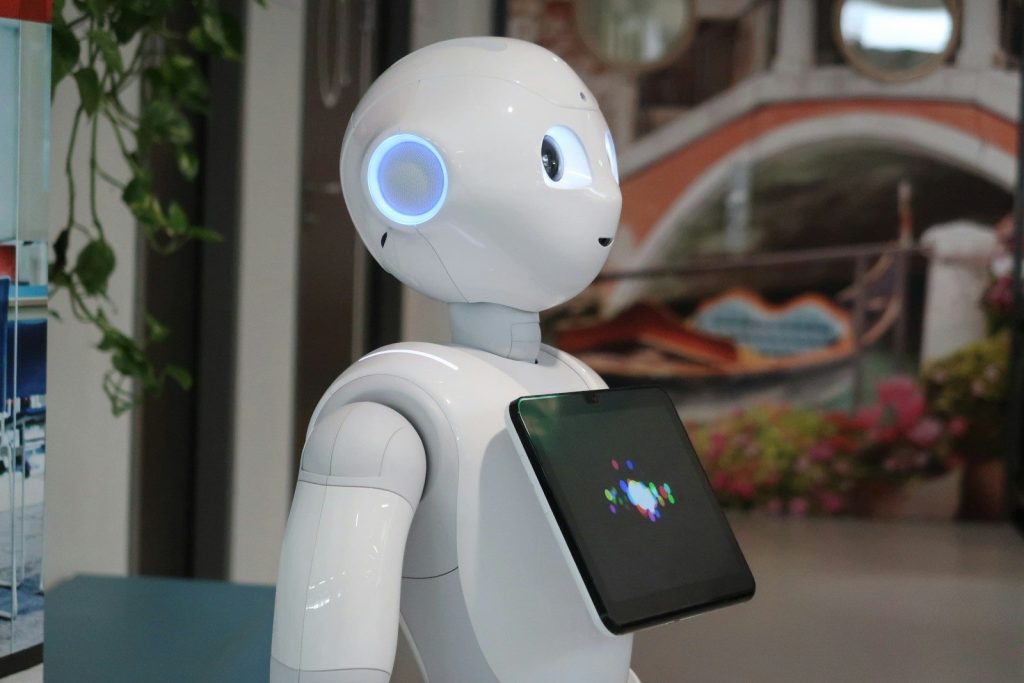
The first truly useful home robots may not look like movie robots. They may be focused machines that clean, carry, monitor, or help with one clear job.
That is not a bad thing. Home robots will likely improve step by step, starting with tasks that are repetitive and low-risk. The dream is big, but the best progress may look boring at first.
Leave a Reply