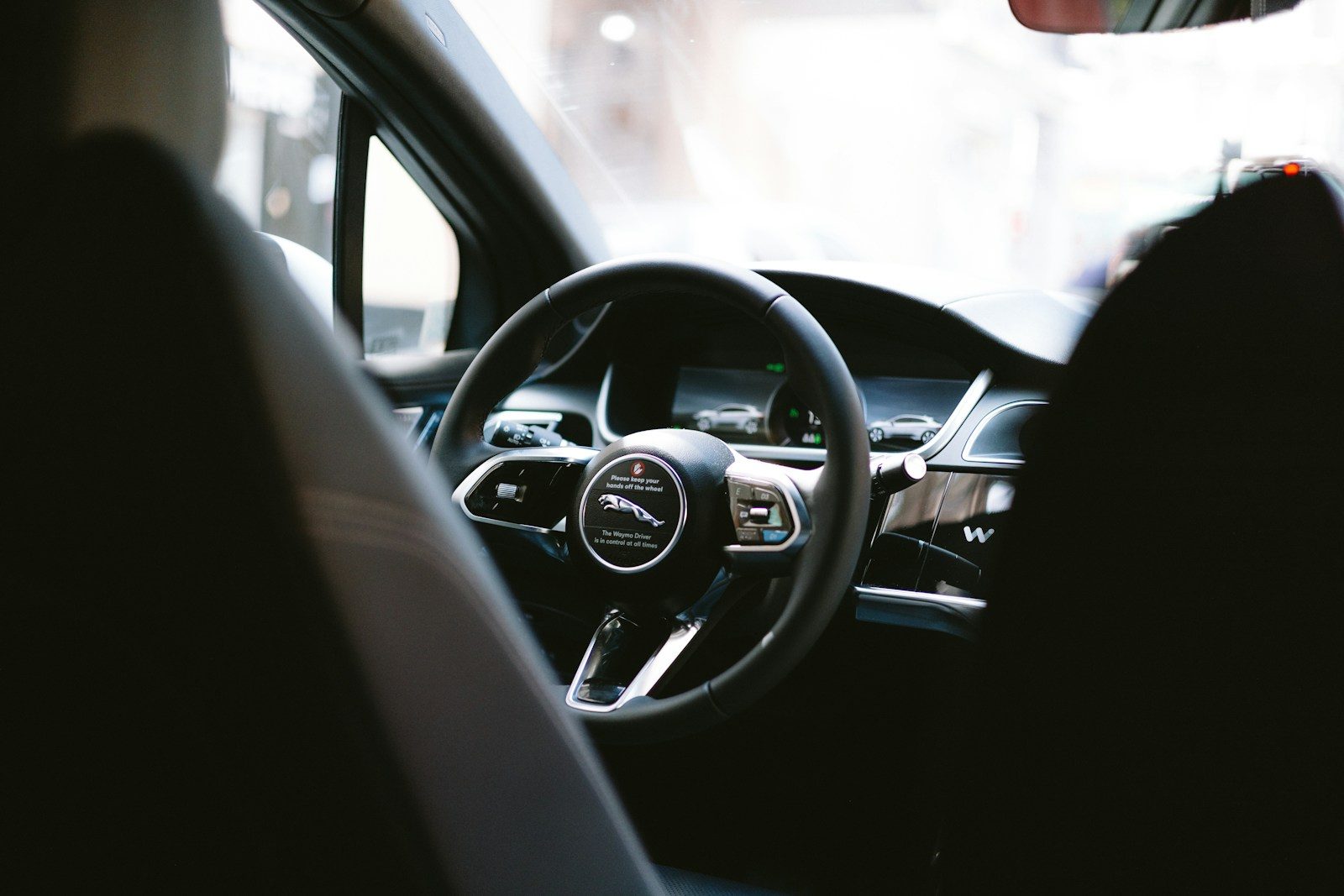
Running errands can eat up more of the day than people expect. A quick trip for groceries, a ride to an appointment, or a pickup across town can turn into traffic, parking, and waiting around. That is why self-driving services are starting to feel less like a far-off idea and more like a tool people may actually use.
Robotaxi services are already expanding in several U.S. cities, and companies are also testing autonomous delivery for food, groceries, packages, and local trips. Waymo has grown its driverless ride service across major metro areas, while delivery-focused companies like Nuro are building systems for short local trips and last-mile delivery. The big shift is simple: self-driving tech may become most useful when it handles the small errands people repeat every week.
Errands may start with a tap
Most people already use apps to order rides, food, groceries, and home items. Self-driving services could fit into that same habit without asking people to learn much new.
Instead of calling a friend, driving across town, or waiting for a traditional delivery route, a person may schedule a driverless ride or delivery from their phone. The easier the app feels, the faster these services may become part of normal errands.
Robotaxis could handle quick trips
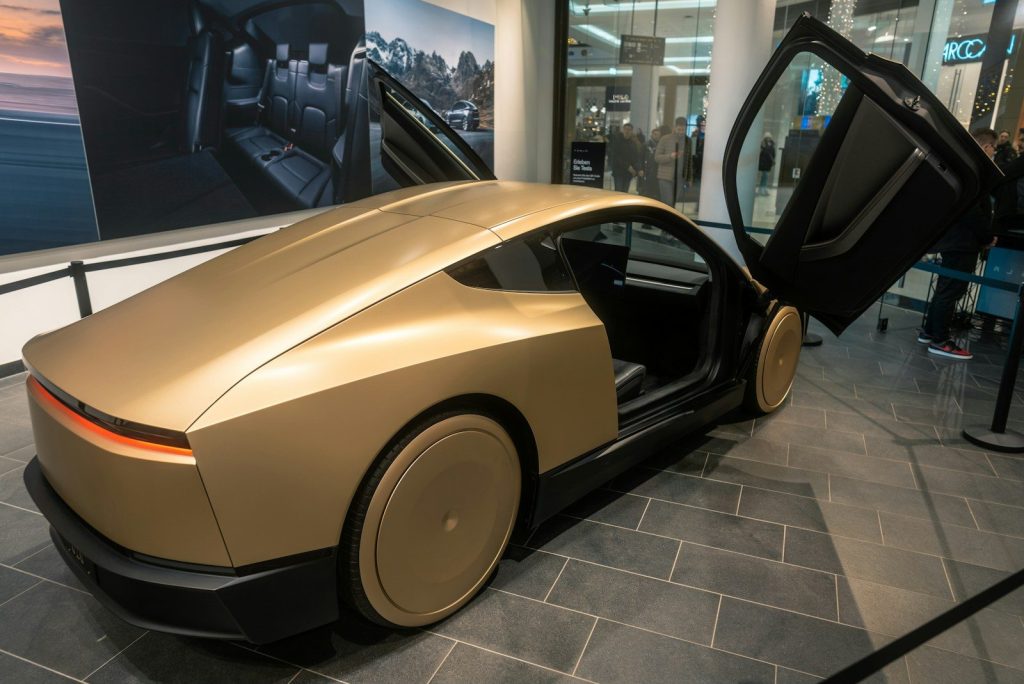
Robotaxis may be useful for short rides that do not need much planning. A person could use one for a pharmacy run, a dentist visit, or a ride to the grocery store.
This could be helpful for people who do not own a car, do not want to park, or need a simple way to move around town. The service works best when the pickup area, drop-off area, and road conditions are already supported.
Delivery bots may save time
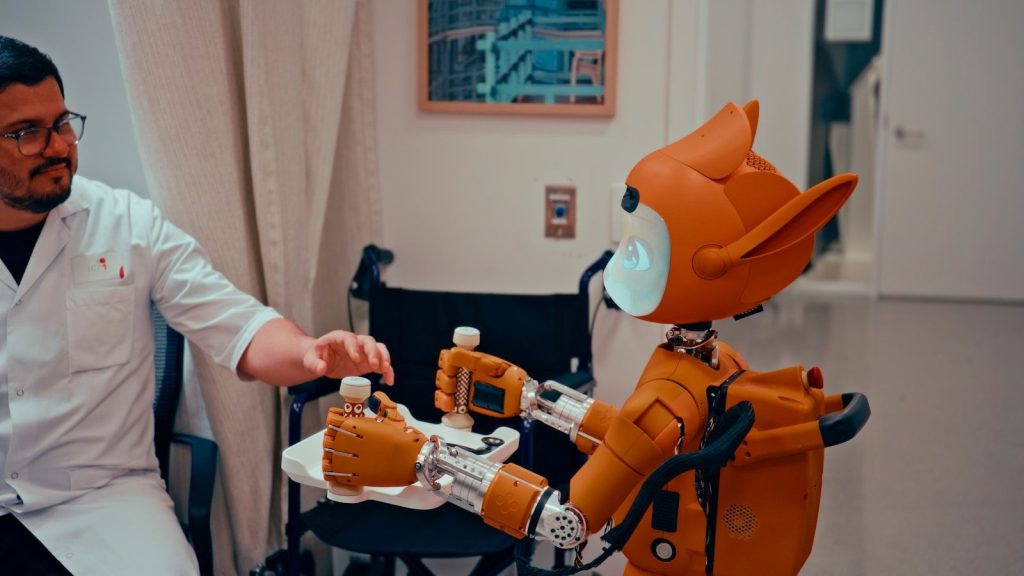
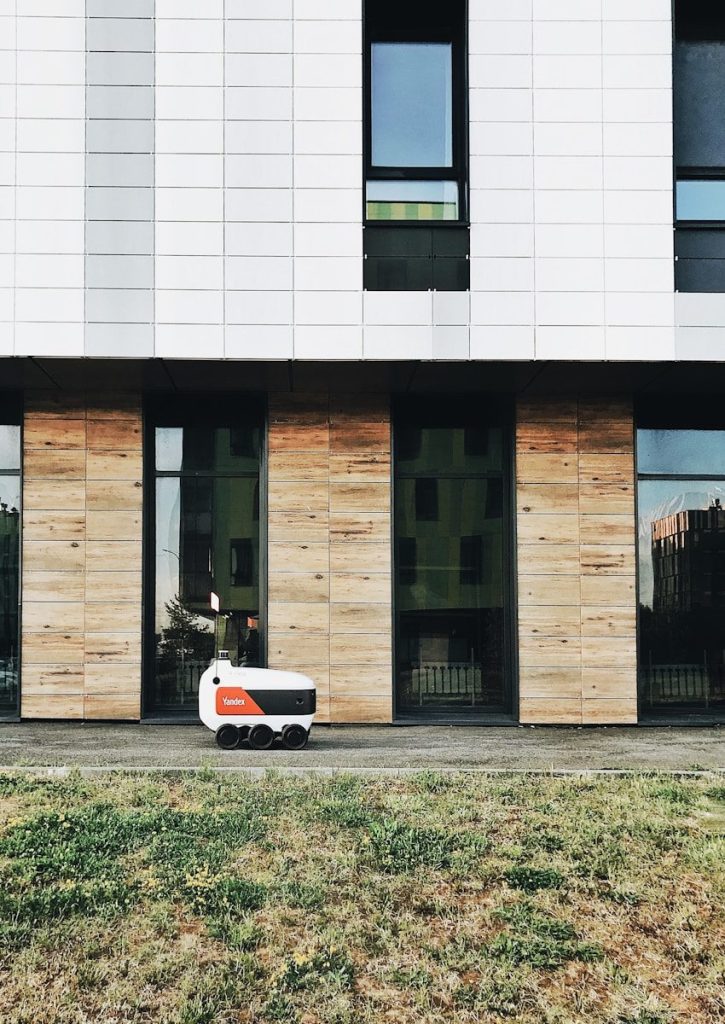
Self-driving delivery vehicles could make small orders feel more practical. Instead of sending a full-size car with a driver for one bag of groceries, a small autonomous vehicle may handle the trip.
That could help stores, restaurants, and local services move items more often. For customers, the appeal is simple: fewer extra stops, less waiting, and more time back in the day.
Groceries could arrive differently
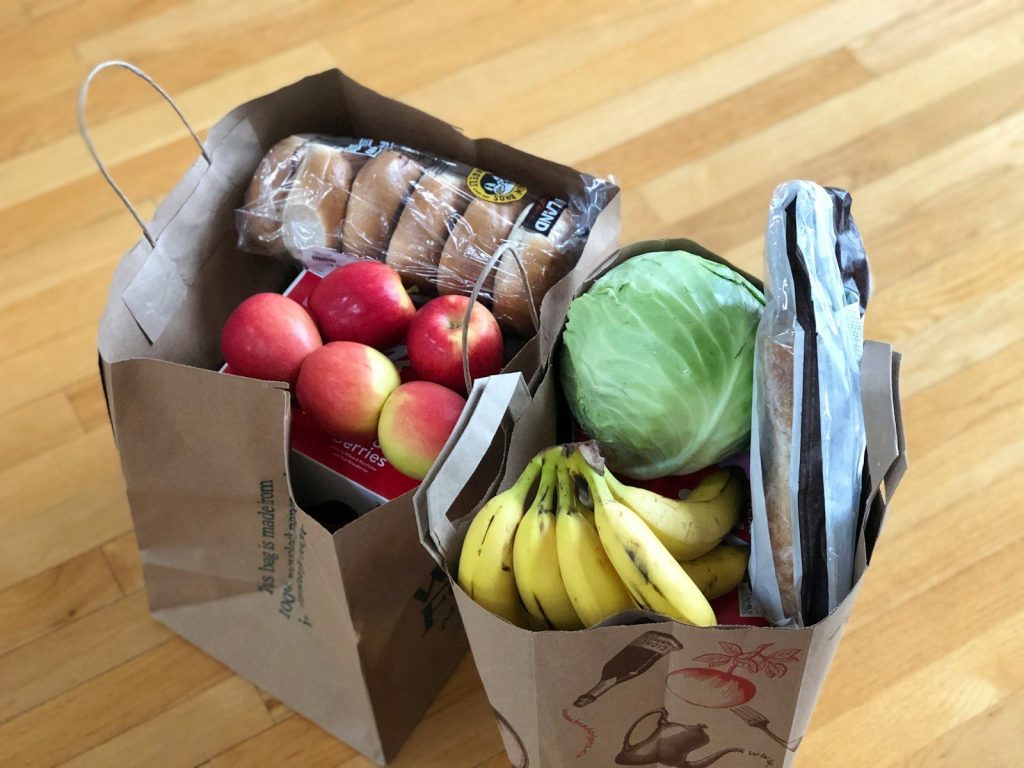
Grocery shopping is one of the errands people repeat most often. Self-driving delivery could make it easier to get weekly basics without spending time in traffic or checkout lines.
This does not mean every grocery trip disappears. Many people still like picking produce or browsing in person. But for milk, bread, pet food, and household staples, autonomous delivery may become a handy backup.
Appointments may be less stressful
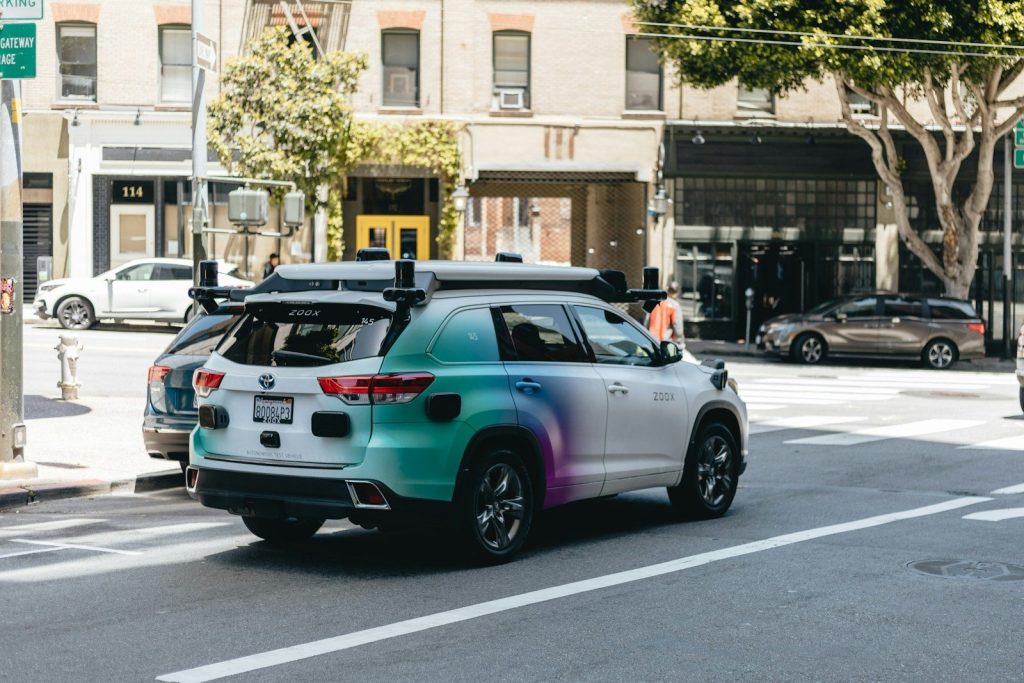
Getting to an appointment can be stressful when parking is tight or traffic is unpredictable. A self-driving ride could drop someone close to the door and return when needed.
This may be useful for medical visits, school events, salon appointments, or trips where the person does not want to leave a car parked for hours. The ride itself becomes part of the errand, not another problem to solve.
Families may use them carefully
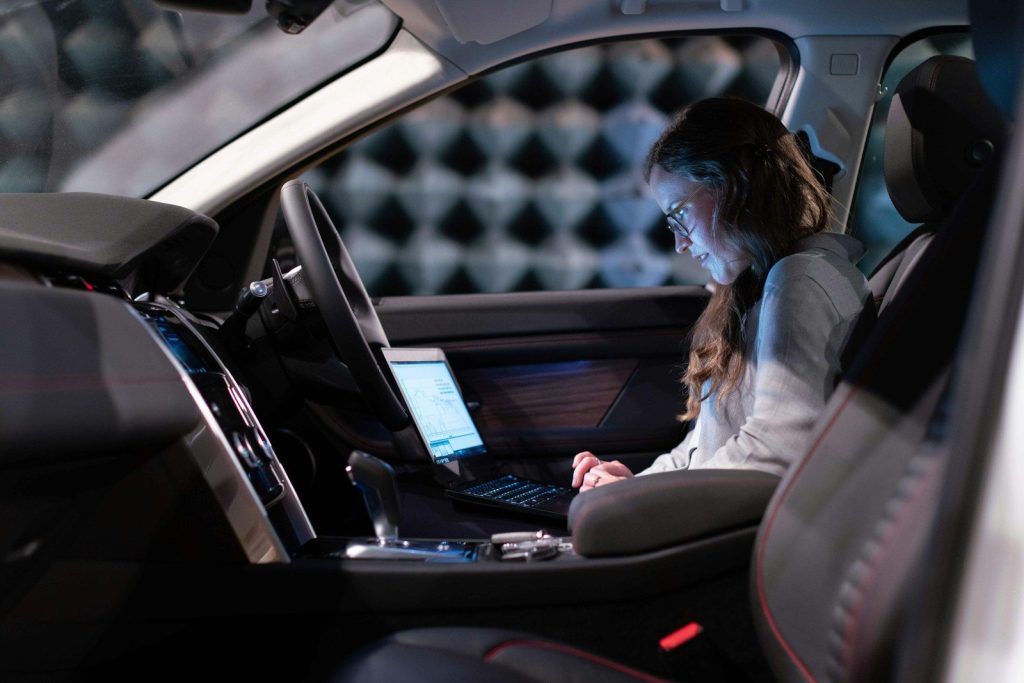
Families could find self-driving services useful, but trust will matter. Parents may want clear rules about who can ride, how pickups work, and what happens if plans change.
Companies will need strong safety steps, simple rider controls, and easy customer support. For many households, these services may first be used by adults before becoming part of family routines.
Stores may build around pickup
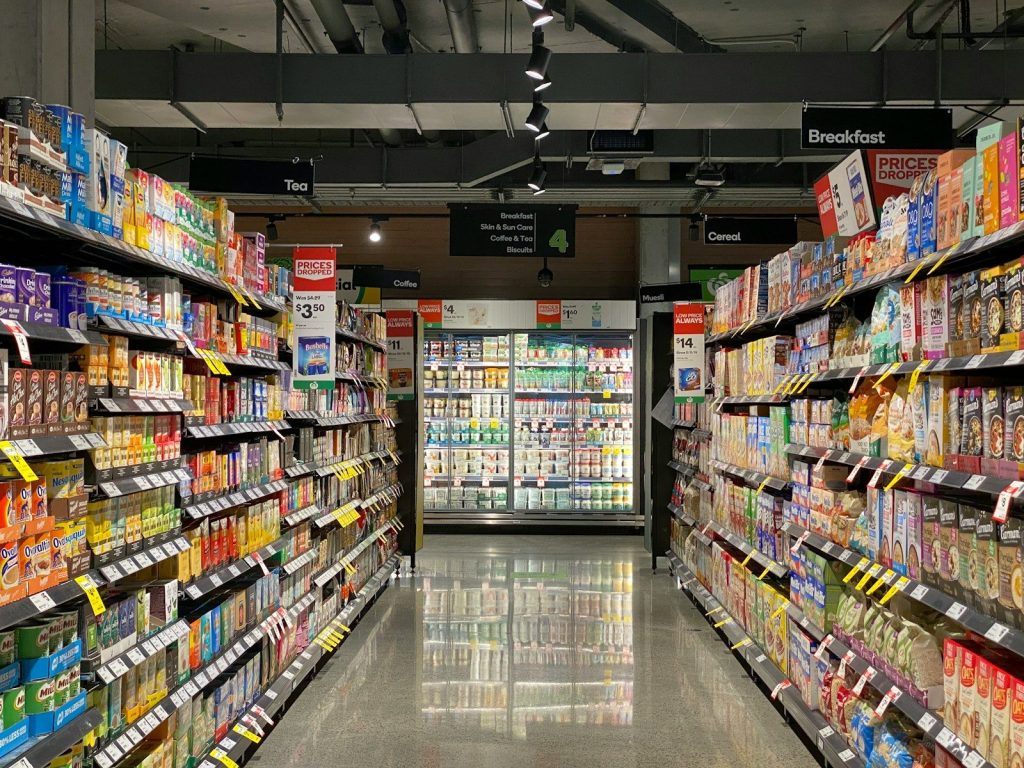
Local stores may adapt as autonomous delivery grows. They could create faster pickup systems, smaller packing zones, or special loading areas for self-driving vehicles.
That would make errands feel more connected. A pharmacy, grocery store, and restaurant could all become part of a smoother local delivery network. The vehicle is only one piece; the store setup matters too.
Cities may need new rules
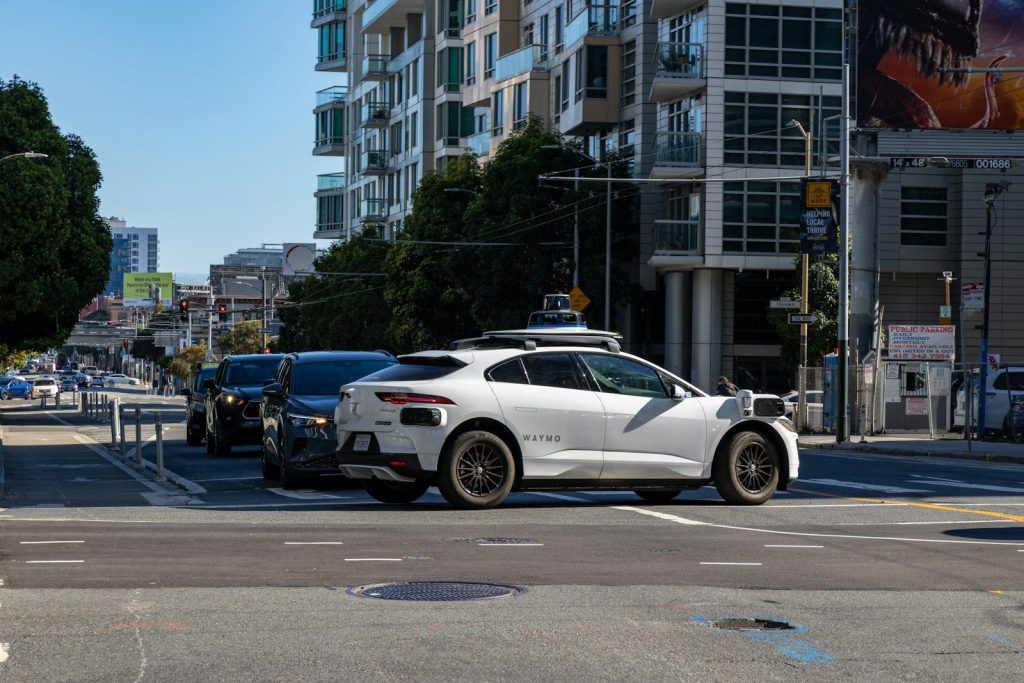
Self-driving services will not fit every street right away. Cities may need rules for curb space, pickup zones, delivery stops, and how vehicles respond near schools or busy sidewalks.
Good planning could make these services easier to use without causing clutter. The goal should be simple streets, safer stops, and less confusion for riders, pedestrians, drivers, and local businesses.
Trust will decide adoption
The technology may be impressive, but people will judge it by everyday moments. Was the pickup easy? Did the ride feel calm? Did the delivery arrive on time? Was help available when something went wrong?
Those small details will shape public trust. People do not need every technical answer. They need the service to feel safe, clear, useful, and worth choosing again.
Everyday use may grow slowly
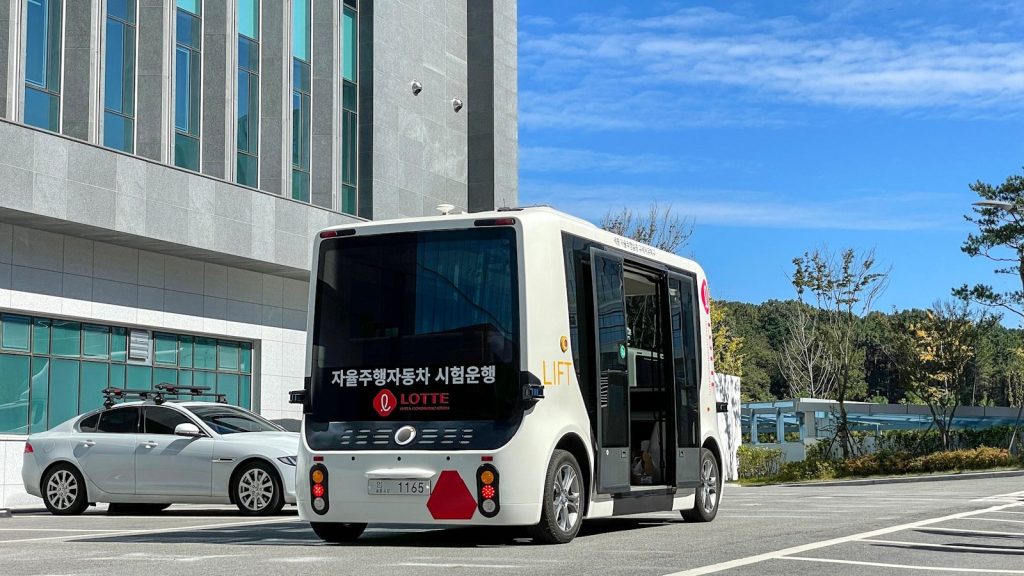
Self-driving services probably will not replace regular cars overnight. They are more likely to spread city by city, errand by errand, as coverage improves and people get comfortable.
The biggest change may be quiet. One day, a driverless ride to an appointment or an autonomous grocery drop-off may feel as normal as ordering takeout from an app. That is when the technology becomes part of daily life.
Leave a Reply