
A new gaming PC used to feel like an exciting jump: faster frames, sharper graphics, and smoother play. Now, many players are thinking twice before spending big. Parts are expensive, memory prices have been under pressure, and some gamers are still happy with midrange hardware that runs their favorite titles well enough.
A recent Tom’s Hardware survey found that 60% of PC gamers who responded had no plans to build a new PC in the next 2 years, with high component prices and supply concerns playing a major role. At the same time, Steam’s hardware survey still shows many players using older or midrange GPUs, which suggests plenty of gamers are stretching their current systems longer.
Upgrade prices feel too high

Many gamers are delaying upgrades because the total cost feels harder to justify. A new graphics card may also lead to a new power supply, better cooling, more memory, or a stronger processor.
That turns one upgrade into a bigger bill. With prices changing across GPUs, RAM, and storage, some players are waiting for better deals before they rebuild.
Current PCs still play well
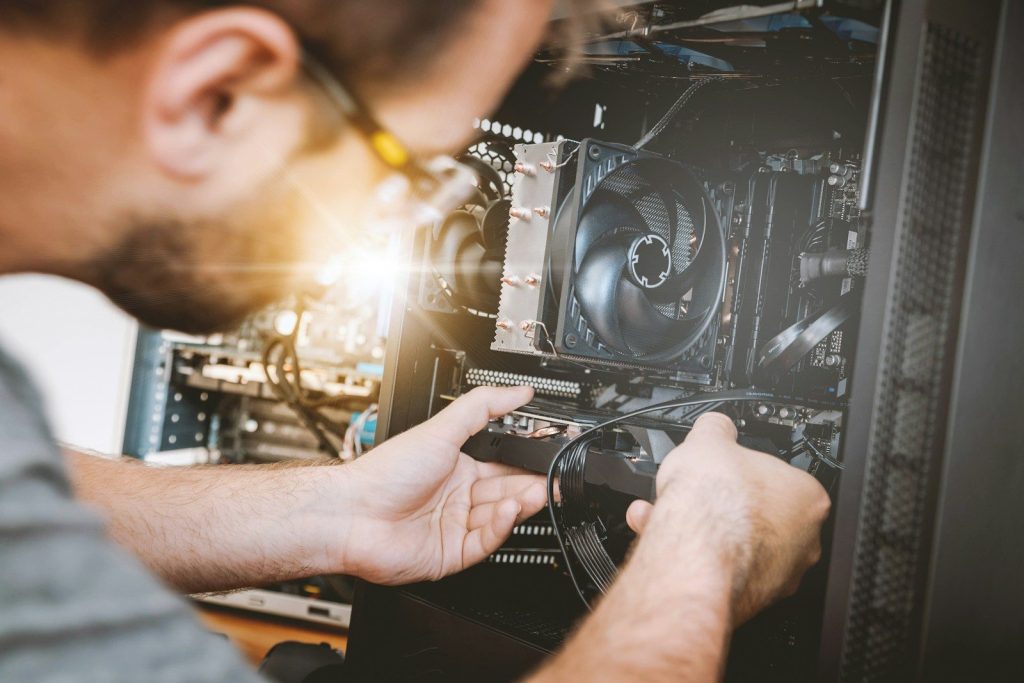
Not every gamer needs the newest hardware right away. Many popular games still run well on older midrange parts, especially at 1080p or with adjusted settings.
Steam’s April 2026 hardware survey still shows DirectX 12 GPUs making up most surveyed systems, while many users continue gaming on familiar hardware instead of rushing to the newest tier.
GPU value feels uncertain
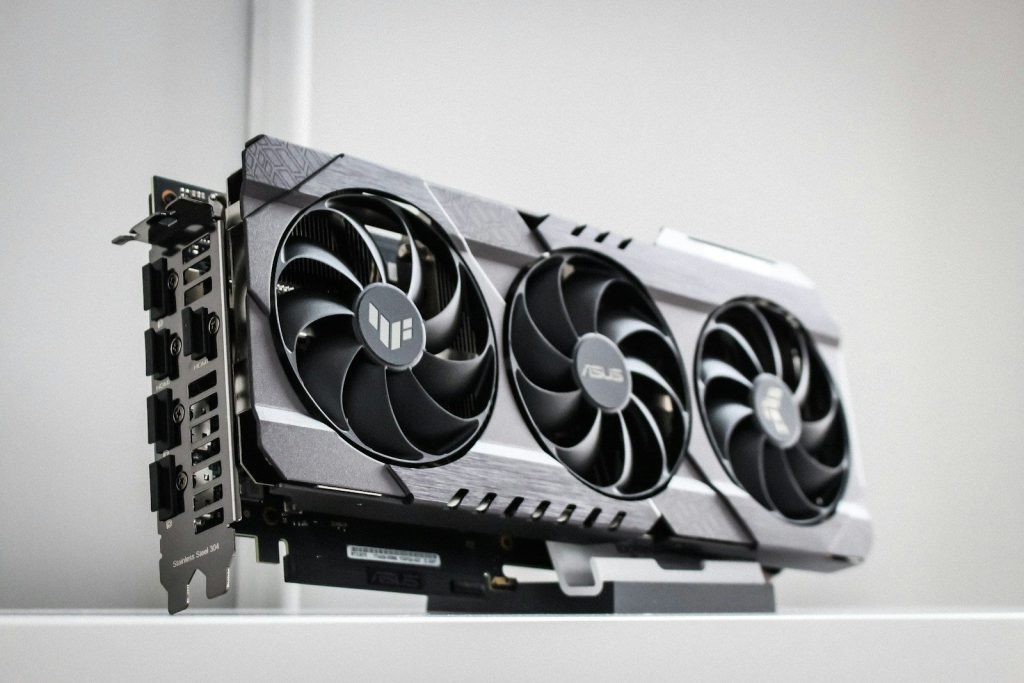
New graphics cards can bring better performance, but gamers often look closely at price-to-performance before buying. If the jump feels too small for the money, waiting becomes easier.
Nvidia listed RTX 50-series launch prices in 2025, including $549 for the RTX 5070 and $999 for the RTX 5080. For many buyers, those prices made careful comparison more important than impulse upgrading.
Memory costs add pressure
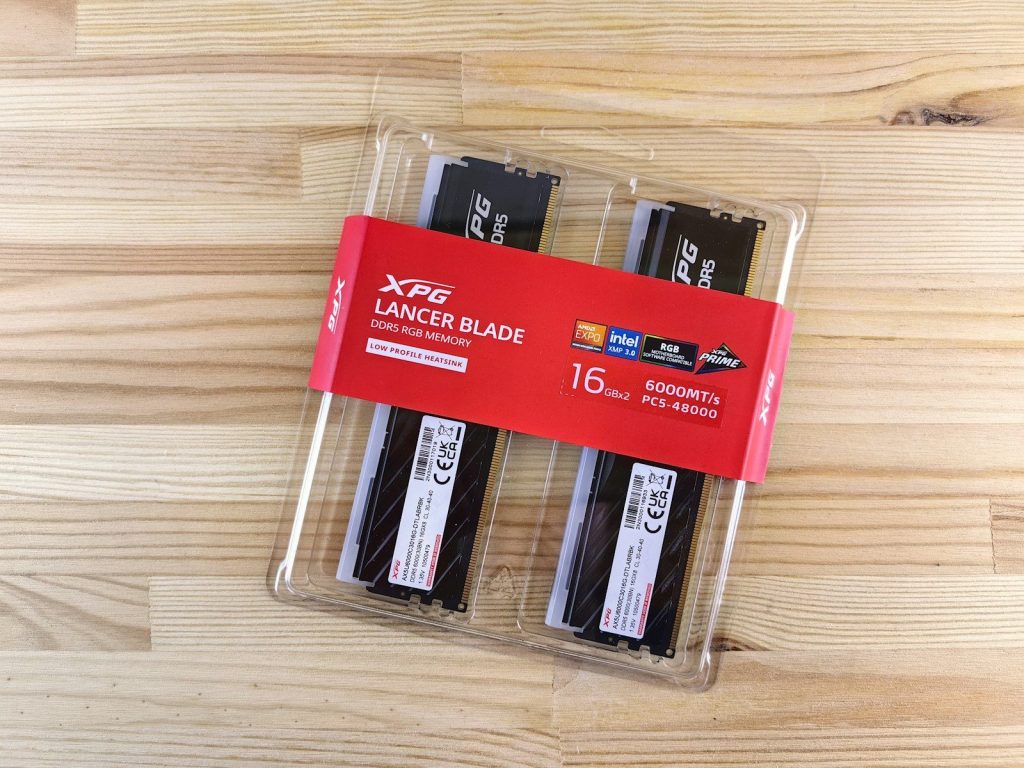
RAM and storage are not always the most exciting parts of a gaming build, but they affect the final price. MSI noted that AI-industry demand has been impacting PC RAM pricing during the 2025–2026 memory shortage.
That makes builders more cautious. A gamer who planned a simple upgrade may decide to wait if memory, SSDs, and related parts push the budget too high.
Bigger games need more storage
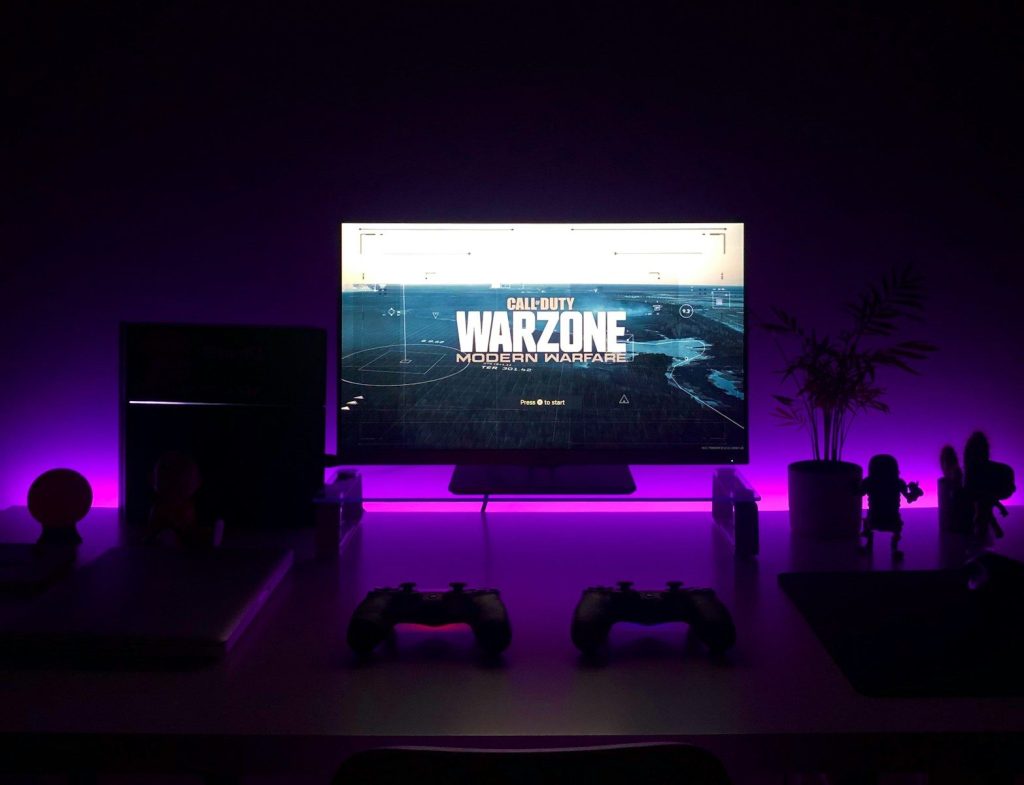
Modern games can demand a lot of space, which can make upgrades feel less straightforward. Activision lists Call of Duty: Warzone’s PC requirement at 116 GB of available SSD space at launch.
For gamers with smaller drives, storage becomes another cost to consider. Instead of buying only a GPU, they may need a larger SSD too, which delays the whole upgrade plan.
Windows changes create decisions

Windows 10 support ended on October 14, 2025, and Microsoft recommends moving to Windows 11 for ongoing security and feature updates. Some older PCs may not meet the official Windows 11 requirements.
That puts some gamers in a tricky spot. They may need to choose between upgrading parts, replacing the whole system, or keeping an older setup a little longer.
Waiting can feel smarter
Gamers are used to watching prices rise and fall. Big sales, new GPU releases, driver updates, and game patches can all change the value of an upgrade.
That makes patience feel practical. If a current PC still runs favorite games, waiting for better pricing or clearer performance gains can feel like the safer move.
Leave a Reply