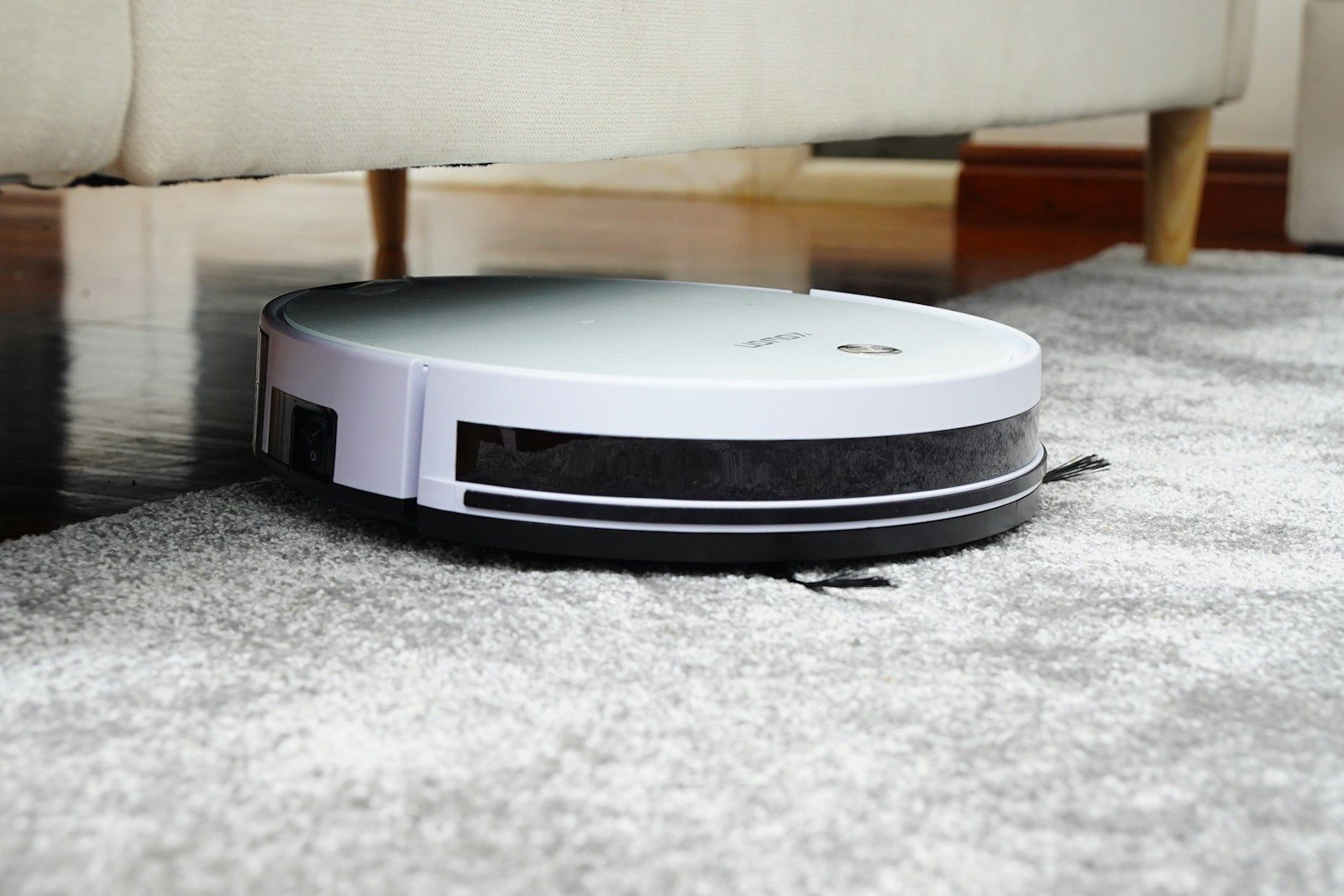
A robot vacuum is supposed to make life easier, but one tiny mistake can ruin the whole point. A loose charging cord, a sock under the couch, or a small toy in the hallway can stop a cleaning run fast. That is why object detection has become one of the most useful upgrades in robot vacuums. Instead of only bumping into things and turning away, newer models can use cameras, lasers, depth sensors, or AI tools to spot items before trouble starts.
Some brands now promote features that help vacuums avoid cords, shoes, and other common floor clutter. iRobot says its j Series robots use PrecisionVision Navigation to detect and avoid objects such as charging cords and shoes, while Roborock highlights obstacle-avoidance systems across newer models.
Tiny items cause big stops
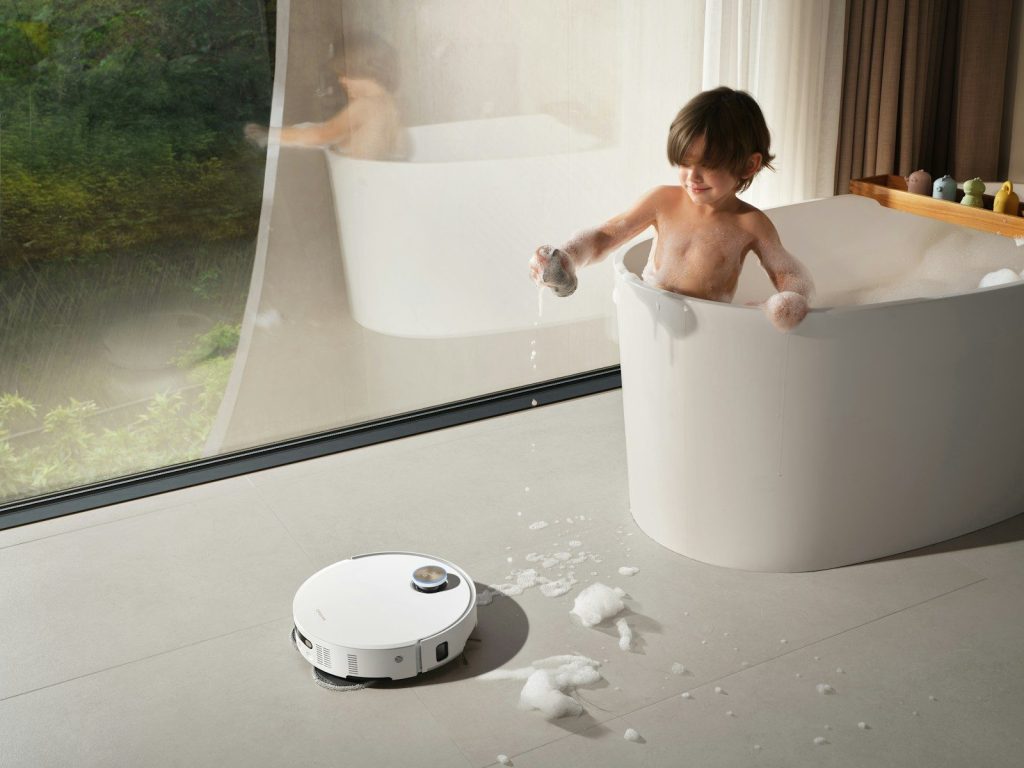
A small object can turn a simple cleaning job into a rescue mission. A robot vacuum may roll over a cord, push a toy across the room, or get stuck near a chair leg.
Object detection is meant to catch those problems earlier. Instead of waiting until the robot bumps, drags, or tangles, the system tries to notice the object first and plan a safer path around it.
Sensors act like extra eyes
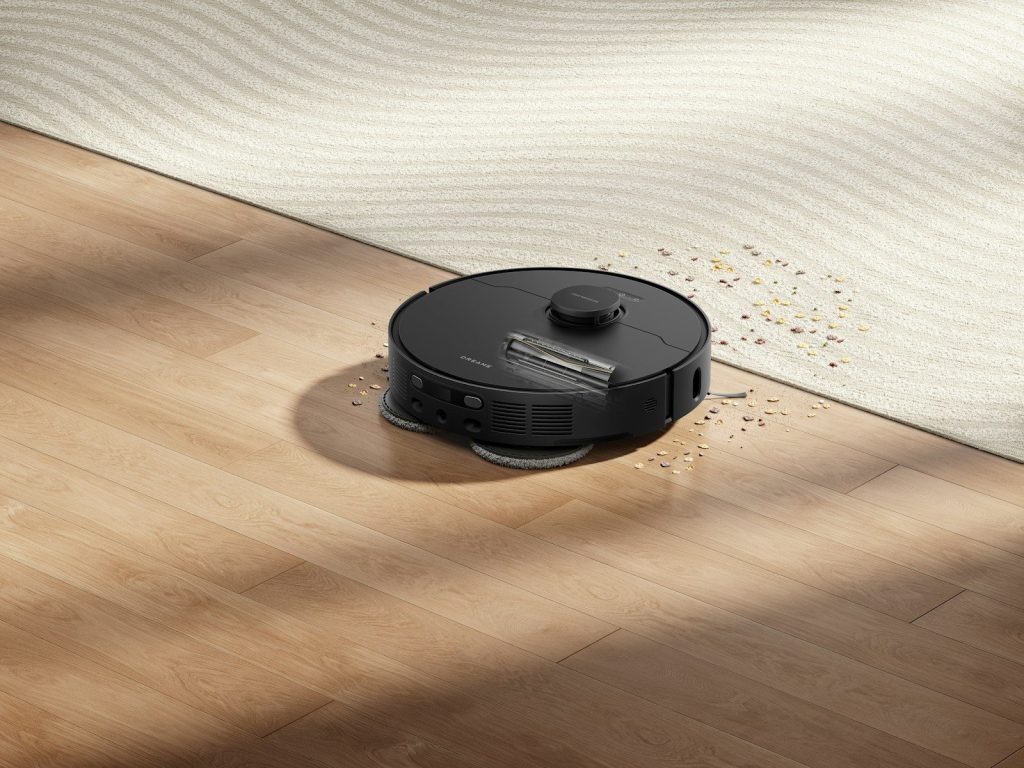
Modern robot vacuums do not all “see” the same way. Some use cameras, while others use lasers, structured light, depth sensors, or a mix of tools to understand what is on the floor.
These sensors help the vacuum read the space in front of it. That can make cleaning feel less random, especially in busy homes where shoes, cords, and small items do not always get picked up first.
AI helps name the problem
Object detection becomes more helpful when the vacuum can tell what it is looking at. A shoe, cable, or toy may need a different response than a wall or table leg.
Some robot vacuums use AI-backed systems to recognize common obstacles. Ecovacs says certain DEEBOT models use AI technology to capture and analyze images so the robot can identify obstacles and clean around them.
Cords are a common trap
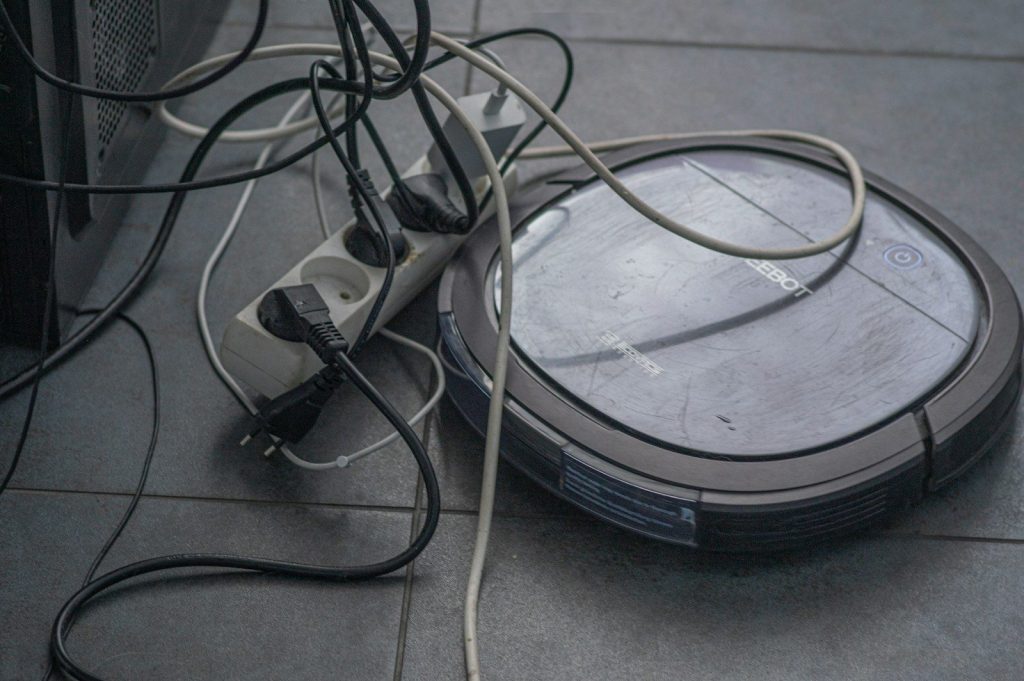
Charging cords are one of the most annoying problems for robot vacuums. They are thin, easy to miss, and often sit right where the vacuum wants to travel.
Object-detecting models can reduce the chance of a cord getting pulled, wrapped, or dragged. That does not mean every cord is safe every time, but it can make daily cleaning less stressful.
Shoes become less annoying
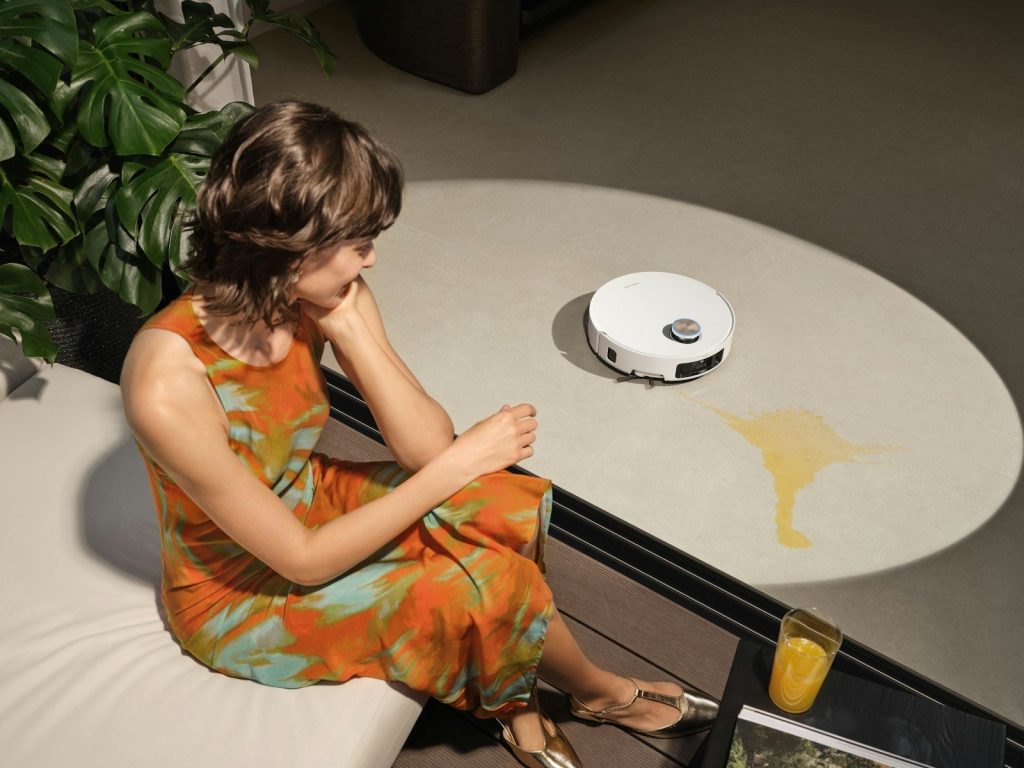
Shoes often land near doors, hallways, and bedrooms. Those are also places where robot vacuums need clear paths to move from one room to another.
Better obstacle detection can help the vacuum work around shoes instead of pushing into them. iRobot says its PrecisionVision system helps j Series robots avoid objects including shoes, cords, and other common obstacles.
Pet homes need extra care
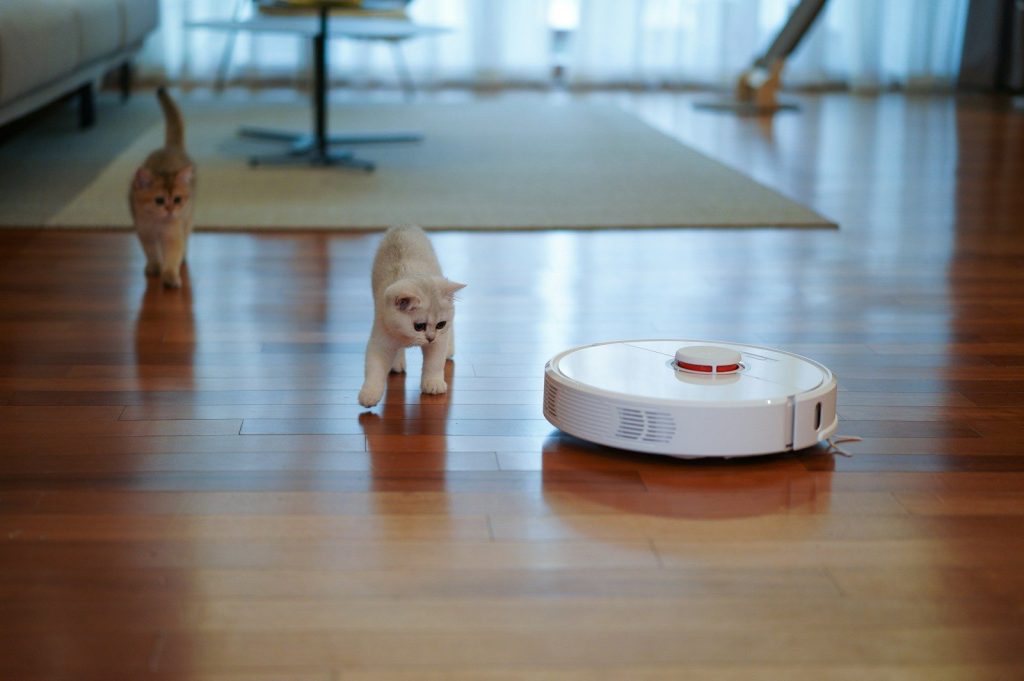
Homes with pets can be harder for robot vacuums. Food bowls, small toys, and surprise floor messes can all create problems during an automatic cleaning run.
Some newer vacuums are designed with pet-related obstacles in mind. Ecovacs says many robot vacuums can now avoid pet waste using cameras, sensors, obstacle avoidance, and virtual boundaries, though it also notes there is no perfect guarantee.
Better maps reduce repeats
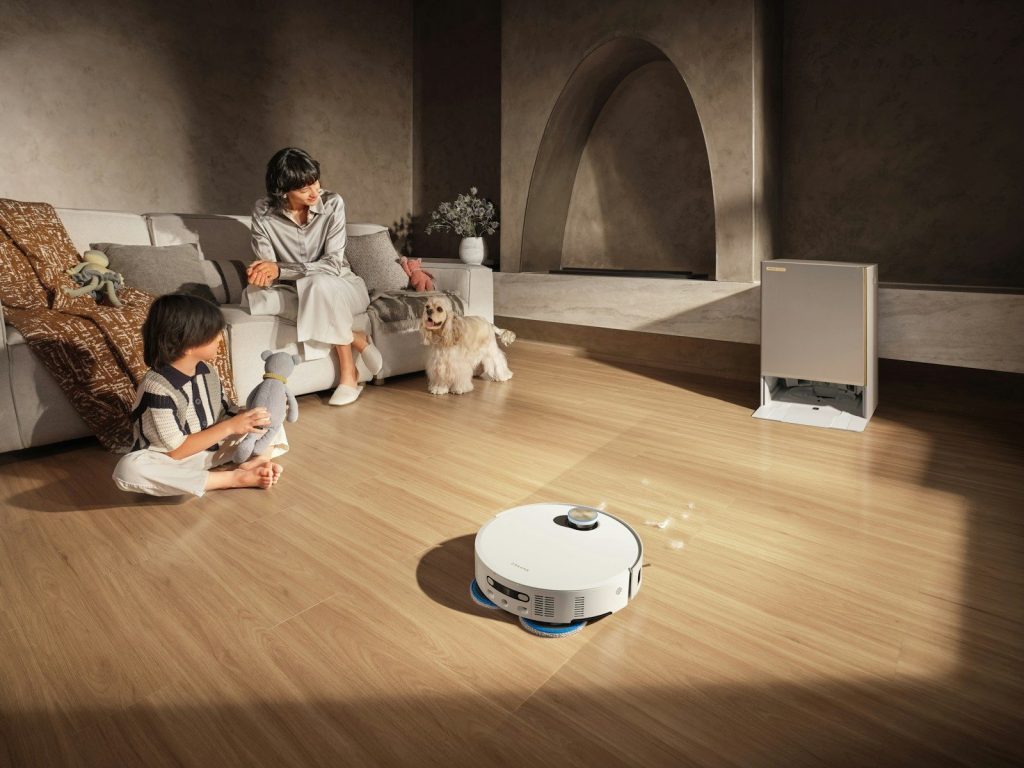
Object detection works best when it pairs with smart mapping. A vacuum that understands the room layout can move more smoothly and avoid repeating the same mistake again and again.
Roborock says its lineup includes navigation systems such as LiDAR-based mapping and newer obstacle-avoidance tools. A stronger map can help the robot clean in a more organized way, rather than wandering blindly.
Apps can flag trouble spots
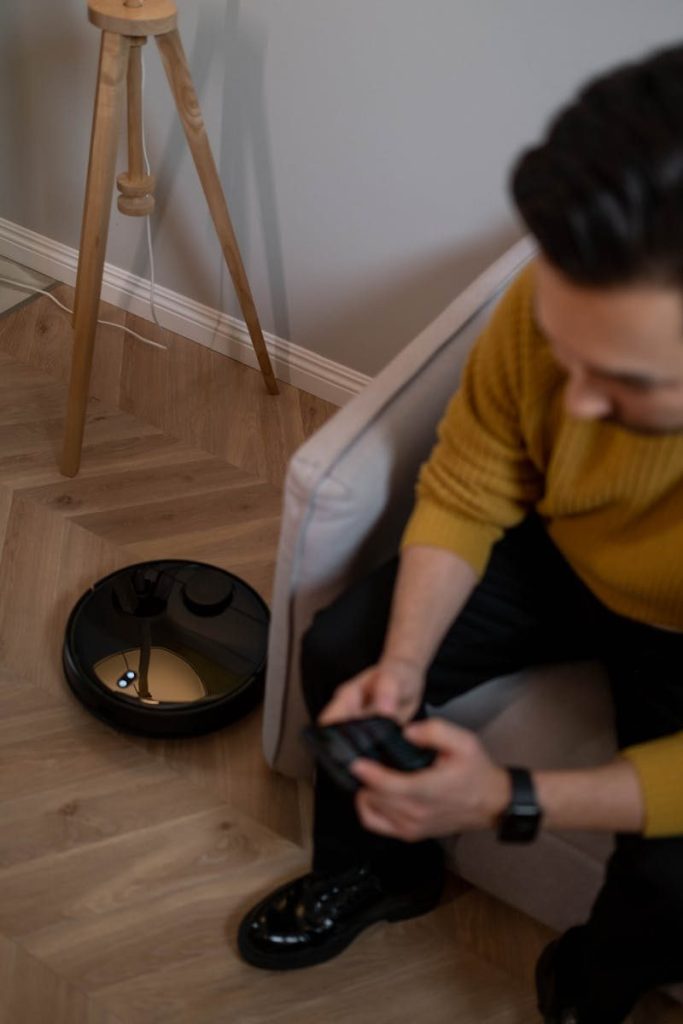
Many smart vacuums connect to mobile apps, which can give users more control. That may include cleaning schedules, room choices, no-go zones, or reminders about areas that need attention.
This matters because object detection is not only about the robot making choices. It also gives people a way to guide the vacuum, block tricky areas, and make future cleanups smoother.
It still needs a clear floor
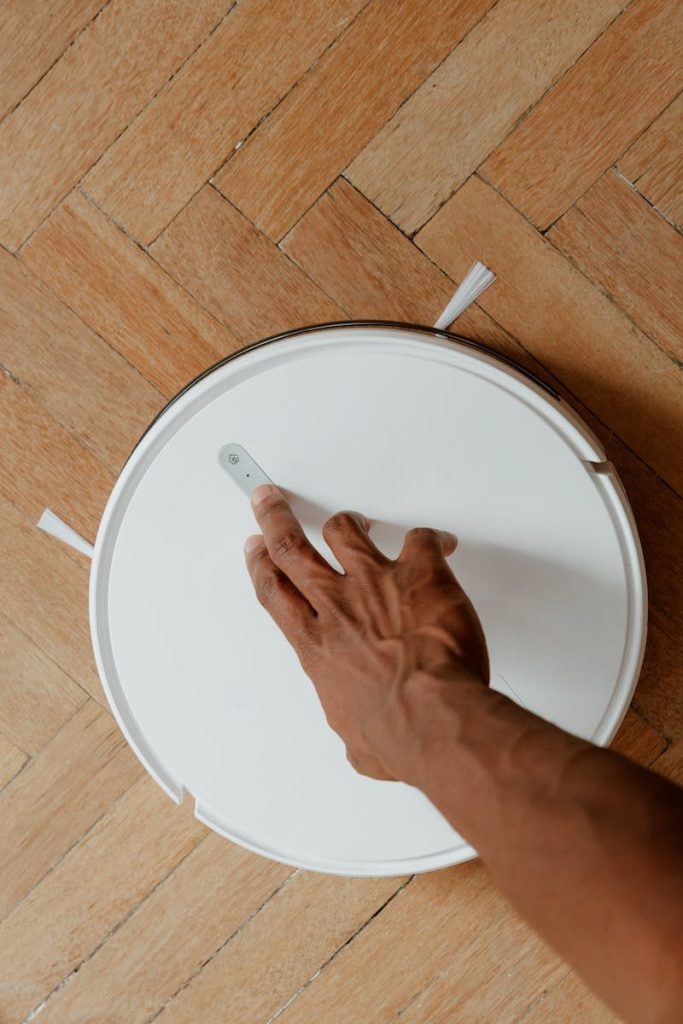
Object detection is useful, but it is not a free pass to leave everything out. Very small, flat, hidden, or oddly shaped items may still be hard for a vacuum to read.
A quick floor check still helps. Picking up the worst clutter before a cleaning run gives the robot a better chance to finish the job without pausing, tangling, or calling for help.
The goal is fewer interruptions
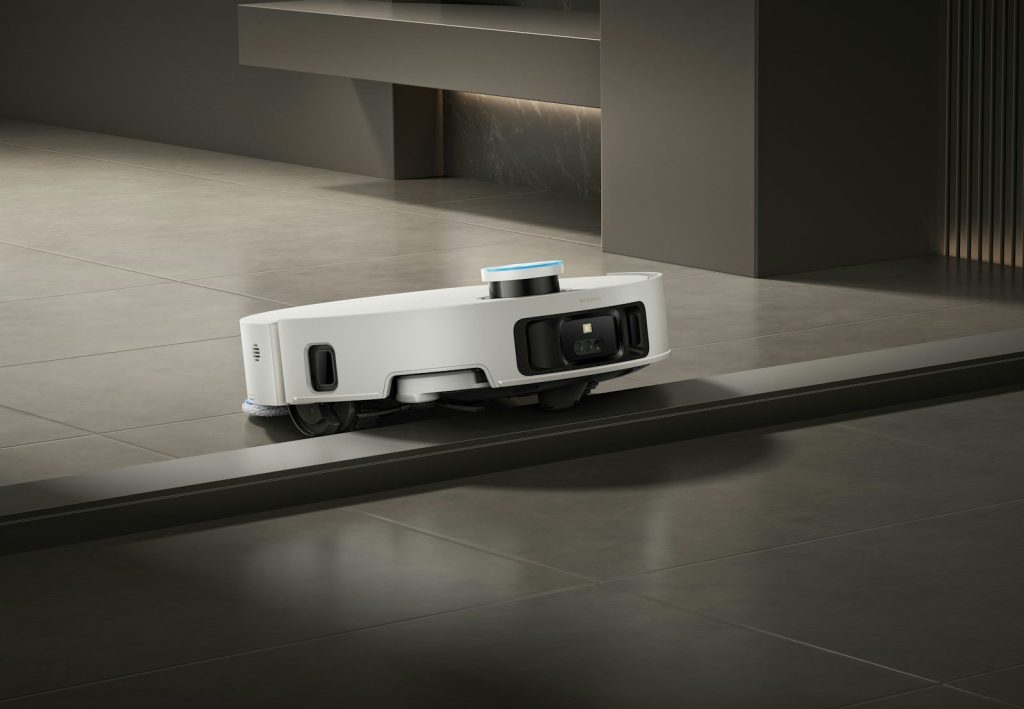
The best part of object detection is not that it makes a robot vacuum feel fancy. It is that it can help the vacuum finish more cleanups with fewer small problems.
That is the real promise. When a vacuum can spot everyday clutter, avoid the easy traps, and keep moving, it feels less like a gadget and more like a dependable household helper.
Leave a Reply