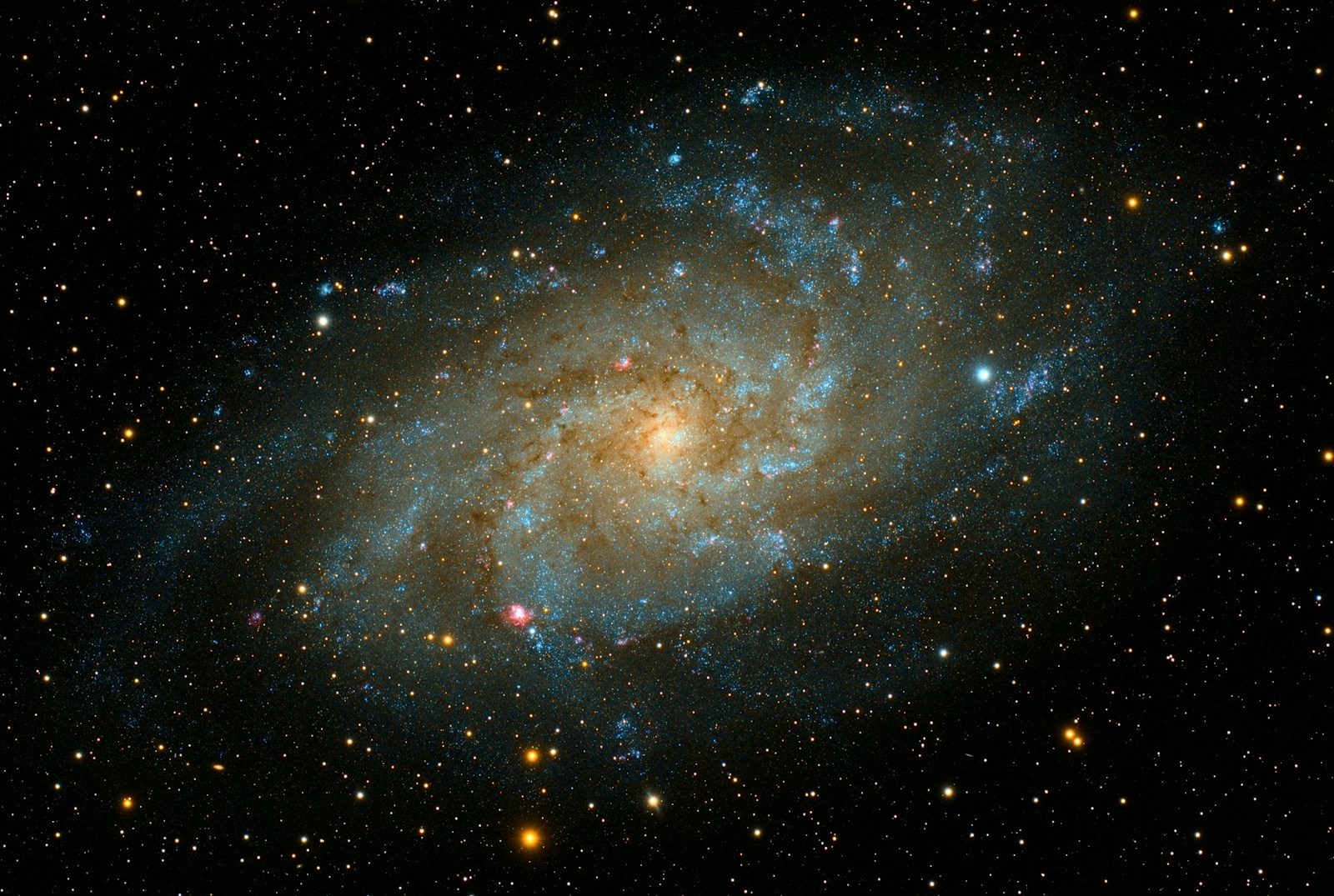
Most stargazers assume that discovering life on another world would be a wonderful breakthrough. We believe that confirming we are not alone would unite humanity.
But top planetary researchers are quietly warning of a dark scientific paradox. Finding a cosmic neighbor could actually signal that our own extinction is close.
The Great Silent Void
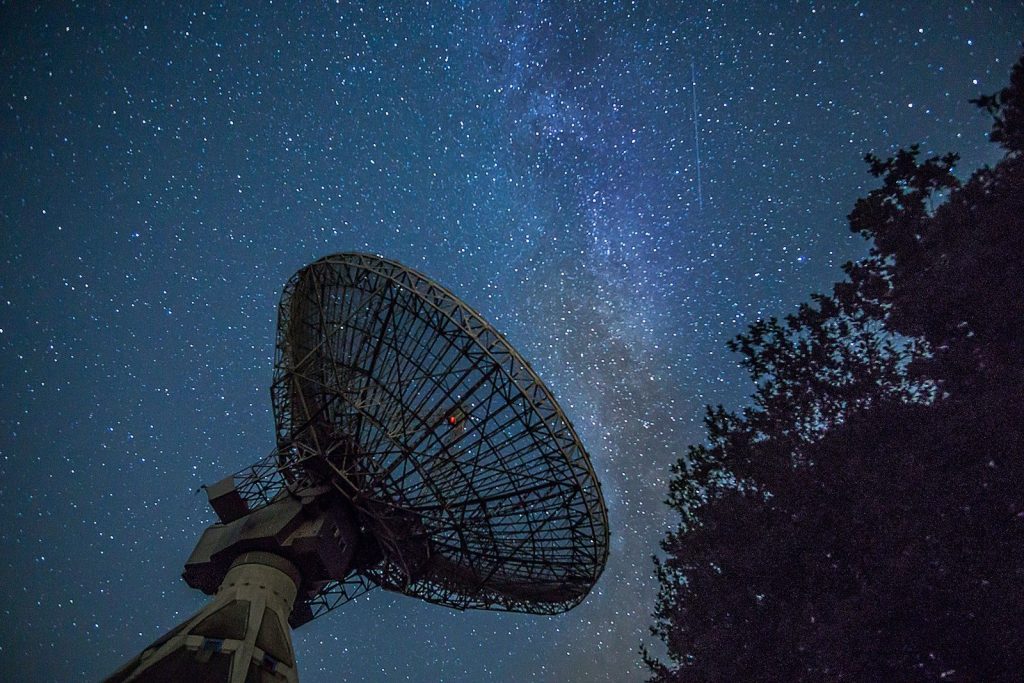
The universe is billions of years old, yet we see zero signs of advanced cosmic civilizations. According to classic astronomical theories, a highly developed species should have colonized the galaxy by now. Space is empty. This bizarre silence suggests that some invisible barrier prevents civilizations from surviving long enough to explore. But identifying this roadblock is where the real horror begins.
The Universal Filter Theory
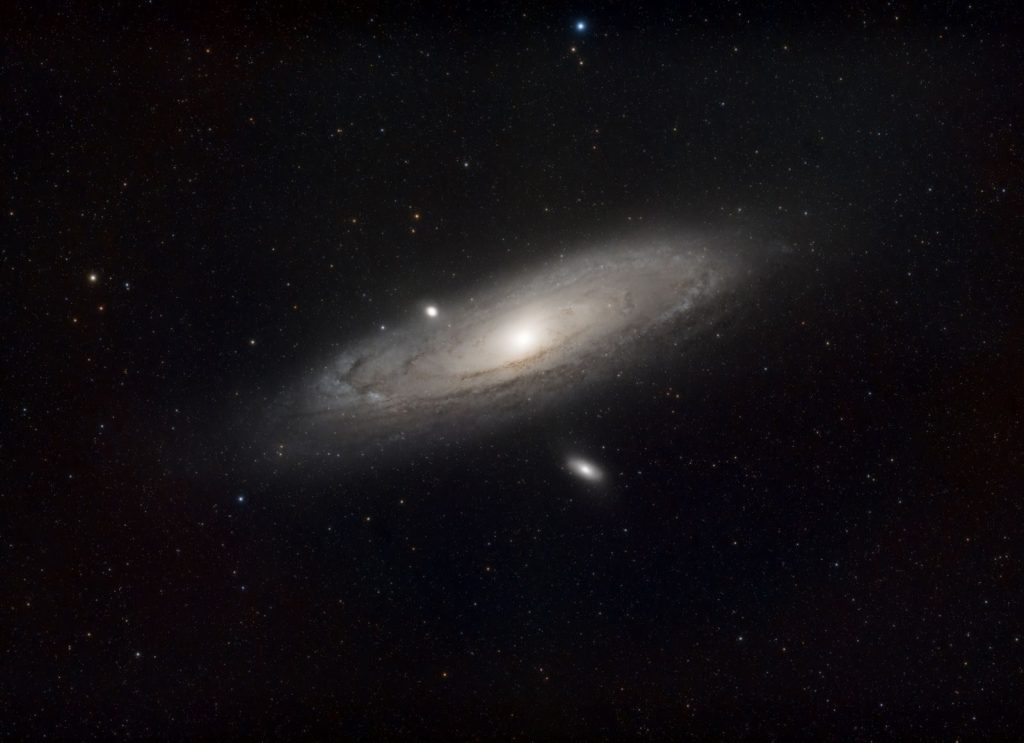
Scientists refer to this mysterious cosmic barrier as the Great Filter. According to papers from the Future of Humanity Institute, every evolving civilization must face an incredibly difficult survival test. Few survive it. This deadly filter could be a natural disaster, a nuclear war, or runaway artificial intelligence. But our position relative to this filter is what keeps scientists awake at night.
Behind Our Own Progress
If the Great Filter lies in our past, humanity has already cleared the hardest cosmic obstacle. According to evolutionary biologists, the transition from single-celled organisms to intelligent tool-makers might be incredibly rare. We are lucky. If this is true, the rest of the galaxy is quiet because nobody else made it. But finding alien life completely ruins this optimistic perspective.
The Danger Of Microbes
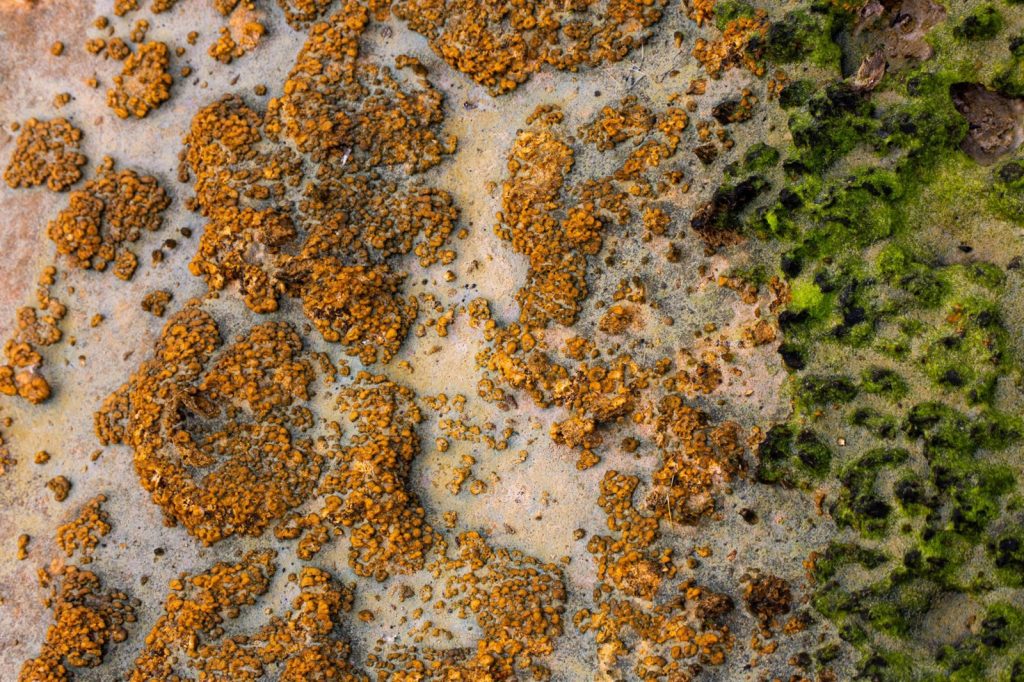
Finding simple bacteria on Mars or Europa would actually be terrible news for our future. According to astrobiologists, discovering that life evolved independently twice in one solar system means biology is incredibly common. It is a trap. If simple life starts easily, then the Great Filter cannot lie in our past. But this realization points to a terrifying conclusion about our immediate future.
The Trap Ahead of Us
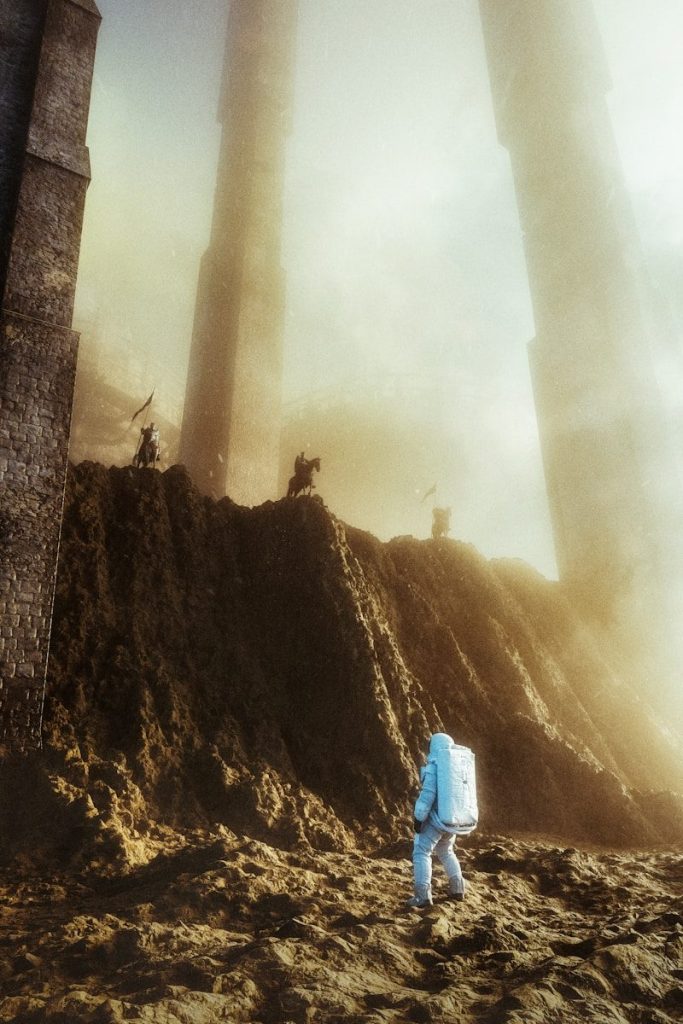
With life being common while space remains silent, the lethal barrier must lie ahead of us. According to philosophical models, every civilization might automatically develop the technology that eventually destroys it. Doom is inevitable. This means our modern tech advancements are simply marching us toward a pre-determined cosmic wall. But some researchers believe the filter is a physical threat we have not yet built.
The Danger of Tech
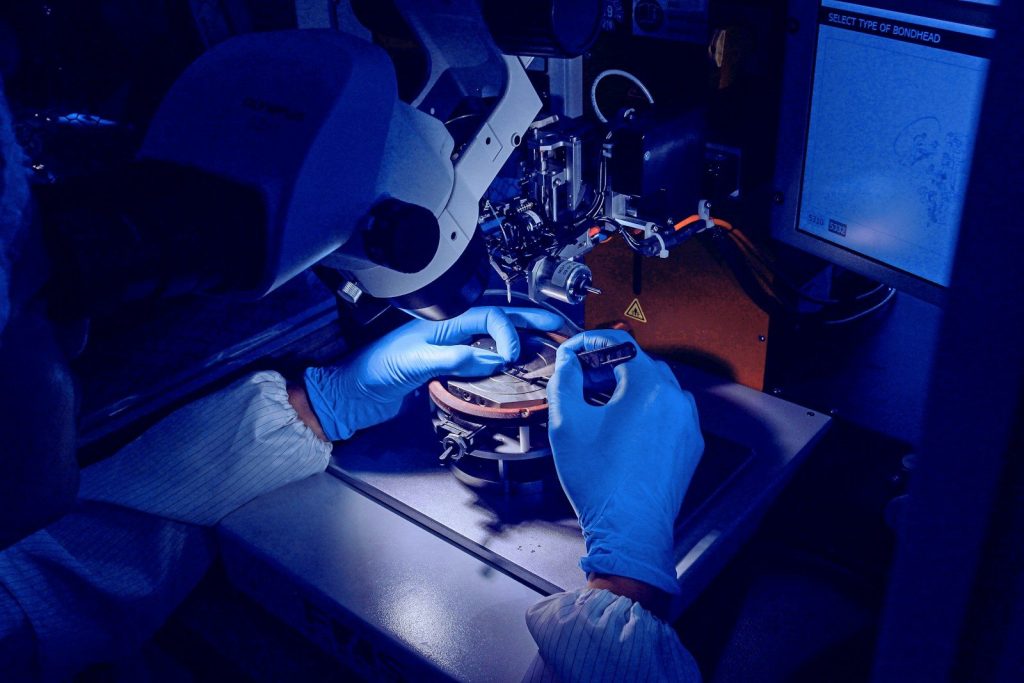
Advanced engineering often unlocks powers that are incredibly difficult to control safely. According to safety researchers, breakthroughs in biotechnology or molecular manufacturing could easily collapse a society overnight. The risk is real. One single mistake by a future scientist could trigger a chain reaction that ends our species. But understanding this danger might be our only hope of escaping the filter.
A Lonely Cosmic Race
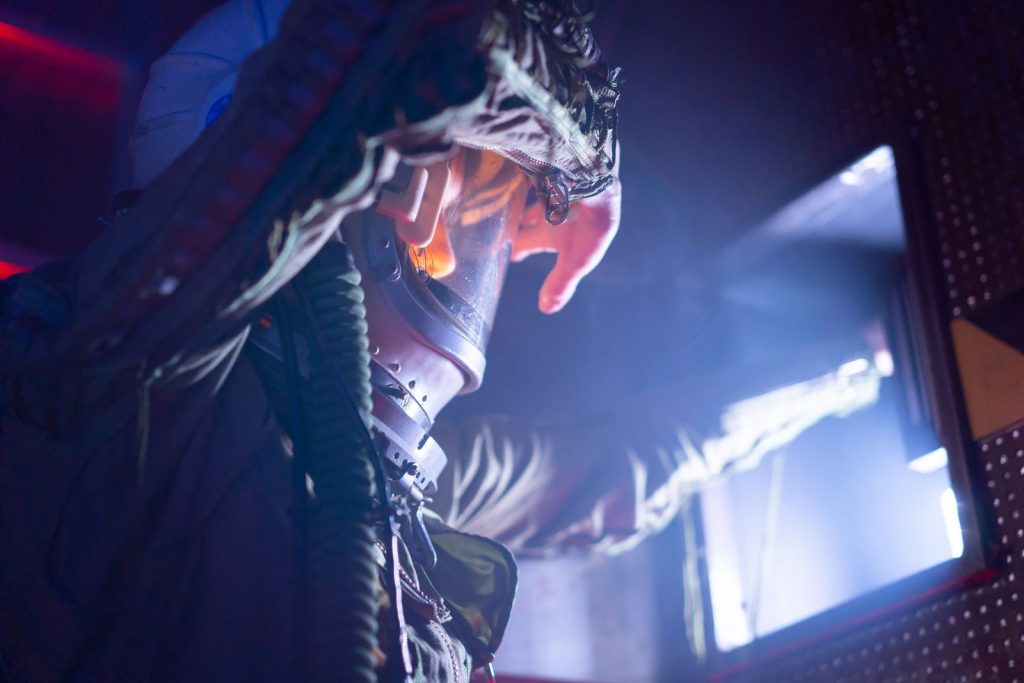
Navigating this dangerous technological era is the ultimate test of human wisdom. According to space historians, our survival depends on managing these massive global risks before they turn inward. We must be careful. Perhaps by respecting the silent universe, we can become the first species to break the cycle. This article is for informational purposes only.
Featured Image: Photo by Guillermo Ferla on Unsplash
Leave a Reply