Most drivers assume that recharging an electric vehicle will always require heavy cables. We believe that physical plugs are the only safe way to transfer high voltage.
But a massive leap in electromagnetic design is changing our streets forever. Brilliant engineering teams are now transmitting raw power directly through thin air.
The Invisible Power Field
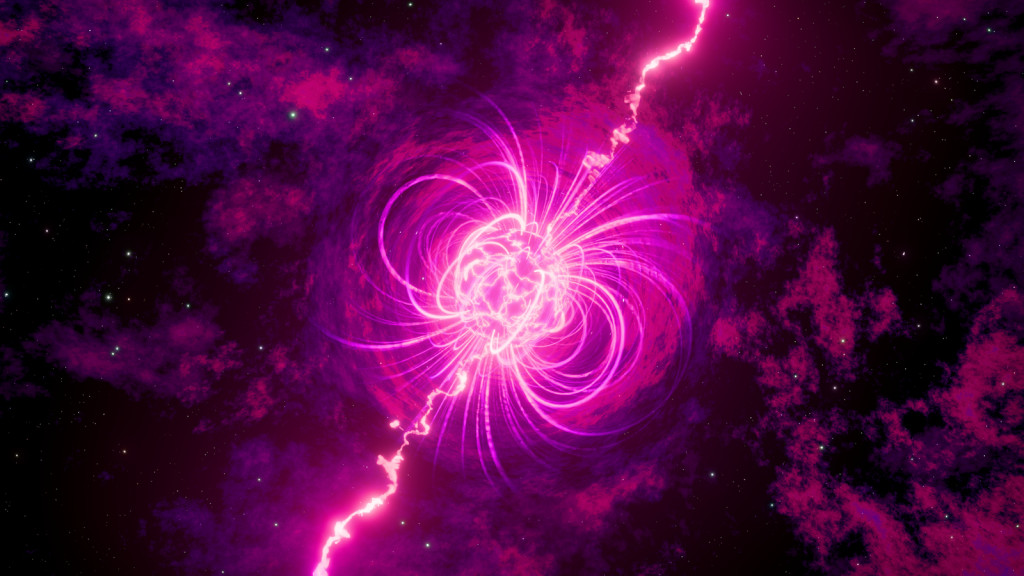
Recharging a vehicle without touching a wire sounds like pure magic. According to reports from Stanford University, researchers are using magnetic resonance to safely bridge the physical gap. It is incredibly efficient. Copper coils buried in the pavement generate a tuned magnetic field that only transfers energy when a matching receiver passes overhead. But safety engineers still had to solve one major physical danger.
Protecting Living Things
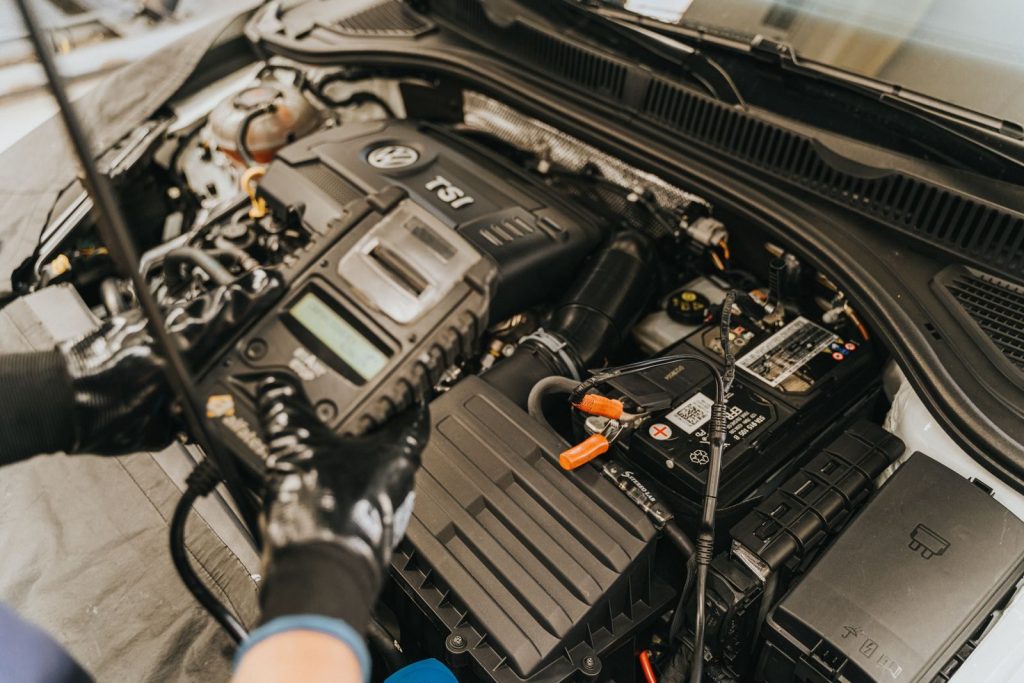
Sending raw current through open air raises obvious biological safety questions. According to technical reports from Oak Ridge National Laboratory, modern systems utilize shielding that isolates the field beneath the vehicle. They are completely safe. This localized magnetic wave cannot interact with humans or stray animals passing nearby. But translating this laboratory success to real highways requires a massive scaling effort.
Charging While Driving
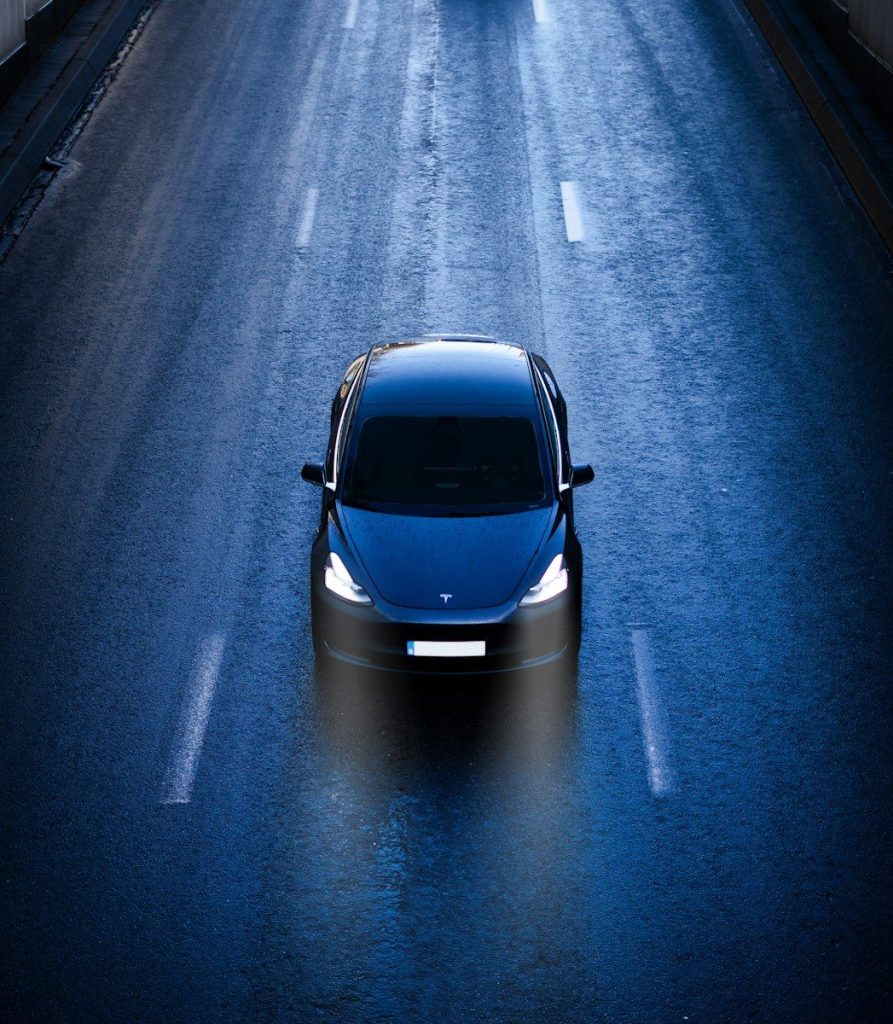
Stopping at a station to recharge might soon become an obsolete concept. According to researchers at Utah State University, highway designers are embedding power pads directly into busy roadway asphalt. This changes the game. Vehicles can simply absorb power dynamically while cruising at sixty miles per hour. But keeping this dynamic grid powered will require a completely redesigned energy distribution network.
The Smart Grid Connection
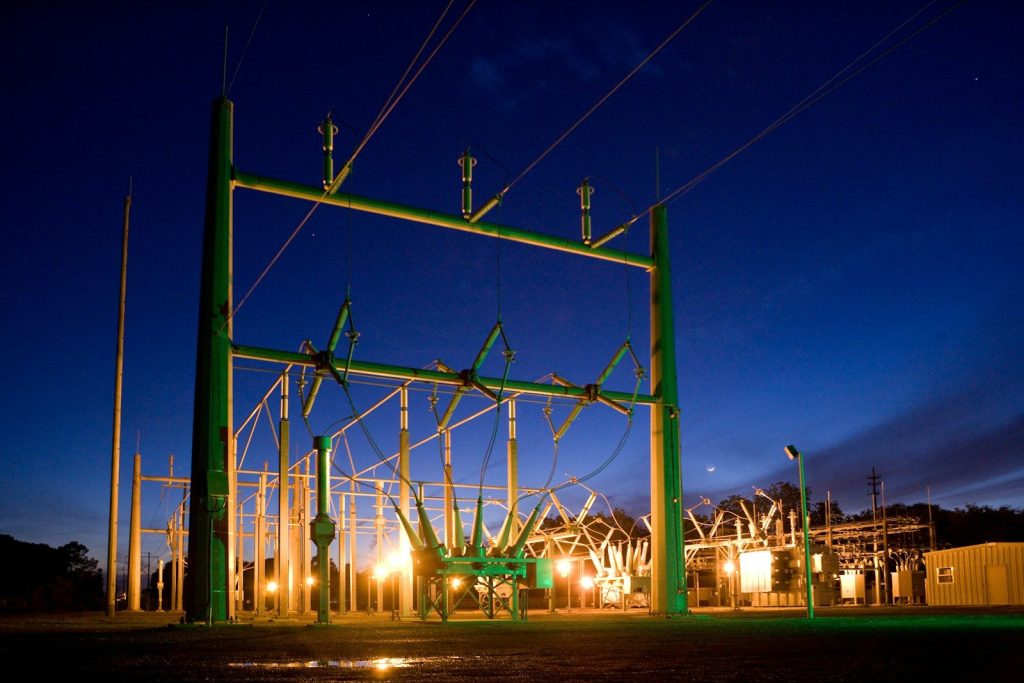
Transmitting power to thousands of moving cars requires an incredibly agile electrical system. According to energy infrastructure analysts, automated digital switches must route power in fractions of a second. Timing is absolutely vital. The local power grid must balance these instant spikes without crashing. But the physical installation process presents an entirely different financial hurdle.
The High Cost Barrier
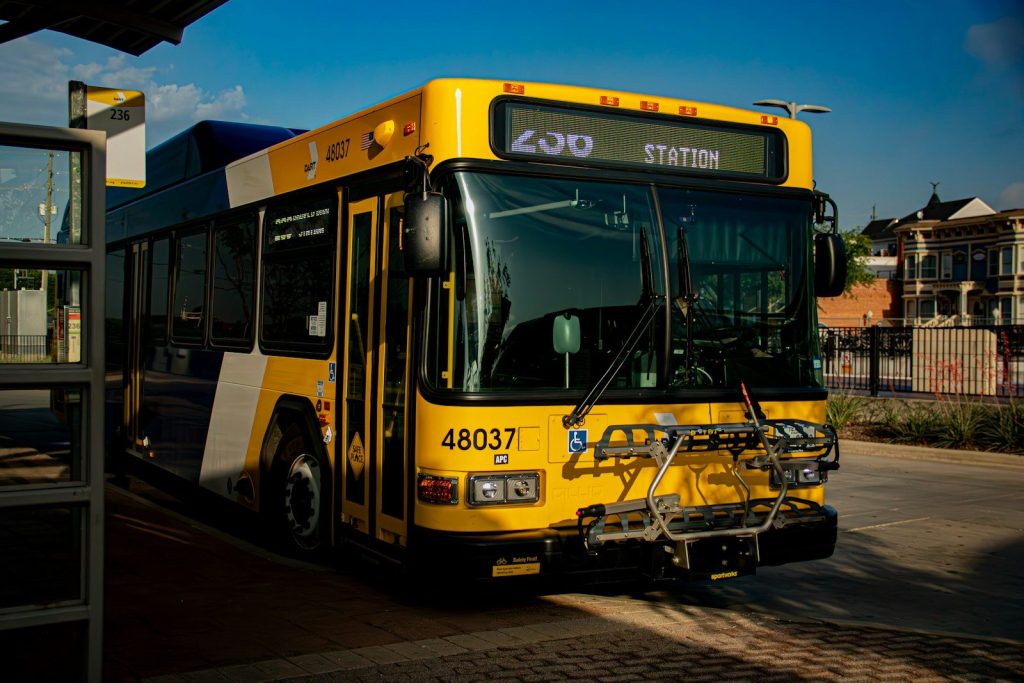
Tearing up thousands of miles of concrete to bury copper coils is extremely expensive. According to transportation economics experts, early installations will likely focus on busy commercial bus routes. It is a slow start. Targeting public transit first allows cities to test the tech with predictable schedules. But this municipal phase is merely a stepping stone to a wider consumer rollout.
The Autonomous Fleet Dream
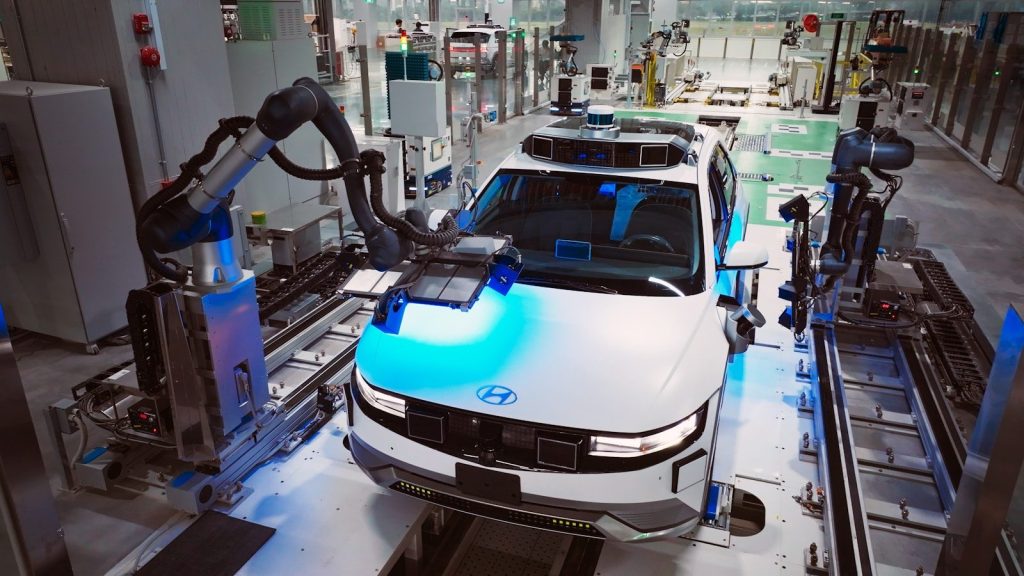
Eliminating the physical plug is the final piece of the self-driving puzzle. According to robotic system designers, autonomous taxi fleets cannot truly function if humans must still plug them in. Hands-free charging is critical. Vehicles that recharge themselves automatically can run around the clock with zero human intervention. But this total automation of transit will alter our cities in ways we are only starting to understand.
A Seamless Energy Future
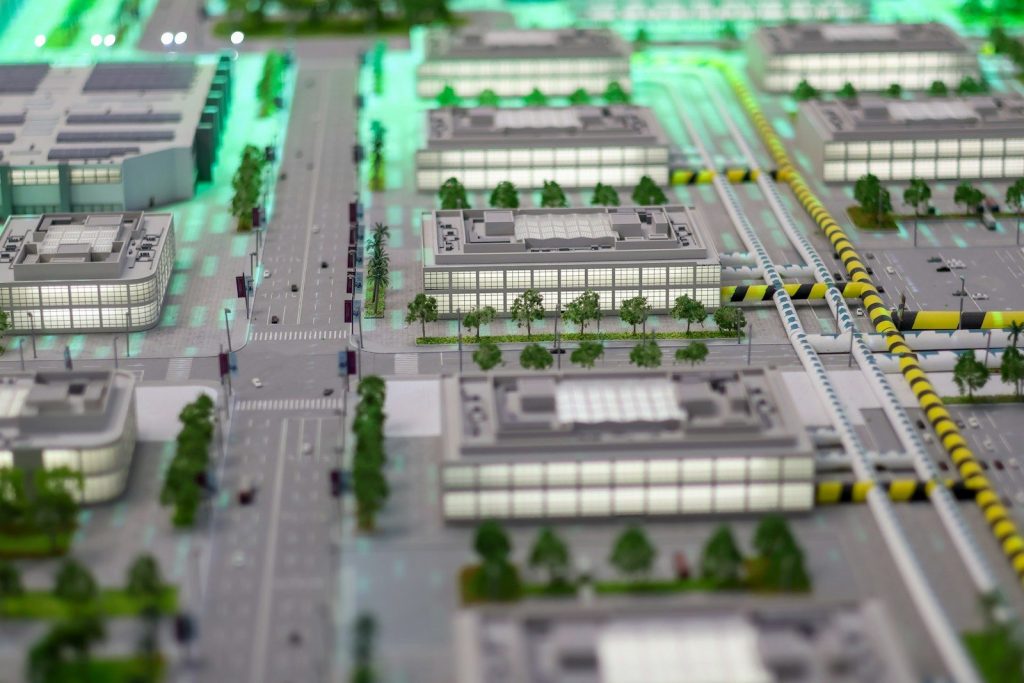
The ultimate goal is an invisible energy web that powers our entire lives. According to global technology forecasters, wireless charging will soon expand to public parks and workspace desks. The cables will vanish. This quiet evolution will permanently reshape how we interact with all our everyday electronic tools. This article is for informational purposes only.
Featured Image: Photo by Limor Zellermayer on Unsplash
Leave a Reply