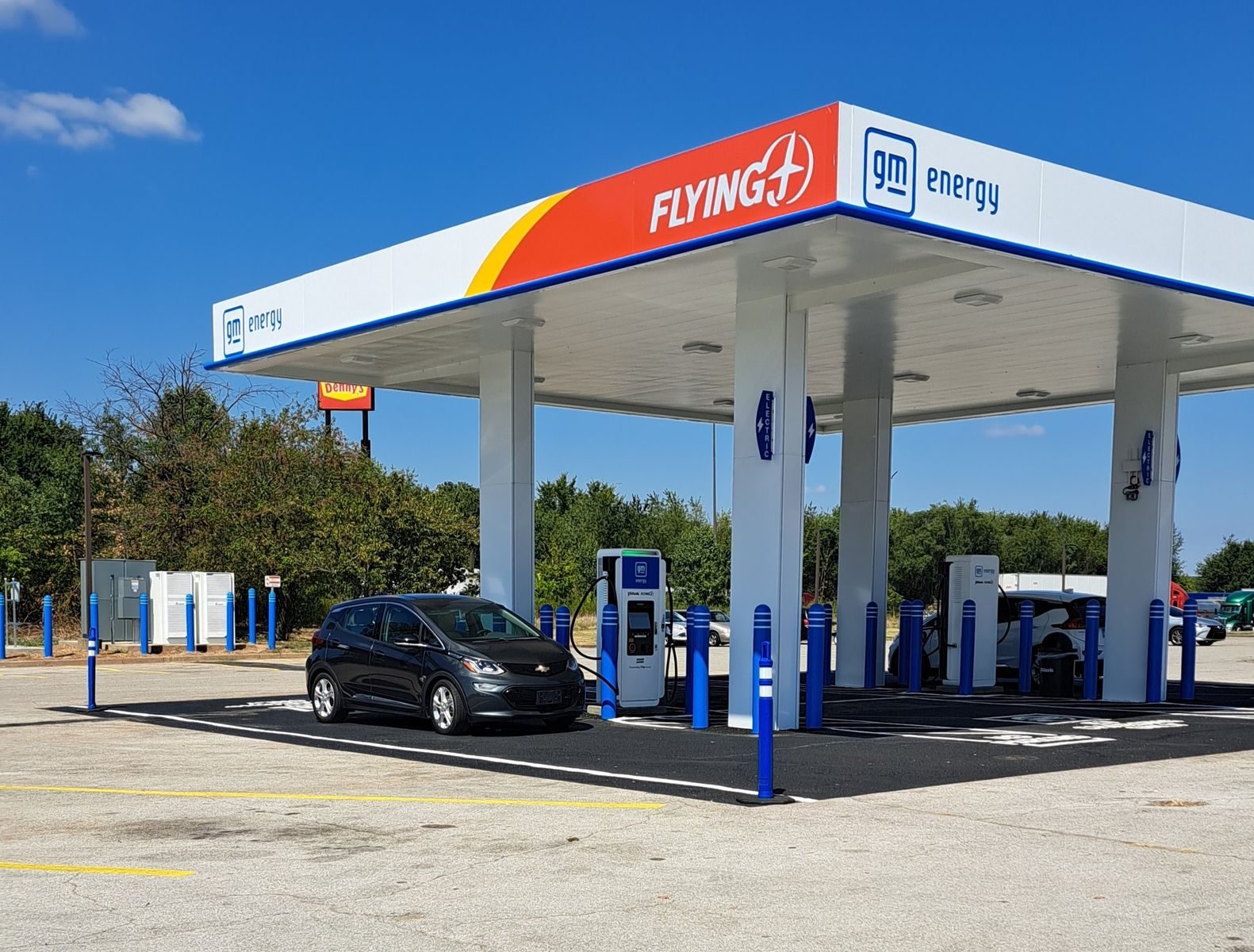
Most car buyers assume that electric vehicles succeed based solely on their batteries. We believe that vehicle range is the only factor that matters to drivers.
But a hidden grid of high-voltage stations is quietly shaping the global transport industry. This massive network has become the ultimate weapon in the war for transit dominance.
The Highway Power Grid
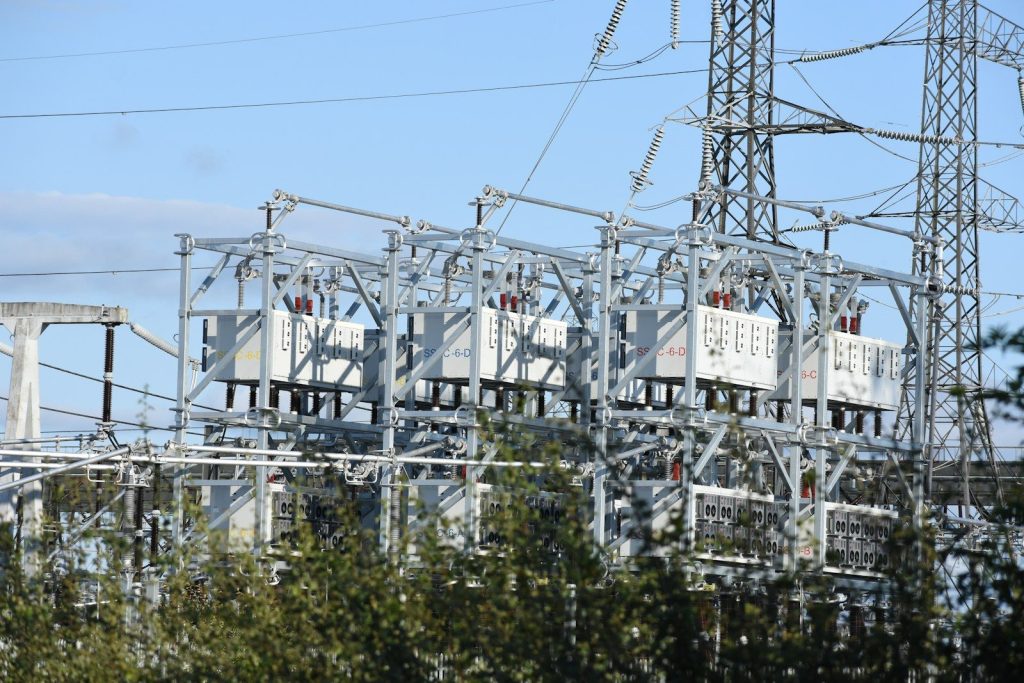
Building a fast car is pointless if drivers cannot recharge quickly on long road trips. According to automotive industry analysts, the real challenge of the electric transition is managing localized power distribution. It is a massive task. Creating dedicated stations that can deliver hundreds of kilowatts in minutes requires incredible engineering. But managing this massive flow of energy requires more than thick copper wires.
The Temperature Control War
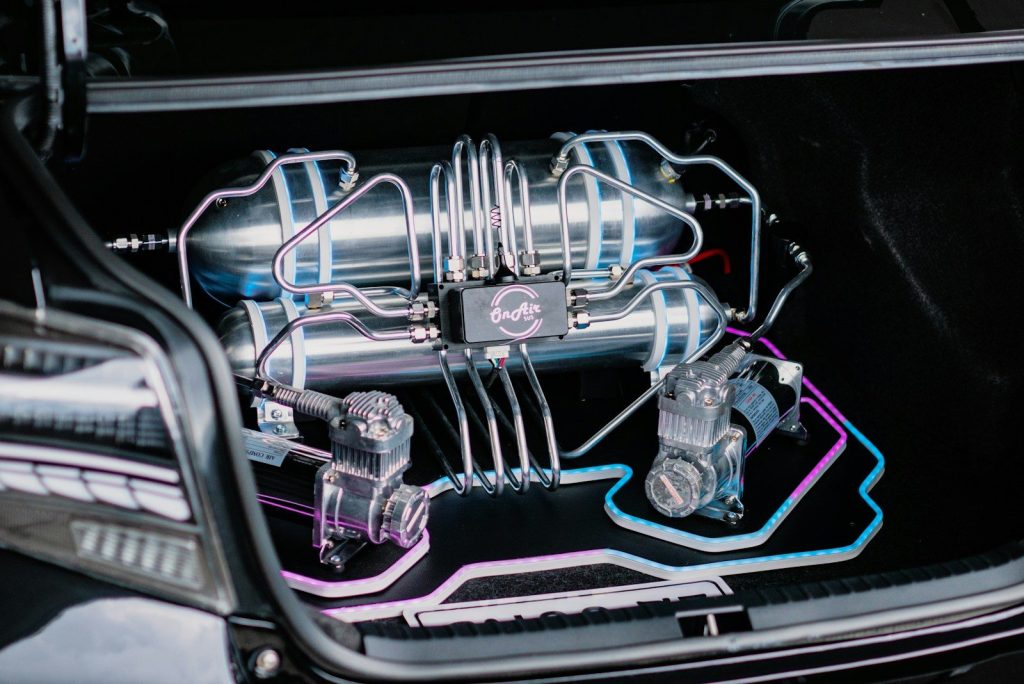
Dumping massive amounts of electricity into a battery generates extreme, damaging heat. According to battery chemical studies, stations must communicate with the vehicle computer to actively cool the cells during charging. This is highly delicate. If the temperature rises too fast, the battery lifespan will drop dramatically. But keeping these systems running smoothly through extreme weather presents another physical hurdle.
Liquid Cooled Charging Cables
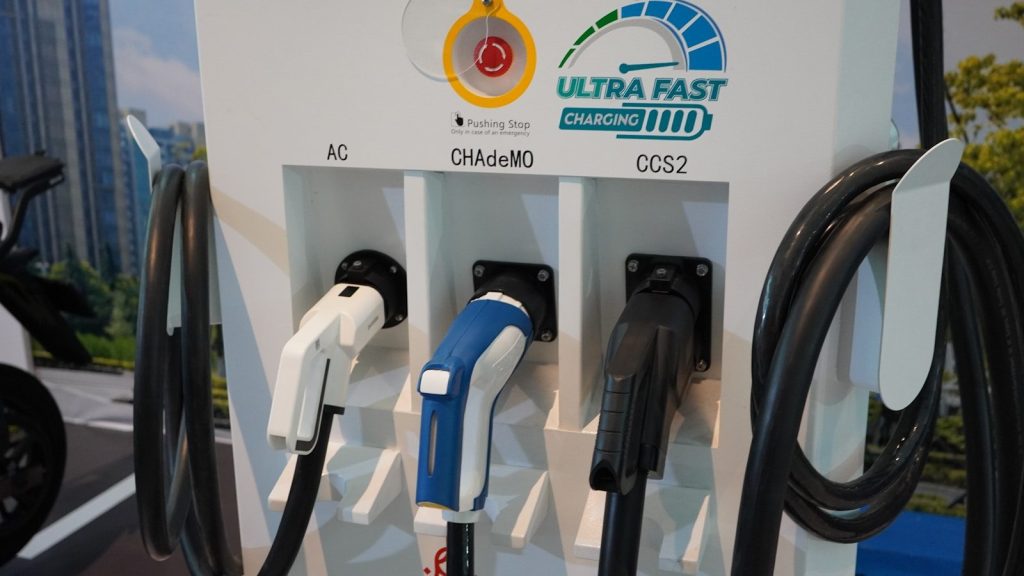
High-speed charging cables must handle massive electrical currents without melting in your hand. According to mechanical engineering reports, modern charging plugs contain built-in liquid cooling channels to dissipate heat. They are surprisingly light. This advanced thermal design allows the cables to remain thin and flexible for average drivers. But the digital side of this network is where the real business advantage lies.
The Frictionless Digital Handshake
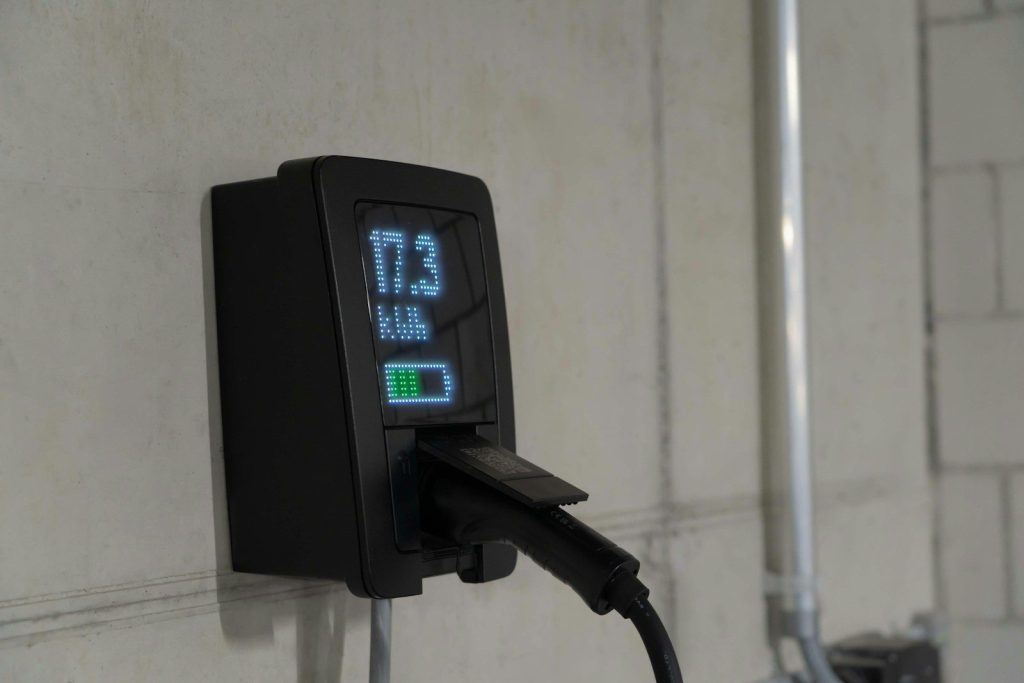
Traditional gas stations require swiping credit cards and navigating slow payment screens. According to software design documents, modern high-speed charging stations use automated digital handshakes to instantly identify the vehicle. The process is seamless. Power begins flowing the moment the plug clicks into place, with billing handled entirely in the background. But this massive user convenience hides a brilliant corporate strategy.
Locking In The Market
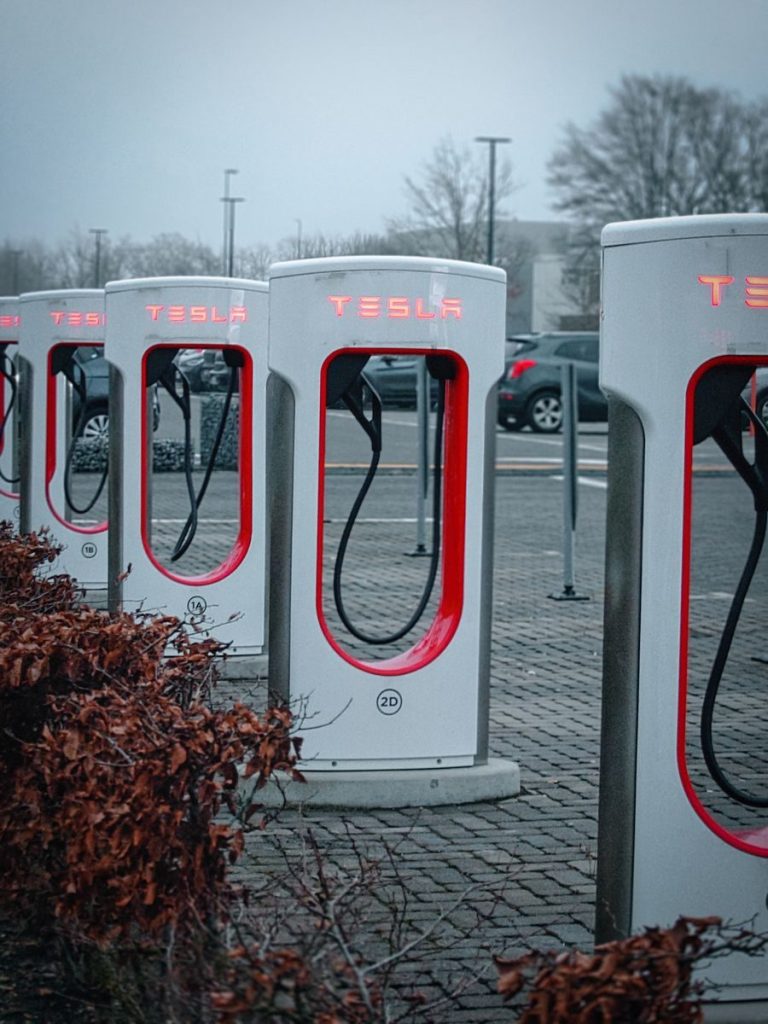
Controlling the energy supply allows a single manufacturer to dictate the entire driver experience. According to transport economists, proprietary networks act as a powerful barrier that prevents customers from switching to competitors. Loyalty is guaranteed. Drivers are highly hesitant to buy other brands if they cannot access the fastest chargers. But this exclusive ecosystem is finally beginning to open its gates.
The Universal Plug Pivot
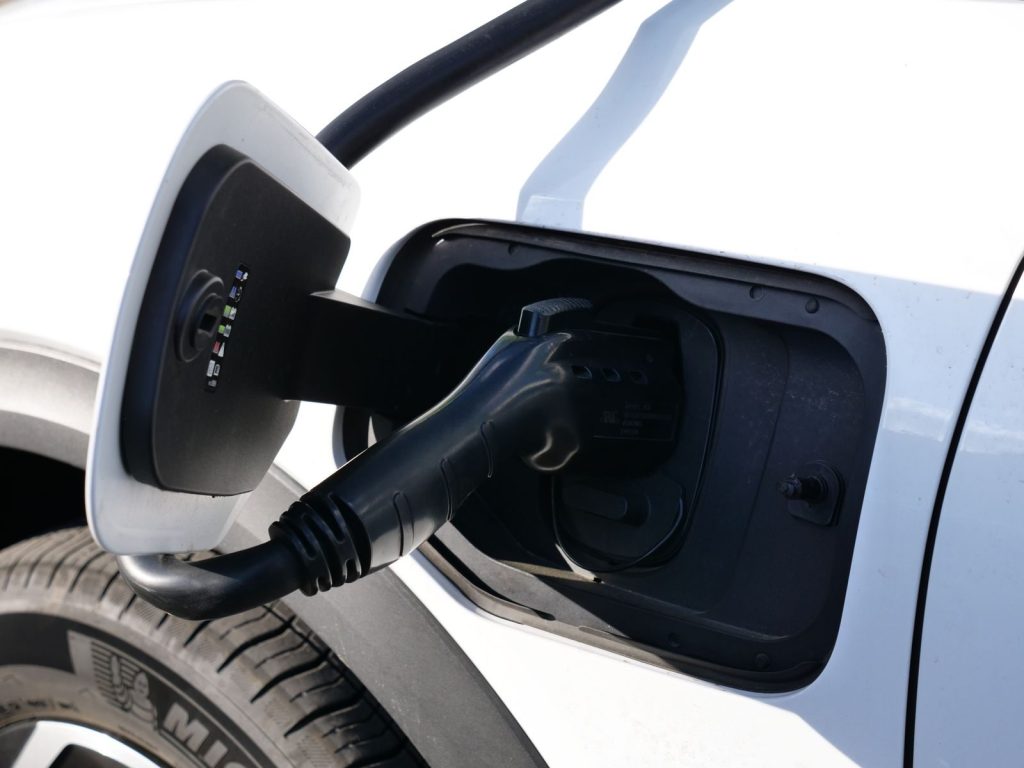
Operating isolated charging systems is incredibly inefficient for the wider automotive market. According to manufacturing agreements, major rival automakers are now adopting the same hardware standard to share existing stations. Change is coming. This massive consolidation of tech is forcing the entire industry to unite under a single design. But this universal network expansion will put incredible pressure on our aging electric grids.
Balancing Peak Demand
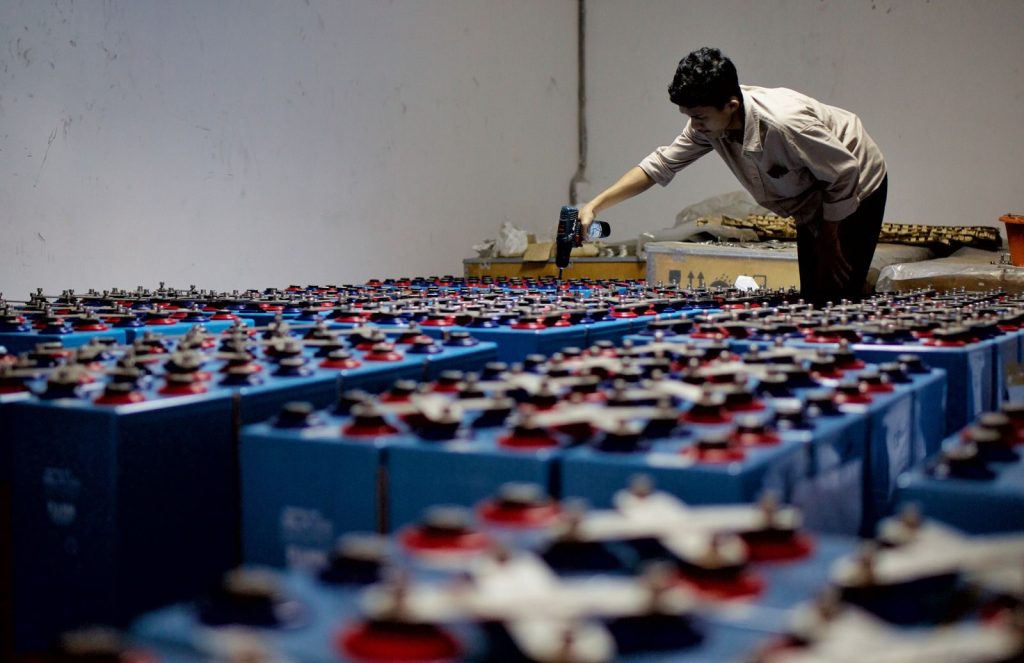
Hundreds of cars charging at once can easily overload local electrical substations. According to grid infrastructure planners, future charging complexes will rely on massive stationary battery packs to store energy during low-use hours. This is vital. These giant batteries will act as shock absorbers to protect the main power lines. But this grid-level technology is paving the way for a completely automated charging future.
A Fully Autonomous Future

The ultimate evolution of transit is self-driving vehicles that handle their own refueling. According to roboticists, automated charging arms will eventually plug into vehicles without any human effort. The system is coming. This seamless loop of power and autonomy will completely change how we think about moving goods and people. This article is for informational purposes only.
Featured Image: Photo by Andrew Seltz on Pexels
Leave a Reply