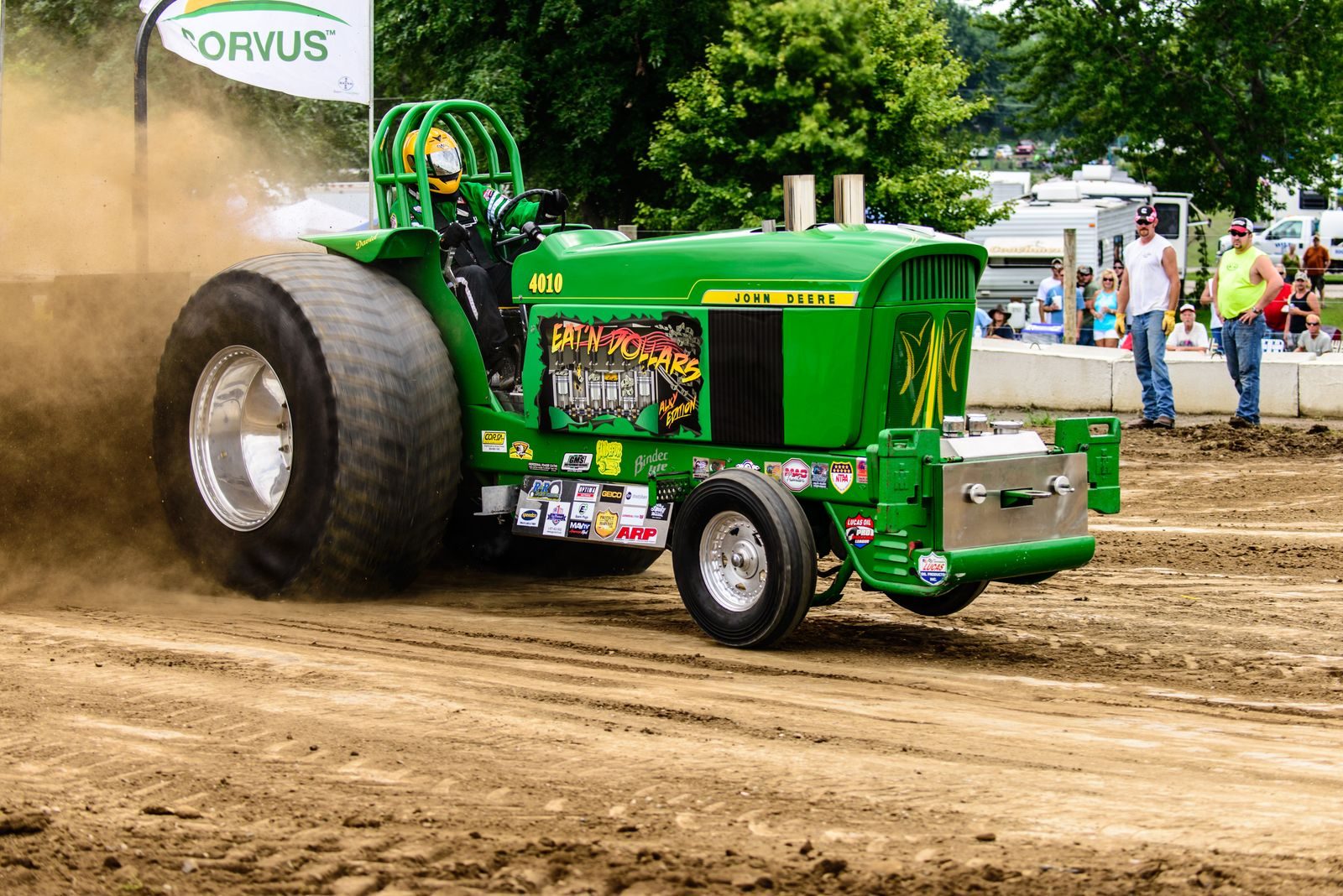
Most drivers assume that electric motors always beat traditional diesel engines in pure pulling power. We believe instant torque makes modern electric trucks unstoppable in heavy towing contests.
But a dramatic public demonstration in Texas completely shattered this technological belief. A heavy diesel event proved that electric power still has a massive mechanical vulnerability.
The Heavy Pull Challenge
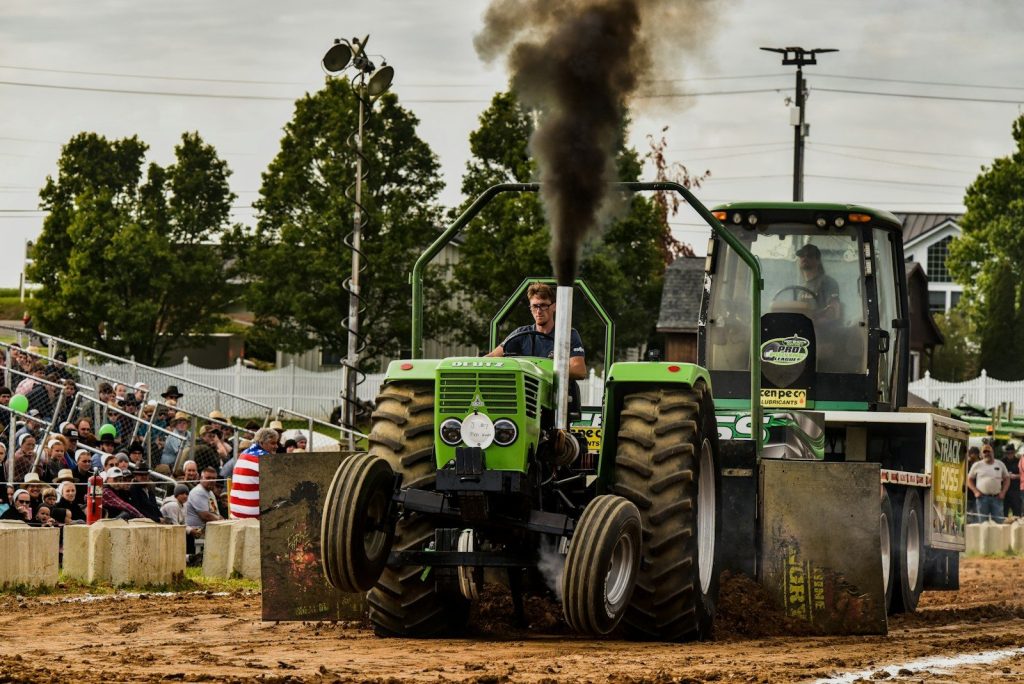
Traditional tractor pulls test the absolute limits of mechanical grip and raw engine power. Modified diesel trucks pull massive sleds that dynamically shift weight forward as they travel down a dirt track. According to automotive safety reports, this movement continuously increases the resistance against the vehicle. The strain is immense. Yet, modern engineers still wanted to test a silent electric motor against this classic mechanical monster.
The Illusion Of Instant Torque

Electric motors deliver their maximum rotational force the moment the driver steps on the pedal. This instant delivery gives electric trucks a massive advantage on clean asphalt roads. According to engineers at automotive testing facilities, this sudden surge of energy can actually backfire on loose dirt surfaces. Traction is vital. And this sudden burst of power was about to create a massive problem on the clay track.
Sinking Into The Loose Clay

Without mechanical gears to manage the power, the electric tires spun violently in the soft dirt. The high-speed spinning instantly dug deep ruts instead of launching the truck forward. According to vehicle dynamics researchers, the heavy chassis quickly settled into the trenches. They were stuck. But the real structural issue was happening deep inside the motor itself.
Missing The Low Gear Advantage
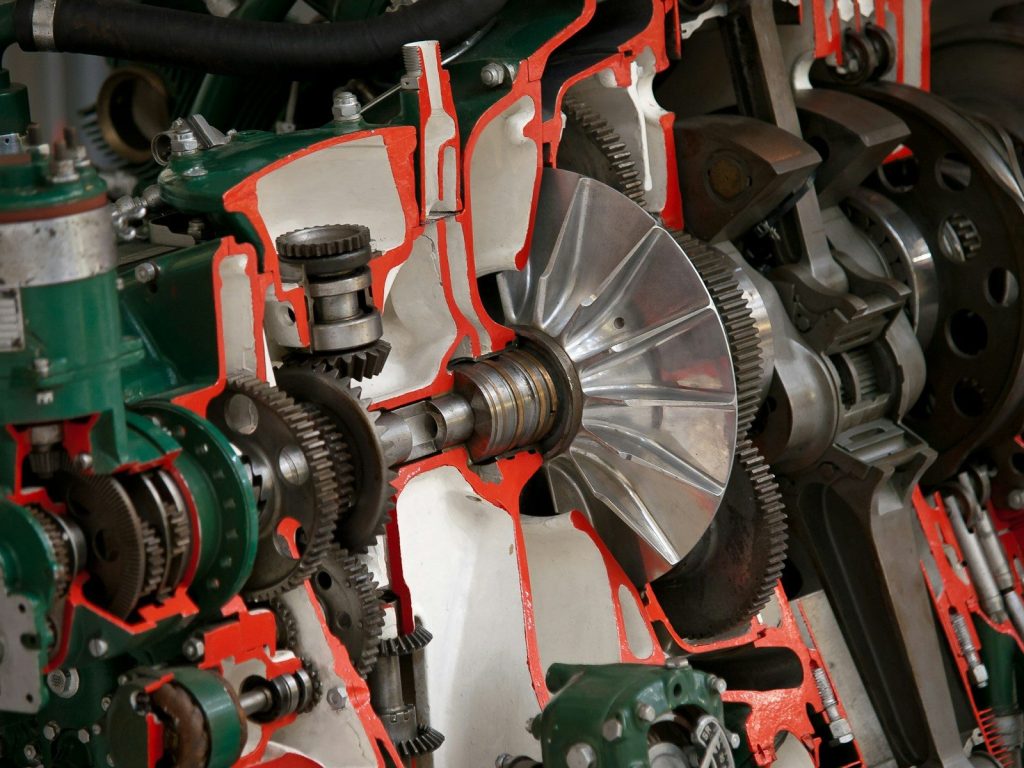
Diesel trucks rely on physical low-range gearboxes to multiply their wheel torque at slow speeds. This mechanical multiplication keeps the wheels turning slowly with massive, steady force. According to drivetrain experts, electric motors lack these multi-speed gears to sustain heavy continuous loads in deep soil. Gears change everything. This technical limitation soon caused the onboard computers to make a critical safety decision.
Silent Thermal Safety Shutdowns
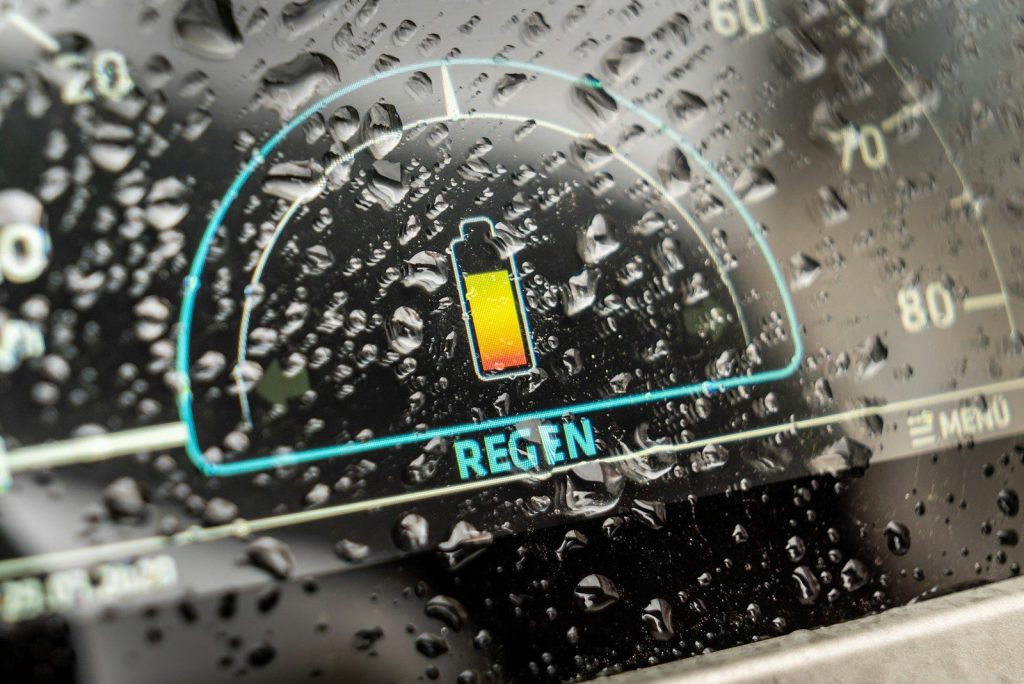
To protect the lithium battery and electric motors from melting, smart vehicles monitor internal temperatures. When pulling heavy loads under extreme stress, heat rises to dangerous levels within seconds. According to manufacturer guidelines, the computer automatically cuts power to prevent permanent component destruction. Safety overrides start. This sudden loss of power left the audience staring at a completely silent vehicle on the track.
The Weight Distribution Nightmare
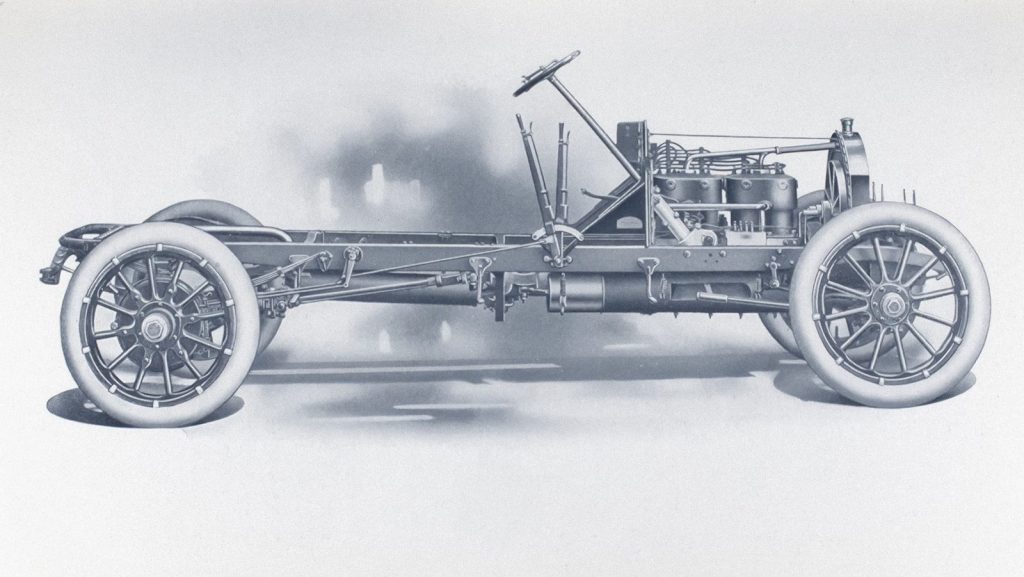
Heavy electric batteries rest low in the center of the chassis to improve passenger safety. However, tractor pulls require massive weight shifted over the rear tires to maintain traction. According to dirt track operators, the uniform weight of electric trucks prevents them from anchoring their rear tires effectively. Balance is key. This mechanical mismatch has forced engineers to look at entirely new powertrain designs.
The Future Of Heavy Hauling

This muddy failure shows that electric motors still need physical gearboxes to handle heavy industrial hauling tasks. Modern startups are already developing multi-speed transmissions for future commercial electric vehicles. According to industry reports, these hybrid setups will bridge the gap between instant power and mechanical grip. This article is for informational purposes only.
Featured Image: Photo by Thomas Hawkins on Pexels
Leave a Reply