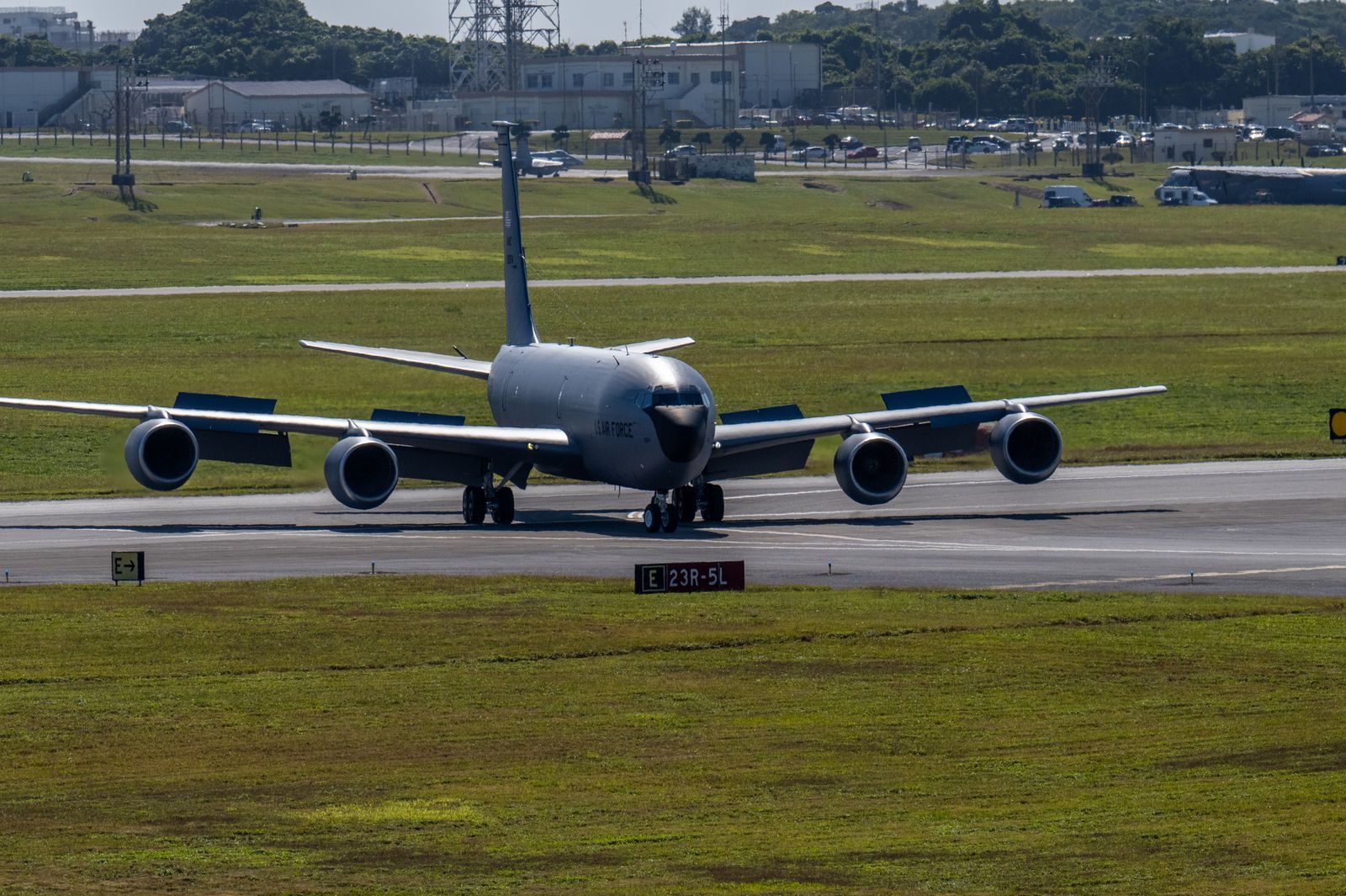
Most people assume that modern military aviation is fully documented in public files. We believe that giant experimental aircraft cannot stay hidden in our connected world.
But classified spy satellite imagery once captured a massive hundred-meter machine sitting on a remote inland sea. This mysterious behemoth baffled intelligence analysts for years.
The Eerie Caspian Monster
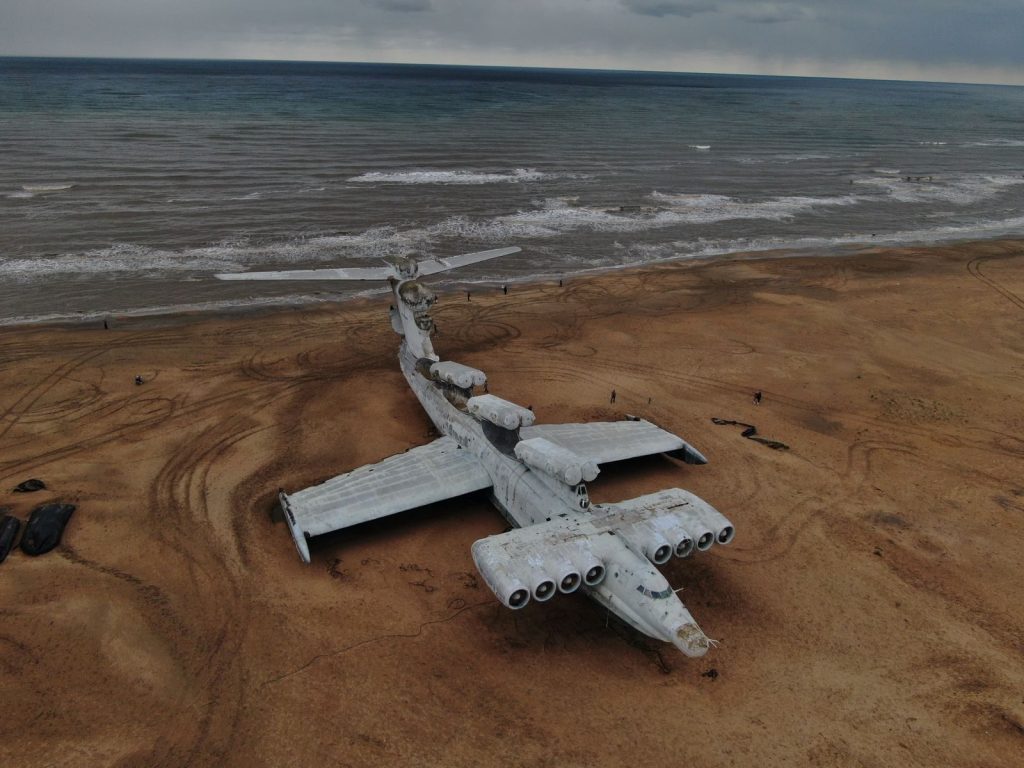
In the peak of the Cold War, a US spy satellite was photographing remote military bases in the Soviet Union. Analysts suddenly spotted a massive, blocky shape floating on the Caspian Sea. According to declassified intelligence reports, the giant object was larger than any aircraft in the Western world. It was truly immense. But the machine did not have normal wings to fly.
Short Stump Wings
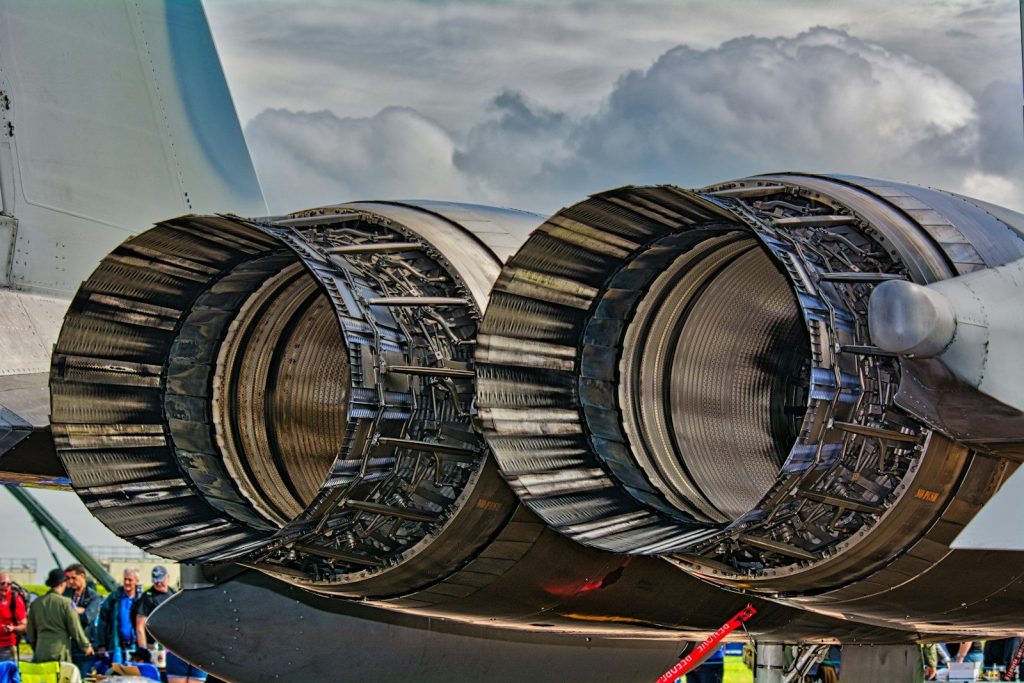
The mysterious aircraft had eight massive jet engines mounted on its front nose and tiny stubby wings. It defied standard aerodynamic principles. According to aviation historians, Western analysts did not understand how such a heavy machine could ever lift off the ground. The design made no sense. Yet, the Soviet military was already testing the vehicle in absolute secrecy.
Exploiting Ground Effect
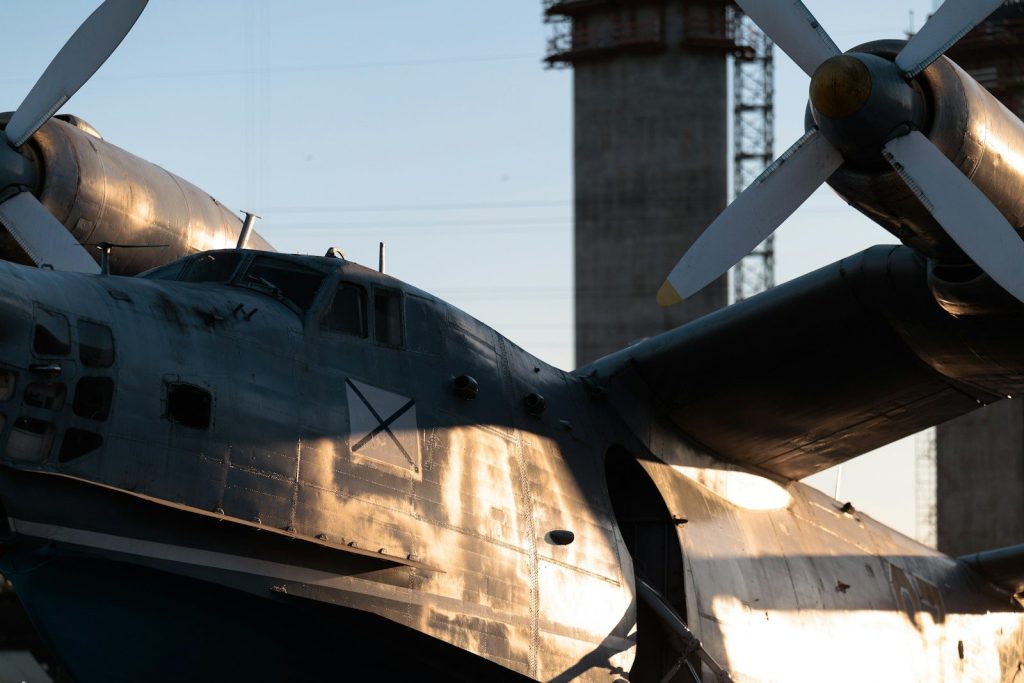
The giant machine was designed to fly just a few feet above the water’s surface. This physical phenomenon is known as the ground effect, which cushions vehicles in a pocket of compressed air. According to aerodynamics experts, flying inside this pocket dramatically increases fuel efficiency and lift. It was highly stable. But this secret transport had a highly specific military objective.
The Invisible Invader
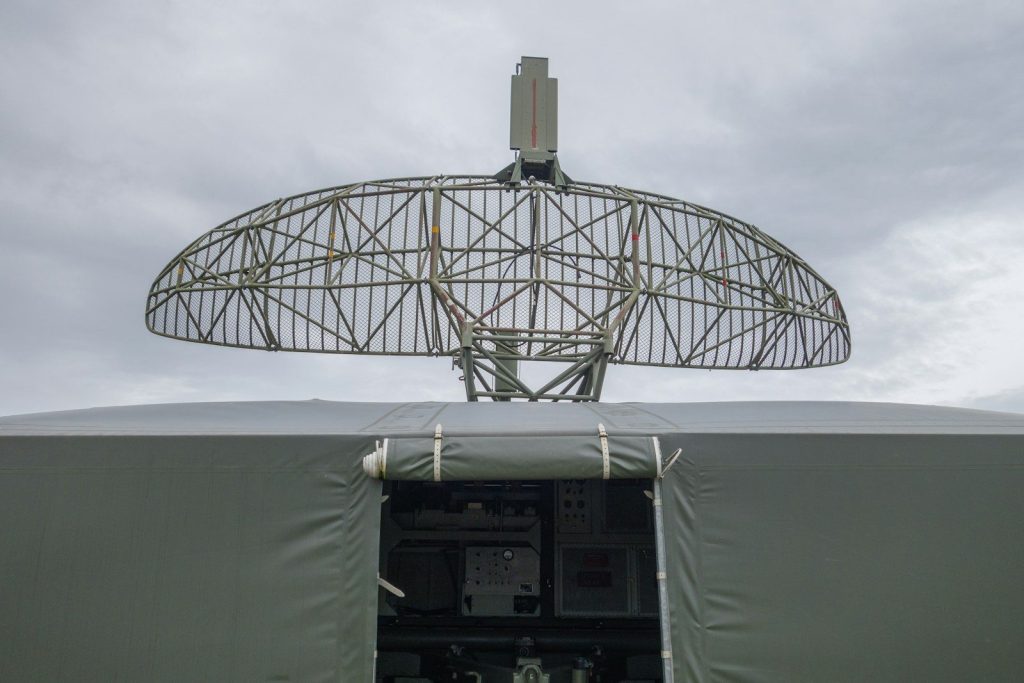
Flying extremely close to the water allowed the behemoth to glide underneath early radar networks completely undetected. It could carry hundreds of tons of cargo at highway speeds. According to military defense analysts, this capability made the craft a terrifying weapon for surprise coastal invasions. They were virtually invisible. And the harsh conditions of the open sea would soon test the machine to its limits.
Crashing Into Waves
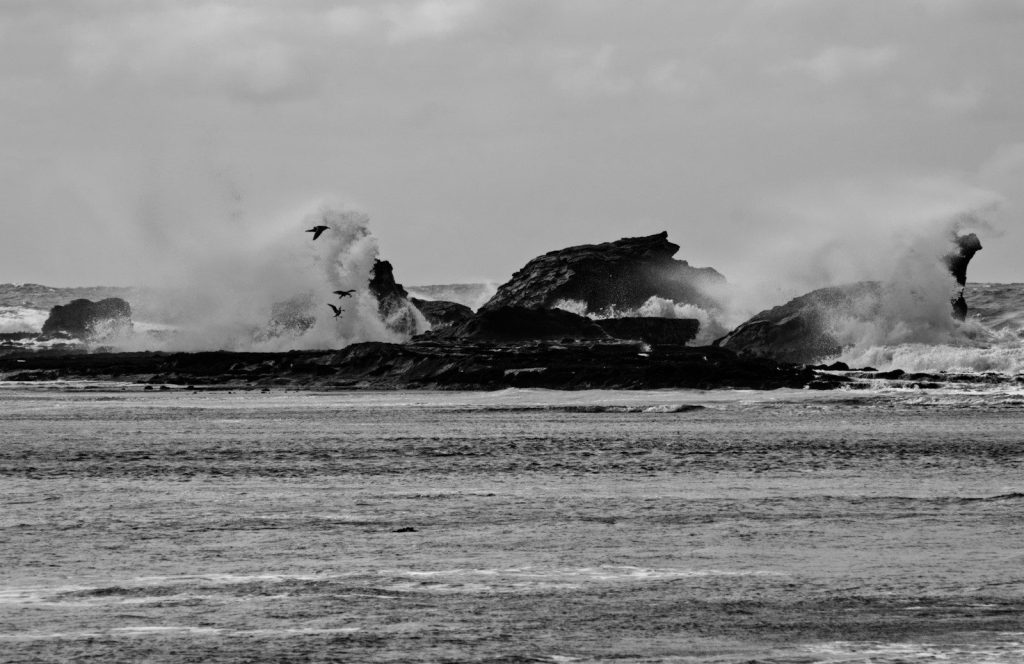
While highly efficient, these vehicles struggled to handle rough seas and sudden windy storms. A single high wave could easily tear the stubby wings from the fuselage. According to flight accident records, an early prototype crashed during a high-speed test in heavy fog. The damage was absolute. Yet, the collapse of the Soviet Union would deal the final blow to these giant machines.
A Quiet Abandonment

With the end of the Cold War, funding for high-risk military experiments completely dried up. The remaining giant prototypes were left to rust at remote coastal docks. According to naval defense reports, the massive steel hulls slowly decayed under the salty sea air. They stood silently. Modern engineers are looking at these old designs to solve some of our biggest transport challenges today.
The Modern Resurgence
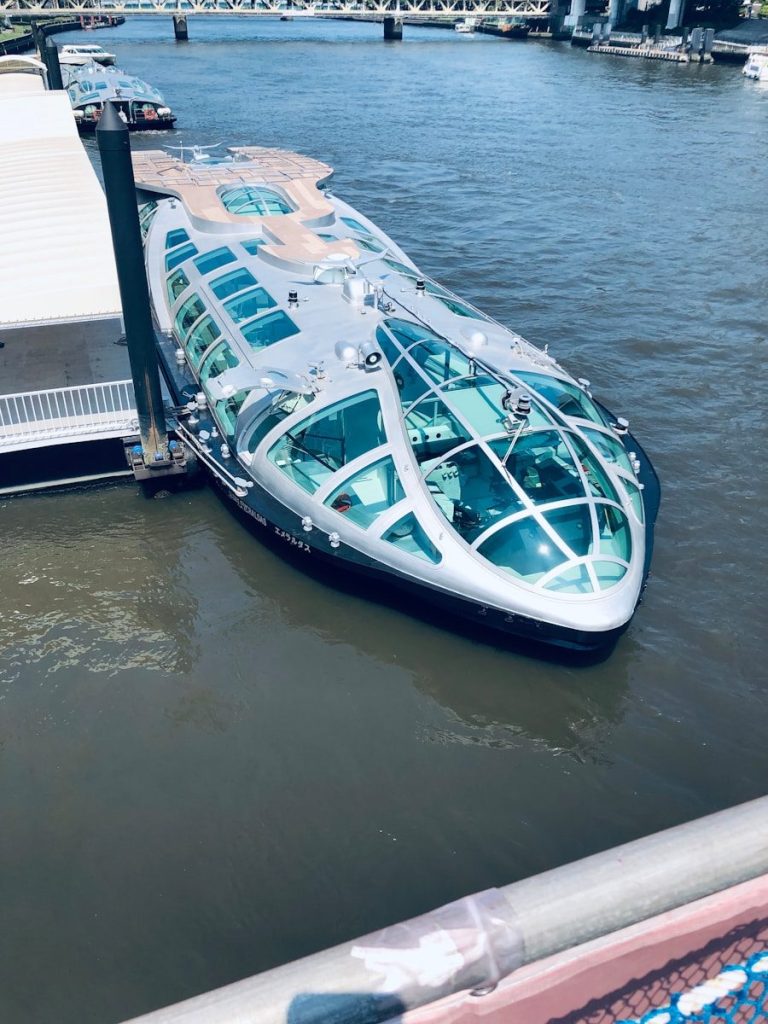
Today, private tech startups are reviving ground effect designs to build fast, zero-emission cargo transports. These modern electric models aim to bridge the gap between slow ships and expensive aircraft. According to aerospace engineers, these digital crafts could revolutionize island shipping networks. The potential is massive. But the original Caspian Monster remains one of the most incredible engineering achievements in history.
An Engineering Legend
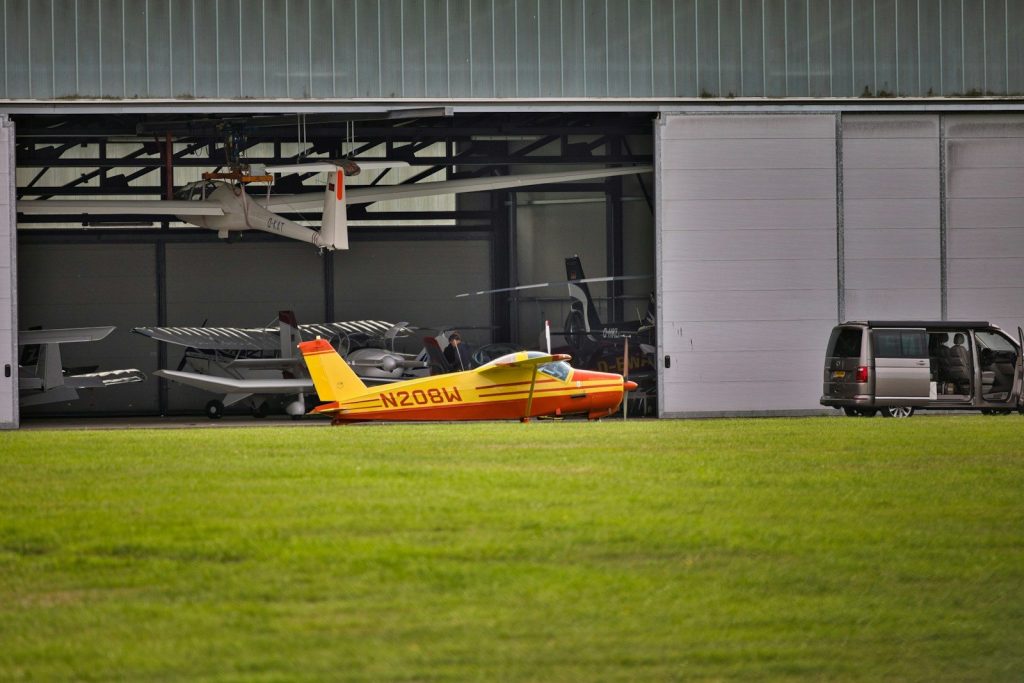
The story of the secret Caspian Monster shows that our skies once hosted some truly radical design concepts. They made history. According to aviation historians, this unique aircraft remains a legendary testament to human creativity. This article is for informational purposes only.
Featured Image: Photo by Guohua Song on Pexels
Leave a Reply