We always assume that organic life requires gentle liquid environments to form on Earth. Most people believe that the intense heat of superheated gas destroys all complex physical order.
But physicists running high-tech plasma reactors have discovered a mind-bending cosmic anomaly. Deep within burning fields of charged gas, they witnessed matter self-assembling into life-like structures.
Inside The Superheated Chamber
Scientists use advanced plasma reactors to study the intense environments of distant stars. These massive machines squeeze hydrogen gas using powerful magnetic fields to trigger fusion. According to physicists at the Max Planck Institute, the internal temperatures inside these reactors mimic the core of the Sun. Heat is extreme. Yet, this chaotic environment was about to organize itself in an impossible way.
The Microscopic Self-Assembly
When researchers introduced tiny dust particles into the superheated plasma field, they expected chaos. They assumed the intense electromagnetic forces would scatter the dust randomly. According to researchers at the Russian Academy of Sciences, the microscopic grains began attracting each other to form complex, twisting shapes. Order emerged quickly. And these spiraling structures possessed a shape that looked shockingly familiar to the scientific team.
The Double Helix Phenomenon
The dust particles arranged themselves into perfect double-helix spirals that matched the structure of human DNA. This geometric arrangement occurred naturally without any organic materials present. According to physics journals, the charged plasma environment forces the dust to polarize and attract in a helical sequence. Molecules aligned perfectly. But the strangest behavior of these synthetic structures was still to come.
Dividing Like Living Cells
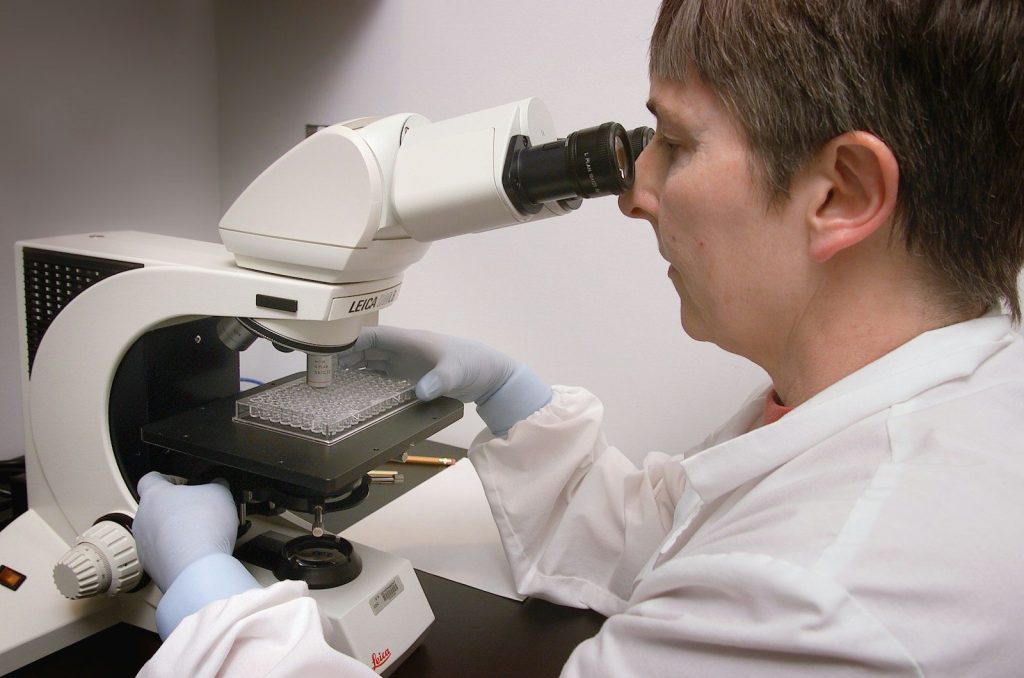
As the plasma current flowed, the inorganic dust spirals began duplicating their structures. They split down the center and formed two identical copies of their original shapes. According to evolutionary biologists, this behavior mirrors the exact replication process of organic cellular division. It was alive. But this mimicry of life extended even deeper into how these structures interacted.
Devouring The Plasma Energy
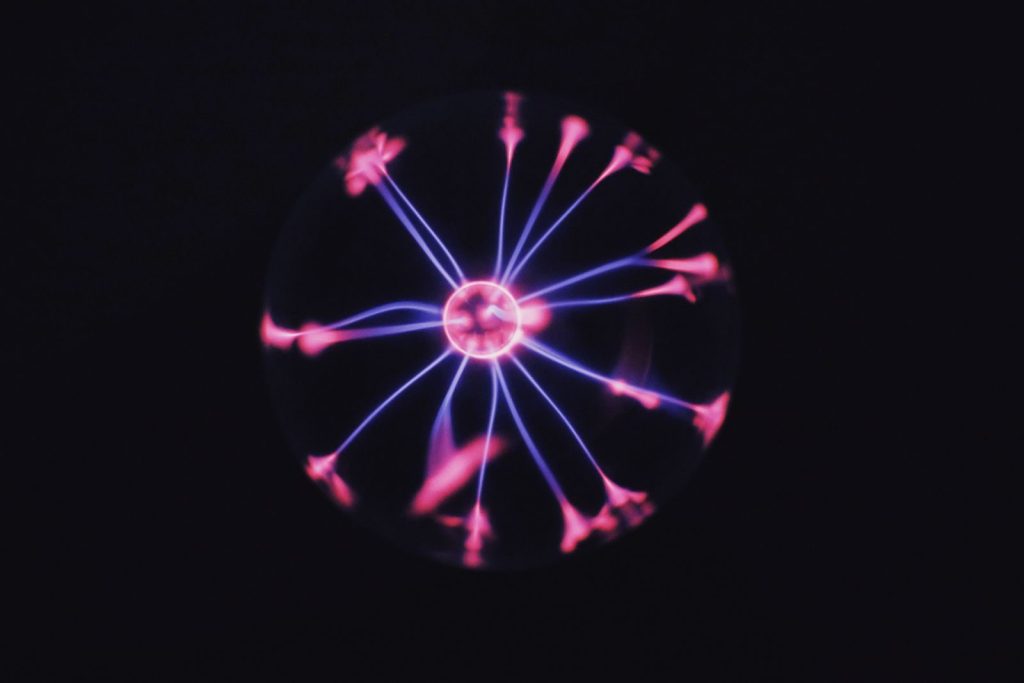
The dust helices did not just sit passively in the superheated gas. They actively absorbed local electrons to sustain their charge and maintain their physical stability. According to laboratory data, these structures grew larger by consuming surrounding ionized materials in the chamber. They hunted for energy. This metabolic behavior suggests that life might not require carbon to exist.
The Silicon Life Alternative
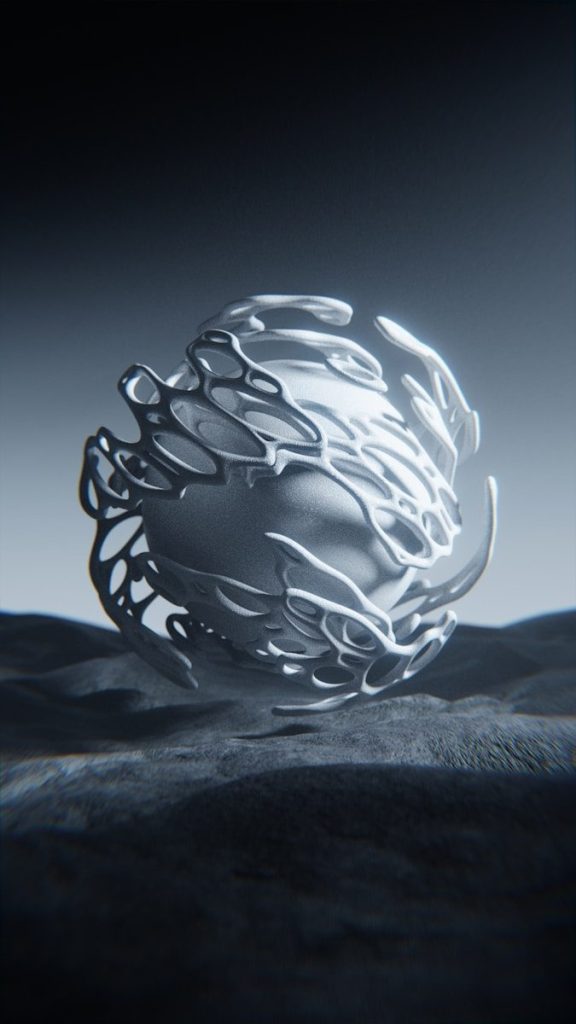
Most astrobiologists assume that alien organisms must rely on carbon chemistry like Earth plants and animals. However, this reactor experiment proves that inorganic silicon dust can replicate biological functions under extreme conditions. According to astrochemistry reports, these plasma structures could thrive in the hostile atmospheres of alien worlds. The potential is immense. But this discovery also changes how we view deep space.
Floating In Cosmic Dust
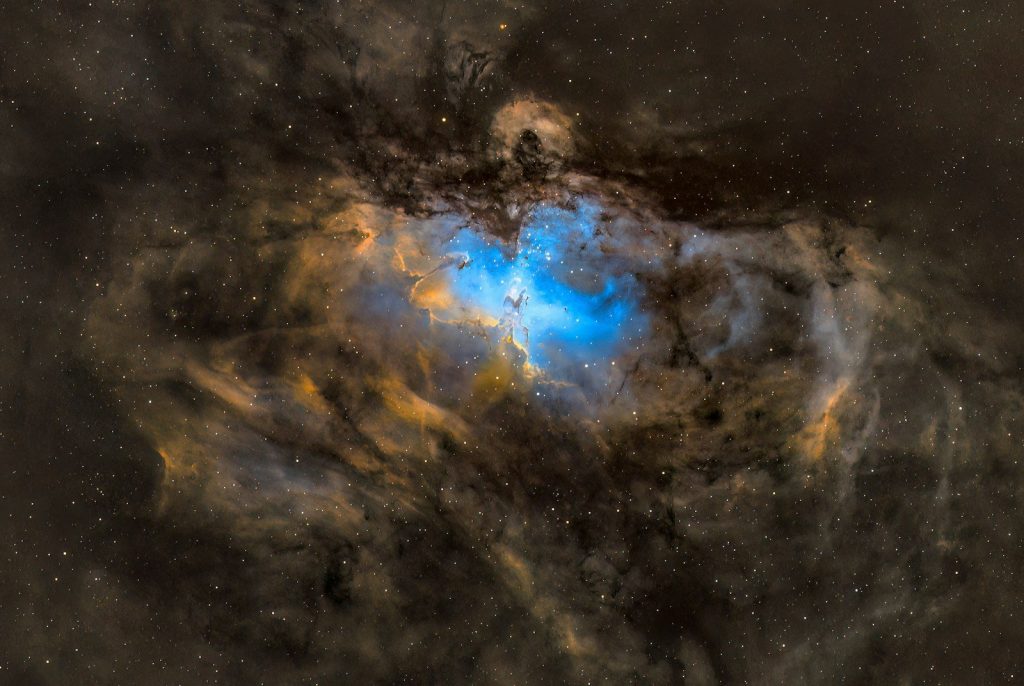
Plasma and dust make up over ninety-nine percent of the visible matter in the universe. Giant dust clouds floating between stars experience constant electromagnetic stimulation. According to astrophysicists, these cosmic clouds could host massive populations of self-replicating plasma structures right now. Space is whispering. This possibility forces researchers to expand their definition of what qualifies as an organism.
Reclaiming The Spark Of Life
This incredible reactor discovery proves that the laws of physics naturally organize matter toward complexity. Even in the heat of a burning star, order defeats chaos. According to scientific researchers, we must now prepare to find life in the most hostile environments imaginable. This article is for informational purposes only.
Featured Image: Photo by Eury Escudero on Pexels
Leave a Reply