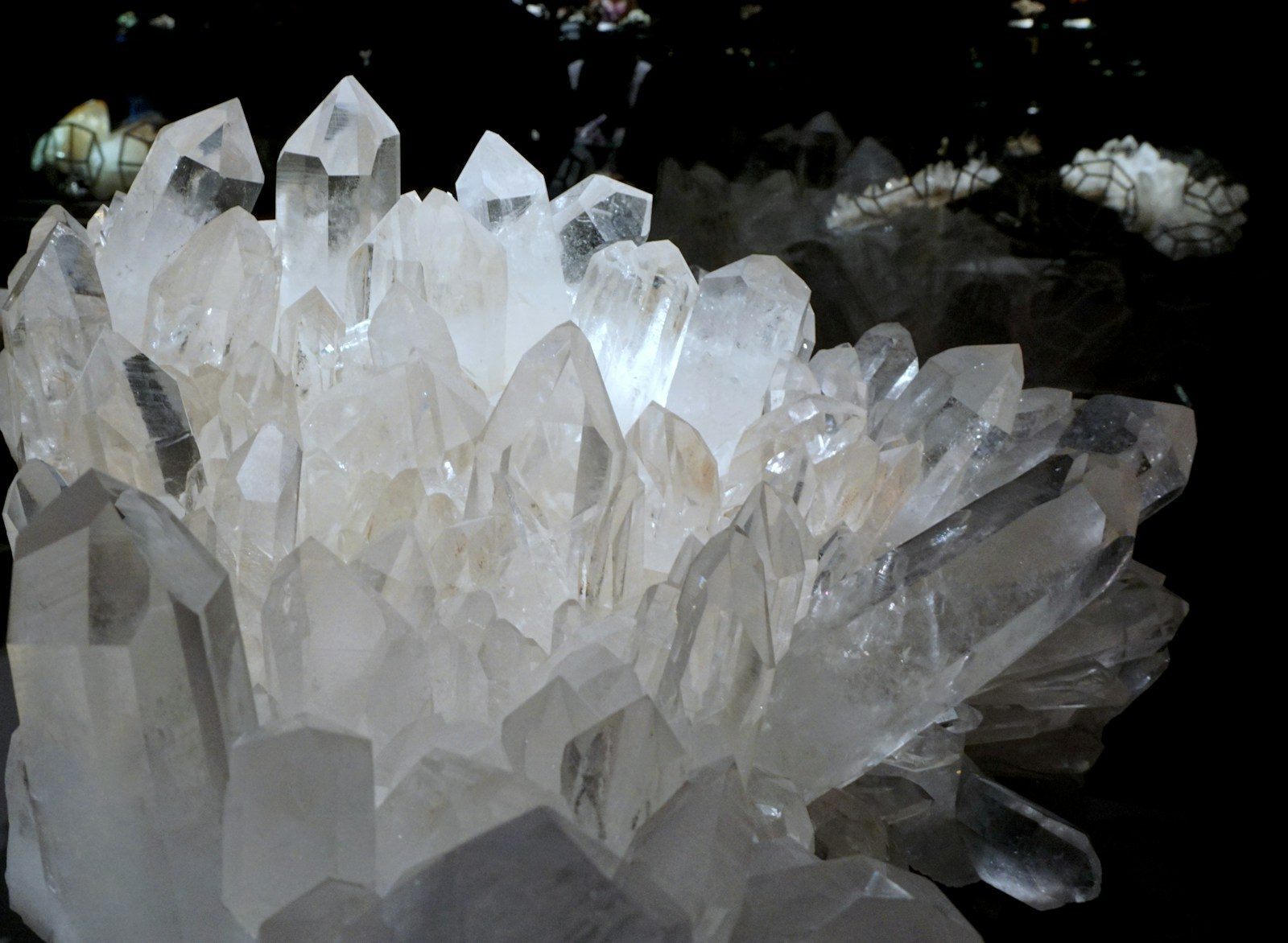
Most people assume that ancient Egyptians built the pyramids using only common limestone blocks. We believe these monuments served as simple stone tombs for royal dynasties.
But archaeologists recently discovered a massive hidden layer of mineral crystals inside the structures. This incredible geological choice suggests the builders wanted to harvest natural planetary energy.
The Shocking Chamber Vaults
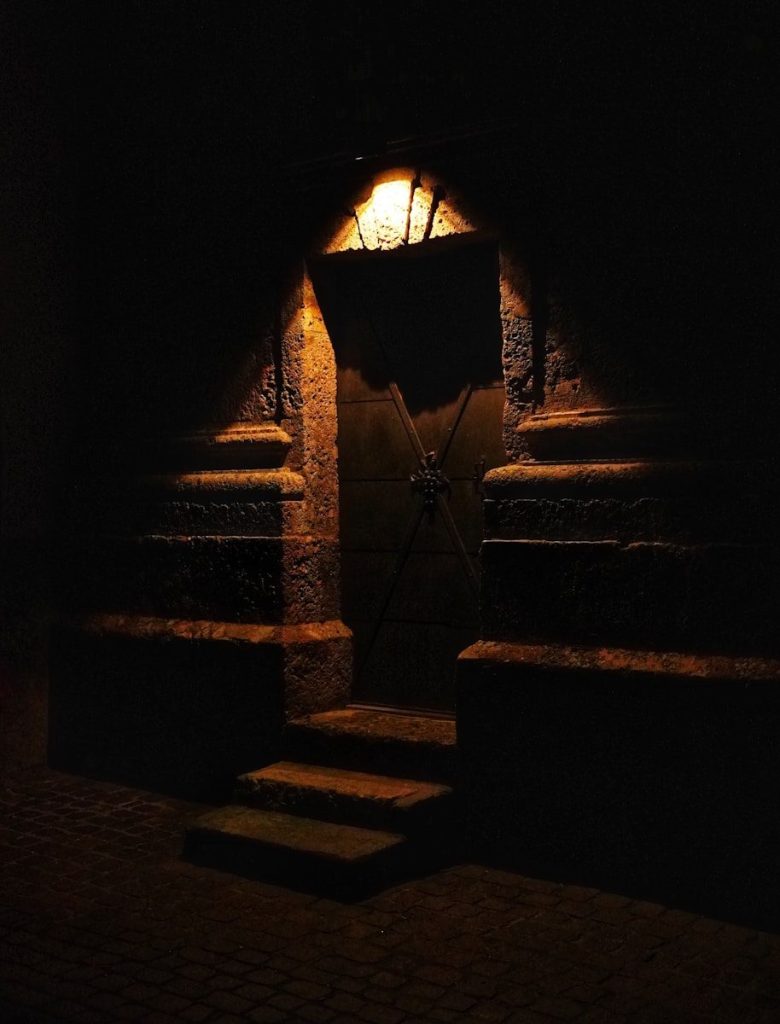
Archaeologists cleared a deep chamber inside the Black Pyramid at Dahshur. They did not expect to find anything beyond empty stone walls. According to reports from the Egyptian Ministry of Antiquities, researchers instead hauled eighty tons of high-grade granite crystals from the underground shafts. The scale was massive. This strange discovery forced scientists to re-examine the physical properties of the entire pyramid.
Harnessing Earth Energy

Quartz crystals possess unique physical traits that allow them to transfer electrical energy under physical pressure. Ancient engineers selected raw materials rich in these specific mineral properties. According to geological reports, the massive stones could act as natural energy conductors when squeezed by the weight of the pyramid. They chose wisely. However, the builders had to transport these heavy crystalline blocks across impossible distances.
The Great Mountain Journey

Workers dragged the heavy crystal-veined rocks from quarries hundreds of miles away. They loaded the massive slabs onto wooden barges to float down the Nile. According to history researchers, this brutal transit required thousands of skilled laborers working in perfect synchronization. The task was brutal. But their efforts secured a highly specific material that would complete an unseen electrical loop.
Creating A Power Transmitter

Placing crystal structures at the core of a pyramid might create a massive acoustic resonator. The heavy stone walls focused natural vibrations from deep inside the earth. According to acoustical engineering studies, the combination of quartz and basalt could amplify these low-frequency hums. Sound became electricity. This continuous hum could reach high into the sky to serve a purpose we still do not fully comprehend.
The Shiny Golden Caps

Ancient historical accounts describe the pyramids as shining monuments that gleamed under the desert sun. Gold alloy caps sat on the very top of these crystal-lined structures. According to archaeological excavation data, the metal caps acted as terminal receivers for the internal energy currents. They glowed brightly. But environmental disasters eventually stripped these precious materials away from the ancient ruins.
A Quiet Lost Technology
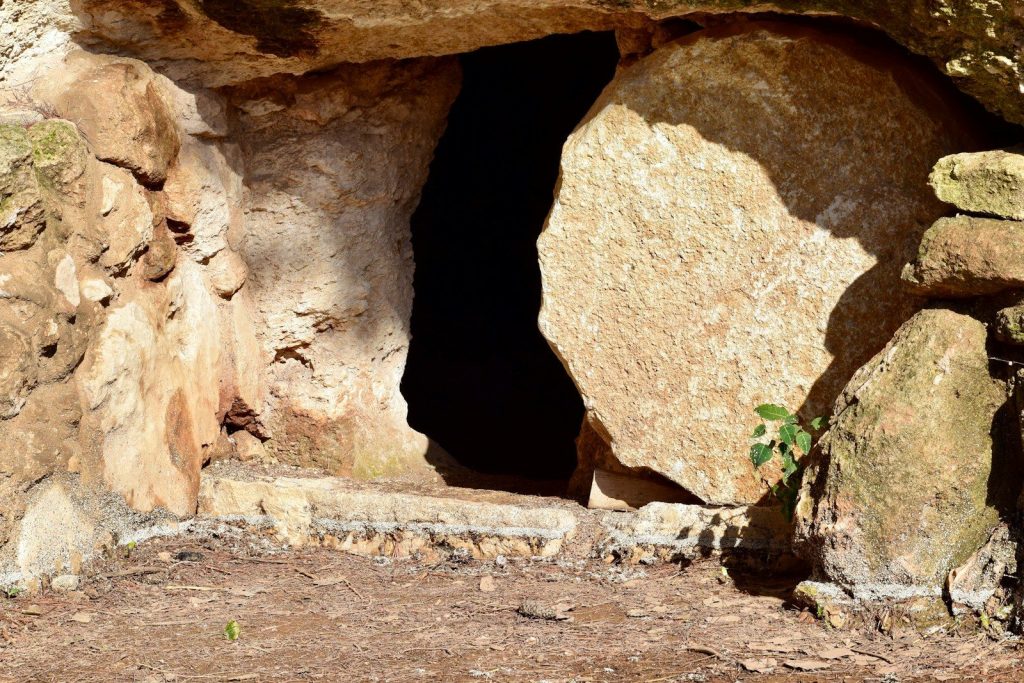
Centuries of looting and erosion destroyed the delicate connections inside the monumental network. Modern researchers only find empty shafts and cracked stone blocks. According to museum curators, we are looking at the bare bones of a highly advanced machine. The system died. Yet, analyzing the remaining quartz layers allows us to glimpse a forgotten era of clean engineering.
Unlocking The Past

The massive tons of crystal inside the pyramids prove that ancient engineering was far more sophisticated than simple muscle power. It shows a deep understanding of natural physics and mineral traits. According to leading Egyptologists, these monuments will continue to challenge our modern assumptions about the ancient world. This article is for informational purposes only.
Featured Image: Photo by Andreas Haubold on Unsplash
Leave a Reply