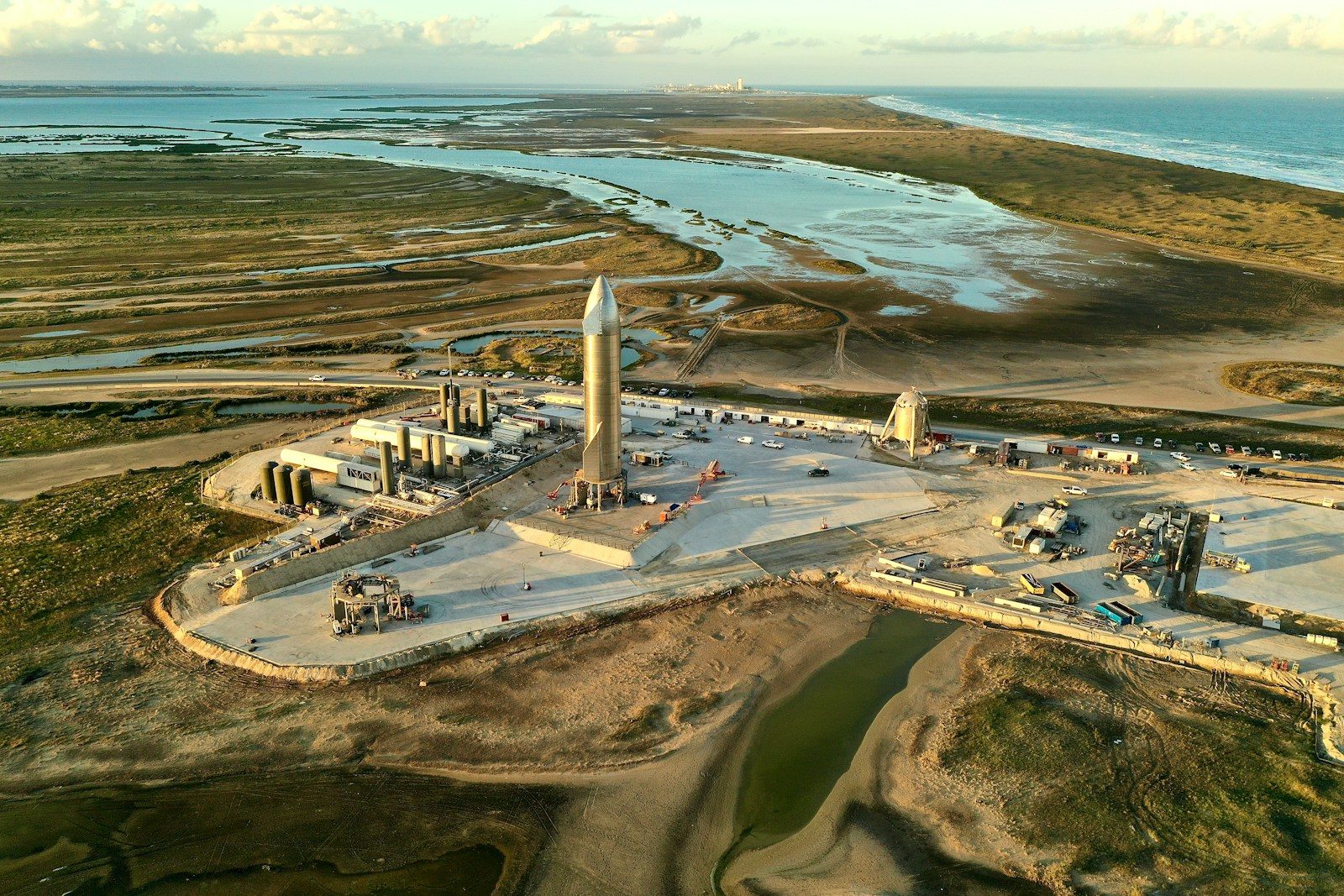
We assume that going to Mars is simply a matter of funding and political will. Most people believe our current rocket technology is ready to colonize the red planet.
But a series of extreme engineering failures shows we have hit a hard physical wall. Aerospace designers must now solve massive fuel and engine calculations before we can leave Earth.
The Live Interview Escape

The public recently watched a tech leader abruptly leave a high-stakes broadcast about space travel. The unexpected exit followed intense questions regarding recent booster failures. According to industry reports, the sudden departure signaled deep executive stress over unresolved launch mechanics. The pressure is rising. These ongoing delays point to a far deeper problem hidden in the rocket blueprints.
Extreme Engine Heat
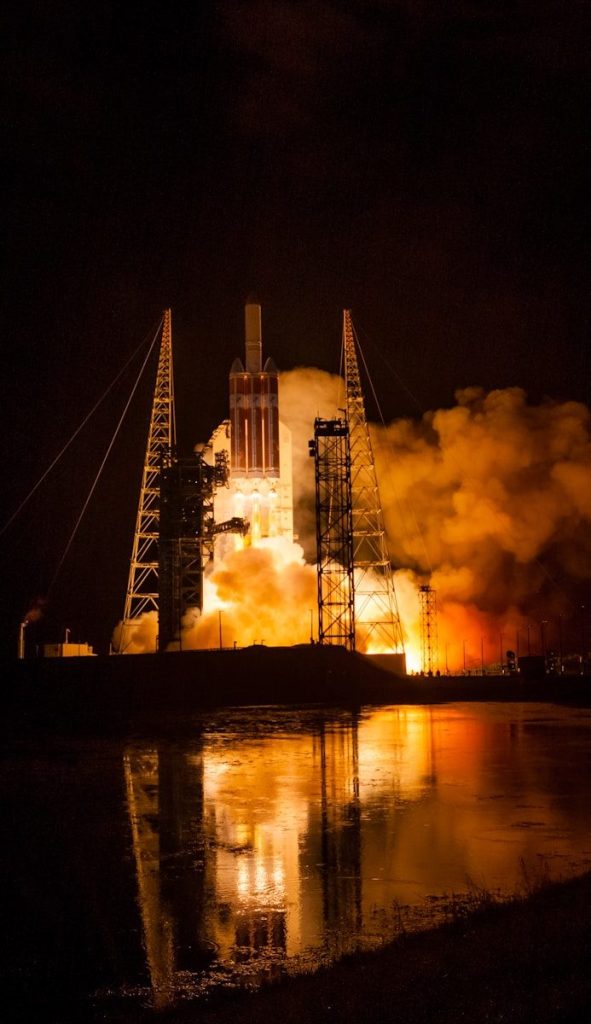
Launching a massive spacecraft requires dozens of heavy engines firing in absolute perfect harmony. The intense heat from these thrusters can easily melt standard steel launch pads. According to NASA engineers, the sheer physical force of a launch requires a massive water deluge system to prevent total destruction. Steel melts fast. But managing this immense thermal energy is only the first obstacle.
The Crucial Fuel Weight

To escape the strong gravity of Earth, a rocket must carry hundreds of tons of liquid fuel. However, carrying more fuel makes the ship heavier and requires even more power to launch. According to physics journals, experts call this vicious cycle the rocket equation. Math is brutal. This absolute mathematical law limits how far a standard rocket can travel into deep space.
The Orbital Refueling Trap
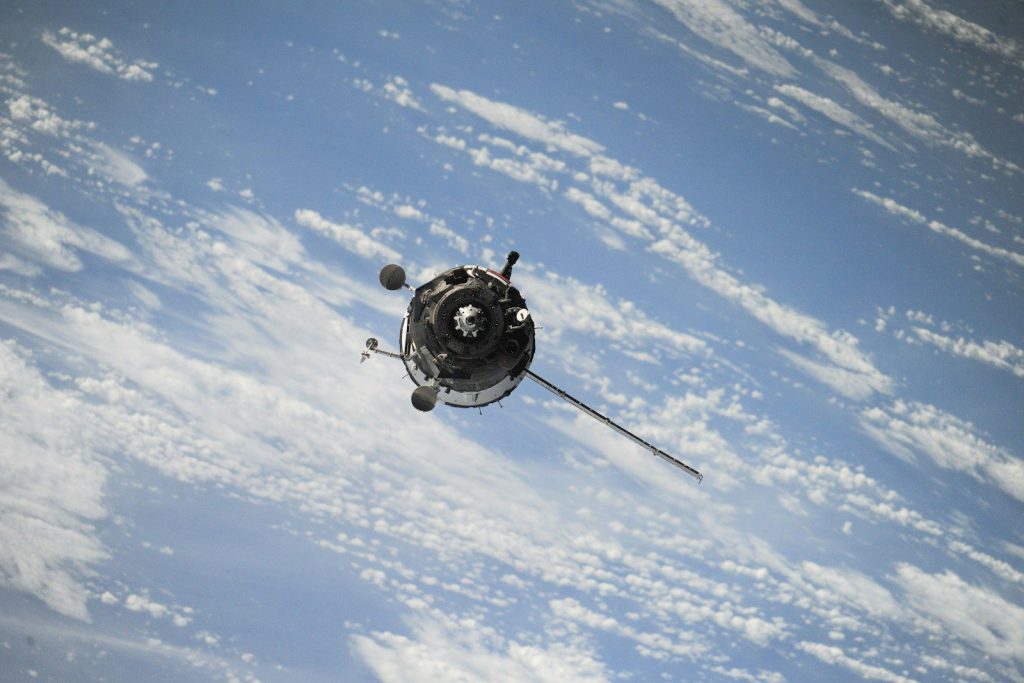
A mission to Mars requires refueling the main ship while it orbits the Earth. This delicate task requires multiple support launches to transfer highly volatile liquid oxygen in zero gravity. According to aerospace reports, even a tiny temperature shift can cause the fuel to boil away into empty space. Space is freezing. And this fragile transfer process must happen multiple times for a single voyage.
Heavy Payload Limits
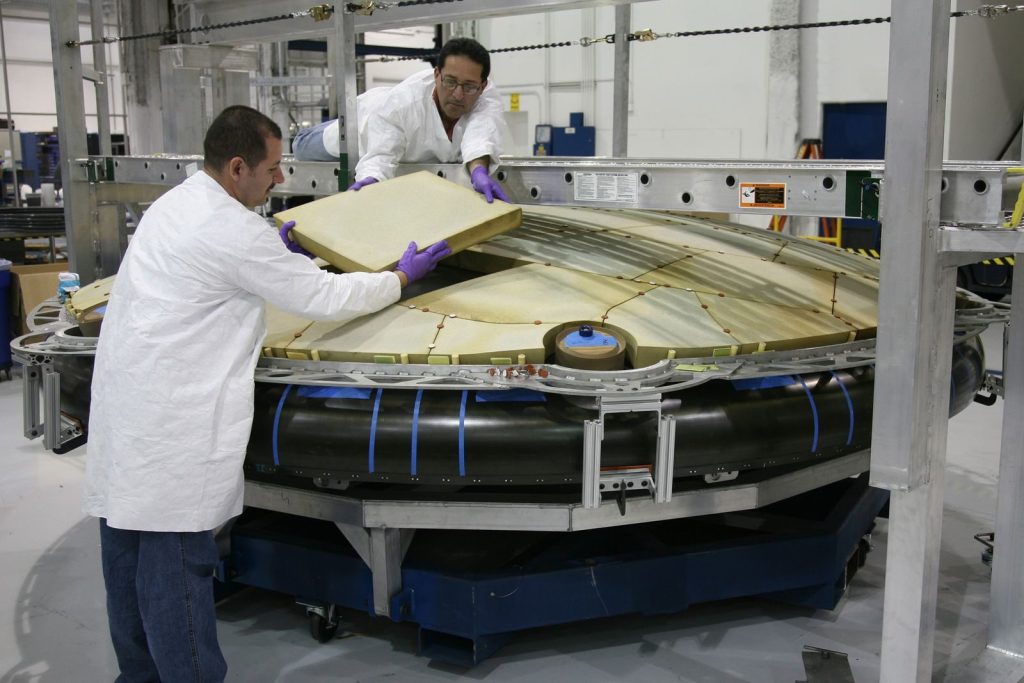
Colonizing another world requires transporting heavy machinery, water systems, and survival habitats. Current spacecraft designs can only carry a tiny fraction of the necessary cargo weight. According to manufacturing studies, building lightweight but durable carbon composite frames remains incredibly difficult. Weight rules everything. This manufacturing bottleneck forces engineers to seek alternative materials that do not yet exist.
Harsh Cosmic Radiation

Deep space lacks the protective magnetic shield of our home planet. Future astronauts will face heavy bombardment from dangerous solar winds and cosmic rays. According to health physics research, a short trip to Mars can damage human DNA beyond repair. Radiation kills cells. Protecting the crew requires heavy shielding that adds massive weight to the launch vehicle.
Starship Development Stumbles

Recent test launches have ended in spectacular explosions high in the upper atmosphere. Each crash forces technicians to spend months redesigning key pressure valves and engine components. According to SpaceX launch data, these setbacks delay the official NASA timeline for the upcoming moon landings. Progress is slow. These delays highlight the massive gap between bold promises and physical reality.
Reaching For The Stars

Overcoming the harsh physics of space travel will require decades of steady engineering breakthroughs. We cannot cheat gravity with clever marketing or rapid funding. According to aerospace experts, patience and hard science will eventually get us to Mars. This article is for informational purposes only.
Leave a Reply