We assume that ancient manufacturing was limited to simple pottery and basic metal tools. We believe that highly complex mechanical designs only appeared during the modern industrial age.
But a bizarre five-thousand-year-old stone object discovered in an Egyptian tomb looks exactly like a high-tech engine part. This mysterious artifact continues to baffle top engineering teams today.
Inside The Mastaba

Archaeologists digging inside a mud-brick tomb at Saqqara made a startling discovery in 1936. They were clearing out the burial chamber of an ancient royal official named Sabu. According to reports from the Egypt Exploration Society, they found a delicate, dark stone disk shattered in the corner. It was bizarre. The unique shape of this artifact did not match any known historical items.
Perfect Stone Curves
Once reassembled, the object revealed a highly complex design featuring three curved lobes that fold inward. These delicate stone blades gather around a hollow central tube. According to museum curators, the entire piece was carved from a single block of fragile siltstone. The stone is thin. This material is incredibly difficult to carve without shattering the delicate edges.
A Useless Vessel
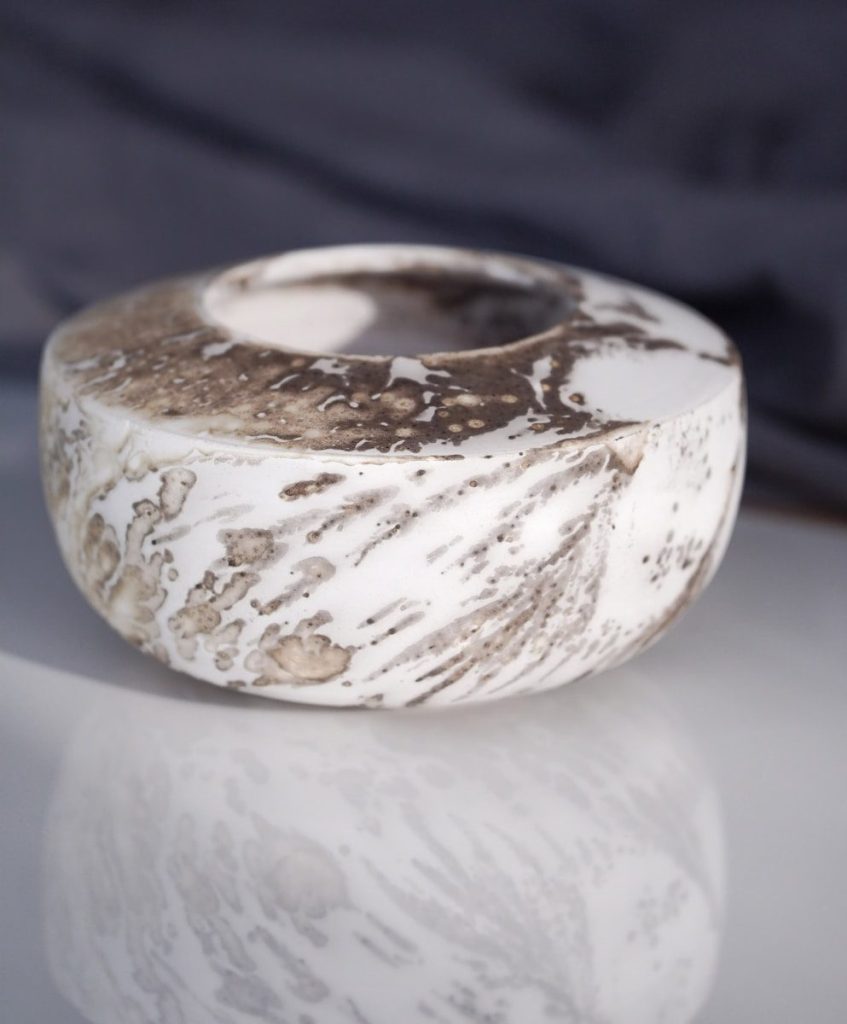
Historians initially classified the artifact as a simple decorative bowl or incense burner. However, the folded lobes and open central pipe make it completely useless for holding any liquids or grains. According to early archaeological reports, the design indicates a highly dynamic, mechanical purpose. It was useless. This realization forced engineers to study the object under modern laboratory conditions.
A Modern Impeller
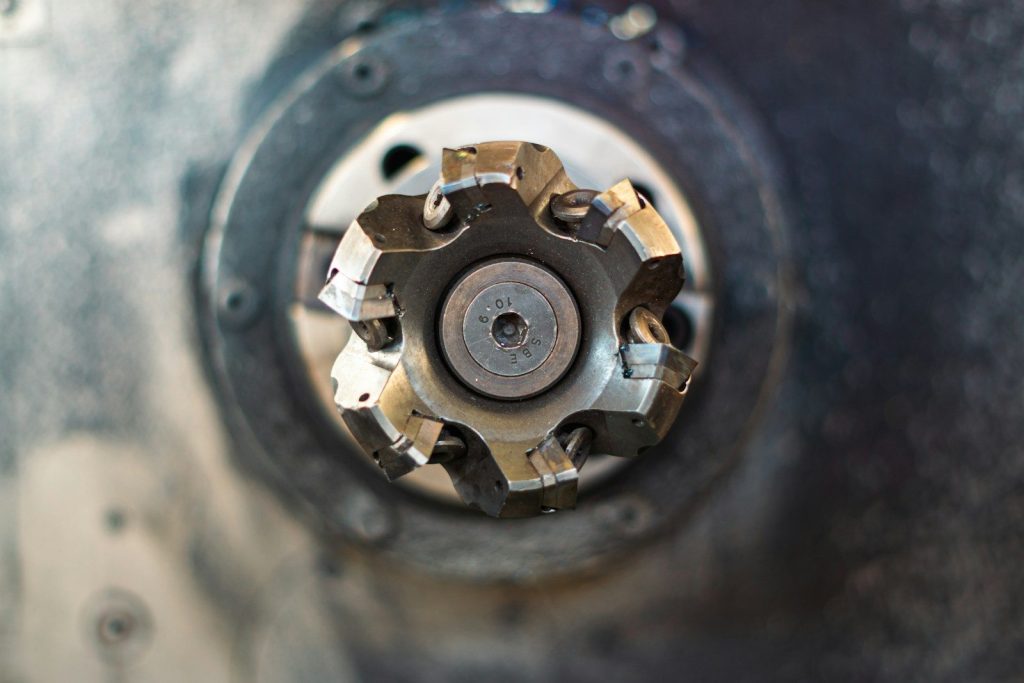
When modern engineers first saw the Sabu disk, they immediately recognized the shape. It looks exactly like a high-efficiency fluid mixer or a modern jet engine pump impeller. According to industrial design journals, this specific shape maximizes fluid flow while minimizing resistance. The design is perfect. Yet, the ancient Egyptians possessed no engines or electricity to power such a device.
Testing The Physics
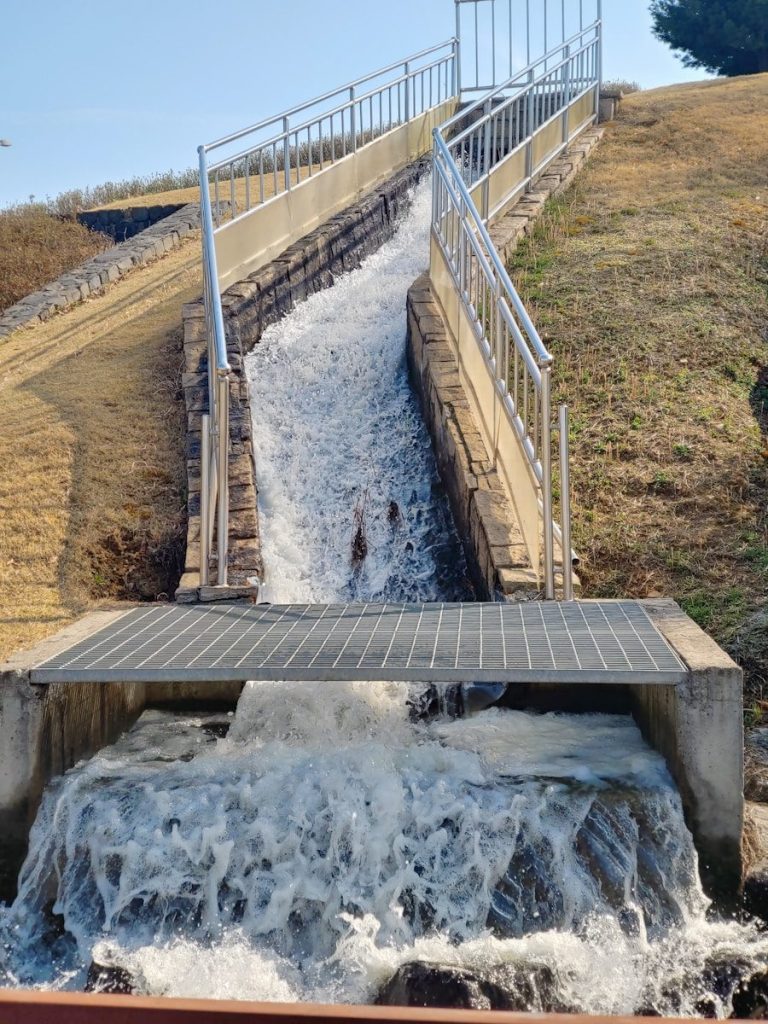
Researchers eventually built a precise digital model of the disk to test its aerodynamic and hydrodynamic properties. They placed the replica inside virtual wind tunnels and simulated fluid tanks. According to engineering test data, the disk operates as a highly advanced propeller when spun at high speeds. It created lift. This proved the object was built to interact with moving air or water.
A Missing Engine
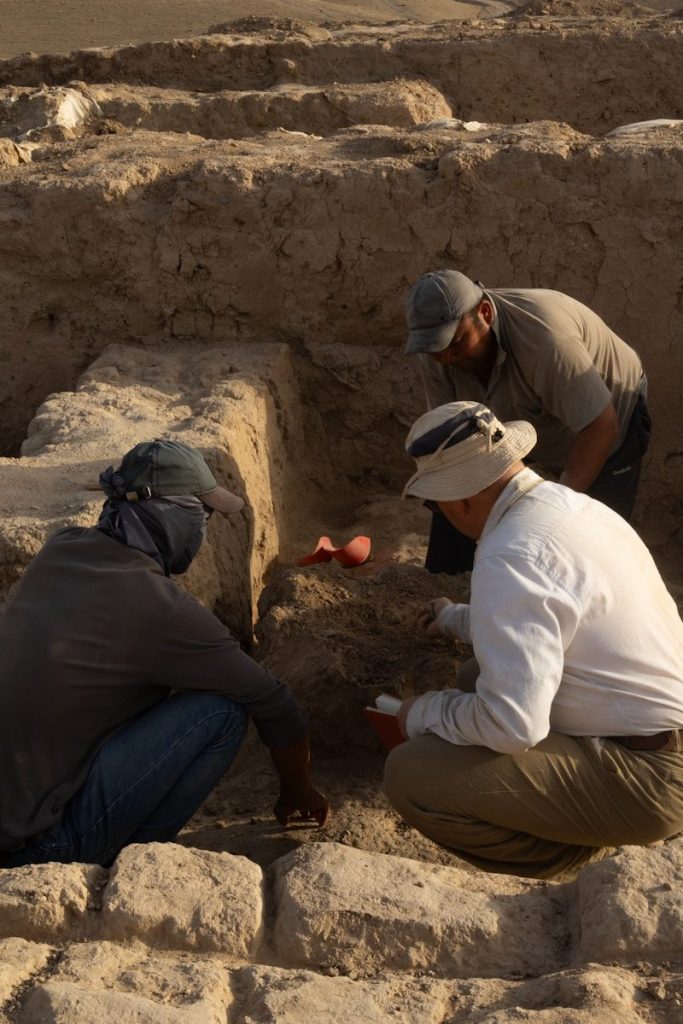
Some alternative researchers suggest the disk belonged to a larger, forgotten machine that used water power. However, no other components of such a machine have ever been discovered in the Saqqara tombs. According to orthodox Egyptologists, the disk remains a highly unique, ritualistic stone carving. We are puzzled. This massive gap between ancient materials and modern design remains wide open.
The Unsolved Puzzle

The Sabu disk stands as a quiet reminder that our ancestors possessed incredible creative skills that we still do not fully comprehend. Whether a ritual object or a forgotten technical breakthrough, it challenges our assumptions about early human history. According to museum experts, this artifact will keep challenging engineers for decades to come. This article is for informational purposes only.
Leave a Reply