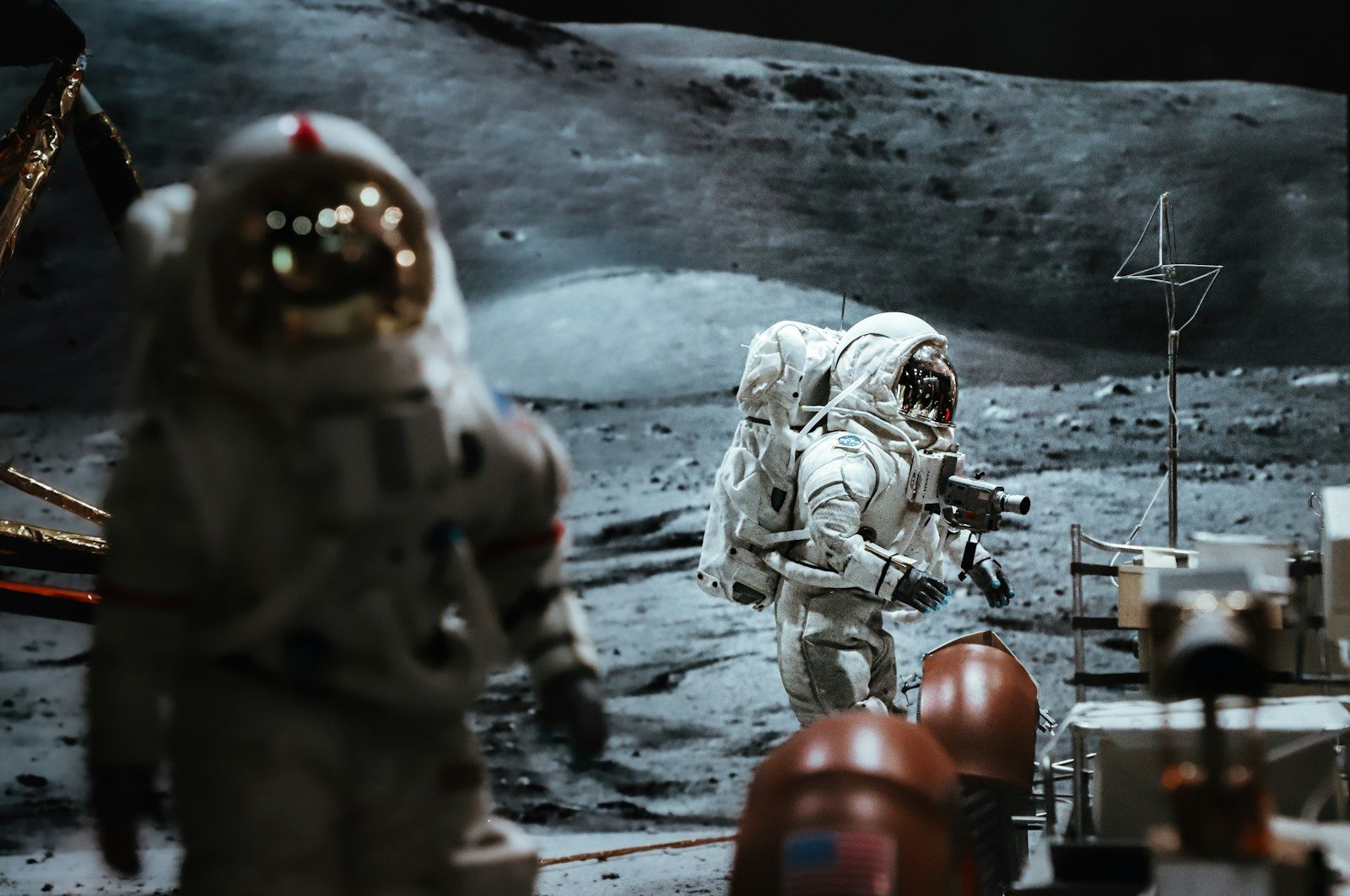
Most people assume that modern astronauts returning to the moon will enjoy maximum safety and constant communication. We believe that advanced computers have completely eliminated the danger of deep space landings.
But the planned landing profile places two explorers in a position of extreme, isolated danger. A single technical error during their solo descent could leave them permanently stranded.
The Ultimate Isolation Test
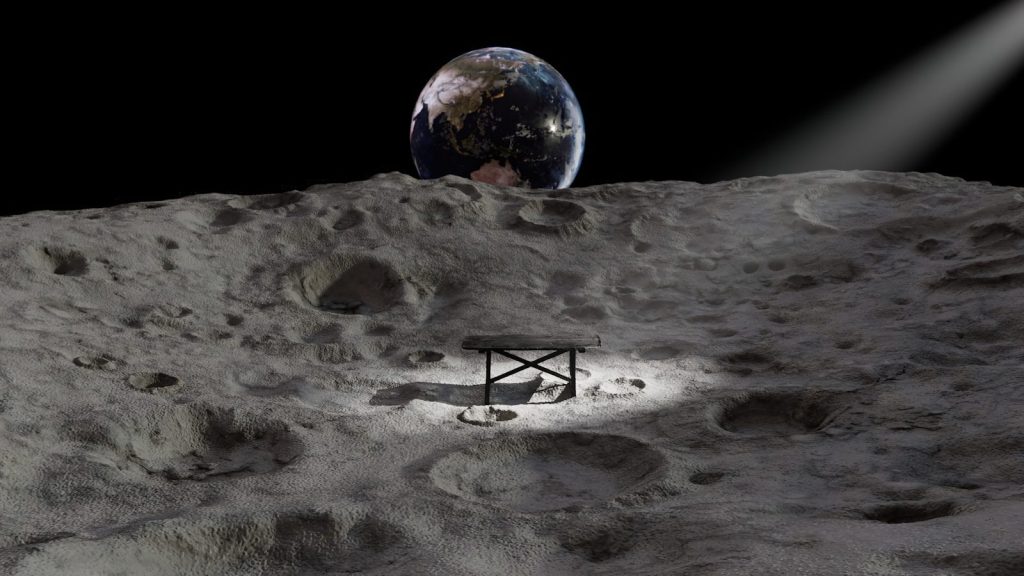
For the upcoming Artemis landings, two astronauts will split from the main crew module orbiting the Moon. According to NASA mission profiles, these two explorers will board the giant lunar lander alone to begin their descent. They will be isolated. The remaining crew members must watch from orbit with no physical way to help them. But this terrifying separation is only the first step of their dangerous journey.
Targeting The Dark Crater
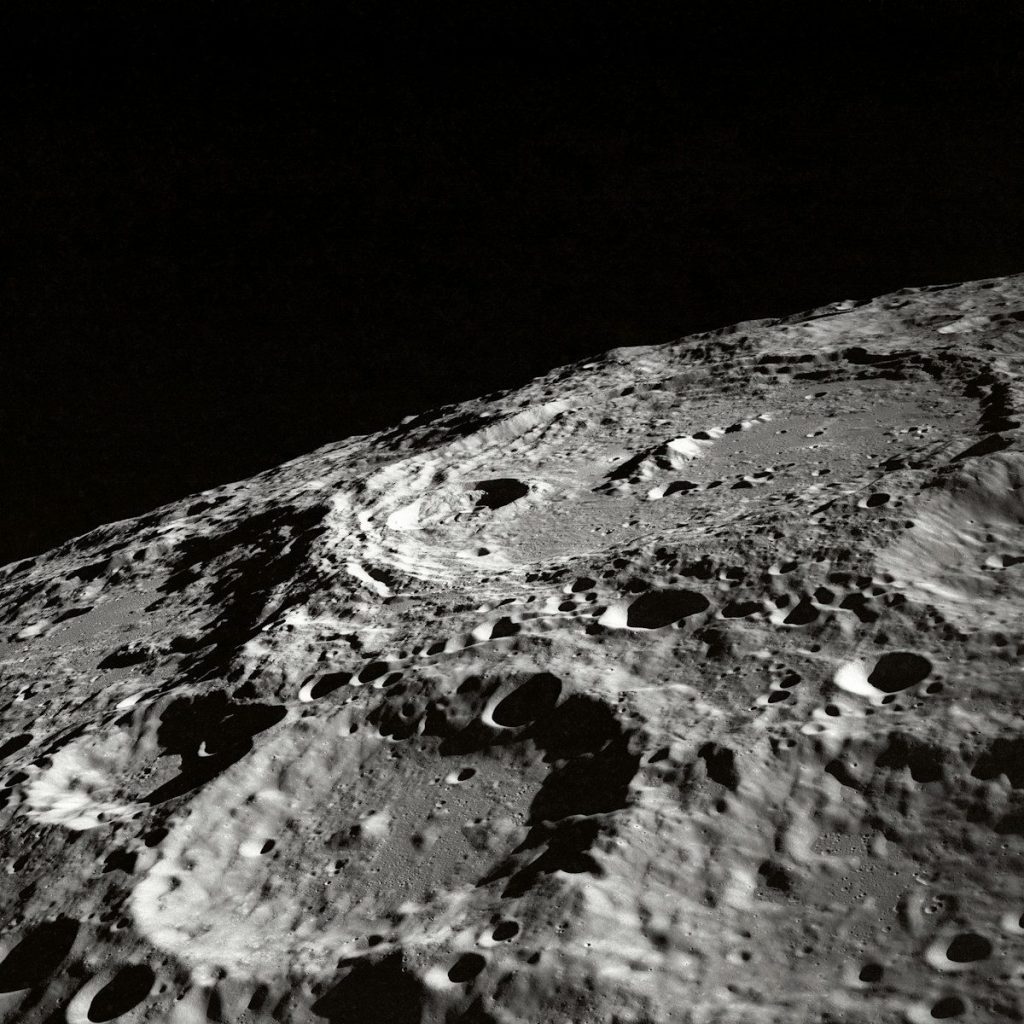
Unlike Apollo, which landed on the flat, sunlit equator, the new mission targets the lunar south pole. According to planetary scientists, this rugged region features deep, steep craters cast in permanent, freezing shadows. The terrain is treacherous. Landing on these dark, uneven slopes requires an incredibly precise autonomous autopilot system. Yet, the local environment presents a major hazard that sensors cannot easily see.
Blinded By The Dust
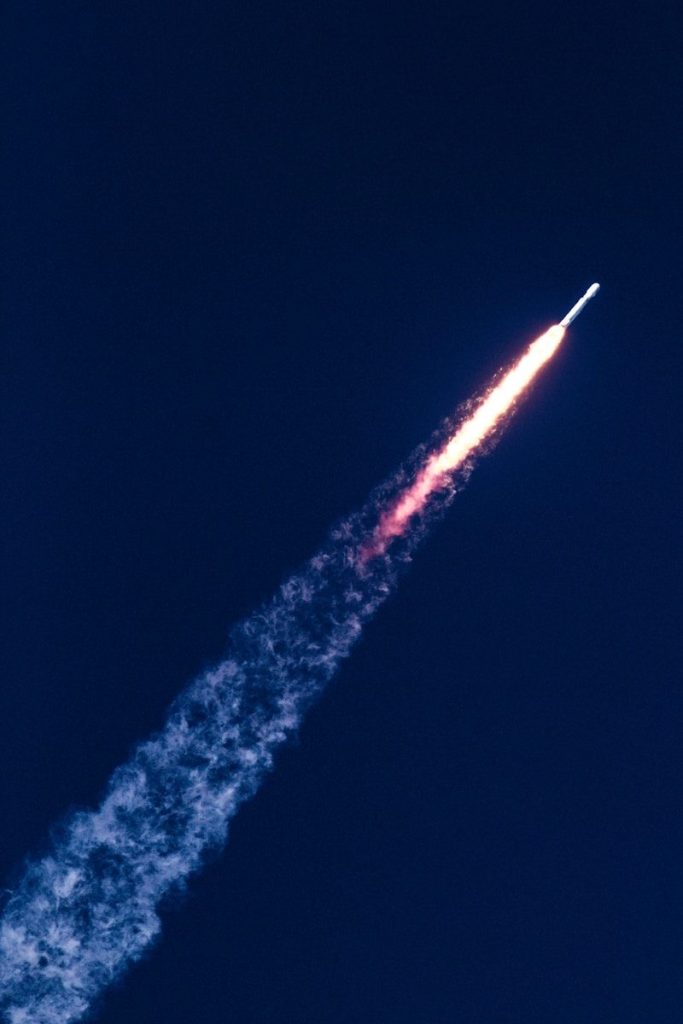
As the massive rocket engines approach the lunar surface, they will kick up a dense storm of razor-sharp regolith. According to dust simulation studies, this high-velocity debris can completely blind the optical navigation cameras on the lander. Visual contact is lost. The system must land blindly, relying entirely on real-time radar and laser sensors to guide them safely down. But navigating this dust storm is not the only physical limit.
The One Way Engine
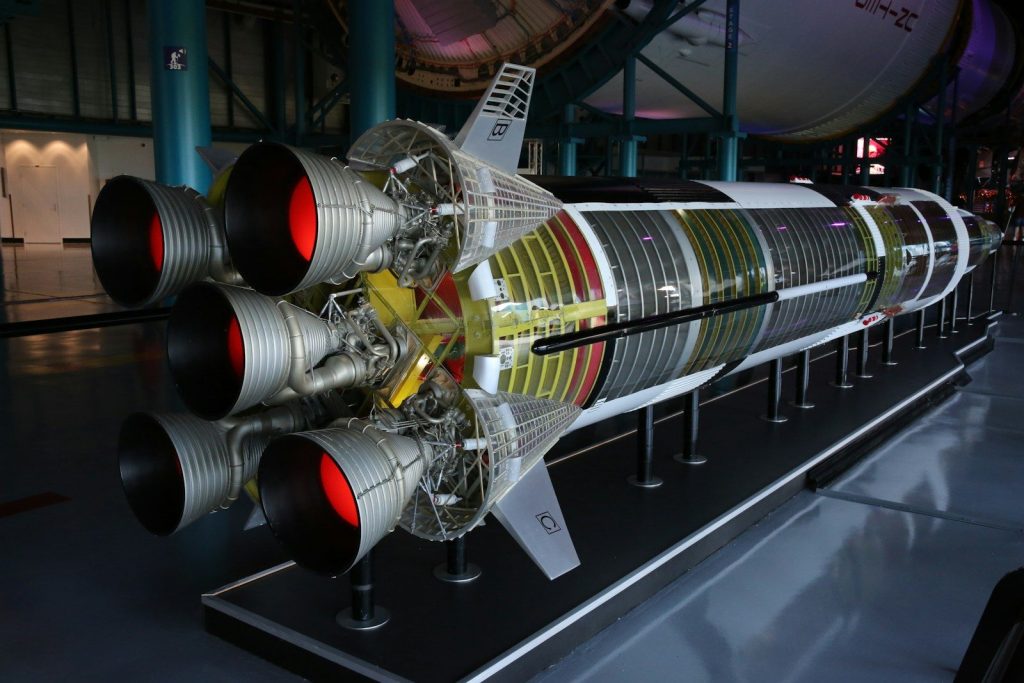
The spacecraft relies on a single, highly specialized engine system to slow its descent and touch down safely. According to reports from aerospace developers, there is absolutely no redundant propulsion system if this primary engine fails mid-flight. Gravity is completely unforgiving. If the engine shuts down early, the craft will plunge into the surface at terminal velocity. However, surviving the landing is only half the battle.
Stranded In Extreme Cold
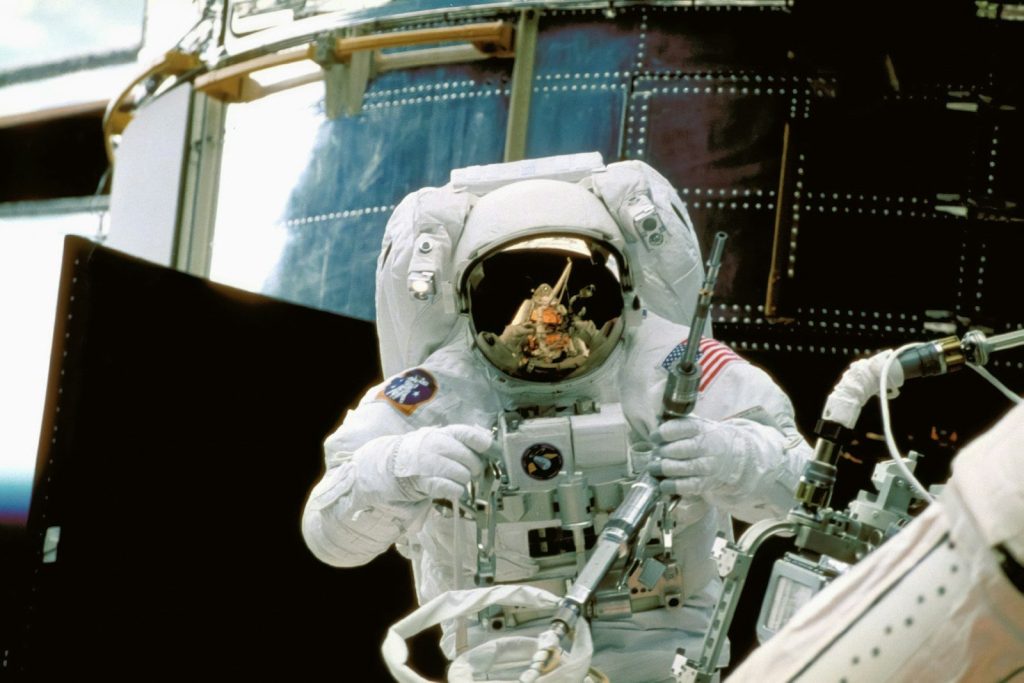
The South Pole temperature drops to a brutal minus two hundred and forty degrees Celsius inside the shadowed craters. According to NASA technical papers, the astronauts’ spacesuits and life support systems must withstand this crushing freeze for days. Metals can shatter easily. If a vital seal freezes and leaks, the crew will lose their oxygen supply immediately. But returning to orbit requires overcoming a massive gravity trap.
The Fuel Boiling Crisis
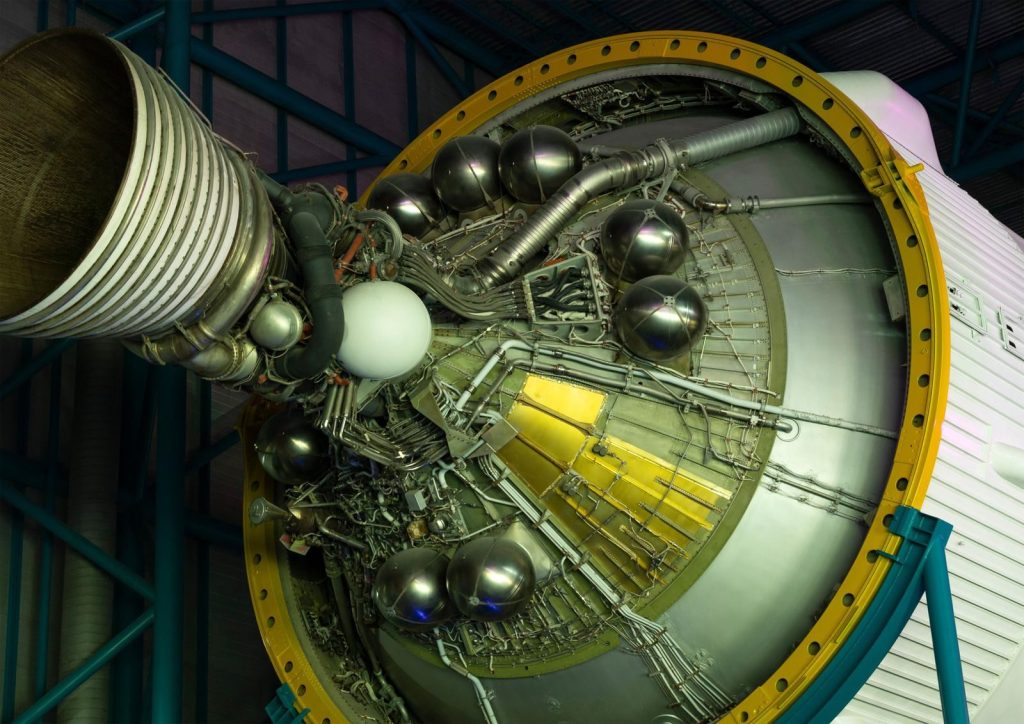
The lander must store super-cold liquid propellants on the lunar surface for over a week before launching back into space. According to cryogenic research reports, the heat from the spacecraft can cause the fuel to boil away over time. Pressure builds up rapidly. If too much propellant boils off, the engine will not have enough thrust to lift off. But this propulsion trap leads to an even more terrifying rescue reality.
No Backup Rescue Ship
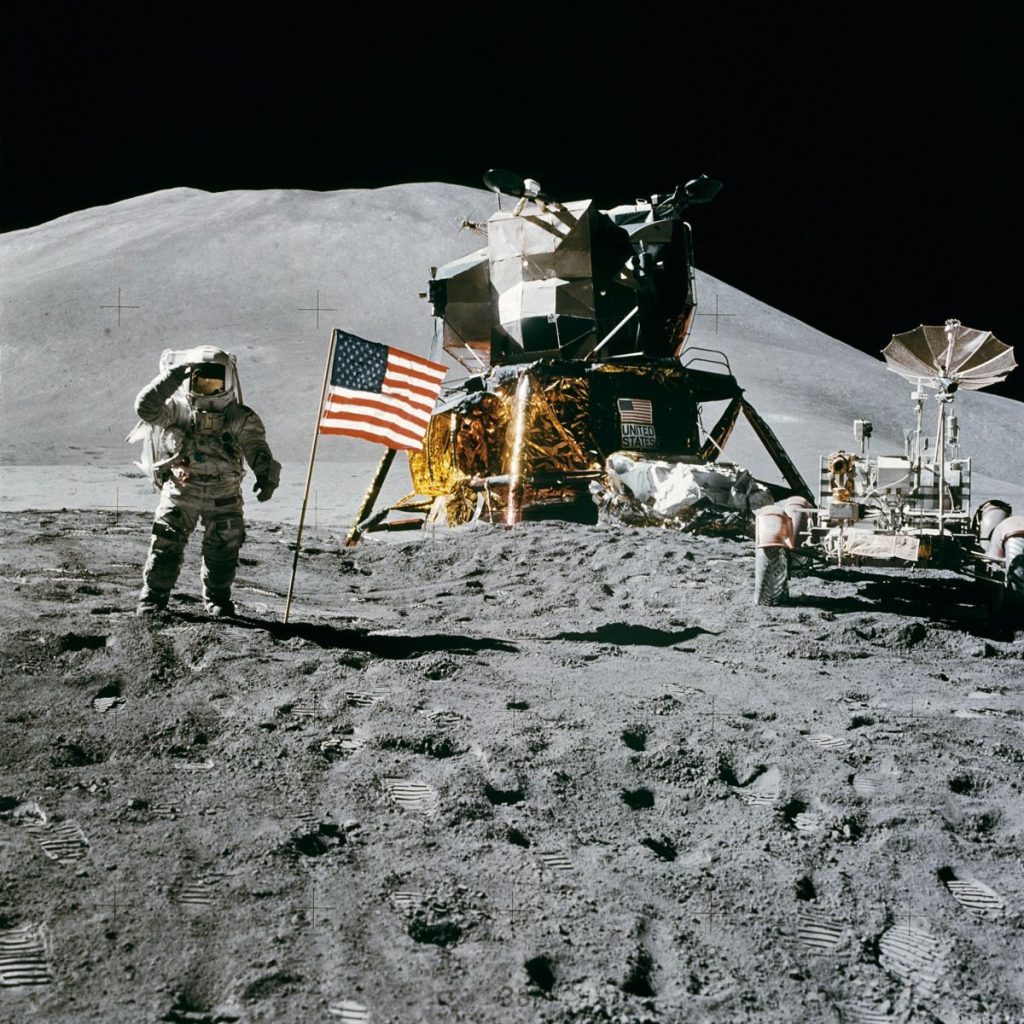
If the lander fails to ignite, there is no backup rescue vehicle built to retrieve the stranded astronauts. According to current mission architecture, the crew has only one attempt to launch off the lunar surface. Help is too far. No other spacecraft in existence can reach them in time before their emergency oxygen supplies run out. Yet, space agencies are still pushing forward with this high-stakes architecture.
A New Frontier of Risk
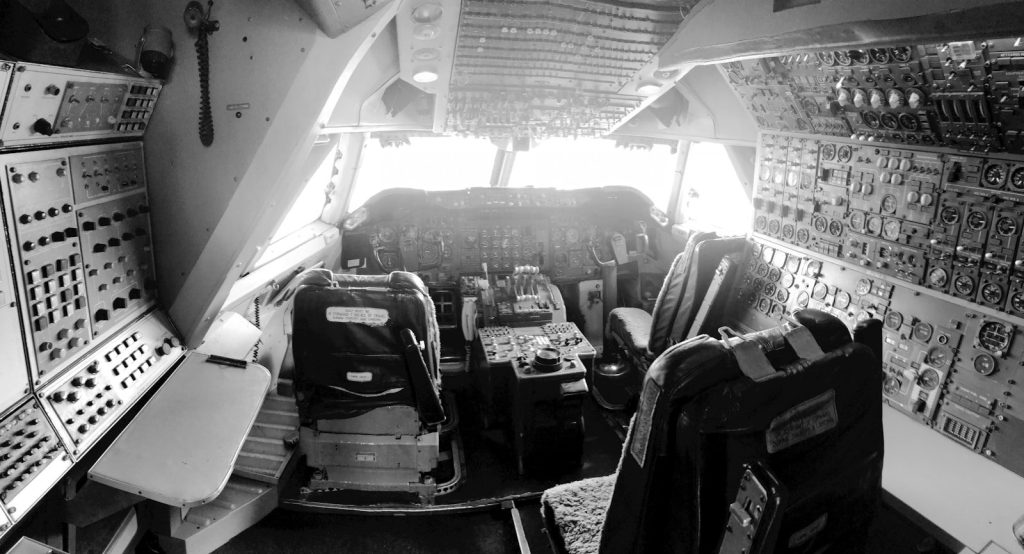
According to flight controllers, returning humans to the moon requires accepting a level of raw physical danger unseen since the Apollo era. This high-risk descent profile pushes human engineering and bravery to its absolute limit. We must master these extreme parameters to ensure our pioneers return home safely from the shadows. This article is for informational purposes only and does not constitute professional aerospace advice.
Featured Image: Photo by Mario Verduzco on Unsplash
Leave a Reply