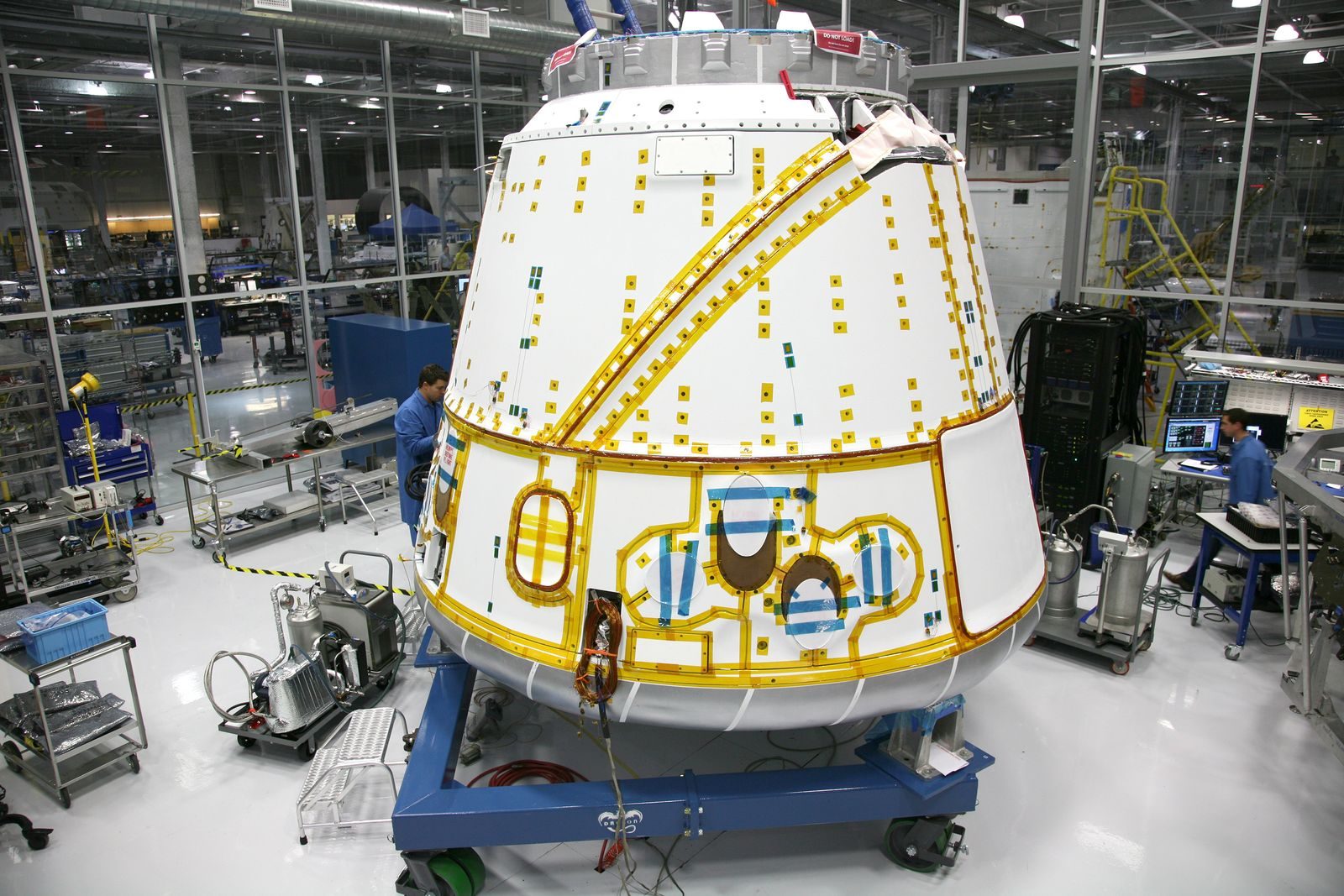
Most people assume that returning to the moon is a simple matter of using modern, advanced computers. We believe that since we completed this journey in 1969, doing it again should be easy.
But critical hardware failures have quietly stalled the modern Artemis program. Bold new spacecraft are battling unexpected physics problems that threaten crew survival.
The Melting Heat Shield
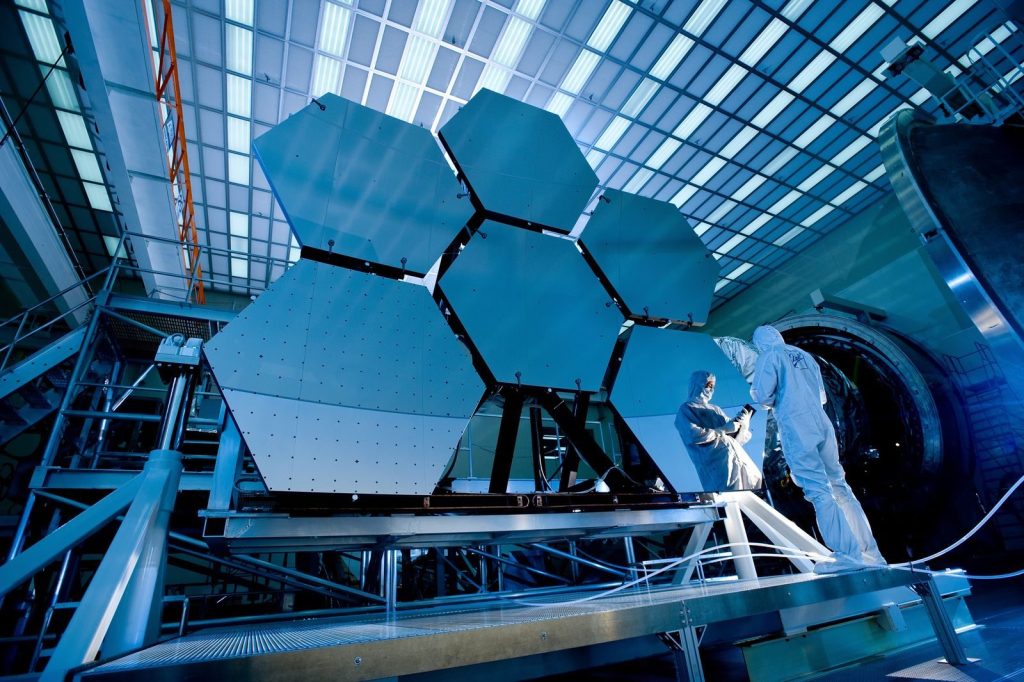
During the uncrewed Artemis 1 mission, the Orion capsule performed a high-speed skip reentry into Earth’s atmosphere. According to reports from NASA, the protective heat shield charred and eroded much faster than computer models predicted. The damage was alarming. Large chunks of the protective barrier flaked off during the fiery return, creating hazardous hot spots on the structure. But fixing this critical barrier required a risky flight adjustment.
Tweaking The Flight Path
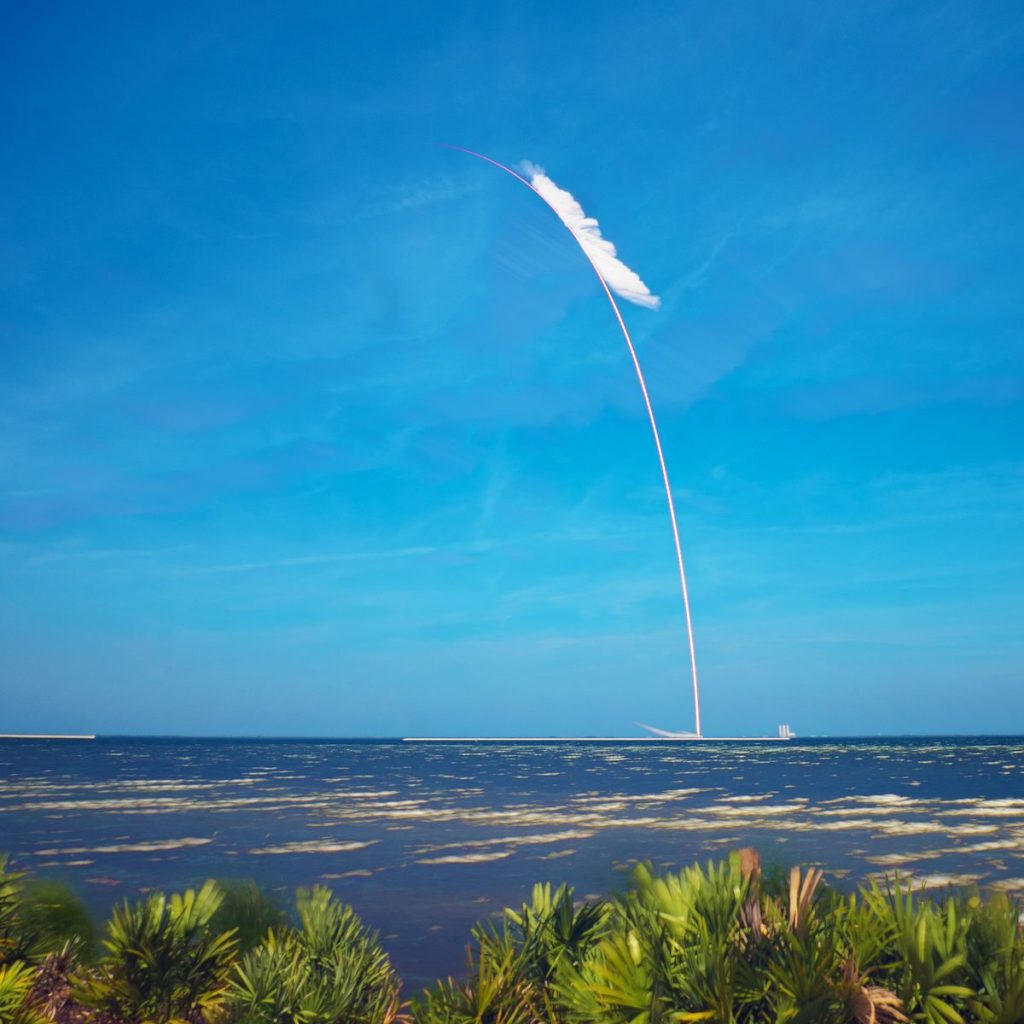
Engineers could not easily redesign the physical composition of the heat shield without adding massive, prohibitive weight. According to flight dynamics reports, NASA chose to subtly alter the spacecraft’s reentry trajectory instead. They changed the angle. This modification reduces the thermal load on the capsule during its descent through the atmosphere. Yet, this trajectory change presented another dangerous challenge for the returning crew.
The Life Support Failure
Sending humans back to deep space requires highly advanced life support loops that can run flawlessly for weeks. According to a NASA Inspector General audit, engineers discovered a fatal design flaw in the battery circuitry of the life support valves. The valves could fail. A sudden power surge could permanently shut down the oxygen flow to the astronauts. But solving this electrical trap soon exposed a massive propulsion crisis.
The Helium Flow Mystery
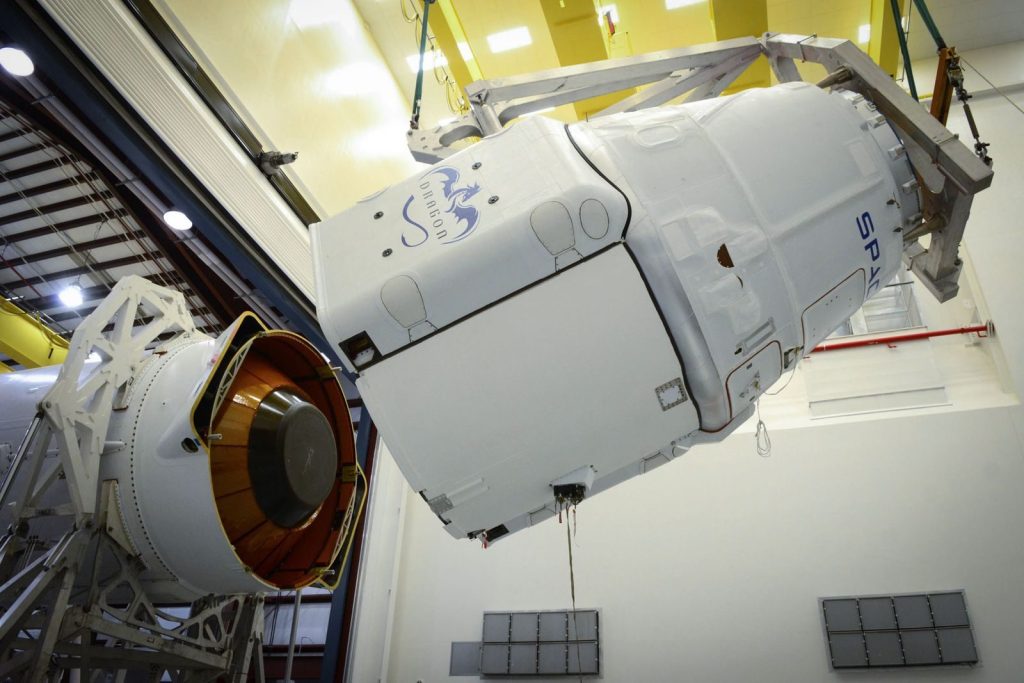
Testing the massive Space Launch System rocket revealed a frustrating issue within the upper stage of the vehicle. According to launch team reports, overnight data reviews showed a sudden drop in helium pressure during fueling rehearsals. The gas simply leaked. Without stable helium pressure, the rocket cannot safely purge its cryogenic fuel lines before launch. However, these booster delays pale in comparison to the landing vehicle struggles.
The Orbit Refueling Nightmare
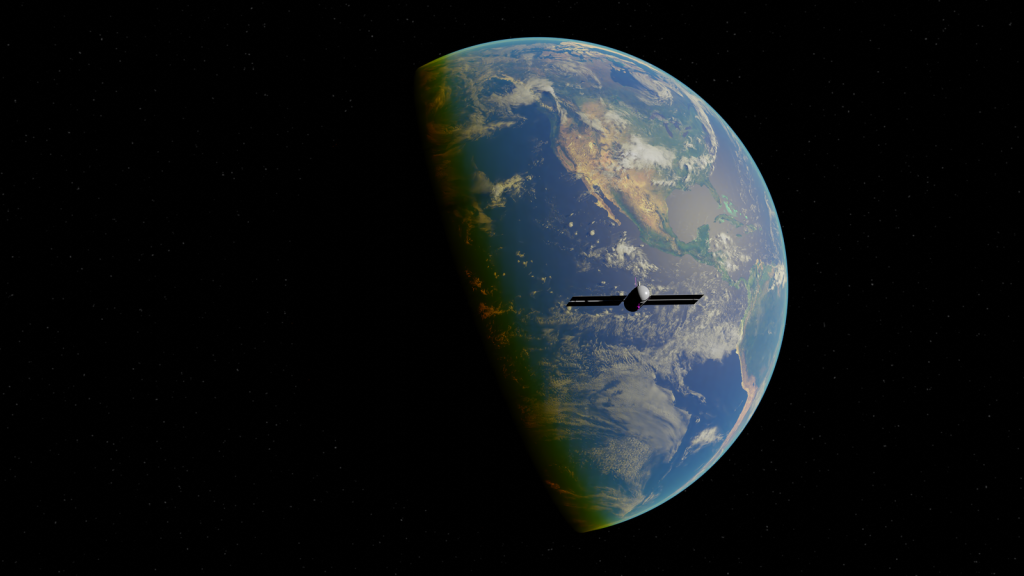
Unlike Apollo, the massive Artemis lander relies on an incredibly complex refueling sequence in low Earth orbit. According to technical assessments, the vehicle requires up to ten separate tanker launches to store enough cryogenic liquid oxygen. The operations are unprecedented. Transferring super-chilled propellants in zero gravity has never been successfully demonstrated at this scale. But this complex orbital ballet faces an incredibly tight timeline.
The Escalating Space Race
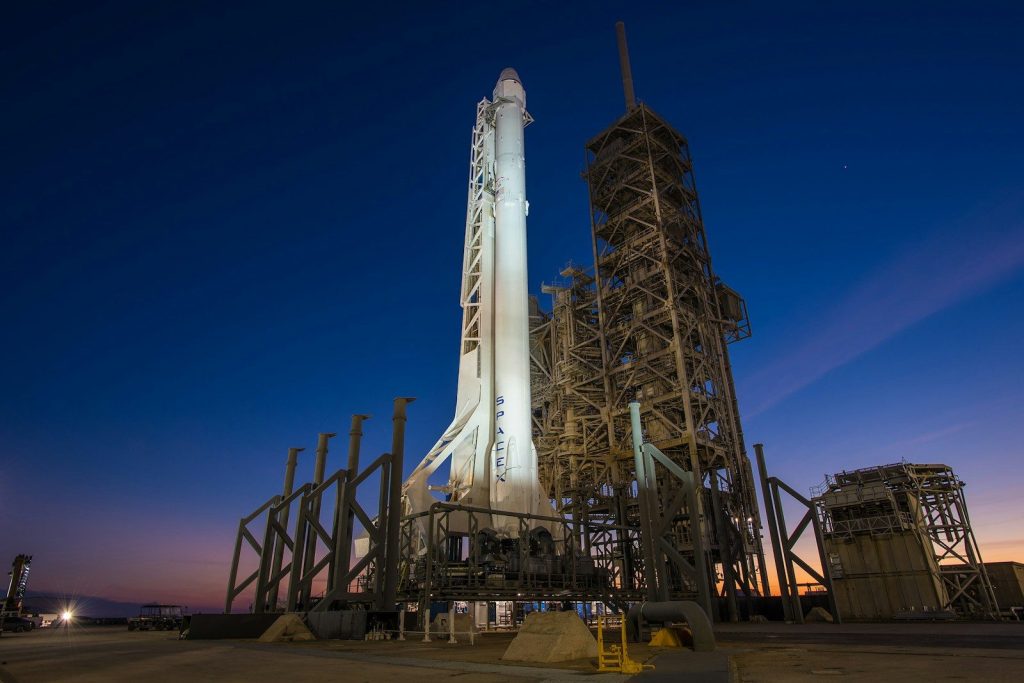
These compound engineering hurdles are rapidly burning through NASA’s annual exploration budgets. According to federal spending reports, delays have pushed the first crewed lunar landing past its original target date. The clock is ticking. Rival space agencies are advancing their own lunar plans with high efficiency. Yet, the pressure to succeed is forcing engineers to make a series of highly controversial compromises.
Securing Our Lunar Footprint
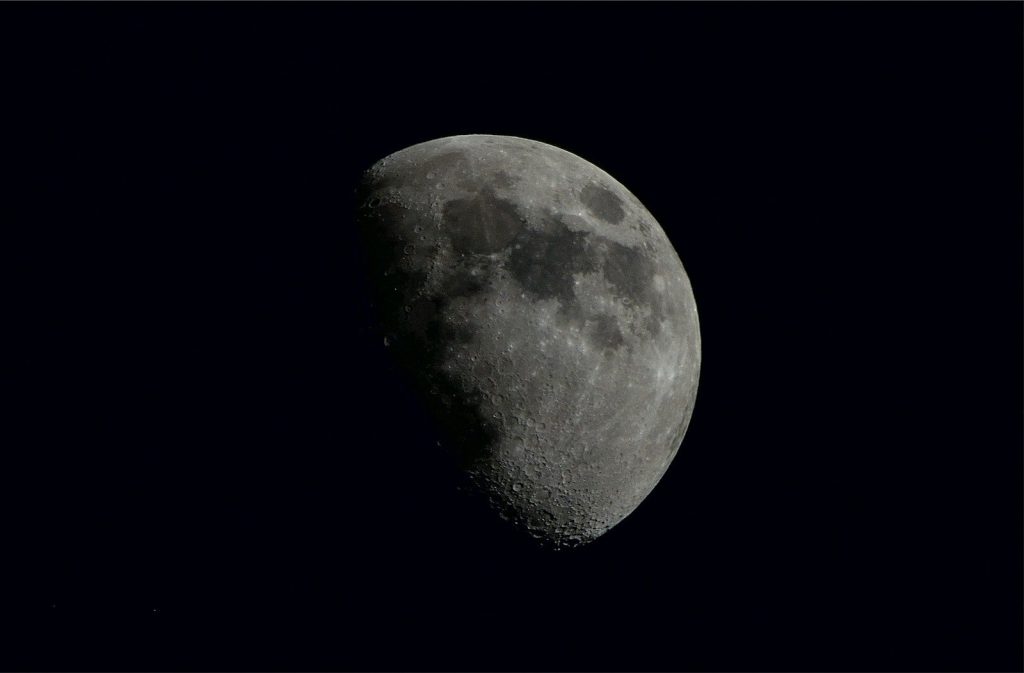
According to aerospace analysts, overcoming these harsh physics limits represents the most difficult engineering challenge of our generation. These delays show that deep space travel remains an incredibly unforgiving endeavor. We must solve these hardware flaws completely before we can establish a permanent human presence on the moon. This article is for informational purposes only and does not constitute technical or aerospace advice.
Leave a Reply