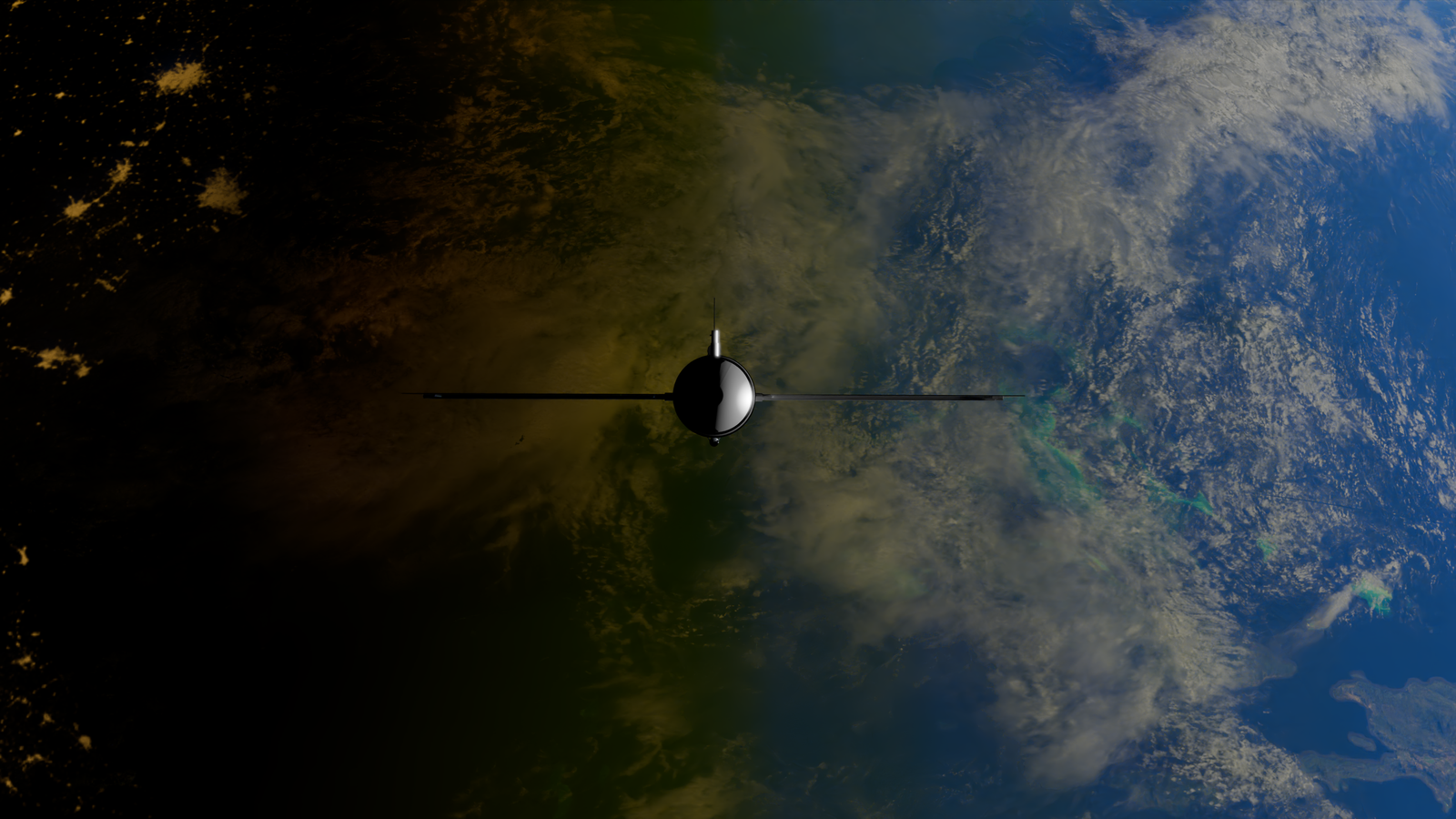
Most people assume that modern space exploration is executed with the same aggressive, breakneck speed as the Cold War space race. We believe that we must launch rockets directly toward their final targets to achieve victory.
But NASA engineers have quietly implemented a massive, unprecedented safety detour for the crewed Artemis flights. This critical orbital pivot completely changes how humans will explore deep space.
The Bold Apollo Contrast
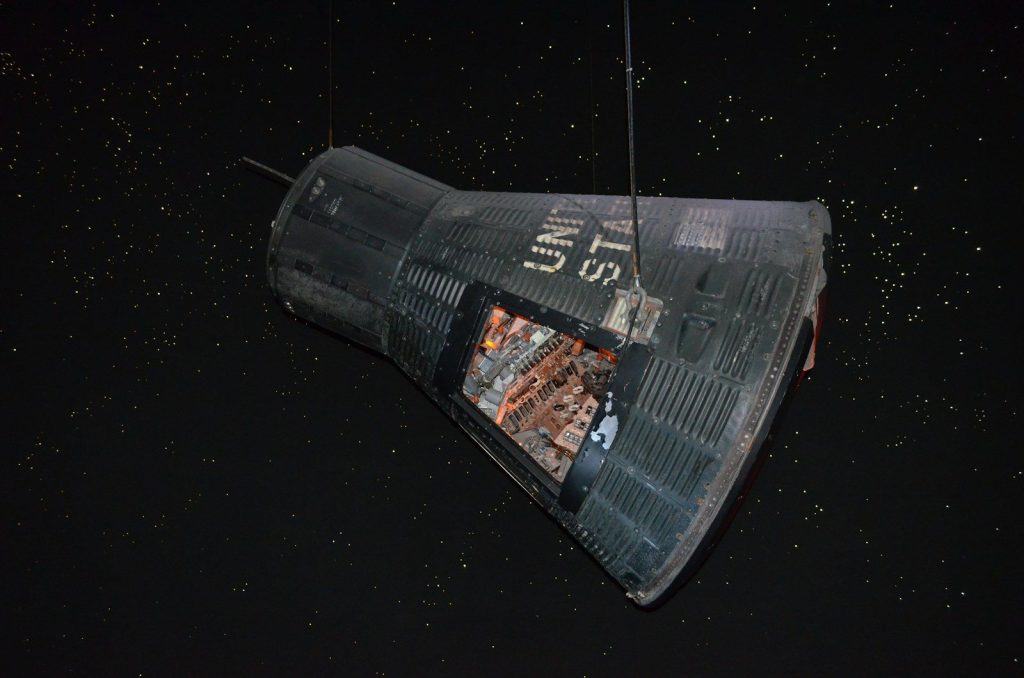
During the legendary Apollo missions, NASA fired astronauts toward the moon almost immediately after reaching orbit. They prioritized speed above safety. According to historical launch data, Apollo crews spent only a few hours in parking orbits before committing to deep space. This aggressive timeline left them highly vulnerable to early system failures. But modern engineers refused to repeat this dangerous strategy during the Artemis era.
The Elliptical Safety Loop

For the crewed Artemis 2 mission, NASA designed an entirely new orbital phase that acts as a vital safety net. According to flight planning documents, the Orion spacecraft first entered a high Earth orbit for twenty-four hours instead of flying straight to the Moon. They paused intentionally. This elliptical orbit allowed the crew to test complex life support loops close to home. Yet, this safety loop presented its own set of physics challenges.
Testing The Human Shield

Entering a high Earth orbit exposes the spacecraft and its crew to intense bursts of cosmic radiation. According to NASA medical reports, the vehicle had to pass through the dangerous Van Allen radiation belts multiple times during this safety demonstration. The shielding worked perfectly. Scientists monitored the radiation levels in real time to ensure the crew remained entirely safe. But this orbital delay was actually designed for a different, vital emergency.
The Ultimate Abort Option
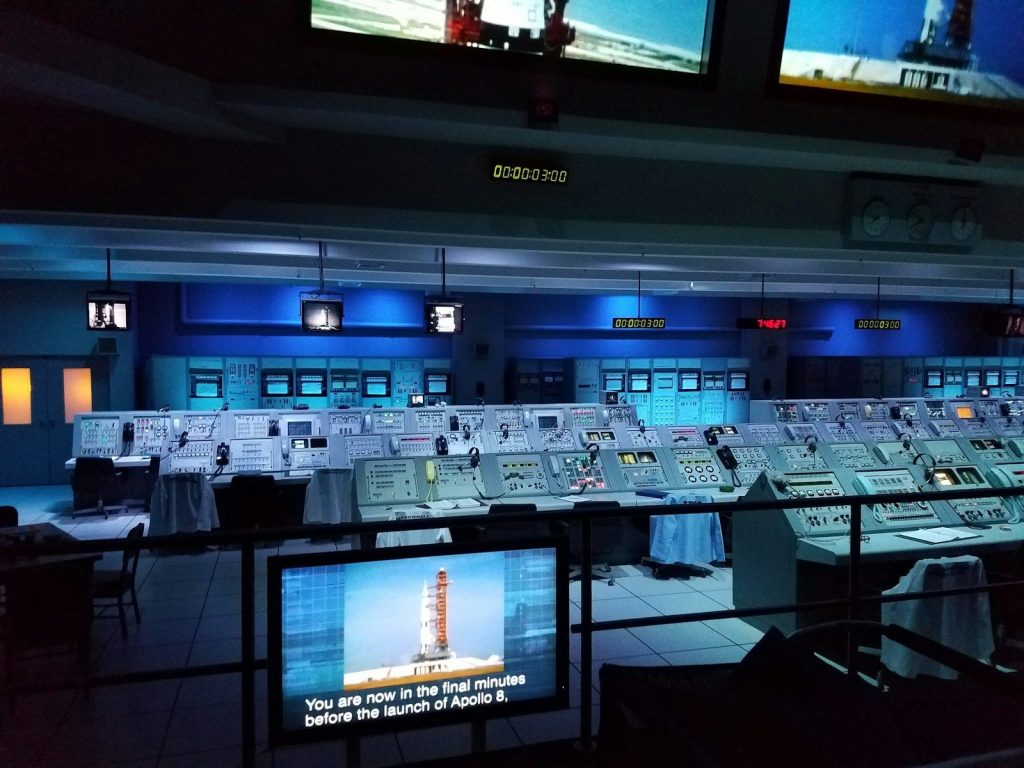
If the life support systems failed during this initial twenty-four-hour loop, the crew could return to Earth almost immediately. According to mission controllers, this safety orbit keeps the capsule close enough to execute a rapid emergency reentry if needed. The backup plan was solid. Once the spacecraft commits to the moon, however, a return journey takes days of dangerous flight. However, proving this safe loop required testing a new communication standard.
Chasing The Laser Link

During this Earth orbit phase, NASA tested a revolutionary new deep space communication system with the crew. According to reports from space communications teams, they used high-speed infrared lasers instead of traditional radio waves to transmit data. The bandwidth was staggering. This new technology allows astronauts to stream ultra-high-definition video directly from deep space for the first time. But this successful orbital detour has wider implications for future missions.
Redefining Our Mars Path

This major strategic shift proves that space agencies are prioritizing long-term survival over quick national victories. According to aerospace engineers, these incremental, safety-first procedures will serve as the official blueprint for upcoming human flights to Mars. We are building durable infrastructure. Testing everything near Earth reduces the immense risk of exploring the deep solar system. But this slow, careful strategy is already attracting intense political debate.
A Cautious Deep Space Future

According to space historians, the transition from Apollo’s aggressive speed to the methodical safety of the Artemis campaign marks a mature era of exploration. We are finally learning to build permanent homes in space rather than merely leaving quick footprints. This meticulous planning ensures that our explorers will survive to explore the next frontier. This article is for informational purposes only and does not constitute professional aerospace advice.
Featured Image: Photo by Zelch Csaba on Pexels
Leave a Reply