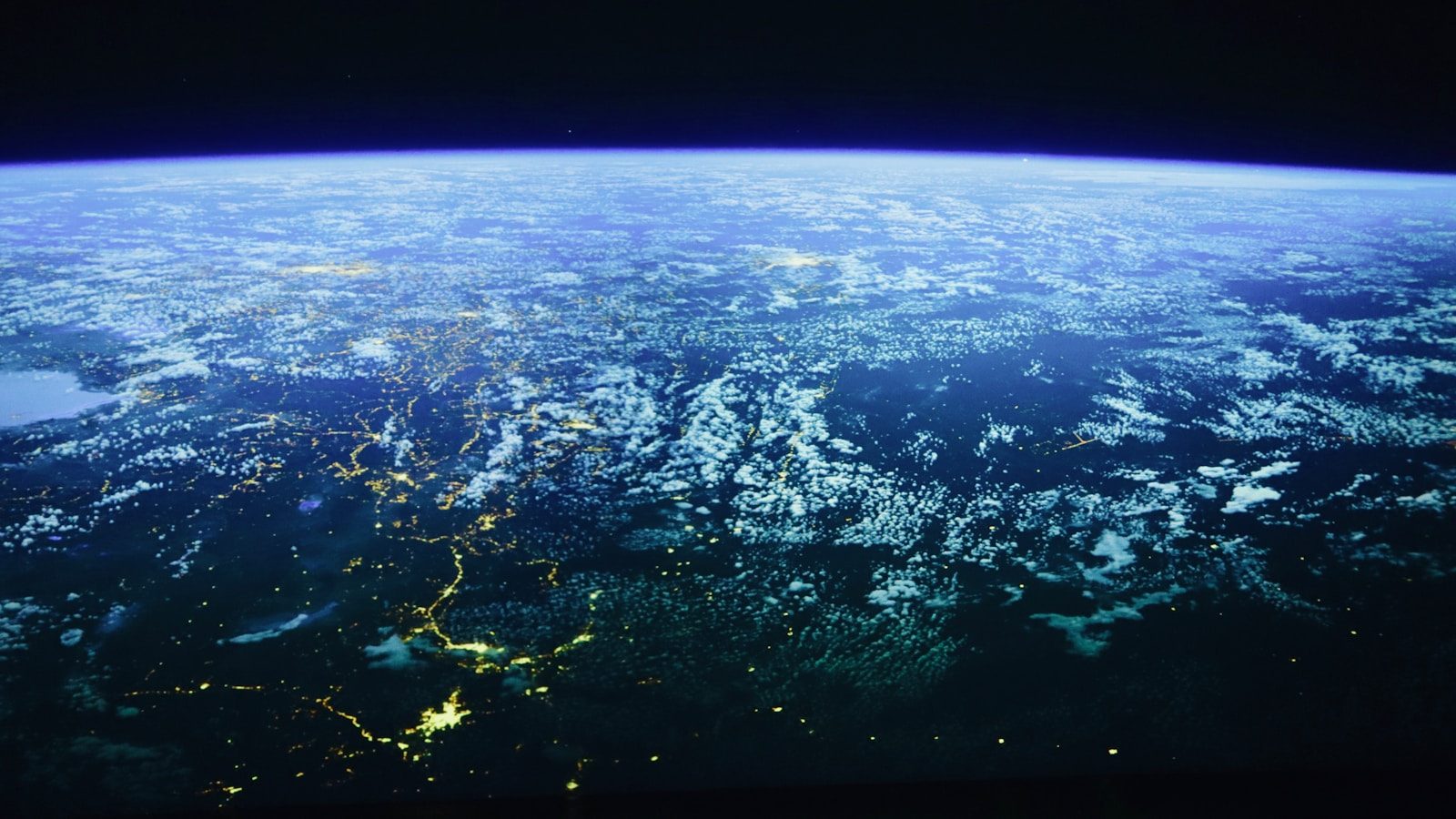
Most people assume that a brief loss of oxygen on Earth would be completely harmless. We believe that holding our breath for a few seconds is a simple trick anyone can do.
But a sudden drop in global oxygen would trigger an immediate planetary catastrophe. Bizarre physical reactions would instantly reshape our world in ways we cannot imagine.
The Sudden Collapse Of Buildings
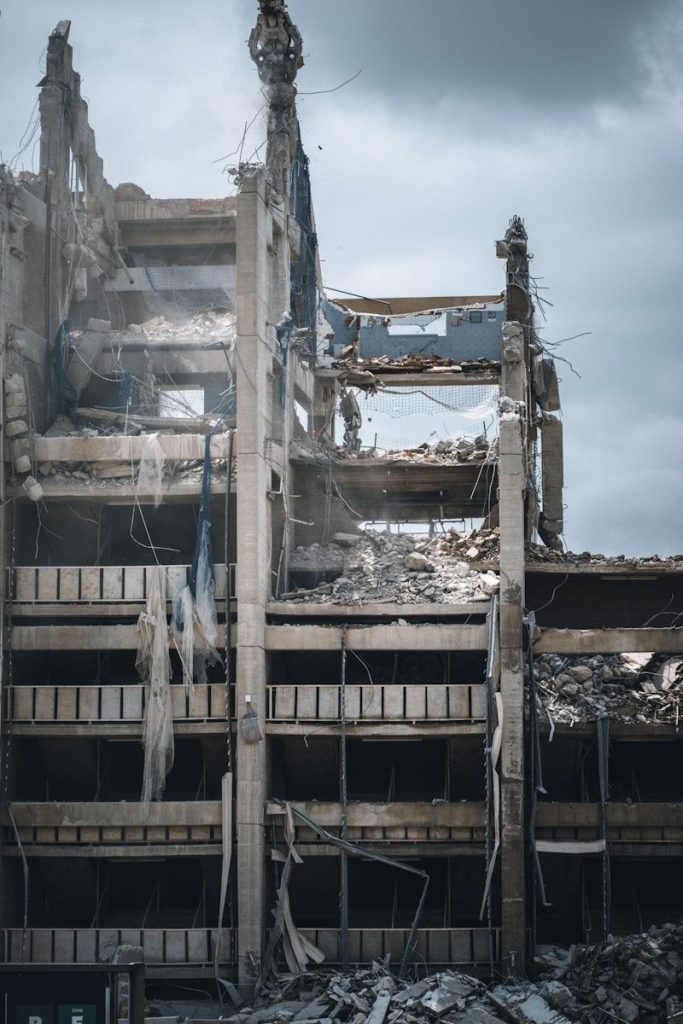
Without oxygen, every concrete structure on the planet would crumble into dust in a moment. According to engineering reports from the University of Tokyo, oxygen acts as a critical binding agent in concrete. Structures rely on it. Without this key element, the material loses all its strength and collapses instantly. But the destruction of our modern cities is only the first wave of this disaster.
A Daylight Sky Turns Black
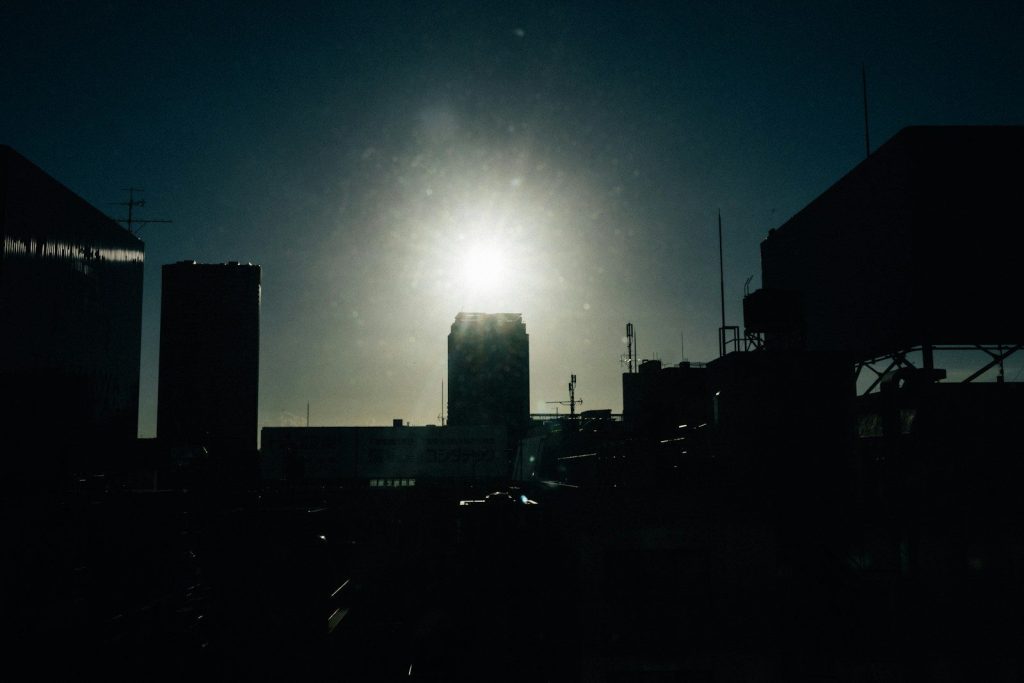
The familiar blue sky we see every day would immediately disappear into total darkness. According to atmospheric studies from the National Center for Atmospheric Research, oxygen molecules scatter sunlight to create blue light. The light would vanish. Without these particles to bend the sunbeams, the sky would turn pitch black even at noon. But this sudden darkness would be accompanied by a silent physical impact.
The Exploding Inner Ear Drums

Every living person would experience a sudden and painful loss of hearing. According to physiological research from the Mayo Clinic, a drop in oxygen means losing twenty percent of our air pressure instantly. The change is violent. This extreme pressure drop would cause our inner ears to explode from the imbalance. But this physical trauma would occur while the ground beneath us was actively failing.
The Crumbling Of Earth’s Crust
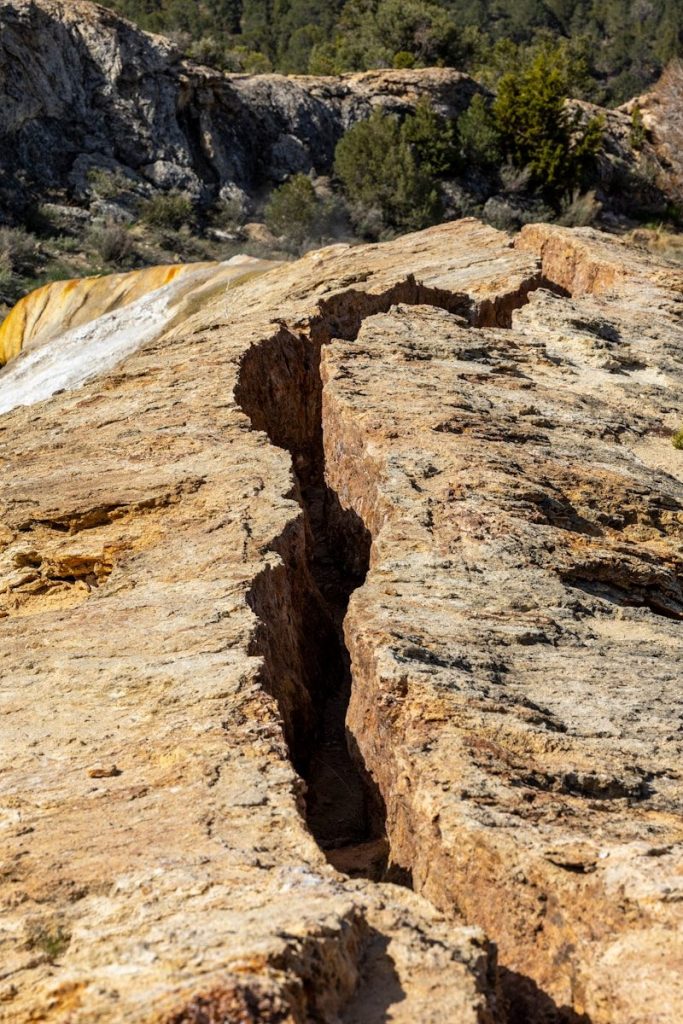
The solid ground we walk on would start to break apart in a terrifying chemical reaction. According to geological models from the British Geological Survey, oxygen makes up nearly half of the Earth’s solid crust. The rocks would disintegrate. Without this binding element, the soil and bedrock would immediately fall into free fall. But this crumbling ground would meet an equally hostile sky.
Instant Evaporation Of Entire Oceans
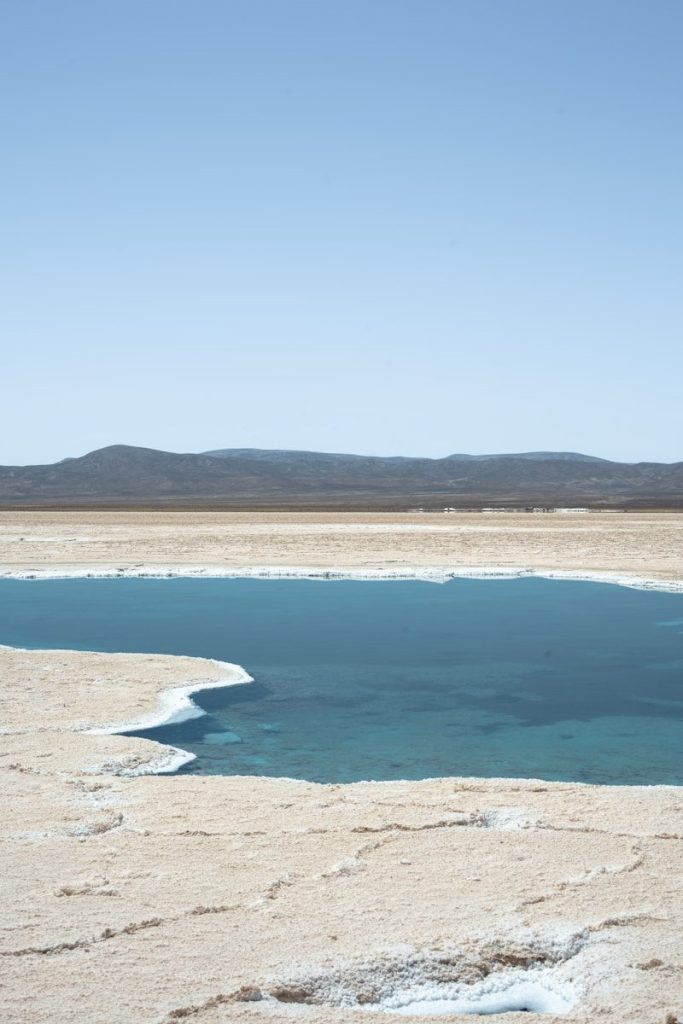
Liquid water would immediately turn into gas and vanish into the upper atmosphere. According to chemical analysis from the Royal Society of Chemistry, water is two-thirds hydrogen by volume. Oxygen keeps it liquid. Without oxygen, the hydrogen gas would expand and escape into outer space. But this dry seabed would soon face terrible heat from above.
Severe Burns From The Sun
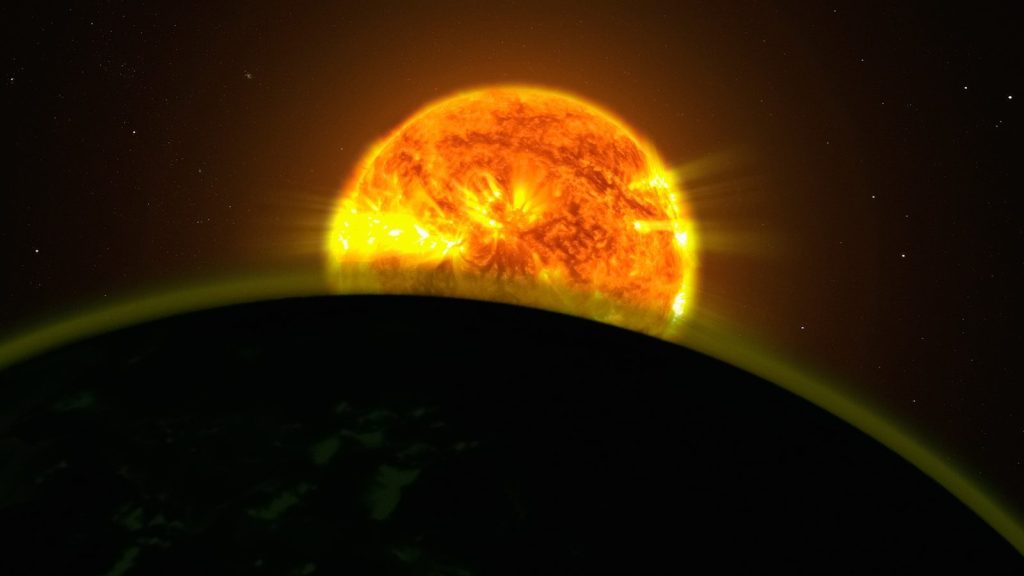
The protective barrier that shields our skin from space radiation would vanish in an instant. According to climate studies from the World Meteorological Organization, the ozone layer is made entirely of oxygen atoms. The shield would dissolve. Without this protection, solar rays would cause instant, severe burns on any exposed living tissue. But this intense heat is not the only chemical trap waiting for us.
Metals Welded In The Wild

Raw metal objects across the Earth would instantly fuse together without any heat. According to metallurgy papers from the Massachusetts Institute of Technology, a thin layer of oxidation prevents metals from binding naturally. They would stick permanently. Without this protective coating, raw metals would weld on contact. But this brief chaotic event would leave a permanent mark on our solar system.
Surviving The Invisible Boundary

A five-second drop in oxygen reveals how deeply our planet depends on this invisible gas. Nature is a delicate machine. According to planetary scientists, these bizarre physical laws show that Earth is a perfectly balanced home for life. This article is for informational purposes only.
Featured Image: Photo by Bhavya Pratap Singh on Unsplash
Leave a Reply