
We often dream of living forever or defeating aging entirely. Most people believe that modern medicine will eventually extend our lives indefinitely.
But biophysicists have discovered a hard biological limit wired into our DNA. Even without disease, our bodies have a strict expiration date.
The Longevity Boundary
Scientists have long debated whether human aging has a natural ceiling. While average life expectancy keeps rising, the maximum age remains stuck. According to a study in Nature Communications, researchers analyzed blood data to find our absolute limit. It is surprisingly fixed. To find this wall, scientists had to look at a hidden biological metric.
The Recovery Pace
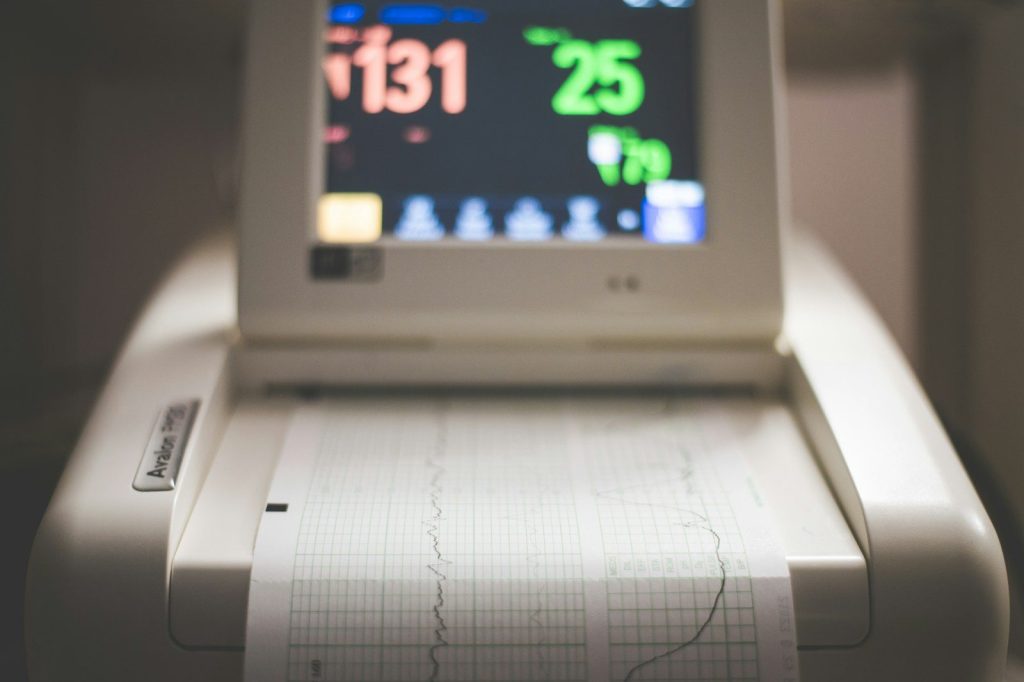
The secret to long life is not just avoiding illness. It is how fast your body bounces back from stress. According to researchers at Gero, this biological recovery speed is called resilience. It is a vital measure. And this gradual slowdown leads to a mathematical point of no return.
Point Of No Return
By analyzing the blood markers of thousands of people, scientists tracked how resilience declines over a lifetime. They calculated the exact age when the human body completely loses its ability to recover. According to biophysicists, that age is between 120 and 150 years. The clock runs out. This explains why even the healthiest lifestyles have a hard ceiling.
The Oldest Human

The oldest verified person to ever live was Jeanne Calment, who reached 122 years. No one has officially beaten her record in nearly three decades. According to medical milestones, her extreme age sits perfectly within this newly calculated biological window. She was an anomaly. This raises a major question about the future of medicine.
Curing Disease Is Not Enough
Many people believe that curing cancer or heart disease will make us immortal. However, the study shows that eliminating all diseases only boosts average lifespan, not the maximum. According to lead researchers, the underlying decay of resilience still continues. The body simply fades. But scientists are already testing radical ways to rewrite this rule.
Rewinding The Clock
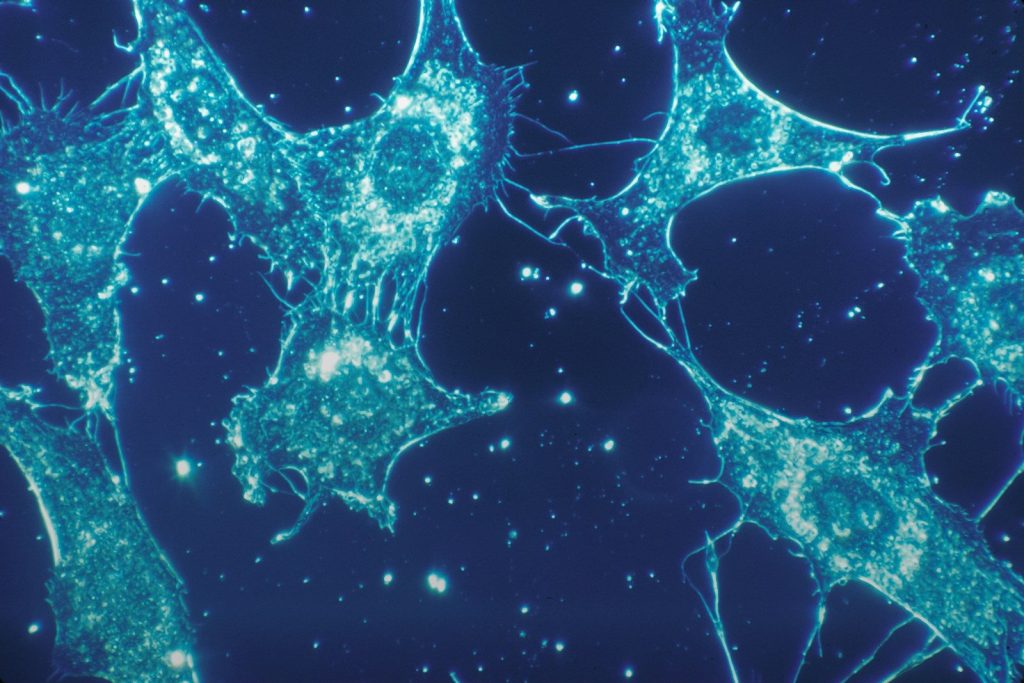
To break past the 150-year limit, science must actively reverse biological age. Researchers are experimenting with cellular reprogramming to restore youthful resilience. According to laboratory trials, some therapies have successfully extended the lives of mice. It is promising work. The true challenge might not be biological but ethical.
The Ethical Boundary
Extending human life to a century and a half would change society forever. It raises deep questions about resources, retirement, and the meaning of a natural life. According to bioethicists, humanity must prepare for the consequences of extreme longevity. We must tread carefully. This article is for informational purposes only.
Featured Image: Photo by Ashwini Solanki on Unsplash
Leave a Reply