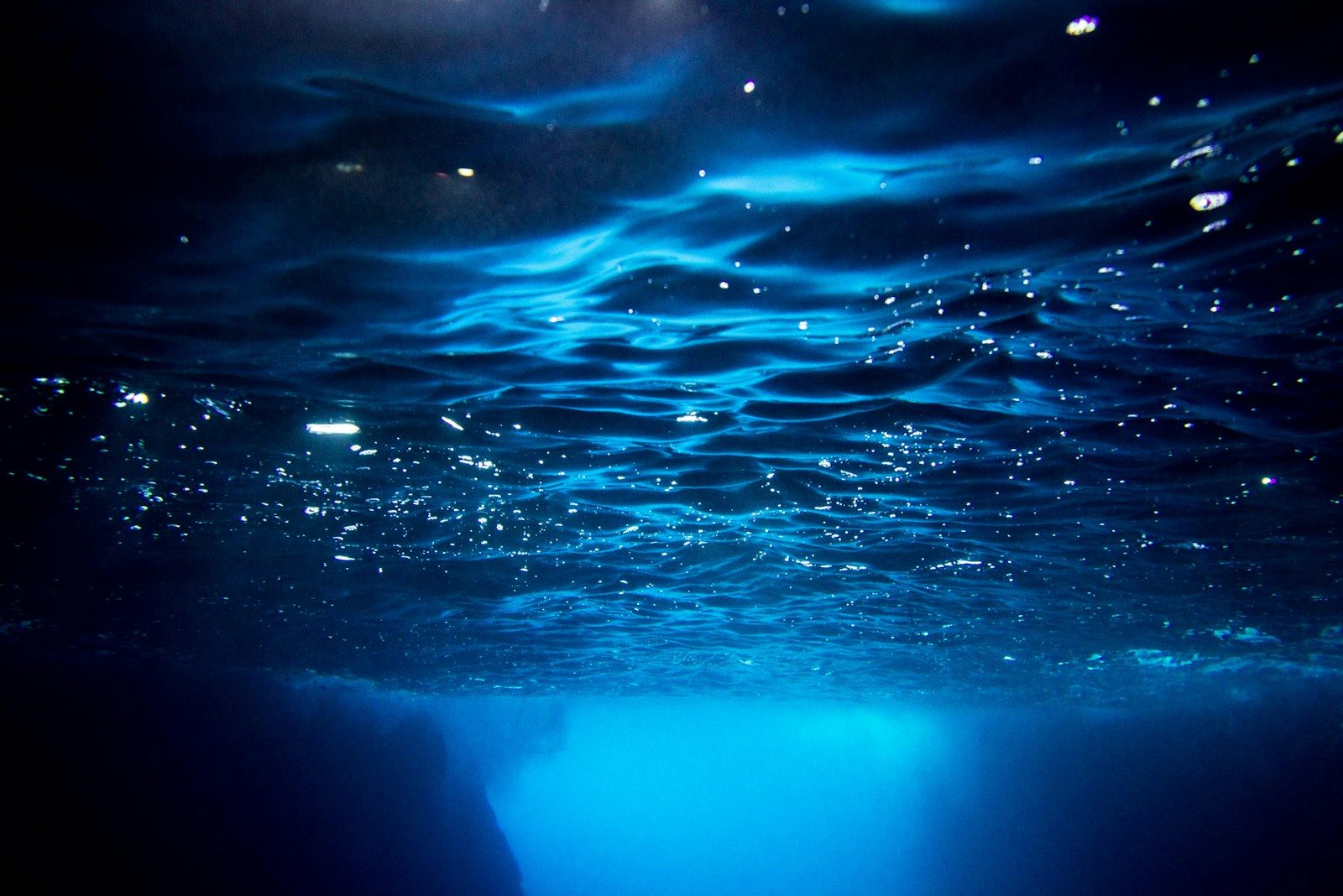
Most people assume that the deep ocean is a completely dark and lifeless void. We believe that sunlight is the only source of light that can illuminate the seas.
But a hidden biological glow is lighting up the dark water column. This natural blue light is quietly changing how deep creatures hunt and survive.
Lighting The Deep Abyss
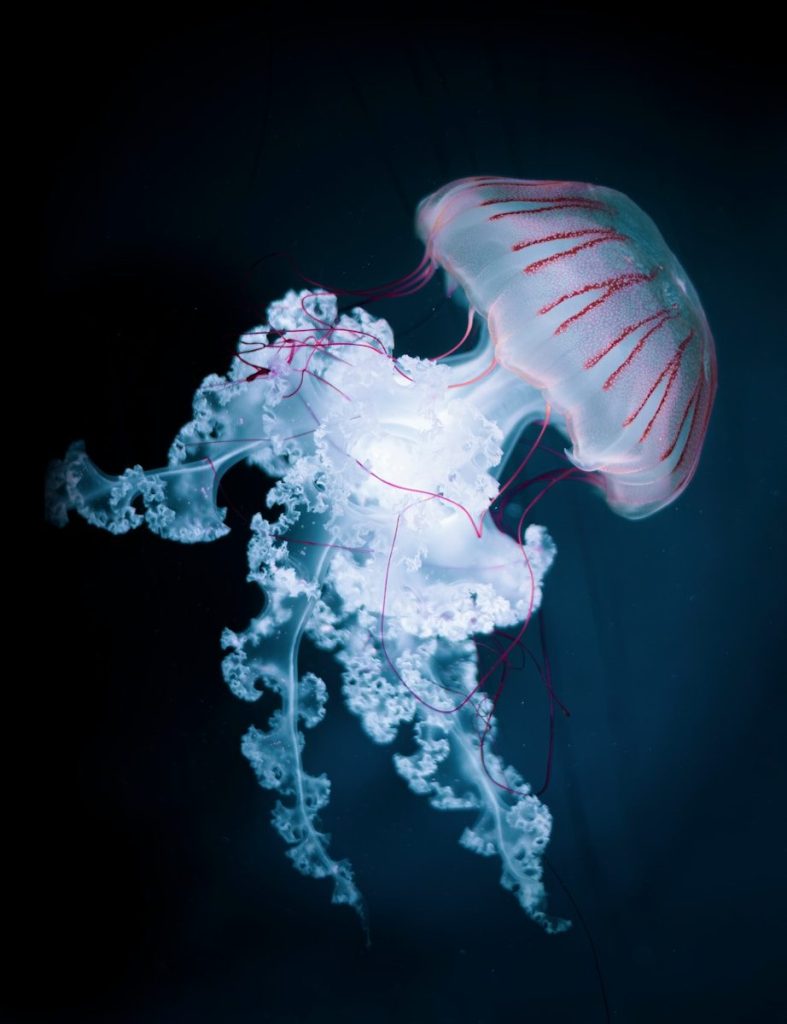
Surviving in the deep sea requires a highly unique way of finding food and mates. According to the Monterey Bay Aquarium Research Institute, nearly ninety percent of deep-sea creatures can produce their own light. It is a quiet shield. This spectacular survival strategy allows animals to communicate in the absolute dark without any solar energy. But generating this biological light requires a highly specific chemical reaction.
Mixing The Natural Chemicals
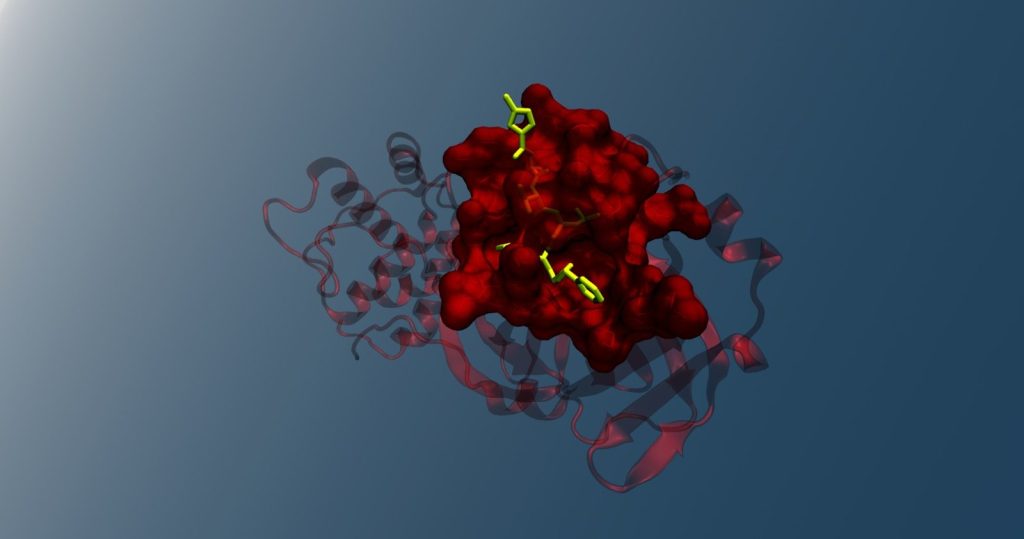
Creating light inside a living body involves combining two unique organic compounds together. According to biochemical studies, a specialized enzyme called luciferase sparks the reaction when mixed with oxygen. They are highly active. This process generates cold light that releases almost zero heat to prevent cellular damage. But using this chemical reaction to escape predators brings a highly unusual advantage.
Blending With The Shadows
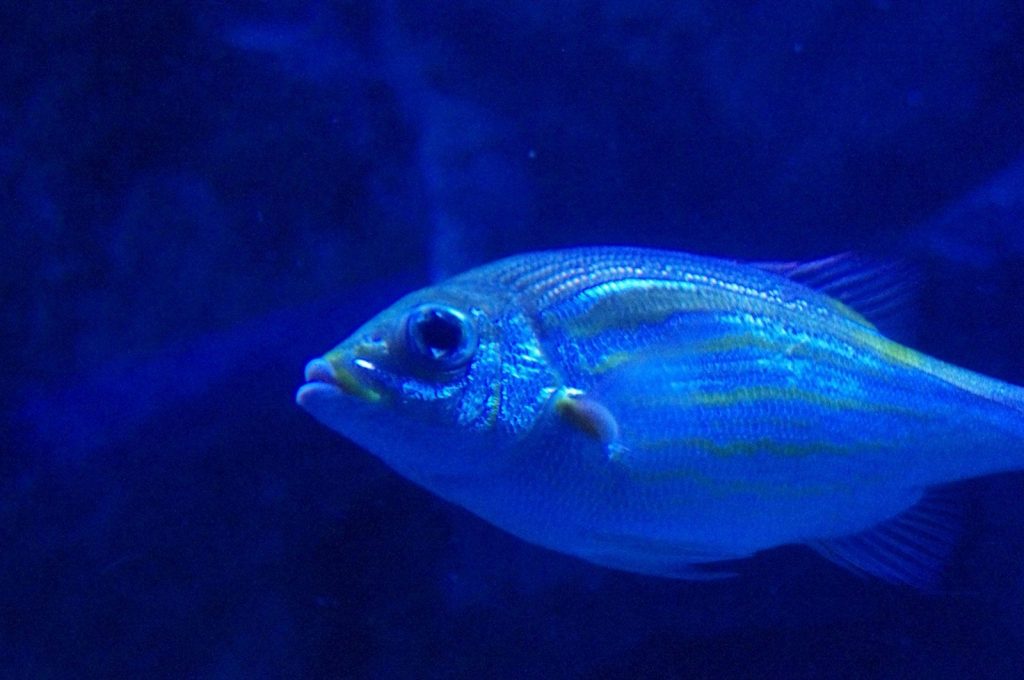
Some prey animals use light on their bellies to blend with the dim surface glow. According to marine biology reports, this counterillumination trick hides their silhouettes from hungry hunters looking up from below. They are virtually invisible. This active camouflage makes it incredibly difficult for predators to spot their targets in the water. But some deep-sea hunters use light to capture meals instead.
Casting The Glowing Lures
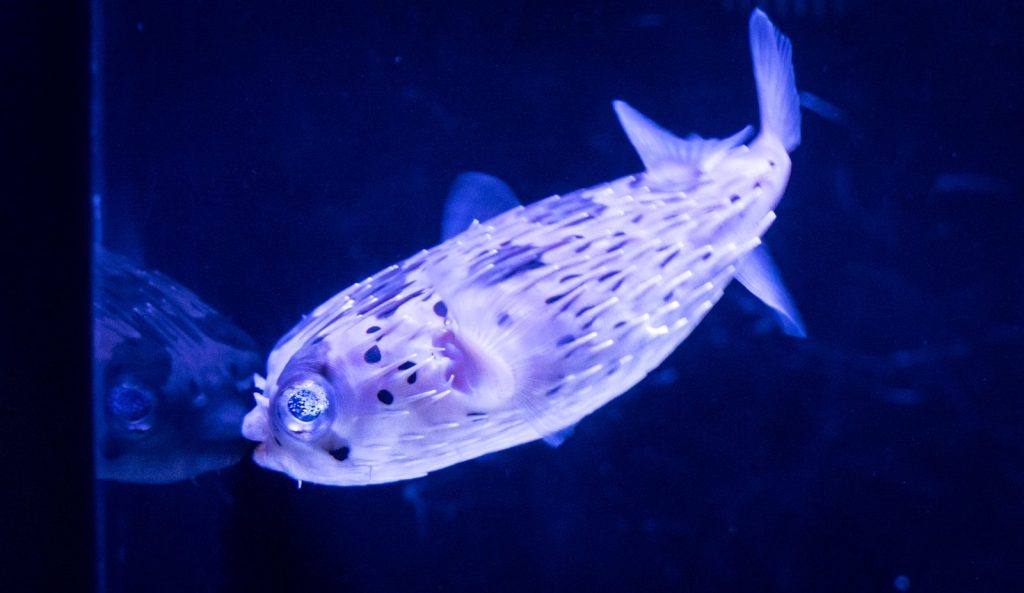
Predatory fish use glowing appendages to attract curious prey directly toward their sharp teeth. According to oceanographic research papers, the anglerfish dangles a bright bulb right in front of its mouth. The trap is set. Unsuspecting fish swim toward the light only to be captured in seconds. But this light play serves a highly strategic social purpose as well.
Signaling The Right Partners
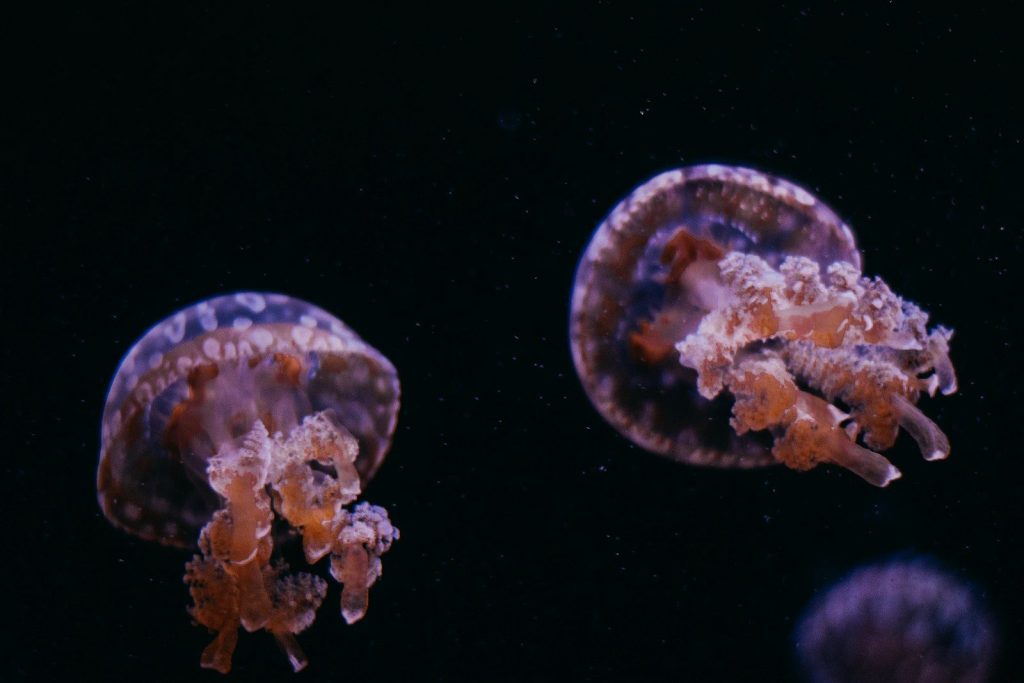
Finding a mate in the vast dark ocean requires sending highly specific visual messages. According to marine ecologists, different species use unique blinking patterns to identify each other safely. The code is precise. This visual communication prevents different species from mating while keeping them safe from rivals. But the ocean holds a much larger glowing phenomenon on the surface.
Igniting The Milky Seas
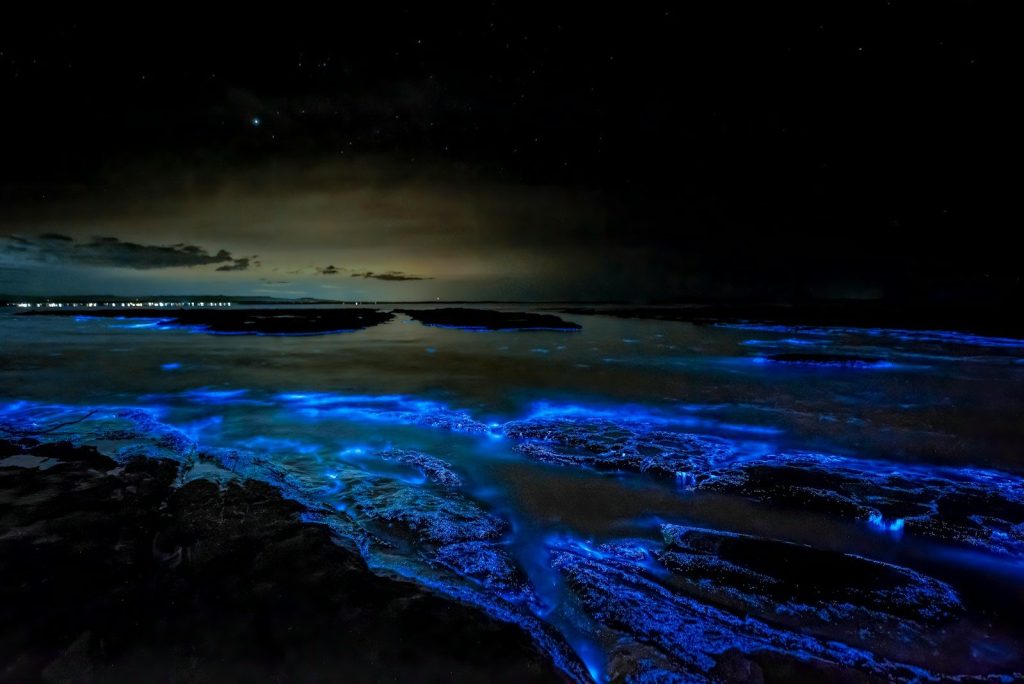
Sailors have reported massive glowing fields of ocean water that stretch for hundreds of miles. According to space agency satellite logs, these rare milky seas are actually created by trillions of glowing bacteria. The views are spectacular. These colossal bacterial blooms can illuminate entire coastal regions and are easily visible from orbit. But the ultimate lessons of this natural glow are inspiring human engineering.
Copying The Cold Glow

Industrial engineers are studying these marine reactions to design highly efficient lighting systems. According to materials science researchers, duplicating this cold chemical reaction could reduce our reliance on standard power grids. The potential is immense. This bio-inspired technology could soon power silent medical devices and clean underwater scanners. But our understanding of these deep systems is still developing.
Protecting The Glowing Waters

The mystery of ocean bioluminescence reminds us that the deep sea is a delicate and changing world. According to researchers, studying these natural light systems helps us protect the balance of open water ecosystems. Every deep discovery changes how we view the limits of life on our planet. This article is for informational purposes only.
Featured Image: Photo by Riccardo Marchegiani on Pexels
Leave a Reply