
Most people assume that apex marine hunters view humans as easy prey. We believe that a hungry predator will strike any creature in its path.
But decades of oceanic observations tell a completely different story. These giant hunters almost never target humans in the wild.
A Pattern of Safe Encounters

Despite their immense power, wild orcas have never killed a human in recorded history. According to logs from the Center for Whale Research, thousands of interactions have passed without violence. It is truly remarkable. Scientists are working to understand the cognitive mechanism behind this peaceful coexistence. But the explanation begins with their complex neurology.
The Brain Of A Genius
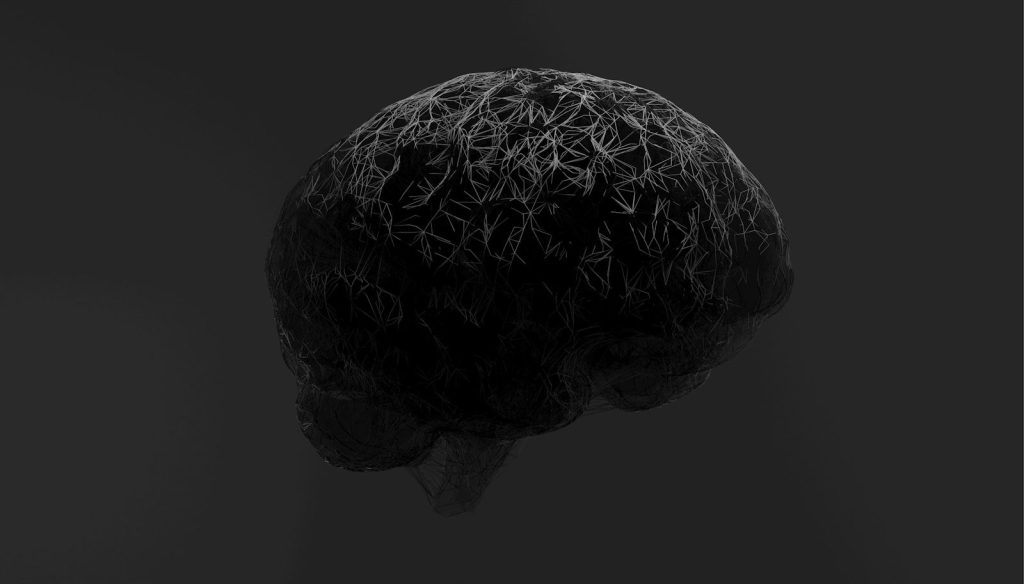
These predators possess the second-largest brain of any ocean mammal. According to neurological studies from Emory University, their brains contain highly developed areas for empathy and social bonding. They are incredibly smart. This neurological complexity allows them to distinguish between prey and unfamiliar species. But their cognitive power goes even deeper than simple recognition.
The Power Of Culture
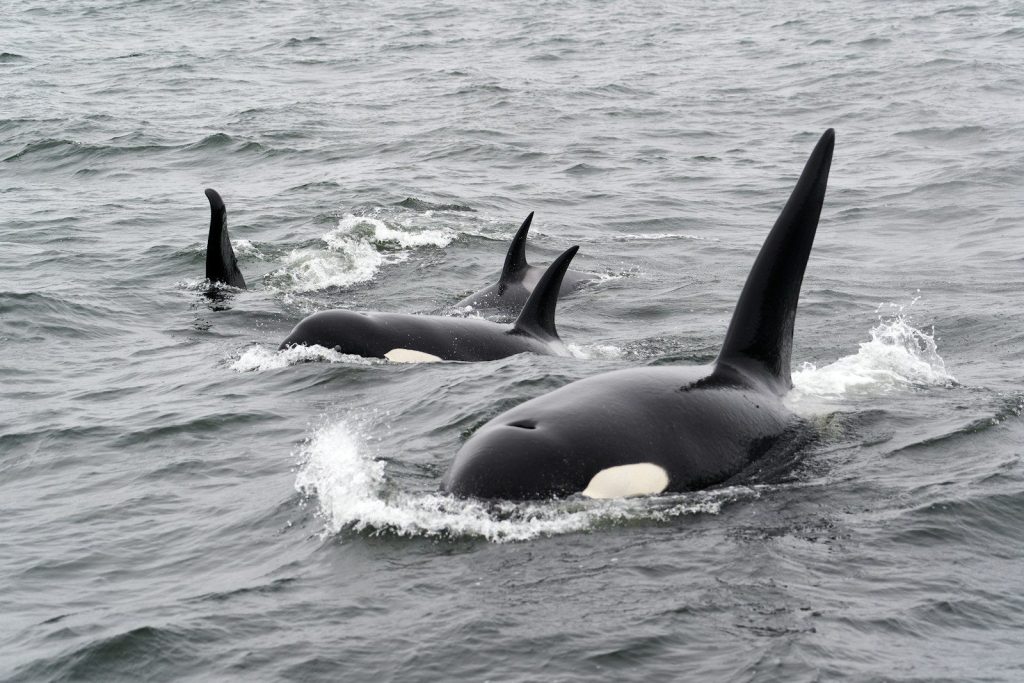
Marine hunters do not rely solely on basic instincts to find food. According to research published in the journal Nature, different groups pass down highly specific prey lists. They are strict. If a creature is not on their cultural menu, they simply ignore it. But this selective diet is also shaped by their unique sensory systems.
Advanced Acoustic Echolocation Scans

Their advanced biological sonar allows them to scan the structure of objects in the water. According to acoustic studies from the Scripps Institution, their echolocation can identify human bone structures instantly. The scan is perfect. They recognize that humans do not match the fat profile of their usual prey. But what would happen if a hunter actually did strike?
The Shock Of Real Force
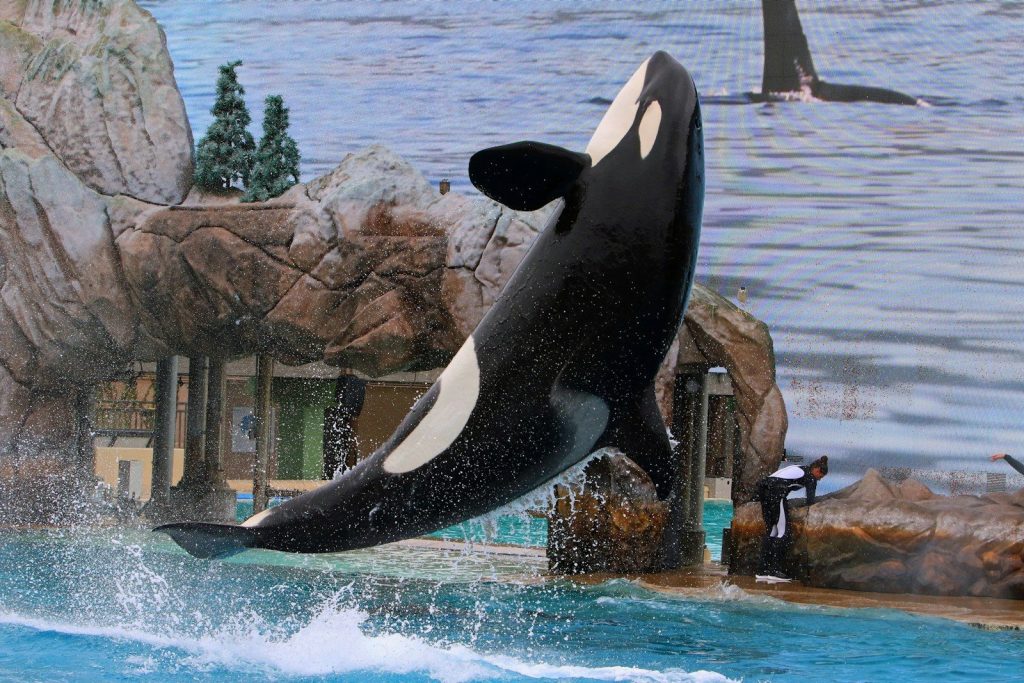
A physical attack from a six-ton animal would be devastating. According to physical models from the University of British Columbia, the impact of kinetic energy could crush human bones instantly. It is terrifying. A single blow from their tail or jaw would leave no chance of survival. But this physical reality makes their choice even more fascinating.
The Impact of Extreme Stress

The only aggressive encounters have occurred under intense artificial conditions. According to reports from the Humane Society, prolonged stress in small tanks can trigger psychological breakdowns. They are trapped. This artificial confinement disrupts their natural social structures and mental health. But studying these captive incidents has taught researchers a vital lesson.
Respecting Intangible Wild Boundaries

Wild populations show us that healthy ecosystems depend on mutual boundaries. According to conservation guidelines from the National Marine Fisheries Service, maintaining space is critical for both species. The rule is simple. By respecting their wild habitat, we protect the fragile trust that has existed for centuries. But this ongoing relationship faces modern challenges.
Preserving The Deep Trust

Understanding why marine predators tolerate us helps us protect their ocean home. Our actions will determine if this peaceful relationship can continue. We must stay mindful. This article is for informational purposes only.
Featured Image: Photo by Vidar Nordli-Mathisen on Unsplash
Leave a Reply