Astronomers once believed that finding alien life would take centuries of searching. We assumed we would have to listen to radio signals from single planets.
But next-generation space instruments are changing the search completely. New scanning technology could soon reveal thousands of living worlds simultaneously.
Analyzing Distant Barcodes Of Light
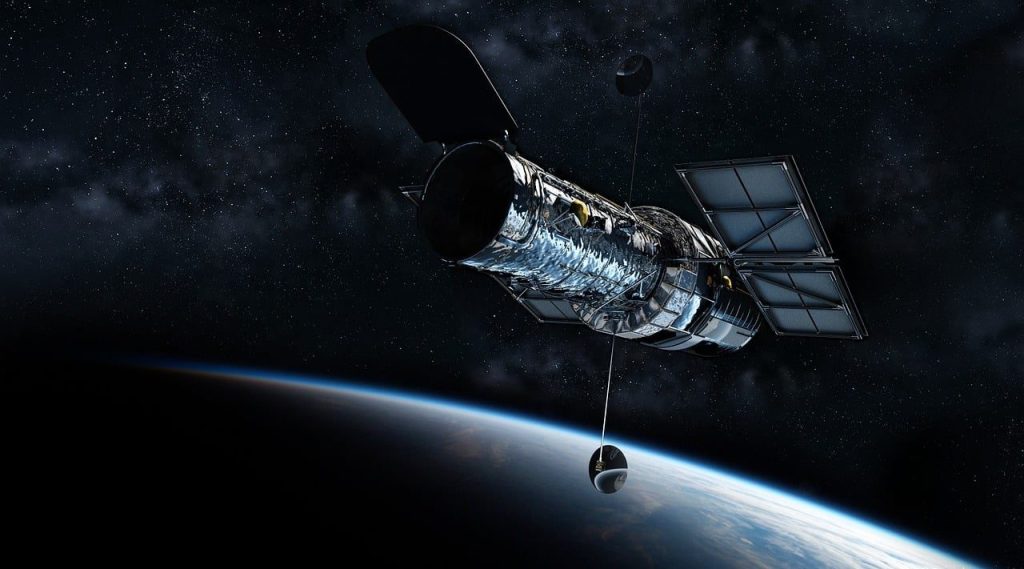
Instead of searching for signals, scientists are now analyzing starlight passing through distant atmospheres. According to reports from the James Webb Space Telescope team, gases leave distinct chemical fingerprints. They are cosmic barcodes. This allows researchers to identify habitable environments from light-years away. But reading these barcodes requires a highly specialized scientific tool.
Searching For Biological Signatures
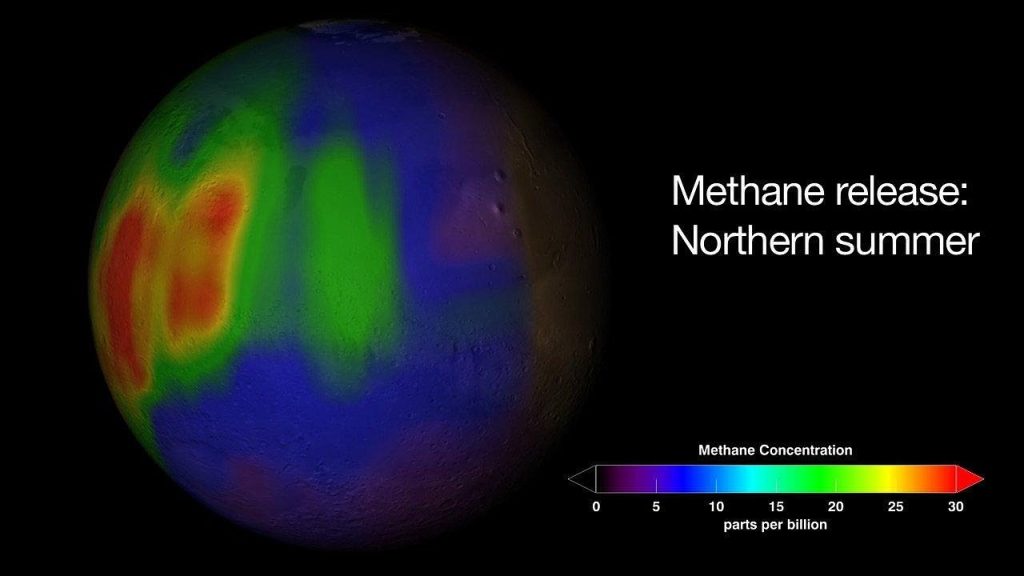
Astronomers look for specific combinations of oxygen, methane, and water vapor. According to research from the Royal Astronomical Society, these gases rarely exist together without biological activity. This is the key. Finding these biosignatures would immediately confirm the presence of microscopic organisms. But space agencies are already designing a far more powerful observer.
The Next Habitable Observatory
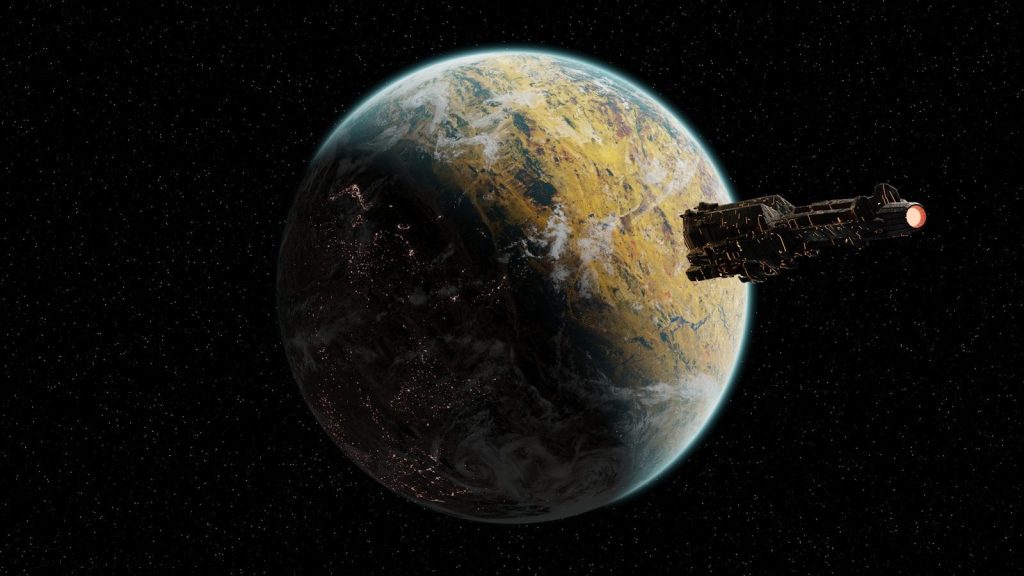
NASA is currently planning the Habitable Worlds Observatory to scan nearby stars. According to official design papers, this super telescope will block out starlight to see planets directly. It is highly advanced. This direct imaging will allow us to map oceans and continents on alien surfaces. But this technological leap faces a massive physical obstacle in deep space.
Piercing Atmospheric Dust Barriers
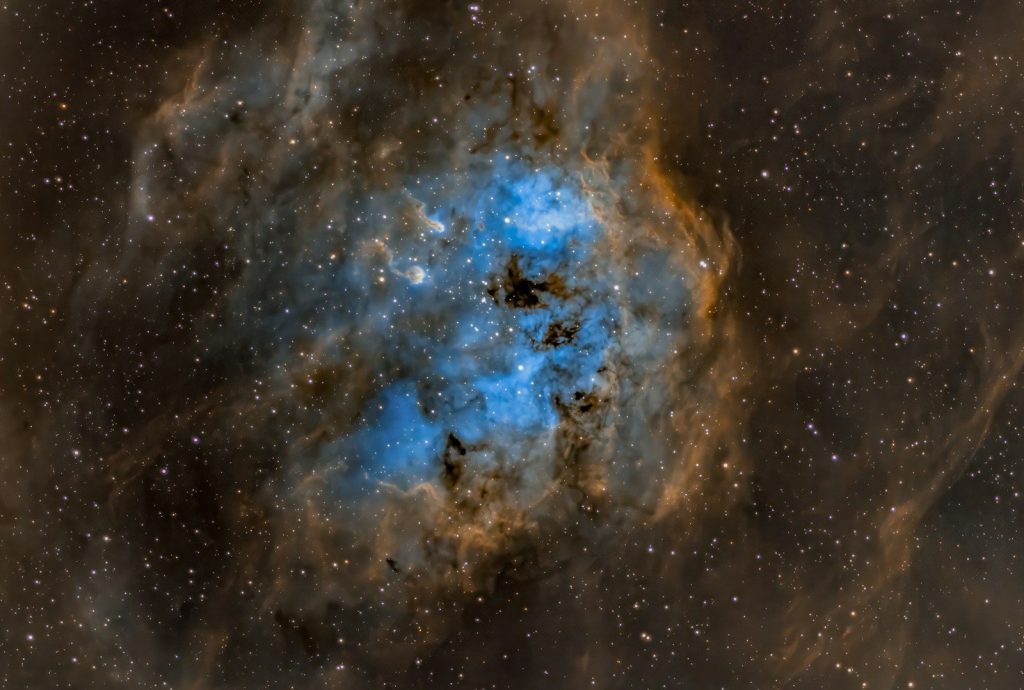
Thick clouds of cosmic dust often block our view of distant solar systems. According to astrophysics studies from the Max Planck Institute, infrared sensors are required to pierce these barriers. The view is clear. By using longer light wavelengths, scientists can peer directly through interstellar clouds. But this is not the only place where life might be hiding.
Scanning For Ice Oceans
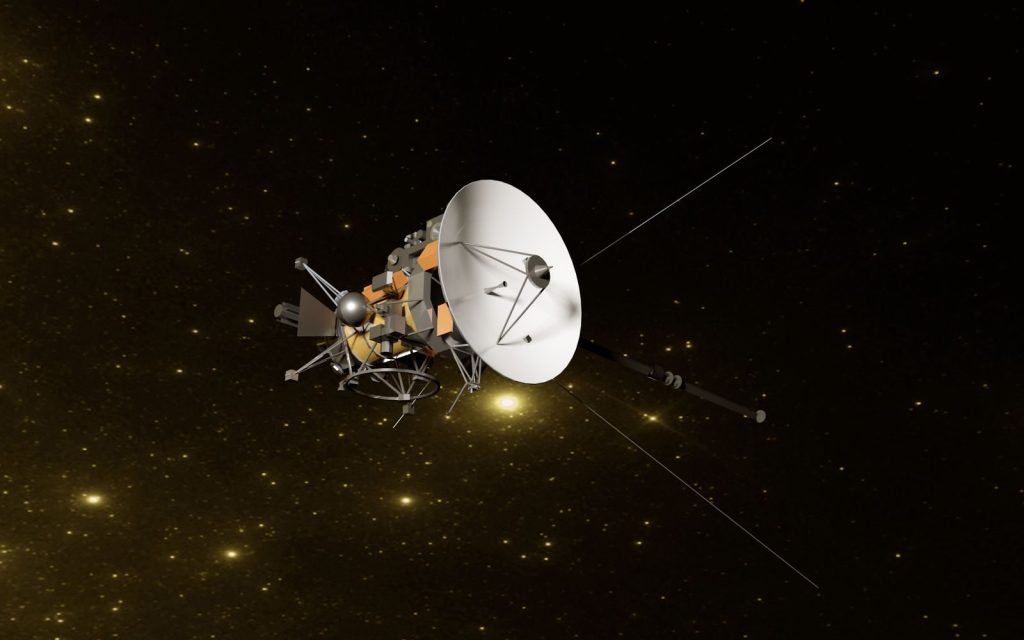
Some researchers believe the best targets are actually hidden beneath frozen crusts inside our own system. According to reports from the Jet Propulsion Laboratory, robotic probes will soon use ground-penetrating radar. They are tiny. These waves can detect liquid oceans beneath miles of solid ice. But sending these signals back to Earth requires a new network.
Superfast Laser Light Networks
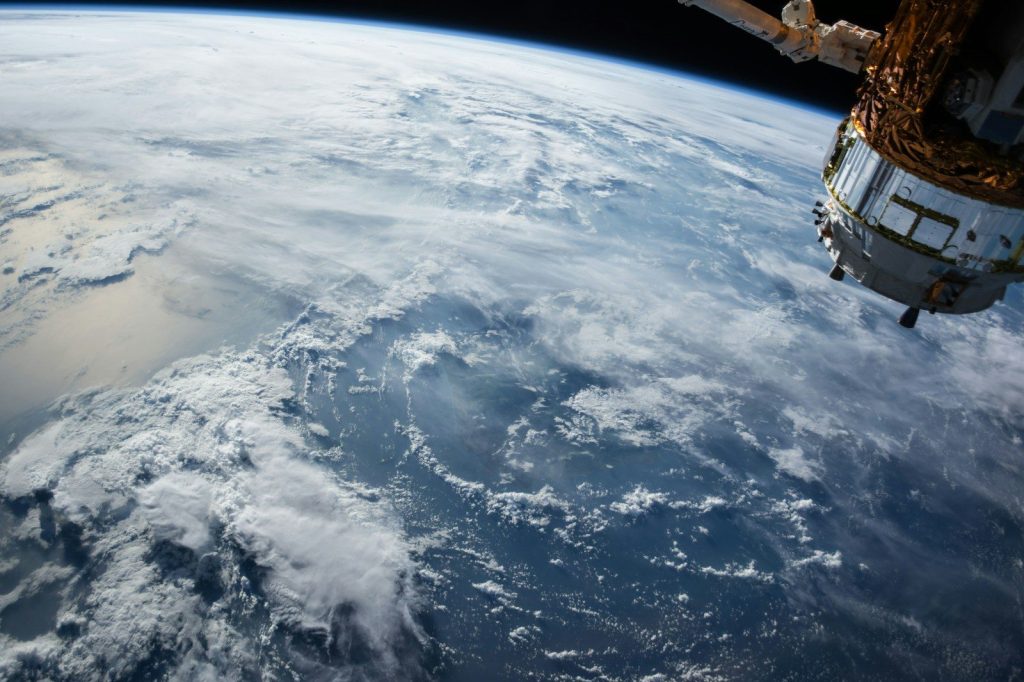
Deep space exploration requires a massive upgrade in communication speed. According to testing reports from NASA, laser-based systems can transmit data much faster than old radio waves. The speed is incredible. This will allow probes to send high-resolution maps of alien seas in real time. But the ultimate discovery will change how we view our place in the universe.
Our Endless Cosmic Quest
Our understanding of astrobiology is growing faster than ever before. These technological leaps are bringing us closer to answering the ultimate human question. The universe is waiting. This article is for informational purposes only.
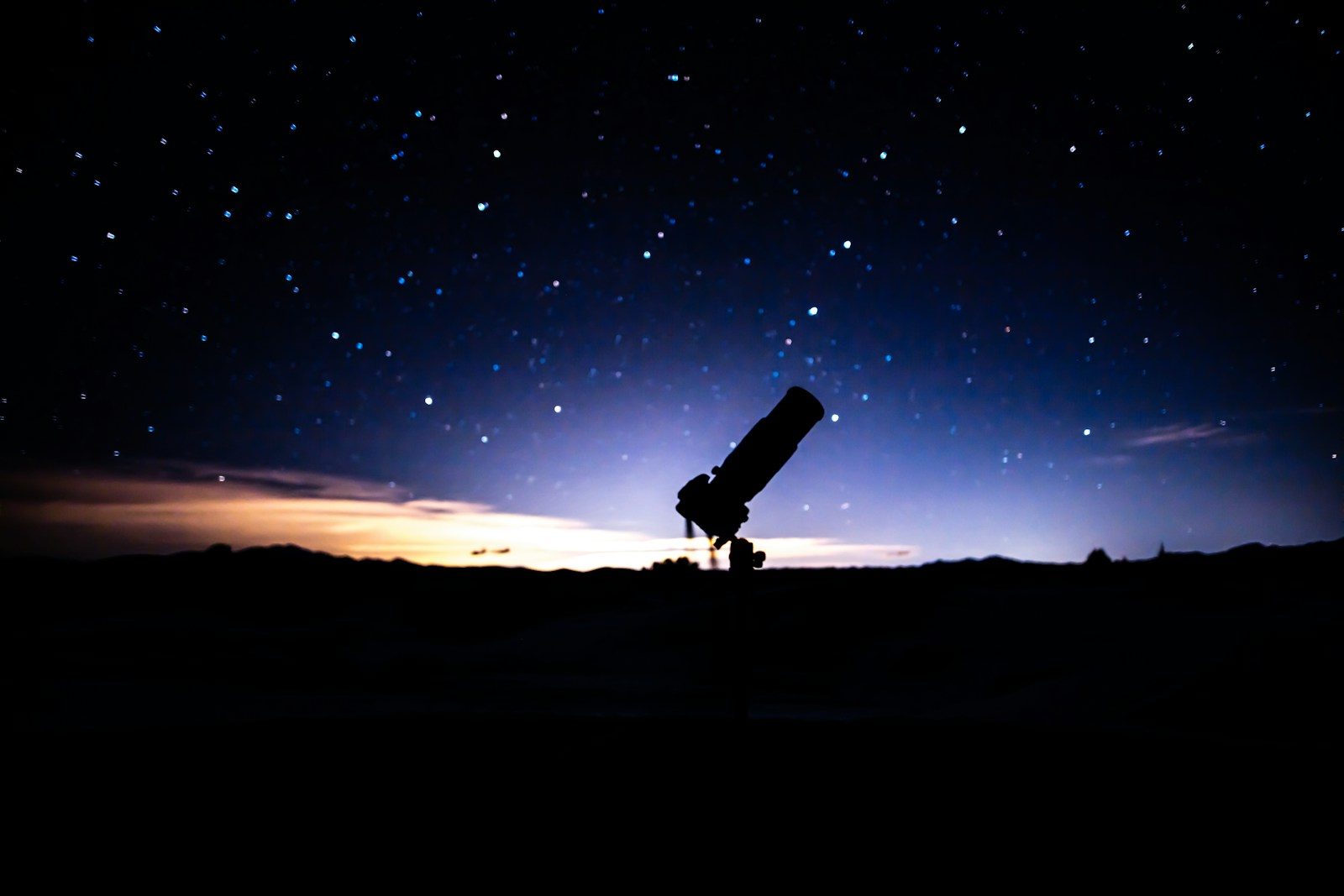
Featured Image: Photo by Patrick Hendry on Unsplash
Leave a Reply