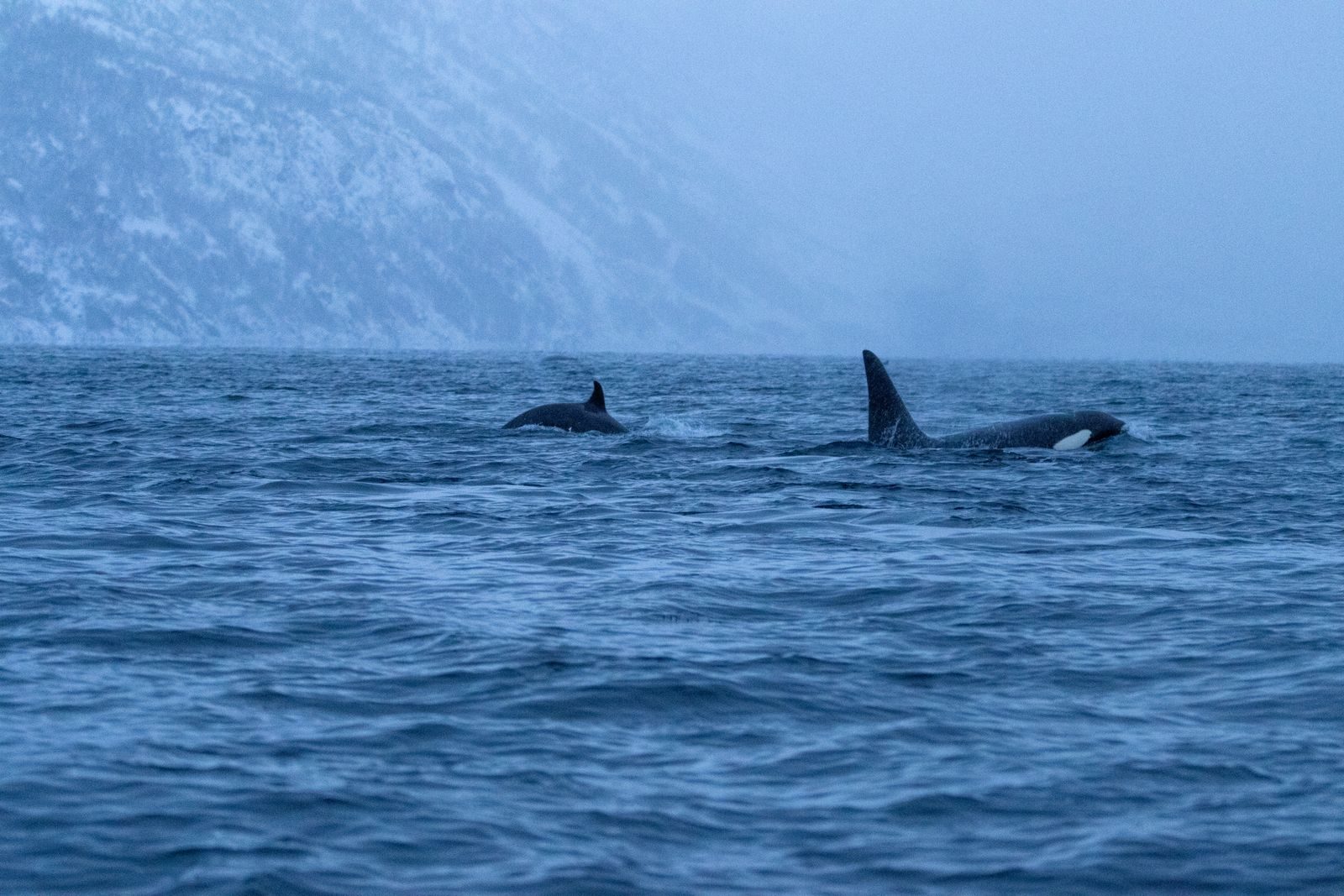
Most people assume that apex predators rely entirely on raw physical strength. We believe that ocean hunts are chaotic battles of muscle and endurance.
But fluid dynamics reveals a much more calculating strategy. Marine scientists have discovered that giant ocean hunters utilize advanced physics to strike with absolute precision.
The Hydrodynamic Edge
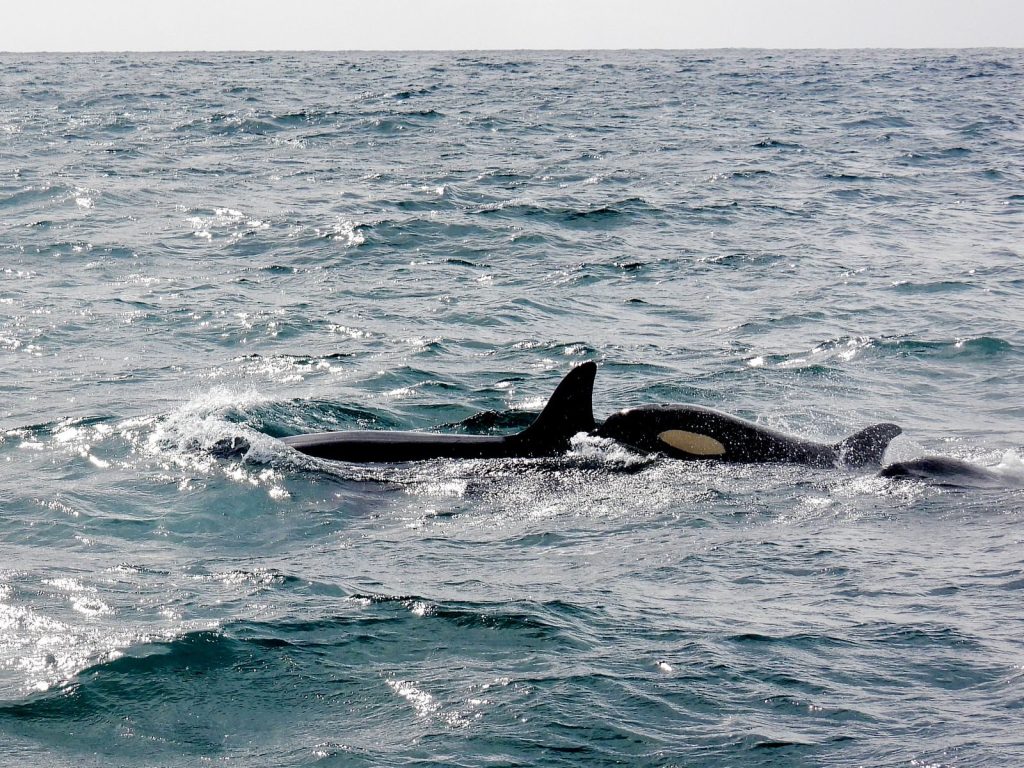
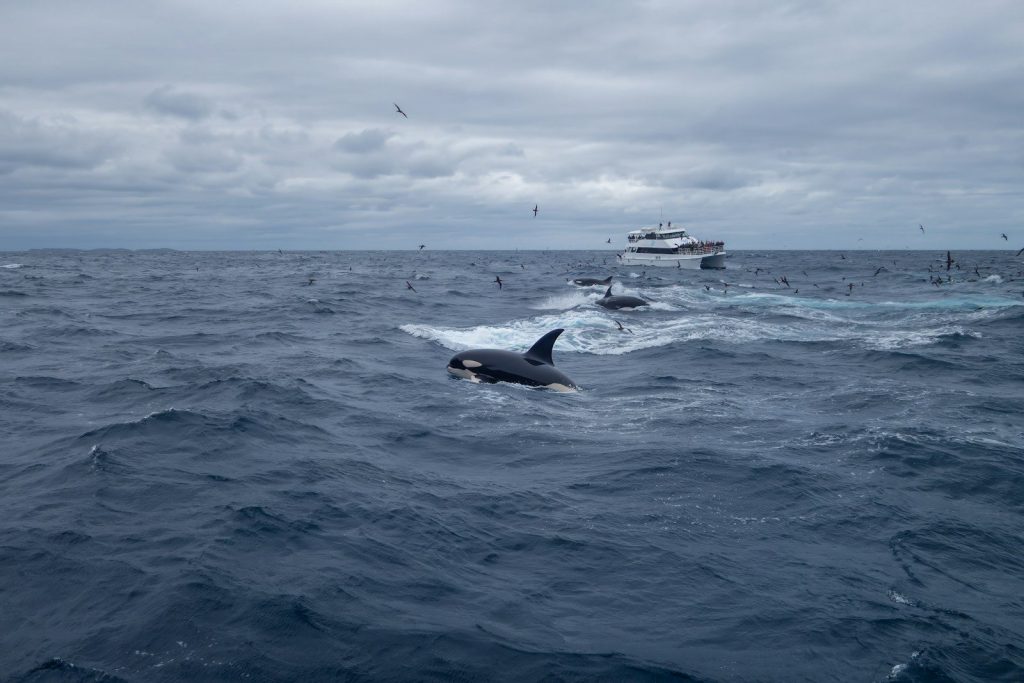
According to studies from the University of British Columbia, orcas use their massive bodies to shape the flow of water around them. They create localized pressure zones. This is pure physics. By focusing water currents, they can easily paralyze their targets before making contact. But this physical force is only effective when paired with flawless team timing.
Coordinating Artificial Surface Waves
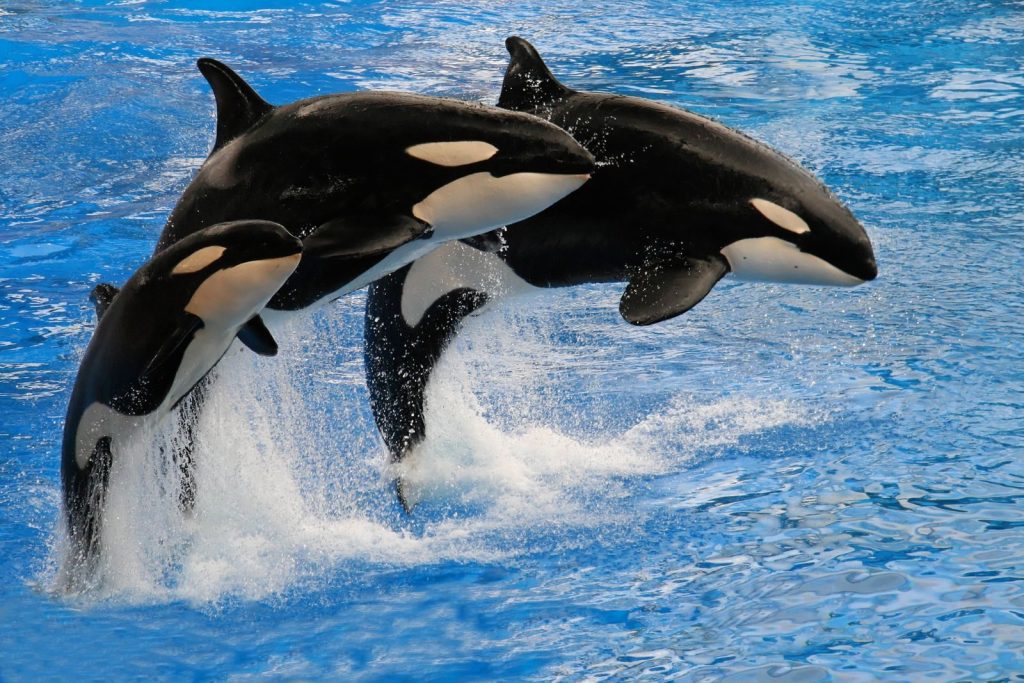
Hunting groups often swim in perfect formation to generate artificial surface waves. According to research from the National Oceanic and Atmospheric Administration, these wave forces can wash prey off ice sheets instantly. The plan is flawless. This mechanical action requires incredibly precise physical alignment among multiple animals. But the physical impact of these waves is just one part of their strategy.
The Acoustic Attack Weapon
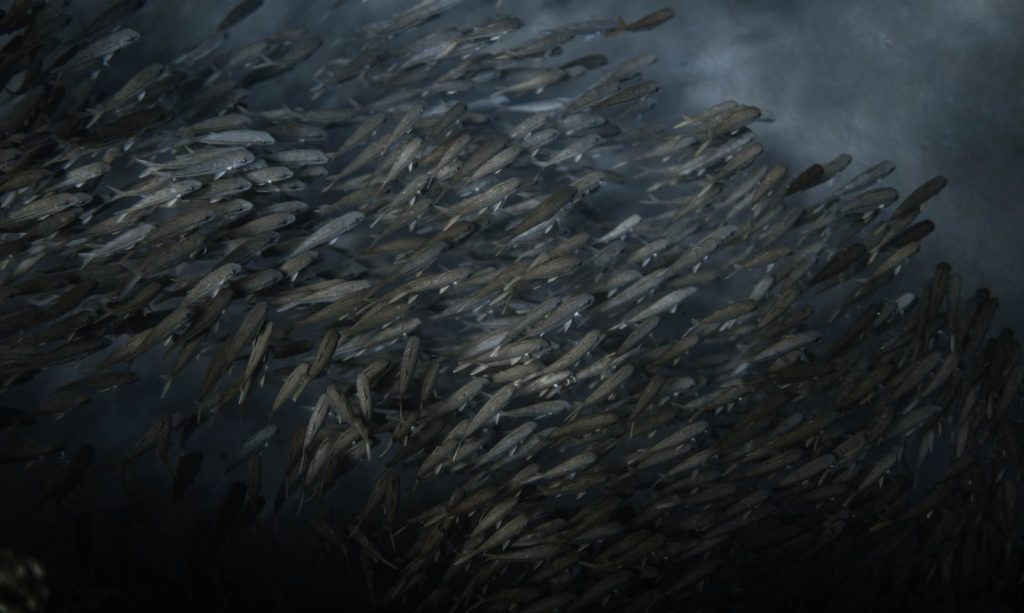
Deep water encounters often begin with focused acoustic energy. According to acoustic logs from the acoustic lab at Scripps Oceanography, hunters release intense bursts of sound to disorient schooling fish. The sound is deafening. These high-frequency waves stun target nervous systems from a distance. But a far more physical weapon is deployed once the target is isolated.
Massive Kinetic Energy Strikes
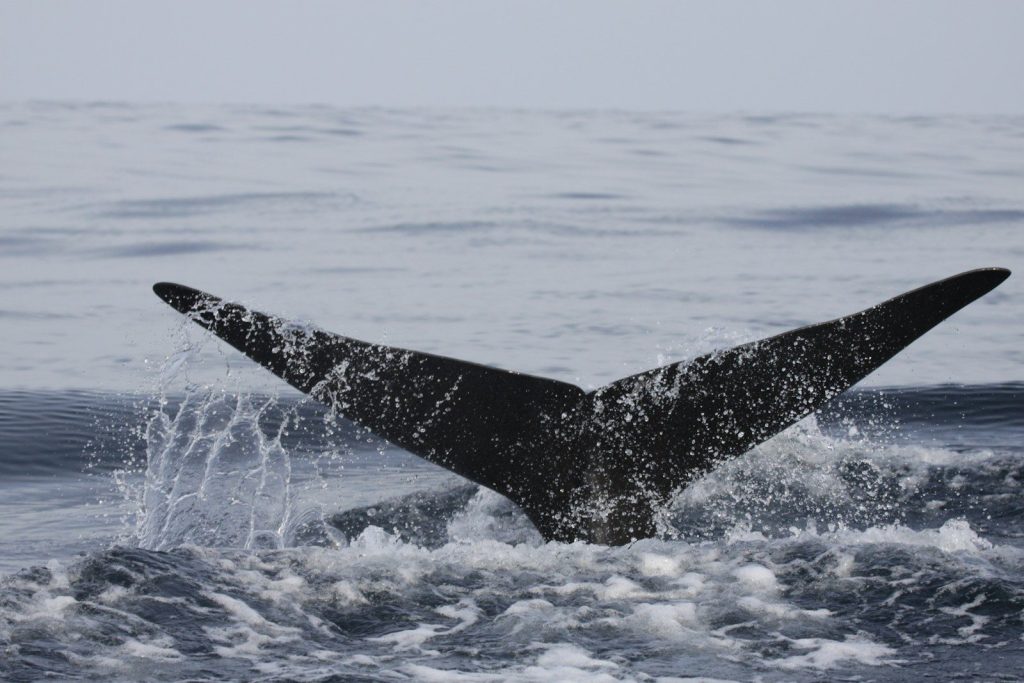
The sheer speed of a six-ton hunter creates massive kinetic energy. According to mechanical models from the Marine Mammal Research Unit, their tails deliver strikes with thousands of pounds of force. It is incredibly swift. This sudden transfer of energy can neutralize large prey in seconds. But delivering this massive force requires understanding a critical hydrodynamic limit.
Overcoming High-Speed Drag
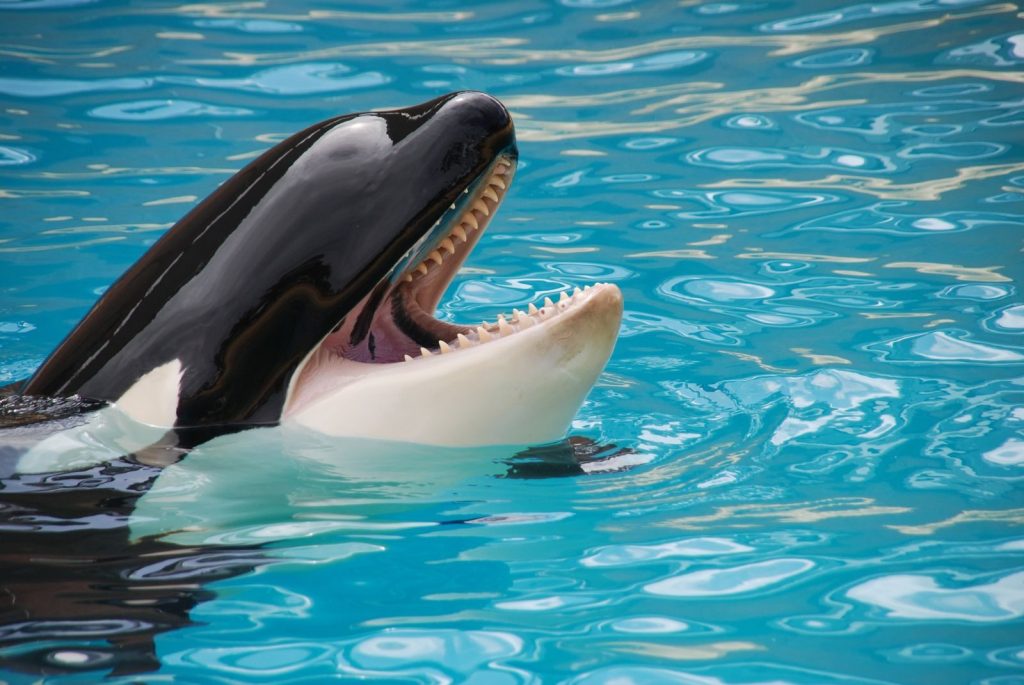
Moving fast underwater creates immense drag that slows down most predators. According to fluid dynamics data from the journal Science, orca skin features specialized pathways that minimize turbulence. They slide through water. This drag reduction allows them to accelerate to top speeds almost instantly. But this physical advantage works best in very specific oceanic conditions.
Trapped By Fluid Boundaries
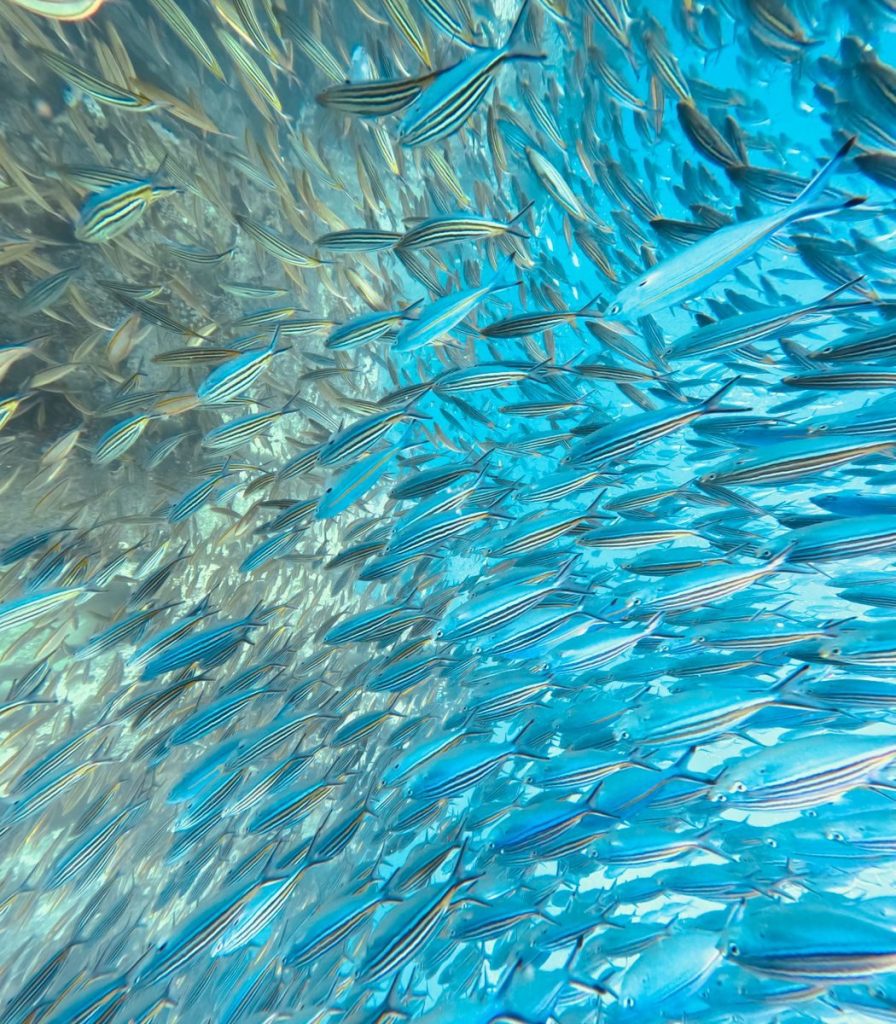
Hunters often drive prey toward invisible barriers in the water column. According to oceanographic reports from the Woods Hole Oceanographic Institution, changes in water temperature create physical boundaries. These are called thermoclines. Prey animals hesitate to cross these boundaries, trapping them in a physical dead end. But this clever trapping technique relies on a deep evolutionary connection.
Passing Down Complex Physics
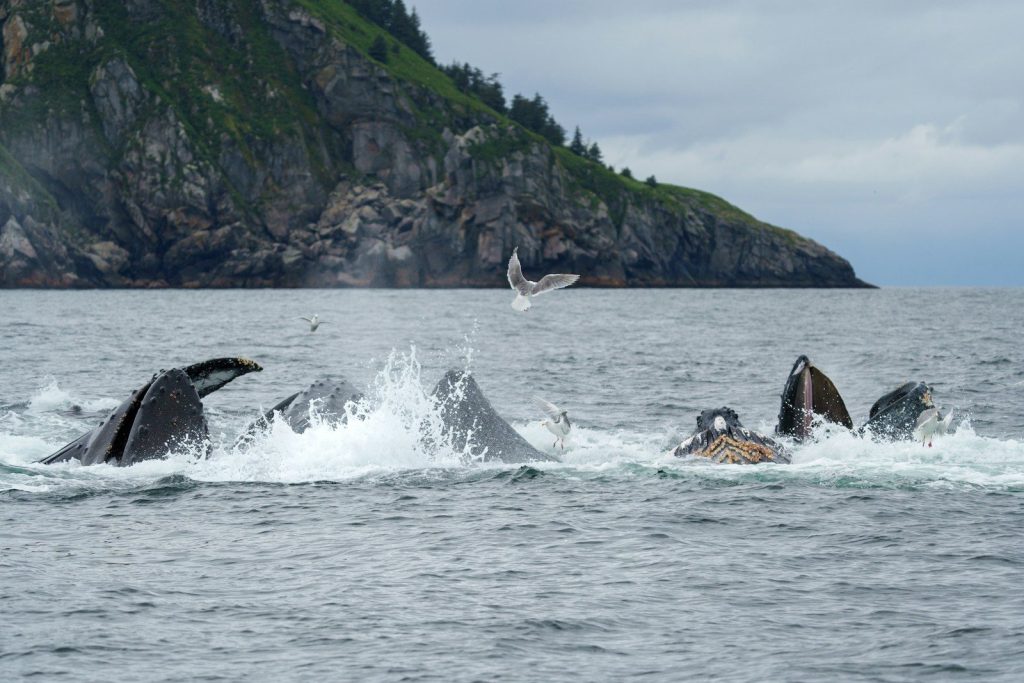
These complex physical strategies are not based on simple instinct. According to long-term studies from the Center for Whale Research, these methods are passed down through generations. They teach their young. This cultural learning allows young hunters to master complex fluid mechanics early in life. But this high-tech coordination leads to a final lingering question about their future.
The Coordinated Future
Studying these hydrodynamic strikes helps us understand marine ecosystems. These physical adaptations showcase the incredible complexity of life in our oceans. We must preserve their environment. This article is for informational purposes only.
Leave a Reply