
Most people assume that rocket engines are at the absolute peak of modern technological capability. We believe that modifying their design is nearly impossible.
But a breakthrough in fuel combustion has unlocked unprecedented levels of power. This bold invention has quietly disrupted decades of established aerospace engineering.
The Limits Of Old Power

For decades, traditional rockets used gas generator cycles to drive their internal turbopumps. This design dumps a small amount of unused fuel directly overboard to keep the system cool. According to engineering textbooks, this fuel dumping represents a massive loss of potential energy and efficiency. Space is expensive. If engineers want to reach Mars, they must find a way to burn every single drop of fuel. But the solution was incredibly dangerous.
Taming The Fire Storm

To capture all potential power, engineers had to design a closed-loop cycle. This requires routing the hot exhaust gas directly back into the main combustion chamber. According to aerospace history, early Soviet designers tried this full flow staged combustion cycle but abandoned it due to extreme plumbing pressures. The metal melted. Keeping these high pressure gases from destroying the engine was a monumental task. But the design offered an irresistible reward.
The Raptor Engine Secret

The massive booster sitting on the Texas launchpad uses a brand new engine called the Raptor. Unlike traditional engines that burn kerosene, this powerhouse runs on liquid methane and liquid oxygen. According to design specifications, this specific chemical combination burns incredibly clean and leaves almost zero soot buildup inside the machinery. The fuel is perfect. This clean burn allows engineers to reuse the engine dozens of times without rebuilding it. But building it required advanced manufacturing.
The 3D Printed Chambers
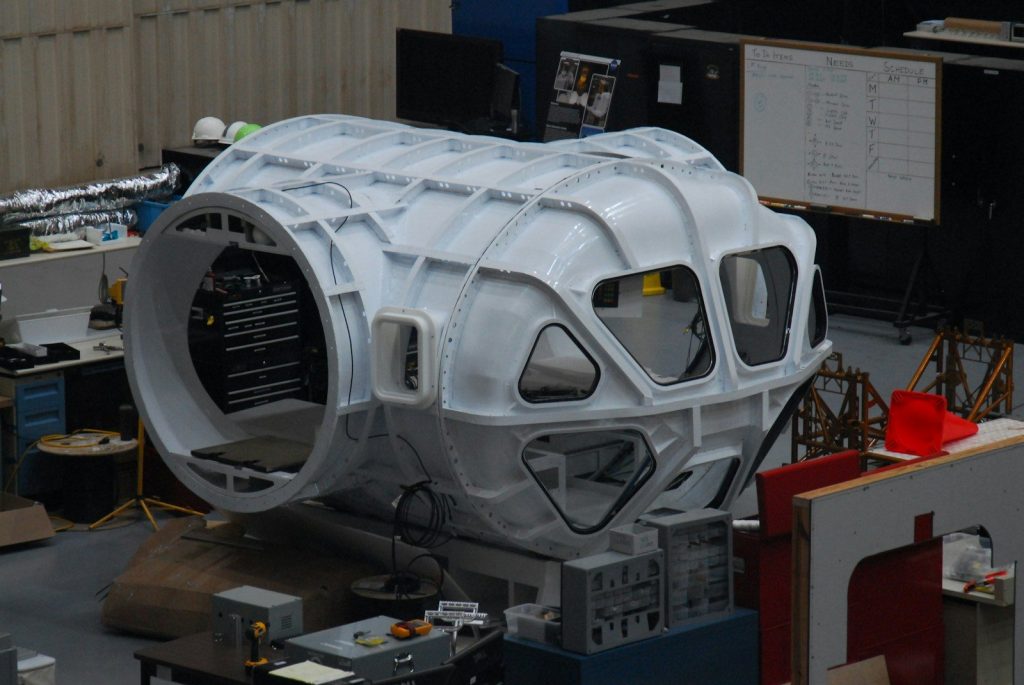
Traditional rocket engines require thousands of hand-welded joints and complex internal channels. A single mistake during welding can cause a catastrophic explosion in flight. According to manufacturing logs, engineers used advanced 3D metal printing to grow the complex cooling channels directly inside the engine walls. This is revolutionary. Printing the parts reduces weight and eliminates weak spots where metal joints usually fail. But the real goal was mass production.
An Engine Assembly Line
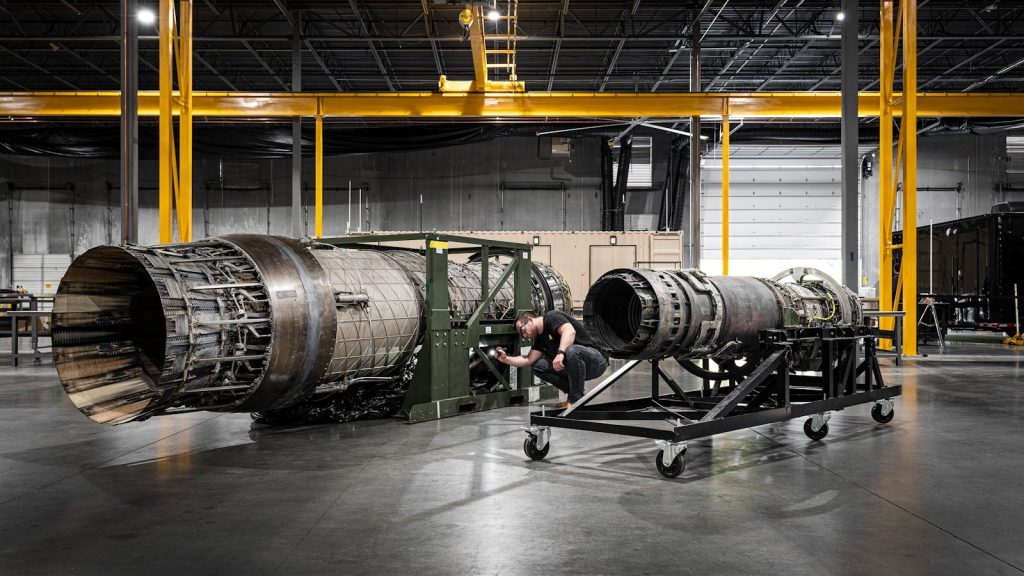
Old aerospace companies treated rocket engines like custom luxury cars. They spent months building a single engine by hand. According to factory production records, the Texas engine factory now produces more than one Raptor engine every single day. The factory never stops. This massive production rate allows the company to rapidly replace parts during test flight failures. But this high rate of output creates its own massive logistical challenge.
Testing Under Extreme Pressure

Before any engine flies, it must survive a brutal trial on a ground test stand. Sensors monitor thousands of data points as the engine screams at full throttle. According to test site reports, engineers routinely push these engines past their limits until they structurally fail. They learn by breaking. This aggressive testing method allows the team to find weak points and refine the design on a weekly basis. But the true test lies in deep space.
The Interplanetary Power Plant

The Raptor engine has completely rewritten the laws of liquid rocket propulsion. According to space exploration metrics, this technology represents the core engine design that will carry humanity into the next era of cosmic exploration. The stars are waiting. This article is for informational purposes only.
Leave a Reply