Most treasure hunters assume that finding gold coins on the seafloor immediately reveals the story of a lost pirate ship. We believe that sunken riches always tell a clear and simple story.
But a hoard of four hundred gold coins discovered off the English coast baffled scientists for decades. It took thirty years of research to uncover the ship’s true identity.
A Golden Discovery Off Devon
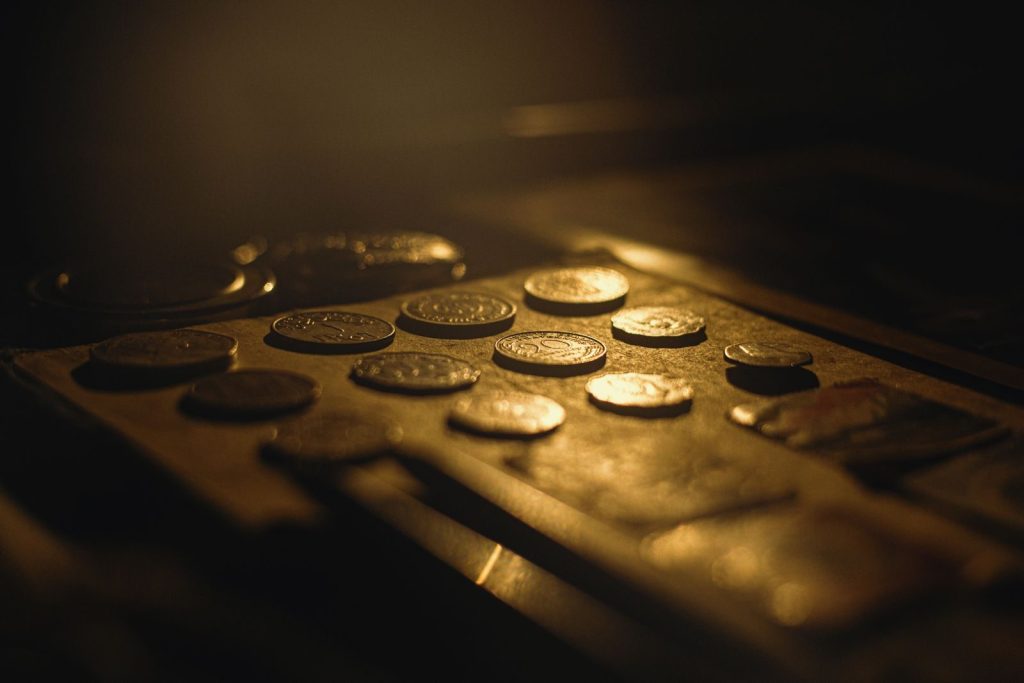
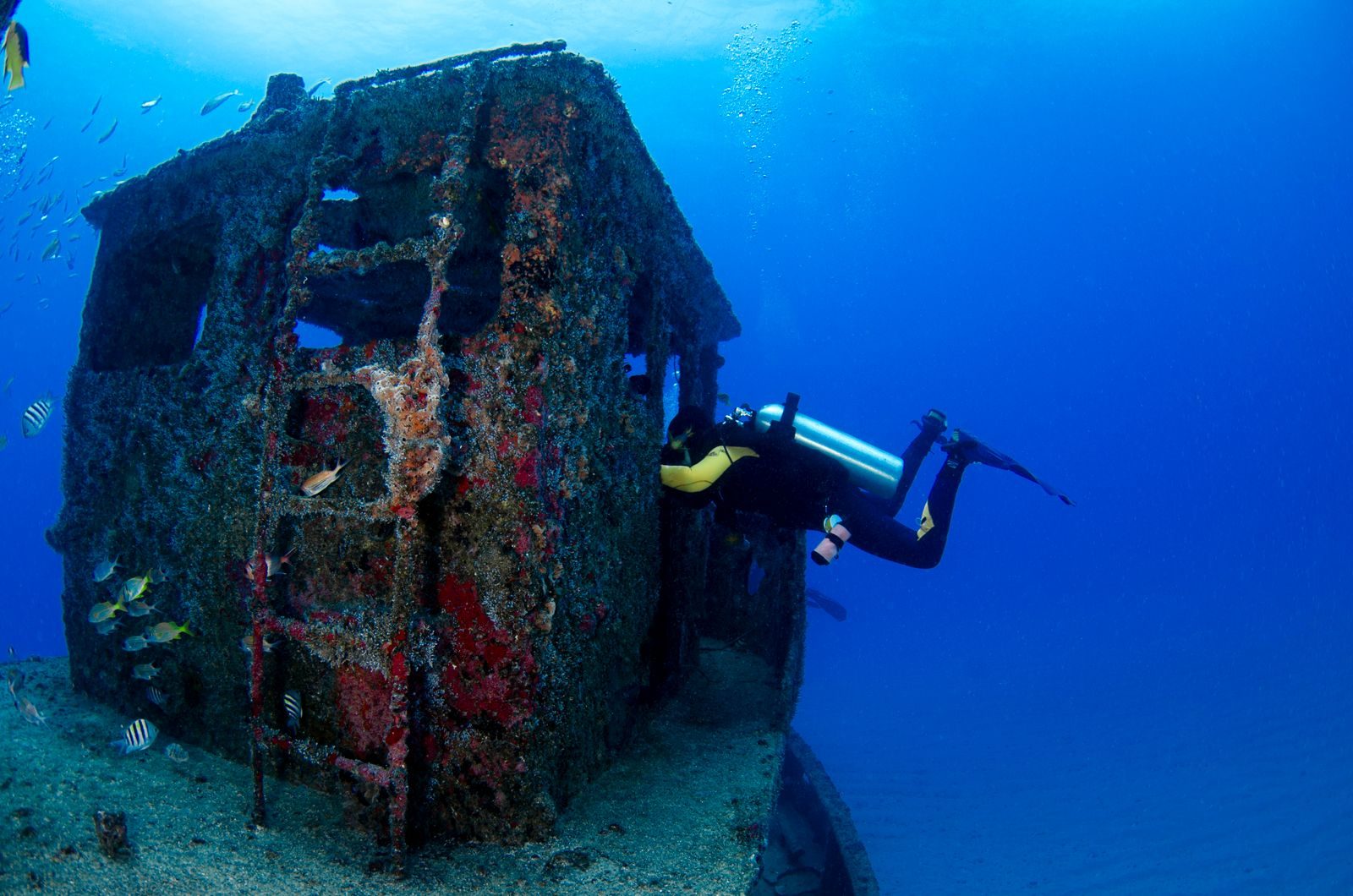
In 1995, a team of divers exploring the waters near Devon, England, stumbled upon a stunning sight. Scattered across the seabed lay hundreds of gleaming gold coins and ancient relics. According to reports from the South West Maritime Archaeology Group, the treasure rested about sixty feet beneath the surface. It was a massive haul. The unusual origin of the coins only deepened the mystery.
Coins From A Faraway Land
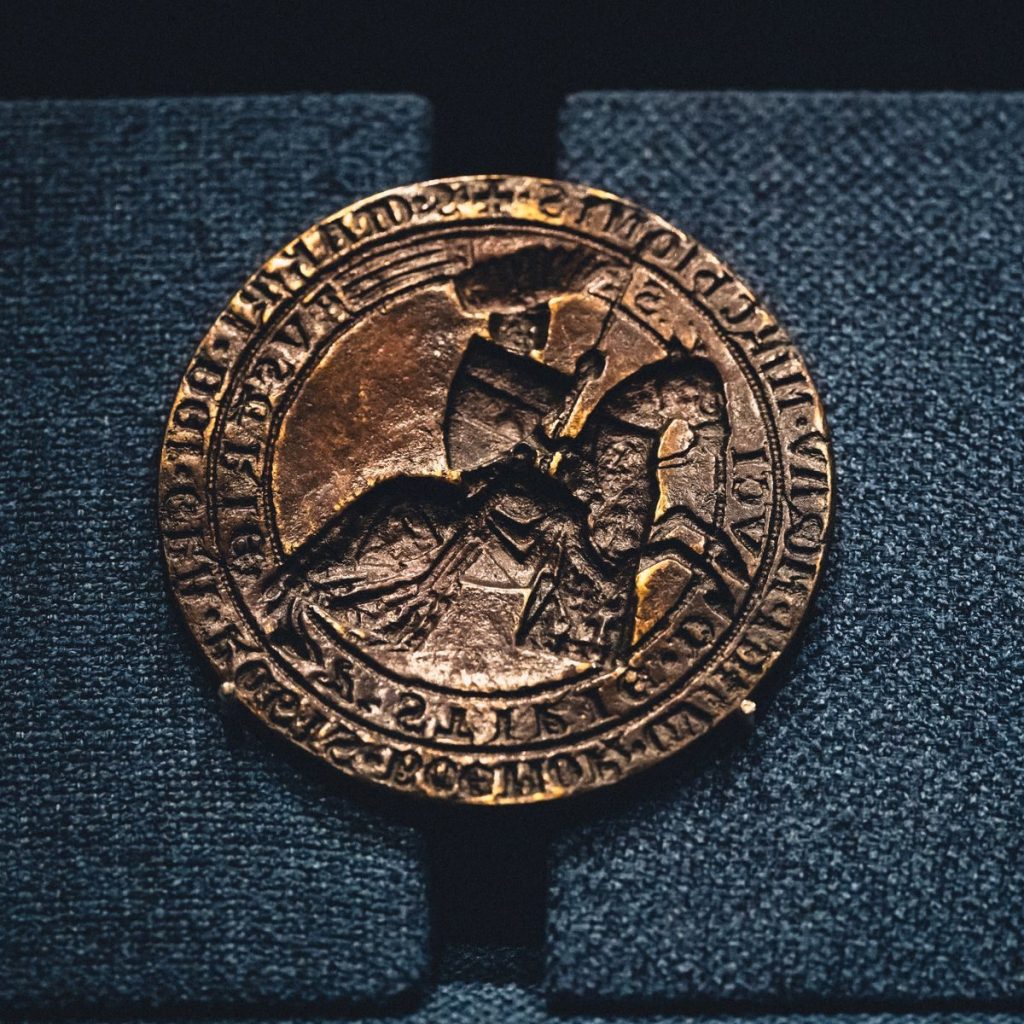
The recovered coins did not originate from European mints as researchers initially expected. Instead, they were Barbary ducats struck in Morocco during the seventeenth century using pure West African gold. According to archaeologists at the British Museum, these rare coins featured intricate Arabic inscriptions. They were beautifully preserved. At first, experts suspected the ship belonged to legendary raiders.
The Barbary Corsair Theory
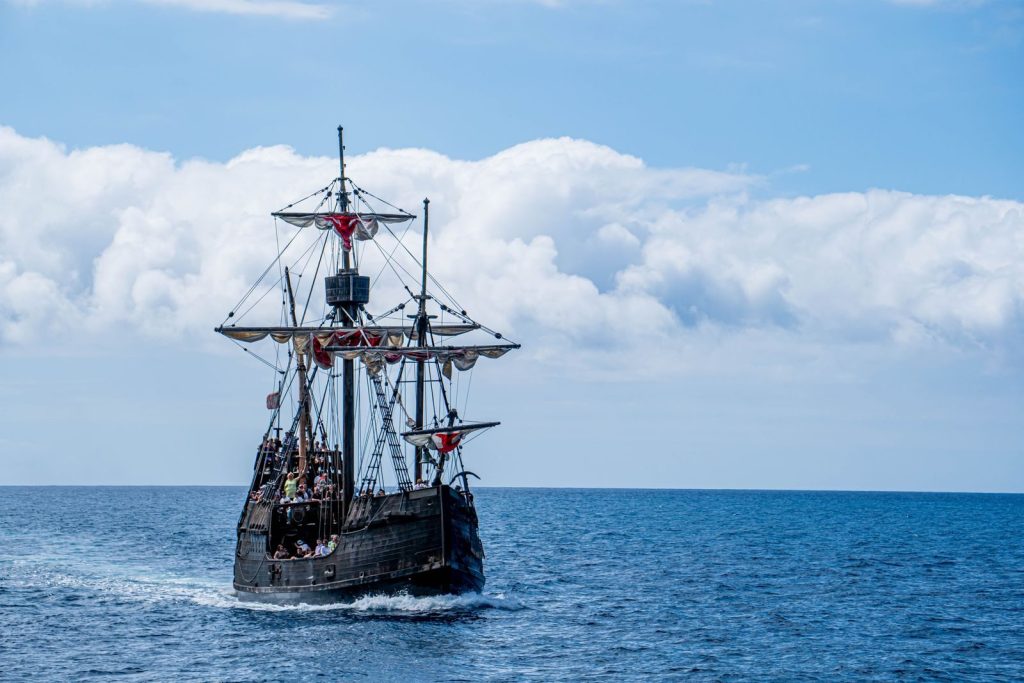
Researchers initially speculated that the wreck belonged to a ship of Barbary Corsairs. These notorious North African pirates raided European coastlines and captured merchant vessels during the seventeenth century. According to maritime historians, the presence of Moroccan coins made this pirate theory highly plausible. It seemed a perfect fit. A humble household object ultimately unlocked the truth.
The Clue In The Kitchenware

Divers recovered a simple pewter bowl and spoon alongside the glittering Moroccan gold coins. These everyday utensils turned out to be the key to the entire mystery. According to researchers at Bournemouth University, manufacturing marks on the pewter pointed directly to seventeenth-century Dutch craftsmen. The evidence was undeniable. Archival sleuthing soon revealed the exact name of the ship.
Finding The Lost Records
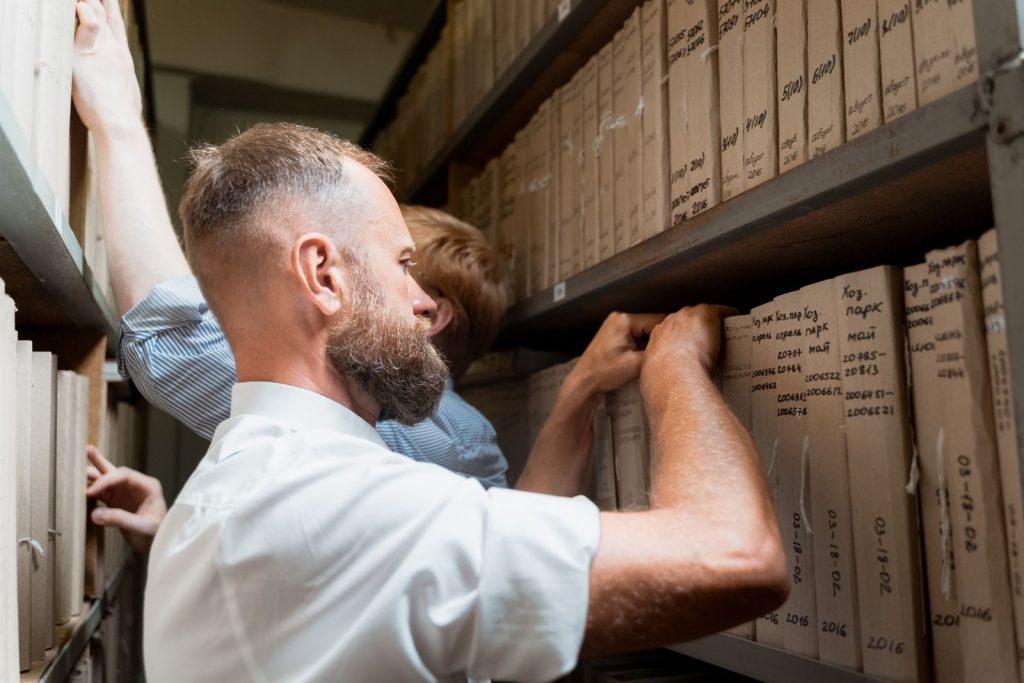
Historians combed through ancient shipping documents to find a match for the mysterious cargo. They hit the jackpot in the Dutch national archives. According to documents uncovered by independent historian Ian Friel, two Amsterdam merchants reported losing their ship in December of 1633. The details matched perfectly. The historical logs also revealed the fate of the crew.
Surviving A Great Storm
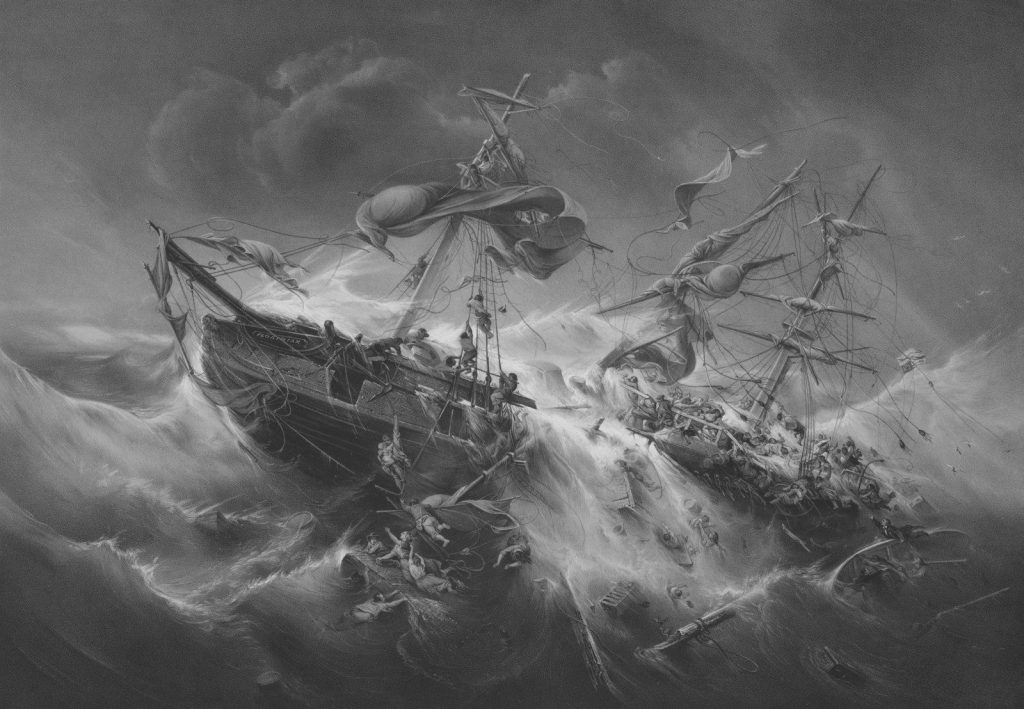
The historical records paint a dramatic picture of the final voyage of the Dom van Keulen. The merchant ship had departed from the Moroccan port of Safi before running into severe weather. According to the recovered logs, the vessel met with much tempestuous weather and sprang a major leak. All the crew survived. This long-lost cargo reveals a massive global network.
Mapping Ancient Trade Routes
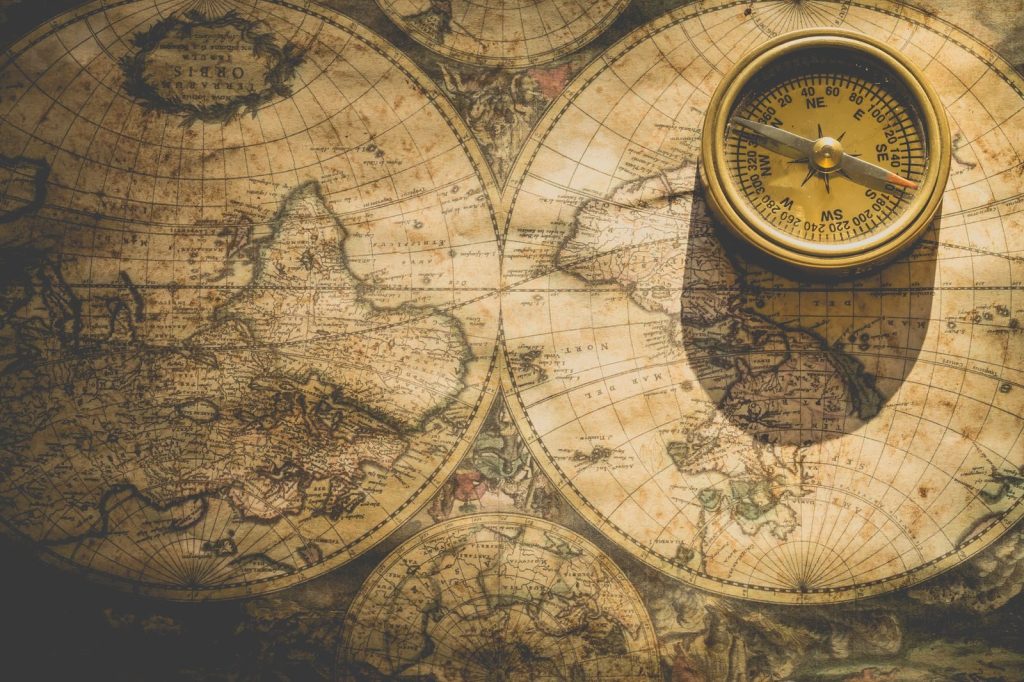
Seventeenth-century economies were far more interconnected than most people realize. Dutch merchants exchanged manufactured goods for West African gold, which they then melted down for currency. According to researchers, this wreck provides tangible evidence of a flourishing trade route linking Morocco, the Netherlands, and Britain. It was incredibly complex. Today, this incredible treasure has found a permanent home.
Saving Our Maritime History
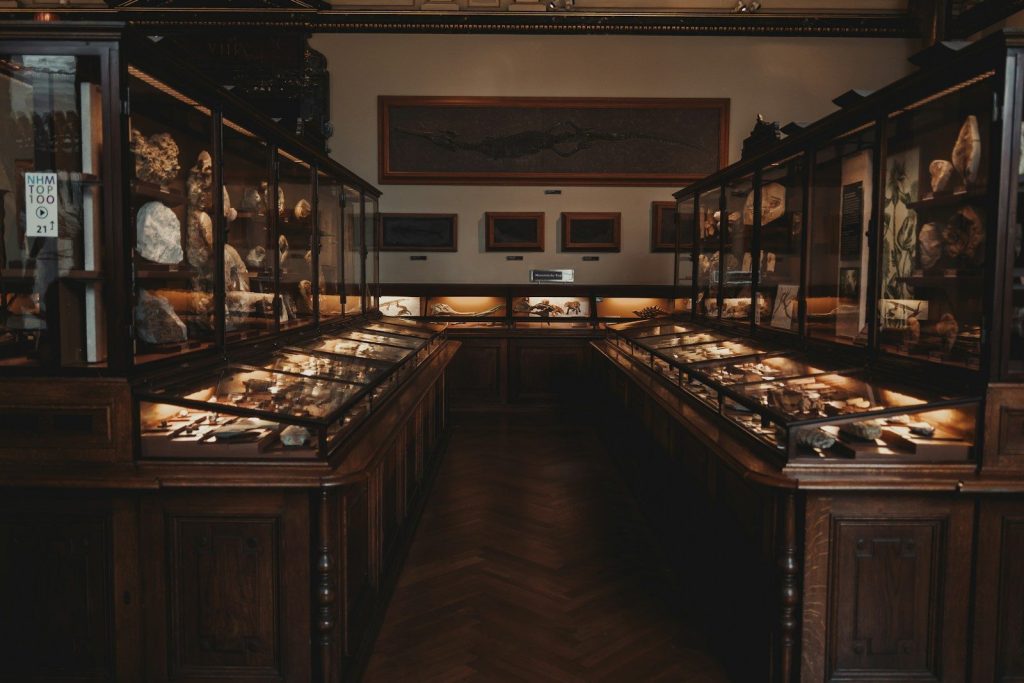
According to curators, the British Museum now displays the gold coins and artifacts recovered from the Dom van Keulen. This thirty-year investigation shows that solving maritime mysteries requires patience and teamwork. The sea continues to hold many of our deepest historical secrets. This article is for informational purposes only.
Featured Image: Photo by Leonardo Lamas on Pexels
Leave a Reply