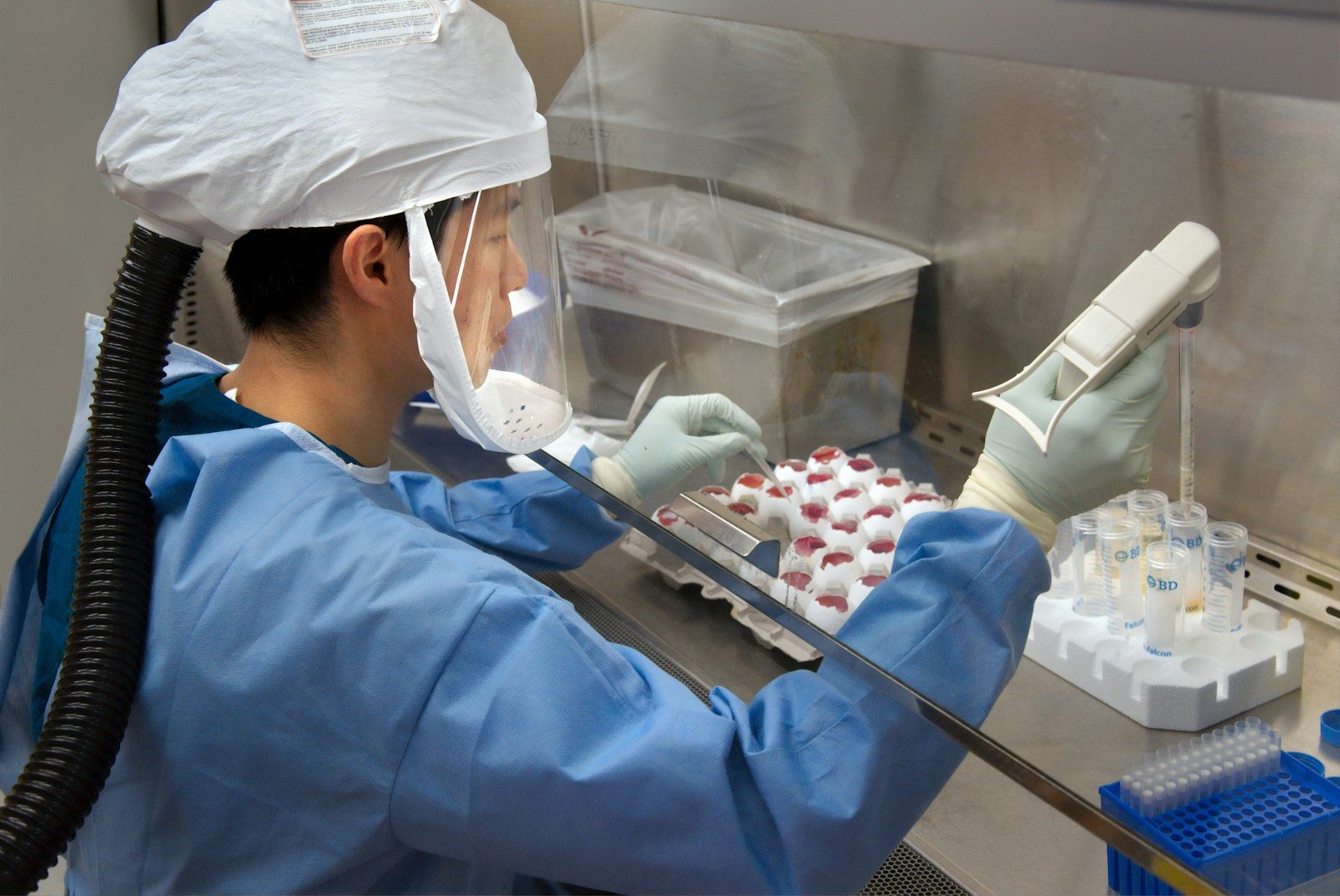
Most people believe that biological aging is a one-way street. We assume our bodies must slowly decline as the years pass.
But researchers are proving we can actually wind back the clock. A new genetic breakthrough is resetting worn human cells back to a youthful state.
The Power of Cellular Rewriting
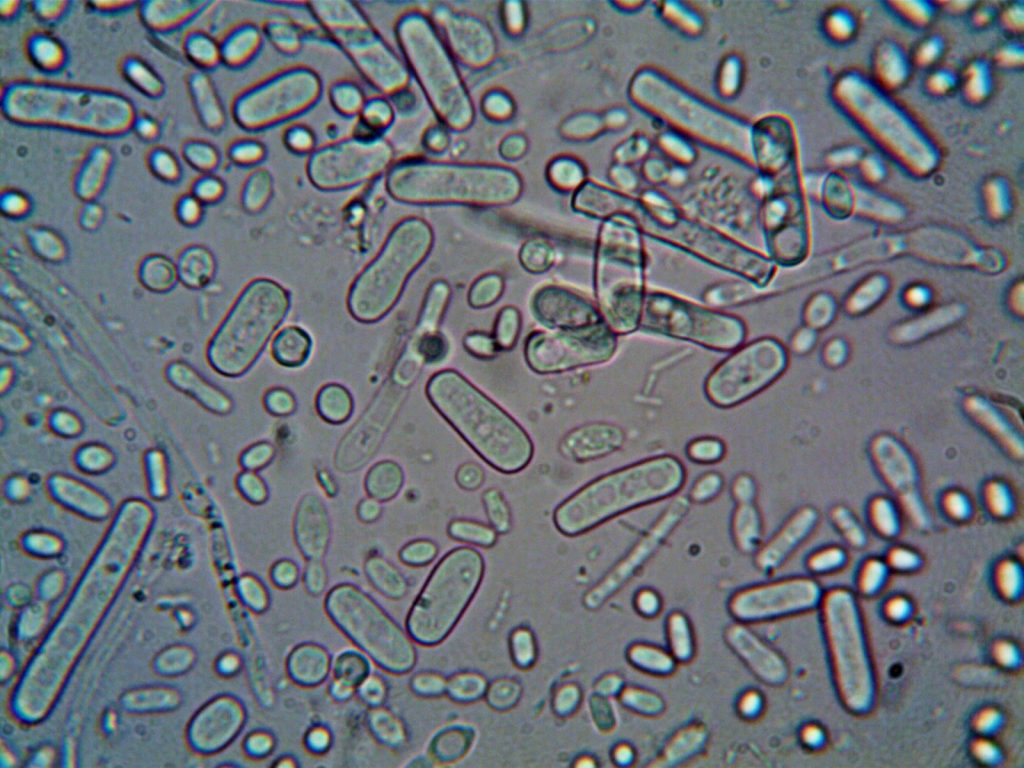
Aging starts deep inside our microscopic genetic code. According to researchers at Harvard University, scientists can reset this coding using special genetic signals called Yamanaka factors. This is revolutionary. By turning back the internal cellular calendar, biologists are restoring old tissues to their prime state. But the team still faced a massive hurdle before testing this on living organs.
Avoiding The Tumor Trap
Early attempts at resetting cells often triggered uncontrolled growth. According to a study in the journal Nature, early methods sometimes caused dangerous cancers to develop. Safety came first. To fix this, experts developed a gentle, temporary treatment that keeps the cell stable while stripping away its old biological age. However, applying this delicate process to entire living bodies required a completely new approach.
Reversing Blindness In Laboratories
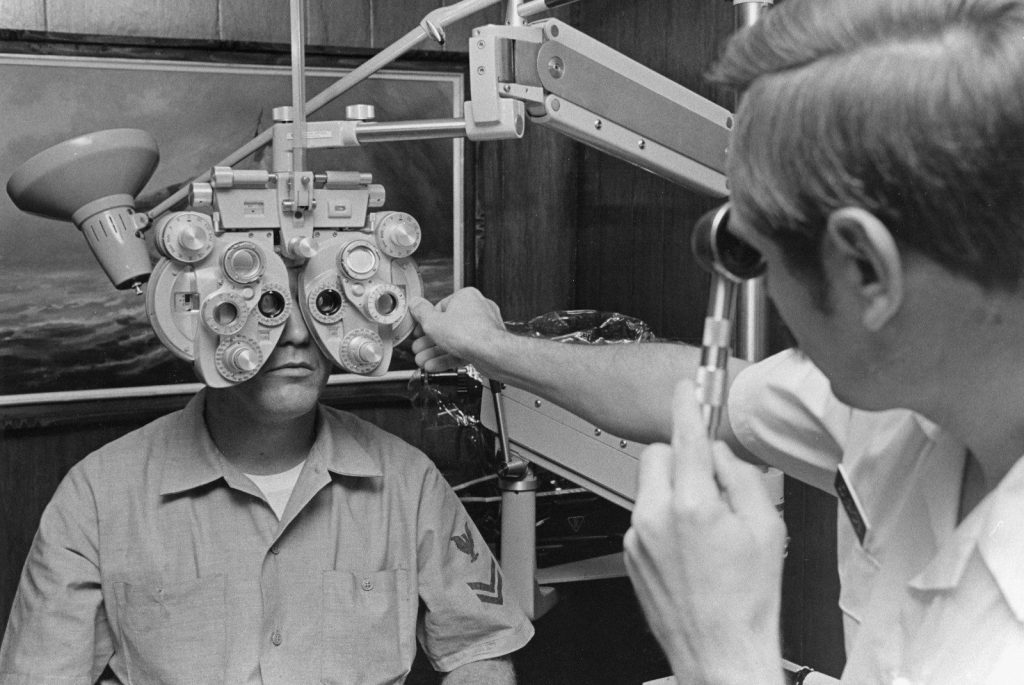
Biologists put this delicate process to the test on damaged optic nerves. According to findings from the Salk Institute, researchers successfully restored the vision of aging mice by turning back the biological clock in their eyes. They saw nothing. Now, those same animal eyes can see clearly again. This incredible success gave the medical community a stunning blueprint for treating human diseases next.
Targeting True Biological Age
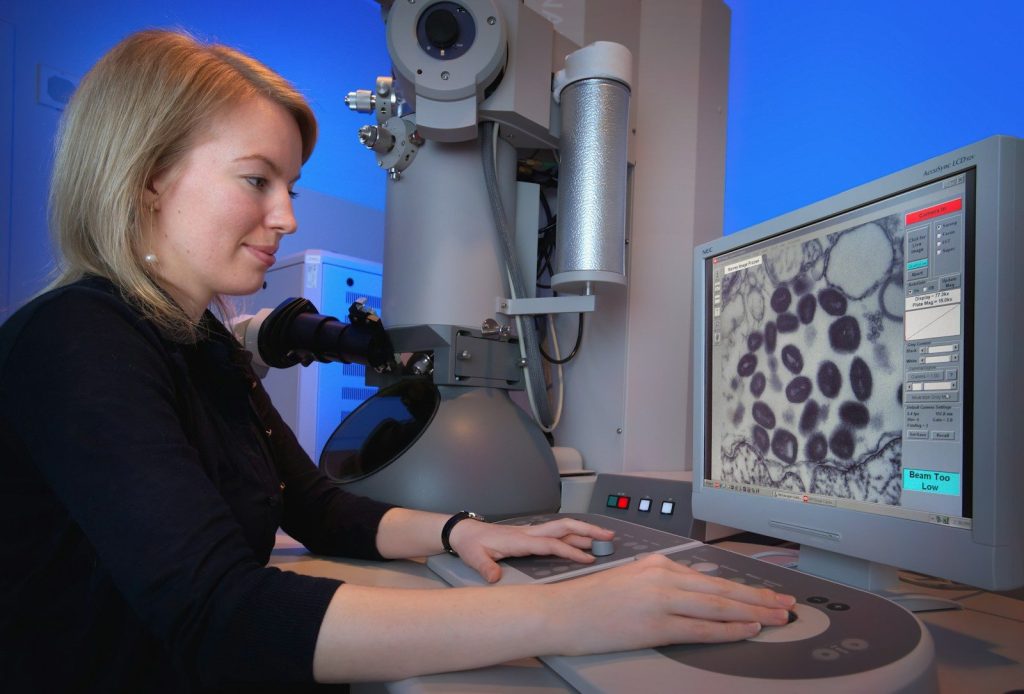
Standard medicine usually treats the individual symptoms of our physical decline. According to aging experts at the Mayo Clinic, targeting the root cause of cell decay could prevent several chronic diseases at once. This changes everything. Scientists believe this breakthrough can soon target brain decay, heart failure, and muscle loss in one sweep. But a major question remained about how the human body would handle this transformation.
The Hunt For Pill Alternatives
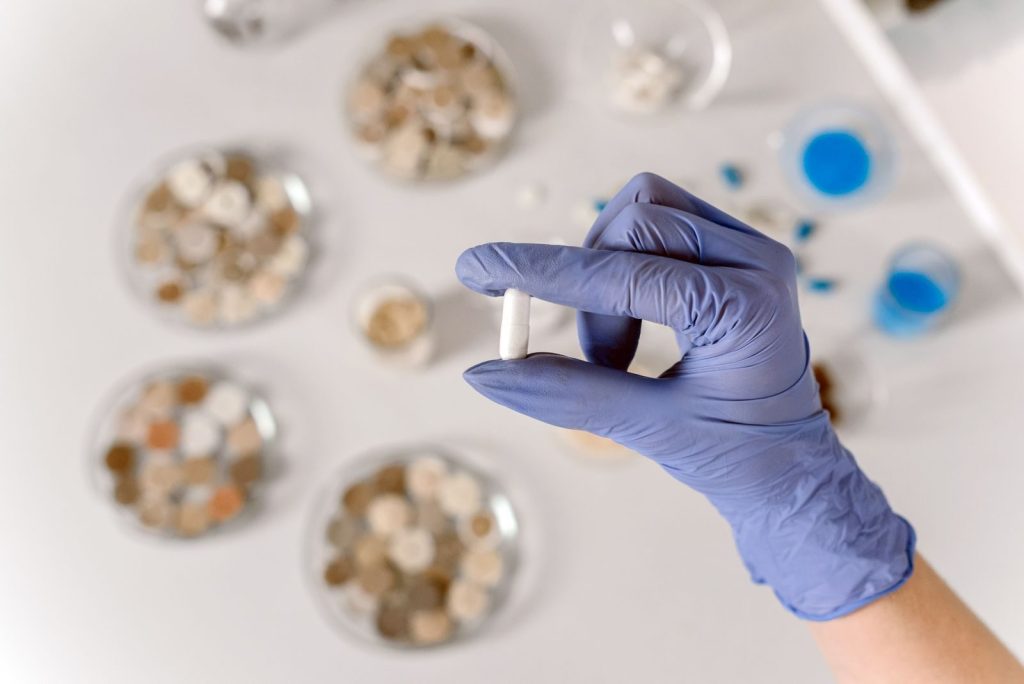
Delivering genetic therapies into every single cell of a living person is incredibly difficult. According to biotechnology reports from MIT, engineers are currently searching for chemical compounds that can trigger the same youthful reset through a simple pill. Time is moving fast. If they succeed, patients might one day reverse their biological age without complex medical procedures. But scientists must first run trials to ensure the therapy remains entirely stable.
Setting A New Baseline

This science does not aim to create immortality or extend life indefinitely. According to clinical guidelines from the World Health Organization, the main goal is extending our healthspan, which is the total years we live free from chronic disease. We want vitality. Rejuvenating old cells could easily help older generations enjoy active, highly independent lives for much longer. But the public is still wondering when this therapy will reach hospital clinics.
The Future of Human Vitality
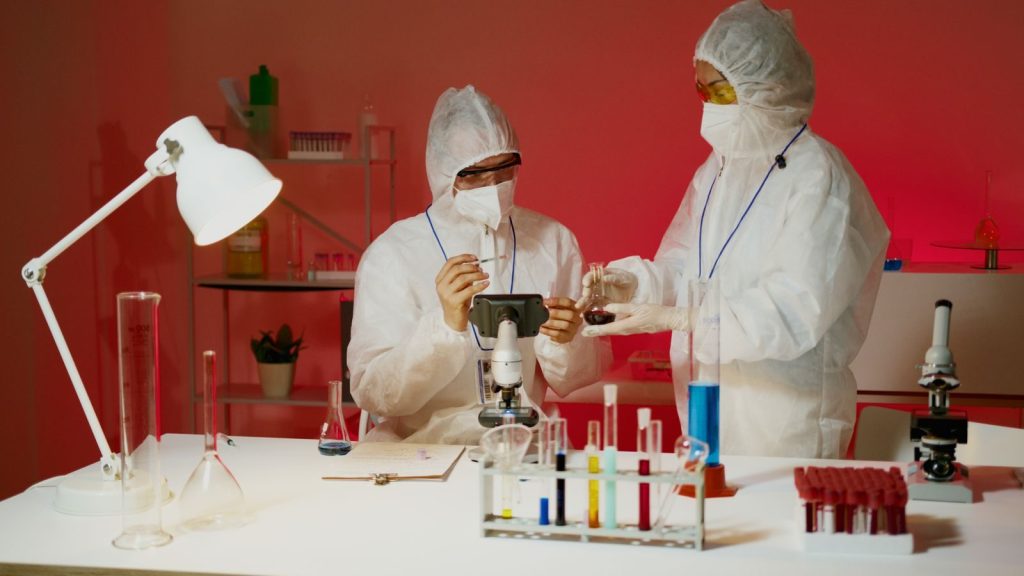
According to aging experts, resetting human cells represents the next frontier in modern medicine. This technology proves that the biological speed of aging is highly flexible. We can rewrite our own physical history. This article is for informational purposes only and does not constitute scientific or professional medical advice.
Leave a Reply