Most electric car owners assume that electric motors are already built to their maximum mechanical limits. We believe that standard copper and steel rotors cannot spin any faster.
But a radical engineering breakthrough has completely shattered this physical ceiling. A highly advanced motor utilizes an ultra-thin carbon fiber wrap to prevent the engine from tearing itself apart.
The Centrifugal Force Threat
Spinning a metal rotor at high speeds generates massive outward physical pressures. According to mechanical engineering reports, standard copper rotors begin to expand and deform at fifteen thousand revolutions per minute. The metal stretches. This slight deformation destroys the magnetic gap inside the motor and triggers a catastrophic engine failure. But stopping this metal expansion requires an incredibly strong structural sleeve.
Wrapping In Carbon Fiber

Engineers solved the expansion problem by wrapping the copper rotor in high-strength carbon thread. According to materials science studies, carbon fiber possesses an incredible tensile strength that easily resists outward pressures. The hold is tight. This lightweight sleeve prevents the copper from expanding even a millimeter during high-speed runs. But wrapping this thread tightly around the metal core required a specialized manufacturing machine.
The High Tension Winders
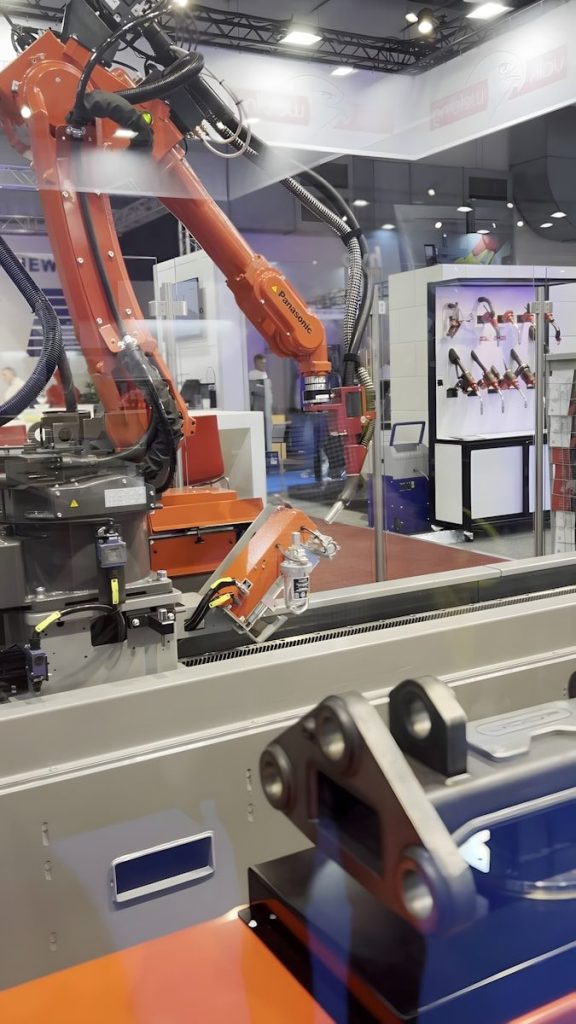
Applying carbon thread requires winding the material under immense physical tension to ensure stability. According to automotive manufacturing logs, specialized robotic arms wind the carbon fiber directly onto the rotor core. The process is precise. Any loose thread would quickly unravel and destroy the motor when it reaches maximum speed. But this carbon sleeve also introduces a highly unusual magnetic advantage.
Shrinking The Magnetic Gap
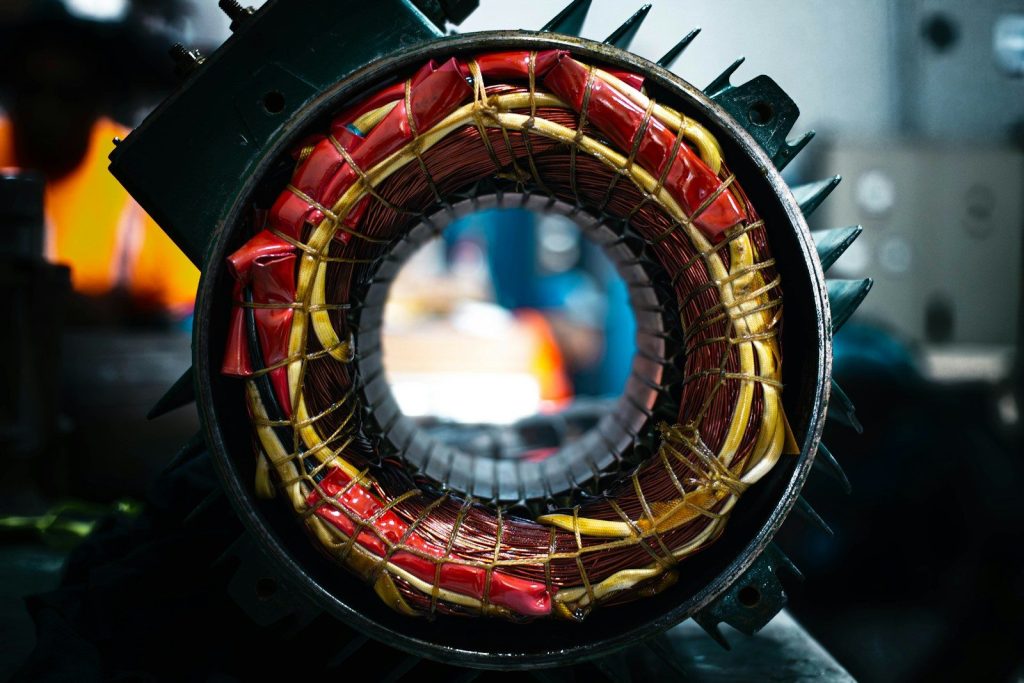
Traditional steel sleeves are thick and require a wide space between the rotor and stator. According to electromagnetic physics papers, the ultra-thin carbon wrap allows the magnetic fields to sit much closer together. The efficiency skyrockets. This tight magnetic gap increases the total torque and power output of the motor significantly. But managing this intense rotational energy requires a highly advanced electrical controller.
The High Frequency Inverter

Feeding a constant electrical current to a motor spinning at twenty thousand RPM is incredibly difficult. According to silicon hardware trials, the motor uses specialized power transistors to switch current thousands of times per second. The timing is perfect. This rapid power delivery prevents the motor from losing momentum during hard acceleration. But this extreme performance has a surprising impact on passenger comfort.
Silencing Cosmic Motor Whine

Standard high-speed electric motors produce a highly loud and annoying high-frequency scream. According to cabin acoustic reports, the carbon-wrapped rotor operates with almost zero physical vibration or wind noise. The cabin is silent. This quiet operation allows hypercars to achieve record-breaking speeds without disrupting the passenger experience. But the engineering lessons from this motor are already reshaping other industries.
Unlocking Next Generation Transport

Mastering carbon-wrapped rotor technology is paving the way for ultra-efficient industrial machinery and aerospace propulsion. According to transit history experts, this engineering shift will redefine high-speed transportation limits forever. The race is on. This durable design allows us to build powerful electric motors that are lighter and more efficient than ever before. This article is for informational purposes only.
Featured Image: Photo by Daniel Miksha on Unsplash
Leave a Reply