
We believe that humans will be the first brave pioneers to step onto the red desert of Mars. Most people assume our space agencies will send organic crews to build early Martian shelters.
But a highly advanced humanoid robot is quietly preparing to claim the planet first. This robotic machine is uniquely engineered to survive where human bodies would instantly fail.
The Metallic Pioneer
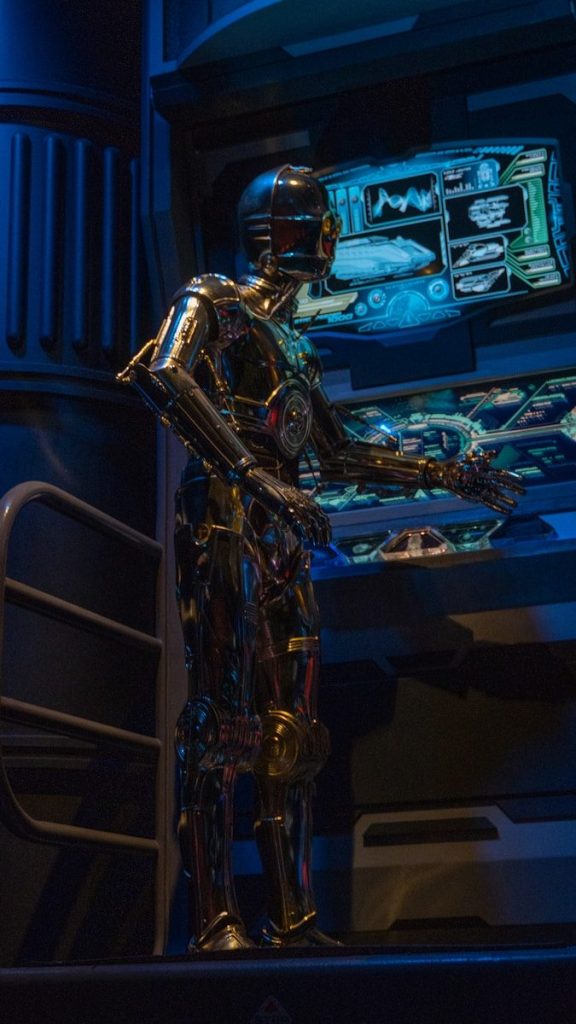
The robot is called Valkyrie, and she is a true giant of modern engineering. Standing over six feet tall, this humanoid machine performs heavy physical labor in deep space. According to NASA, Valkyrie operates flawlessly in environments too hostile for human astronauts. She is fearless. But her design actually mirrors the human body for a very specific reason.
Mimicking Human Grace
Engineers gave Valkyrie human-like limbs so she can use the exact same tools as future human crews. This humanoid shape allows her to climb ladders, open heavy hatches, and operate complicated machinery. According to roboticists at the Johnson Space Center, her advanced sensors help her navigate rugged terrain with incredible balance. Gravity is tricky. Yet, keeping this mechanical explorer functioning on Mars requires some extreme survival gear.
Surviving Martian Dust
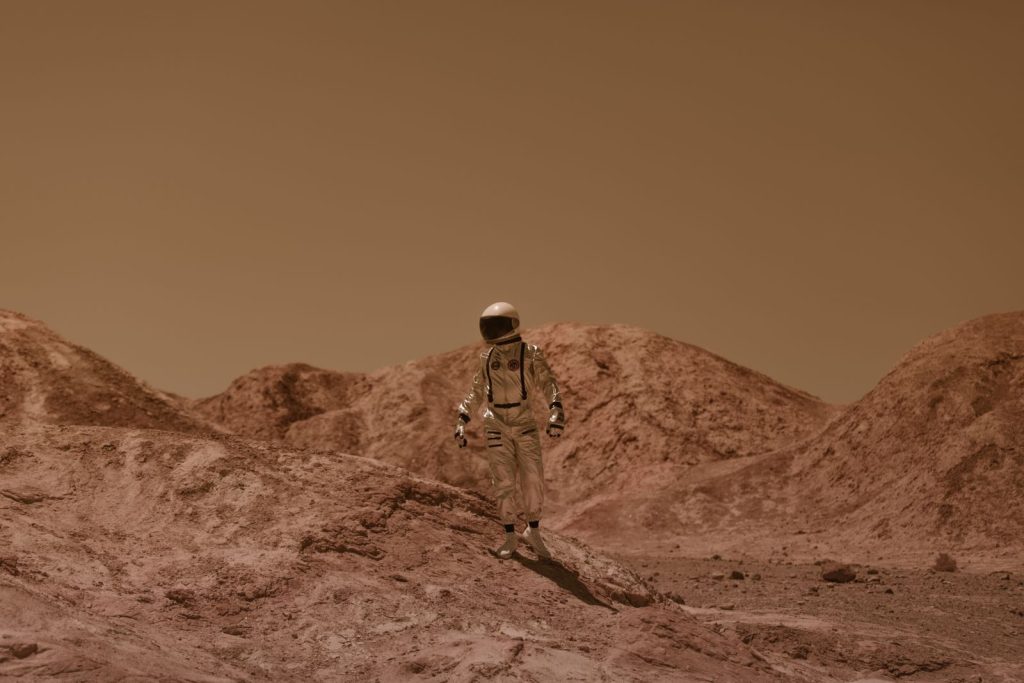
Incredibly fine, static-charged dust covers the red planet and ruins delicate electronics. A specialized protective suit wraps Valkyrie to block these microscopic particles from reaching her joints. According to engineering reports, this suit acts like a synthetic skin that withstands extreme temperature shifts. Dust is deadly. But the real danger lies in the invisible radiation of deep space.
Defeating Harsh Radiation

Unlike humans, robots do not suffer from radiation sickness or DNA damage. However, intense cosmic rays can still scramble a computer brain and cause catastrophic software crashes. According to space systems engineers, Valkyrie uses redundant, radiation-hardened processors to survive solar storms. She is tough. This electronic shield allows her to work continuously while organic life hides underground.
Building Martian Homes
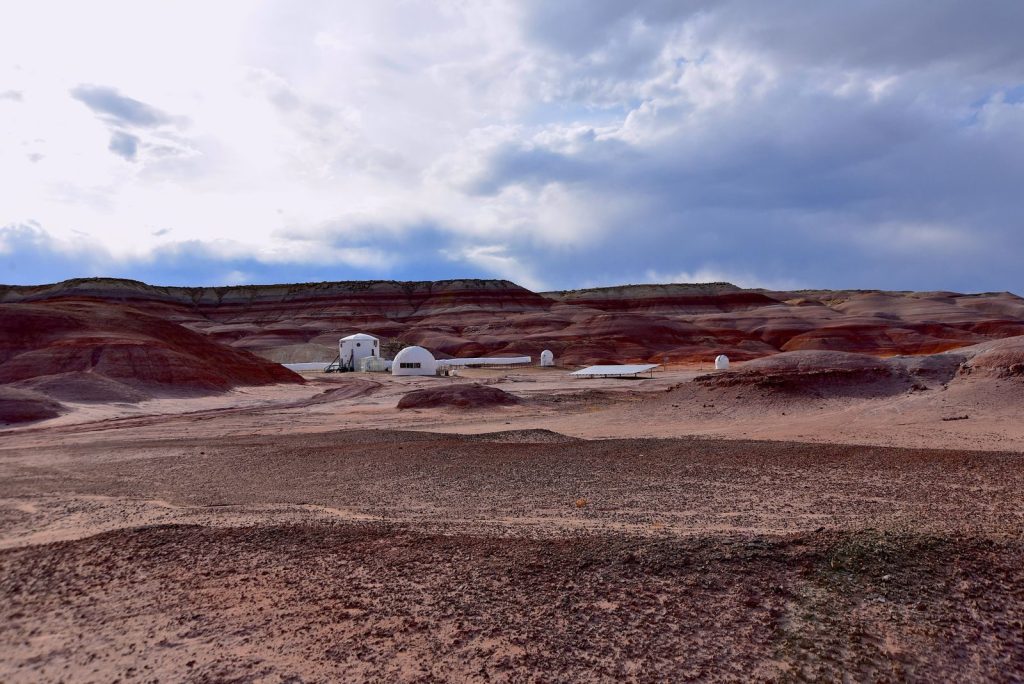
Before any humans arrive, Valkyrie must construct airtight domes and solar power grids on the Martian surface. She will use local volcanic soil to 3D print sturdy shelters for future crews. According to planetary geologists, this preliminary work is essential for keeping the first human visitors alive. Survival is hard. However, a major breakthrough in artificial intelligence will soon make her completely independent.
Thinking For Herself
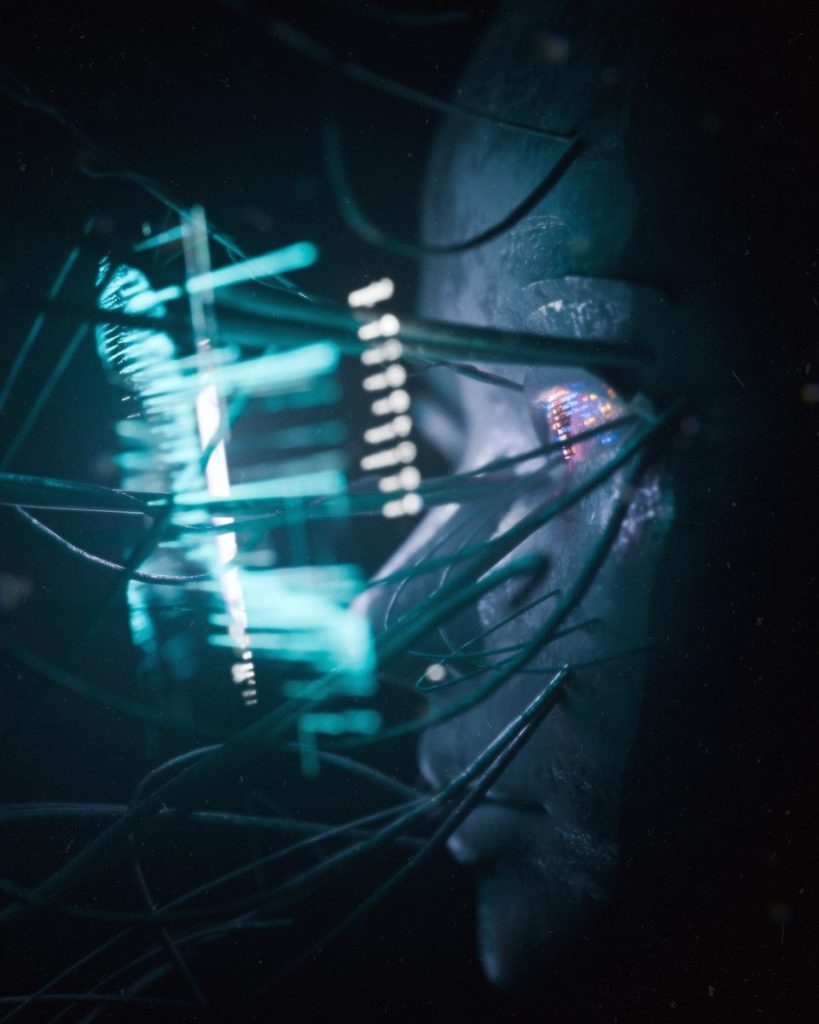
Sending radio signals between Earth and Mars takes up to twenty minutes of travel time. This delay makes direct remote control impossible during critical emergencies. According to software engineers, Valkyrie is learning to make complex decisions entirely on her own using advanced computer vision. The mind evolves. This mental leap will define how humanity explores the rest of our solar system.
The Next Frontier

Valkyrie represents the ultimate bridge between human curiosity and mechanical endurance. Space exploration is changing. According to space agency officials, this robotic vanguard will lay the physical foundations of our multi-planetary future. This article is for informational purposes only.
Featured Image: Photo by Nicolas Lobos on Unsplash
Leave a Reply