
Most logistics experts assume that clean freight transport requires billion-dollar battery packs and complex software. We believe that old mechanical ideas are completely useless for modern shipping needs.
But a clever group of shipping engineering teams is looking back a hundred years to find a better way. They are bypassing expensive batteries by reviving a classic mechanical concept.
The Heavy Battery Problem
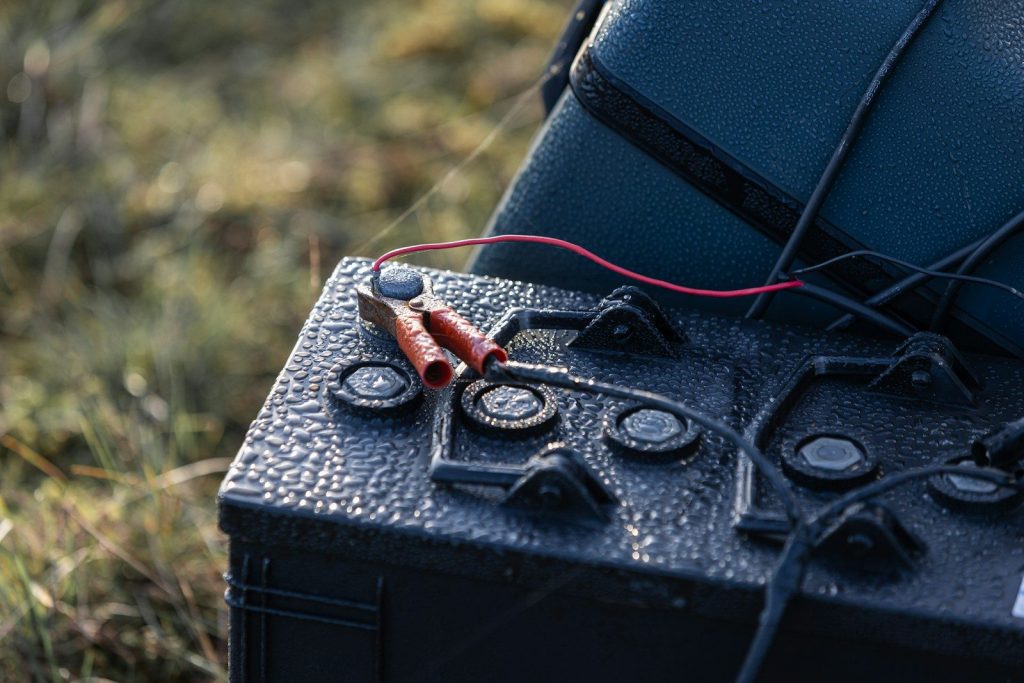
Modern electric semi-trucks must carry massive batteries to move heavy loads over long distances. According to logistics reports, these heavy battery packs can weigh up to twenty thousand pounds, reducing the cargo weight a truck can legally carry. It is highly inefficient. Truckers are losing valuable cargo capacity just to transport their own energy source. But an elegant solution was patented long before computer chips existed.
The Classic Overhead Wire

Instead of carrying heavy batteries, trucks can draw power directly from overhead electrical cables while driving. According to transport history archives, this trolley-style system was first used to power urban streetcars in the late nineteenth century. It is pure simplicity. Metal arms on top of the truck contact the wires to pull power straight to the motor. But scaling this vintage setup to modern highways presents unique challenges.
The Modern Catenary Highway
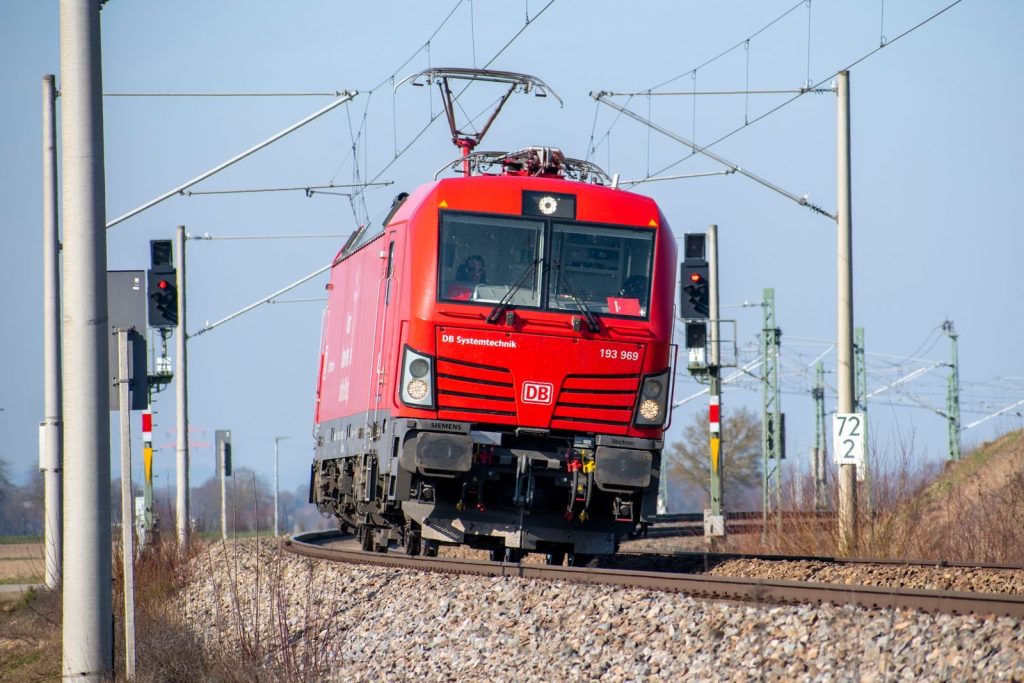
European engineers are actively building specialized test tracks to bring this vintage technology to life. According to reports from Siemens, test highway lanes in Germany have been equipped with high-voltage overhead lines. They are working. Freight trucks equipped with smart sensors automatically connect to the power lines when entering the specialized lane. But navigating lane changes requires an incredibly agile physical design.
The Automatic Lift Arm
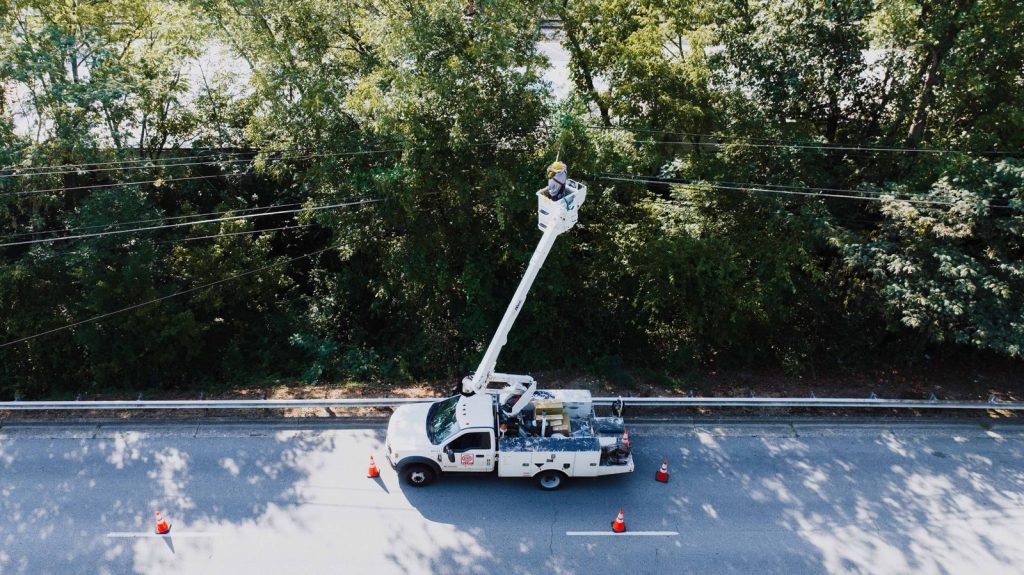
Trucks must be able to leave the electric lane to pass slower vehicles without losing all power. According to mechanical design blueprints, specialized sensory scanners automatically detect lane markings to lower the physical connector. The transition is instant. When the truck returns to the center lane, the metal arm rises to re-establish the connection. But this overhead wire setup still requires some onboard energy storage.
A Tiny Hybrid Battery

Overhead wires are highly practical for major highways but are impossible to build on small city streets. According to engineering plans, trucks utilize a tiny backup battery to navigate local roads after leaving the highway. This is highly practical. This hybrid approach keeps the battery pack small and lightweight, maximizing the legal cargo weight limit. But implementing this hybrid transit grid requires a massive structural investment.
The Grid Efficiency Win

Drawing power directly from the grid is far more efficient than storing energy in chemical cells. According to environmental impact studies, catenary highways eliminate up to eighty percent of the energy loss associated with battery charging. This is remarkable. Removing the need for massive lithium mining also vastly reduces the manufacturing footprint of the fleet. But this simple hardware shift could alter the future of logistics.
An Elegant Retro Future

The future of clean shipping might rely on polishing the brilliant physical tools of our past. According to infrastructure historians, integrating reliable vintage mechanics with modern smart sensors is the fastest way to decarbonize global shipping. The old ways work. Sometimes the smartest path forward is to look back at what already succeeded. This article is for informational purposes only.
Leave a Reply