The race to the sky has hit a massive wall. For decades, cities from Dubai to New York have competed to build the tallest towers on Earth. These glass giants were supposed to be symbols of economic power and progress. But in 2026, a shocking reality is hitting the news: many of the world’s tallest buildings are mostly empty. We are talking about “ghost skyscrapers” that cost billions to build but now sit with dark windows and silent elevators.
This isn’t just a small vacancy problem; it is a trillion-dollar mistake that is changing the face of our cities. The cost of maintaining a 150-story tower is so high that most businesses can’t afford the rent. Additionally, the rise of remote work has made “prestige offices” a thing of the past. We have built monuments to the sky that no one wants to live or work in. But the real reason these buildings are failing is hidden in the “vanity height” at the very top. Wait until you see how much of a skyscraper is actually just useless empty space.
The Secret of the Vanity Height
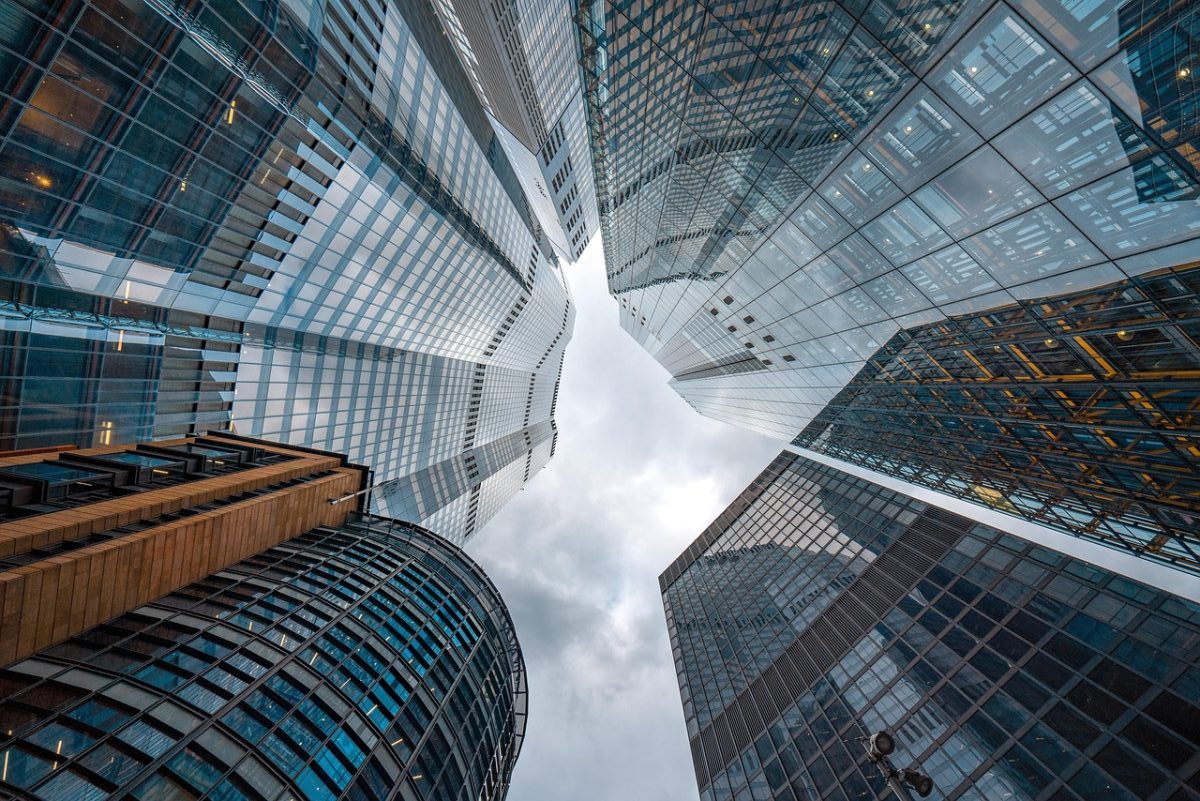
In the fight to be the tallest, architects use a trick called “vanity height.” This is the distance between the highest occupied floor and the very top of the spire. In some of the world’s most famous towers, 30 percent of the building is just a hollow steel needle. This space cannot be used for offices or apartments, but it adds hundreds of feet to the official record. It is a massive waste of materials and energy just for bragging rights. But the maintenance costs are what really kill the profit.
Why it Costs a Fortune to Wash the Windows
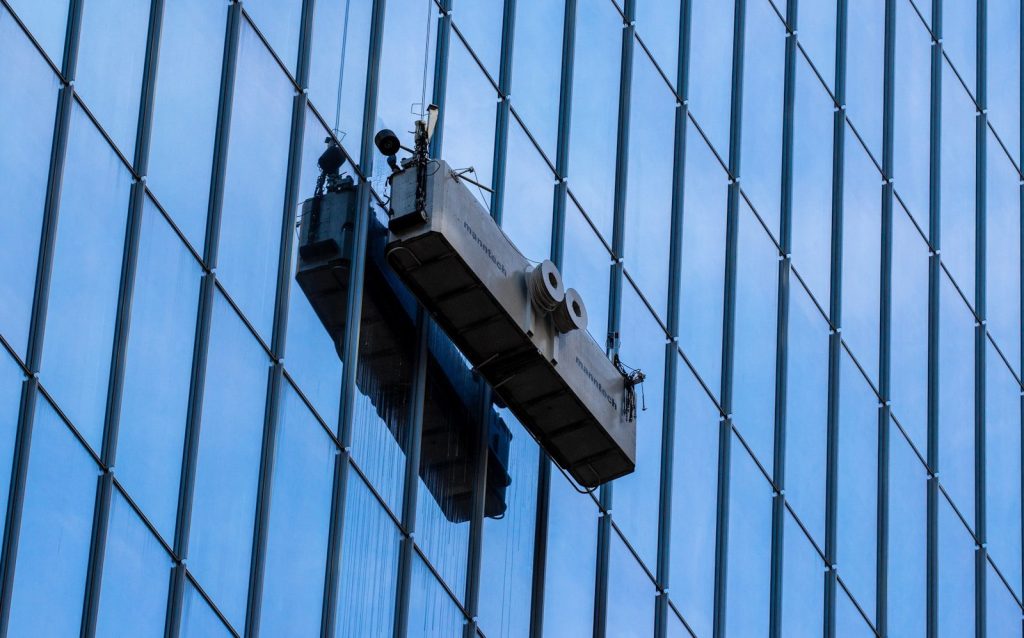
Maintaining a giant tower is an engineering nightmare. The wind at 2,000 feet is so strong that it can rip panels off the building. The cost of simply cleaning the windows or fixing a pipe on the 100th floor is ten times higher than on the ground level. Specialized robotic systems are required just to keep the glass clear. Most of these buildings lose money every single day they are open. But what about the “ghost floors” that were never finished?
The Mystery of the Dark Windows
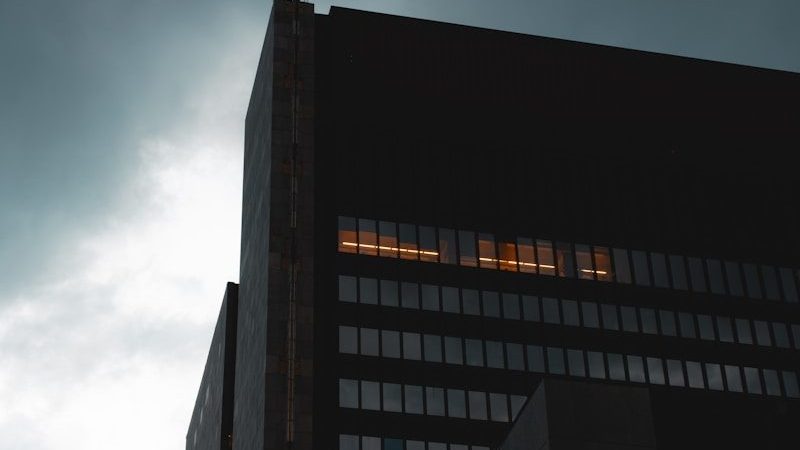
If you look at a city skyline at 8:00 PM, you will notice that many of the tallest towers are almost completely dark. These are the “ghost floors.” In some cities, wealthy investors buy apartments in these towers but never move in. They use the units as “gold bars in the sky” to store their money. This leaves the neighborhood feeling dead and empty. The building becomes a giant, silent statue rather than a living part of the city. But the elevator problem is even worse.
Spending Half Your Day in an Elevator
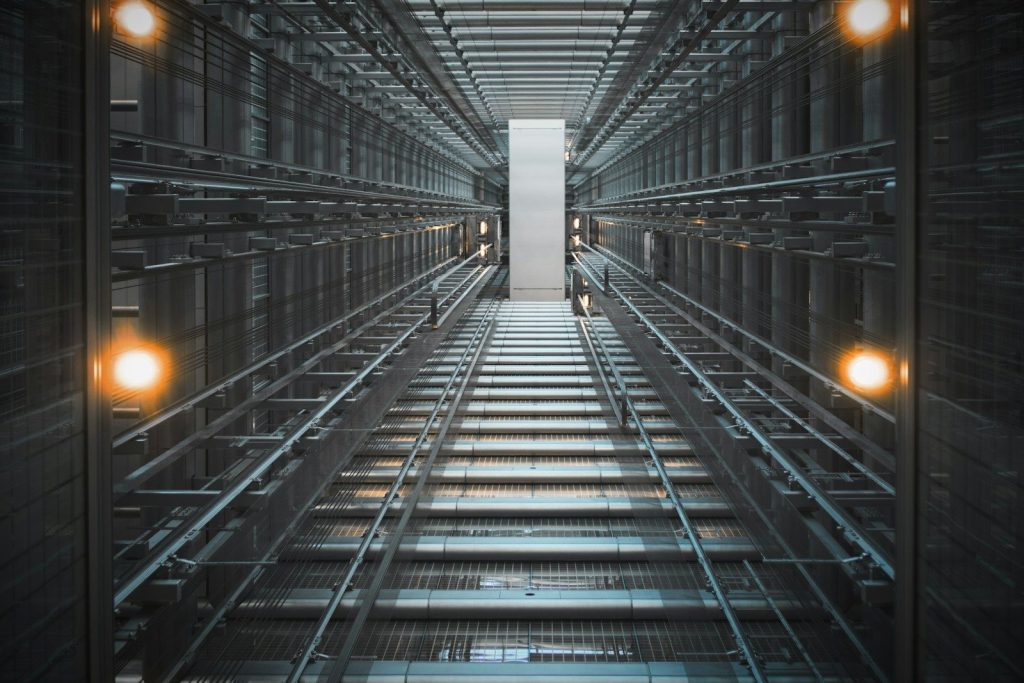
As a building gets taller, it needs more elevators. But elevators take up space. In ultra-tall towers, the “core” of the building becomes so full of elevator shafts that there is almost no room left for people. Residents often have to take three different elevators just to reach their front door. It can take ten minutes just to go from the lobby to the bedroom. This “vertical commute” is one of the main reasons people are moving back to shorter buildings. But the wind is the scariest part of living high up.
The Building That Sways in the Wind
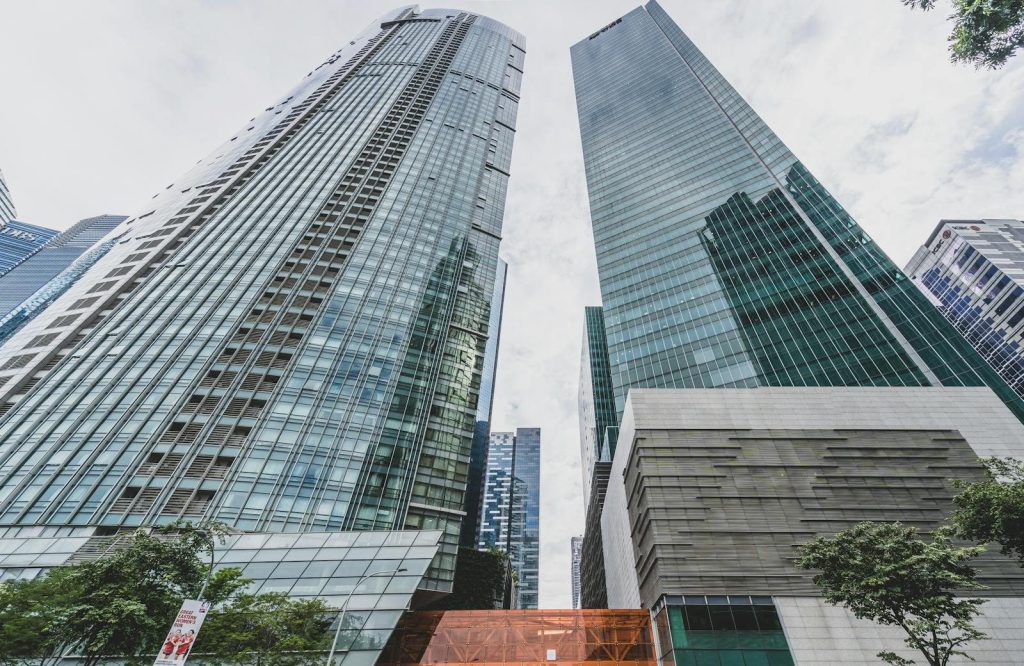
Every skyscraper sways, but the tallest ones move by several feet during a storm. This can cause “skyscraper sickness,” where residents feel nauseous just by standing in their living room. Engineers use giant “tuned mass dampers”—huge weights that act like a pendulum—to stop the swaying. These weights weigh hundreds of tons and cost millions of dollars. They are necessary to keep the building from snapping, but they add to the massive waste of space. But wait until you see the environmental cost of all that glass.
A Greenhouse in the Sky
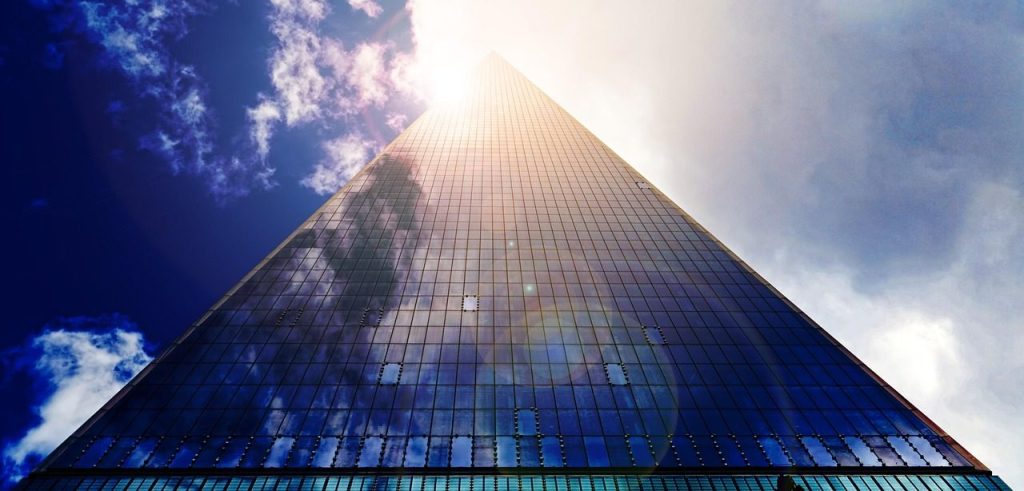
Glass towers are essentially giant greenhouses. They trap heat from the sun, requiring massive amounts of air conditioning to keep the interior cool. The carbon footprint of a single mega-tall building is the same as that of a small town. In 2026, many cities are starting to ban all-glass buildings to meet climate goals. The “prestige” of a glass tower is quickly becoming a mark of shame. But how do you fix a trillion-dollar mistake?
Turning Skyscrapers into Vertical Farms
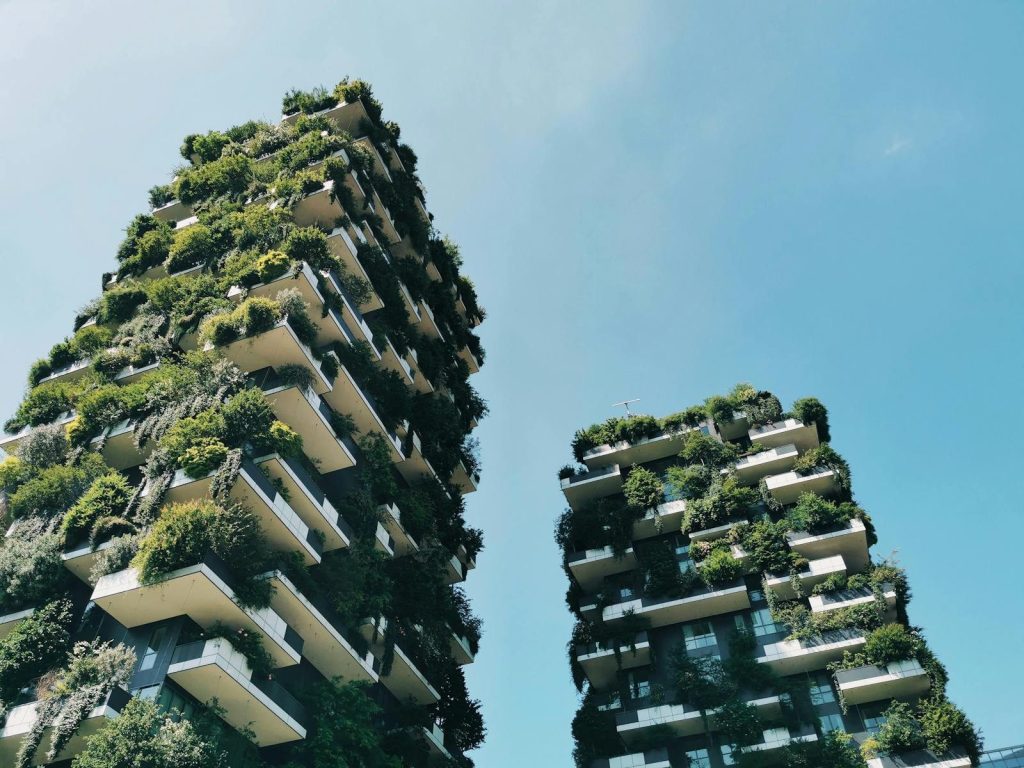
Since people don’t want to work in these empty towers, engineers are looking for new uses. One idea is to turn the empty floors into vertical farms. The glass walls provide plenty of light for crops like lettuce and berries. This could turn a “dead” building into a productive food source for the city. It is a radical reuse of the world’s most expensive real estate. But is it enough to save the local economy?