The United States is a nation built on the dreams and hard work of immigrants. Throughout history, individuals from all corners of the globe have arrived on American shores looking for opportunity. In return, they have completely transformed the country’s science, technology, art, and business landscapes. These trailblazers prove that diversity is America’s greatest strength. They have founded multi-billion-dollar companies, advanced medical science, and shaped popular culture. By studying their incredible journeys, we can see how the American Dream continues to inspire global innovation. But who are these remarkable figures? Many of the products you use every day and the ideas you value most came from these visionary minds. The first story begins with an immigrant who literally wired the modern world with his groundbreaking inventions.
Nikola Tesla and the electric age
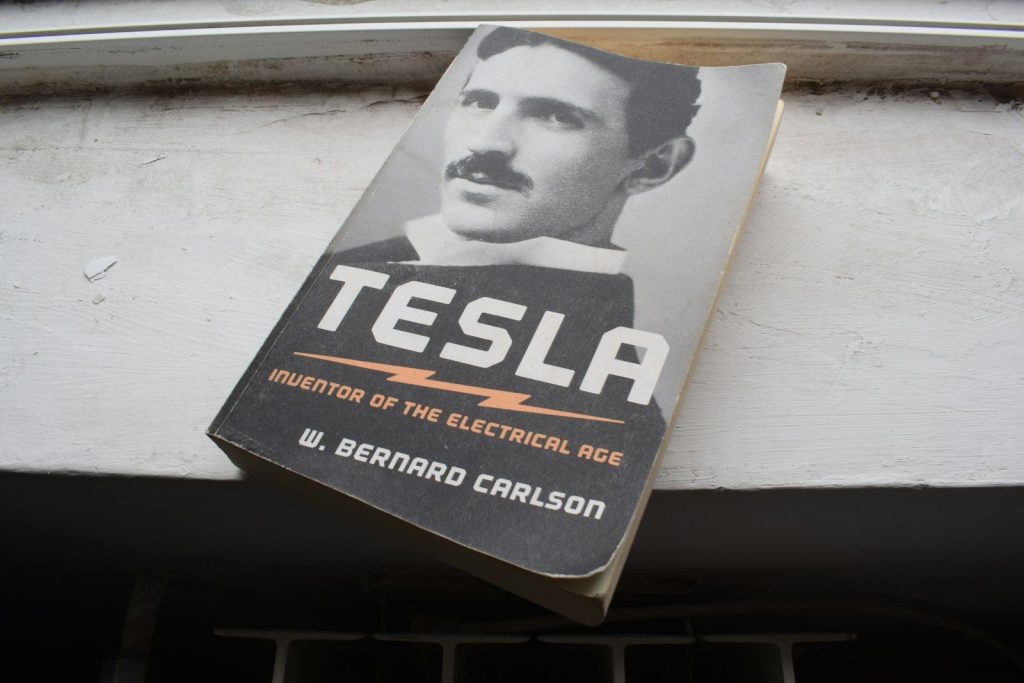
Nikola Tesla arrived in New York in 1884 with little more than a book of poetry and a few coins in his pocket. He had big dreams. According to historical records from the Smithsonian Institution, the Serbian inventor went on to develop alternating current electricity. This system still powers the modern world today. Tesla also pioneered wireless communication and early robotics. Despite facing severe financial struggles and intense rivalry, his genius could not be suppressed. His contributions laid the foundation for the entire electrical grid we rely on every single second. But another brilliant European immigrant would soon escape war to revolutionize our understanding of the universe. This physicist became the ultimate symbol of scientific genius.
Albert Einstein and cosmic secrets
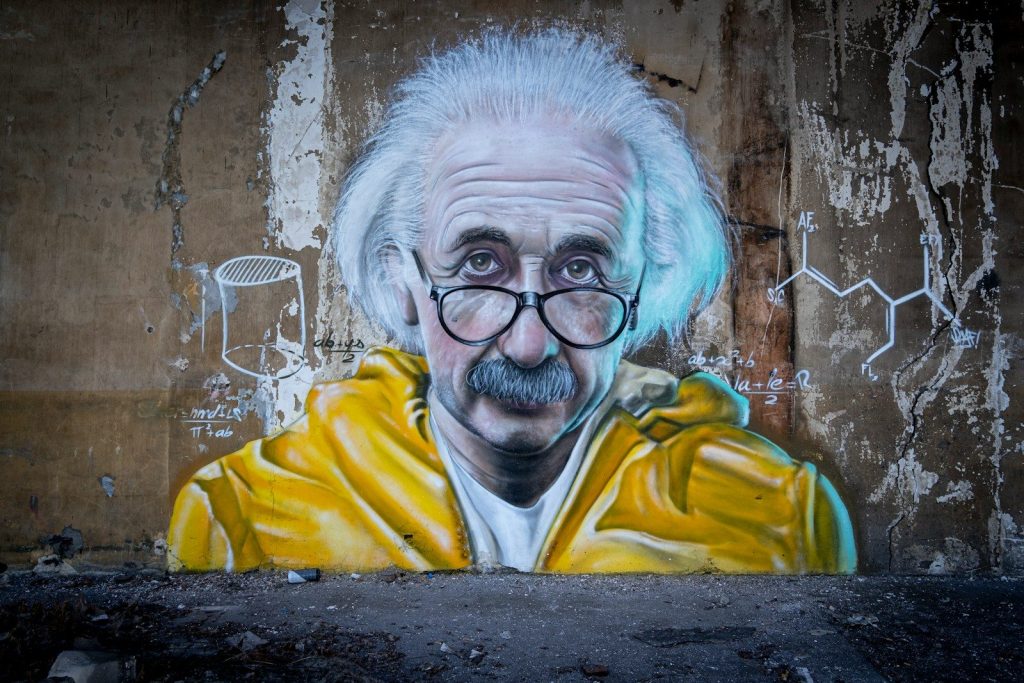
Albert Einstein fled Nazi Germany in 1933 to accept a position at Princeton University. It was a historic move. According to historical records, the Jewish physicist brought his revolutionary theory of relativity to American shores. This work completely reshaped the field of modern physics and ushered in the atomic age. Einstein was also a passionate advocate for civil rights and humanitarian causes in his adopted home. His iconic name became globally synonymous with high intellect and creativity. But immigration has also driven the modern tech revolution in Silicon Valley. The co-founder of the world’s most popular search engine was born in the Soviet Union.
Sergey Brin and the digital search

Sergey Brin was just six years old when his family immigrated to the United States from the Soviet Union to escape anti-Semitism. It was a difficult transition. According to reports from Forbes, Brin co-founded Google in a Stanford University dorm room. This search engine revolutionized how humanity accesses information and built one of the most valuable companies on Earth. Brin’s story is a classic example of how welcoming young minds can lead to massive economic growth. He helped turn Silicon Valley into the technological capital of the world. However, another modern visionary from Africa is pushing the boundaries of space travel. This immigrant is currently working to put humans on Mars.
Elon Musk and the future frontier
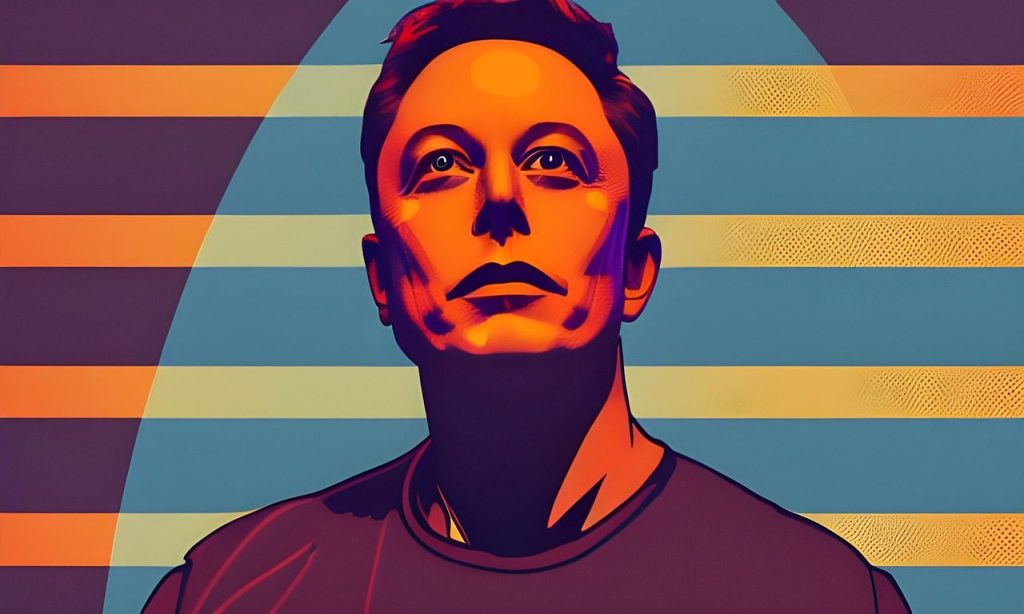
Elon Musk was born in South Africa and immigrated to the United States after studying in Canada. He has a massive vision. According to reports from Bloomberg, Musk has founded several revolutionary companies, including SpaceX and Tesla. His vision has single-handedly forced the global auto industry to transition to electric vehicles. His rockets have also privatized space travel and lowered the cost of satellite launches. While his public persona is often controversial, his impact on modern engineering is undeniable. But immigrants have also shaped the foods we eat and the household brands we love. A young immigrant from Germany built a company that still dresses millions of Americans today.
Levi Strauss and the denim revolution
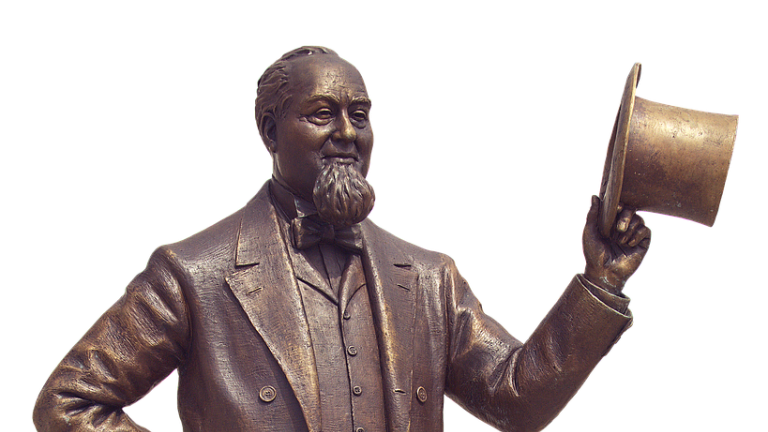
Levi Strauss immigrated to America from Bavaria in 1847 to escape difficult economic conditions. He was very ambitious. According to historical reports from the Smithsonian, he traveled to San Francisco during the gold rush to open a dry goods business. There, he partnered with a tailor to invent the first pair of riveted blue jeans. This sturdy work pants design became a global symbol of American style and culture. Today, his company remains a massive household brand. But another immigrant would use his culinary passion to build a global food empire. This chef introduced a classic Italian product that became an American staple.
Ettore Boiardi and the pasta empire

Ettore Boiardi arrived at Ellis Island from Italy in 1914 as a teenager. He possessed amazing skills. According to historical archives, his culinary talents quickly earned him a job as a head chef at top New York restaurants. He eventually opened his own restaurant and began canning his famous pasta sauce for customers to take home. This led to the creation of the massive food brand Chef Boyardee. His face still grins from millions of grocery store shelves across the nation. But immigrants have also reached the highest levels of American government and diplomacy. This female trailblazer became the first woman to serve as Secretary of State.
Madeleine Albright and global diplomacy

Madeleine Albright arrived in the United States as a young refugee escaping the horrors of World War II and communism in Czechoslovakia. It was a long journey. According to reports from the Department of State, she rose through the ranks of academia and politics to become the country’s first female Secretary of State. Her fierce intelligence and diplomatic skill shaped American foreign policy during a critical era of global transition. Albright was a passionate champion of democracy and human rights until her passing. Her remarkable life proves that immigrants can serve their adopted nation with unmatched loyalty. But our final story is about a brilliant creator who defined the sound of American patriotism. This composer wrote one of the most famous patriotic songs in American history.
Irving Berlin and the American soundtrack

Irving Berlin fled severe persecution in Russia and arrived in New York City in 1893. He loved his new home. According to historical records, the young immigrant taught himself to play the piano and began writing songs. He went on to compose classic hits like God Bless America and White Christmas. His music captured the very heart and soul of his adopted country during both war and peace. Berlin always expressed deep gratitude to the nation that welcomed his family with open arms. Ultimately, these diverse immigrant voices prove that America is not defined by where we come from, but by what we build together.
Featured Image: Photo by Pierre Blaché on Unsplash