Most people believe that reducing global emissions is enough to stop climate change. We assume that cutting back on fuels will naturally heal our atmosphere.
But a massive global competition is proving we must actively clean the sky ourselves. Tech innovators are racing to build machines that pull carbon directly out of thin air.
A Colossal Prize

A major climate challenge has offered a massive hundred million fund to solve global warming. The goal is to design technology that scales rapidly. According to reports from XPrize, this is the largest incentive prize in history. The stakes are huge. But competing teams must prove their machines can work under real-world conditions.
Pulling Air Apart

The leading technology uses giant industrial fans to draw in normal atmospheric air. Specialized chemical filters then capture the carbon dioxide molecules while letting other gases escape. According to engineering journals, this system acts like a synthetic forest. It is incredibly loud. However, storing this captured gas safely presents a whole new engineering battle.
Turning Gas Into Rock
Instead of keeping the captured carbon as a gas, scientists are turning it into solid stone. They mix the gas with water and pump it deep into volcanic basalt formations. According to researchers at Carbfix, this liquid mixture reacts and solidifies in under two years. The science is solid. But this permanent storage method requires massive amounts of power.
The Energy Dilemma
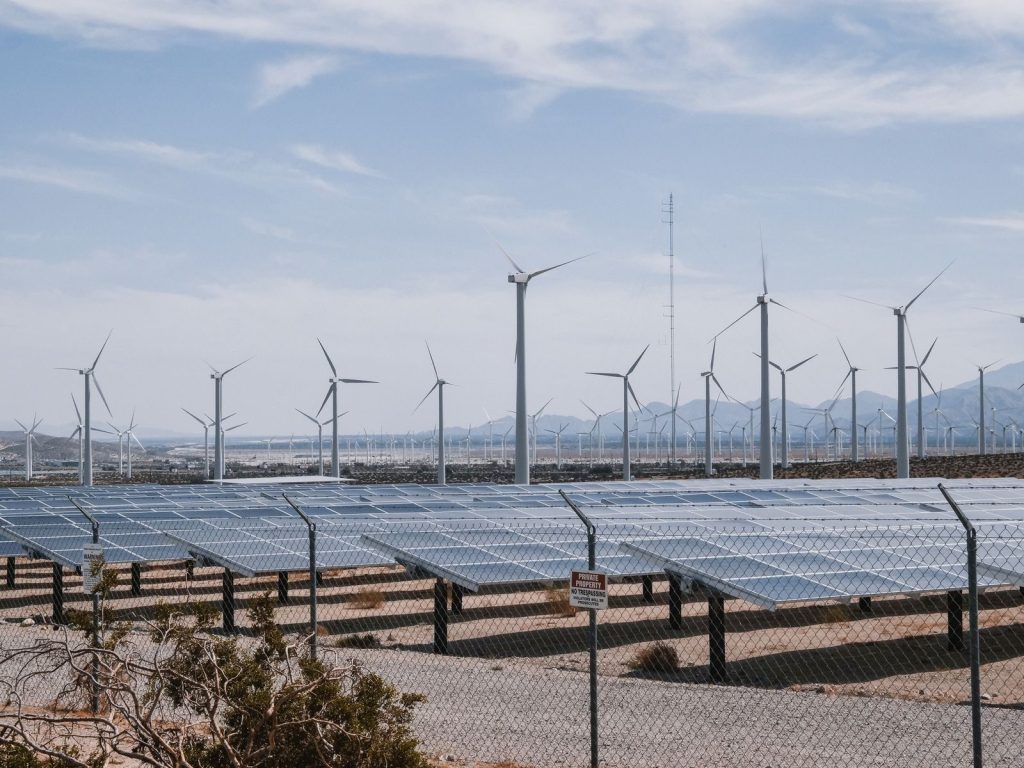
Running these massive carbon-capturing facilities requires clean, renewable energy to be truly effective. If a plant runs on coal power, it defeats its own purpose. According to climate scientists, finding enough green power is a major bottleneck. Clean power is rare. This resource struggle is pushing teams to look for creative natural solutions.
Ocean-Based Solutions

Some innovative teams are looking at the sea rather than the air. They are developing methods to boost the natural carbon-absorbing power of ocean plants. According to marine ecologists, kelp forests can capture carbon ten times faster than land trees. They are super plants. Yet, disturbing delicate marine ecosystems could trigger some highly unexpected consequences.
Scale Is Everything
To make a real dent in global warming, humanity must capture gigatons of carbon annually. Current experimental facilities only capture a tiny fraction of that goal. According to industry analysts, we need thousands of massive plants operating worldwide. The challenge is immense. But the brilliant minds chasing this mega prize are closer than ever to a breakthrough.
A Cleaner Tomorrow

The race to capture carbon proves that human engineering can rise to meet our greatest planetary threats. According to environmental experts, combined efforts in tech and nature will define the future of our climate. The race is on. This article is for informational purposes only.
Featured Image: Photo by Stanisław Krawczyk on Unsplash
Leave a Reply