
We assume that traveling to Mars requires the same technology as old Moon missions. Most people believe that space companies will simply use slightly larger traditional boosters.
But a radical new stainless steel vehicle is rewriting the aerospace playbook. Its unique fueling design represents the real key to conquering our solar system.
The Steel Choice
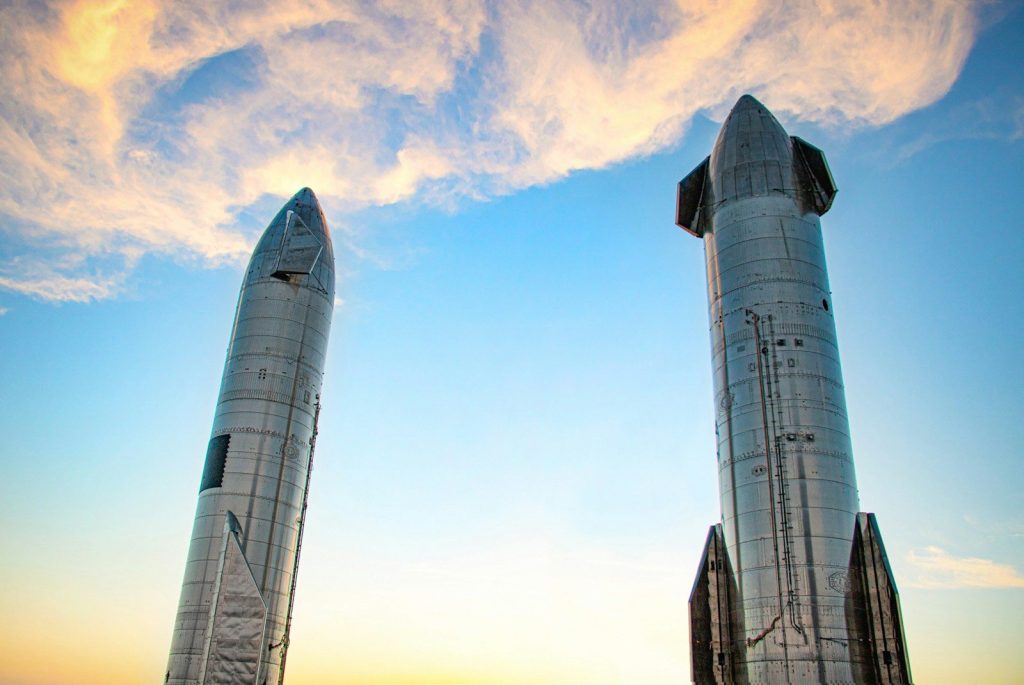
Most modern aerospace companies build their rockets using lightweight carbon fiber or advanced aluminum alloys. These expensive materials withstand the immense pressures of launch. According to structural engineers, SpaceX chose cheap stainless steel because it handles extreme orbital temperatures beautifully. Steel is tough. This unusual material choice allows the vehicle to survive hot atmospheric entries.
Orbital Fuel Stations
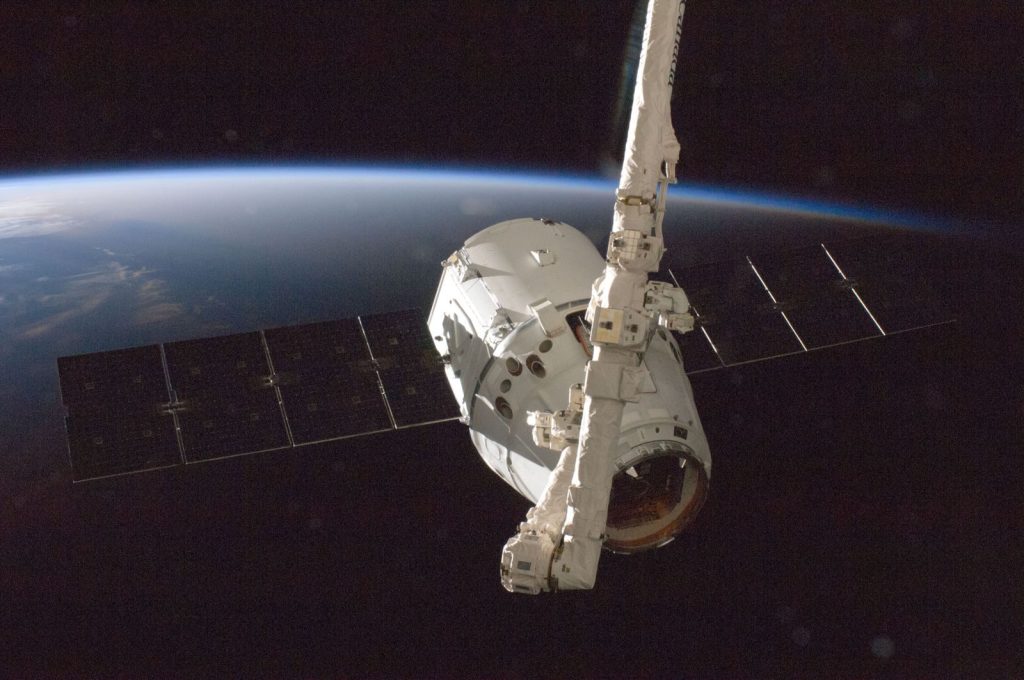
A single rocket cannot carry enough fuel to launch from Earth and travel all the way to Mars. The vehicle must refill its massive tanks while floating in low orbit. According to spaceflight reports, technicians must launch several tanker vessels to load a single deep-space rocket. Refueling is hard. This complex orbital gas station represents the biggest test for the mission.
Floating Liquid Fuel

Transferring volatile rocket fuel in zero gravity is an incredibly complex engineering puzzle. Without gravity, cryogenic liquids float as wild bubbles inside the storage tanks. According to propulsion experts, engineers must spin the spacecraft gently to settle the liquid before transfer. Physics never rests. This orbital fuel transfer is a vital skill for deep-space travel.
The Raptor Engine

The heavy vehicle relies on powerful methane-burning engines that produce millions of pounds of thrust. Methane is highly efficient and clean compared to old rocket fuels. According to engine designers, this fuel choice allows astronauts to manufacture propellants directly on the Martian surface. Engines are loud. This local fuel creation is the only way to secure a return trip.
Catching The Booster
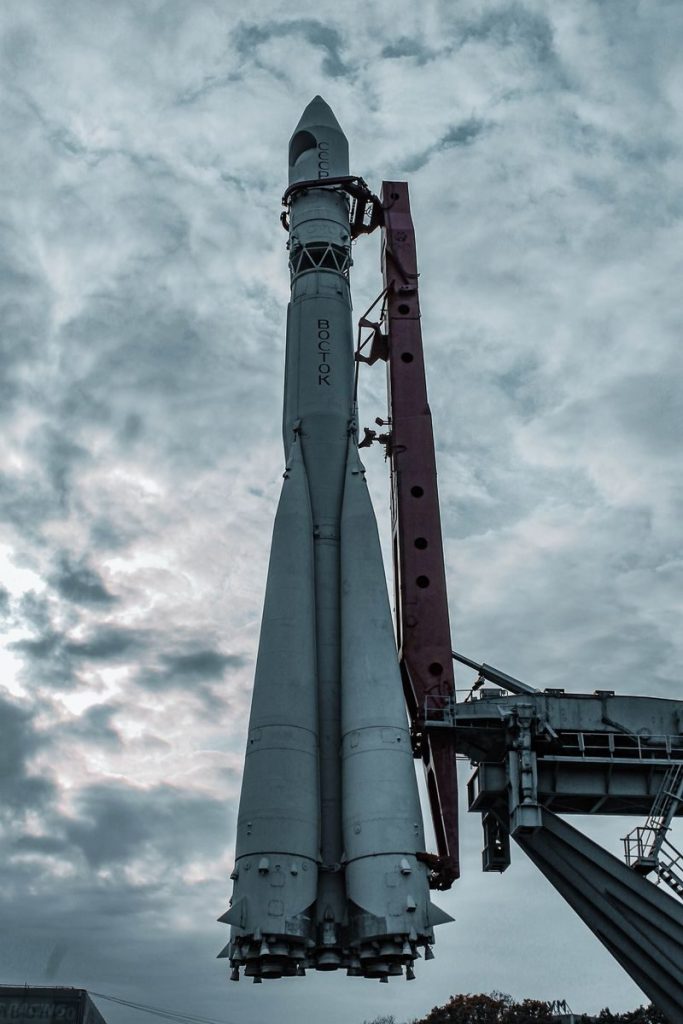
To reduce launch costs, the massive first-stage booster must return to the pad immediately. Giant mechanical arms on the launch tower catch the falling rocket in mid-air. According to structural analysts, this radical landing method eliminates heavy legs from the vehicle design entirely. Timing must be perfect. This bold recovery trick allows for rapid recycling of boosters.
Martian Entry Shields

Surviving the thin Martian atmosphere requires a unique aerodynamic belly flop maneuver. The giant ship uses large active flaps to control its high-speed descent. According to planetary safety researchers, this wild landing profile bleeds off speed without requiring heavy braking fuel. Falling is scary. This dramatic deceleration is the final step before touching down on the red dirt.
Conquering The Void

The journey to Mars will test the absolute limits of human ingenuity and material science. By mastering orbital refueling and rocket recycling, we are opening the door to other worlds. According to aerospace visionaries, these engineering steps will soon make humanity a multi-planetary species. The stars wait. This article is for informational purposes only.
Leave a Reply