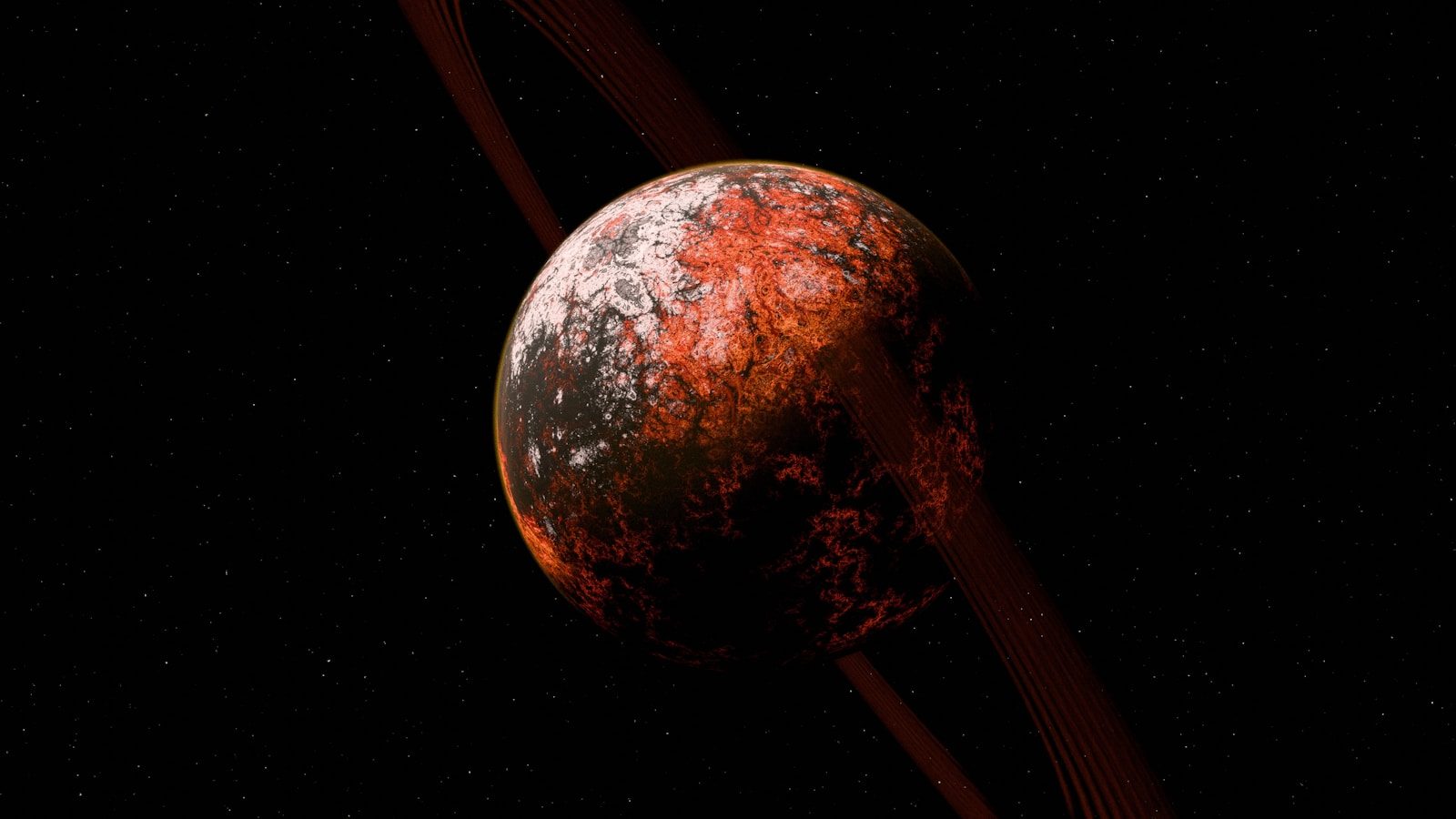
Astronomers have long searched for a planetary twin that perfectly matches our blue home. We expect a foreign world to look like a familiar spinning ball of oceans and continents.
But a nearby alien planet looks like a giant eyeball staring through deep space. This bizarre structure completely redefines our expectations of what a habitable world can look like.
The Cetus Constellation Neighbor
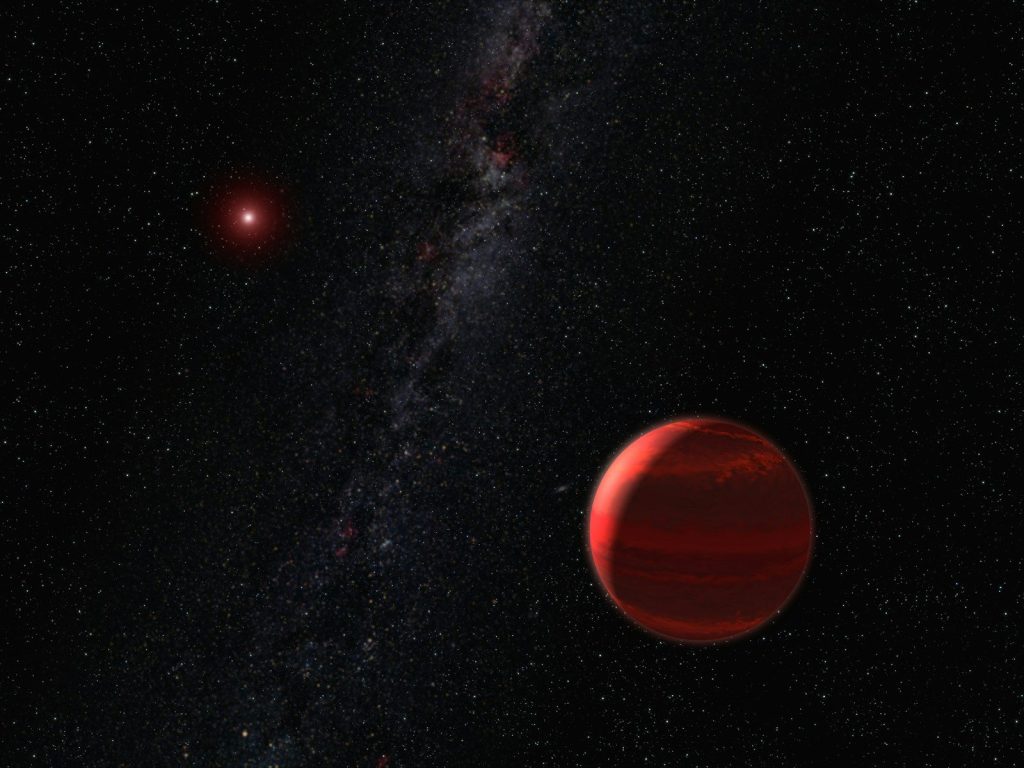
Deep inside the Cetus constellation lies a red dwarf star called LHS 1140. It is quite close. According to observations from the MEarth Project, this cool star hosts a massive exoplanet that sits in the habitable zone. This nearby world orbits its parent star at just the right distance for liquid water. But the unique way this planet orbits its star creates a highly unusual environment.
A Locked World In Space
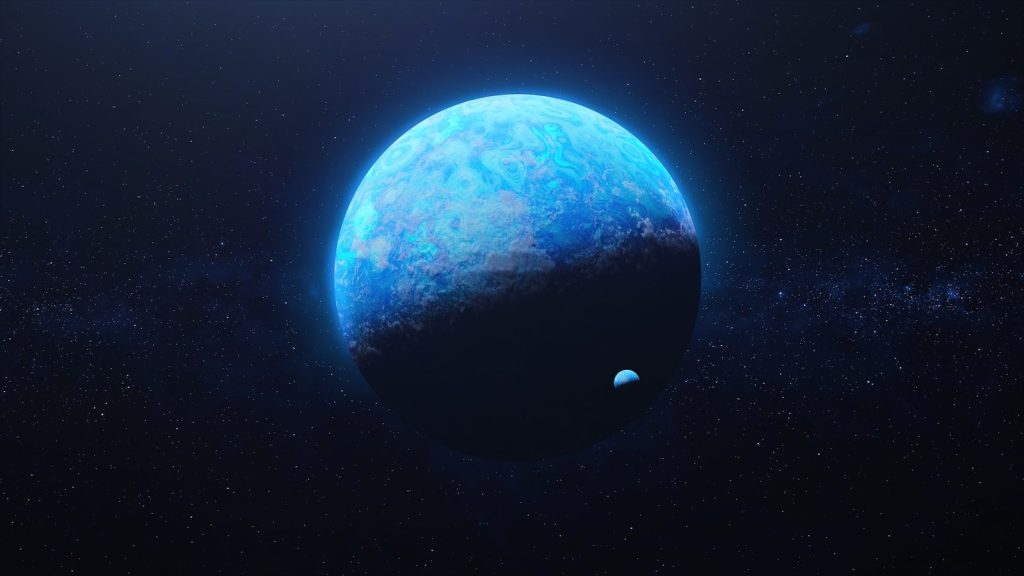
The massive gravity of the red dwarf keeps the planet tidally locked in place. One side never rotates. According to planetary scientists, this means one hemisphere faces the star in permanent daylight while the other half freezes in eternal darkness. This intense contrast prevents normal weather patterns from forming across the globe. Yet, this temperature divide creates an incredibly strange geological feature on the surface.
The Giant Eye in the Dark
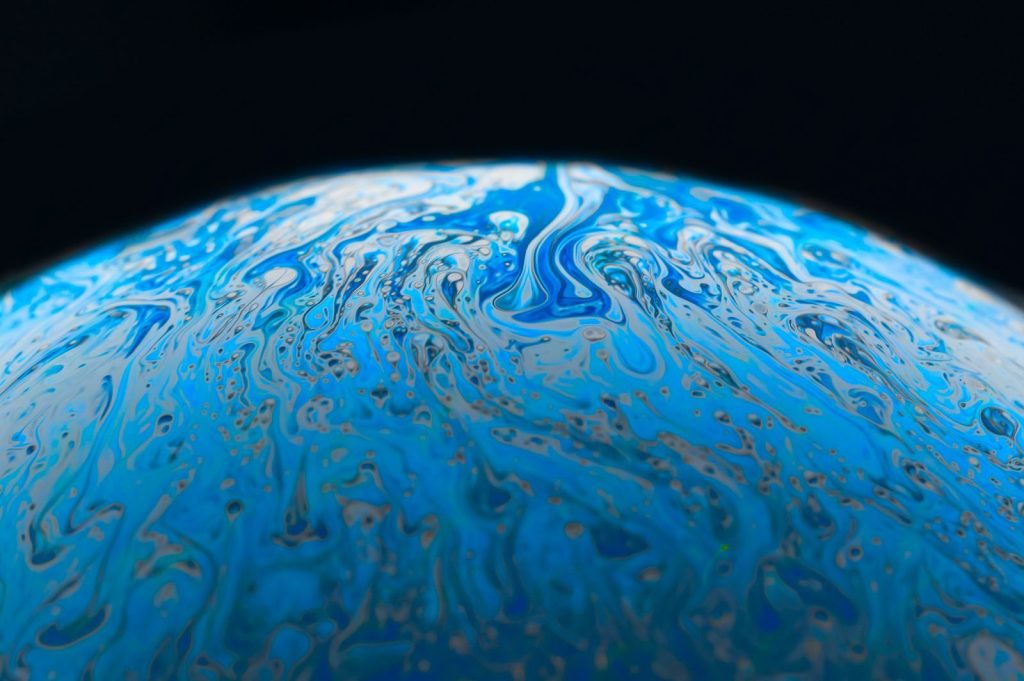
From a distance, the frozen world looks like a massive eyeball surrounded by dark ice. The visuals are striking. According to astronomical models, a circular liquid ocean rests at the sub-stellar point directly under the star. This blue iris sits in the middle of a massive global ice sheet. But confirming the existence of this liquid ocean required a powerful new tool.
A Deep Space Eye Witness
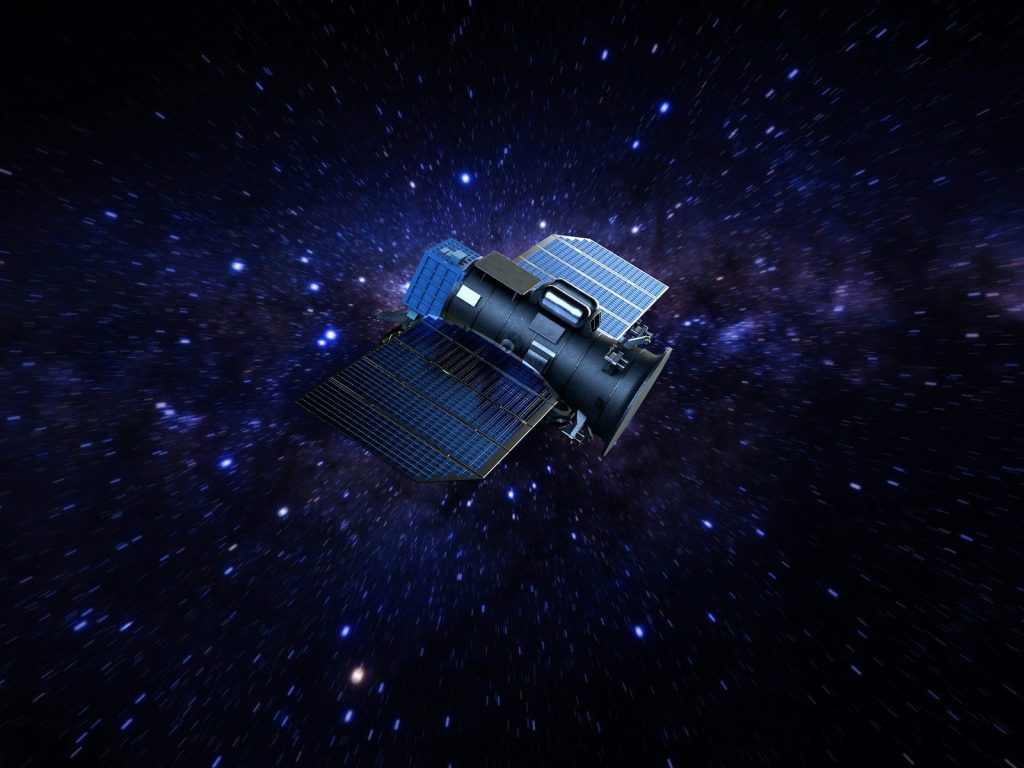
Astronomers recently trained the James Webb Space Telescope on this cold exoplanet. The results were incredible. According to reports from the Montreal Institute for Research on Exoplanets, the telescope ruled out a thick hydrogen atmosphere. This vital step confirmed the planet is a solid, water-rich super-Earth rather than a gas dwarf. However, this observation also revealed a major surprise about the planetary air.
Signs of A Nitrogen Shield
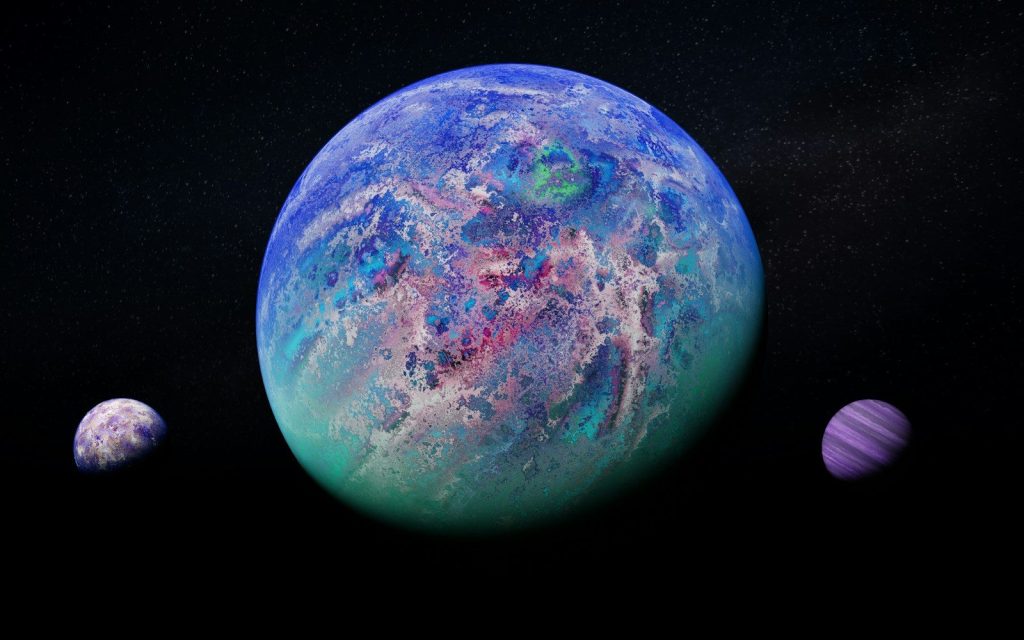
Webb picked up tentative signatures of a heavy nitrogen-rich atmosphere surrounding the planet. This gas is familiar. According to researchers analyzing the spectral data, a nitrogen atmosphere could trap enough heat to maintain a liquid ocean. It would work like a natural thermal blanket in the freezing cosmic winds. But this delicate atmospheric shield must survive a highly dangerous stellar threat.
The Quiet Star Advantage
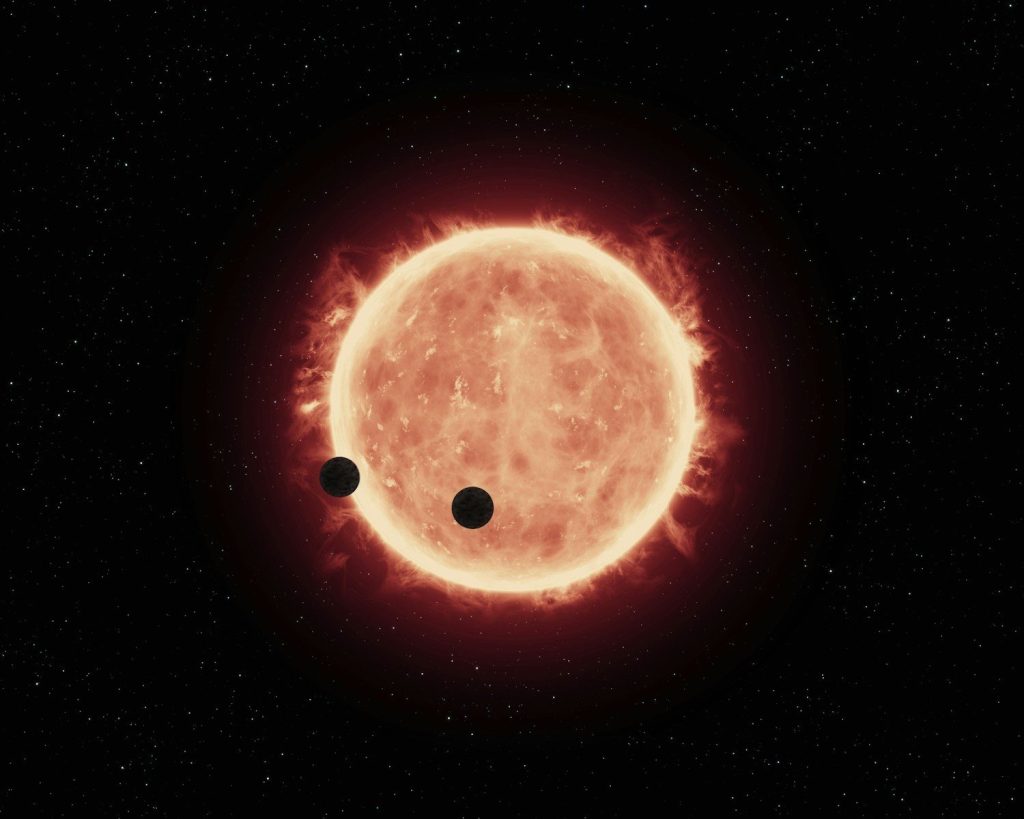
Most red dwarf stars blast their planets with deadly, atmosphere-stripping radiation flares. But LHS 1140 is different. According to astrophysics reports, this particular star is unusually quiet and rotates very slowly. This calm behavior gives the giant eyeball planet a high chance of keeping its atmosphere over billions of years. Yet, this stable climate might produce an incredibly strange ocean structure.
A Circular Atlantic Ocean
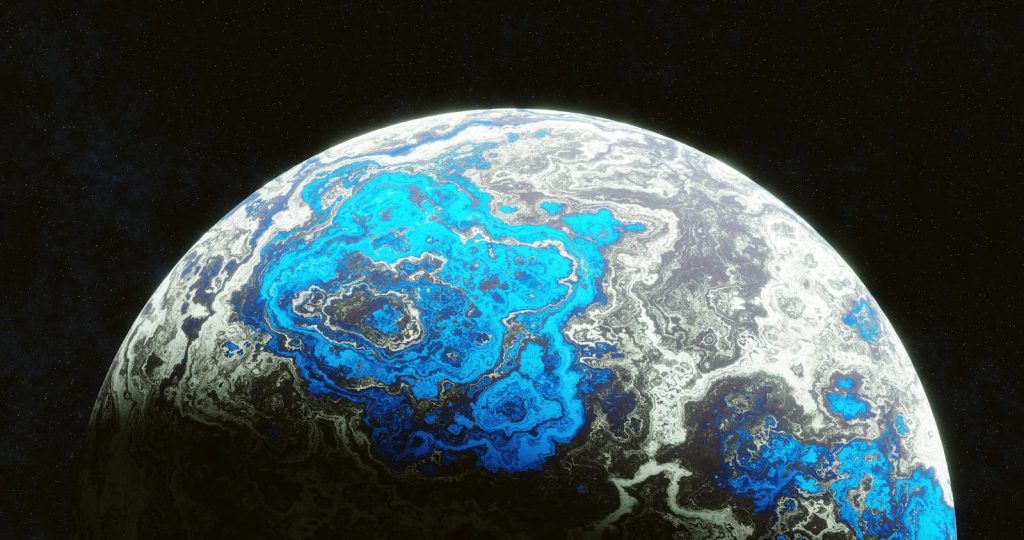
The liquid water zone on LHS 1140 b would span about four thousand kilometers wide. This is a massive basin. According to climatic models, this circular sea would equal about half of Earth’s Atlantic Ocean. The deep liquid water would remain concentrated in a single blue circle facing the star. But this alien oasis raises one final, profound question for planetary scientists.
The Search For Biosignatures
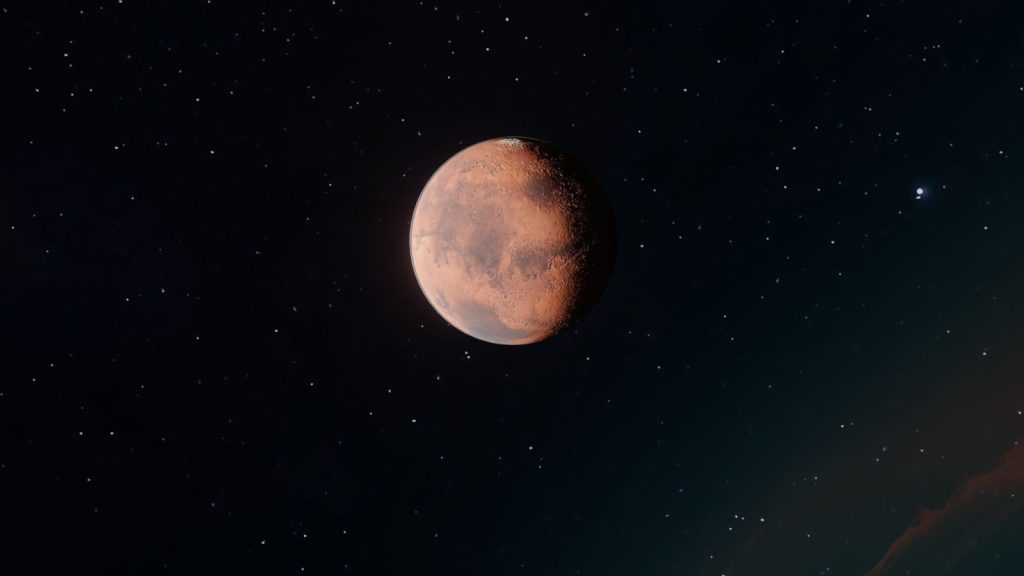
The giant eyeball planet is currently our best target for detecting signs of alien biology. The search continues. According to NASA astrobiologists, future observations will analyze this liquid ocean for biomarkers like oxygen and methane to study this alien oasis in detail. This article is for informational purposes only and does not constitute professional scientific advice.
Featured Image: Photo by Marek Pavlík on Unsplash
Leave a Reply