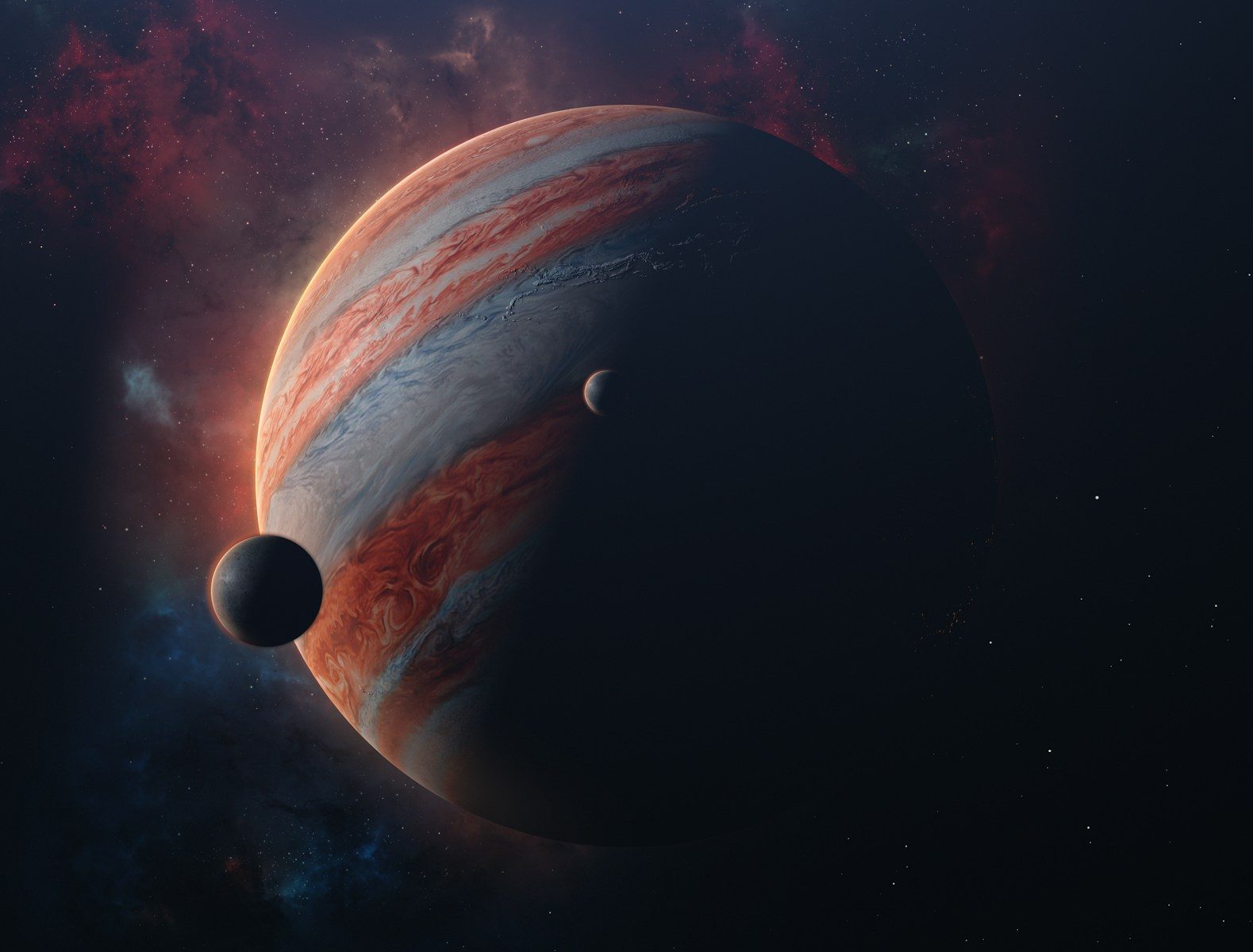
Astronomers once believed that volcanic activity requires deep planetary heat left over from planet formation. We assumed that tiny moons far from the Sun must remain frozen solid.
But a violent Jovian moon is proving that cosmic gravity can melt solid rock. A spacecraft flying nearby has just witnessed the most intense eruption ever recorded in our solar system.
The Volcanic Moon Io
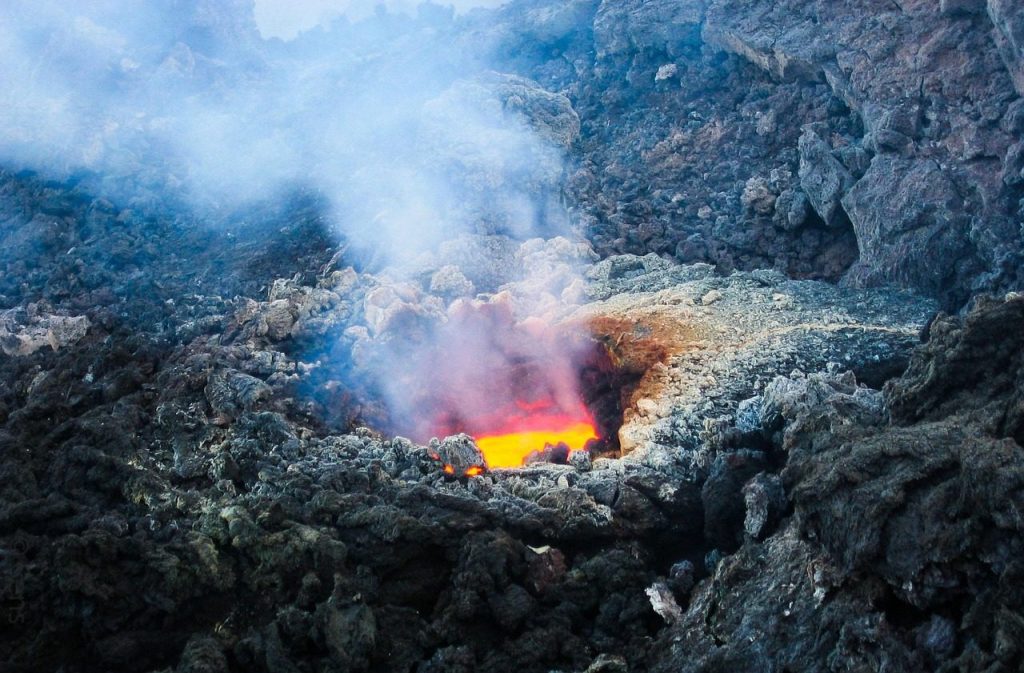
Deep in the outer solar system, Jupiter’s moon Io orbits amidst intense radiation belts. It is incredibly active. According to NASA, this rocky body holds the record as the most volcanically active world in our solar system. Hundreds of massive vents constantly spew hot sulfur and liquid rock across its yellow surface. But a giant neighbor actually drives this intense geological friction.
A Gravitational Squeeze Toy
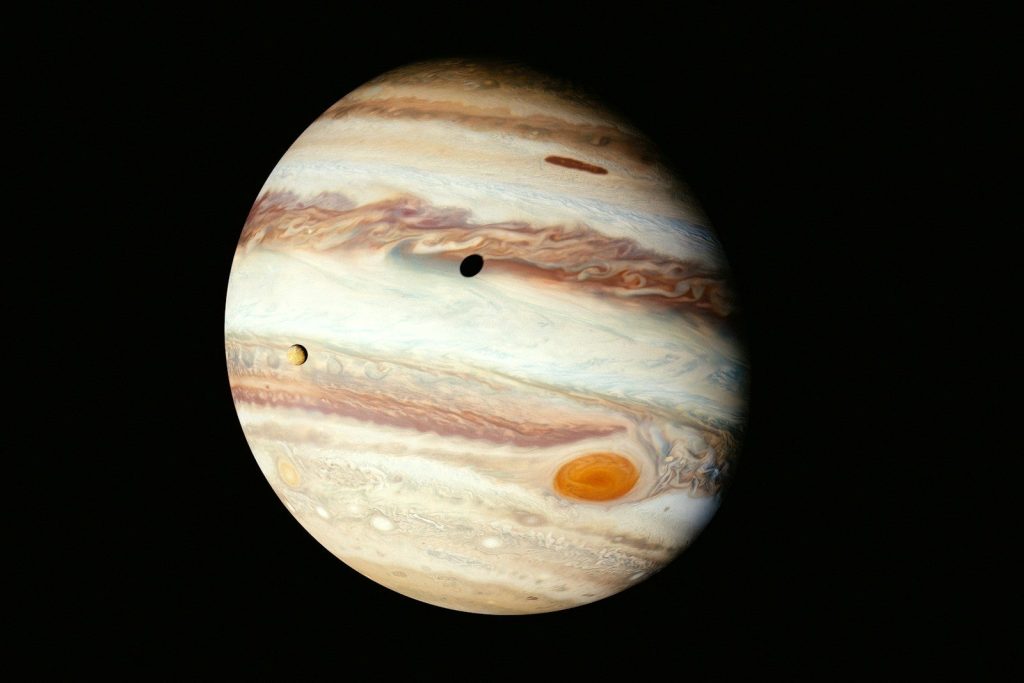
Io sits in a gravitational trap between Jupiter and other large Jovian moons. The tidal forces are brutal. According to orbital dynamicists, Jupiter’s immense pull constantly squashes and stretches the tiny moon during its forty-two hour orbit. This continuous friction melts the interior core of the moon into a sea of liquid magma. Yet, this internal melting recently produced a massive surface event.
The Massive Southern Hotspot
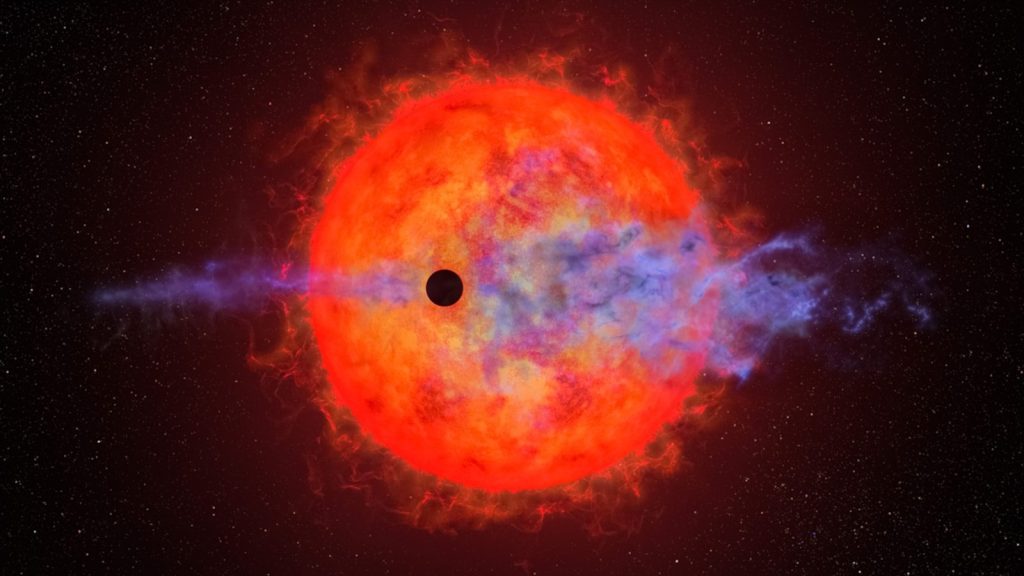
During a recent close flyby, a NASA probe captured a volcanic anomaly near Io’s south pole. The heat was immense. According to the Southwest Research Institute, an infrared instrument detected a newly formed volcanic hotspot larger than Earth’s Lake Superior. This giant fiery patch belches out massive amounts of energy every second. But this single eruption actually dwarfs the power output of our entire civilization.
Six Times Earth’s Power
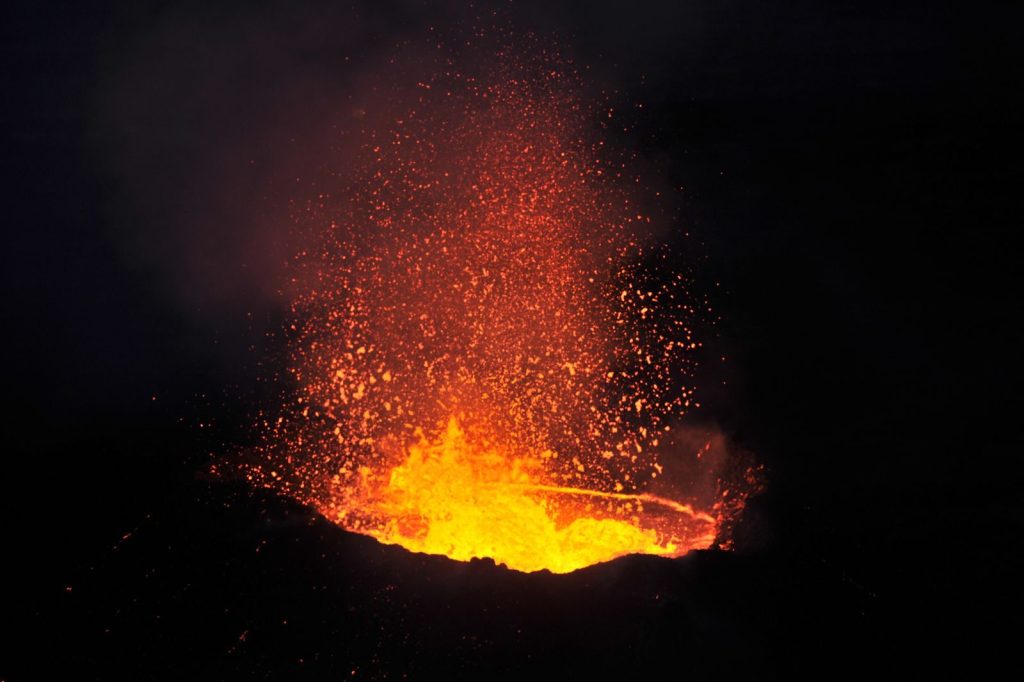
This newly discovered volcanic region emits an unbelievable amount of thermal radiation. The numbers are staggering. According to measurements from NASA’s Juno spacecraft, the hotspot radiates over eighty trillion watts of power. This energy equals six times the output of all Earth power stations combined. However, scientists believe this massive surface vent connects directly to an even larger underground system.
The Subsurface Magma Network
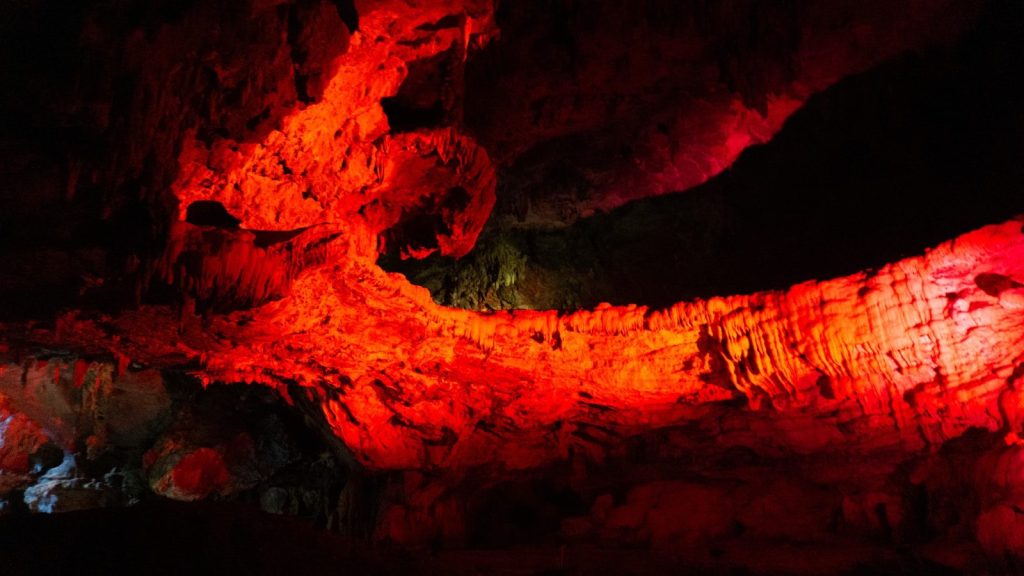
The sheer power of this eruption suggests a giant underground plumbing system. Magma flows are vast. According to volcanologists studying the Juno data, several closely spaced vents erupted simultaneously during the spacecraft’s transit. This indicates that a massive subsurface magma chamber lies hidden beneath Io’s southern crust. But this violent volcanic venting also leaves a massive chemical footprint in space.
Plumes Of Cosmic Sulfur
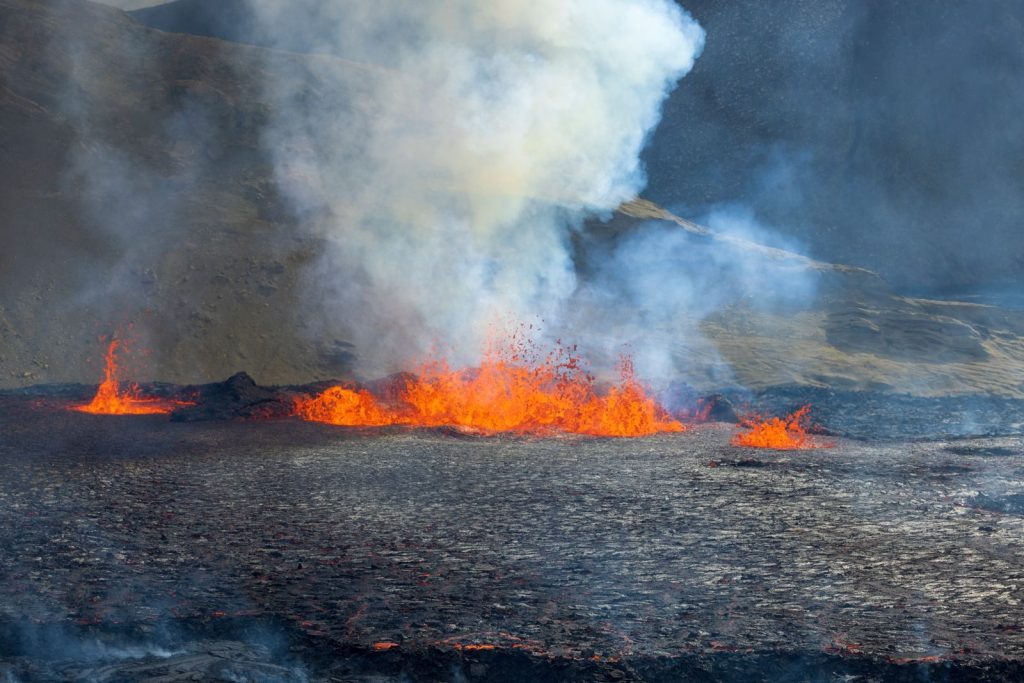
The volcanic eruptions on Io blast massive clouds of gas high into the vacuum of space. These plumes are deadly. According to spectral reports, these columns consist of sulfur and sulfur dioxide that freeze into bright deposits on the surface. Some of this material even escapes Io’s gravity and rains down on nearby icy moons. But this cosmic connection is forcing researchers to rethink the entire Jovian system.
Tracking Cosmic Surface Changes
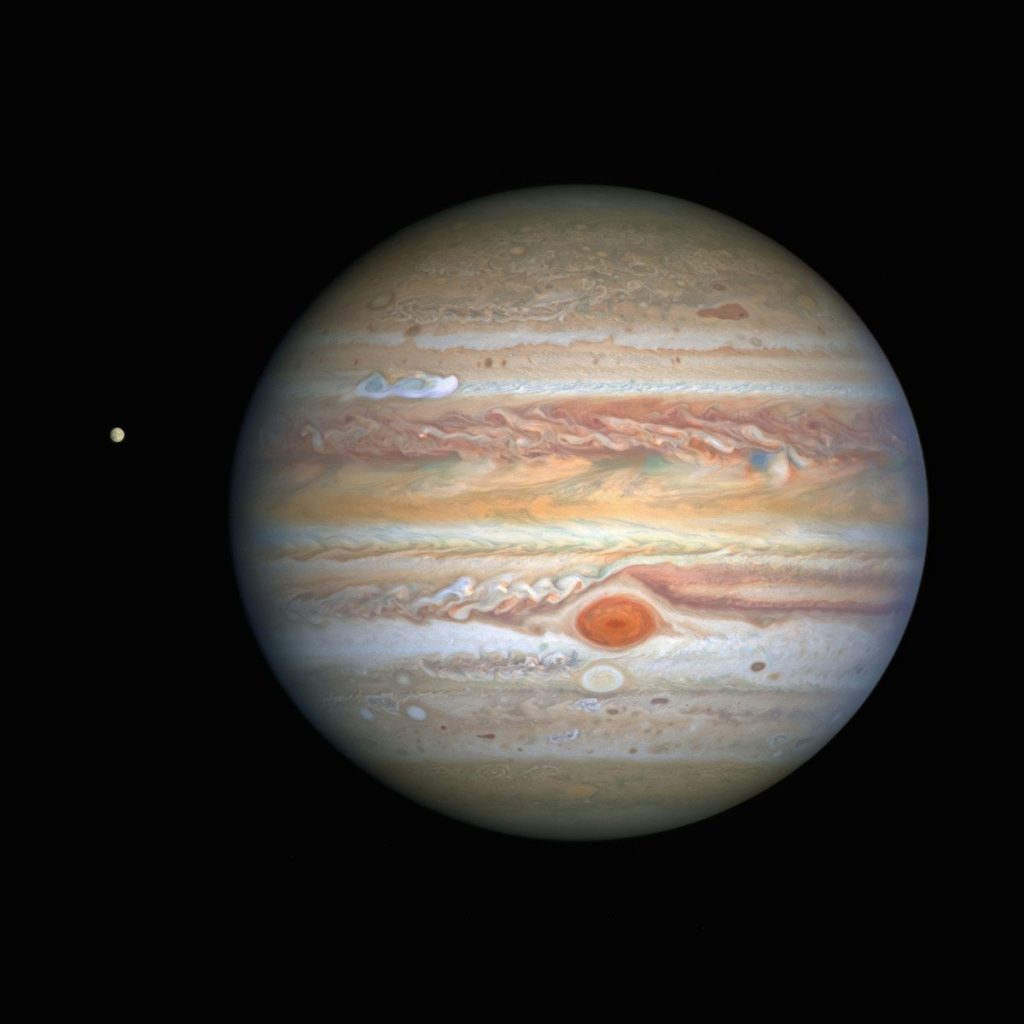
Scientists are using the Juno spacecraft to monitor how these extreme eruptions reshape the Jovian moons over time. The landscape changes rapidly. According to planetary geologists, comparing recent images with older space missions reveals completely new lava flows, helping us understand how gravitational energy shapes alien worlds. This article is for informational purposes only and does not constitute professional scientific advice.
Featured Image: Photo by Javier Miranda on Unsplash
Leave a Reply