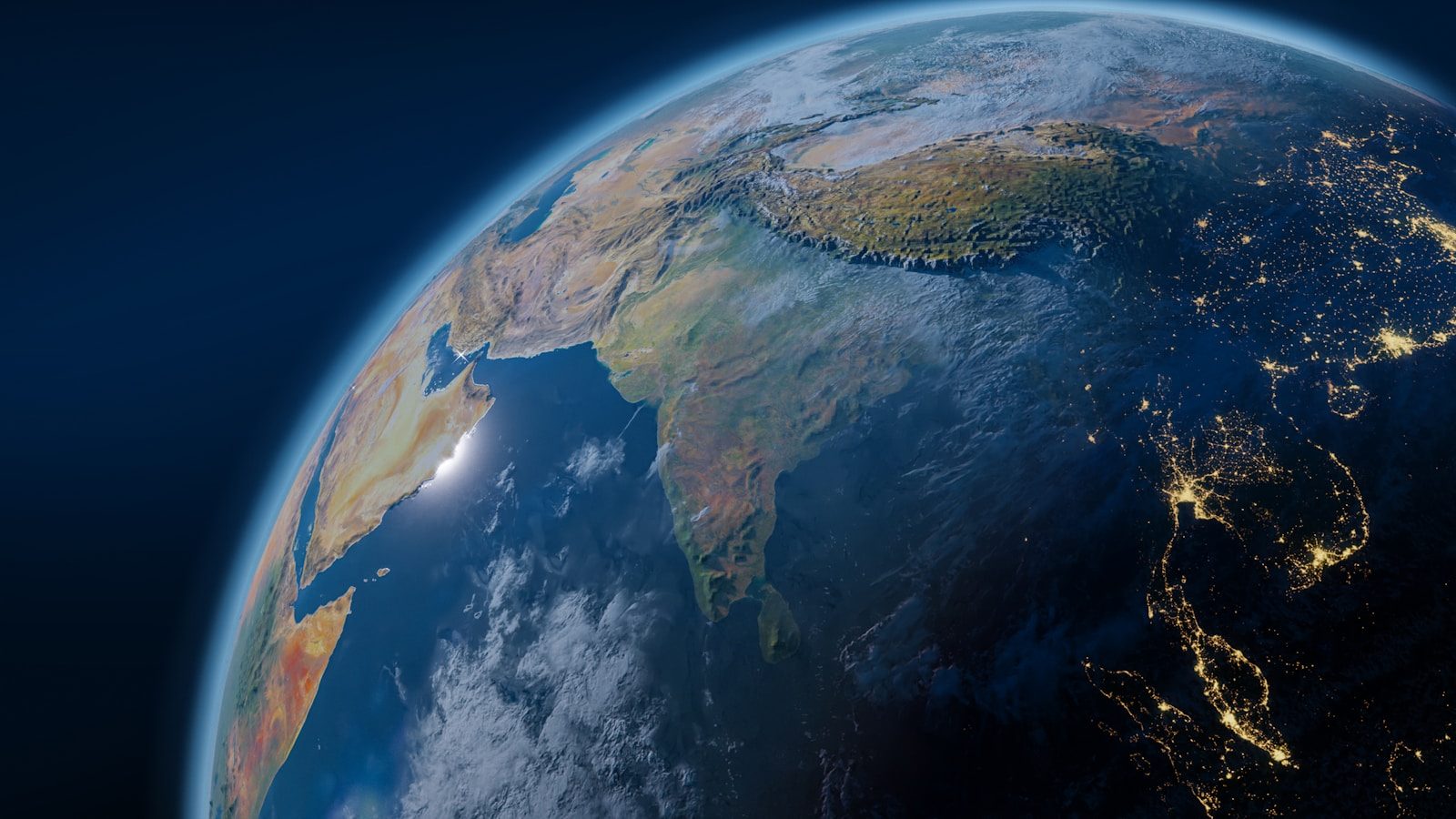
People often worry that a massive cosmic disaster will suddenly wipe out all life on Earth. We assume our planet is a fragile glass ball floating helplessly in a hostile space environment.
But our planetary home has built a series of incredible invisible defense systems. These natural shields actively work to block deadly radiation and incoming space rocks every single second.
The Silent Liquid Iron Shield

Deep inside the planet lies a giant spinning core of molten metal. This produces our magnetosphere. According to NASA, this massive magnetic bubble acts as the first line of defense against solar winds. It constantly redirects high-energy charged particles away from our surface. But this magnetic envelope is not the only shield protecting us from the cold vacuum of space.
The Gas Layer Trapping Rocks
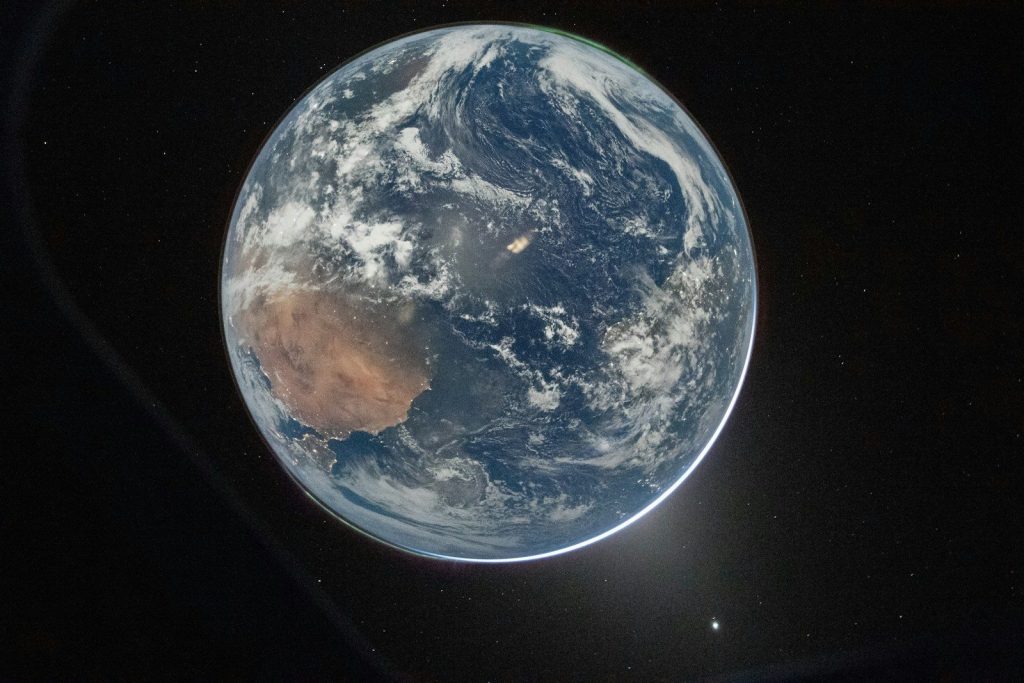
Our atmospheric blanket serves as a second physical shield. Space rocks are fast. According to reports from the Planetary Science Institute, the friction of our thick atmosphere burns up millions of tiny space particles every single day. Most objects disintegrate long before they can ever hit the ground. Yet, some larger cosmic threats require a completely different kind of active planetary protection.
A Cosmic Deep Space Sentinel
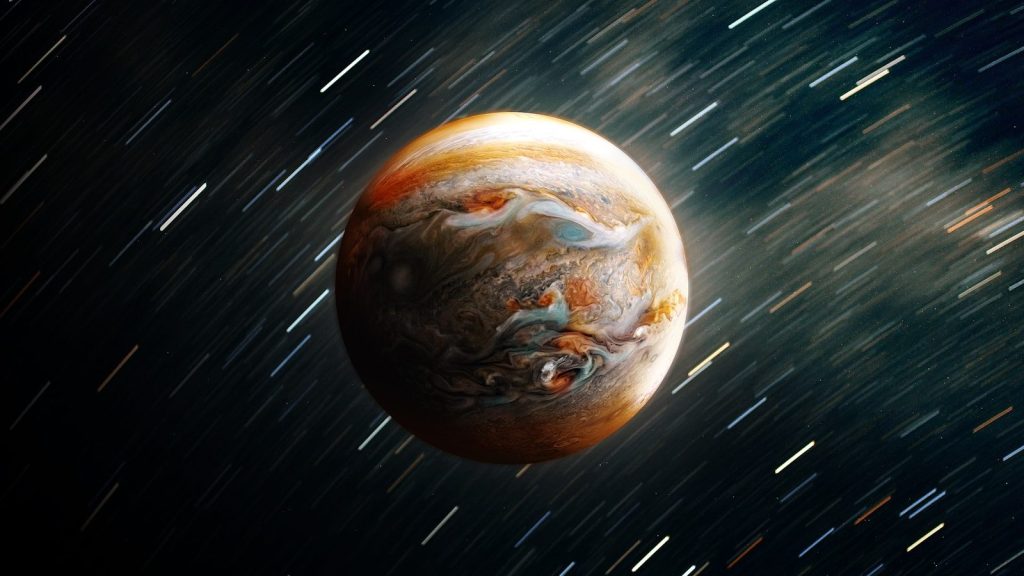
Our massive gas giant neighbors also help defend the inner solar system. Gravity plays its part. According to astrophysicists, the immense gravitational pull of Jupiter acts like a giant cosmic vacuum cleaner. It safely pulls dangerous comets and passing asteroids out of Earth’s orbital path. But our local cosmic neighborhood has another quiet guardian that most people completely overlook.
The Moon As Target Practice
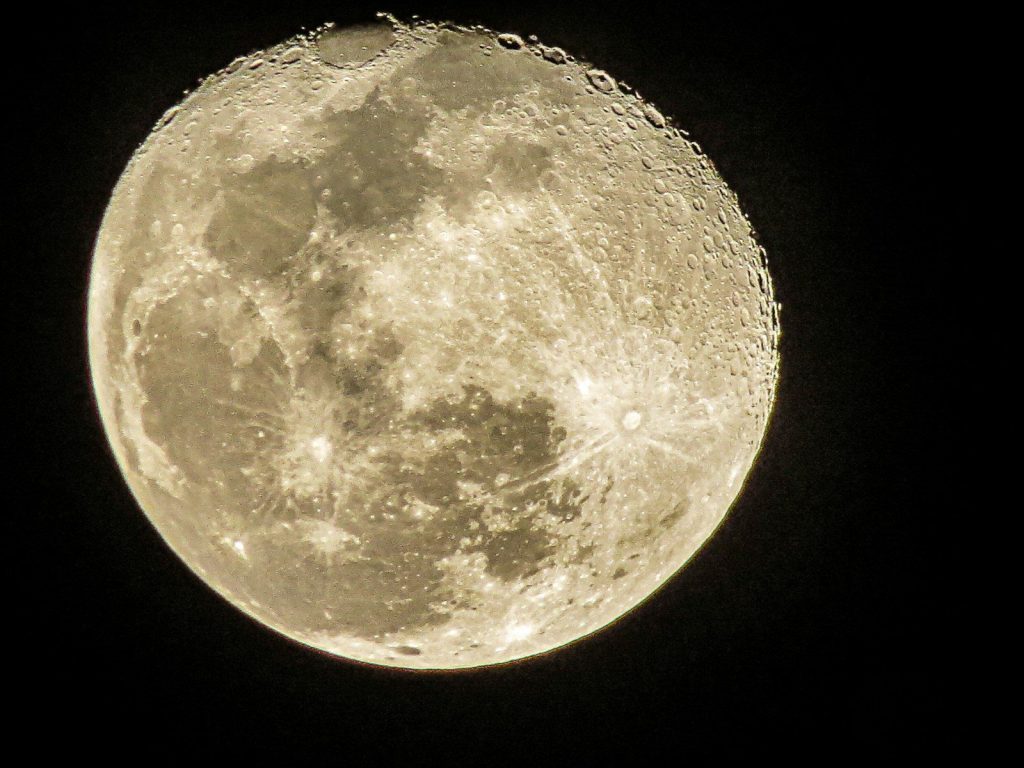
Our loyal lunar companion has protected Earth for billions of years. It wears the scars. According to geological studies of the lunar surface, the Moon took thousands of massive asteroid impacts that would have otherwise struck our home planet. Its cratered face reveals a long history of violent cosmic shielding. But this rocky defense system is actually supported by an internal planetary thermostat.
The Living Carbon Thermostat
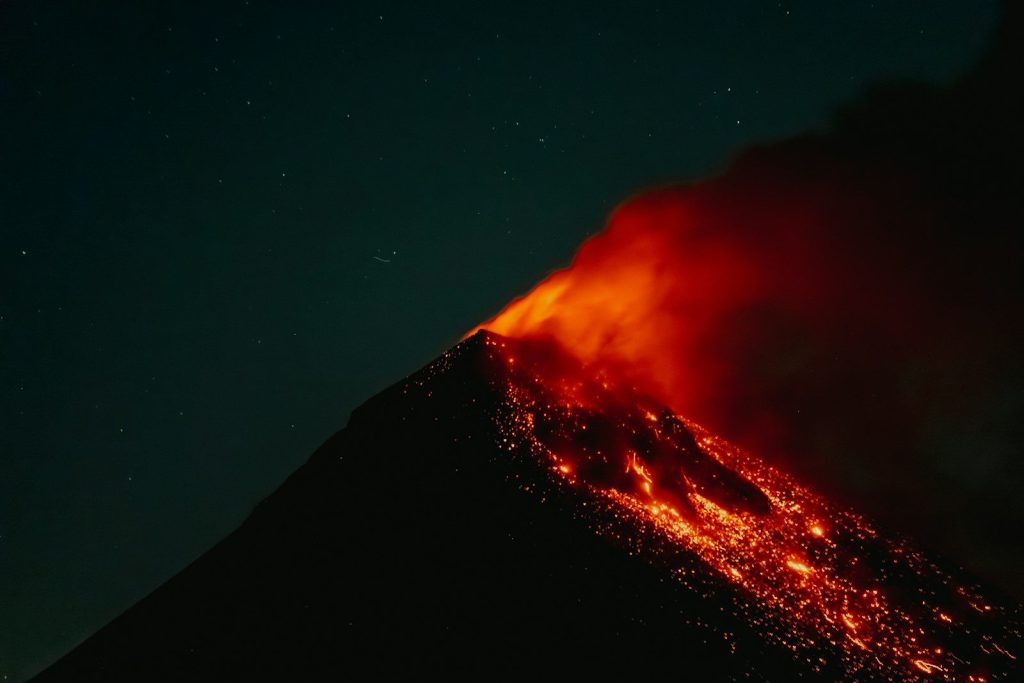
Our biosphere actively stabilizes the global temperature through natural carbon recycling. Plate tectonics drives this. According to research from the Smithsonian Institution, our oceans and active volcanoes work together to lock away excess greenhouse gases over millions of years. This delicate geological cycle prevents our world from freezing or boiling. Yet, scientists are currently monitoring one critical system that appears to be shifting.
The Shifting Magnetic Poles

Geologists know that Earth’s magnetic field periodically weakens and reverses. The planet changes constantly. According to data from the European Space Agency, our protective magnetic shield has shifted significantly over the past century. While this polar flip sounds alarming, geological history proves our biosphere survived these events in the past. But researchers are now studying how human technology might play a role in future safety.
The Future Active Defenses

While nature shields our world, human engineering is beginning to build active planetary defenses. We are learning fast. According to flight records from NASA, scientists recently proved that kinetic spacecraft impacts can successfully redirect distant asteroids away from Earth. This article is for informational purposes only and does not constitute professional scientific advice.
Leave a Reply