
The question of how life began on Earth is one of the oldest and most studied in all of science. Most researchers have pointed to primordial oceans and chemical reactions in ancient seas as the most likely starting point.
But new research is challenging that long-held picture. Scientists now say the real birthplace of life may be somewhere — and something — entirely different.
The Story We Were Taught

The dominant theory of life’s origin for much of the 20th century was the primordial soup hypothesis. First proposed by scientists Alexander Oparin and J.B.S. Haldane in the 1920s, it suggested that early Earth’s oceans contained a rich mixture of organic chemicals. According to this model, energy from lightning, ultraviolet radiation, or heat drove those chemicals to combine into the first biological molecules. The famous Miller-Urey experiment in 1953, which produced amino acids from basic chemicals, seemed to confirm the general idea. That experiment became a landmark. The ocean model became the default. But cracks have been forming for decades. The first serious challenge came from an unexpected place.
The Hydrothermal Vent Theory
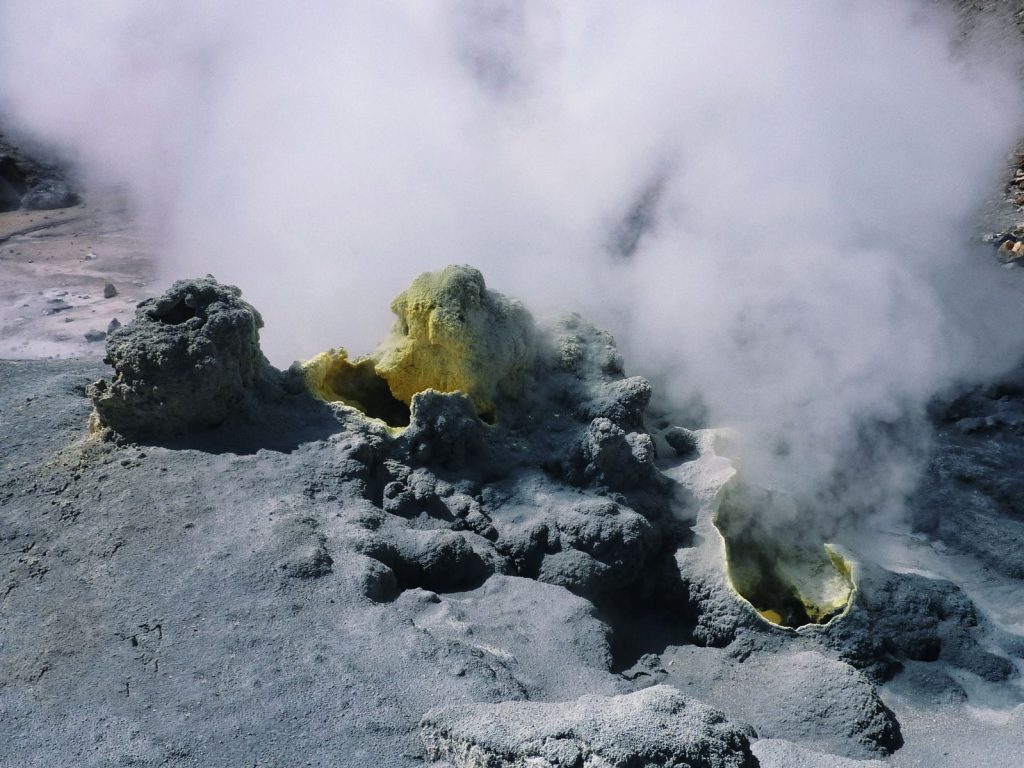
In the 1970s, scientists discovered hydrothermal vents on the ocean floor — cracks in the Earth’s crust where superheated, mineral-rich water pours into the sea. These environments, teeming with microbial life, suggested an alternative birthplace for biology. According to researchers at University College London, alkaline hydrothermal vents in particular provide the kind of proton gradients and mineral scaffolding that could have driven the first chemical reactions of life without requiring lightning or a warm surface ocean. This theory gained significant traction through the 2000s and 2010s. It still has strong scientific support today. But it may not be the full picture. A newer line of thinking moves the origin of life somewhere even more surprising.
The RNA World Under Pressure
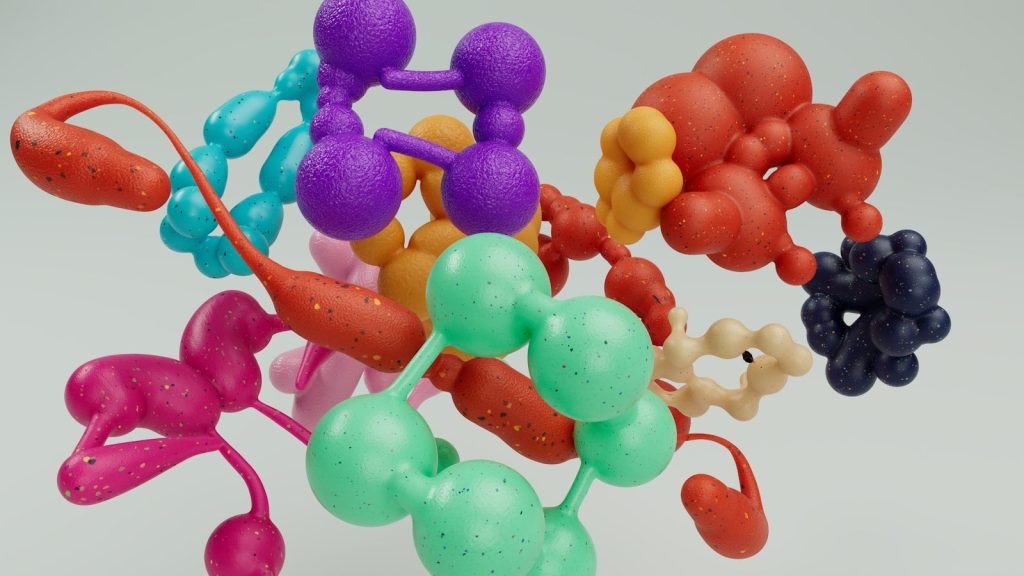
Current research increasingly focuses on RNA — ribonucleic acid — as the first self-replicating molecule. Unlike DNA, RNA can both store information and catalyze chemical reactions, making it a candidate for the original molecule of life. According to research from the Scripps Research Institute, the conditions needed to synthesize RNA from scratch are extremely specific — requiring the right temperature, the right chemical concentrations, and the right mineral surfaces. Scientists are now debating whether those conditions could have been met in environments beyond the ocean entirely — including on land, in warm ponds, or even in ice. One terrestrial environment is now drawing particularly serious scientific attention.
Warm Little Ponds and Darwin’s Old Idea
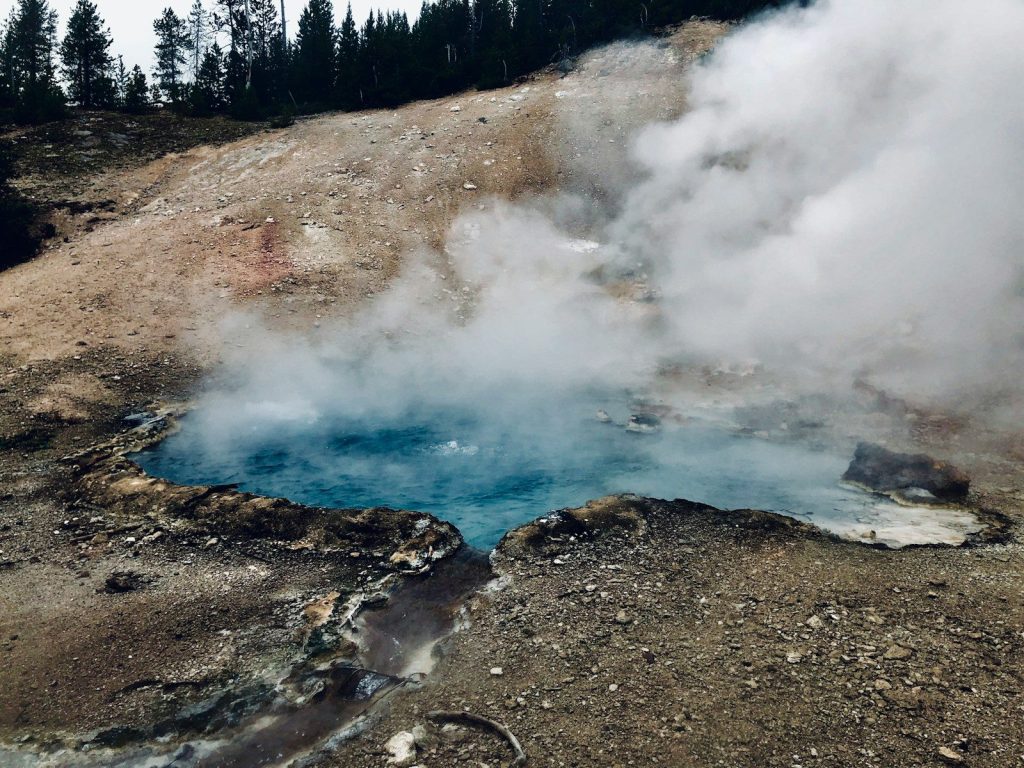
Charles Darwin speculated in an 1871 letter that life might have begun in a warm little pond where chemistry could concentrate and react over time. For over a century, that idea was overshadowed by ocean-focused theories. Now it is making a scientific comeback. According to research from McMaster University published in the Proceedings of the National Academy of Sciences, shallow ponds subject to cycles of wetting and drying could concentrate RNA building blocks and drive their assembly into longer chains far more effectively than open ocean conditions. The pond is back on the table. And the evidence for it is growing. The cycling environment is the key ingredient that the ocean model struggles to provide.
Why Wet-Dry Cycles Matter
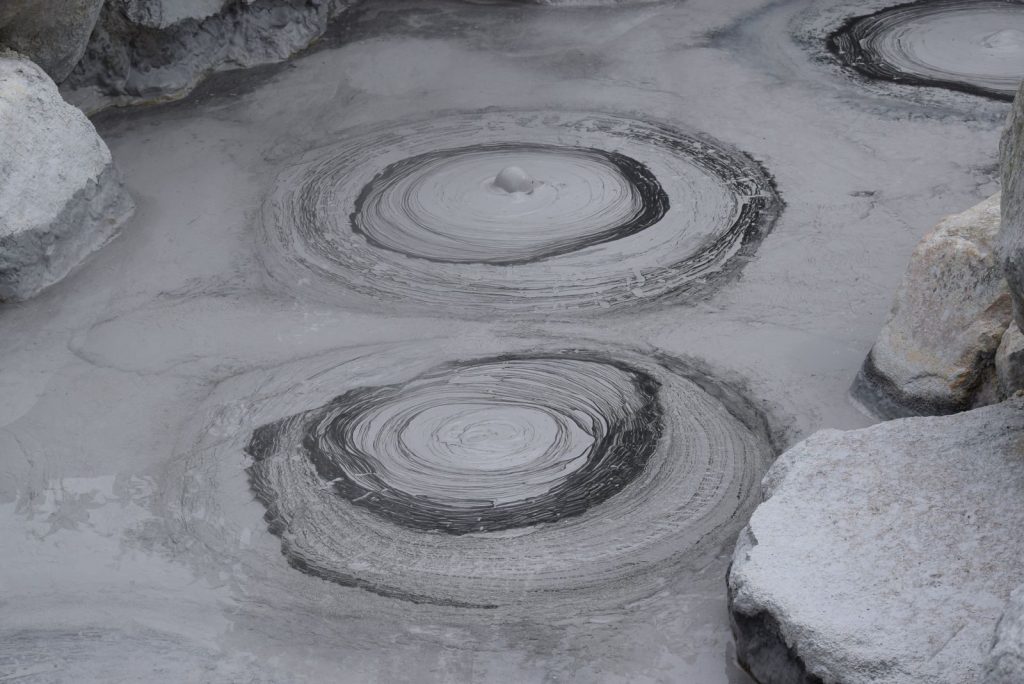
In open water, chemical building blocks are diluted and dispersed. They rarely reach the concentrations needed to react and link together. But according to the McMaster University research team, wet-dry cycling — where water evaporates, concentrates chemicals, then floods back — creates a natural reactor. Each cycle drives new chemical bonds. Over thousands or millions of cycles, complexity accumulates. This process happens naturally in ponds, volcanic pools, and tidal zones. It does not require exotic conditions. It requires time, repetition, and the right chemistry. That is a powerful combination. But the most recent research takes the question even further from the ocean.
Ice as an Unlikely Incubator

A growing body of research suggests that ice may have played a role in the origin of life that scientists have largely overlooked. According to research published in the journal Astrobiology, the microscopic channels between ice crystals can concentrate organic molecules to extraordinary levels, creating reaction chambers where chemistry that would be too dilute in open water can proceed efficiently. These conditions existed on early Earth during cold periods and exist today in environments from Arctic sea ice to comet interiors. Ice is not just a preservative. It may be a reactor. The convergence of these new ideas is reshaping a field that was already in flux.
No Consensus Yet — But Progress Is Real

Scientists do not yet agree on where or how life began. The primordial soup, hydrothermal vents, warm ponds, and ice environments all have credible advocates and supporting experimental evidence. According to biochemist Nick Lane at University College London, the origin of life is still one of the most genuinely open questions in all of science — and that is not a failure of the field. It is a sign that the question is harder and richer than early researchers imagined. Each new model refines the picture. None has closed the case. Not yet. The answer, when it comes, will almost certainly surprise everyone.
Why the Answer Changes Everything

Understanding how life began on Earth is not just a historical question. It is a map. If life can start in ponds, in vents, or in ice — environments that exist throughout the solar system and beyond — then the probability of life elsewhere rises dramatically. According to NASA’s Astrobiology Program, origin-of-life research directly informs the search for biosignatures on Mars, Europa, and Enceladus. Every new theory about how we began is also a new theory about where else life might have started. The question of our origin is inseparable from the question of whether we are alone. This article is for informational purposes only.
Featured Image: Photo by Landiva Weber on Pexels
Leave a Reply