
NASA’s Perseverance rover encountered an unusually shaped boulder while investigating bedrock at a location called Vernodden. The rock, named Phippsaksla, stood above a landscape dominated by lower, flatter, and more fragmented stones. Its isolated appearance made it an immediate target for closer observation rather than evidence of an artificial object.
It Is About 80 Centimeters Wide

NASA estimated that Phippskala measures approximately 80 centimeters, or 31 inches, across. Perseverance first photographed it from a distance on September 2, 2025, before obtaining a closer image on September 19. The detailed photograph revealed a sculpted surface containing cavities filled partly with dark Martian sand.
SuperCam Detected Iron and Nickel
Perseverance examined the boulder with its SuperCam instrument. The analysis showed that Phippskala contains high concentrations of iron and nickel. That combination is commonly associated with iron-nickel meteorites, which originate within the metal-rich cores of large asteroids that were later shattered by collisions.
The Rock May Have Fallen From Space
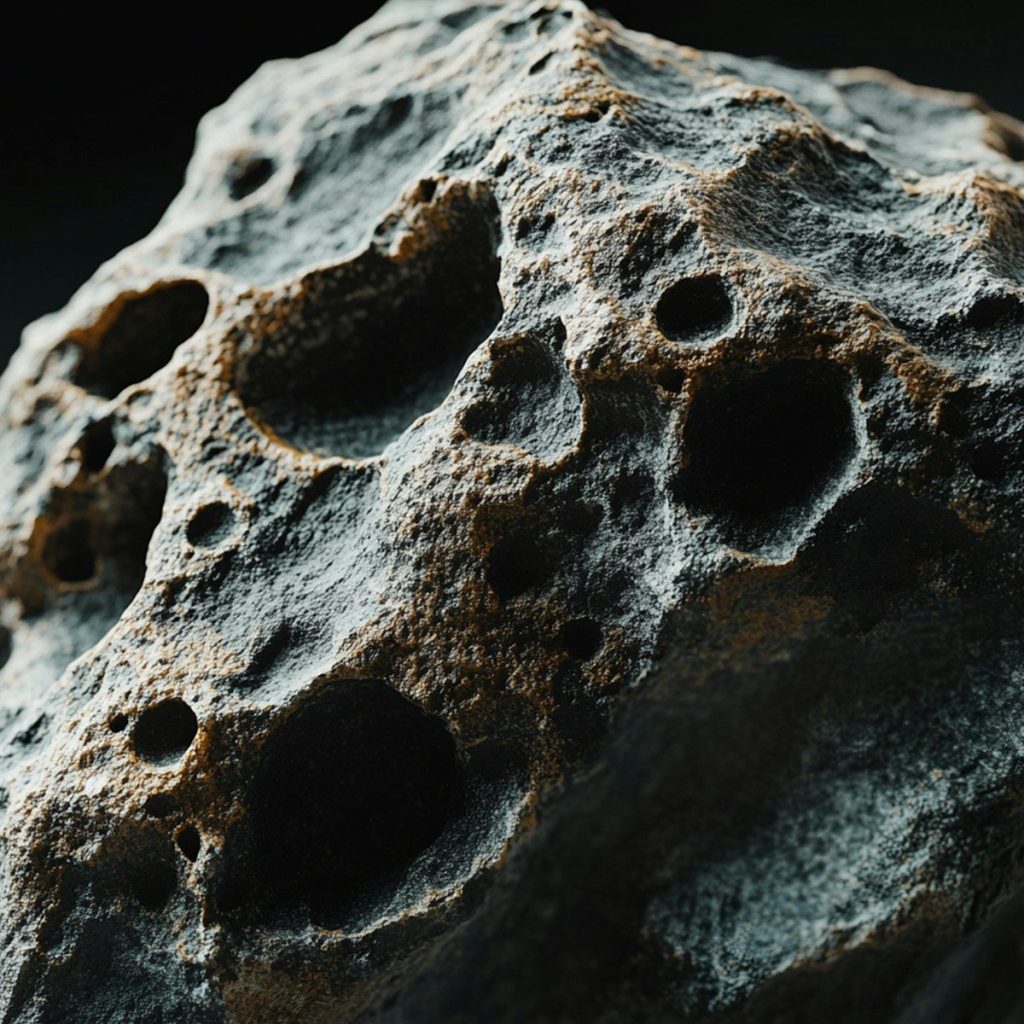
The iron-and-nickel composition suggests that Phippskala formed somewhere other than Mars before eventually reaching the planet’s surface. However, NASA described it as a possible or suspected meteorite, not a confirmed one. Scientists need further investigation before excluding a rare Martian rock formed through an unusual local geological process.
Its Cavities Are Not Signs of Construction

The rock’s hollowed, cavernous texture can look artificial when viewed in a tightly framed photograph. Natural weathering, impacts, and chemical alteration can create pits, holes, and sculpted surfaces in rock. NASA identified Phippskala because its appearance and composition differed from its surroundings, not because it resembled machinery, a monument or an object made by life.
It Would Be Perseverance’s First Meteorite
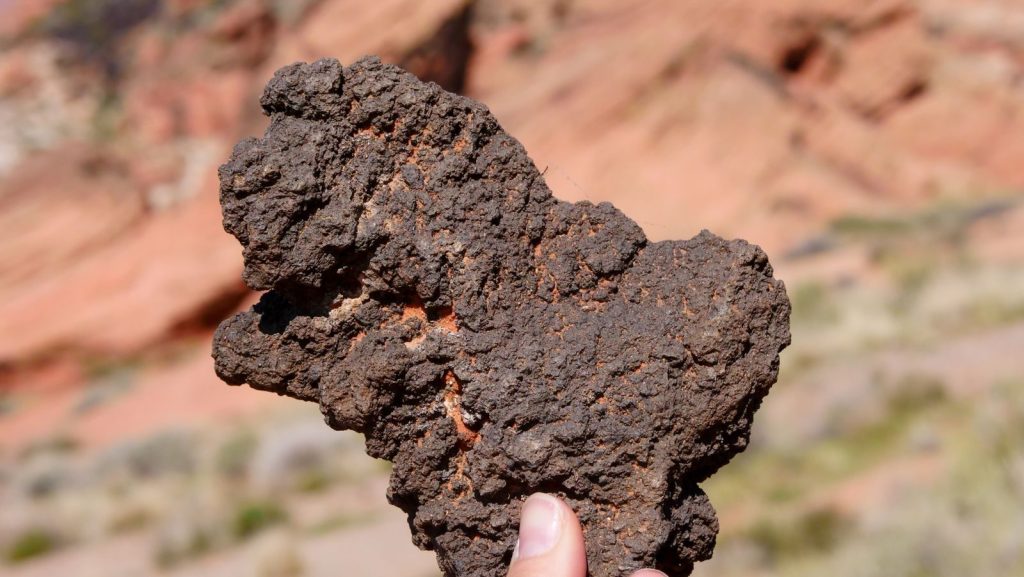
Perseverance had traveled through Jezero Crater without identifying a confirmed iron-nickel meteorite, which scientists found somewhat surprising. The rover encountered Phippsaksla only after reaching terrain beyond the crater. Confirmation would allow Perseverance to join earlier Mars rovers that have directly investigated meteorites on the planet.
Other Rovers Found Similar Visitors

Curiosity has studied several iron-nickel meteorites, including the approximately one-meter-wide Lebanon meteorite and the object called Cacao. NASA’s Spirit and Opportunity rovers also encountered metal-rich meteorites during their missions. Phippsaksla is therefore unusual for Perseverance’s route but not unprecedented in the wider history of Martian exploration.
The Boulder Could Preserve Asteroid History
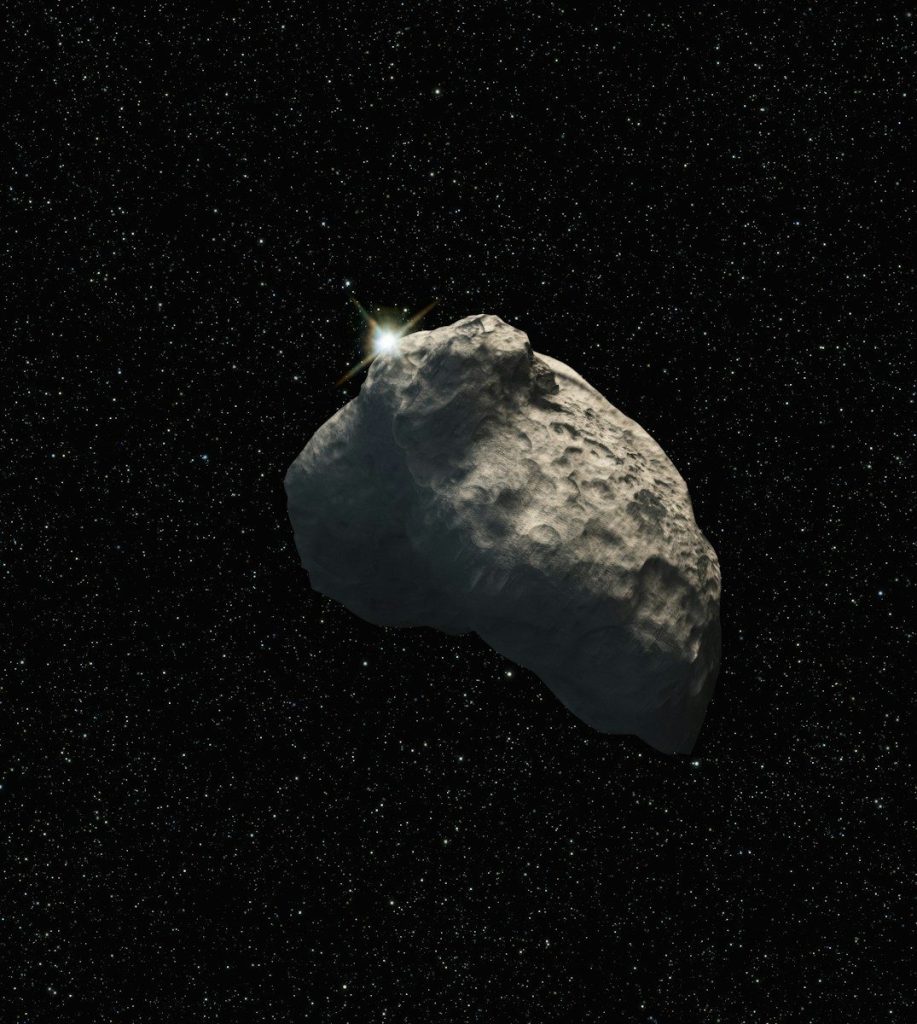
Iron meteorites can contain material once buried deep inside differentiated asteroids. Studying their chemistry can help scientists investigate how early Solar System bodies melted, separated into layers and later broke apart. A meteorite resting on Mars also offers a chance to examine how extraterrestrial metal changes after long exposure to the Martian environment.
The Discovery Is Fascinating Without Exaggeration

NASA found a distinctive natural boulder whose chemistry suggests an origin beyond Mars. It did not discover alien technology, a fossilized creature, or an abandoned artificial object. Until additional analysis confirms its classification, Phippsaksla is best described as a compelling meteorite candidate photographed alone among very different Martian rocks.
Leave a Reply