
In July 2026, former U.S. counterintelligence official and UAP advocate Luis Elizondo claimed that the American government possessed unreleased photographs of large, monolith-like structures on the Moon. He said the alleged objects displayed distinct right angles. As of July 22, 2026, he had not released the photographs, coordinates, image numbers, or independently verifiable evidence.
“Recorded on Camera” Does Not Confirm the Subject
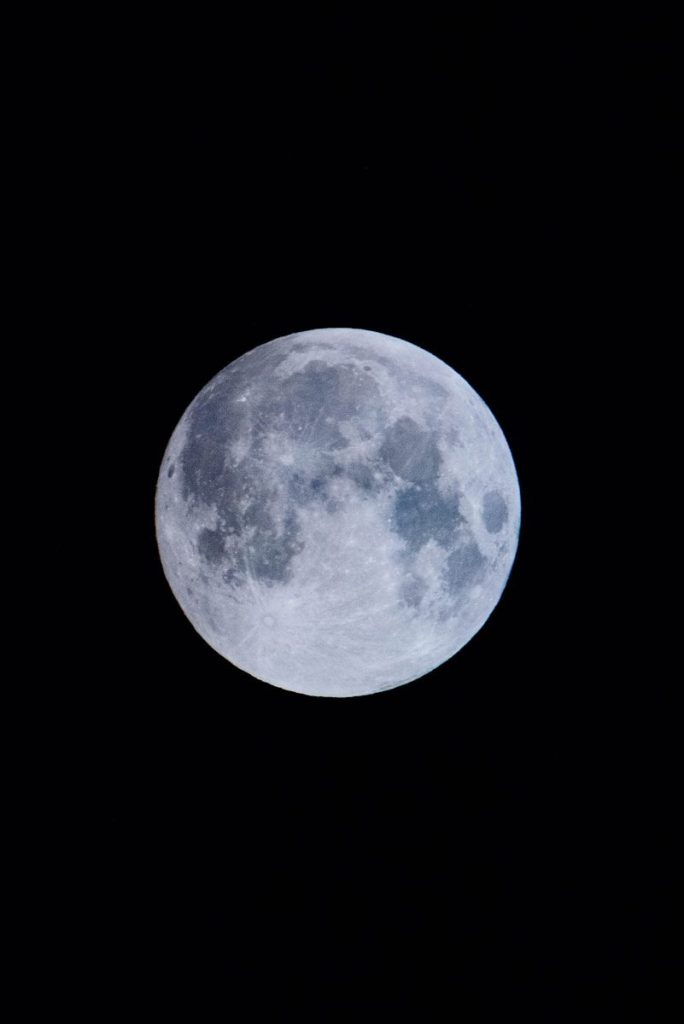
A photograph can document light and shape without establishing what produced them. Verification would require the original files, camera specifications, location data, exposure information, processing history and a clear chain of custody. Without those materials, the public cannot determine whether the alleged features are structures, natural geology, image artifacts, or something inaccurately described from memory.
The Moon Has Been Extensively Photographed

NASA’s Lunar Reconnaissance Orbiter was designed to measure the entire lunar surface and create high-resolution maps, with some images approaching roughly 50-centimeter resolution. Its instruments have photographed craters, boulders, landslides, polar terrain and human landing sites. The mission continues to return scientific data, much of which is placed in NASA’s publicly accessible Planetary Data System.
Scientists Have Mapped the Moon’s Geology

In 2020, the U.S. Geological Survey released the first unified geological map covering the Moon’s entire surface. It combined Apollo-era mapping with data from modern missions and classified lunar rock units, craters and volcanic terrain. NASA reportedly said it was unaware of monolith-like structures in its lunar data when asked about Elizondo’s claim.
Real Artificial Objects Can Be Seen

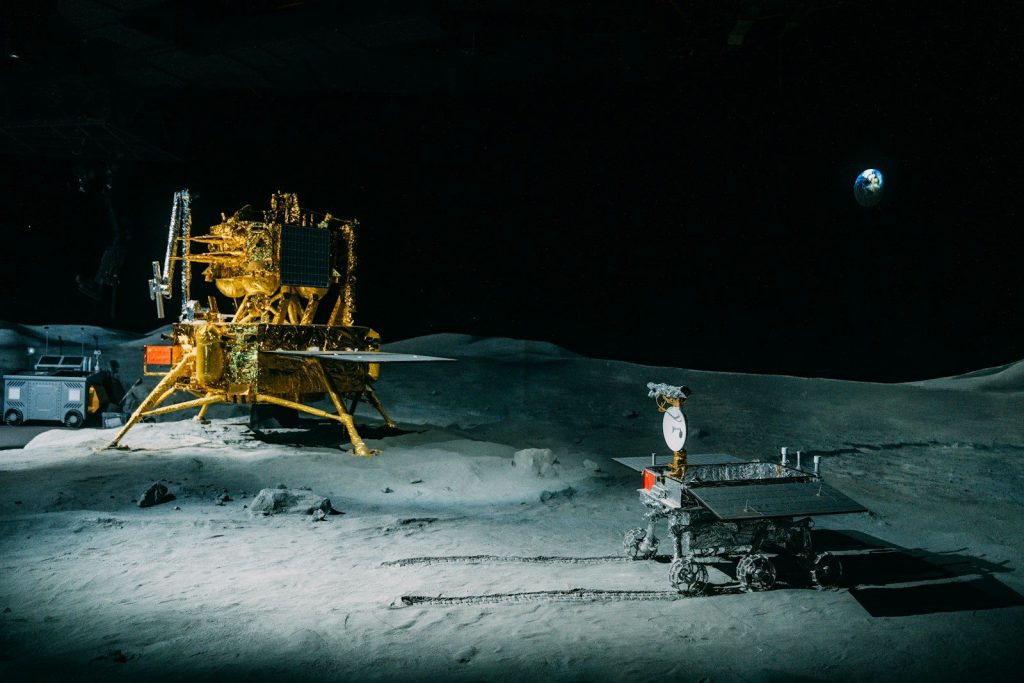
Lunar orbiters can detect genuine human-made objects. LRO images show Apollo lunar-module descent stages, astronaut tracks, rover trails and equipment left at landing sites. It has also photographed Soviet Luna spacecraft, Chinese Chang’e landers and impact sites. These known objects have documented missions, precise coordinates and images that independent researchers can examine.
Nature Frequently Produces Angular Shapes

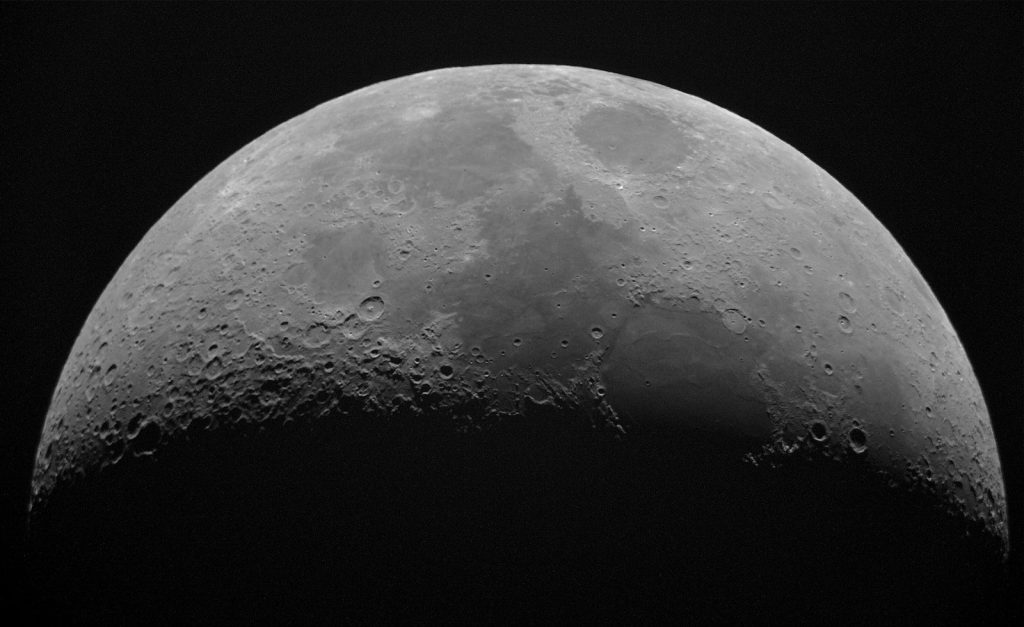
Impacts fracture lunar rock, while faults, collapsed lava tubes, boulder fields and harsh shadows can produce apparently straight edges. A low Sun angle can turn small ridges into dramatic dark forms. Right angles in a processed or distant photograph would therefore require detailed geological analysis before they could reasonably be described as artificial structures.
The Claim Lacks Testable Details
Elizondo has not publicly identified which spacecraft supposedly captured the images, when they were taken, or where on the Moon the alleged objects stand. Without coordinates, another orbiter cannot be directed toward the same location for comparison. The absence of those basic details makes the claim impossible for outside scientists to test.
Extraordinary Claims Require Reproducible Evidence
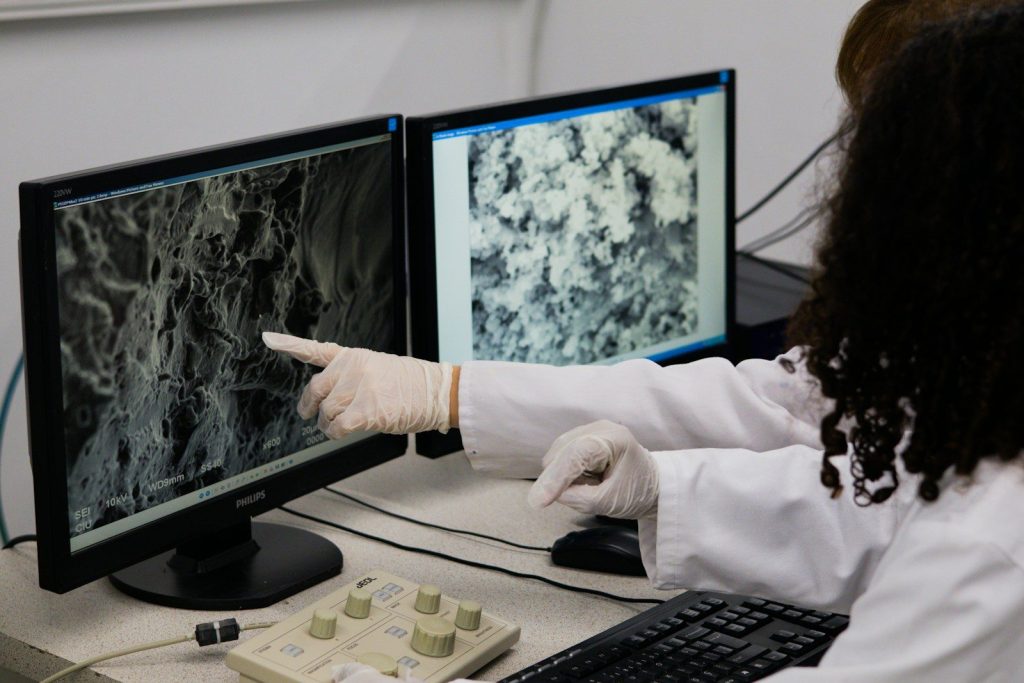
Strong evidence would include raw image files, metadata, multiple photographs from different angles and independent observations by another lunar mission. A single interpreted picture would still require careful analysis. Until such material becomes available, the responsible description is not “structures discovered on the Moon,” but “an unverified claim that unreleased photographs exist.”
The Claim Remains Unverified
As of July 22, 2026, no publicly released evidence has demonstrated artificial, nonhuman structures on the Moon. Elizondo’s statement may continue to attract attention, but attention is not confirmation. The Moon’s surface is extensively mapped, and any genuine discovery would need to survive examination by scientists using original data rather than second-hand descriptions.
Leave a Reply