Most wildlife enthusiasts assume that dinosaurs completely vanished from our planet millions of years ago. We believe that a giant asteroid strike erased their genetic lineages forever.
But evolutionary biologists have discovered a highly surprising biological connection. Several classic prehistoric traits are still actively shaping the bodies of modern animals today.
The Flying Relatives
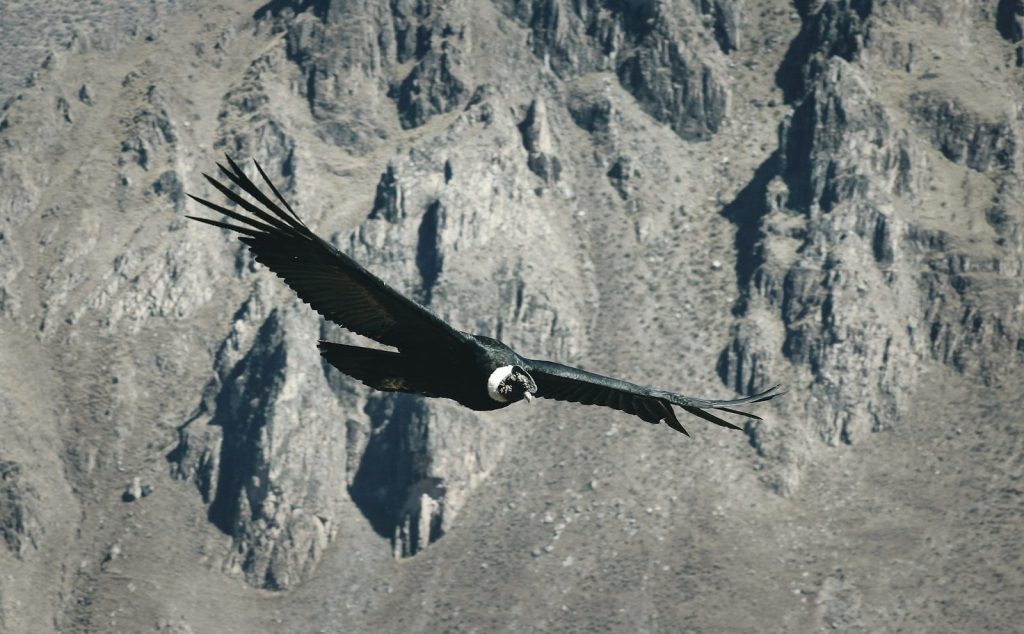
Living birds are not just related to prehistoric reptiles but are actually living dinosaurs. According to a study published in Science, modern birds descended directly from a group of feathered theropods. They are active hunters. This evolutionary link explains why modern eagles and chickens share their skeletal structure with ancient predators. But their physical bones hold an even more specific clue.
Hollow Air-Filled Bones
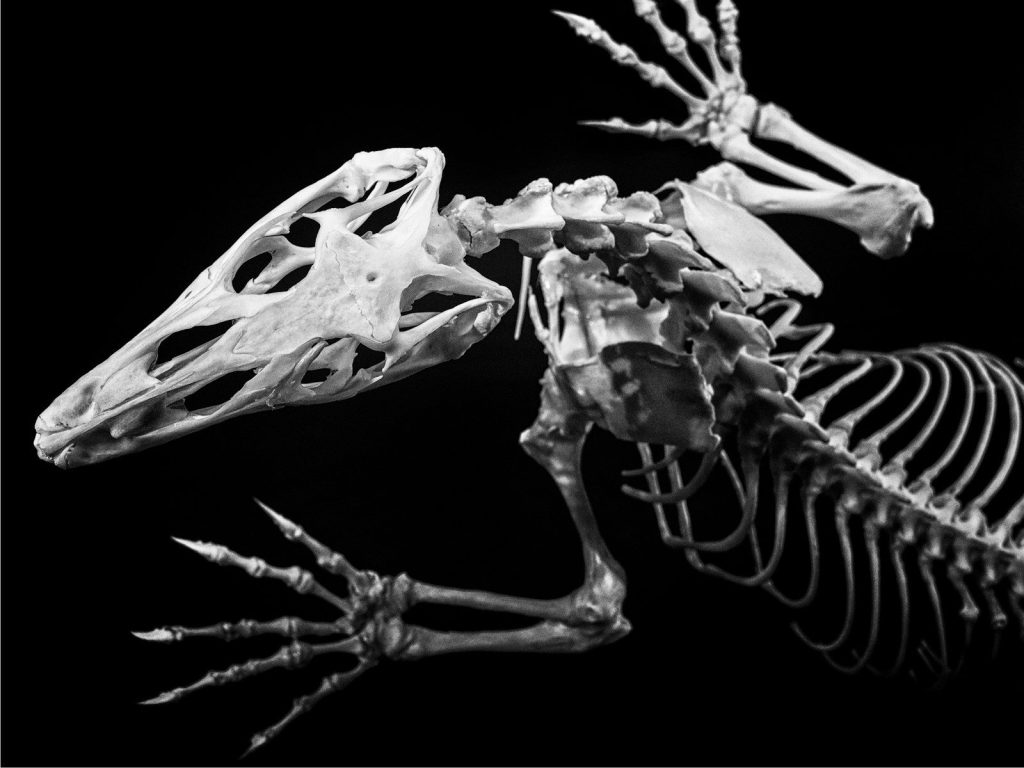
Birds rely on incredibly light skeletons to fly and conserve energy in the air. According to paleontological reports, this hollow bone structure was first developed by massive bipedal dinosaurs. The engineering was genius. This lightweight design allowed giant predators to run fast without being crushed by their own weight. But these skeletal similarities extend far beyond hollow bones.
The Three-Toed Footprint

Walking through the forest reveals tracks that look remarkably like prehistoric fossil trails. According to a study from the University of Manchester, the three-toed foot of a modern emu is identical to a theropod foot. The claws are sharp. This structural design provides incredible traction and balance when running at high speeds. But their internal organs also share this ancient blueprint.
Lungs That Never Stop
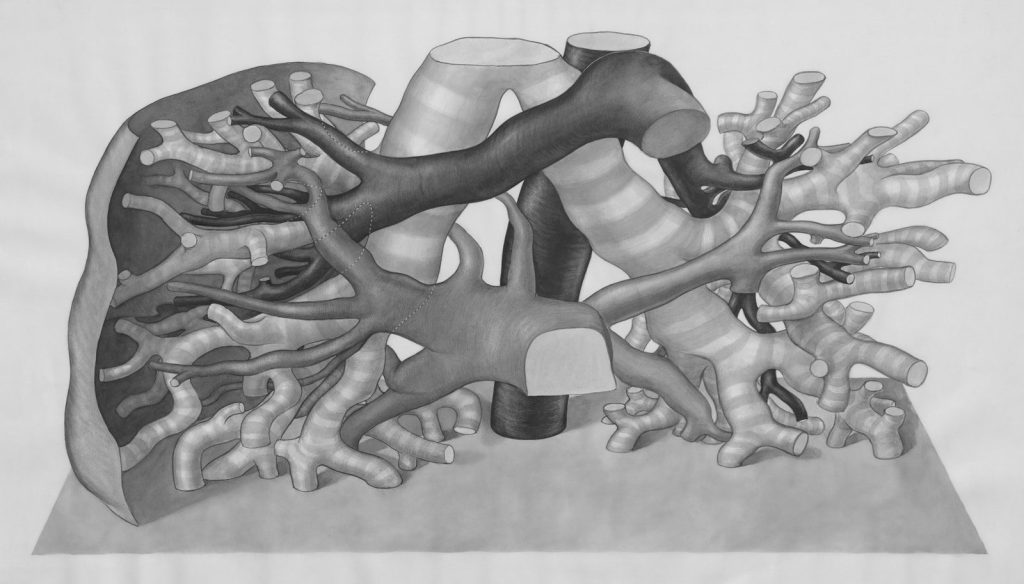
Standard mammals breathe by expanding and contracting their lungs in a simple two-way loop. According to respiratory biology studies, birds use highly advanced air sacs that pump oxygen continuously in one direction. It is highly efficient. This unique breathing system was actually inherited from giant sauropods millions of years ago. But this ancient biology is also shaping how they produce offspring.
Hard-Shelled Eggs
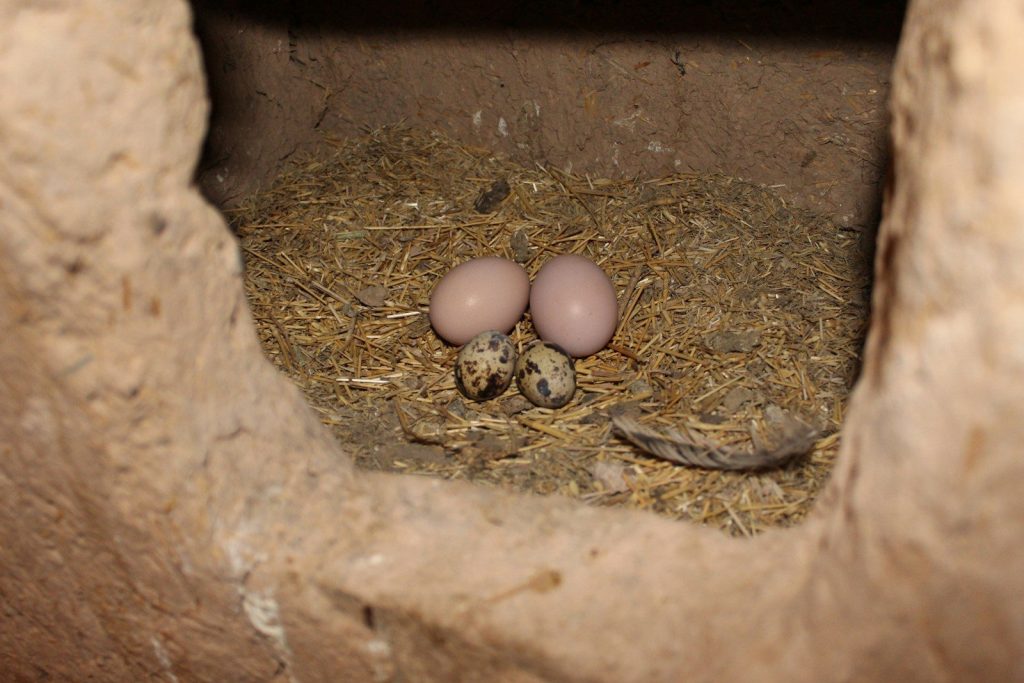
Most early reptiles laid soft leathery eggs that required warm wet dirt to survive. According to evolutionary history reports, dinosaurs were the first to develop hard calcium carbonate eggshells. The protection was absolute. This hard shell allowed parents to nest in diverse environments without drying out the embryo. But these nesting behaviors are showing another surprising connection.
Sitting On Nesting Grounds
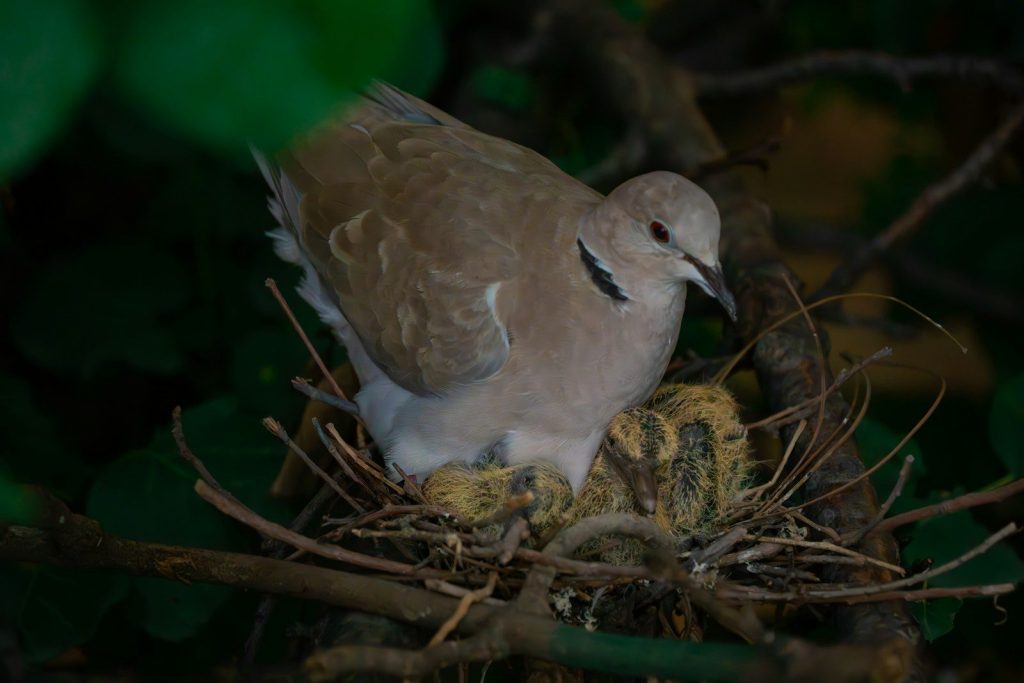
Fossil discoveries have captured ancient mothers resting directly on top of their eggs. According to reports from the American Museum of Natural History, this brooding behavior is common across modern bird species. They are highly protective. This shared instinct proves that parental care developed long before the first feathers took flight. But some non-avian reptiles are also showing these prehistoric links.
The Crocodile Armor Plates
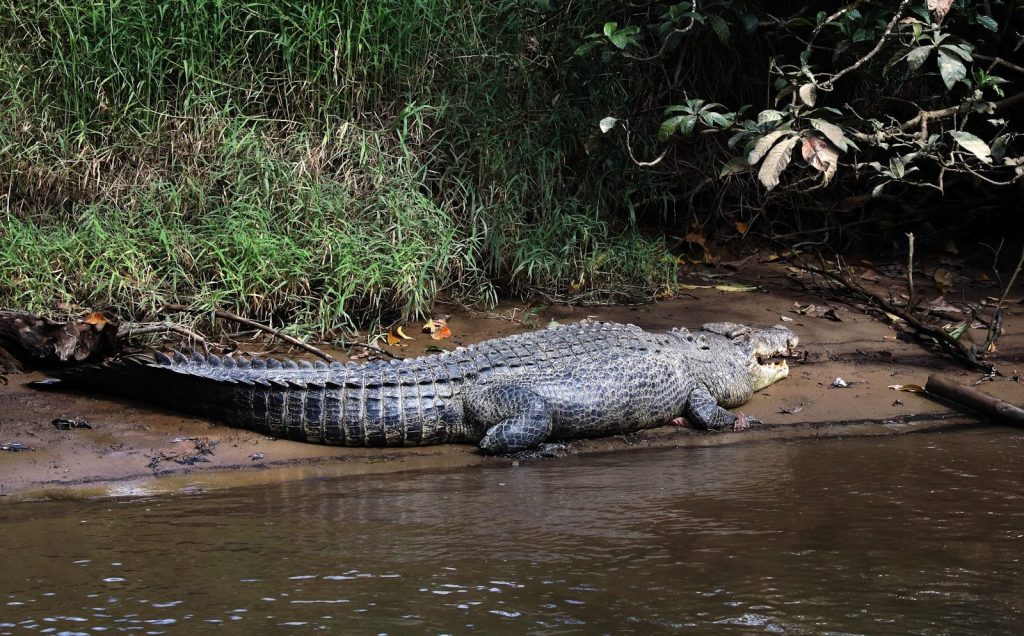
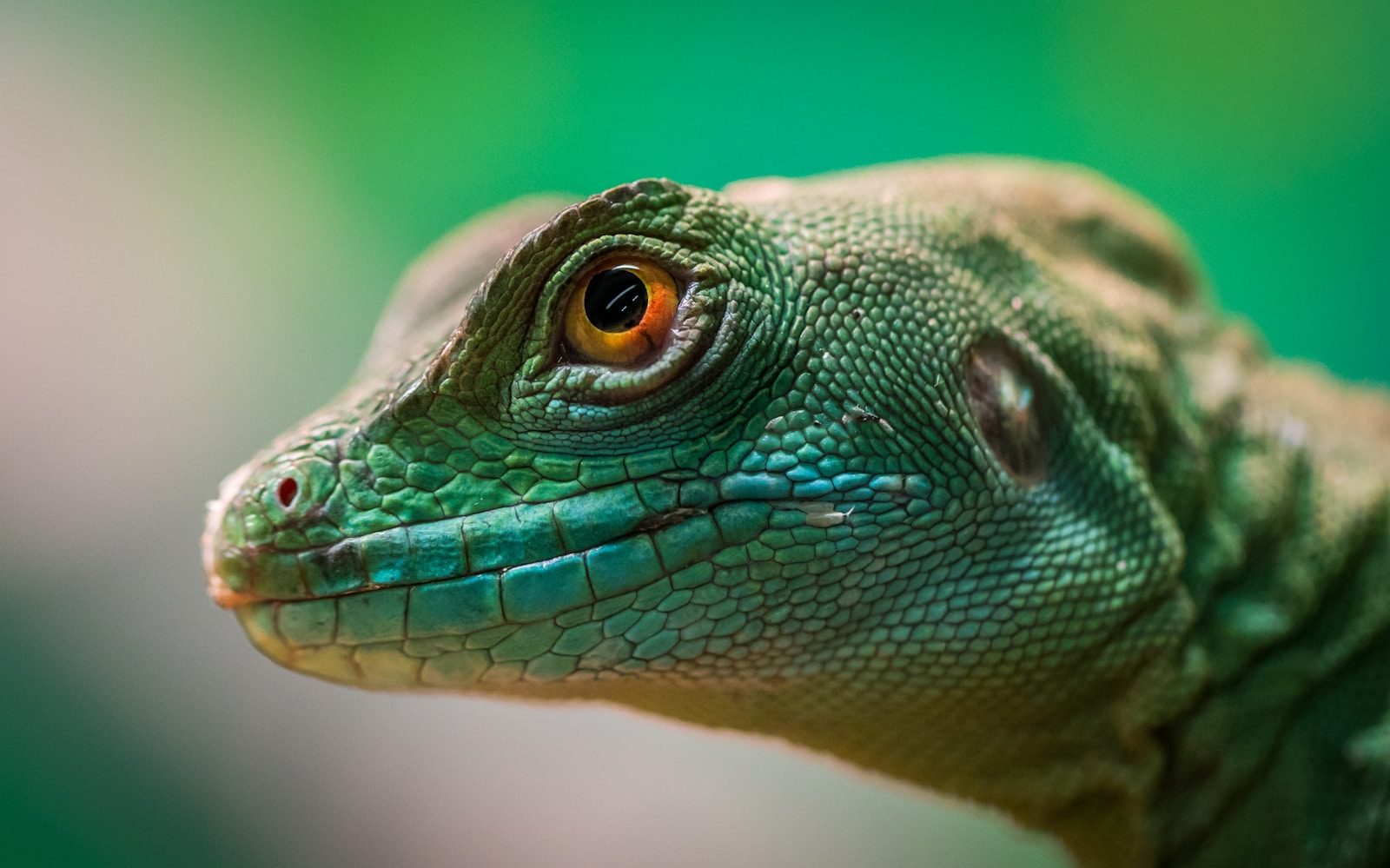
Crocodiles and alligators have remained virtually unchanged since the age of the dinosaurs. According to genetic research studies, their tough osteoderm armor plates match the defensive shields of armored dinosaurs. The scales are tough. This ancient armor protects the reptiles from rival bites and territorial fights. But the ultimate lessons of this evolutionary survival continue to change biology.
Reconnecting Our Family Tree

Uncovering these prehistoric traits in modern animals proves that evolution is a continuous journey. According to biologists, studying these living dinosaurs helps us map the true complexity of natural selection. Nature keeps secrets. This article is for informational purposes only.
Featured Image: Photo by Егор Камелев on Unsplash