
Most internet users assume that global communications rely entirely on robust land cables. We believe that deep ocean wires are the only reliable way to send data.
But a massive array of low-orbit satellites is quietly rewriting how information travels. This giant space network is establishing an independent communication system above the clouds.
The Low Orbit Advantage

Traditional communication satellites orbit thousands of miles above Earth in geostationary paths. According to telecommunication researchers, this extreme distance creates a major delay in data transmission speed. The lag is painful. By placing satellites in low orbit, developers can cut this delay significantly. But keeping thousands of active units from colliding requires a highly smart system.
Coordinating The Giant Grid

The satellite network requires launching thousands of individual units into a highly coordinated grid. According to reports from SpaceX, these spacecraft use automated collision avoidance systems to stay safe. They are highly agile. The satellites can adjust their orbits automatically to avoid space debris and other vessels. But transmitting data between these fast-moving units requires a new technology.
Splicing Space Laser Links

The satellites communicate directly with each other using advanced infrared laser beams. According to laser link studies, this light-speed connection allows data to travel through the vacuum of space. The speed is shocking. This setup eliminates the need to route signals back down to ground stations. But this orbital laser array is also bringing connection to the most remote areas.
Reaching The Outer Limits

Traditional networks completely ignore isolated valleys and remote island regions due to high infrastructure costs. According to digital access reviews, the space-based network can deliver high-speed connectivity to any spot on the globe. The impact is huge. This coverage is transforming rural school systems and emergency response operations. But this global network is actually designed for a far deeper target.
Funding The Mars Pathway
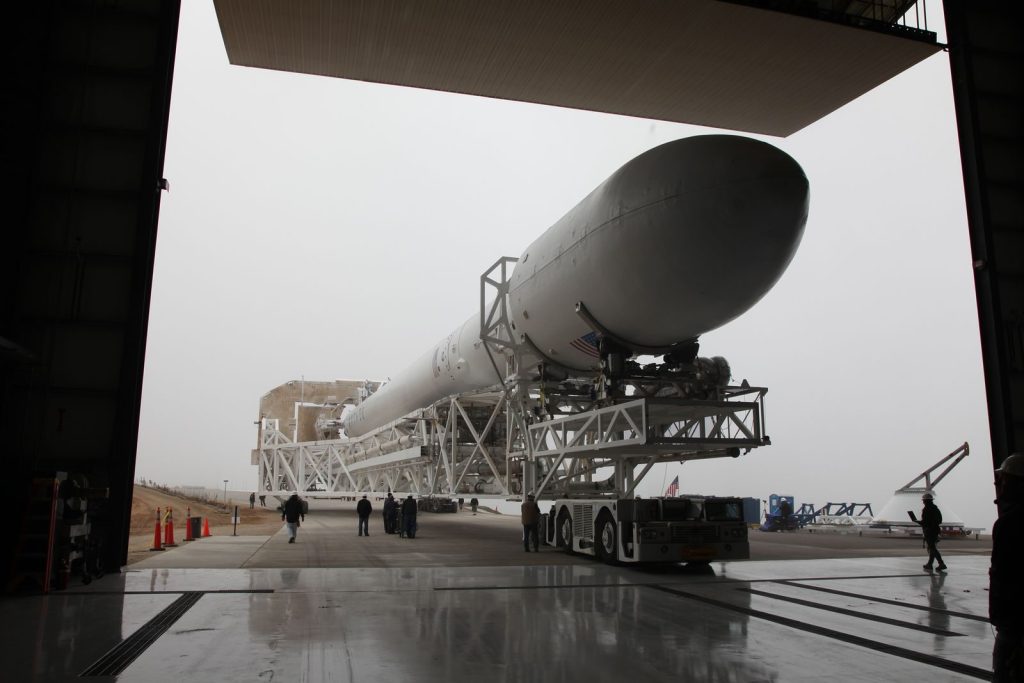
The massive revenues generated by the orbital network are used to fund ambitious exploration programs. According to financial analysts, the satellite array is the primary funding engine for building interplanetary rockets. The goal is Mars. This financial independence allows the company to develop deep-space technologies without relying entirely on government grants. But this network will eventually travel beyond Earth.
Connecting Separate Human Worlds

Space engineers are already planning to build a duplicate satellite array around the red planet. According to interplanetary communication plans, these orbiting nodes will link the first Mars colonies to Earth in real time. The connection is vital. This orbital link will keep settlers connected to our collective knowledge pool across the void. But the ultimate success of this plan relies on launching more missions.
Unifying Our Stellar Future

Building these giant orbital networks is pushing materials science and autonomous navigation into a bold new era. According to space historians, mastering space-based communication is key to transforming humanity into a multiplanetary species. The stars are waiting. This article is for informational purposes only.
Leave a Reply