Blog

  • The Ancient Prehistoric Gold Vault Challenging Early Human History

    The Ancient Prehistoric Gold Vault Challenging Early Human History

    Most history lovers believe that complex metalworking and social hierarchies emerged with the rise of Egypt or Mesopotamia. We assume that prehistoric cultures only worked with basic stones and simple clay pots.

    But a spectacular cemetery excavation in Bulgaria has completely shattered this timeline. Researchers have recovered the oldest processed gold artifacts in human history from a prehistoric grave.

    The Varna Necropolis Find

    Exquisite ancient golden artifacts displayed in a museum exhibit showcasing intricate craftsmanship.
    Photo by Daniel Neves Cotta on Pexels

    Archaeologists exploring a quiet seaside construction site in Bulgaria made the discovery of a lifetime in 1972. According to reports from the National Museum of History, they uncovered a massive prehistoric cemetery dating back over six thousand years. The site was old. Under the heavy clay floor lay a collection of undisturbed graves containing priceless artifacts. But what lay hidden in the center grave would stun the research team.

    The Golden Chief Grave
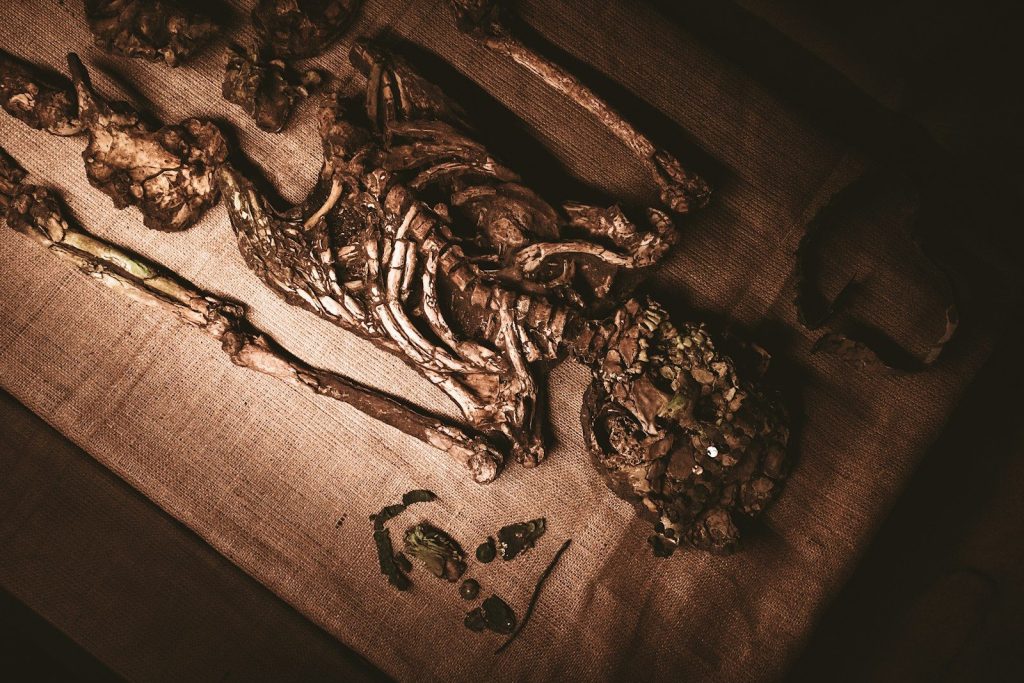
    skeleton illustration
    Photo by Giancarlo Revolledo on Unsplash

    Excavators carefully cleared away the soil to reveal a skeleton buried with unprecedented wealth. According to archaeological reports, this single male grave contained over three pounds of pure polished gold. The view was breathtaking. He was decorated with golden bracelets, scepters, and even a golden sheath. But this extreme wealth suggested a highly complex social system existed long before the pharaohs.

    Perfect Geometric Craft

    Jeweler soldering a ring with a torch and flux.
    Photo by Mazin Omron on Unsplash

    The prehistoric gold pieces were not crude hammered nuggets but highly sophisticated ornaments. According to metallurgy reports, the artisans mastered the art of micro-soldering and casting with incredible precision. They were highly skilled. This advanced metallurgy allowed them to shape delicate gold beads and geometric appliqués. But determining how they reached such high temperatures remains a major challenge.

    Sourcing Advanced Heat

    a woman standing in front of a wood burning oven
    Photo by Denis Bayer on Unsplash

    Melting and refining gold requires furnaces that can reach temperatures exceeding one thousand degrees Celsius. According to material science studies, the prehistoric builders developed advanced clay kilns that could control oxygen flow. It was genius. This thermal technology allowed them to process copper and gold on an industrial scale. But this metal wealth attracted highly active trade networks.

    Global Trade Hubs
    a close up of a piece of food on a table
    Photo by Alexey Demidov on Unsplash

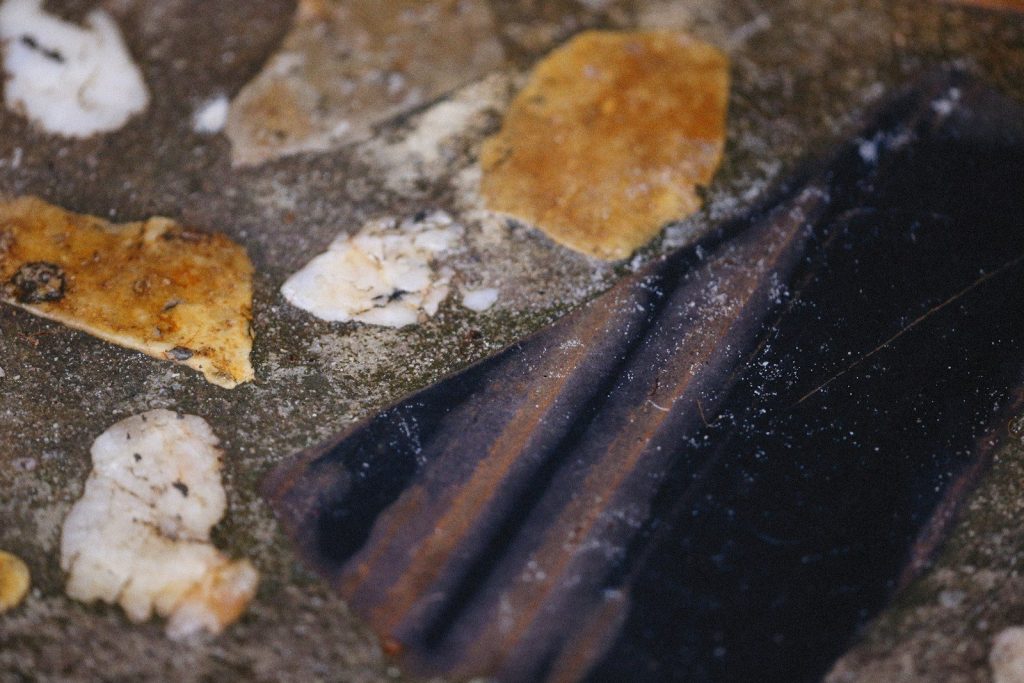
    The presence of rare obsidian and Mediterranean seashells inside the graves proved that the community was highly connected. According to archaeological analysts, the Varna culture operated a dominant trading network that spanned across Eastern Europe. They were prosperous. This active commerce is likely what allowed the community to accumulate such vast amounts of precious metal. But this golden era would soon face a sudden end.

    Swallowed By Rising Waters
    a dirt field with a white line in the middle of it
    Photo by Wolfgang Hasselmann on Unsplash

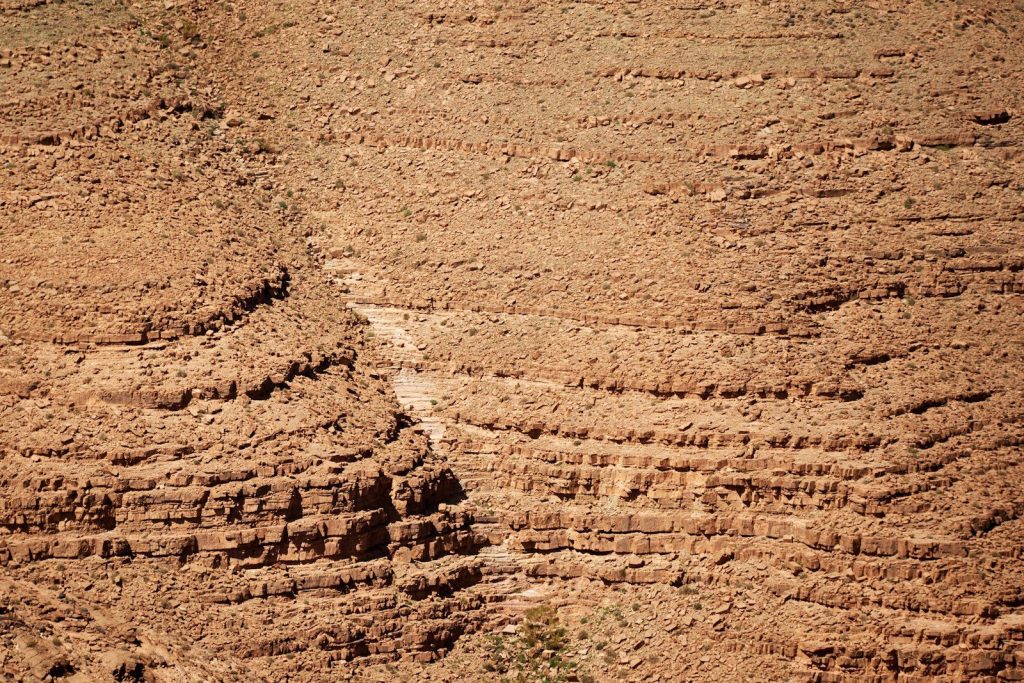
    A sudden environmental shift likely forced the wealthy gold-working community to abandon their lakeside settlements. According to geological climate models, rising sea levels and shifting lake beds flooded the coastal plains. The people scattered. Over centuries, layers of wet silt and soil slowly buried the cemetery under a protective shield of earth. But modern technology is finally helping us read these ancient stories.

    Reclaiming Forgotten Voices

    Sunset over mountains and a still lake.
    Photo by Dario Jud on Unsplash

    The spectacular gold treasures of Varna prove that complex human civilizations emerged far earlier than our textbooks state. According to archaeologists, studying these ancient masterworks helps us appreciate the true scale of early human intelligence. Nature and art unite. This article is for informational purposes only.

    Featured Image: Photo by Yunus Emre Ilıca on Pexels

  • How Secret Genetic Codes Unlocked Europe’s Deep Prehistoric History

    How Secret Genetic Codes Unlocked Europe’s Deep Prehistoric History

    Most history students assume that early European populations lived in complete isolation. We believe that ancient migrations followed simple and predictable geographic pathways.

    But advanced genetic mapping is revealing a highly complex ancient history. Modern DNA sequencing proves that waves of distinct travelers constantly reshaped the continent.

    Decoding Ancient Bones

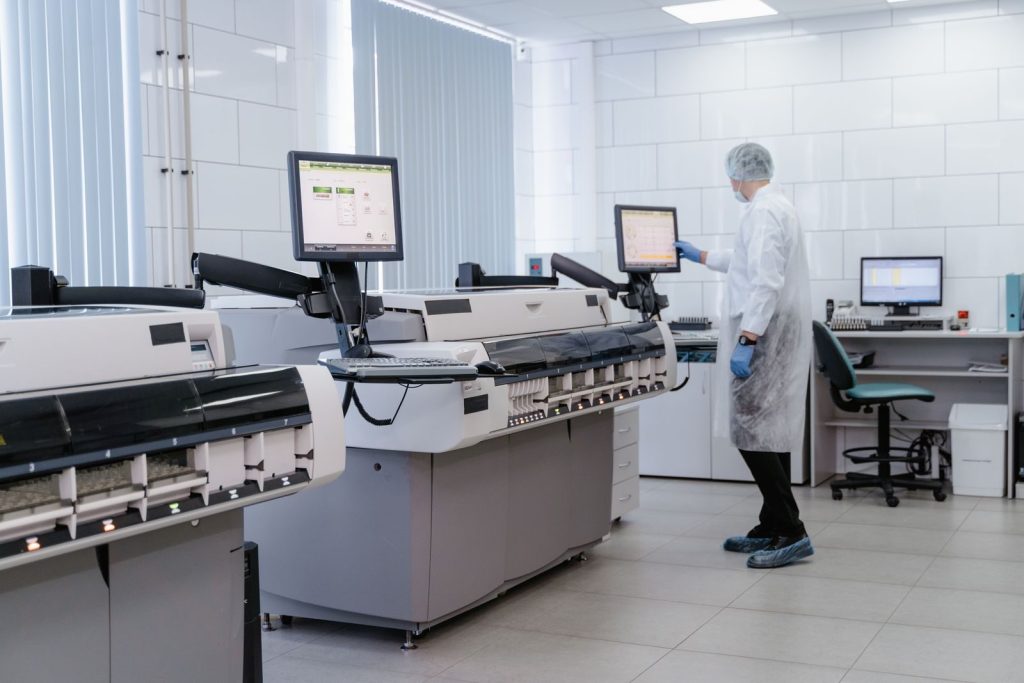
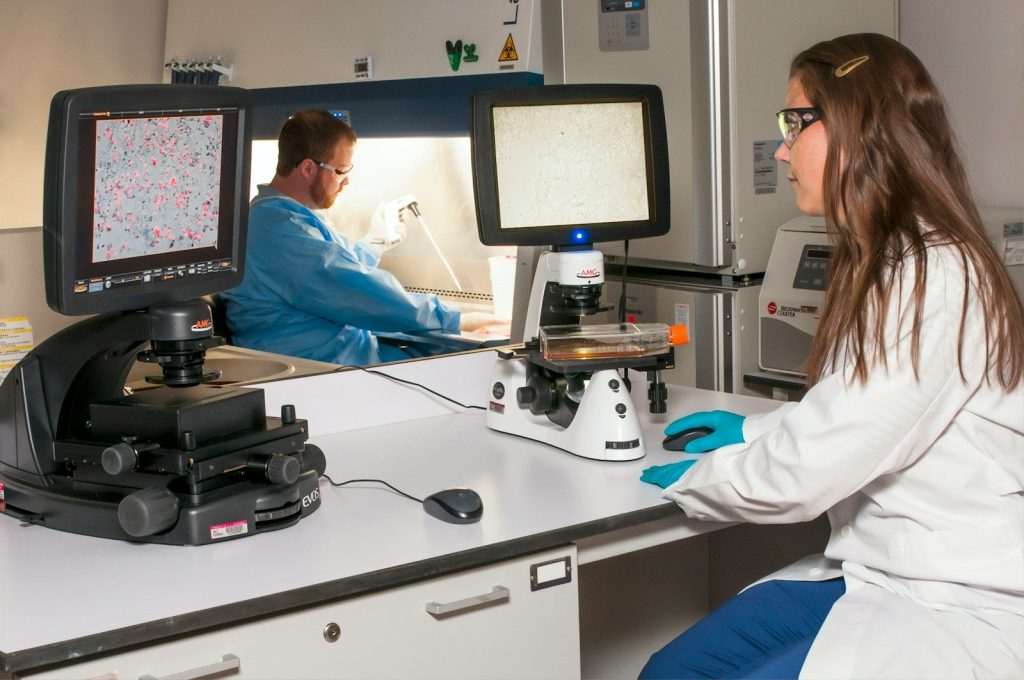
    Scientist in a lab gown interacting with equipment in a modern laboratory setting.
    Photo by Tima Miroshnichenko on Pexels

    Extracting DNA from ancient human remains requires highly delicate laboratory techniques. According to reports from the Max Planck Institute, scientists can now read genetic code from bones that are thousands of years old. The science is flawless. This genetic sequencing reveals exactly how early groups moved across the changing landscapes. But the oldest human remains in Europe held a highly surprising genetic secret.

    Hidden Neanderthal Cousins

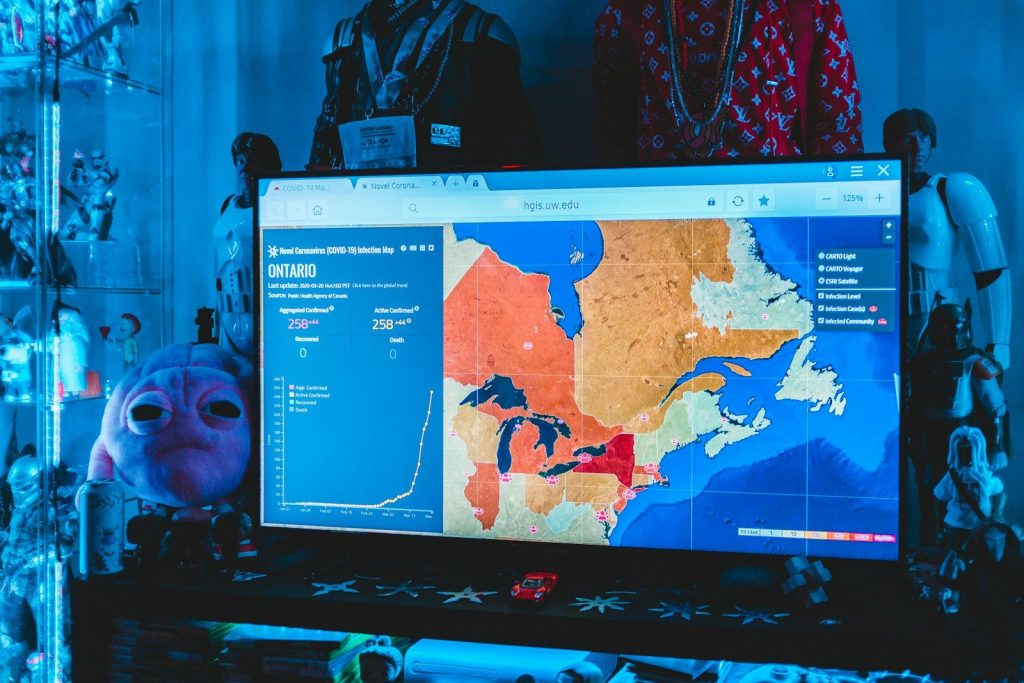
    A large screen with a lot of numbers on it
    Photo by Alexander Schimmeck on Unsplash

    The earliest modern humans to enter the European continent met a highly robust cousin. According to evolutionary genetics studies, early Homo sapiens frequently interbred with local Neanderthals. They shared families. This ancient mixing left behind genetic segments that still help shape our modern immune systems. But these early hunter-gatherers were soon replaced by a brand new wave of travelers.

    The Ice Age Retreat

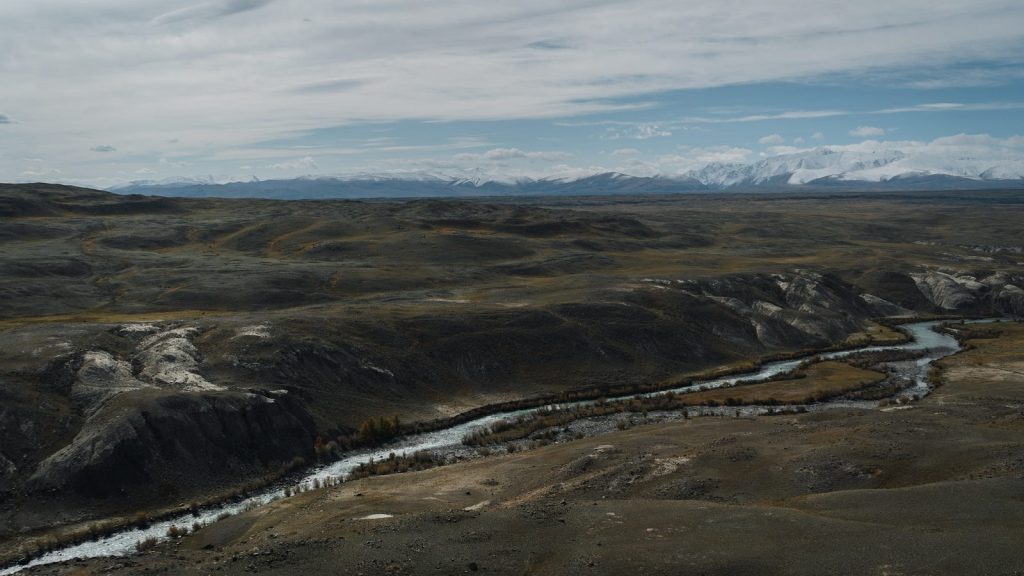
    a river running through a valley surrounded by mountains
    Photo by Nick Night on Unsplash

    Extreme cold periods forced early human populations to migrate south to seek warmer refuges. According to paleoclimatology studies, small groups survived the freezing winters in isolated pockets near the Mediterranean. They were resilient. Once the great glaciers began to melt, these survivors repopulated the continent from the south. But a massive cultural shift was about to arrive from the east.

    First Ancient Farmers

    A collection of ancient tools and artifacts displayed on a burlap covered surface.
    Photo by Rinat Askarov on Pexels

    A massive migration of people from the Anatolian region completely transformed early European life. According to archaeological reports, these travelers introduced agriculture and permanent settlements to the local hunter-gatherers. The transition was radical. This farming lifestyle allowed populations to expand rapidly and build larger communities. But this agricultural boom was not the final wave of migration.

    Riders From The Steppe

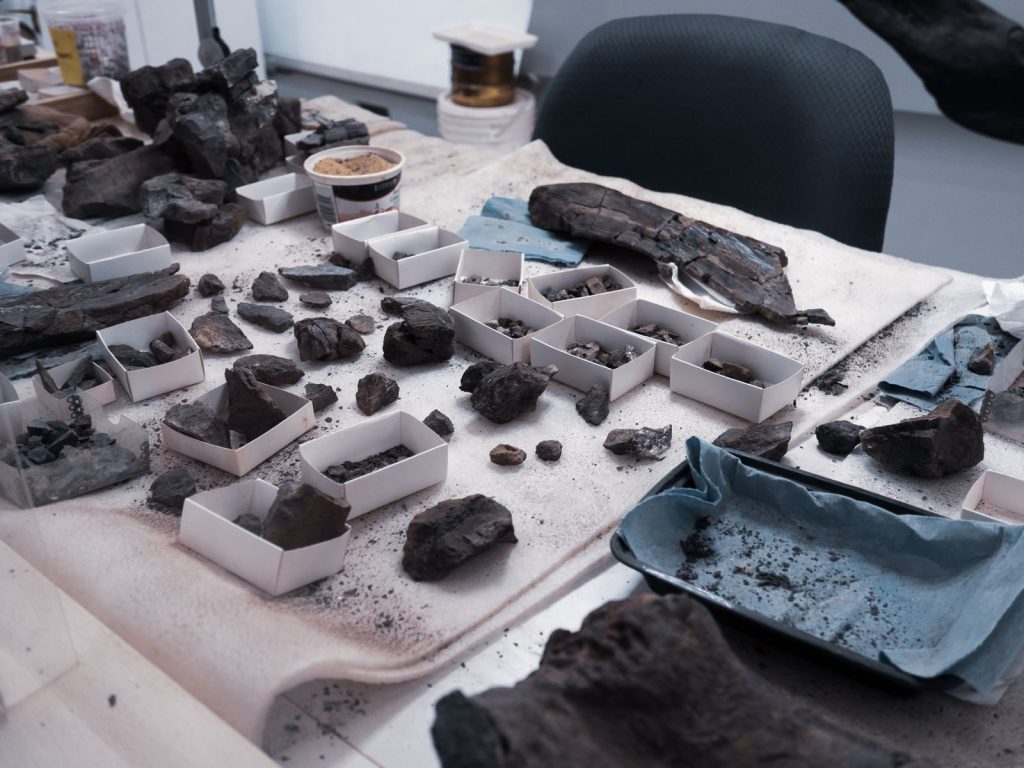
    A cluttered desk showcasing various archaeological findings and ancient artifacts.
    Photo by Yena Kwon on Pexels

    A third major wave of nomadic herders swept into Europe from the eastern grasslands. According to genetic research papers, these steppe travelers brought early Indo-European languages and metallurgy skills. They rode horses. This massive influx of genetic material reshaped the European gene pool in a matter of centuries. But tracking these separate lineages requires analyzing modern populations.

    Modern Genetic Mixes

    black flat screen computer monitor
    Photo by Erik Mclean on Unsplash

    The genetic makeup of modern Europeans is a complex blend of these three ancient ancestral groups. According to evolutionary biologists, different regions of the continent carry varying proportions of hunter-gatherer, farmer, and steppe ancestry. We are beautiful mosaics. This unique mixture explains how physical traits like skin and eye color evolved. But this ongoing research is already opening up new historical debates.

    Reclaiming Our Ancestry

    a building with a sunset in the background
    Photo by Paul Steiner on Unsplash

    Unlocking the secrets of ancient DNA allows us to trace the true history of human migration. According to researchers, studying these prehistoric connections proves that collaboration has always shaped our survival. The past is active. This article is for informational purposes only.

    Featured Image: Photo by alanajordan on Pixabay

  • The Colossal Prehistoric Beasts That Walked Our Lost Continents

    The Colossal Prehistoric Beasts That Walked Our Lost Continents

    Most nature explorers assume that modern mammals represent the absolute peak of land animal sizes. We believe that physical limits prevent land creatures from growing any larger than elephants.

    But the ancient fossil record reveals a spectacular era of truly colossal prehistoric giants. These massive creatures grew to sizes that completely challenge our modern ideas of biology.

    Rich Vegetation Feasts

    A large dinosaur skeleton on display in a museum.
    Photo by David Vives on Unsplash

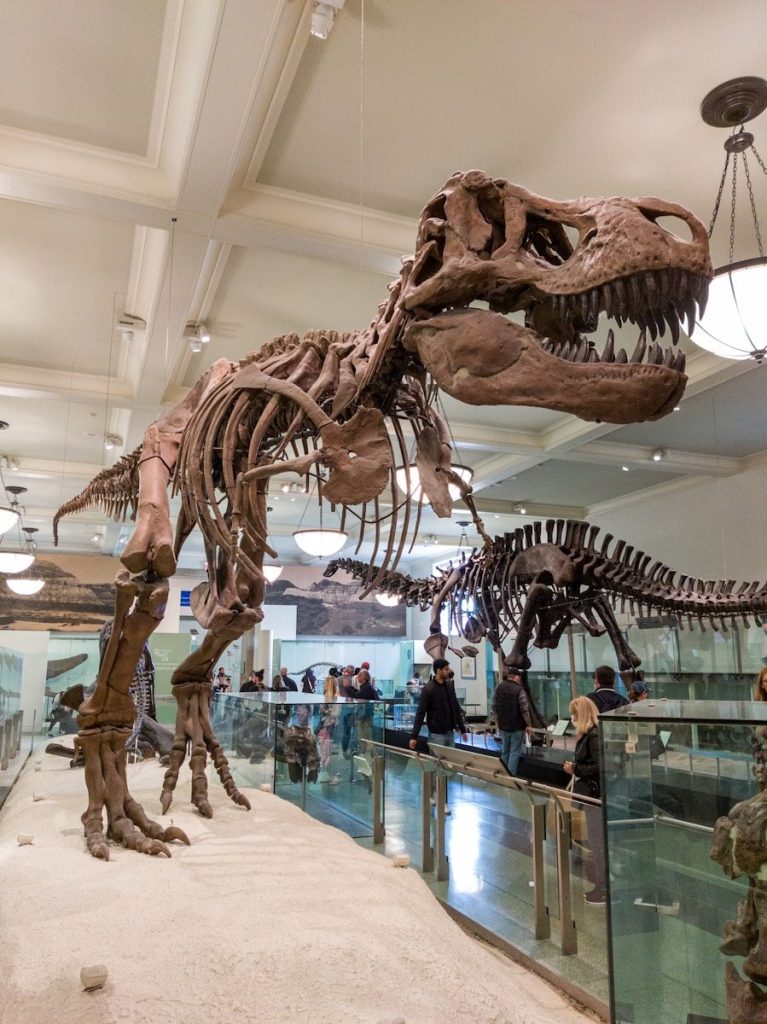
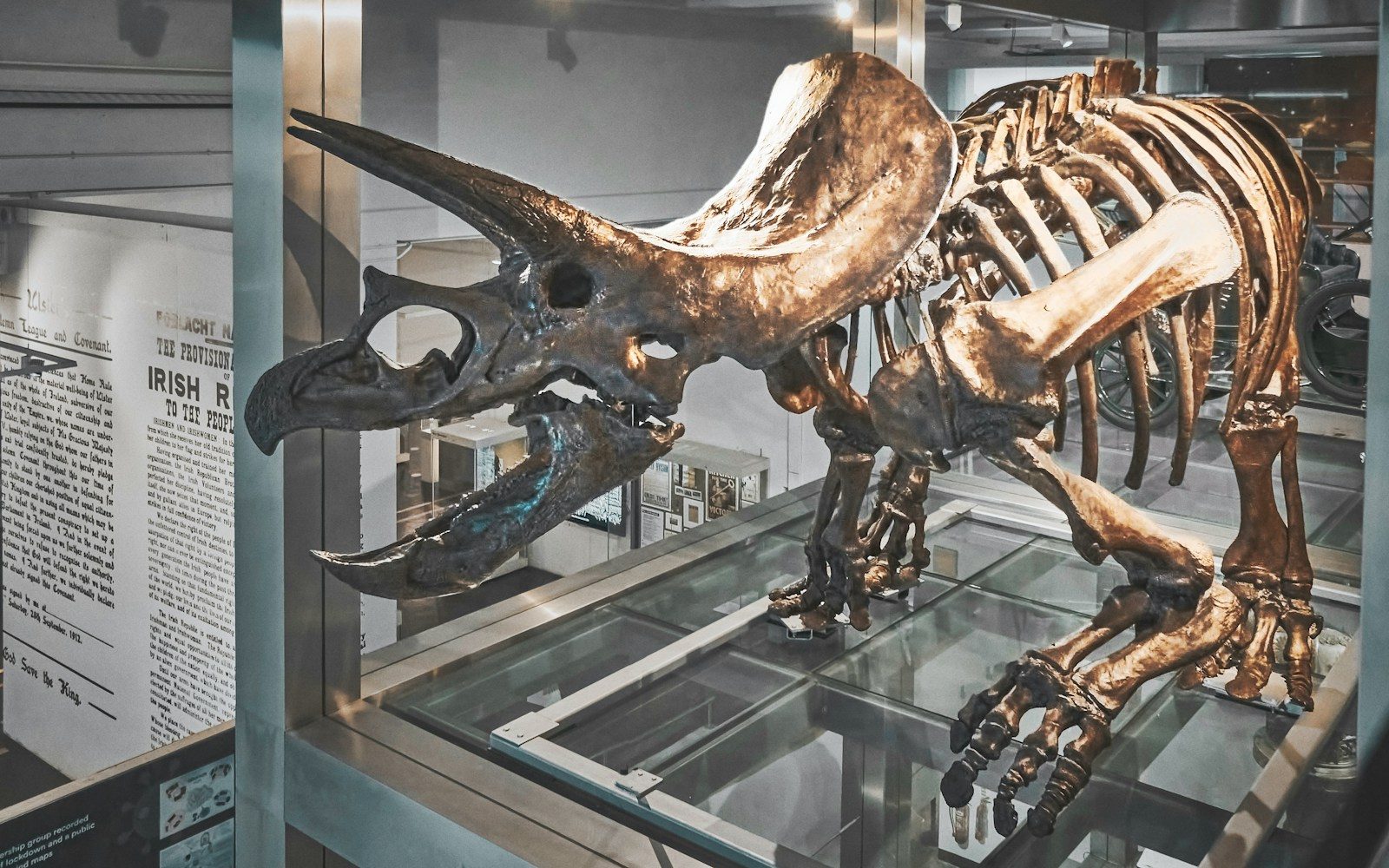
    The ancient Earth supported a highly unique climate filled with lush tropical plants. According to paleobotanical reports, high levels of carbon dioxide allowed giant ferns and conifers to grow rapidly. The food was endless. Plant-eating sauropods could harvest massive amounts of calories daily without moving their heavy bodies. But digesting this tough prehistoric fiber required a highly specialized gut system.

    Giant Fermentation Chambers

    brown T-Rex skeleton
    Photo by Markus Spiske on Unsplash

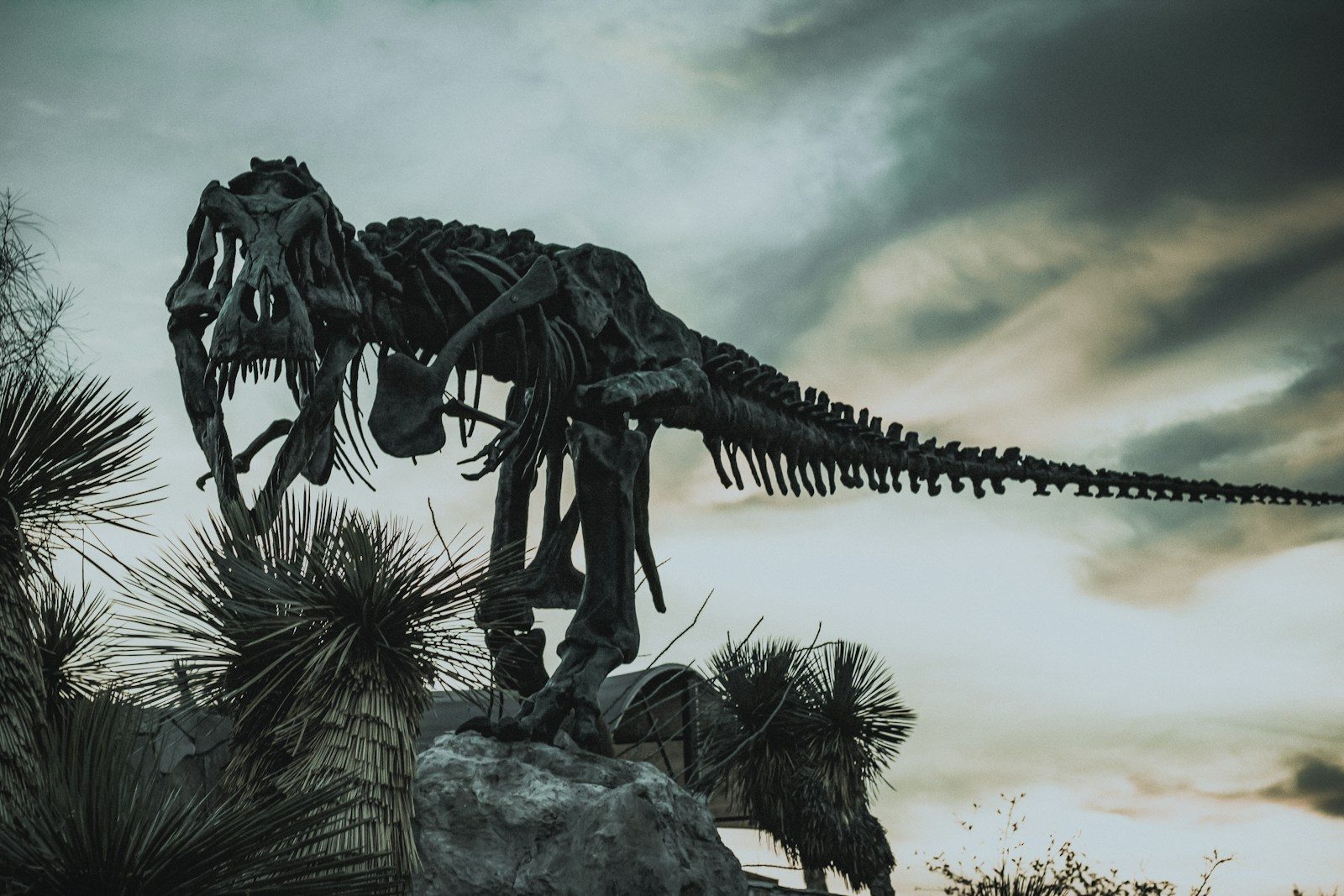
    Processing tons of tough conifer needles required a highly slow and efficient digestive process. According to evolutionary biology studies, colossal dinosaurs possessed massive stomach chambers that acted like fermentation vats. They were huge. This internal heat allowed gut bacteria to dissolve the tough plant cells over several days. But carrying this heavy digestive weight required a major skeletal adaptation.

    Hollow Bone Engineering

    Ancient reptile fossil embedded in light-colored rock.
    Photo by Akshit Jhanwar on Unsplash

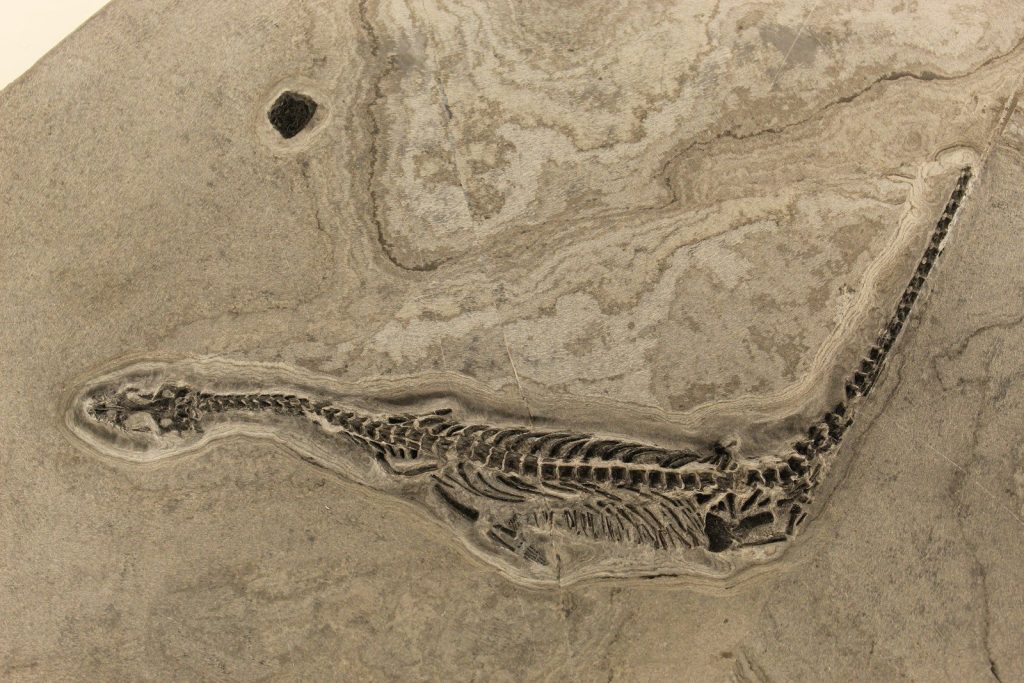
    Moving a body that weighed seventy tons required dropping expensive heavy skeletal materials. According to paleontological reports, giant dinosaurs developed hollow bones filled with light air sacs. They were geniuses. This lightweight design kept the skeleton robust without crushing the animal under its own weight. But these air sacs also powered an incredibly efficient breathing system.

    Constant Oxygen Flows

    a computer generated image of a group of objects
    Photo by Rick Rothenberg on Unsplash

    Sustaining a giant body required a continuous flow of fresh oxygen to the muscles. According to respiratory biology studies, dinosaurs used a unique bird-like breathing system that kept air moving in one direction. The flow never stopped. This continuous oxygen supply allowed their cells to generate energy far faster than modern mammals can. But this active metabolism also generated intense internal heat.

    Natural Cooling Rods

    a large dinosaur walking across a field under a cloudy sky
    Photo by El Dainosor on Unsplash

    Large bodies naturally trap immense amounts of heat that can easily damage internal organs. According to biophysics research, giant dinosaurs used their long necks and tails to release excess warmth. They were cooling rods. This massive surface area allowed the animals to stay cool under the hot Mesozoic sun. But their long necks also served a highly practical feeding purpose.

    Low Energy Feeding

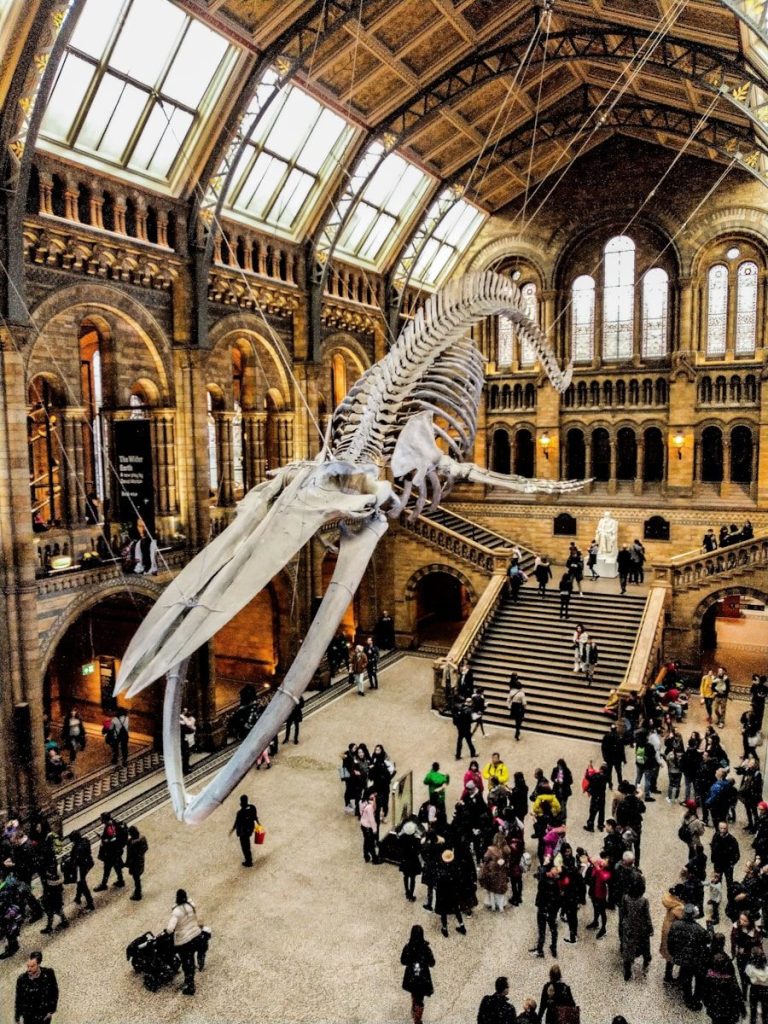
    people inside Natural History Museum
    Photo by Tobias Stonjeck on Unsplash

    Moving a heavy body to find food wastes precious energy that is vital for survival. According to biomechanics logs, the long necks allowed sauropods to sweep vast fields of plants without moving their feet. It was highly efficient. This energy-saving design made it easy for them to harvest food while remaining stationary. But this rapid growth rate also protected them from active predators.

    Reaching Safe Heights

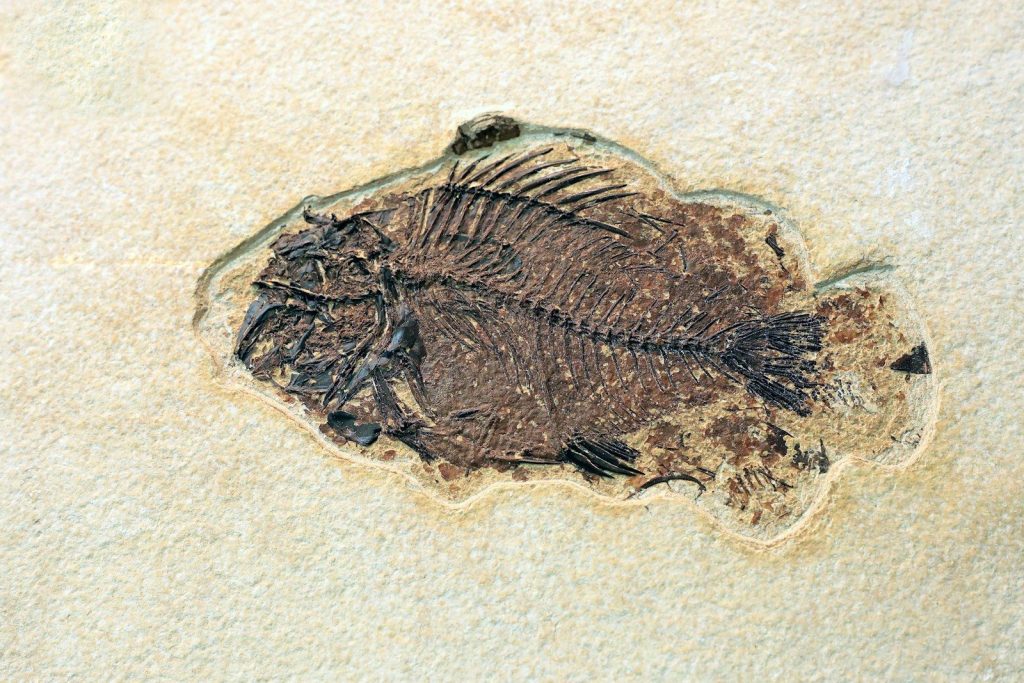
    a fossil fish is shown on the sand
    Photo by David Clode on Unsplash

    Growing incredibly fast was the ultimate defense mechanism for young prehistoric herbivores. According to growth ring studies of fossilized bones, some species could gain several pounds of weight every single day. They grew rapidly. Reaching giant sizes in a few short years made them completely immune to attacks from smaller meat-eaters. But some physical limits would eventually bring an end to this growth.

    Unlocking Natural Limits

    brown and black mountains under blue sky
    Photo by Andrew Sterling on Unsplash

    Uncovering the biological secrets of dinosaurs proves that nature can adapt to extreme planetary conditions. According to researchers, studying these ancient giants helps us map the true boundaries of terrestrial life. The bones hold secrets. This article is for informational purposes only.

    Featured Image: Photo by Mac Cervantes on Unsplash

  • The Hidden Cellular Clocks Controlling Animal Lifespans

    The Hidden Cellular Clocks Controlling Animal Lifespans

    Most animal lovers assume that aging is a completely uniform biological process across all species. We believe that physical size is the only metric that determines how long a creature survives.

    But a closer look at genetic structures reveals an incredibly diverse map of longevity. Certain species have developed highly unique cellular shields that completely halt aging decay.

    The Sluggish Heart Rate Secret

    the sun shines brightly over the water of a mountain lake
    Photo by Bogomil Shopov – Бого on Unsplash

    A slow metabolism is closely linked to an incredibly long lifespan in many vertebrate species. According to a study from the University of Copenhagen, the Greenland shark has a heartbeat that is incredibly slow. They live for centuries. This sluggish pace of life helps preserve their vital cellular structures from typical daily wear and tear. But this metabolic pacing is only the first part of the puzzle.

    Cellular Repair Systems

    man in blue dress shirt sitting beside man in blue dress shirt
    Photo by National Cancer Institute on Unsplash

    Some small rodents have developed highly efficient ways to repair damaged DNA inside their cells. According to reports from the National Institutes of Health, the naked mole rat shows almost zero signs of typical age-related cancers. Their cells are tough. This resilient genetic makeup allows them to live ten times longer than other mice of similar sizes. But some animals can regenerate entire limbs to survive.

    Reversing Biological Age

    A stunning blue jellyfish gracefully floats underwater, showcasing aquatic beauty.
    Photo by Guillaume Meurice on Pexels

    The deep ocean is home to a tiny jellyfish that can actively reverse its own aging cycle. According to marine biology reports, this unique creature can return to its primitive polyp state when threatened or injured. It is immortal. This cellular reset allows the organism to cycle through life loops endlessly. But this biological marvel is now inspiring medical researchers on land.

    Unlocking Longevity Genes

    a few men looking at a computer screen
    Photo by Accuray on Unsplash

    Scientists are currently analyzing the genomes of long-lived animals to locate the precise triggers of aging. According to genetic research teams, finding these protective gene segments could lead to revolutionary treatments for human age decay. The potential is immense. This research could help us extend our own active lifespans significantly in the future. But managing this genetic modification faces a giant ethical barrier.

    The Hard Shell Advantage

    Teddy bear sits alone on a chair in a field.
    Photo by Merih Tasli on Unsplash

    Slow-moving reptiles like giant tortoises carry massive physical shields that protect them from environmental stress. According to evolutionary biology studies, their protective shells also lower their daily baseline stress levels. The peace is real. This calm lifestyle prevents their bodies from producing toxic stress chemicals that accelerate cell death. But some birds are also defying their metabolic expectations.

    High Energy Survival Anomalies

    green and black humming bird
    Photo by AARN GIRI on Unsplash

    Birds normally maintain incredibly high heart rates and metabolic speeds that should cause rapid aging. According to reports from the Audubon Society, specialized hummingbirds can live for over a decade despite their rapid wing beats. They are highly efficient. Their cells possess unique antioxidant shields that prevent oxygen damage during high-energy activities. But understanding these biological shields requires long-term tracking.

    Tracking The Wild Lifespans

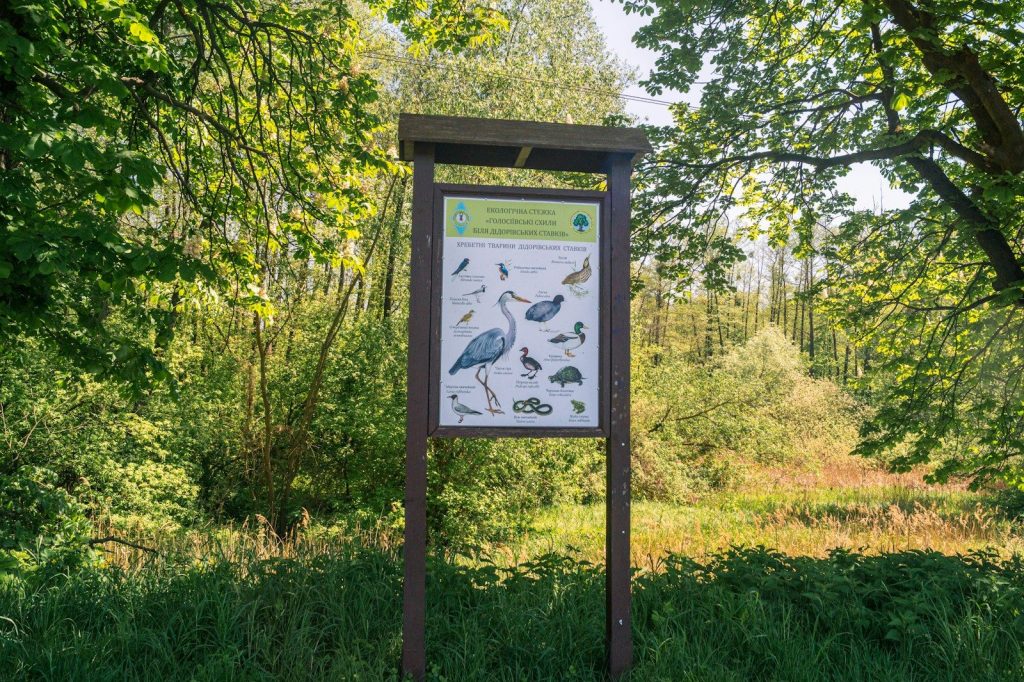
    Nature trail sign with bird illustrations in a forest.
    Photo by Nadin Nandin on Unsplash

    Gathering clean data on how different species age in their natural habitats remains a major scientific task. According to wildlife ecologists, running long-term generational studies is essential to map the true diversity of animal lifespans. Precision is vital. This tracking helps researchers determine how changing environments impact the longevity of vulnerable populations. But this biological search is already changing our view of nature.

    Safeguarding Our Living World

    Sunbeams shining through a lush green forest
    Photo by Josef Hejpetr on Unsplash

    Understanding the biological secrets of animal lifespans proves that nature can adapt to extreme planetary conditions. According to researchers, studying these resilient species helps us map the true boundaries of terrestrial life. The cells hold secrets. This article is for informational purposes only and does not constitute scientific or professional advice.

    Featured Image: Photo by Dave Meckler on Unsplash

  • The Ancient European Relic Uncovered In America

    The Ancient European Relic Uncovered In America

    Most history students assume that Christopher Columbus was the first European to reach the Americas. We believe that ancient civilizations lacked the navigational tools to cross the open Atlantic.

    But a spectacular archaeological discovery in Mexico has challenged this timeline completely. An authentic ancient Roman artifact has been found buried deep within an undisturbed tomb.

    Sifting Through Sealed Graves

    Workers polishing large stone slabs outdoors
    Photo by Annie Spratt on Unsplash

    A team of archaeologists exploring a pre-Columbian burial site uncovered a highly unusual grave. According to reports from the National Institute of Anthropology and History, researchers were excavating a burial chamber in Mexico. The tomb was sealed. Beneath the heavy clay floor lay a collection of native ceremonial items. But what lay hidden in the center of the grave would stun the research team.

    The Terracotta Head Find

    Ancient bronze bust of a woman with curly hair.
    Photo by Kamsin Kaneko on Unsplash

    Archaeologists recovered a tiny ceramic figurine head that did not match any local art styles. According to art historians, the style of the carving was strikingly European in its details. It looked out of place. The facial features and hair design resembled standard Roman art from the early centuries. But verifying the authenticity of this artifact required running advanced laboratory tests.

    Checking The Mineral Dates

    A man working on a lamp in a room
    Photo by Kevin Reyes on Unsplash

    Scientists used a highly precise dating method called thermoluminescence to determine when the ceramic was baked. According to reports from the Max Planck Institute, the minerals in the clay were heated nearly two thousand years ago. The dates are shocking. This timeline aligns perfectly with the height of the early Roman Empire. But explaining how this artifact crossed the ocean remained a major challenge.

    The Shipwreck Theory

    Focused image of a globe highlighting Cuba and Central America with a dark background.
    Photo by Patrik Felker on Pexels

    Some maritime historians suggest that a Roman merchant vessel was blown off course by a violent Atlantic storm. According to oceanographic drift studies, a disabled ship could easily float across the ocean currents toward the Caribbean. The journey was long. Surviving sailors might have reached the shores and shared their cultural tools with local tribes. But some researchers suggest an alternative trading route.

    Prehistoric Maritime Traders

    a model of a ship in a museum
    Photo by Casper Hildebrand on Unsplash

    A different theory argues that ancient Phoenician or Roman sailors possessed highly advanced navigation skills. According to classical historical archives, early explorers documented long sea journeys beyond the Mediterranean gates. They were brave. These skilled navigators might have actively crossed the ocean to trade with early American civilizations long before Columbus. But this trade theory remains highly controversial.

    The Academic Divide

    white and brown card on silver macbook
    Photo by Markus Winkler on Unsplash

    Mainstream archaeologists remain highly cautious about rewriting history based on a single small artifact. According to traditional historians, the ceramic head could be a later colonial plant or a modern hoax. They demand absolute proof. They believe that claiming early contact requires finding multiple pre-Columbian European settlements. But the geological context of the sealed tomb makes a hoax highly unlikely.

    Redefining Our Deep Past

    Explore ancient stone ruins and columns against a mountain backdrop during a stunning Turkish sunset.
    Photo by ROMAN ODINTSOV on Pexels

    This mysterious Roman artifact proves that ancient history is filled with unmapped connections and hidden stories. According to researchers, studying these out-of-place items helps us appreciate early human intelligence and maritime exploration. The past is active. This article is for informational purposes only.

    Featured Image: Photo by Andrey Nuraliev on Unsplash

  • How Intelligent Automation Will Reshape Our Daily Careers

    How Intelligent Automation Will Reshape Our Daily Careers

    Most professionals assume that technical training is the only way to secure a stable career. We believe that learning complex coding languages guarantees a permanent place in the workforce.

    But advanced automation is quietly shifting the global job market in a different direction. Creative human soft skills are actually becoming the most valuable assets you can possess.

    Bypassing Basic Tasks

    black computer keyboard
    Photo by Fotis Fotopoulos on Unsplash

    Modern software programs can now generate complex coding scripts in a matter of seconds. According to reports from the World Economic Forum, this rapid automation is reducing the need for basic programming skills. The shift is fast. This efficiency means companies are looking for workers who can manage these systems rather than write lines manually. But guiding these machines requires a different mental skill.

    Mastering Smart Problem Solving

    two black flat screen computer monitors
    Photo by Fotis Fotopoulos on Unsplash

    While computer algorithms are highly efficient, they struggle to adapt when unexpected bugs disrupt a system. According to reports from technology industry analysts, human managers are essential to evaluate and correct these computer errors. They are brilliant. This critical thinking allows workers to solve complex challenges that confuse simple software. But coordinating these solutions requires bringing different people together.

    Leading Dynamic Team Collaboration

    people sitting at the table
    Photo by Memento Media on Unsplash

    Computers cannot understand the subtle emotional dynamics that drive a creative business team. According to reports from organizational psychologists, leaders who possess high emotional intelligence are highly successful at managing workplace relationships. Empathy is key. This human touch helps to build trust and keep employees motivated during stressful projects. But communicating these ideas effectively requires another unique skill.

    Translating Complex Data Simply

    man standing on stage
    Photo by Product School on Unsplash

    Raw digital data is completely useless unless someone can explain its real meaning to others. According to reports from business consultants, workers who can translate technical statistics into simple stories are highly valued. Stories connect people. This narrative skill helps companies make smart strategic decisions based on computer research. But finding these creative storytellers is becoming a major challenge for recruiters.

    Designing Bizarre Creative Concepts

    tuned on Macbook
    Photo by Theme Photos on Unsplash

    Smart algorithms are trained to copy existing patterns rather than invent completely new art styles. According to reports from creative designers, human artists are still necessary to push aesthetic boundaries and draft unique marketing campaigns. Originality is rare. This creative spark ensures that a company’s branding remains fresh and engaging for consumers. But adapting to these changes requires a flexible mind.

    Training For Cognitive Flexibility

    people working at desks in open office
    Photo by Arlington Research on Unsplash

    The modern workplace changes so rapidly that memorizing specific facts is no longer enough to succeed. According to reports from educational specialists, learning how to learn is the ultimate survival tool for the future. Adaptability is everything. Professionals who can quickly master fresh tools will always remain valuable to employers. But the final success of this transition relies on our self-awareness.

    Shaping A Human Economy

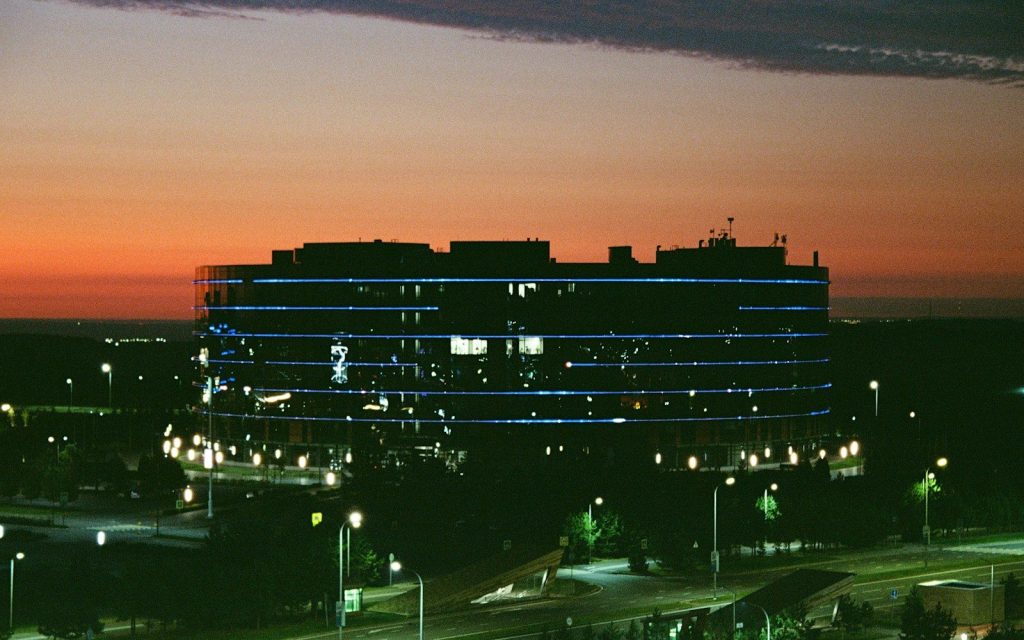
    Modern office building illuminated at dusk with sunset sky.
    Photo by Kamil Foatov on Unsplash

    Understanding our unique qualities as humans allows us to appreciate technical progress. According to reports from researchers, using smart software to automate repetitive tasks can free up time for creative discoveries. Innovation remains essential. This article is for informational purposes only.

    Featured Image: Photo by Vitaly Gariev on Unsplash

  • Why Hundreds Of Silent Trucks Rest Under Rocket Towers

    Why Hundreds Of Silent Trucks Rest Under Rocket Towers

    Most space enthusiasts assume rocket launch pads only house giant boosters. We believe that automotive fleet logistics have absolutely nothing to do with launching spacecraft.

    But a massive gathering of heavy steel trucks at a remote Texas spaceport is revealing a different plan. These silent vehicles are actively preparing for a highly complex mission.

    The Giant Coastal Base

    a large rocket sitting on top of a lush green field
    Photo by Yash Mannepalli on Unsplash

    Deep in the sandy flats of south Texas, an aerospace empire is expanding at a rapid pace. According to reports from SpaceX, Starbase is the primary assembly and testing hub for deep space rockets. The activity is constant. This vast port requires a massive fleet of heavy machines to move equipment. But some vehicles are starting to perform highly unusual tasks.

    Steel Armor Testing

    blue and black metal tank
    Photo by Ralph Katieb on Unsplash

    Constructing spacecraft designed for other planets requires choosing materials that can survive extreme wear. According to metallurgy reports, the giant rockets and the parked trucks share an identical stainless steel skin. The metal is tough. Testing these steel frames under the salty coastal winds helps engineers study corrosion resistance over long periods. But this material testing is only the beginning of their plans.

    Off Grid Battery Sinks

    black and silver car on parking lot
    Photo by Michael Fousert on Unsplash

    Keeping a massive launch facility running requires an incredible amount of steady power. According to grid transmission studies, the parked electric vehicles can function as a giant decentralized battery network. They are highly efficient. These modular power banks can absorb excess solar energy and feed it back to the base during peak launch operations. But managing this massive flow of electricity introduces a major infrastructure challenge.

    Fleet Operations Practice

    A black and white photo of a bus driver
    Photo by Bagzhan Sadvakassov on Unsplash

    Coordinating a future colony on another world requires mastering autonomous fleet logistics on Earth first. According to aerospace software engineers, the company is using these vehicles to test central coordinate routing systems. The system is smart. This active software tracks hundreds of machines simultaneously to prevent traffic blocks in rugged landscapes. But the physical environment of the base is also pushing these frames to their limits.

    Surviving Lunar Dust

    Dark suv parked on a sandy beach near ocean waves.
    Photo by Severin Demchuk on Unsplash

    The fine powder found on the moon can easily destroy standard vehicle joints and electronic sensors. According to planetary geology reports, the fine sand at the Texas launch site mimics some of the abrasive qualities of lunar soil. The grit is relentless. Driving these heavy steel trucks through the dunes allows designers to test how well seals protect delicate internal wiring. But some of these vehicles are also undergoing tactical modifications.

    Silent Remote Communication

    A couple of trucks parked next to each other in a parking lot
    Photo by E R on Unsplash

    Keeping drivers connected across remote desert zones requires establishing a highly robust satellite network. According to telecommunication audits, each steel truck is equipped with direct links to low-orbit satellites. The connection is instant. This real-time data transfer allows controllers to track the vehicle speed and diagnostics from thousands of miles away. But this tracking capability is actually preparing the fleet for a much larger mission.

    Planetary Rover Blueprints

    An electric skateboard with large wheels rests on grass.
    Photo by Khudadad Alam on Unsplash

    Space agencies want to use these heavy electric frames to design the next generation of planetary rovers. According to NASA development plans, the robust steel skeleton is ideal for carrying heavy scientific equipment across rugged terrain. They are incredibly tough. This shared design will allow future explorers to build off-grid transport networks on Mars using proven earthly technology. But the ultimate success of this program relies on constant field testing.

    Reimagining Our Future

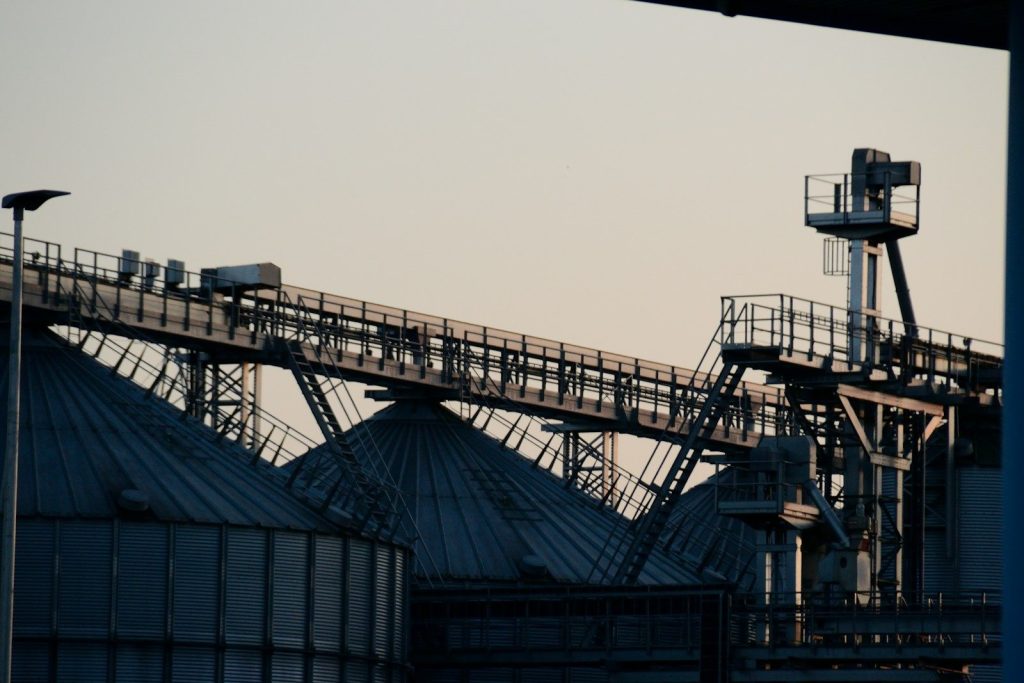
    Industrial silos and conveyor belts against a pale sky.
    Photo by Kristiina Klaas on Unsplash

    Watching these steel fleets gather shows how fast our transportation technology is preparing for the stars. According to researchers, these quiet testing programs are proving that earthly vehicles can help lay the groundwork for celestial cities. The journey has started. This article is for informational purposes only.

    Featured Image: Photo by Mylo Kaye on Pexels

  • The Hidden Vehicle Features Redefining Modern Driving

    The Hidden Vehicle Features Redefining Modern Driving

    Most drivers assume that their cars are simple mechanical frames on wheels. We believe that we already know every single tool and button inside our daily rides.

    But advanced material science and design are hiding highly surprising features in plain sight. These quiet innovations are quietly transforming how your vehicle protects and assists you.

    Hidden Windshield Arrow Signs

    the dashboard of a car is lit up with red and white lights
    Photo by Fidel Fernando on Unsplash

    Many car owners never notice a tiny symbol located directly on the fuel gauge. According to reports from the Society of Automotive Engineers, a small arrow points to the exact side of the vehicle where the fuel door sits. It is simple. This hidden indicator prevents drivers from pulling up to the pump on the wrong side. But some safety features are hidden inside your rearview mirror.

    The Active Dimming Shield

    black vehicle mirror frame
    Photo by Bruna Araujo on Unsplash

    Headlights from cars behind you can easily blind you during night highway trips. According to automotive safety reviews, modern mirrors contain a specialized chemical layer that dims automatically when exposed to light. The transition is silent. This electrochromic barrier absorbs the glare to keep your eyes comfortable in the dark. But some clever features are designed specifically for emergency situations.

    Silent Key Fob Lifelines

    a car dashboard with a cell phone holder attached to it
    Photo by Jeferson Santu on Unsplash

    A dead battery inside your smart key fob can leave you locked out of your vehicle. According to vehicle support manuals, a physical metal key remains hidden inside the plastic housing of the fob. The key is secret. Sliding a small tab releases the key to unlock the door manually during power losses. But your car also operates a clever thermal management system.

    Warm Windshield Heating Grids

    background pattern
    Photo by Maxim Potkin ❄ on Unsplash

    Clearing thick ice off your front window during freezing winter mornings is a major struggle. According to materials science studies, some windshields contain microscopic tungsten wires embedded directly inside the glass layers. They are invisible. These tiny wires heat up rapidly to melt the ice without scratching the delicate glass. But your tires are also using highly unique safety indicators.

    The Wear Indicator Bars

    black and silver auto wheel
    Photo by Nazim Zafri on Unsplash

    Driving on worn tires increases the risk of slipping on wet roads significantly. According to reports from tire manufacturers, standard tires feature small raised rubber bars hidden inside the tread grooves. They are simple. When the tread wears down to match these bars, it signals that the tire must be replaced. But your car also contains a hidden defense against passenger motion sickness.

    Under Floor Ventilation Paths

    the interior of a car with a steering wheel and dashboard
    Photo by J Z on Unsplash

    Stuffy cabin air is a primary trigger for nausea and fatigue during long road journeys. According to automotive design guides, hidden ventilation channels run directly beneath the seats to circulate fresh air. The flow is constant. This silent movement keeps the cabin oxygen levels high without creating loud wind noises. But some vehicles use highly advanced acoustic materials.

    Active Acoustic Panel Shields

    Detailed view of a modern car speaker system integrated into a door panel.
    Photo by Laura Paredis on Pexels

    Keeping the cabin quiet requires blocking out intense road and wind vibrations during travel. According to sound engineering logs, manufacturers place specialized acoustic foam directly inside the hollow door frames. The barrier is passive. This dense material absorbs high-frequency sounds to create a relaxing environment inside the car. But these advanced features are only the beginning of vehicle progress.

    Redefining Our Daily Commutes

    Beautiful winter sunrise over a snowy highway with trees lining the road.
    Photo by dumitru B on Pexels

    Understanding the hidden technology inside your vehicle helps you maximize comfort and safety on the road. According to researchers, these quiet features prove that modern car manufacturing is a masterwork of engineering. Innovation remains essential. This article is for informational purposes only.

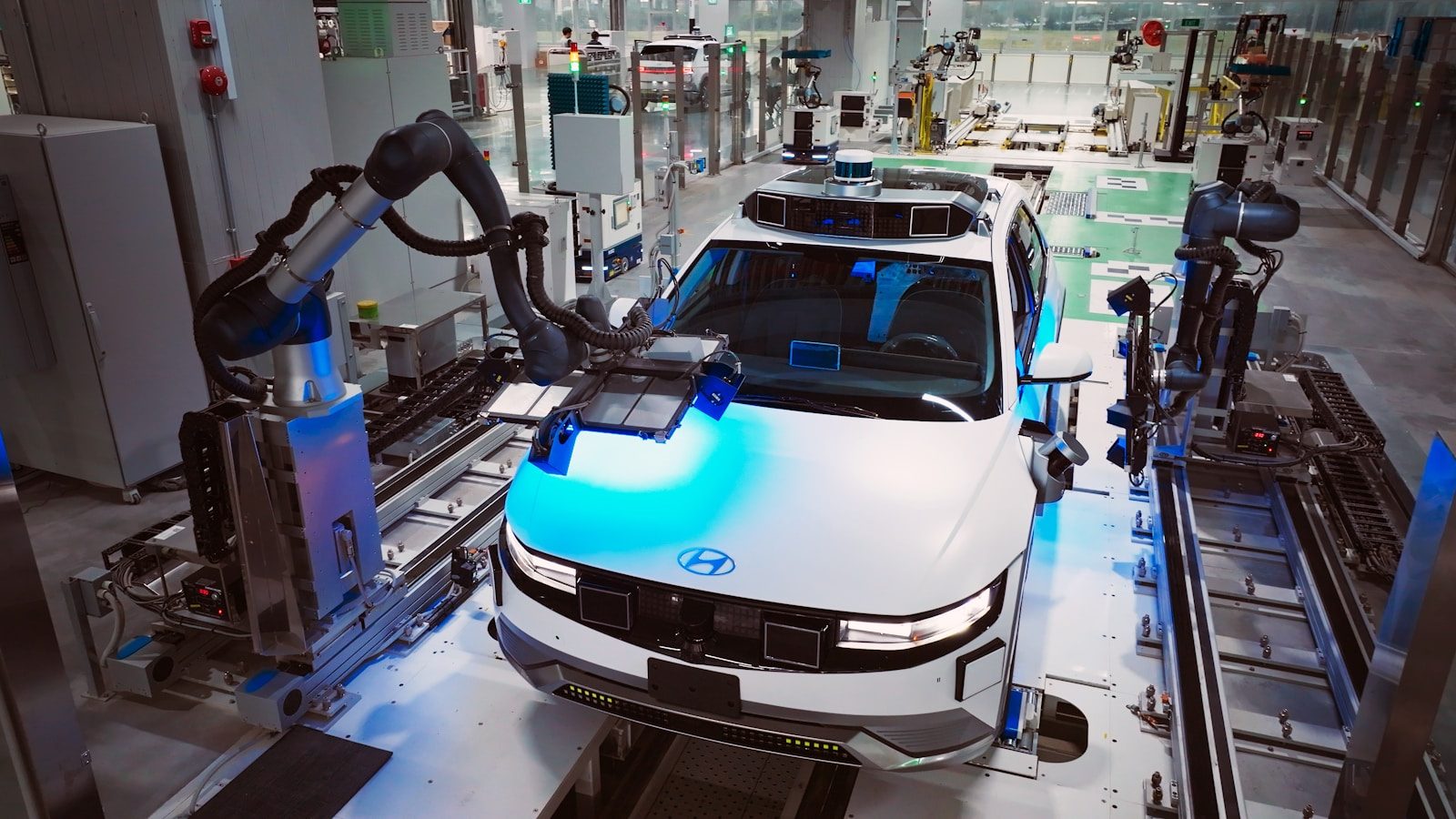
    Featured Image: Photo by Hyundai Motor Group on Unsplash

  • The Quiet Sensors Tracking Your Every Digital Step

    The Quiet Sensors Tracking Your Every Digital Step

    Most mobile users believe their smartphone only records their location when they open a map. We assume our private movements remain completely confidential when our screens are locked.

    But deeply buried hardware sensors are quietly monitoring your physical actions around the clock. Security experts have revealed that these silent components can reconstruct your private life.

    The Silent Gyroscope Log

    a close up of a computer screen with the words mid - journey on it
    Photo by Jonathan Kemper on Unsplash

    Your phone contains a highly sensitive gyroscope that measures the exact angle of the device. According to cybersecurity reports, this hardware sensor operates constantly in the background without requiring user permission. It runs silently. Hackers can analyze these tiny rotational shifts to guess exactly what you are typing. But this angle tracking is only the first part of the issue.

    Tracking Your Step Rhythms

    a person holding a pen and writing on an electronic device
    Photo by Liana S on Unsplash

    Built-in accelerometers are designed to count your steps and measure daily exercise routines. According to digital privacy studies, these sensors also record the unique rhythmic pattern of your walk. The pattern is personal. This physical signature can be used to identify your movement profile across separate devices. But your phone is also listening to the surrounding air.

    Triangulating Local Air Signals

    A black and white photo of cell towers
    Photo by Wendell Adriel L.S. on Unsplash

    Even when your location services are disabled, the phone scans for nearby wireless networks. According to reports from the Electronic Frontier Foundation, tracking these local Wi-Fi signals allows companies to pinpoint your coordinates. The scans are constant. This silent mapping can locate you inside a specific shopping aisle without using satellites. But some trackers are hiding inside your battery.

    Reading Your Battery Drain

    a close up of a speedometer on a motorcycle
    Photo by Austin Hervias on Unsplash

    Websites can monitor the exact battery percentage of your handheld device in real time. According to research from Princeton University, your battery’s charging cycle creates a unique digital footprint. The tracking is silent. This status data can link your web visits together even if you clear your browser cookies. But managing this data leak requires checking your default accounts.

    Silent Photo Location Stamps

    A close up of a computer screen with a monkey on it
    Photo by Glen Carrie on Unsplash

    Taking a photo with your mobile camera automatically embeds precise coordinates into the image file. According to software support guides, this metadata remains attached when you share the file online. The stamp is hidden. Anyone downloading the photo can easily extract the exact location of your home or office. But turning off these hidden trackers only takes a few steps.

    Turning Off Background Logs

    man in red shirt and brown pants holding tablet computer
    Photo by Arthur Debons on Unsplash

    Users must navigate through several layers of advanced settings to disable these hidden hardware logs. According to network security engineers, disabling background sensor access prevents third-party apps from reading your motion. Action is required. Once disabled, the system stops sharing your physical movements with corporate data servers. But keeping your device secure requires running monthly audits.

    Long Term Privacy Sovereignty

    cityscape photography of buildings under blue sky
    Photo by blue bird on Unsplash

    Taking control of your mobile hardware settings is the easiest way to secure your digital footprint. According to technological researchers, staying mindful of default sensor logs preserves your personal independence. Your data belongs to you. This article is for informational purposes only.

    Featured Image:Photo by Joseph Royer on Unsplash

  • The Biological Secrets Behind Colossal Prehistoric Growth

    The Biological Secrets Behind Colossal Prehistoric Growth

    Most biology lovers believe that modern mammals represent the absolute peak of land animal size. We assume that physical limits prevent land creatures from growing any larger than elephants.

    But the ancient fossil record reveals a spectacular era of truly colossal prehistoric giants. These massive dinosaurs grew to sizes that completely challenge our modern ideas of biology.

    Rich Prehistoric Vegetation Feasts

    Lush green forest filled with various ferns and tropical plants.
    Photo by Mikheil Kuzmidi on Unsplash

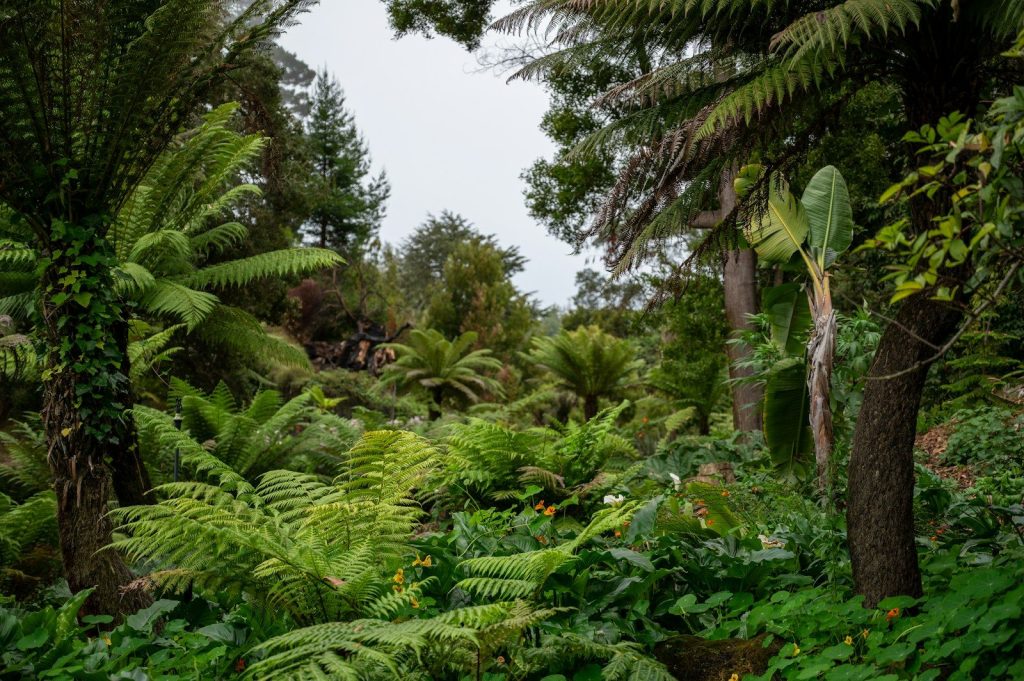
    The ancient Earth supported a highly unique climate filled with lush tropical plants. According to paleobotanical reports, high levels of carbon dioxide allowed giant ferns and conifers to grow rapidly. The food was endless. Plant-eating sauropods could harvest massive amounts of calories daily without moving their heavy bodies. But digesting this tough prehistoric fiber required a highly specialized gut system.

    Giant Natural Fermentation Vats

    a close up of a tray of food on a table
    Photo by masakazu sasaki on Unsplash

    Processing tons of tough conifer needles required a highly slow and efficient digestive process. According to evolutionary biology studies, colossal dinosaurs possessed massive stomach chambers that acted like fermentation vats. They were huge. This internal heat allowed gut bacteria to dissolve the tough plant cells over several days. But carrying this heavy digestive weight required a major skeletal adaptation.

    Hollow Air-Filled Skeletons

    Dinosaur skeleton displayed in a museum exhibit.
    Photo by Smithsonian on Unsplash

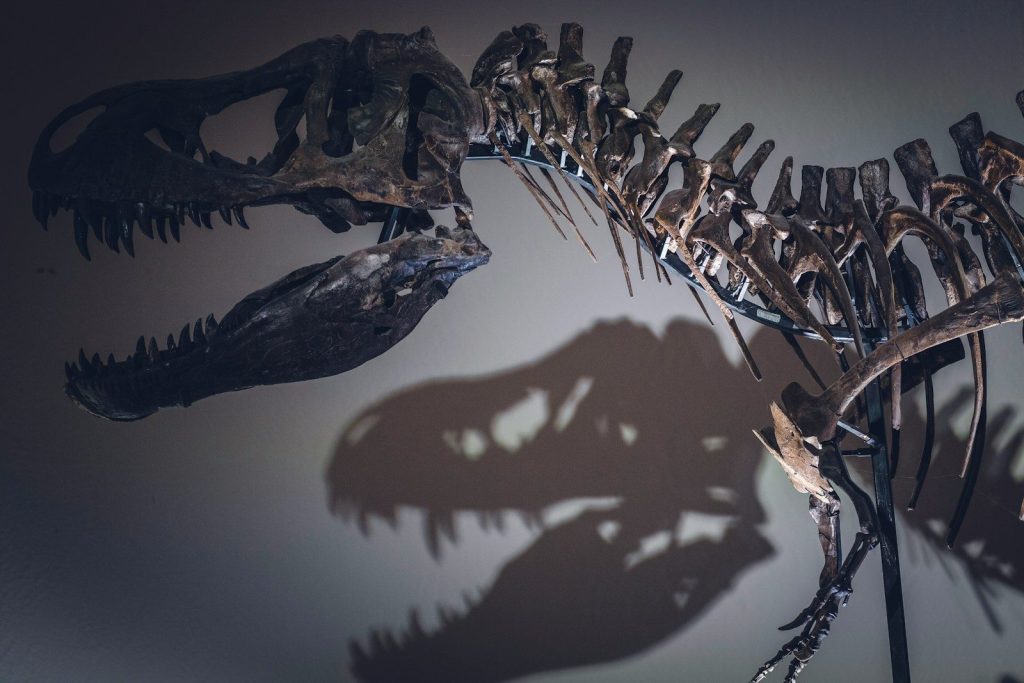
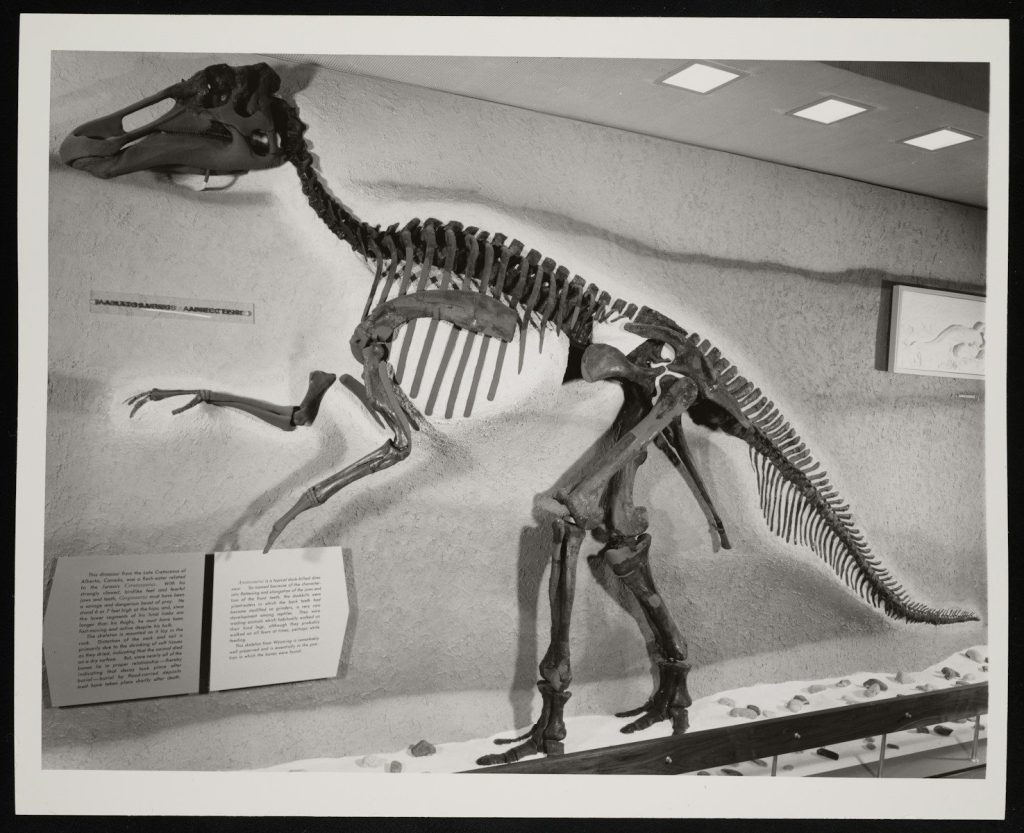
    Moving a body that weighed seventy tons required throwing out traditional solid bone structures. According to paleontological reports, giant dinosaurs developed hollow bones filled with light air sacs. They were geniuses. This lightweight design kept the skeleton robust without crushing the animal under its own weight. But these air sacs also powered an incredibly efficient breathing system.

    Constant One-Way Oxygen

    a drawing of a human heart and lungs
    Photo by Europeana on Unsplash

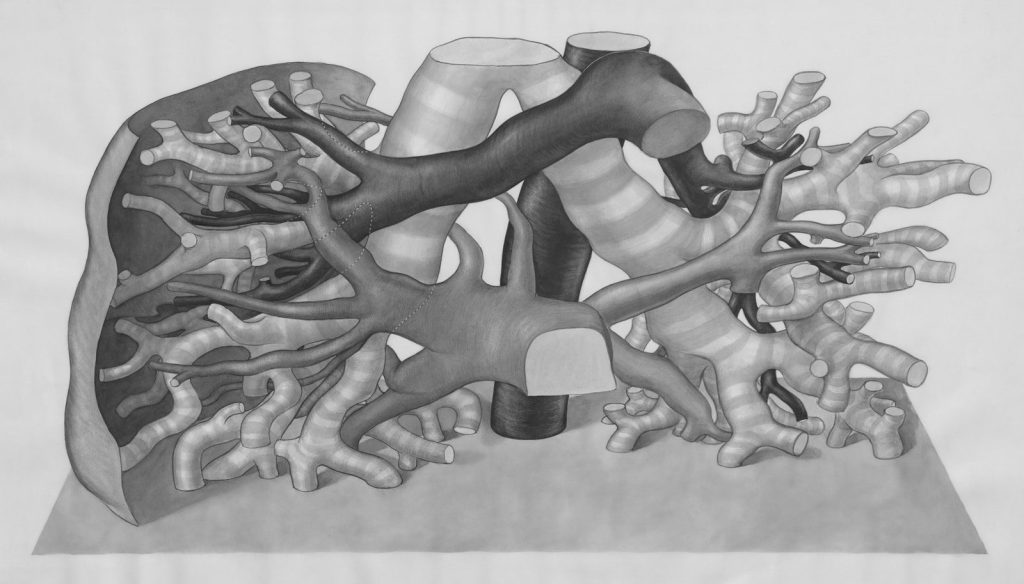
    Sustaining a giant body required a continuous flow of fresh oxygen to the muscles. According to respiratory biology studies, dinosaurs used a unique bird-like breathing system that kept air moving in one direction. The flow never stopped. This continuous oxygen supply allowed their cells to generate energy far faster than modern mammals can. But this active metabolism also generated intense internal heat.

    Passive Thermal Heat Release

    Spectacular lava flow from an erupting volcano under the night sky, showcasing fiery reds and intense heat.
    Photo by Daniel Torobekov on Pexels

    Large bodies naturally trap immense amounts of heat that can easily damage internal organs. According to biophysics research, giant dinosaurs used their long necks and tails to release excess warmth. They were cooling rods. This massive surface area allowed the animals to stay cool under the hot Mesozoic sun. But their long necks also served a highly practical feeding purpose.

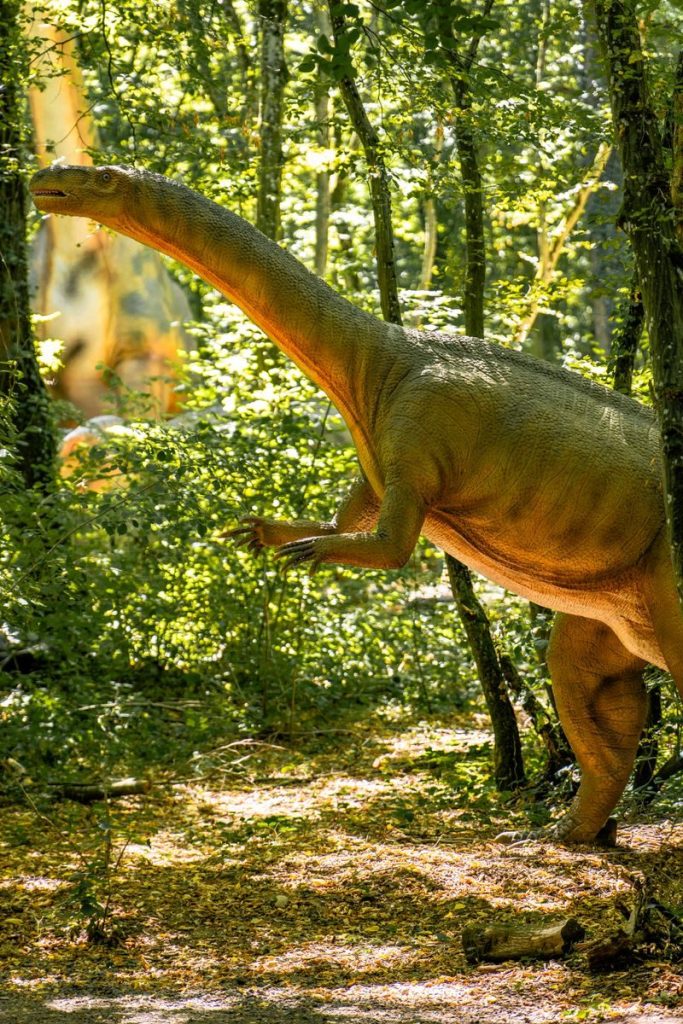
    Sweeping Low Energy Feeding

    A realistic dinosaur statue amidst a lush green forest creates an ancient prehistory vibe.
    Photo by Antonio Mistretta on Pexels

    Moving a heavy body to find food wastes precious energy that is vital for survival. According to biomechanics logs, the long necks allowed sauropods to sweep vast fields of plants without moving their feet. It was highly efficient. This energy-saving design made it easy for them to harvest food while remaining stationary. But this rapid growth rate also protected them from active predators.

    Reaching Unreachable Safe Heights

    brown and black cracked skin
    Photo by Pawel Czerwinski on Unsplash

    Growing incredibly fast was the ultimate defense mechanism for young prehistoric herbivores. According to growth ring studies of fossilized bones, some species could gain several pounds of weight every single day. They grew rapidly. Reaching giant sizes in a few short years made them completely immune to attacks from smaller meat-eaters. But some physical limits would eventually bring an end to this growth.

    Limits Of Natural Growth

    brown rock formation on lake during daytime
    Photo by Hans on Unsplash

    Uncovering the biological secrets of dinosaurs proves that nature can adapt to extreme planetary conditions. According to researchers, studying these ancient giants helps us map the true boundaries of terrestrial life. The bones hold secrets. This article is for informational purposes only.

    Featured Image: Photo by K. Mitch Hodge on Unsplash