
For decades, human intelligence has been steadily rising. But in 2026, the trend has officially pulled a U-turn. New data shows that average IQ scores in developed nations are dropping. Scientists call this the “Reverse Flynn Effect,” and the primary suspect is sitting in your pocket. Our brains are becoming “Smartphone-Optimized.” We are moving from deep thinkers to quick skimmers.
Researchers find that our constant reliance on technology is physically changing how our brains work. We are losing the ability to pay attention for more than a few seconds. This shift is changing everything from how we solve problems to how we feel empathy. The scariest part isn’t the score—it’s what is happening to our “Deep Work” capability. Your phone is acting like a literal brain drain. But wait until you see the end of the deep thinking era.
The End of the Deep Thinking Era

Our brains are designed to focus on one thing at a time. However, the digital age has trained us to multitask constantly. Studies show that the notifications on our phones release dopamine that keeps us in a state of shallow focus. This prevents the brain from entering the state needed for high-level intelligence. We are essentially trading our long-term IQ for instant gratification. But is the problem hidden in our very vocabulary?
The Shrinking World of Human Language

Intelligence is closely tied to the complexity of our language. As IQ scores drop, scientists notice that the average person’s vocabulary is also shrinking. We use fewer unique words and more emojis to talk. This makes it harder to express complex ideas or understand nuanced arguments. We are losing the tools we need to describe the world. It is a “Cognitive Standard” failure that is happening in real-time. But how does your memory fit into this?
Why You No Longer Remember Phone Numbers
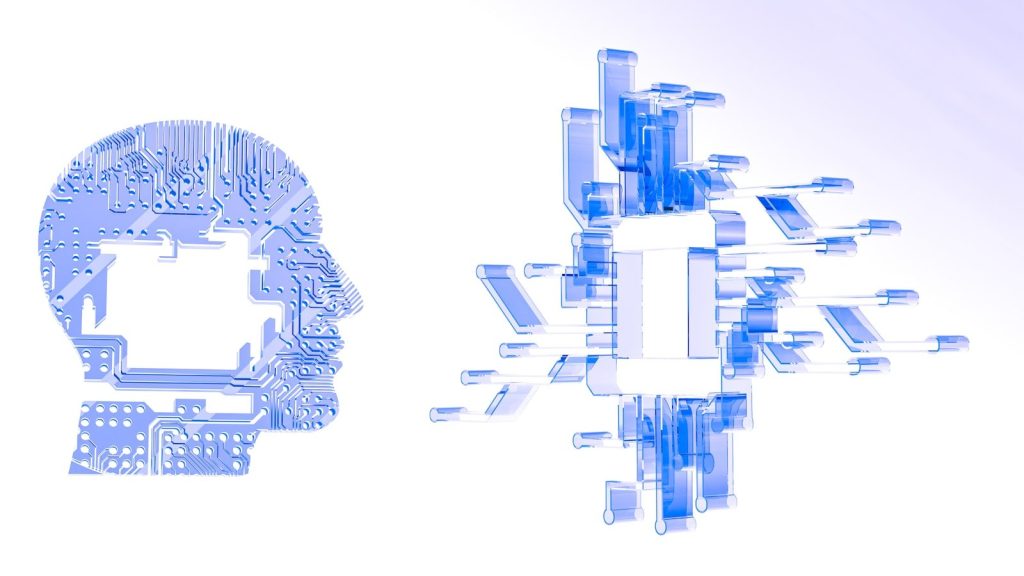
This is known as “Digital Amnesia.” Because we know our phones can store every name, date, and number, our brains decide they don’t need to remember them. We are “offloading” our memory to the cloud. While this is convenient, it means the physical structures in our brain responsible for memory are shrinking from lack of use. We are becoming “Brain-Lite” versions of ourselves. But the social cost is even higher than the memory loss.
The Death of Cognitive Empathy

Empathy requires the ability to read subtle facial expressions and tone of voice. When we communicate mostly through screens, we lose that practice. The 2026 data confirms a massive drop in “Social Intelligence” among heavy smartphone users. We are becoming less patient and more easily frustrated with real humans. It is a biological shift that is making our society more divided. But can we actually “up-skill” our intelligence back to normal?
Reclaiming Your Mental Power

The good news is that the brain is plastic. We can improve our focus by changing our habits. Simple acts like reading physical books or spending time in nature can help “re-wire” the brain. We are seeing a movement of people “unplugging” to reclaim their mental energy. It is a fight for the most valuable resource we have—our minds. We have to decide if we want to be the masters of our tools or the subjects of them. But wait until you see the “Digital Dementia” affecting children.
The Rise of Digital Dementia in Kids

Pediatricians are warning about “Digital Dementia” in youth. Because children use screens for everything, they aren’t developing spatial awareness or fine motor skills. Their brains are wiring themselves for a two-dimensional world. This leads to a drop in overall cognitive flexibility. It is a biological shift that we are just beginning to understand. We are conducting a global experiment on the next generation. But what is the final verdict on our tech?
The Future of the Optimized Human

Are we destined to get dumber, or will we find a way to adapt? The 2026 IQ data is a wake-up call. It is time to rethink how we live and use our technology. We have the power to stay sharp, but it requires a conscious effort. The journey to a smarter future starts with a single step away from the screen. But are you ready for the secret civilization hiding beneath the Antarctic ice?
The Countdown to a Cognitive Reset

The clock is ticking for our intelligence. We are at a turning point where we must choose between the ease of the algorithm and the strength of the human mind. The choices we make today will define the humans of tomorrow. Stay curious, stay focused, and keep looking for the real connection in your own backyard. The world is changing fast, and the best is yet to come.
Featured Image: Photo by SHVETS production on Pexels
Leave a Reply