Blog

  • Deep Divers Just Found a Submerged Stone Age World

    Deep Divers Just Found a Submerged Stone Age World

    A team of European researchers has made an incredible discovery beneath the cold waves of Denmark. They uncovered a perfectly preserved prehistoric settlement that is already being called the real Atlantis.

    This ancient coastal outpost sank beneath the rising ocean thousands of years ago. Now it is offering scientists a rare look into a forgotten chapter of human history that survived in the dark.

    Diving Twenty-Six Feet Into the Past
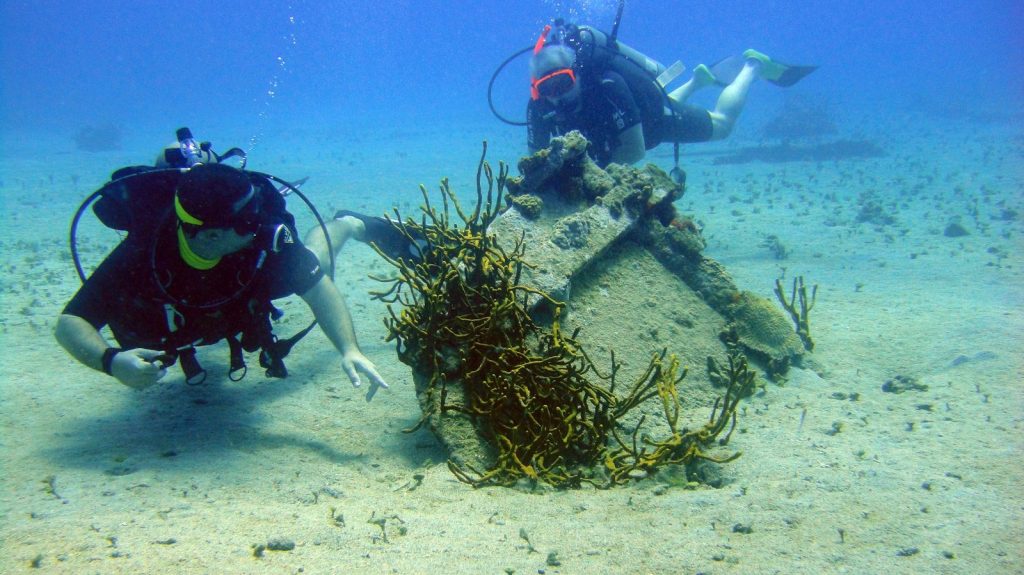
    a couple of people that are in the water
    Photo by Karl Callwood on Unsplash

    Underwater archaeologists braved the freezing waters of the Bay of Aarhus to locate the site. Using specialized underwater suction gear they carefully vacuumed away layers of seabed. What they found underneath stunned the entire research community because of how well the ocean had guarded these prehistoric remains.

    The unique underwater environment acted like a prehistoric vault.

    A Perfect Time Capsule Under the Sea

    statue under ocean water
    Photo by Jeremy Bishop on Unsplash

    Organic materials like wood and animal bones usually rot away on land within a few centuries. But the bottom of this Danish bay lacks oxygen which prevents bacteria from destroying ancient items. Because of this natural preservation scientists recovered intact wooden tools and delicate hazelnut shells that are thousands of years old.

    These small items tell a surprising story about daily prehistoric survival.

    How Our Ancestors Conquered the Coast
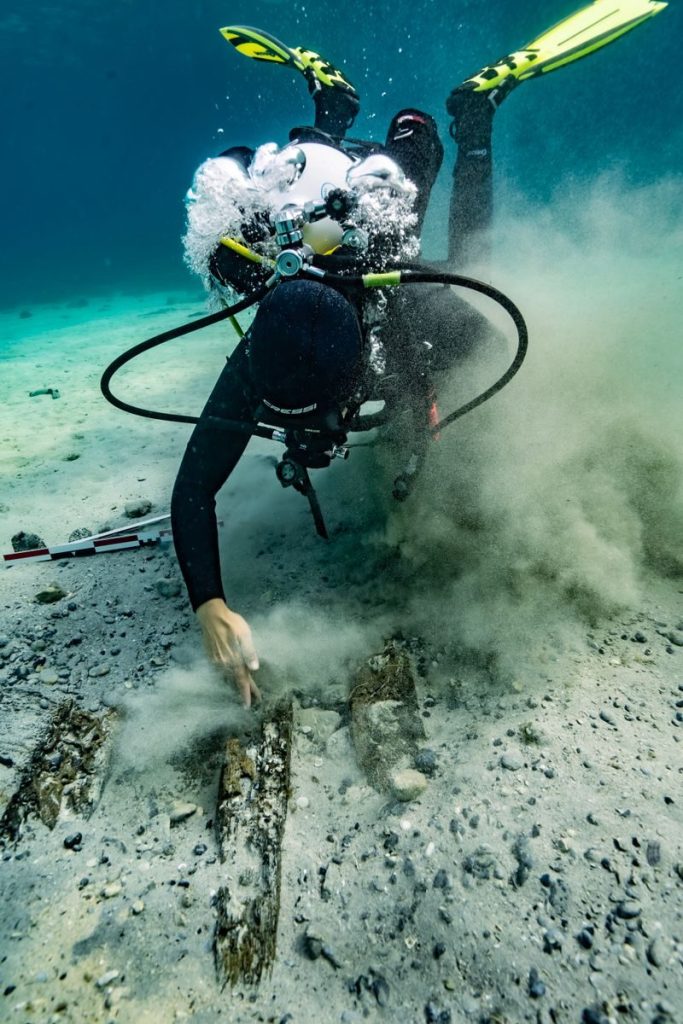
    A scuba diver inspects the seabed underwater in Croatia, surrounded by bubbles and sand.
    Photo by Mateusz Popek on Pexels

    The recovered artifacts paint a picture of a sophisticated hunter-gatherer community that thrived on the ancient coastline. Divers brought up sharp flint arrowheads and bone tools designed for fishing. These early Europeans had mastered their marine environment and relied heavily on the rich resources of the sea.

    But their successful coastal lifestyle was about to face a global threat.

    The Ice Age Meltdown That Changed Everything
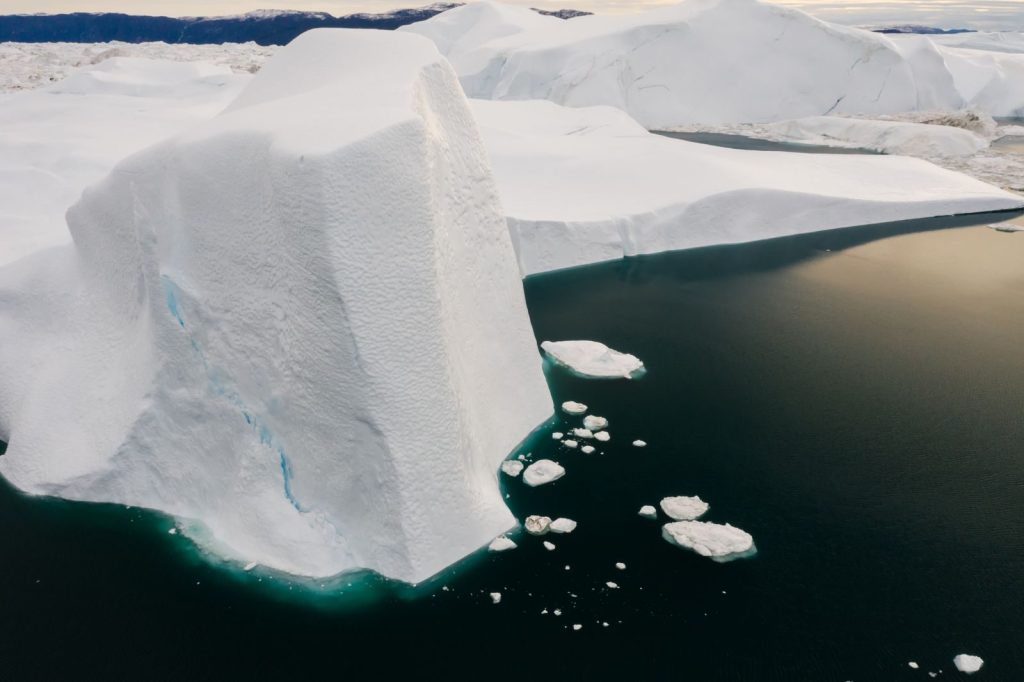
    A stunning aerial shot capturing vast icebergs in frigid Arctic waters during daylight.
    Photo by Mikhail Nilov on Pexels

    Around 8,500 years ago the last Ice Age was drawing to a close. As massive continental ice sheets melted global sea levels began to rise at a terrifying speed of up to two meters every single century. This rapid ocean expansion slowly swallowed up entire valleys and coastal plains.

    The rising tides forced these prehistoric families to make a difficult choice.

    A Slow Motion Retreat From the Waves

    Captivating ocean waves crash against the shore under a soft morning light, creating a serene view.
    Photo by Robert So on Pexels

    As the ocean invaded their territory the hunter-gatherers had to abandon their homes and flee inland. This was not a sudden catastrophe but a relentless generation-long march away from the rising water. Their homeland vanished beneath the waves and eventually became a forgotten memory buried under the North Sea.

    This Danish site is actually part of a much larger lost continent.

    The Legend of Doggerland

    grey rocks during daytime
    Photo by K. Mitch Hodge on Unsplash

    Scholars believe this settlement was connected to Doggerland a massive landmass that once linked Great Britain directly to mainland Europe. Thousands of years ago humans walked across what is now the bottom of the North Sea. A series of rising tides and a massive tsunami eventually drowned this European heartland forever.

    Now scientists are planning to explore even deeper into the abyss.

    Searching the Treacherous German Waters

    a couple of boats in the water
    Photo by Anne Nygård on Unsplash

    This discovery in Denmark is only the beginning of a massive European research project. Teams of international scientists are now preparing to dive into the rough waters off the coast of Germany. They hope to map more drowned settlements to understand how ancient humans adapted to shifting climates.

    Their findings carry a critical lesson for our modern world.

    A Warning Written in the Sea Bed
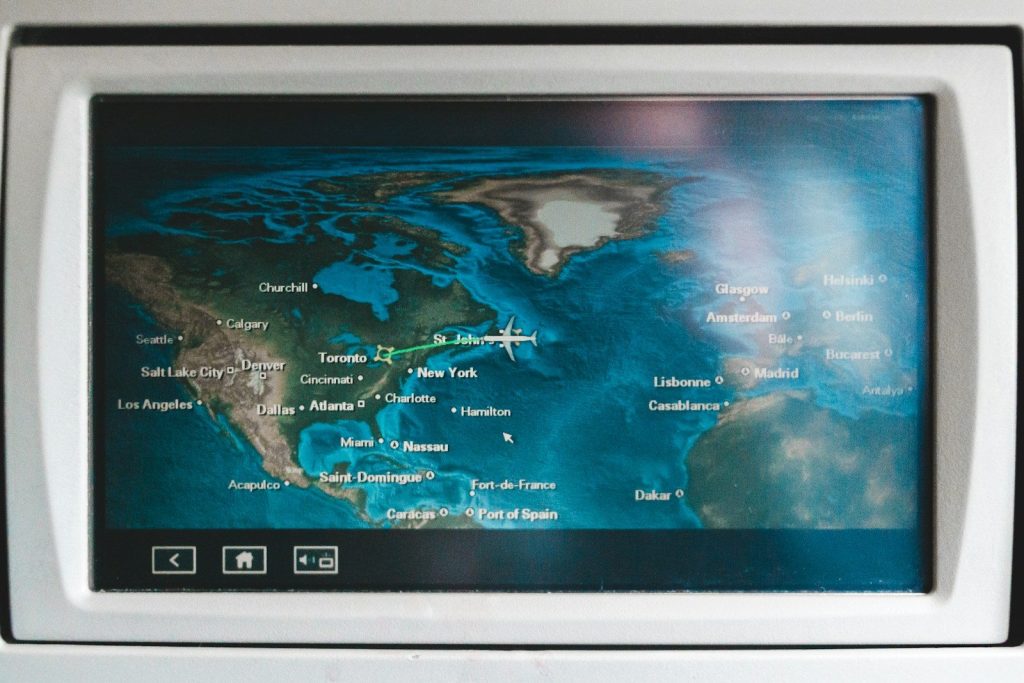
    black and silver asus laptop computer
    Photo by Erik Mclean on Unsplash

    Studying how these ancient coastal communities reacted to rising sea levels offers vital data for modern science. It shows the sheer scale of planetary change and how resilient humanity must be to survive. The drowned ruins of Aarhus prove that the oceans can completely rewrite our maps.

    Featured Image: Photo by Mido Makasardi ©️ on Pexels
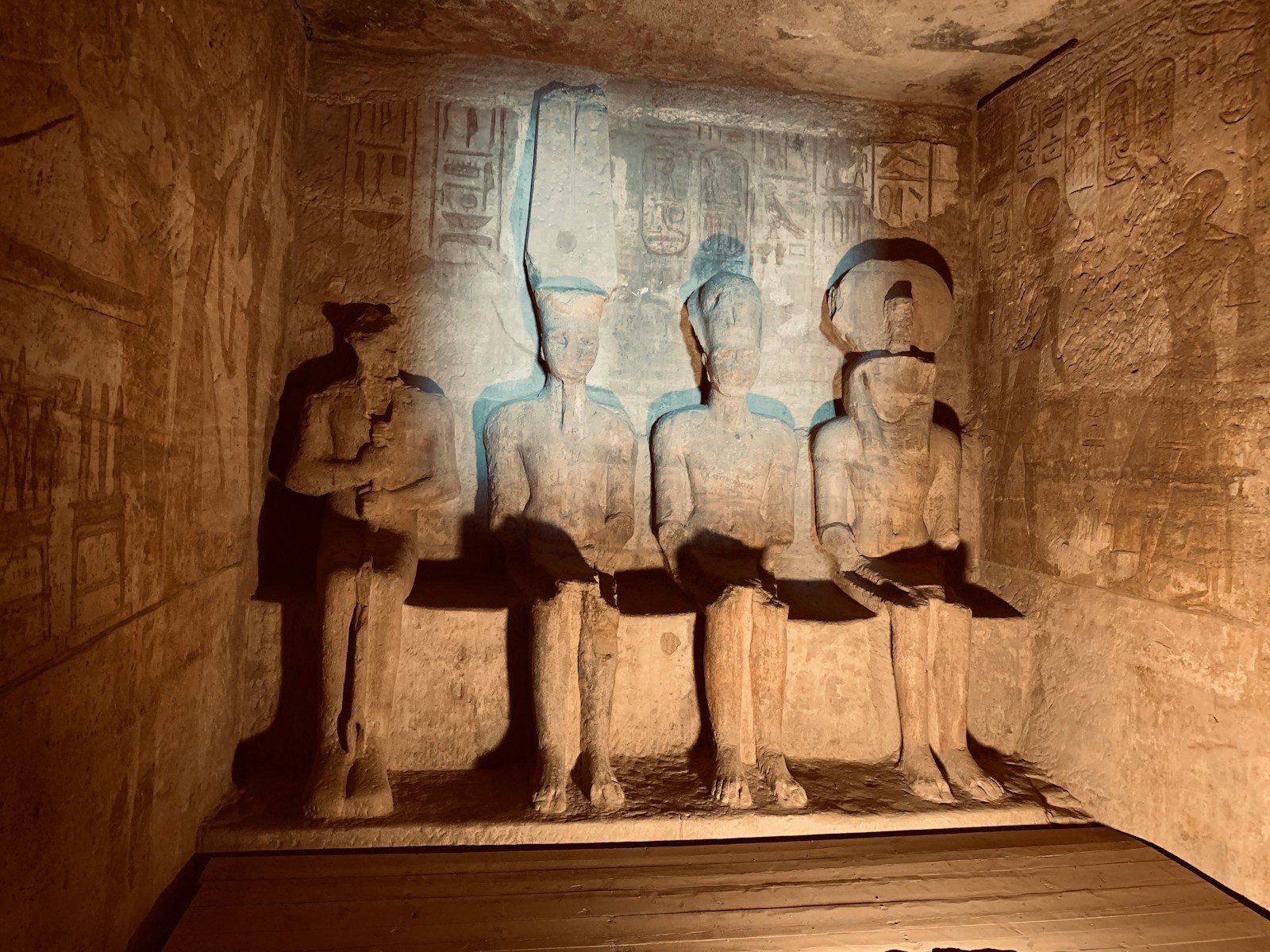
  • Why did an Egyptian mummy carry a lost European book?

    Why did an Egyptian mummy carry a lost European book?

    In 1848, a Croatian traveler purchased an ancient mummy in Egypt. He brought the artifact home to Vienna as a souvenir.

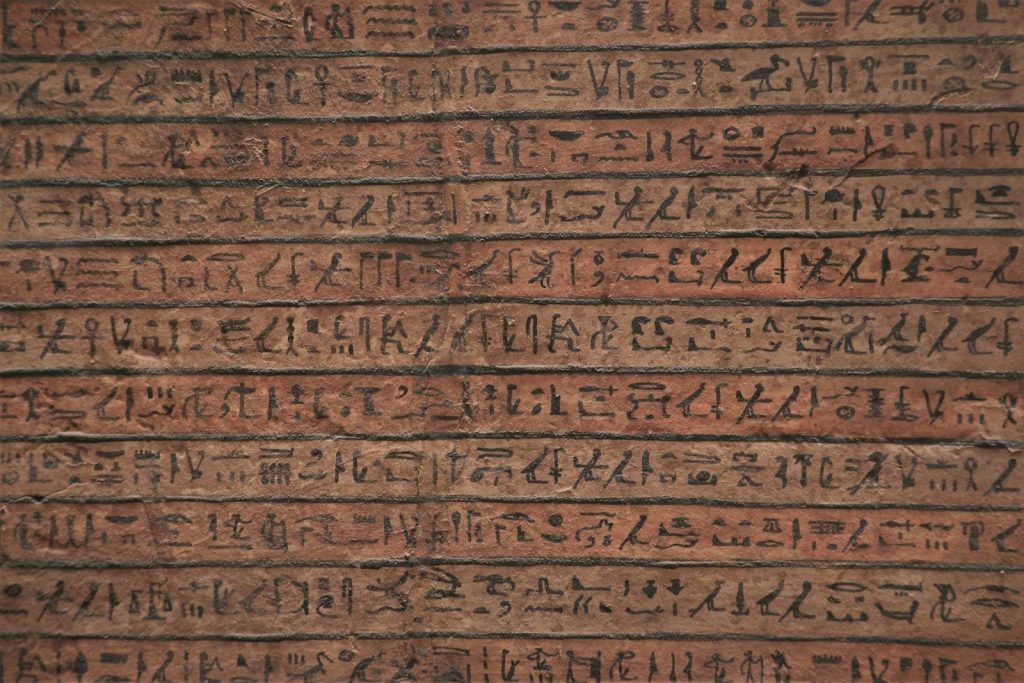
    When experts unwrapped the bandages years later, they made a shocking discovery. The linen wraps were covered in a mysterious writing that was not Egyptian.

    The mysterious writing on the linen

    text, letter
    Photo by Chris Linnett on Unsplash

    The bandages consisted of long strips of fine linen. These wraps were covered in a strange script of black and red ink. For decades, scholars failed to decode the characters. They quickly realized this was not a standard burial text. A breakthrough came from an unexpected researcher.

    Unmasking a forgotten language

    text
    Photo by 2H Media on Unsplash

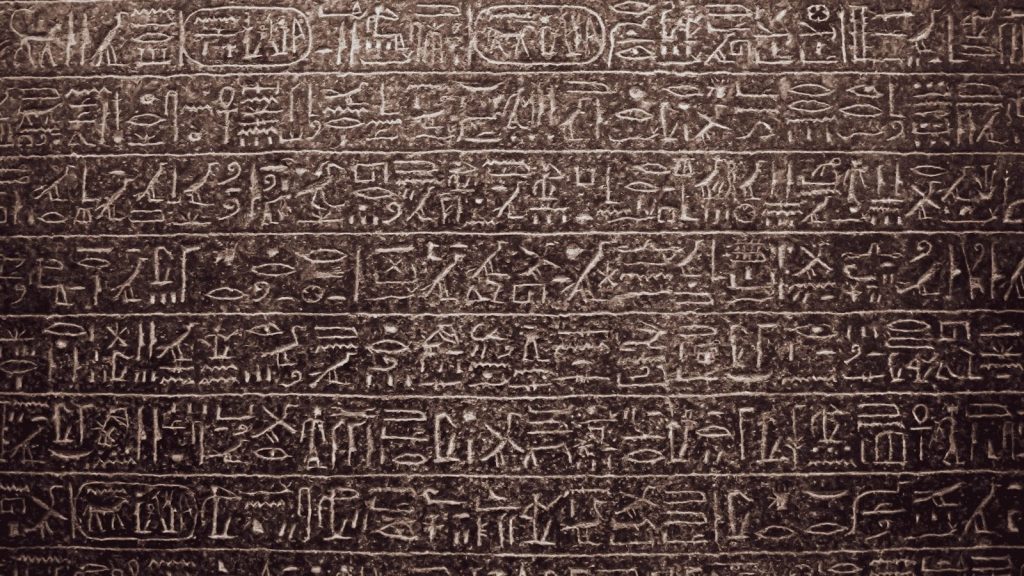
    In 1892, an Egyptologist named Jakob Krall identified the writing. It was Etruscan, the language of a sophisticated civilization that ruled Italy before Rome. The Etruscan language is still largely undeciphered today. This text remains the longest Etruscan inscription ever found. But how did this European book end up buried in Egypt?

    The only linen book in existence

    An old, handwritten book is open to view.
    Photo by Nick Russill on Unsplash

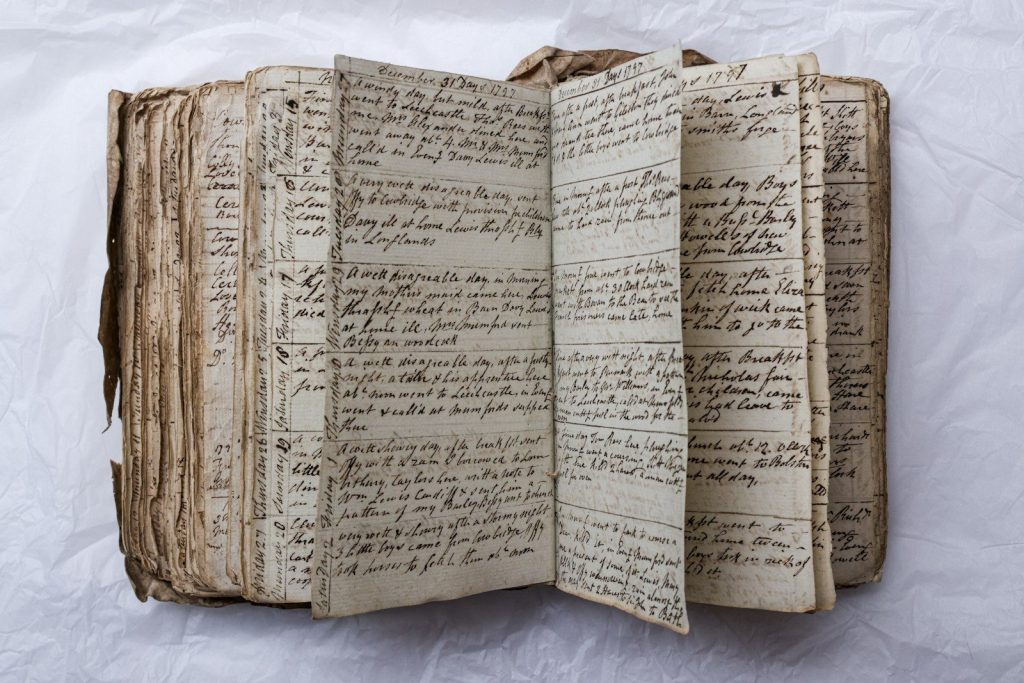
    The bandages were originally a single piece of cloth. It was a linen book, or liber linteus, folded like an accordion. Inscribed around 250 BC, the text detailed a complex religious calendar of animal sacrifices. Scholars believe it was created near Perugia, Italy. The survival of this book was a complete accident.

    Recycled for a cheap burial

    Terracotta warriors lie in excavation pit
    Photo by HsinKai Tai on Unsplash

    Linen was expensive in ancient Egypt. When the Etruscan community in Alexandria collapsed, their religious books lost value. Embalmers viewed the heavy linen book as scrap material. They sliced the holy text into strips to wrap a middle-class woman. This disrespectful act preserved the book for millennia.

    The woman beneath the bandages

    Close-up of an ancient Egyptian mummy displayed in a museum exhibition.
    Photo by Lokman Sevim on Pexels
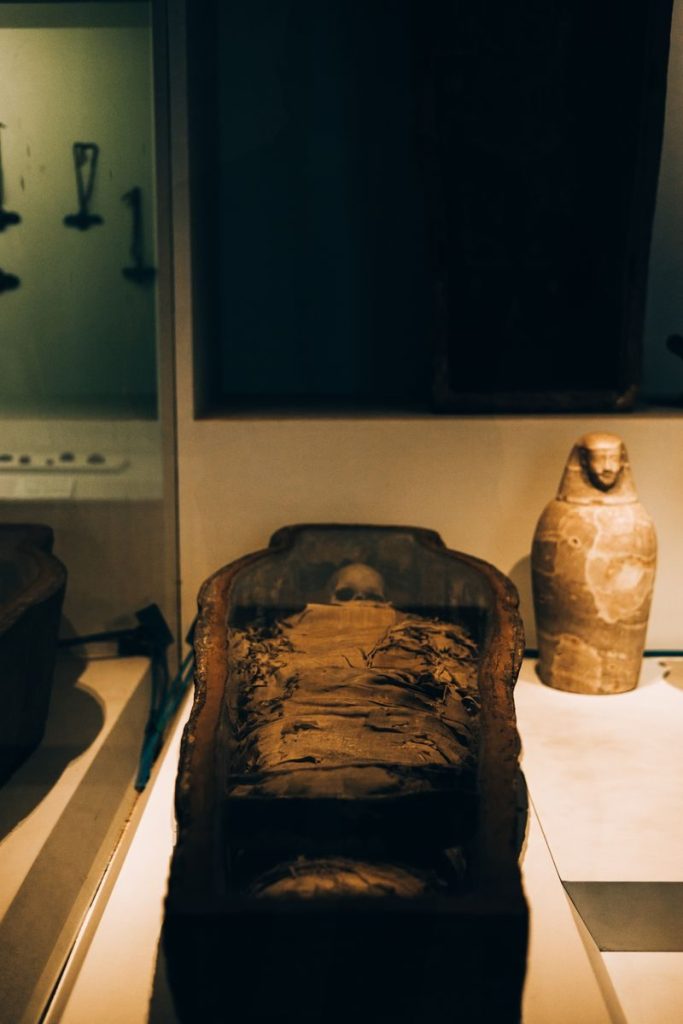
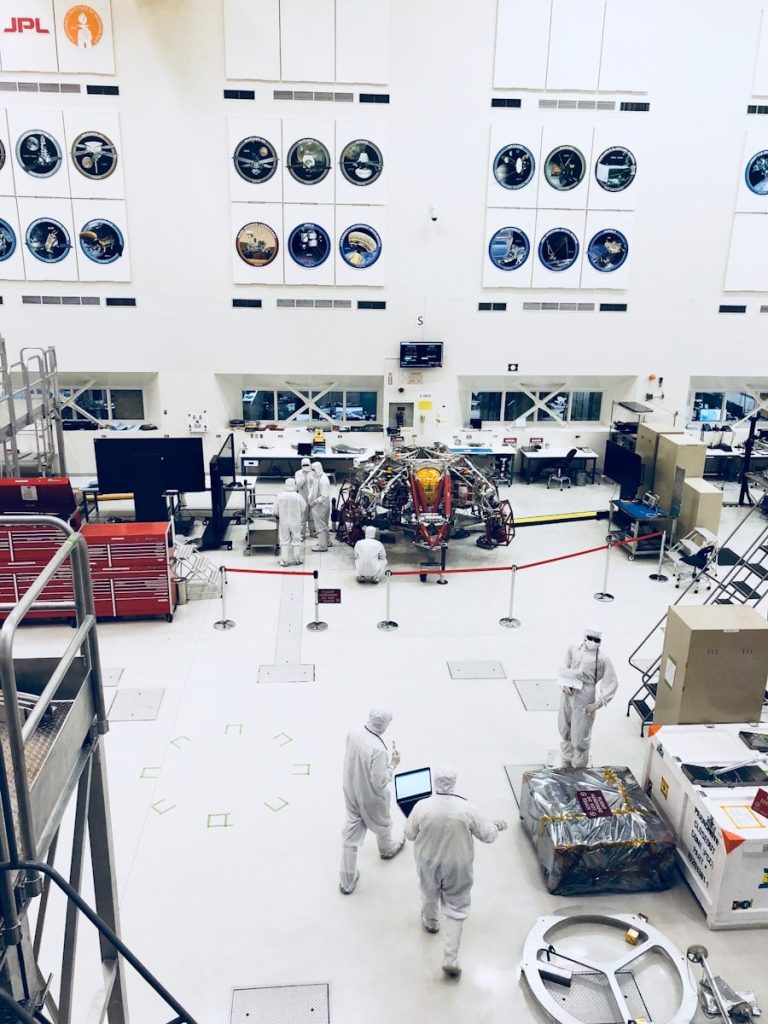
    Scientists used modern imaging to study the mummy itself. She was a woman named Nesi-hensu who died in her thirties. She was not royalty, yet she received a careful mummification. She lay undisturbed for over two thousand years with a unique treasure wrapped around her. Today, the artifact sits in a quiet museum.

    Deciphering the sacred calendar

    concrete structure with black texts
    Photo by Phil Goodwin on Unsplash

    Infrared photography has helped scholars read the faded ink. The text lists ceremonies, dates, and named deities. It shows how the Etruscans organized their year and worshipped their gods. This single fragile artifact provides most of our knowledge about their lost rituals. The mystery of their language still remains.

    A bridge between two worlds

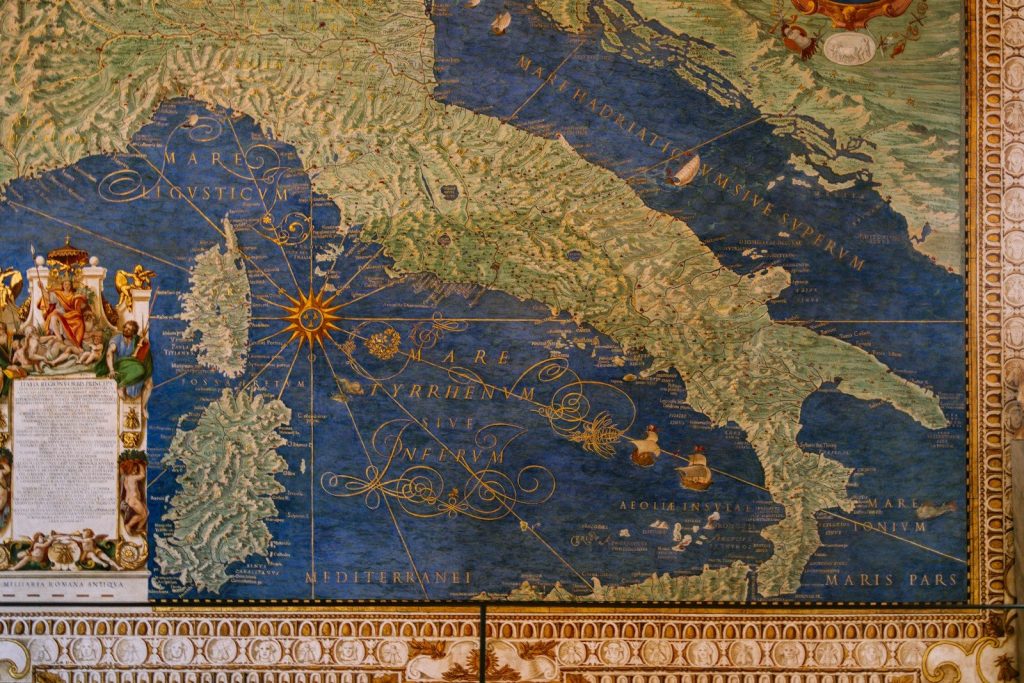
    A painting of a map on a wall
    Photo by Josh Withers on Unsplash

    The Zagreb Mummy represents a remarkable cultural collision. An Italian book preserved by an Egyptian custom, now housed in Croatia. It shows how the ancient Mediterranean was deeply connected. This fragile linen survived because it was discarded.

    Featured Image: Photo by Shreyas Nair on Unsplash

  • What will happen when a giant asteroid grazes Earth?

    What will happen when a giant asteroid grazes Earth?

    In April 2029, an asteroid named Apophis will pass closer to Earth than our own communication satellites.

    This huge space rock, measuring over one thousand feet wide, was once feared to be on a collision course. While Earth is safe, the encounter will trigger a spectacular scientific event.

    A rare cosmic close call

    Captivating view of a comet streaking across the night sky with twinkling stars.
    Photo by Headshotgames12 on Pexels
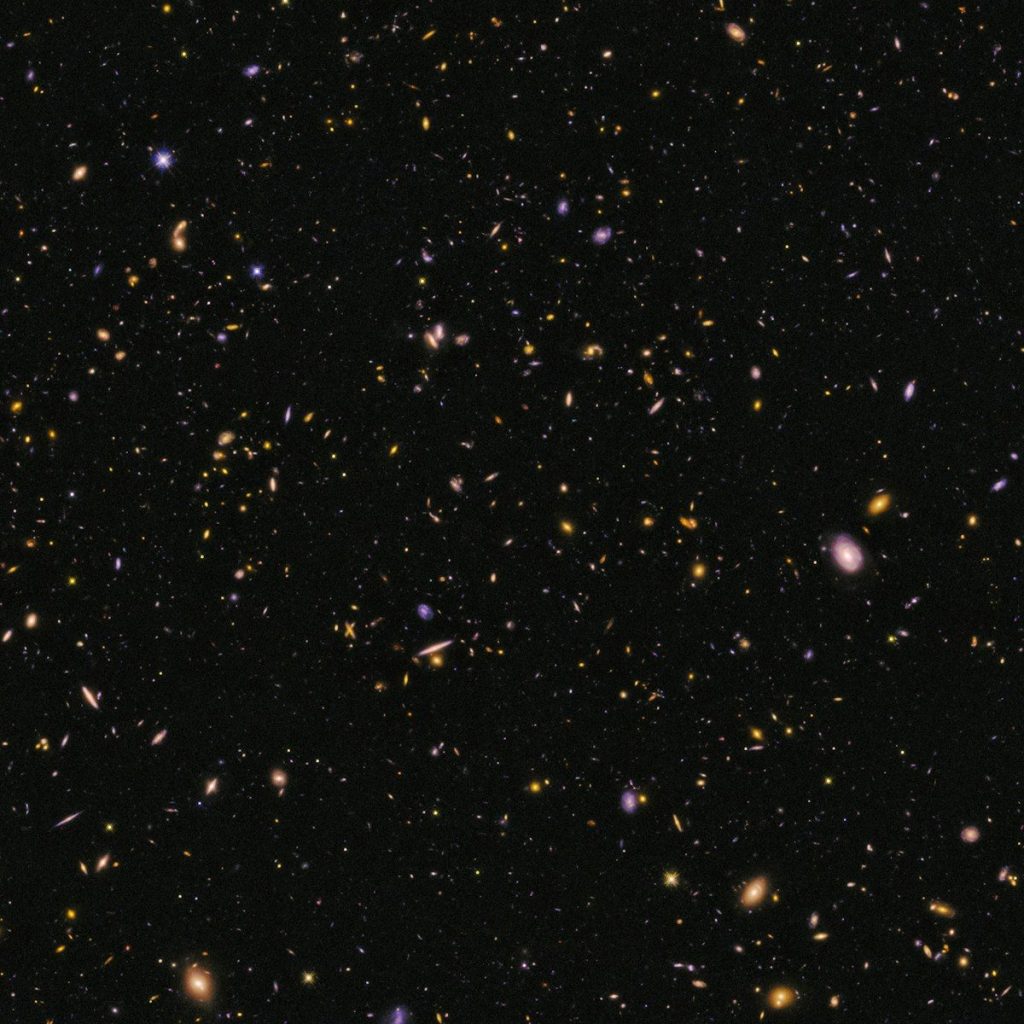
    Asteroid Apophis will pass within twenty thousand miles of Earth. NASA states that an object this size comes this close once every few thousand years. It will be easily visible to the naked eye across Europe. Earth’s gravitational pull will warp the space rock forever.

    Earth will shake the space rock

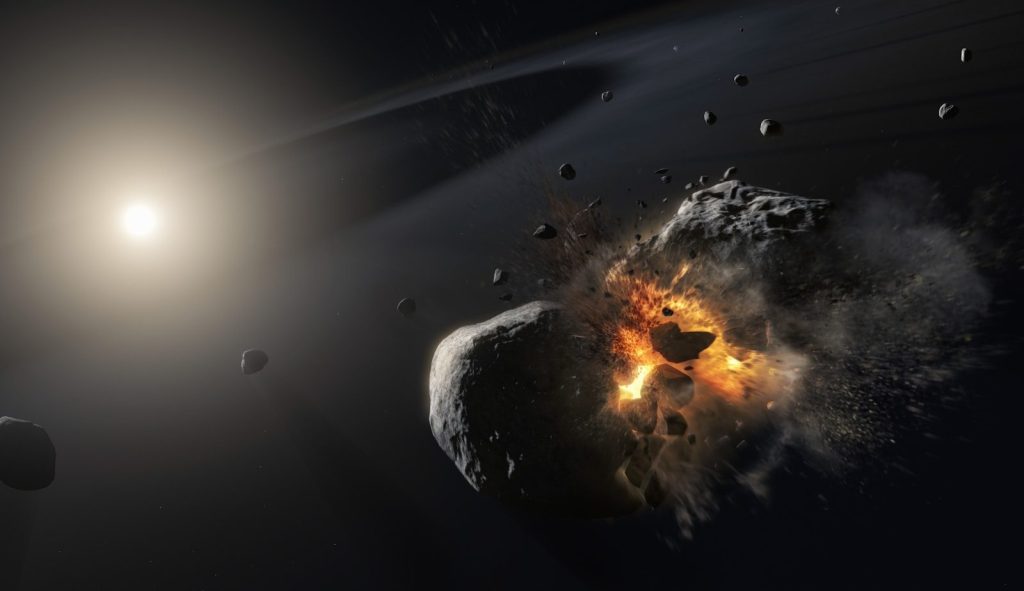
    an artist's impression of a collision between two planets
    Photo by NASA Hubble Space Telescope on Unsplash

    Apophis is a loose accumulation of rocks held together by gravity. As the object flies past, Earth’s intense gravitational pull will squeeze it. This force will likely trigger massive landslides on its surface. It will also alter the asteroid’s spin rate. Scientists are sending a spacecraft to watch this happen.

    A recycled spacecraft on a new mission

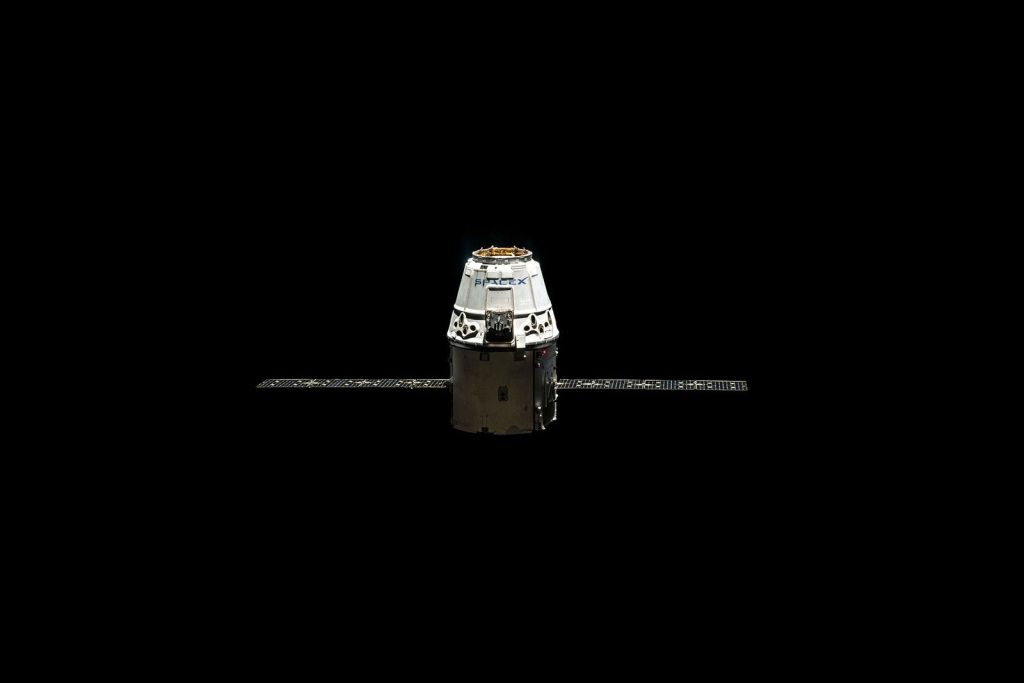
    A SpaceX Dragon capsule orbited against the dark vastness of outer space.
    Photo by Pixabay on Pexels
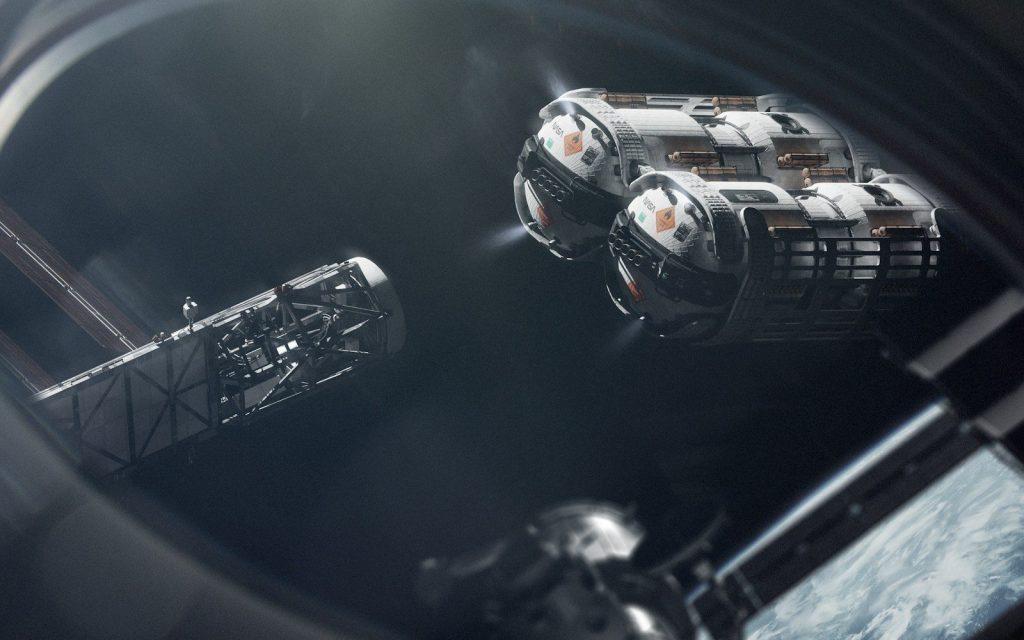
    NASA is redirecting the OSIRIS-REx spacecraft to intercept Apophis. The probe previously collected samples from asteroid Bennu. It has been renamed OSIRIS-APEX for this new journey. It will arrive at Apophis just as the asteroid reaches its closest point. The spacecraft will perform a daring maneuver.

    Blasting the asteroid with thrusters

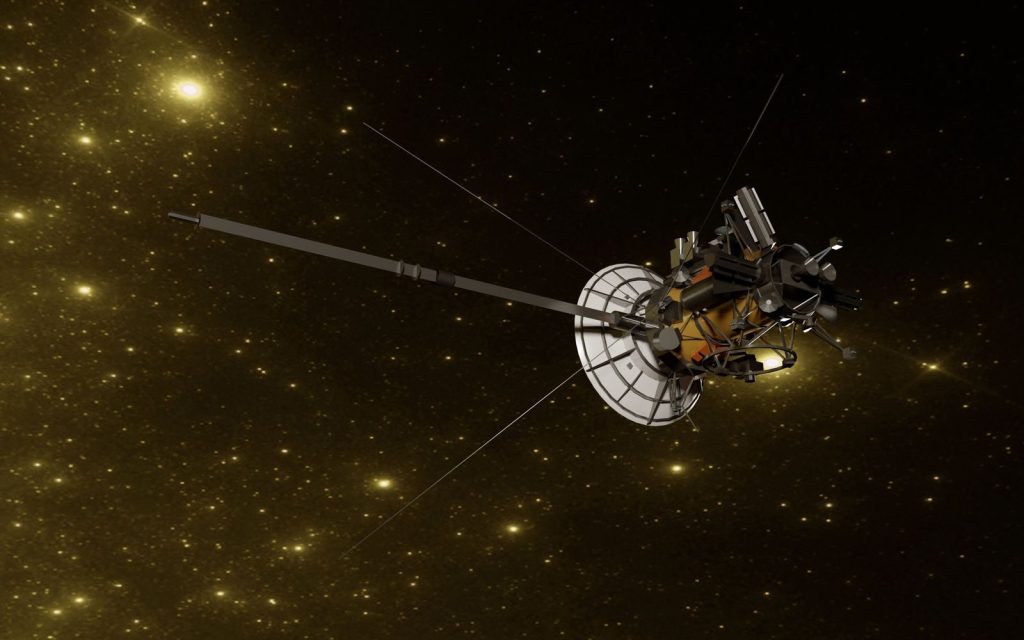
    Detailed render of a space probe navigating through the vast starry universe.
    Photo by Paul Seling on Pexels
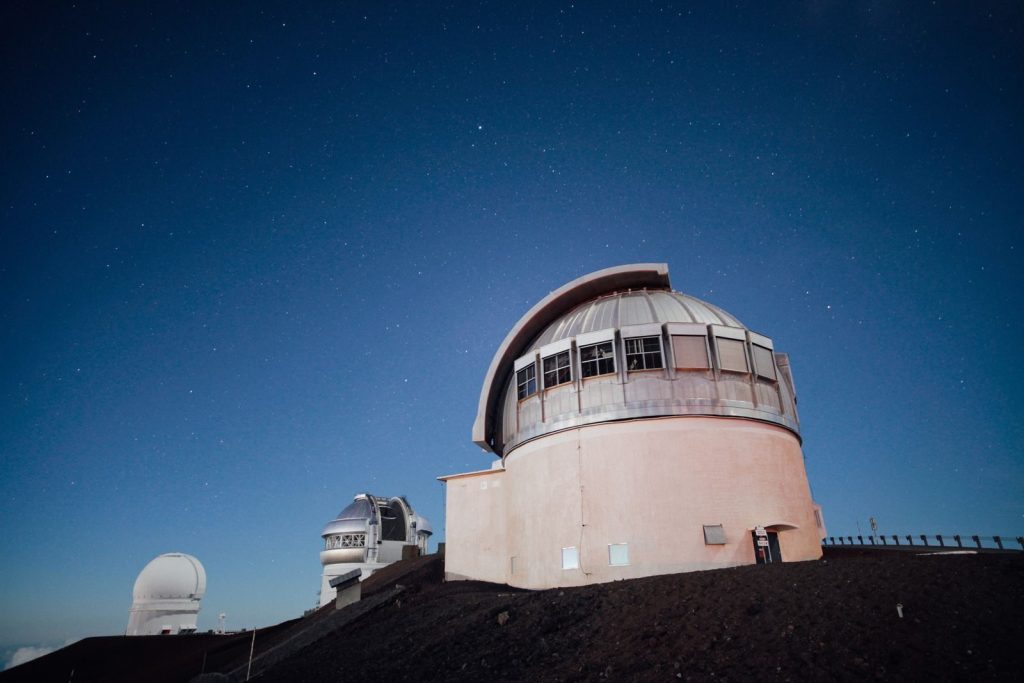
    The spacecraft will orbit Apophis for eighteen months. It will map the surface and analyze its chemical composition. Near the end of the mission, the probe will fire its thrusters close to the surface. This will blow away loose dust to reveal what lies beneath. This data is critical for our planetary defense.

    Preparing for future impact threats

    a room with many screens and monitors
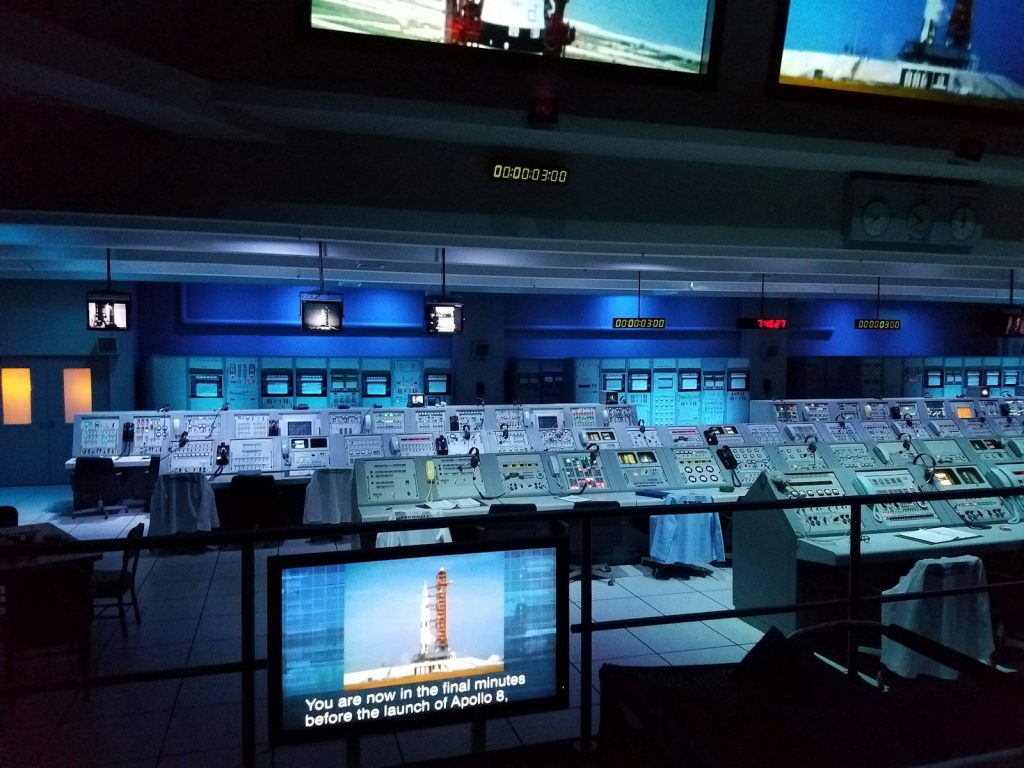
    Photo by Ana Garnica on Unsplash

    Understanding the internal structure of asteroids helps us design deflection missions. If a dangerous rock ever threatens Earth, we need to know if it is solid or a loose rubble pile. A rubble pile requires a different deflection strategy. The upcoming 2029 flyby serves as a perfect dress rehearsal.

    The threat is not entirely gone

    Abstract skull surrounded by glowing, colorful orbits and sparkles.
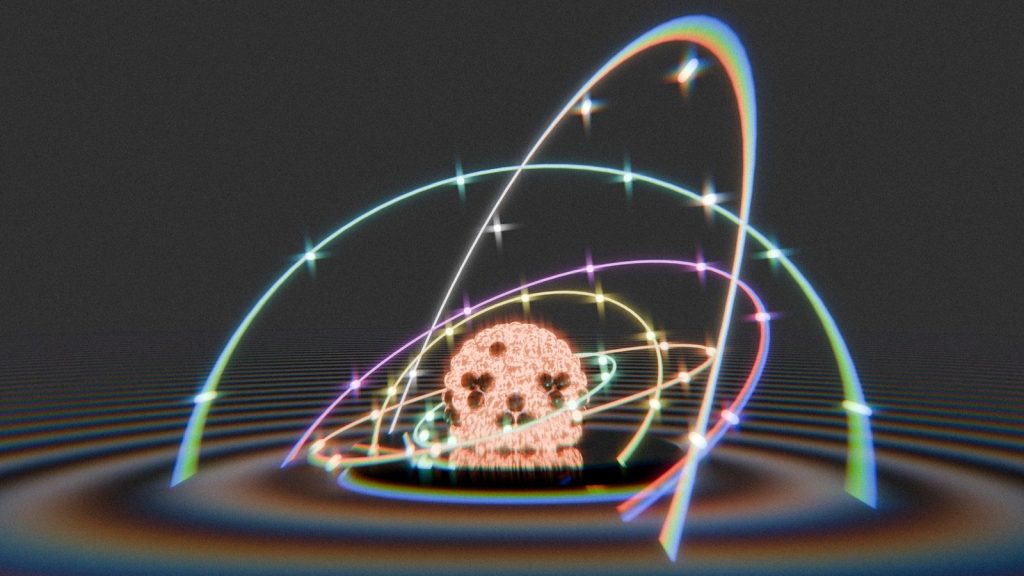
    Photo by Brecht Corbeel on Unsplash

    While NASA ruled out an impact in 2029, future encounters are still being analyzed. The gravitational tug of Earth will shift its orbit. Astronomers must recalculate its path for its next return in 2068. A tiny change could alter its future trajectory.

    Watching from your backyard

    a telescope sitting on top of a hill under a night sky
    Photo by Patrick Hendry on Unsplash

    On April 13, 2029, millions of people will see Apophis. It will look like a bright star moving across the night sky. This is a rare moment when a space threat becomes a public spectacle. The event will inspire a new generation of scientists.

    A milestone for space science

    yellow, blue, and purple sketch
    Photo by Cody Dagg on Unsplash

    The encounter with Apophis will provide unprecedented data. We will watch a planetary body change in real-time under the influence of gravity. It is a reminder of our dynamic solar system and the technology we have built to understand it.

    Featured Image: Photo by Zelch Csaba on Pexels
  • Why this forbidden island must remain completely isolated

    Why this forbidden island must remain completely isolated

    In the Bay of Bengal lies a small island covered in thick jungle. It is home to the Sentinelese, one of the last uncontacted tribes on Earth.

    For thousands of years, they have fiercely defended their shores from outsiders. But the real danger of contact is not their spears. It is an invisible biological threat.

    A shield of extreme hostility

    Breathtaking aerial view of Madeira's coastline with rocky formations and blue ocean.
    Photo by Rino Adamo on Pexels
    The Sentinelese reject all contact with the modern world. Anyone who approaches North Sentinel Island is met with a hail of arrows. The Indian government bans all travel within five miles of the coast. This boundary protects both the islanders and curious travelers. But this isolation has a deep historical cost.

    Surviving sixty thousand years alone

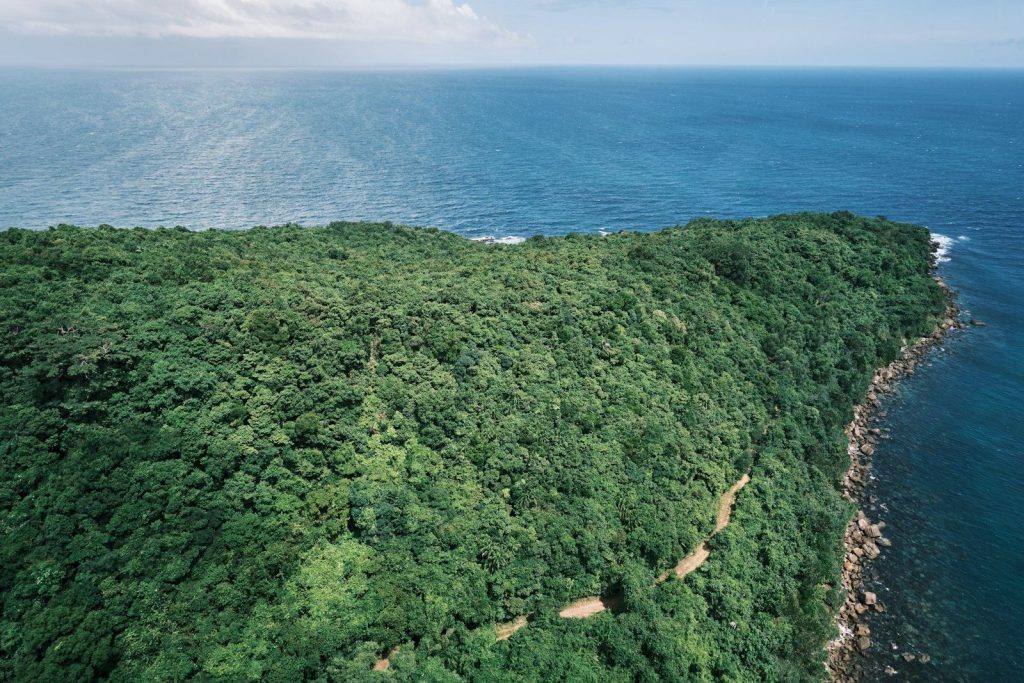
    Lush green forest meets the blue ocean coastline.
    Photo by Khai Hoan Chu on Unsplash

    Anthropologists believe these people have lived on the island for sixty thousand years. They survived the massive 2004 Indian Ocean tsunami without any modern aid. They live as hunter-gatherers using resources from the forests. Their survival is a miracle of human history.

    The invisible biological shield

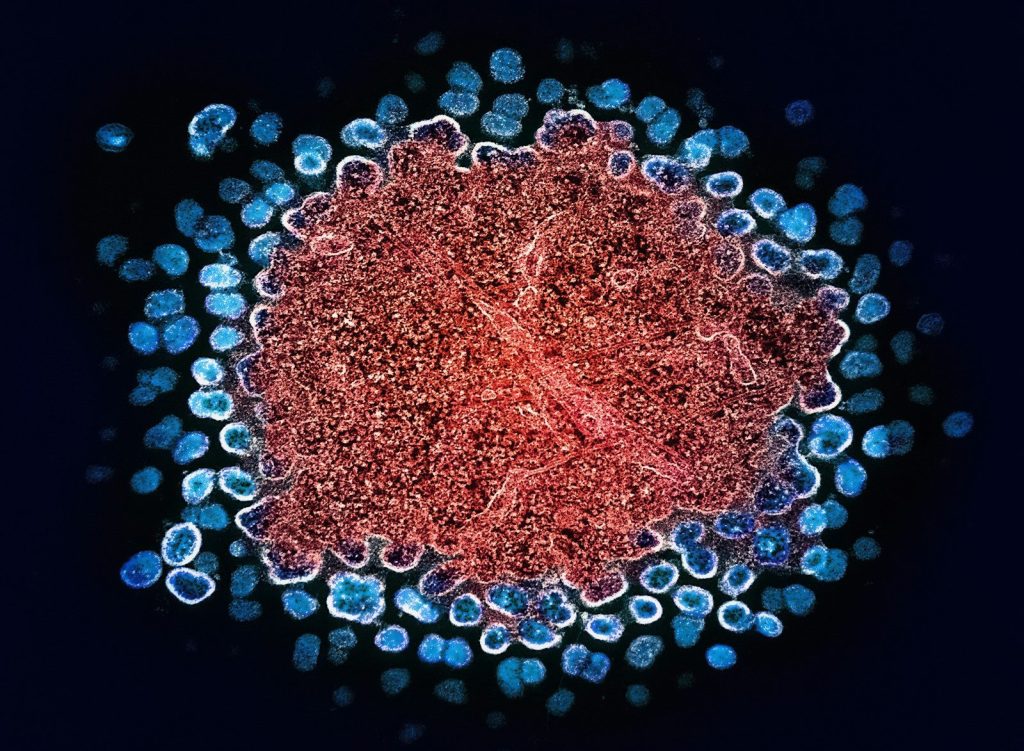
    a close up of a red and blue cell
    Photo by National Institute of Allergy and Infectious Diseases on Unsplash

    The greatest threat to the tribe is immunological. Because they have lived in complete isolation, their bodies lack immunity to common diseases. A tourist carrying a common cold could wipe out the entire population. This makes physical contact a potential act of genocide. Past events show what happens when outsiders interfere.

    A tragic colonial experiment

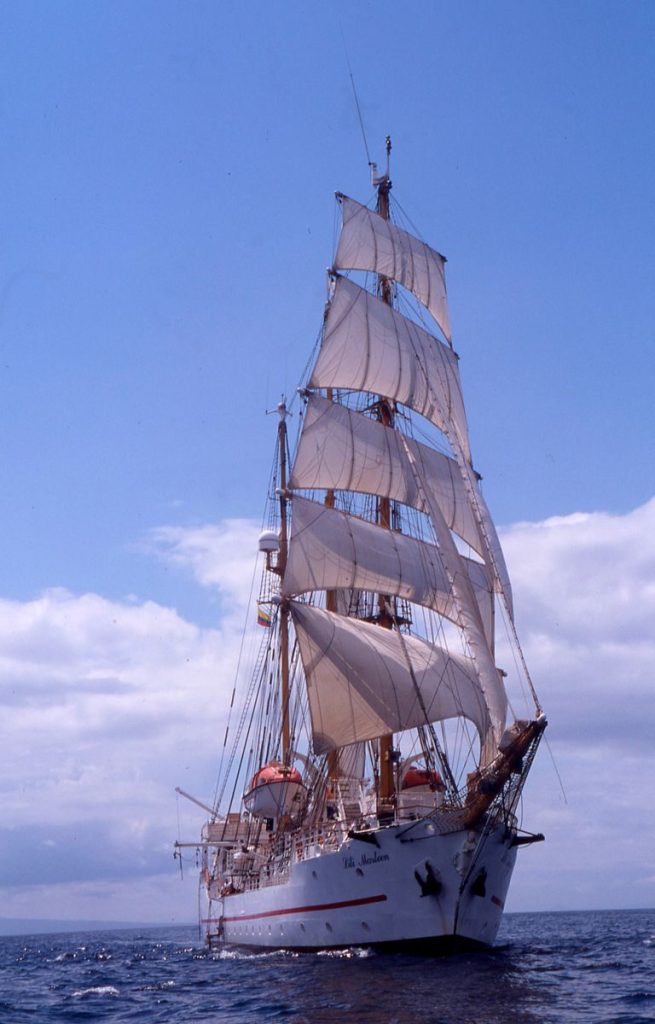
    A classic tall ship with full sails glides over the ocean against a backdrop of blue sky and clouds.
    Photo by Manfred Hönig on Pexels
    In 1880, a British naval officer named Maurice Portman kidnapped six Sentinelese people. He took them to Port Blair to study them. The two adults quickly became sick and died. Portman returned the four children to the island, likely carrying deadly pathogens with them. The islanders learned to fear the outside world.

    The shipwrecks on the reef

    Dramatic aerial shot of a shipwreck near Pangandaran's lush coastline in Indonesia.
    Photo by AL FARIZ on Pexels
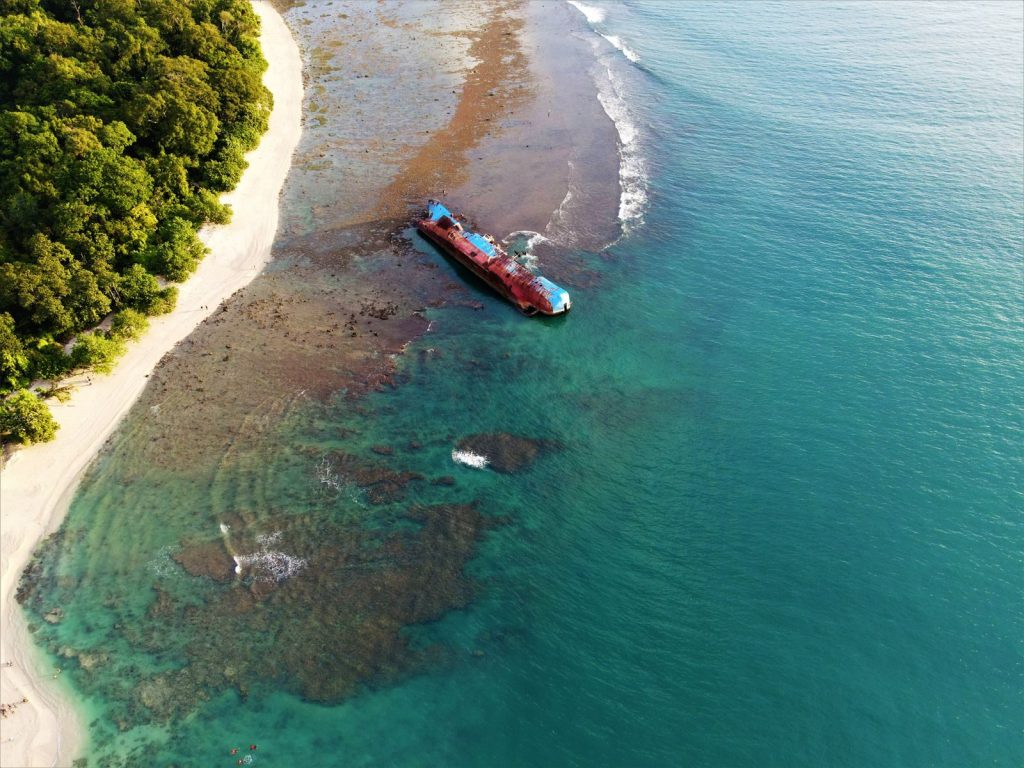
    Multiple ships have run aground on the reefs surrounding the island over the decades. In 1981, a cargo vessel called the Primrose got stuck. The crew watched as armed islanders built boats to board the ship. A helicopter rescued the sailors just in time. Today, the rusting wreck still sits on the shallow reef.

    What we actually know about them

    A large white cylinder rests among lush green foliage.
    Photo by Jean Carlo Emer on Unsplash

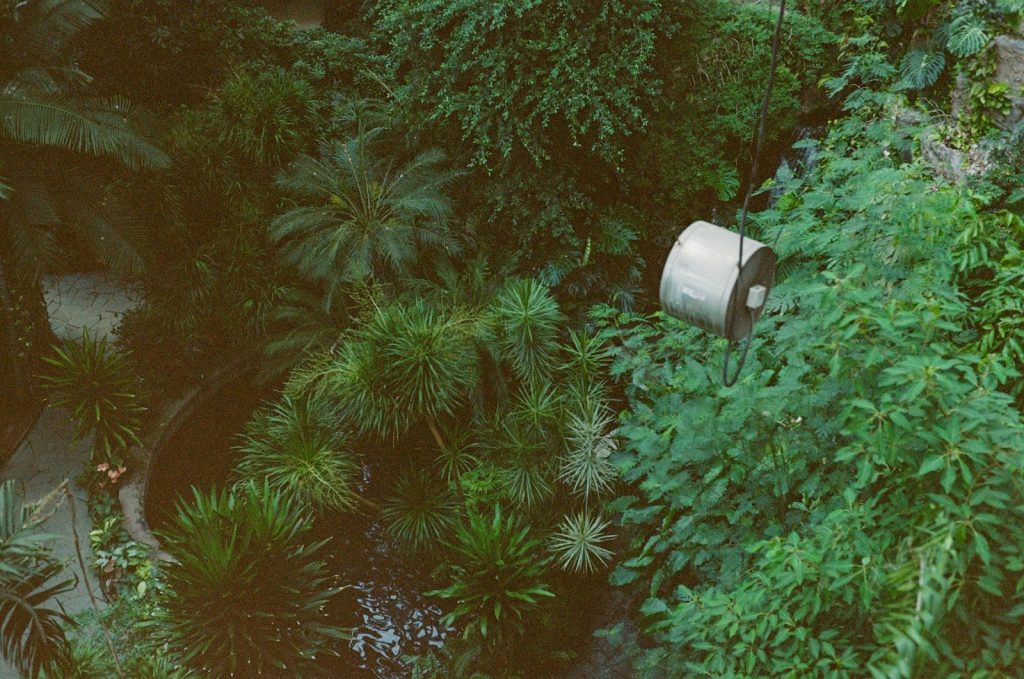
    We know very little about their language. High-resolution aerial photographs show that they build small temporary huts. They do not make fire. Instead, they wait for lightning to strike and keep embers alive. This lack of knowledge fuels international curiosity.
    The failed gift-giving missions
    black coconut shell on shore
    Photo by Cassius Prudent on Unsplash

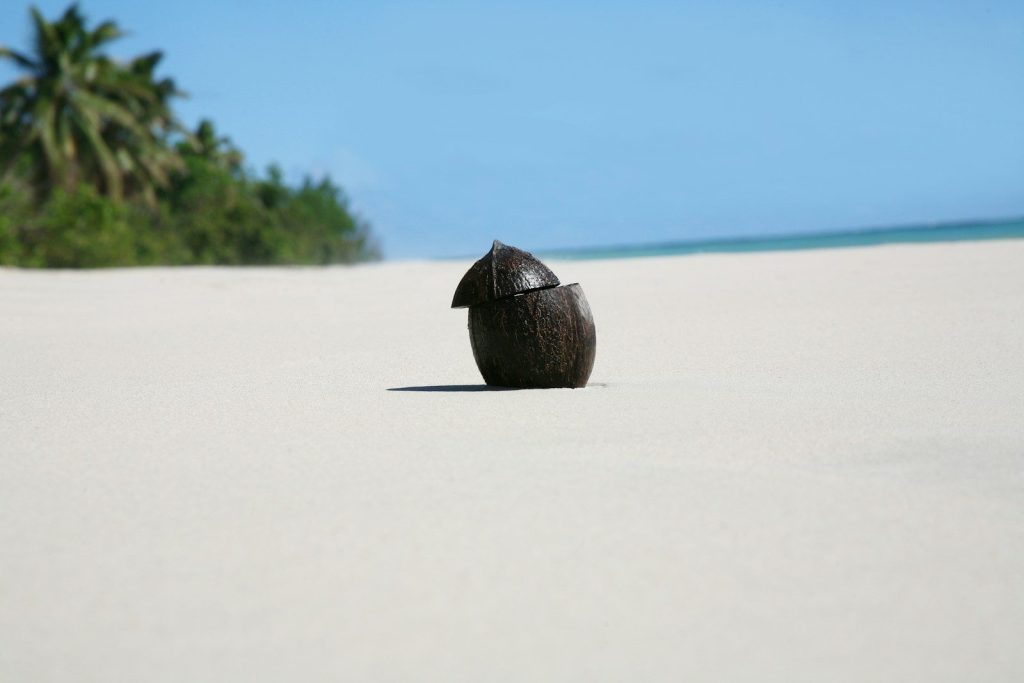
    During the late twentieth century, Indian scientists attempted to leave gifts on the beach. They left coconuts, dolls, and pigs. The Sentinelese accepted the coconuts but buried the dolls and pigs in the sand. Scientists realized these visits achieved nothing and stopped them. Now, the policy has changed completely.

    Respecting the final frontier

    a grassy field with mountains in the background
    Photo by Shehzy Alam on Unsplash

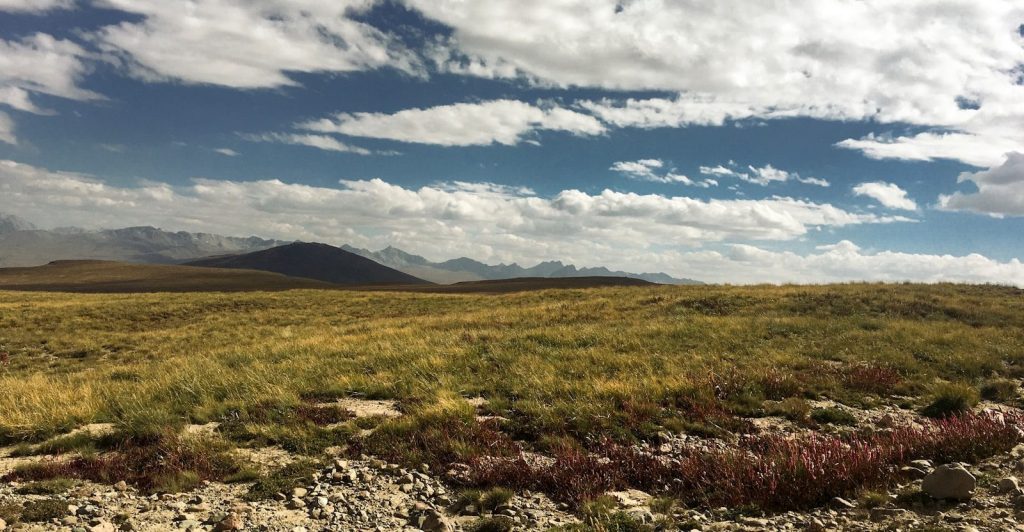
    Today, the consensus is clear. The Sentinelese have chosen isolation, and we must respect it. By leaving them alone, we protect a unique human culture and save lives. Their island remains a living window into our ancient past.

    Featured Image: Photo by Kyle Petzer on Unsplash

  • Can we catch the next visitor from another star?

    Can we catch the next visitor from another star?

    In 2017, a bizarre object named Oumuamua raced through our solar system. It was the first confirmed visitor from deep interstellar space.

    By the time astronomers spotted it, the object was already moving too fast to chase. Scientists are now preparing a daring space mission to intercept the next cosmic traveler.

    A cosmic needle in a haystack

    A breathtaking capture of the Milky Way galaxy's celestial beauty, revealing cosmic wonders.
    Photo by Felix Mittermeier on Pexels

    Interstellar objects enter our solar system at extreme speeds. They originate from distant star systems and travel for millions of years. This makes them incredibly difficult to spot early. According to the European Space Agency, our current telescopes usually see them only as they leave. But scientists have developed a new strategy.

    The Interceptor is waiting in space

    the space shuttle is flying over the earth
    Photo by NASA Hubble Space Telescope on Unsplash

    The European Space Agency plans to launch a mission called Comet Interceptor in 2029. The spacecraft will not head toward a specific target. Instead, it will park at a stable point. It will wait there patiently. Then, the clever trap will spring.

    Chasing a ghost at highway speeds

    Two spacecraft approach a space station in orbit.
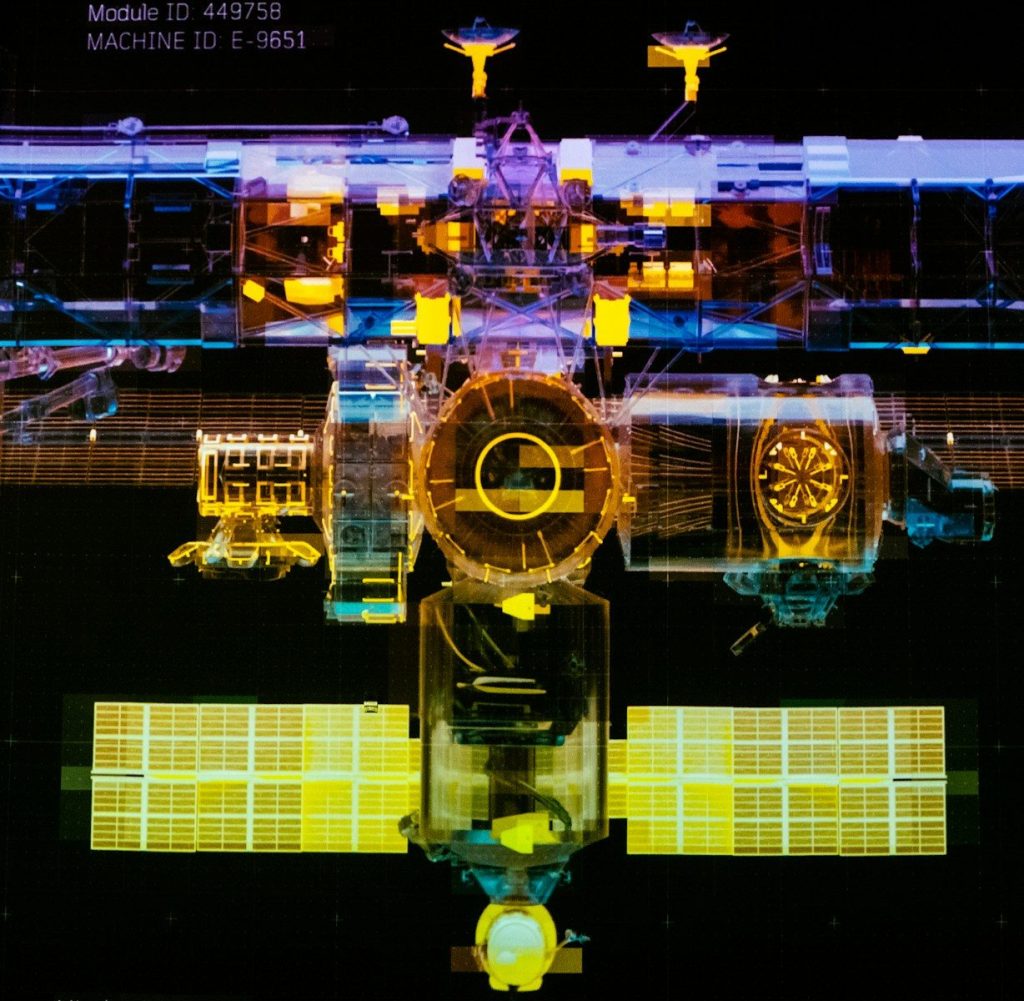
    Photo by Vadim Sadovski on Unsplash

    When astronomers spot a new interstellar visitor, the waiting probe will fire its engines. It must intercept the target before it escapes. This requires extreme speed. It will split into three tiny cameras. The small ships will capture photos from multiple directions. The images could reveal ancient cosmic secrets.

    Are these objects natural or artificial?

    a very large group of stars in the dark sky
    Photo by NASA Hubble Space Telescope on Unsplash

    Astronomers debate the nature of interstellar visitors. Some researchers, including Dr. Avi Loeb at Harvard, suggested Oumuamua had unnatural characteristics. Its strange shape and unexpected acceleration puzzled experts. A close-up mission is the only way to prove if these travelers are space rocks or ancient alien technology. A successful mission would change astronomy forever.

    The extreme engineering challenge

    men's white suit
    Photo by Margaux Olverd on Unsplash

    Building a spacecraft to wait in deep space for years is extremely difficult. The electronics must survive extreme radiation. Also, the engines must fire flawlessly after years of inactivity. Engineers are designing advanced autonomous systems to guide the craft when communication delays are too high. The launch date is approaching fast.

    A global hunt for targets

    A stunning observatory under a clear, starry night sky, perfect for astronomy enthusiasts.
    Photo by K on Pexels

    Observatories are upgrading ground telescopes to find incoming visitors earlier. Chile will host the new Vera C. Rubin Observatory. This high-tech facility will scan the entire sky every few nights. Scientists estimate it will find multiple interstellar objects. The massive installation will serve as our early warning system.

    Touching another star system

    red yellow and blue abstract painting
    Photo by James Wainscoat on Unsplash

    Catching an interstellar visitor would give us our first physical data from another star system. We would analyze materials created light-years away without leaving our cosmic backyard. It is our best chance to answer whether other stars host the same building blocks of life as our Sun.

    Featured Image: Photo by NASA Hubble Space Telescope on Unsplash

  • Why did this giant glass bubble turn against its creators?

    Why did this giant glass bubble turn against its creators?

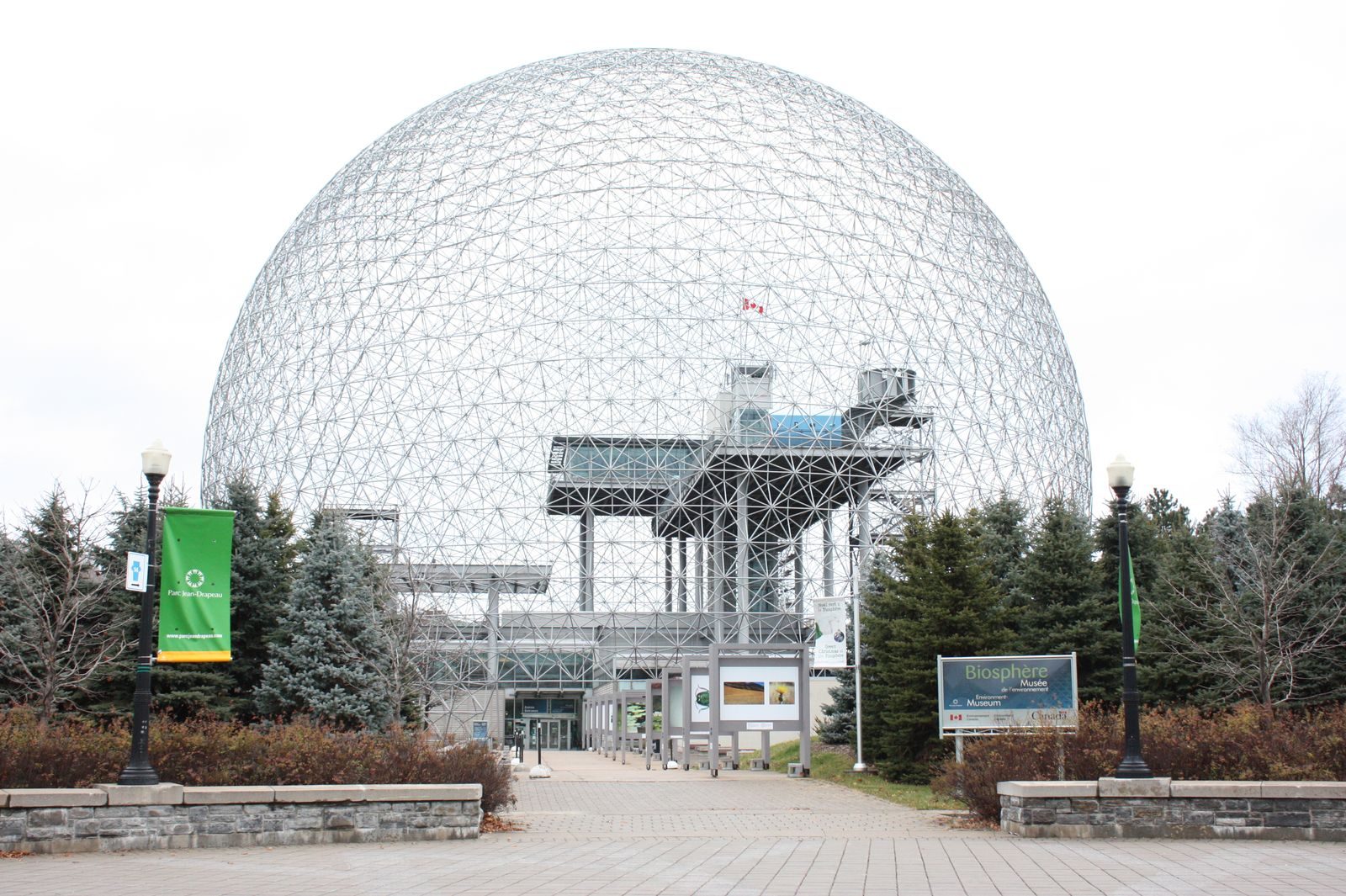
    In 1991, eight scientists entered a massive sealed glass dome in Arizona. They wanted to live inside this artificial ecosystem.

    What started as a revolutionary experiment quickly descended into a battle for survival. Soon, their miniature Earth began to suffocate them.

    Scientists named the project Biosphere 2

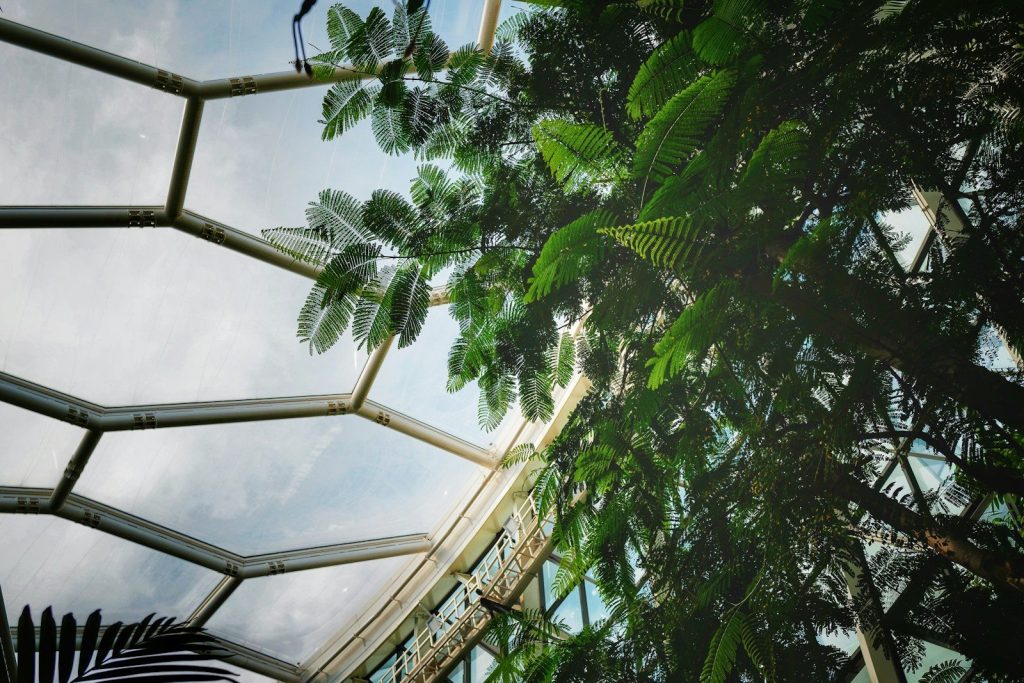
    green leaves on white metal frame
    Photo by Sung Jin Cho on Unsplash

    Scientists named the project Biosphere 2. It featured a miniature ocean, a rainforest, and even a small desert. This airtight complex was designed to test human survival on Mars. But they forgot how complex nature actually is. Soon, the delicate balance of their artificial world began to break down. A silent threat started creeping through the air.

    The mysterious loss of oxygen

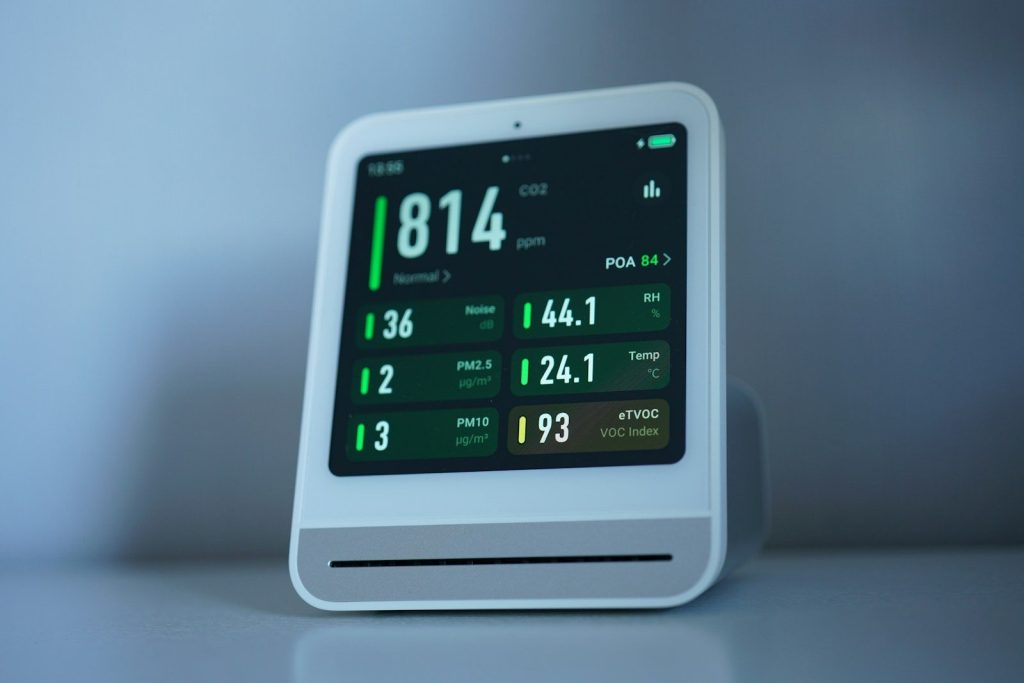
    Air quality monitor shows levels of pollutants.
    Photo by Tim Witzdam on Unsplash

    Within months, the scientists felt constantly exhausted. They struggled to breathe. Something invisible was silently eating their oxygen supply. Sensors showed absolutely no leaks. The team was slowly suffocating inside a multi-million-dollar greenhouse. The culprit turned out to be alive.

    Unseen microbes in the soil

    a close up of a pile of dirt
    Photo by Juan Aguirre on Unsplash

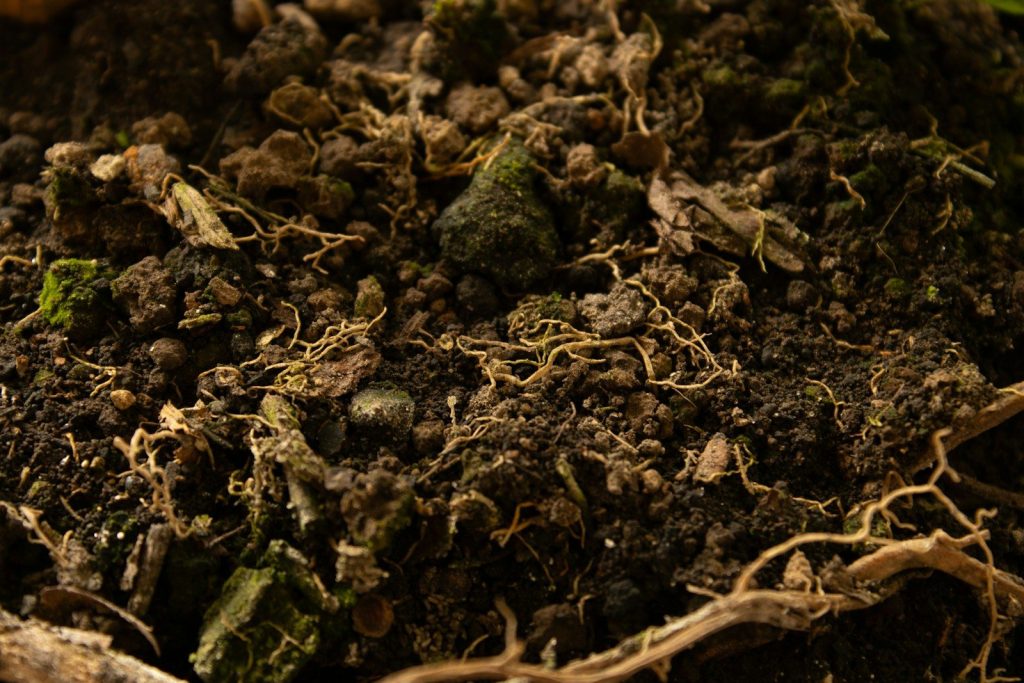
    Designers packed the artificial agricultural fields with incredibly rich soil. They wanted the crops to thrive. But this nutrient-heavy dirt was full of active microbes. These tiny organisms multiplied rapidly. They consumed massive amounts of oxygen while releasing torrents of carbon dioxide. Then, the concrete walls made everything worse.

    The concrete started eating the air.

    gray concrete wall
    Photo by Alex Boyd on Unsplash

    Biosphere 2 required thousands of tons of concrete to seal the structure. But concrete is not chemically inert. The curing concrete absorbed the excess carbon dioxide from the air. This locked the gas away. Because the carbon dioxide was trapped, the dome’s plants could not recycle it back into oxygen. Hunger quickly followed this breathing crisis.

    Starving under a glass sky

    a field with a bunch of hay in the middle of it
    Photo by Roger Starnes Sr on Unsplash

    Thick cloud cover blocked the sun during the first winter. This made crop growth plummet. The crew could not grow enough food to sustain themselves. Their bodies lost up to eighteen percent of their total weight. Starving, they ate seeds meant for next year’s crops. Soon, the human dynamics fractured too.

    Two factions at war

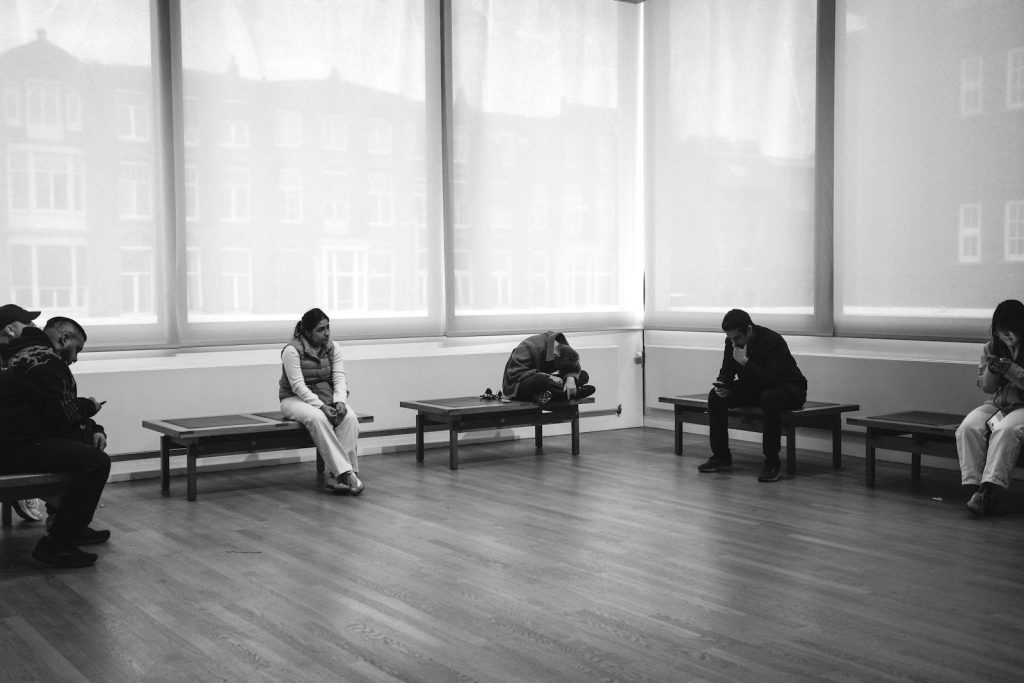
    People sitting on benches in a room
    Photo by Teo Zac on Unsplash

    Oxygen deprivation damages brain function and alters mood. The crew split into two hostile groups. They stopped speaking. Every daily task became a bitter struggle. Despite the psychological war, they refused to leave the dome. But the outside world had to step in.

    A secret rescue mission

    silver and black electronic components
    Photo by Bas van Breukelen on Unsplash

    The atmosphere deteriorated to a level matching an altitude of thirteen thousand feet. Managers realized the crew faced permanent brain damage. They pumped fresh oxygen inside. This injection gave the scientists immediate relief. But it also ruined the scientific integrity of the sealed test. The project ended with a profound lesson for humanity.

    The true cost of our biosphere

    fish-eye aerial shot of buildings and trees
    Photo by Louis Reed on Unsplash

    Biosphere 2 proved that replicating Earth is incredibly difficult. We still do not understand the complex connections that keep us alive. Ultimately, the experiment showed that our planet is our only reliable life support system. We must protect this home.

  • Disease X: The next pandemic?

    Disease X: The next pandemic?

    Medical experts are not just tracking known viruses like the flu or COVID-19. They are actively preparing for a silent, unknown threat. They call it Disease X. This is a placeholder name used by global health organizations. It represents a highly contagious, deadly pathogen that has not emerged yet. This concept is helping scientists build a shield before the storm arrives. By preparing for the unknown, we can avoid the mistakes of past health crises. This article is for informational purposes only and does not constitute medical advice.

    A placeholder for the ultimate unknown threat

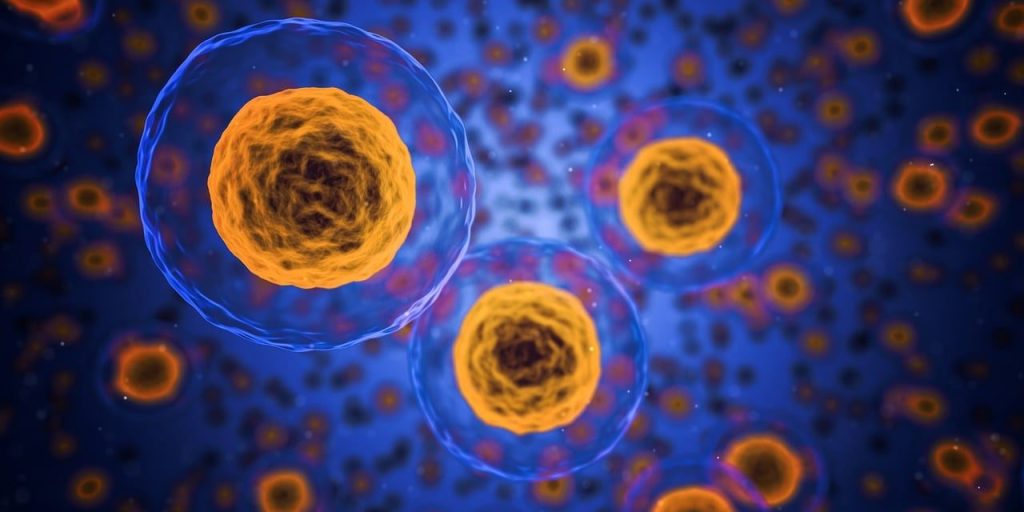
    cells, human, medical, biology, health, anatomy, science, medicine, system, healthcare, microscopic, 3d, macro, research, microscope, microbiology, structure, disease, scientific, life, micro, genetic, organism, care, experiment, examining, plasma, blue health, blue medical, blue life, blue science, blue research, blue medicine, blue human, blue care, blue healthcare, cells, cells, cells, cells, cells, medical, biology, health, science
    Photo by qimono on Pixabay

    The World Health Organization introduced the term Disease X in 2018. They added it to their blueprint list of priority diseases. The goal was to force researchers to plan for a completely new pathogen. This threat could be a virus, a bacterium, or a fungus. It will likely be a zoonotic disease, meaning it jumps from animals to humans. By naming this invisible enemy, health agencies can direct funding toward rapid-response technologies. It is a smart way to stay ahead of nature. But running simulations is the only way to test our readiness.

    How global health agencies run virus simulations

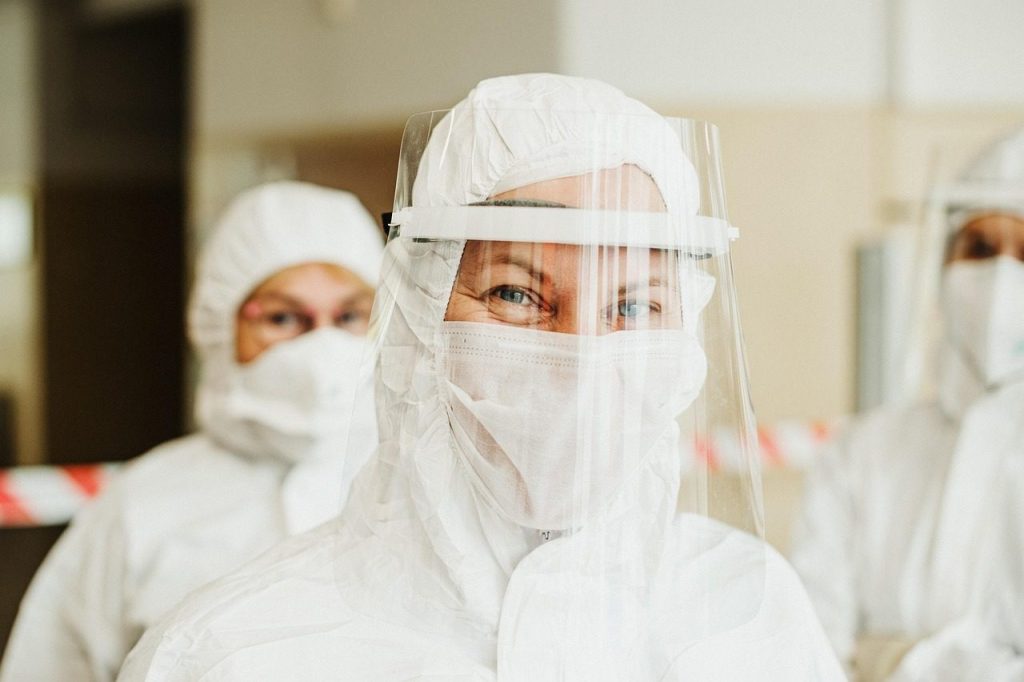
    protective suit, face mask, face shield, medical professional, healthcare professional, profession, paramedic, coronavirus, covid-19, pandemic, covid, hygiene, protection, safety, covid, covid, covid, covid, covid, safety
    Photo by HelenJank on Pixabay

    Scientists do not just wait for a crisis to happen. They actively run complex simulation exercises to test global response networks. According to reports from the Johns Hopkins Center for Health Security, these drills help identify gaps in our supply chains and communication systems. They simulate how quickly a virus can travel through modern airports. The results of these drills are often sobering. They show that a fast-moving virus could overwhelm hospitals in weeks. This makes early detection systems incredibly valuable.

    The rising danger of animal-to-human spillover

    a close up of an animal cell with small purple cells
    Photo by National Institute of Allergy and Infectious Diseases on Unsplash

    Most new infectious diseases originate in wildlife. This process is called zoonotic spillover. According to the World Health Organization, viruses like Ebola, SARS, and HIV all made this leap. As human populations grow, we are pushing deeper into wild habitats. This contact increases the risk of a new pathogen jumping to humans. Wet markets and industrial farming can also act as breeding grounds for mutation. It is a constant game of evolutionary roulette. But stopping the spillover requires changing how we interact with nature.

    Developing modular vaccine platforms for rapid response

    person holding silver and black hand tool
    Photo by National Cancer Institute on Unsplash

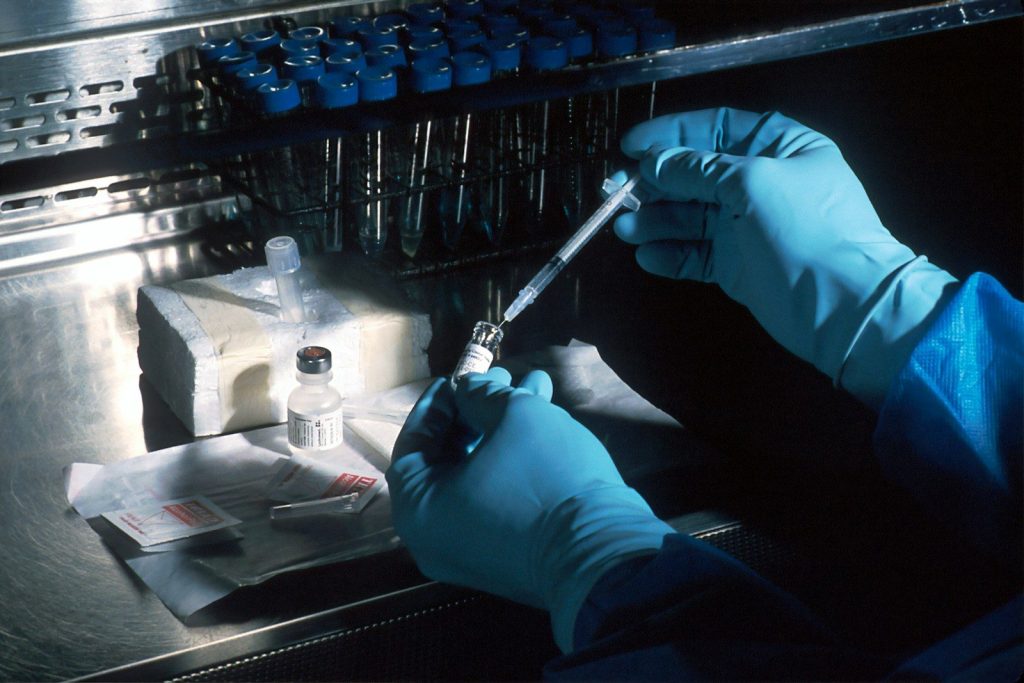
    The traditional way of making vaccines takes years. We cannot afford that delay during a Disease X event. To solve this, scientists are developing modular vaccine platforms. According to the Coalition for Epidemic Preparedness Innovations, these plug-and-play technologies use a standard delivery system. Researchers can simply insert the genetic code of the new virus into the platform. This allows them to produce trial vaccines in days rather than months. It is a massive breakthrough for global defense. But vaccines are only useful if we can distribute them fairly.

    Why deforestation is driving us closer to risk

    fog, trees, forest, nature, woods, mist, trees, trees, trees, forest, forest, forest, forest, forest, nature, nature
    Photo by yoshitaka2 on Pixabay

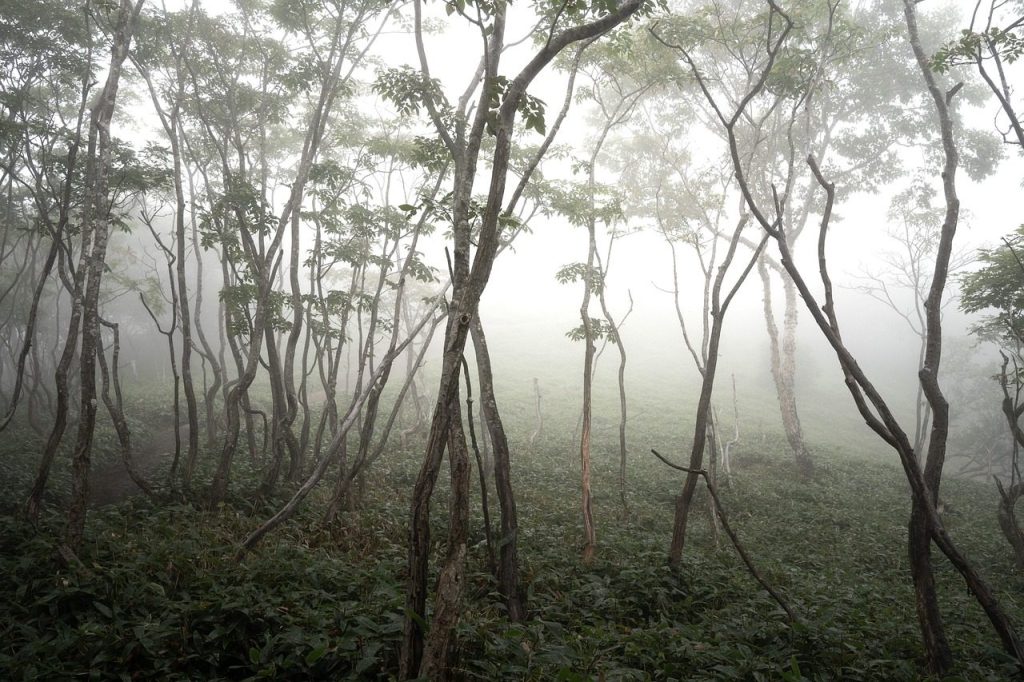
    Deforestation is a primary driver of pandemic risk. When we clear forests for agriculture, we disrupt ancient ecosystems. Wild animals are forced to move closer to human settlements. According to environmental studies, this movement brings us into direct contact with thousands of unknown viruses. Protecting wild spaces is actually a matter of national security. It keeps dangerous pathogens locked away in the deep jungle. But tracking these threats requires a global network of eyes.

    The high-tech surveillance networks watching the globe

    black and silver coffee maker on white wooden table
    Photo by Trnava University on Unsplash

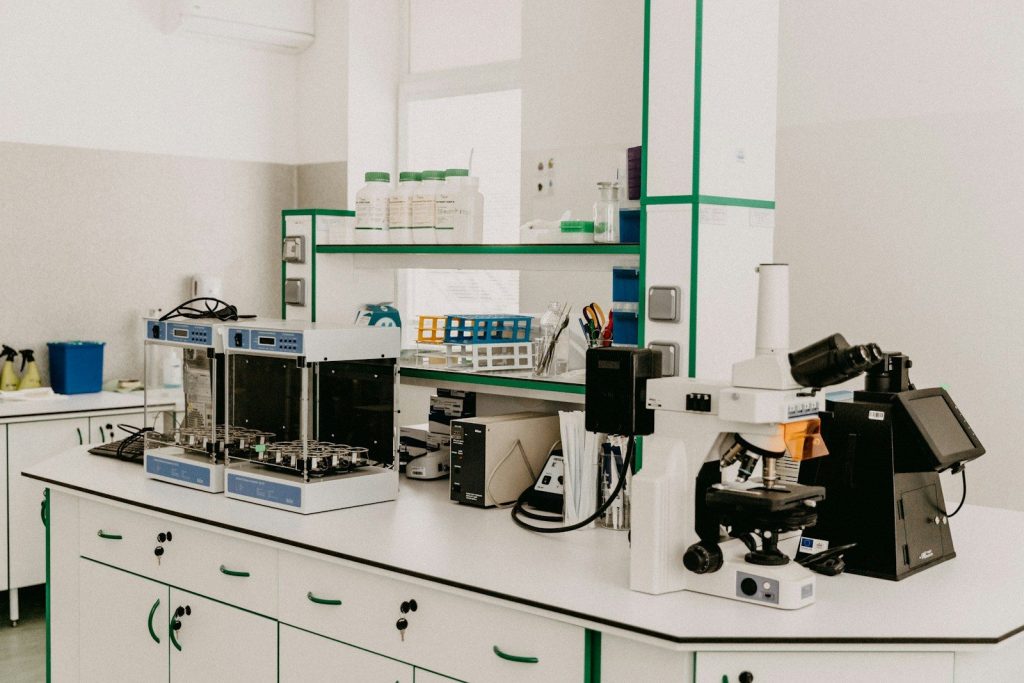
    Global health teams are using high-tech tools to watch for signs of trouble. They are analyzing wastewater in major cities to detect viral fragments before people even show symptoms. According to reports from the Centers for Disease Control and Prevention, genomic sequencing allows researchers to track mutations in real time. They also monitor wild animal populations near high-risk zones. This digital shield is our first line of defense. By catching an outbreak early, we can stop a local spark from becoming a global fire.

    Building a resilient shield for human health

    mixed fruits on bowl with blueberry on top
    Photo by Kimzy Nanney on Unsplash

    The threat of Disease X is real, but we are not helpless. By investing in science, protecting nature, and working together, we can prepare for whatever comes next. The lessons of history have taught us that speed is everything. True readiness is built on constant vigilance and scientific innovation. The future of human health depends on our ability to plan for the unknown. We must stay ready to protect our world.

    Featured Image: Photo by AhmadArdity on Pixabay

  • Why foldable phones need different software

    Why foldable phones need different software

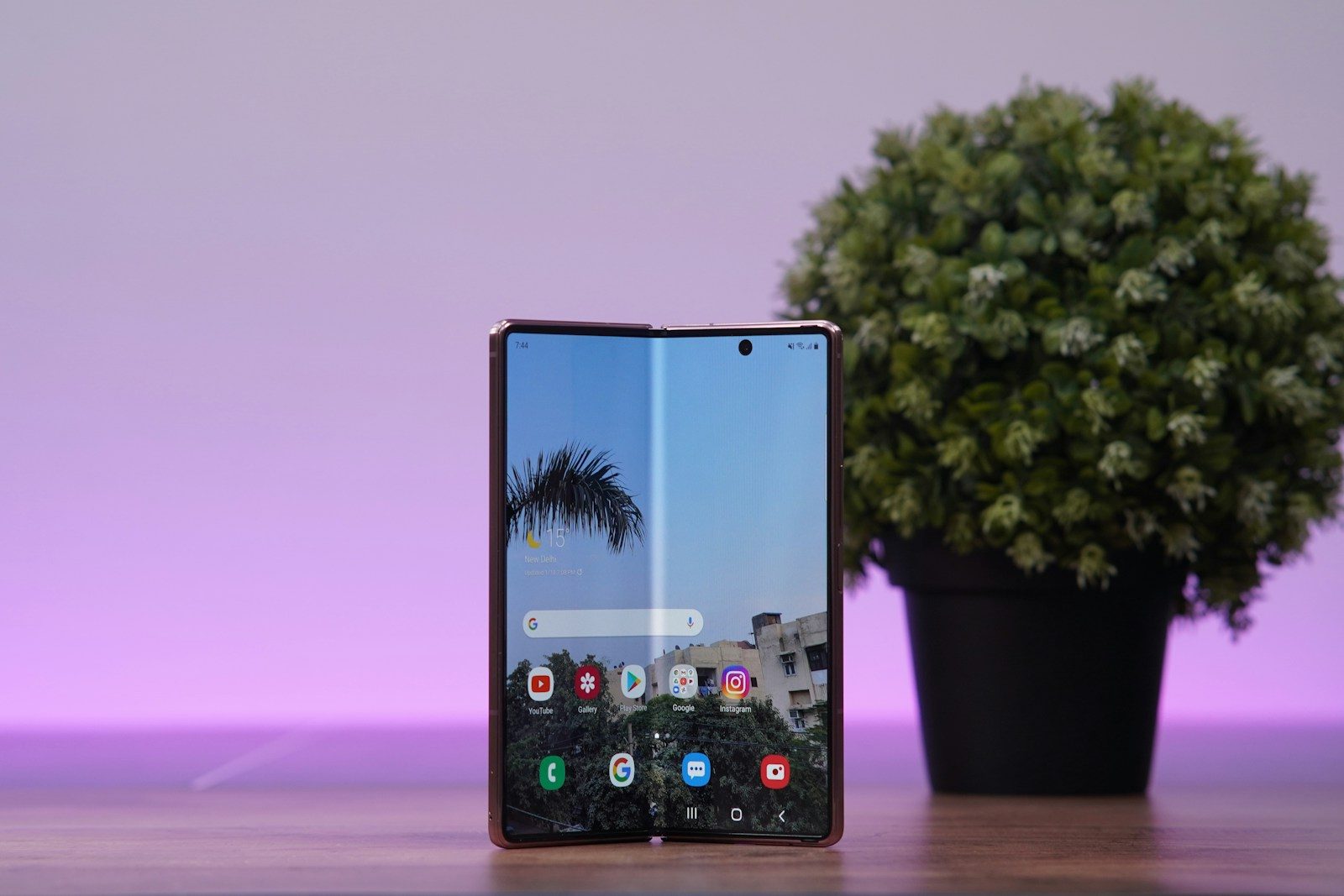
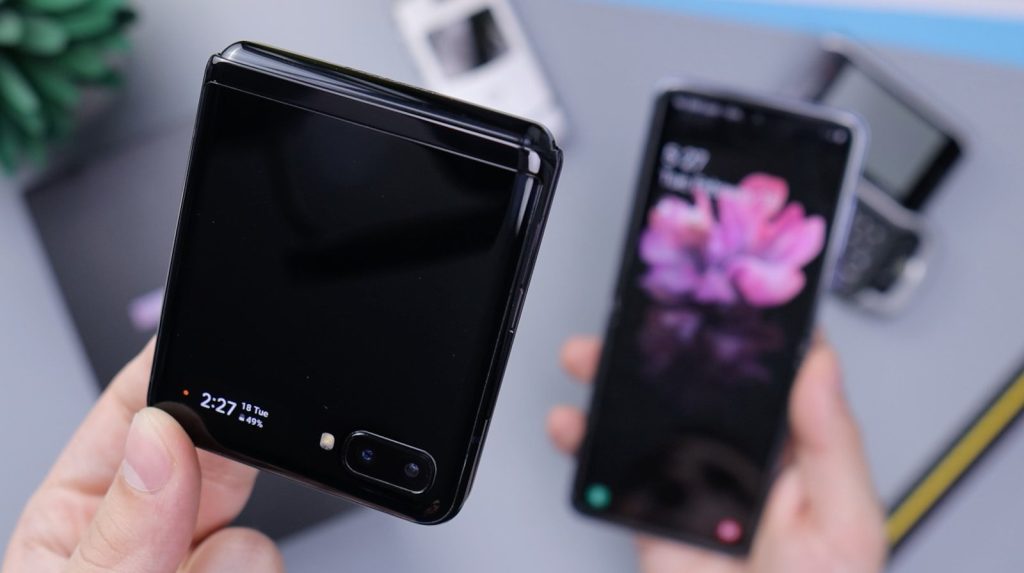
    Foldable phones look exciting because the hardware can bend, open, close, and change size in seconds. But the screen is only half of the story. A foldable can feel amazing or awkward depending on how well the software understands what the user is doing. A regular phone app may look fine on a small display, then feel stretched or empty when opened on a tablet-sized inner screen.

    That is why foldables need software built for changing layouts, smooth app switching, multitasking, and special screen positions. Google’s Android guidance says foldable devices can move between compact phone screens and larger tablet-like displays, while also using postures such as tabletop and book mode for special layouts.

    Bigger screens need better layouts

    person holding black phone
    Photo by Mika Baumeister on Unsplash

    A foldable phone is not just a regular phone with more space. When opened, the display can feel closer to a small tablet, so apps need to use the extra room in a smart way.

    Google encourages developers to use responsive and adaptive layouts for large screens. That means apps should adjust to different screen sizes instead of simply stretching buttons, lists, and menus across a wider display.

    Apps must switch smoothly

    a cell phone sitting on top of a table
    Photo by Amanz on Unsplash

    One big foldable trick is moving from the outside screen to the inside screen without losing your place. If software is not ready for that change, an app can refresh, resize poorly, or feel broken.

    Samsung calls this kind of smooth movement app continuity. Its foldable guidance says apps should restore the user’s state when the device changes configuration, such as when the screen opens or closes.

    Multitasking changes everything

    black Android smartphone
    Photo by Mika Baumeister on Unsplash

    Foldables are built for doing more than one thing at a time. A large inner screen can make split-screen use feel much more natural than it does on a narrow phone display.

    Google says large-screen foldables are well suited for multitasking in multi-window mode. Some foldable experiences can even support desktop-style windows, where apps can move or resize in a more computer-like way.

    Tabletop mode needs support

    a cell phone sitting on top of a table next to a potted plant
    Photo by Amanz on Unsplash

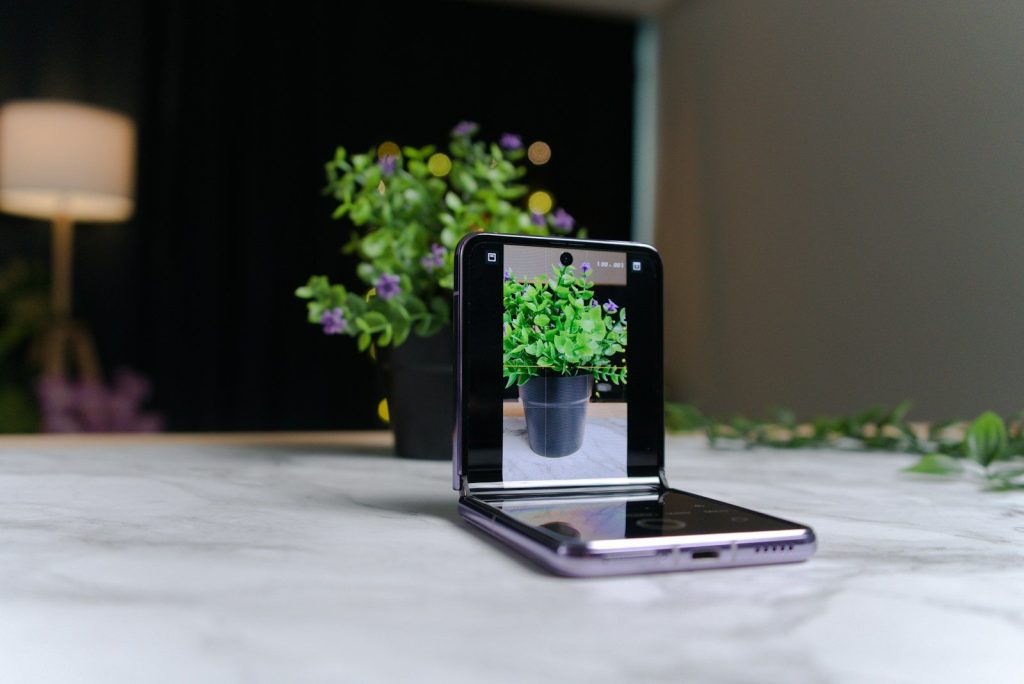
    A foldable phone can sit half-open on a desk, almost like a tiny laptop. That posture can be great for video calls, photos, timers, recipes, or hands-free viewing.

    But the software must know how to split the experience. Google notes that foldable postures, including tabletop and half-open states, create chances for special app designs that regular phones do not need.

    Book mode feels different

    a blue sign on a white surface
    Photo by TechieTech Tech on Unsplash

    Some foldables can be held like a small book. That shape can make reading, browsing, notes, calendars, and photo galleries feel more natural when the app is designed for two sides.

    Google’s foldable quality guidance says devices can use postures such as book posture for specialized layouts. Without that support, an app may waste space or place important controls in uncomfortable spots.

    Menus need more room

    person holding black android smartphone
    Photo by Jonas Leupe on Unsplash

    A normal phone app often shows one column at a time. On a foldable, that can feel slow because the larger screen has enough room for a list, details, and controls together.

    Google’s window size class guidance helps developers decide when an app should change layout at different screen widths. This matters because foldables can quickly move between compact and expanded views.

    Controls should move wisely

    a close up of a cell phone on a table
    Photo by Amanz on Unsplash

    When a foldable opens, the user’s thumbs, hands, and screen angle can change. Buttons that feel fine on a small screen may suddenly be too far away or placed in an awkward area.

    Good foldable software thinks about reach, comfort, and posture. That can mean moving playback controls, camera buttons, or menus to the half of the screen that makes the most sense.

    Video apps need new tricks

    person holding black android smartphone
    Photo by Jonas Leupe on Unsplash

    Foldables can make videos more flexible, especially when the phone is partly folded. On supported Galaxy Z devices, Samsung says Flex Mode lets apps adapt when the phone is positioned at certain angles.

    That can place video on one part of the screen and controls on another. It keeps the viewing area cleaner and makes the phone useful without a stand.

    Testing matters much more

    black samsung android smartphone turned off
    Photo by Daniel Romero on Unsplash

    Foldable software has more situations to handle than a regular slab phone. Developers have to think about closed screens, open screens, split-screen, half-open positions, rotation, and app resizing.

    Samsung’s developer resources highlight testing for optimized layouts, app continuity, multi-window, and Flex Mode. That shows why foldable apps need extra care before they feel polished.

    The best foldables feel natural

    a man holding a smart phone in his hands
    Photo by Jonas Leupe on Unsplash

    The goal is not to make every app look fancy. The real goal is to make the phone feel natural when it changes shape, size, and position during normal use.

    When software works well, a foldable can feel like a phone, tablet, camera stand, and multitasking tool in one device. Without that software polish, the flexible screen is only doing part of the job.

  • Why iPhone and Android texting is getting better

    Why iPhone and Android texting is getting better

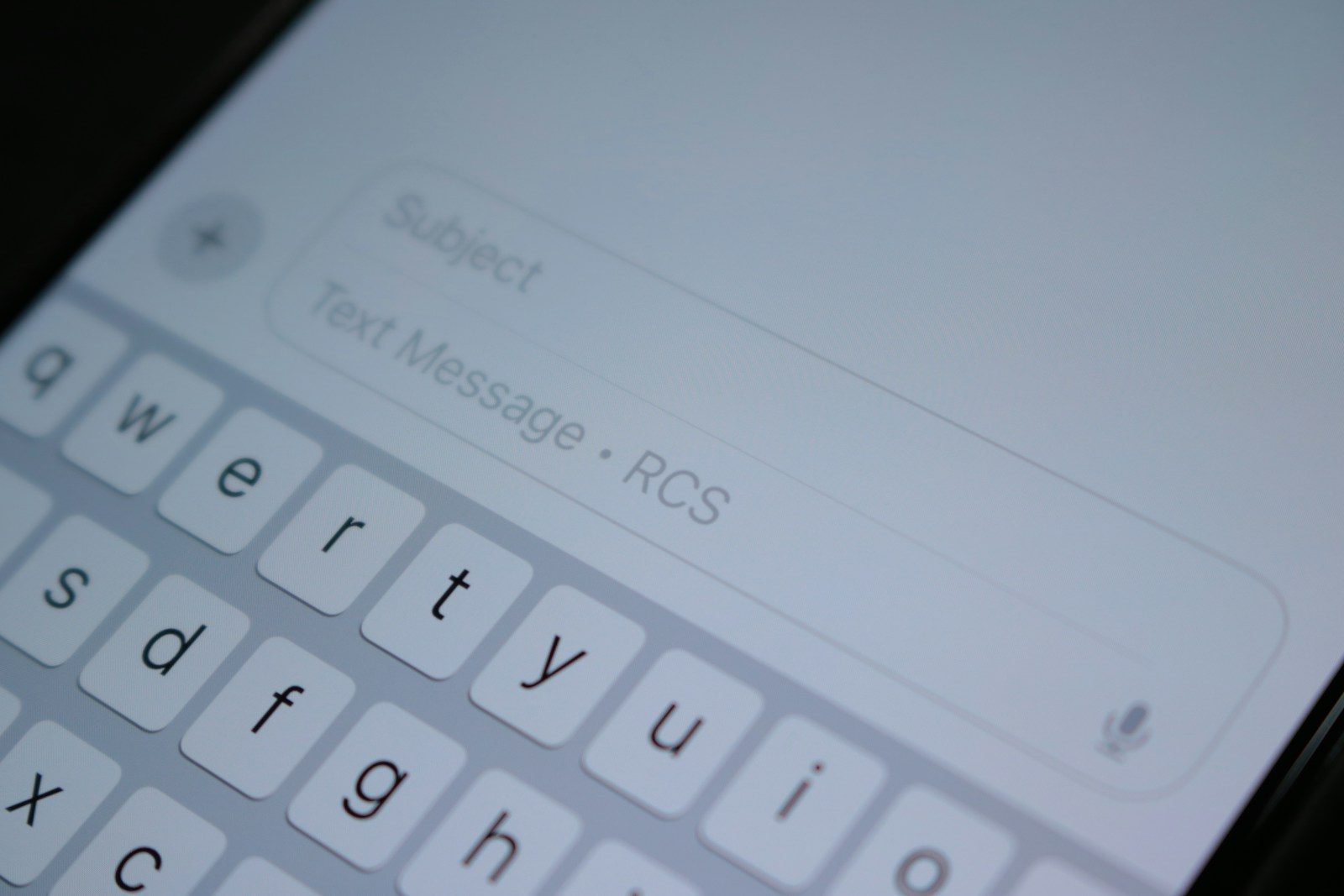
    Texting between iPhone and Android used to feel stuck in the past. Photos could look blurry, group chats could get messy, and small details like typing dots or read receipts often disappeared. That is changing because RCS, short for Rich Communication Services, is becoming more common across both platforms. Apple says RCS on iPhone can support high-resolution photos and videos, links, delivery receipts, read receipts, and typing indicators when the device and carrier support it.

    The biggest shift is simple: mixed-phone chats are starting to feel more modern. They still are not exactly the same as iMessage or every Android-to-Android chat, but the gap is getting smaller. For families, friend groups, schools, and coworkers, that can make everyday messaging feel smoother and less annoying.

    RCS is the big reason

    person holding black sony digital device
    Photo by Hillary Black on Unsplash

    RCS is the main upgrade behind better iPhone and Android texting. It is designed to replace older SMS and MMS with a richer messaging experience.

    Instead of plain texts and limited media, RCS can support higher-quality photos, videos, read receipts, typing indicators, and better group chats. That gives mixed-phone conversations more of the features people already expect from modern messaging apps.

    Photos look less blurry

    person holding black iphone 4
    Photo by Priscilla Du Preez 🇨🇦 on Unsplash

    One of the most noticeable changes is media quality. Old MMS texting could shrink photos and videos so much that they looked fuzzy or hard to watch.

    With RCS, iPhone and Android users can send higher-resolution photos and videos when the feature is available. That is a big deal for family pictures, school updates, travel clips, and anything people actually want to save.

    Typing dots help conversations

    person holding silver iphone 6
    Photo by Jonny Gios on Unsplash

    Typing indicators may seem small, but they change the feel of a chat. When you can see that someone is replying, the conversation feels more natural.

    RCS supports typing indicators, which helps iPhone and Android users avoid guessing whether a reply is coming. It makes texting feel closer to a live conversation without needing a separate messaging app.

    Read receipts reduce guessing

    a man laying on a couch taking a picture of himself
    Photo by LexScope on Unsplash

    Read receipts are another feature many people expect now. They can show when a message was received or read, depending on settings and support.

    That can be helpful for quick plans, school pickups, work updates, or family check-ins. It does not mean everyone must use read receipts, but having the option makes cross-platform texting feel more flexible.

    Group chats work better

    silver iPhone X on brown surface
    Photo by Austin Distel on Unsplash

    Mixed iPhone and Android group chats have often been the most frustrating part of texting. Older SMS and MMS group chats could feel limited and clunky.

    RCS helps improve the group chat experience by supporting richer features and smoother media sharing. It may not solve every issue overnight, but it moves mixed groups closer to the kind of chat experience people already expect.

    Wi-Fi texting is useful

    black and white remote control
    Photo by Brett Jordan on Unsplash

    RCS messages can be sent over mobile data and Wi-Fi, which is helpful when cell signal is weak but internet access is available.

    That can make a difference at home, school, work, airports, or large buildings where service is spotty. It gives texting another path to work instead of relying only on older carrier text systems.

    Security is improving too

    A person is holding an iphone.
    Photo by Shuvro Mojumder on Unsplash

    Cross-platform messaging is also getting a security upgrade. Apple announced that end-to-end encrypted RCS began rolling out in beta for iPhone users on iOS 26.5 with supported carriers and Android users on the latest Google Messages version.

    Apple says encrypted RCS chats show a lock icon when the conversation is protected. This rollout depends on device software, app support, and carrier support, so it may not appear for everyone at the same time.

    Carriers still matter

    Apple Store shop front
    Photo by Laurenz Heymann on Unsplash

    RCS is improving texting, but it is not magic. Apple says iPhone users need iOS 18 and a cellular plan from a carrier that supports RCS messaging on iPhone.

    That means two people with newer phones may still have different results depending on where they live, their carrier, and their settings. If RCS is not supported, a chat may fall back to SMS or MMS.

    Green bubbles are changing

    a close up of a cell phone on a table
    Photo by Lana Codes on Unsplash

    Green bubbles are not going away on iPhone, but what they can do is changing. Apple says RCS messages still appear in green bubbles, similar to SMS and MMS.

    The difference is that a green bubble can now carry richer features when RCS is active. So the color may look familiar, but the experience behind it can be much better than old-school texting.

    Texting feels more normal

    woman in white shirt holding black iphone 4
    Photo by Miquel Parera on Unsplash

    The best part of this change is that people do not need to think as much about who has which phone. A message should simply send, photos should look clear, and group chats should feel easier.

    RCS is not perfect, and support can still vary. But iPhone and Android texting is clearly moving in a better direction, with richer media, smarter chat signals, and stronger security slowly becoming part of everyday texting.

  • How Android Auto is turning cars into rolling screens

    How Android Auto is turning cars into rolling screens

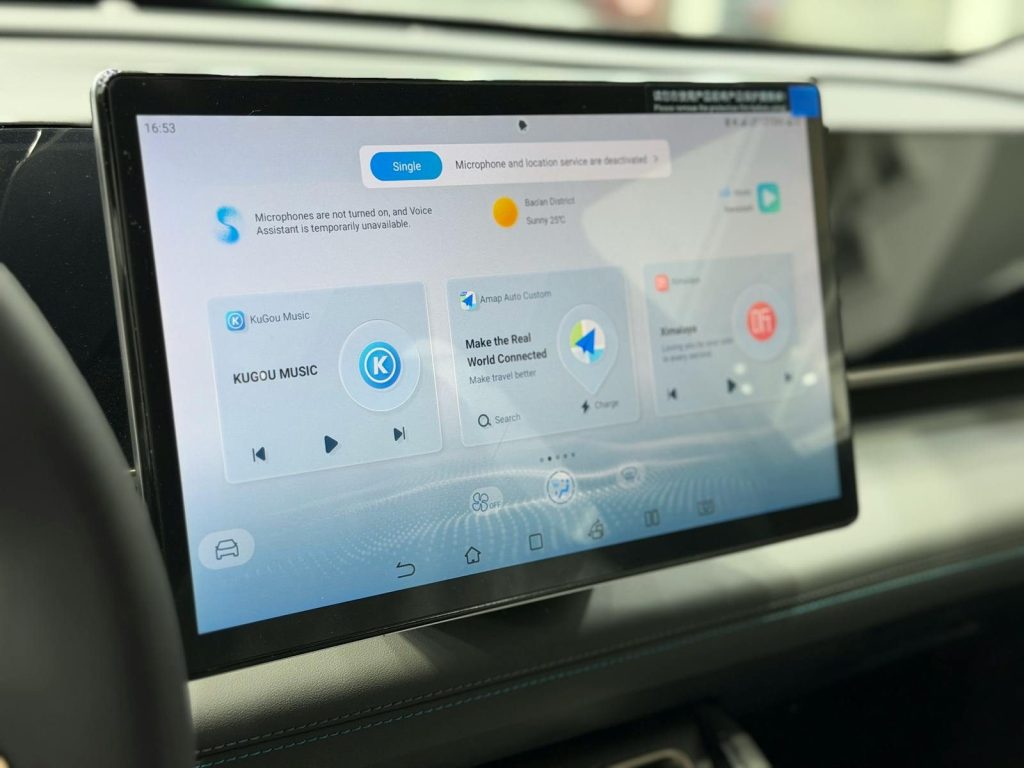
    Your car’s dashboard is no longer just a place for speed, fuel, and radio buttons. Android Auto is helping turn the center screen into a bigger, smarter extension of your phone. It brings maps, calls, messages, music, and other supported apps to the car display so drivers can keep their focus on the road. Google says Android Auto works with more than 500 vehicle models, and setup can be done with a USB cable or wirelessly in supported cars.

    The big shift is that car screens are becoming more useful, more personal, and more app-friendly. New updates are also adding refreshed layouts, smarter voice help, immersive navigation, and parked entertainment features, making the dashboard feel more like a connected screen than an old-school control panel.

    The dashboard is changing

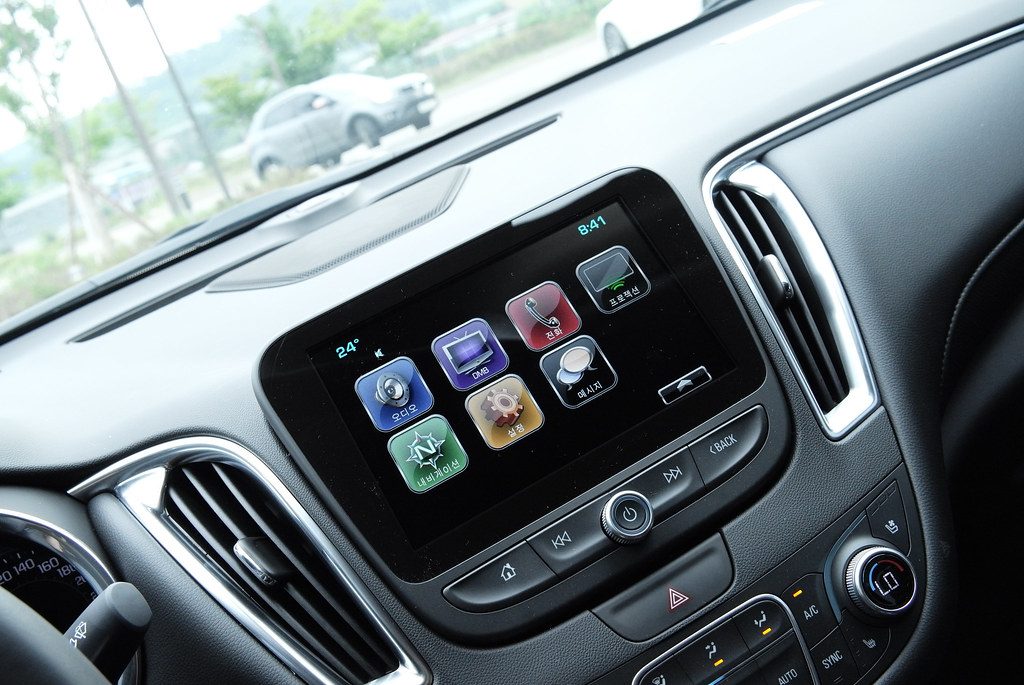
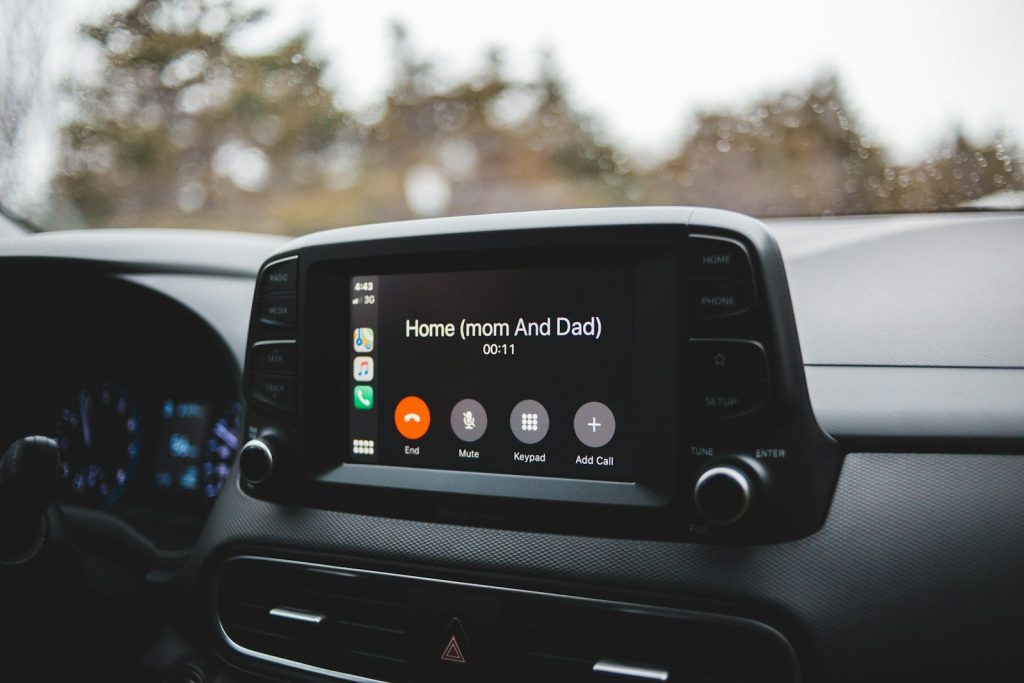
    Car INFOTAINMENT Apple CarPlay Android Auto” by TheBetterDay is licensed under CC BY-ND 2.0

    Car screens used to be simple. They showed radio stations, climate settings, and maybe a basic map. Now, Android Auto puts phone-based tools right in the middle of the dashboard.

    That changes how drivers interact with the car. Instead of looking at a phone for directions or music, they can use a larger screen built for quick glances and simpler controls.

    Maps lead the shift

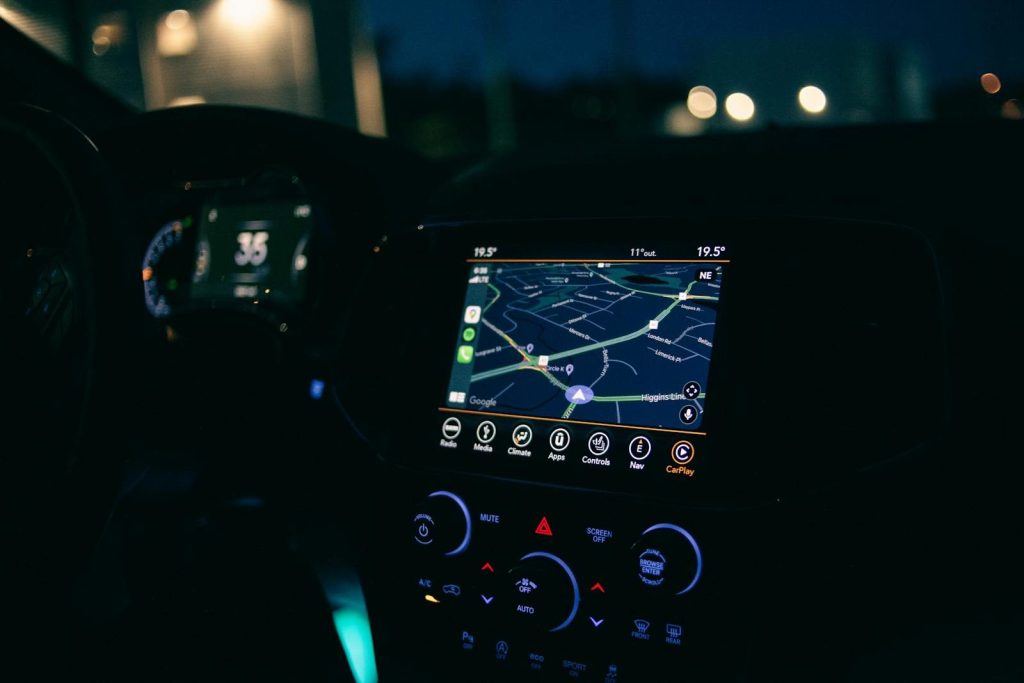
    Interior view of a car featuring the GPS navigation system illuminated at night, showcasing technology and modern travel.
    Photo by Erik Mclean on Pexels

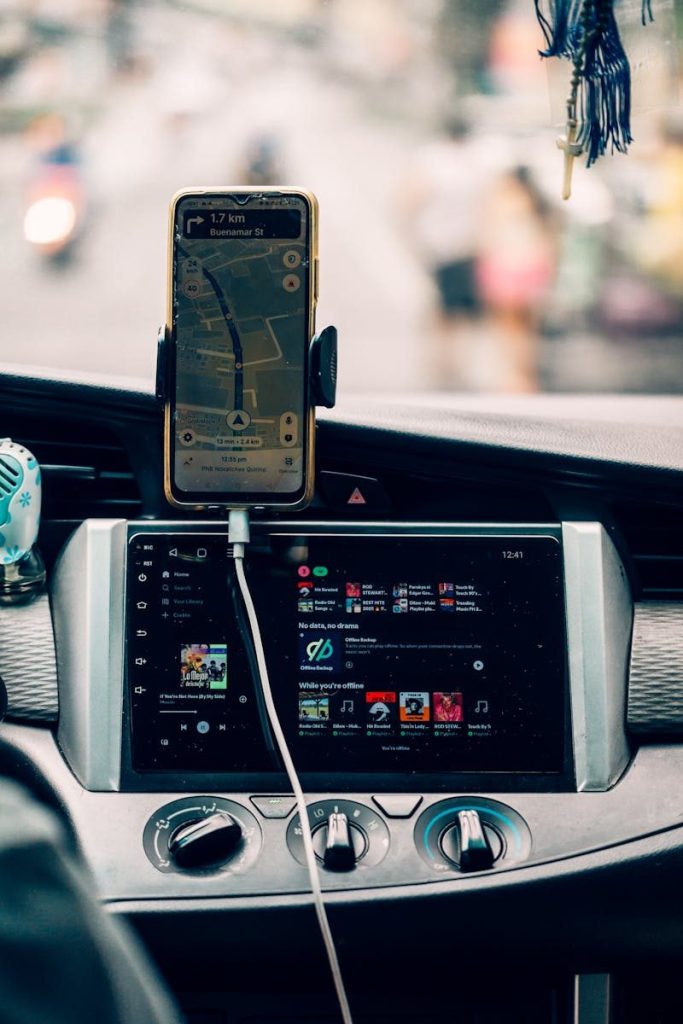
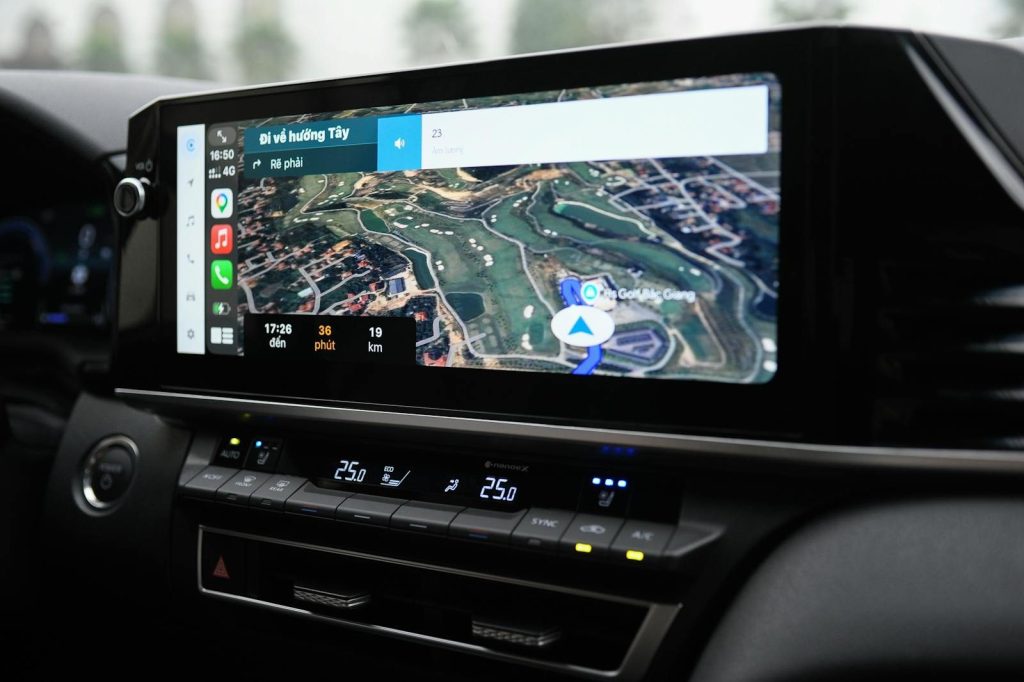
    Navigation is one of the biggest reasons people use Android Auto. Google says it brings maps and navigation to the car display, helping drivers control directions while staying focused.

    This makes the screen feel more like the main command center. Traffic, turns, arrival times, and route updates all become part of the driving view, not something hidden on a smaller phone screen.

    Music is always close

    the dashboard of a car in the dark
    Photo by Bruno Guerrero on Unsplash

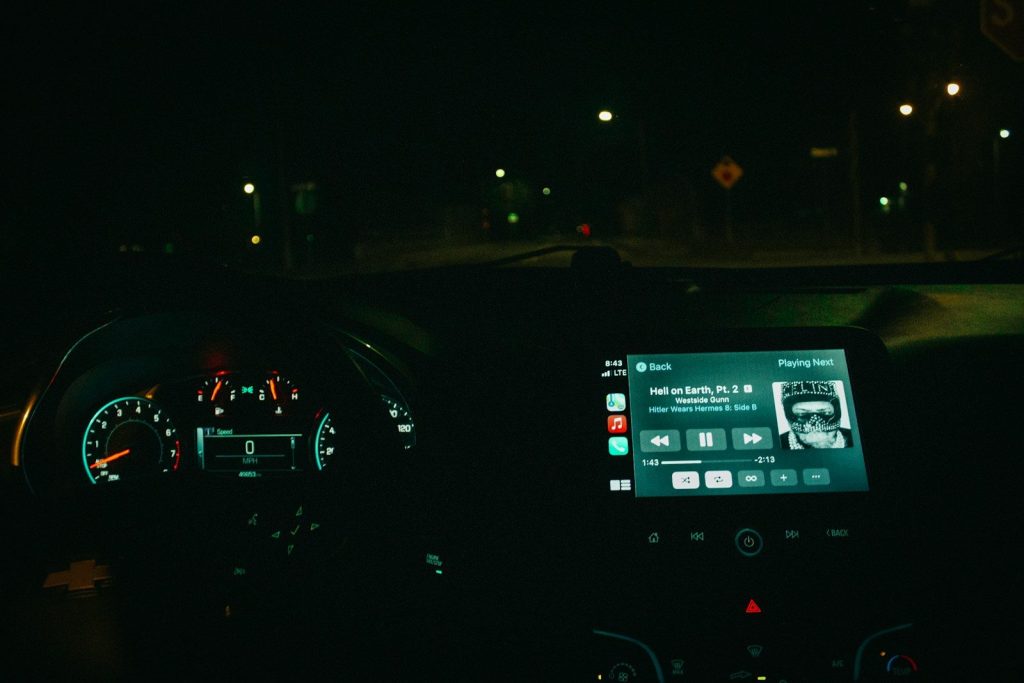
    Android Auto also makes music and audio apps easier to reach. Drivers can play songs, podcasts, and other media from supported apps without digging through their phones.

    That is a major reason cars feel more screen-based now. The dashboard is not just giving directions. It is also managing entertainment in a way that feels closer to a tablet or smart display.

    Messages are more visual

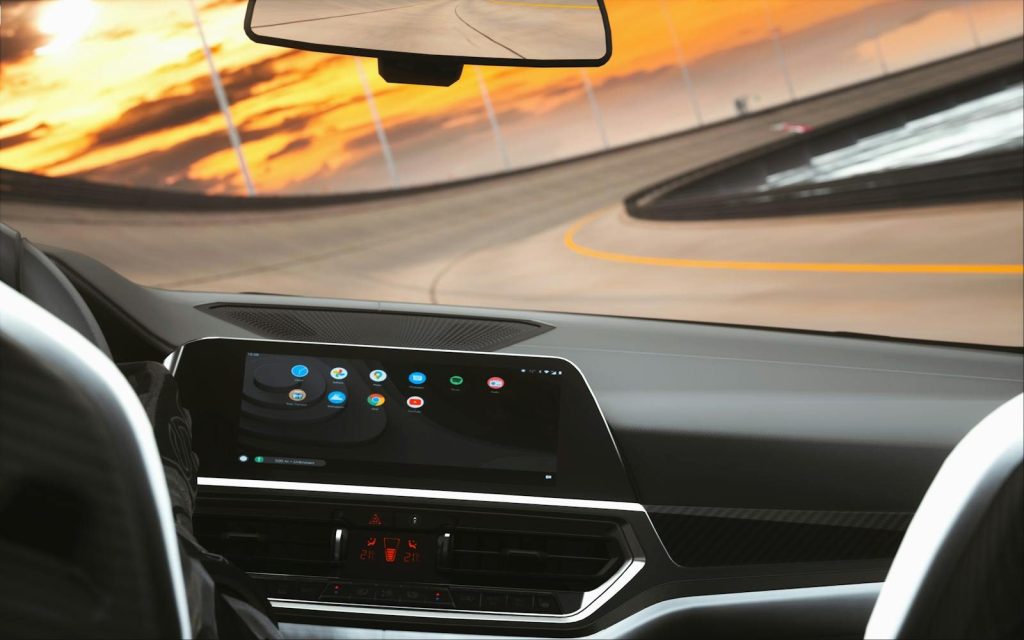
    Sleek car interior featuring a digital dashboard during a sunset drive on a curved road.
    Photo by Hensan Aranha on Pexels

    Texts and alerts can now appear in safer, simpler ways on the car screen. Android Auto supports message controls, and Google highlights suggested replies that can help drivers respond quickly.

    The goal is not to turn the car into a phone. It is to reduce phone handling by moving basic communication tools onto a larger, cleaner display with voice and tap-friendly options.

    Voice control matters more

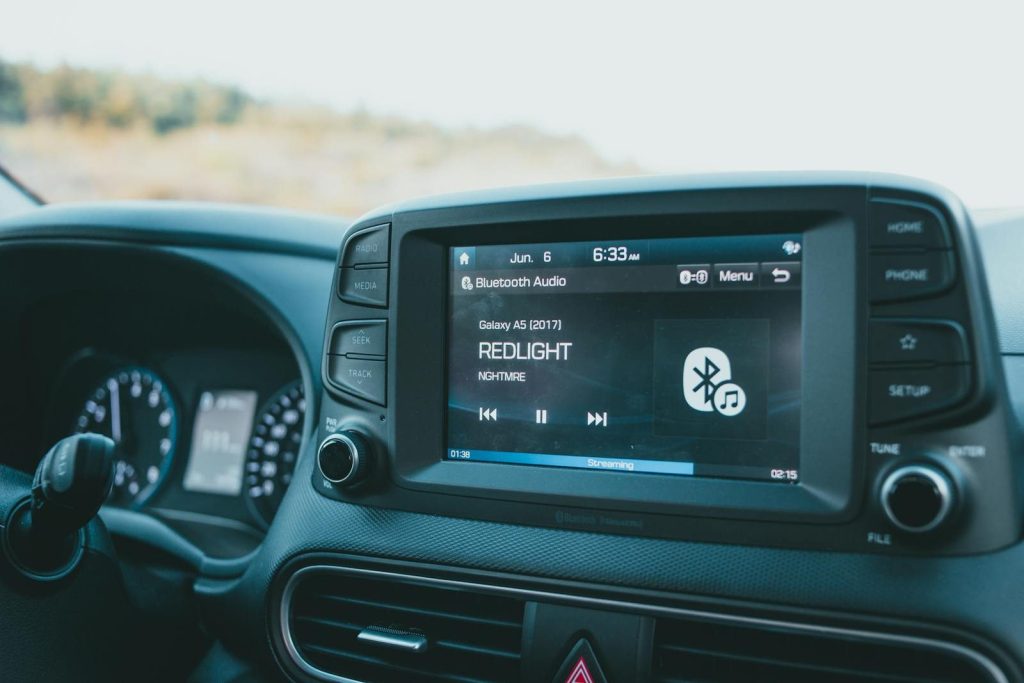
    Close-up of a car dashboard featuring a Bluetooth audio system with music display.
    Photo by Erik Mclean on Pexels

    A screen alone is not enough in a car. Drivers need controls that do not require too much looking or tapping, which is why voice help is becoming a key part of Android Auto.

    Google says Gemini is being added to Android Auto as the newer hands-free assistant experience. That means drivers may soon talk to the car screen more naturally for directions, messages, and simple tasks.

    Bigger screens need better layouts

    Inside view of a car with a sleek digital dashboard showing navigation and media controls.
    Photo by Vladimir Srajber on Pexels

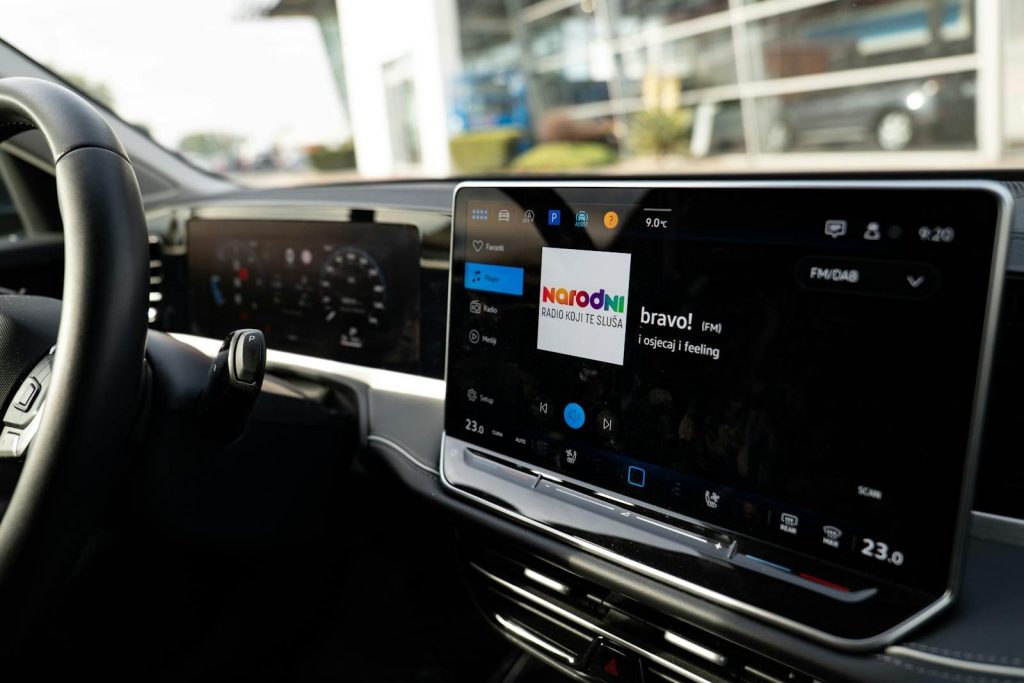
    Modern cars do not all use the same screen size or shape. Some dashboards have wide displays, curved screens, or unusual layouts that older systems did not handle well.

    Google’s newer Android Auto updates are aimed at making the experience work better across different car screens. That matters because the dashboard screen is becoming a major selling point in many vehicles.

    Parked video is arriving

    Interior view of car dashboard with GPS and music display, creating a modern travel vibe.
    Photo by Nothing Ahead on Pexels

    Android Auto is also moving beyond driving-only tools. Google says video apps will be supported on Android Auto starting with phones running Android 16 on select compatible cars, with the experience meant for parked use.

    That detail is important. The car screen may become more useful during charging stops, school pickups, or waiting in a parking lot, but safety limits still matter while driving.

    Apps are becoming car-ready

    Modern in-car navigation system showing a digital map and route details.
    Photo by Thang Nguyen on Pexels

    Android Auto is not just about Google’s own apps. Google’s developer tools support categories like navigation, weather, media, messaging, and other car-ready experiences.

    This is part of the “rolling screen” idea. As more apps are designed for cars, the dashboard can handle more helpful tasks without copying the clutter of a regular phone screen.

    Google built-in goes deeper

    Modern car dashboard featuring a digital touchscreen interface with multiple apps.
    Photo by Sina Rezakhani on Pexels

    Android Auto connects your phone to the car screen, but some cars also come with Google built-in. Those vehicles can run Google apps more directly from the car system.

    Google says cars with Google built-in can receive automatic updates and access apps through Google Play. That makes some dashboards feel even more like connected devices that keep improving over time.

    Safety still sets limits

    black 2 din car stereo
    Photo by Erik Mclean on Unsplash

    The rise of bigger car screens can sound distracting, but Android Auto is designed around simpler controls, larger buttons, and voice help. Google also reminds users to pay attention to the road and follow driving laws.

    That balance is the real story. Cars are becoming more screen-based, but the best features are the ones that reduce phone handling and keep key information easy to reach.