Blog

  • The Devastating Energy Crisis Powering Our Digital Lives

    The Devastating Energy Crisis Powering Our Digital Lives

    Most internet users assume that our growing digital world is completely clean and weightless. We believe that streaming movies and chatting with artificial intelligence has no real-world cost.

    But the rapid expansion of massive data centers is triggering a severe energy crisis. These giant computer warehouses are demanding far more electricity than the national grid can safely handle.

    The Growing Power Hunger
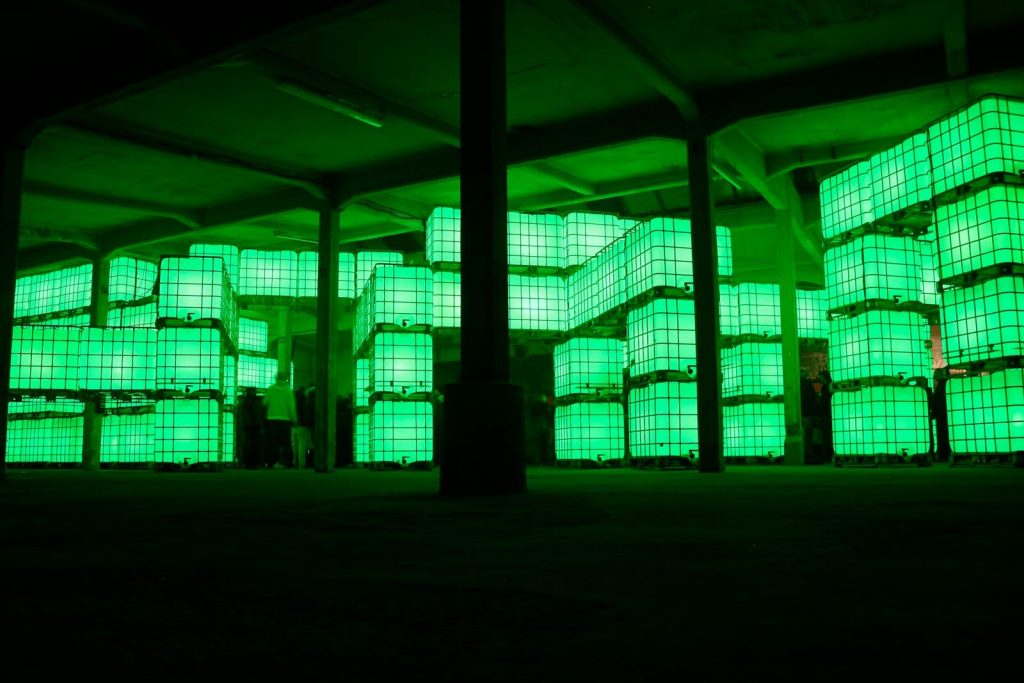
    Stacked glowing green containers in a dark industrial space.
    Photo by Alto Mezger on Unsplash

    Modern digital platforms require an astronomical amount of electricity to function. According to energy grid analysts, the rise of artificial intelligence has doubled the power demands of new computing hubs. The surge is massive. This sudden growth is pushing existing power plants to their absolute physical limits. But the true scale of this energy drain is starting to alarm grid operators across the nation.

    Straining The National Grid
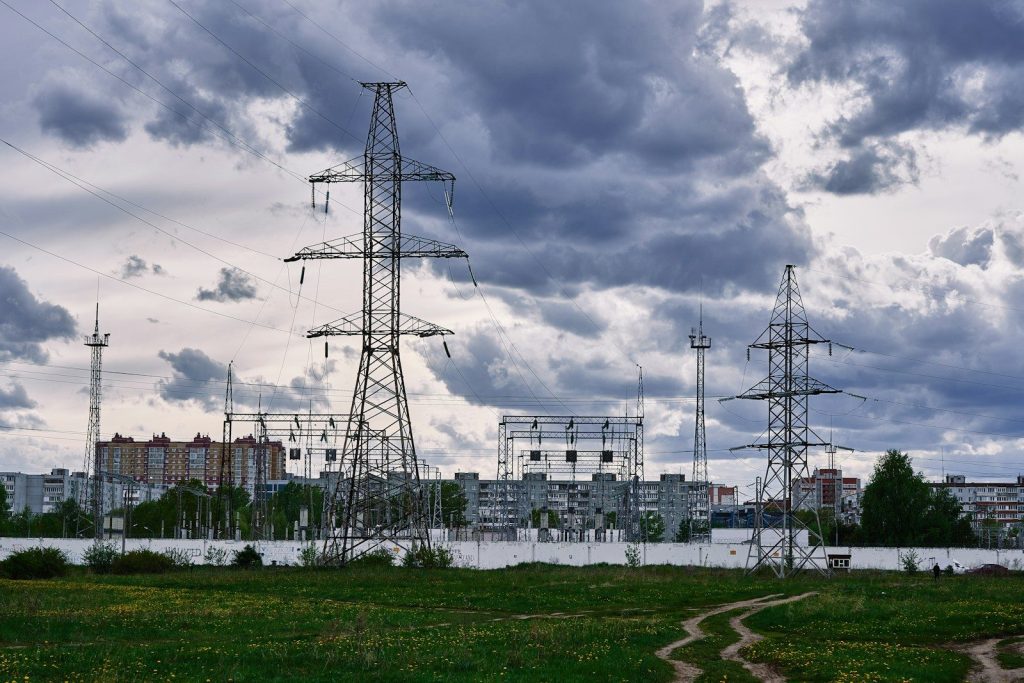
    a field with power lines and buildings in the background
    Photo by Maxim Tolchinskiy on Unsplash

    Electrical grids were never designed to handle such concentrated pockets of intense power demand. According to a report by the Federal Energy Regulatory Commission, multiple states are facing severe risks of rolling blackouts. The system is fragile. This rapid digital expansion is leaving almost no spare power for regular homes and businesses. Yet the tech industry is showing absolutely no signs of slowing down its growth.

    The Carbon Footprint Rebound
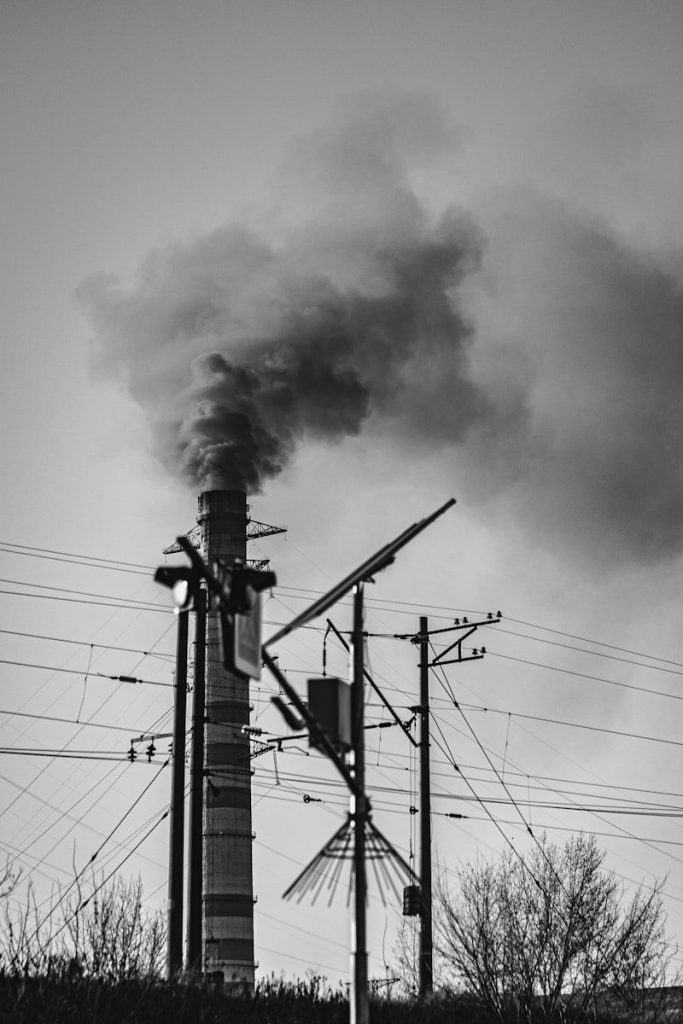
    a black and white photo of a smoke stack
    Photo by Eugene Chystiakov on Unsplash

    Many technology corporations previously promised to operate on one hundred percent clean energy. According to environmental studies, the sheer scale of the power crisis is forcing companies to rely on fossil fuels again. The promises are breaking. Several older coal and natural gas plants are delaying their planned closures just to keep these servers running. But this desperate measure is actively undoing years of climate progress.

    The Rise Of Artificial Intelligence

    worm's eye-view photography of ceiling
    Photo by Joshua Sortino on Unsplash

    Artificial intelligence is a primary driver of this unprecedented surge in energy consumption. According to reports from the International Energy Agency, an AI search query uses ten times more electricity than a standard search. The math is simple. This incredible power demand means that computing hubs are consuming electricity faster than ever before. But a surprising bottleneck is preventing new facilities from even opening.

    Waiting For Power Lines
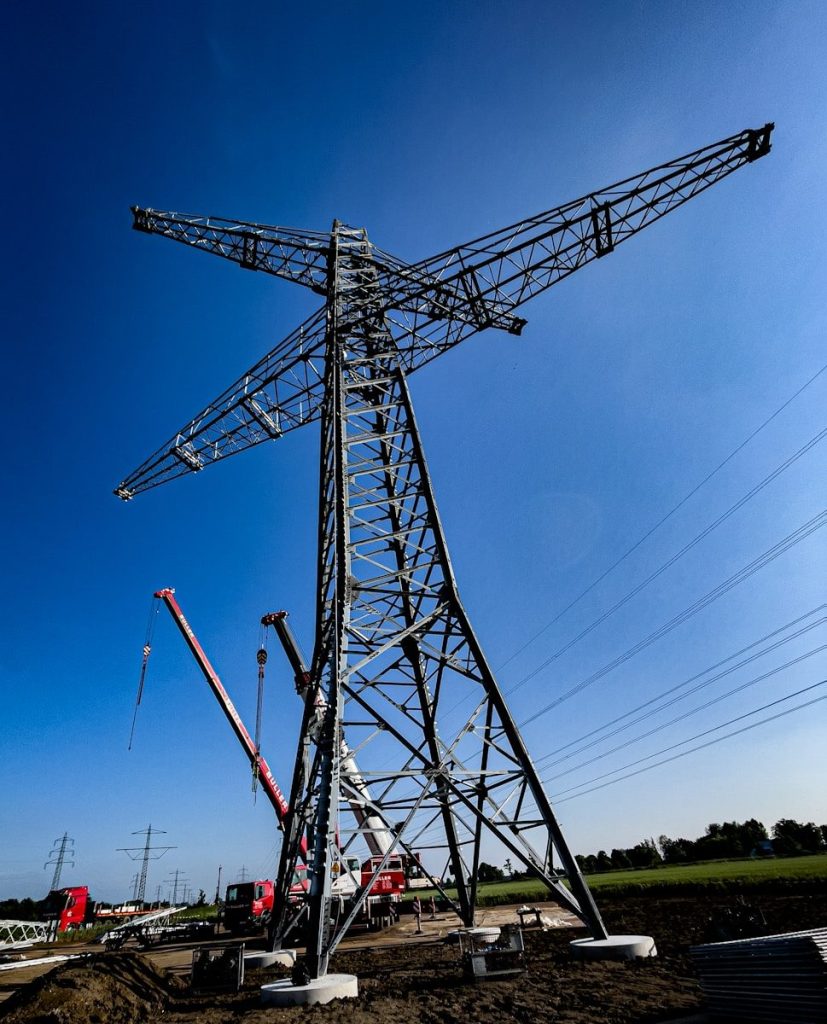
    a large metal tower sitting on top of a dirt field
    Photo by Bernd 📷 Dittrich on Unsplash

    Building a data warehouse is easier than connecting it. According to grid transmission logs, some new facilities must wait up to seven years just to get a physical hookup. The queue is long. This massive delay is forcing technology companies to seek out creative and highly experimental power options. But one of these alternative solutions is taking them back to the atomic age.

    Turning To Nuclear Power
    a couple of large white pipes on top of a building
    Photo by Nicholas Ismael Martinez on Unsplash

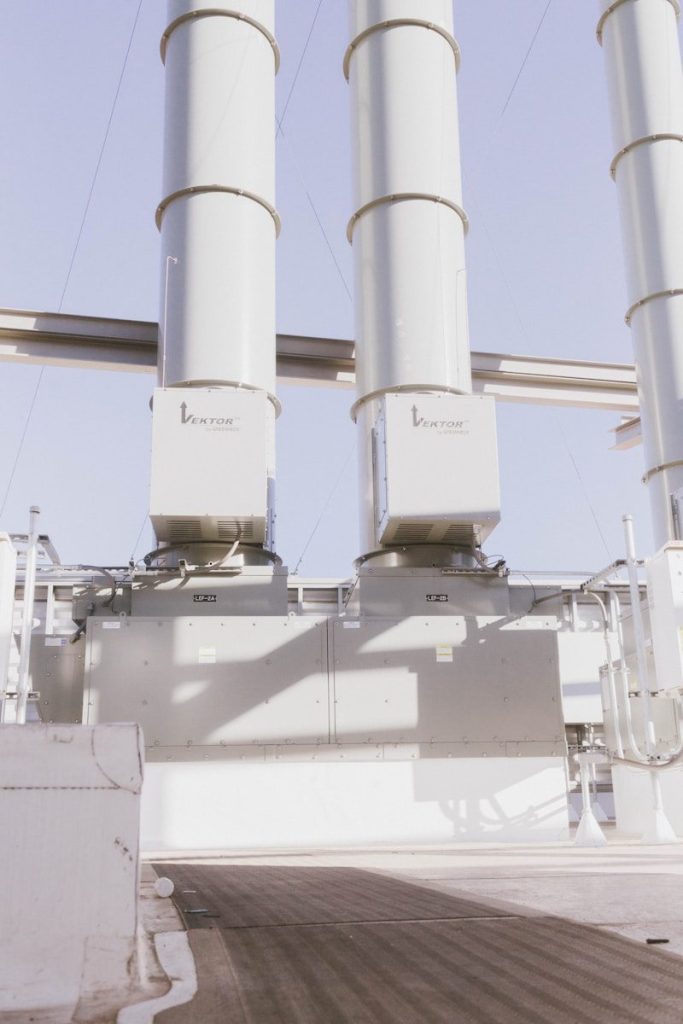
    Tech giants are signing historic deals with nuclear power operators to guarantee constant electricity. According to industry statements, companies are trying to restart closed nuclear reactors to run their servers around the clock. The stakes are high. This pivot highlights how desperate the industry has become for reliable and carbon-free base load power. But this sudden rush for nuclear energy is raising serious public safety questions.

    The Rising Cost For Consumers
    a bunch of electrical meters are stacked on top of each other
    Photo by Han-Hsing Tu on Unsplash

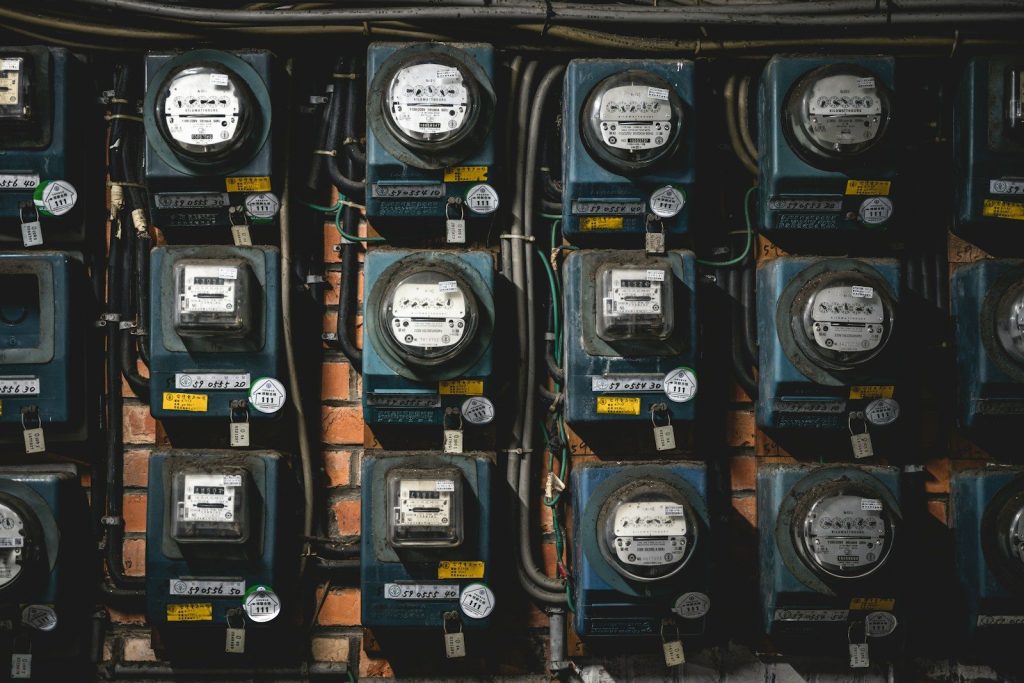
    The intense competition for electricity is starting to impact regular utility bills. According to consumer advocacy reports, residential electricity rates are climbing fast in areas with high data center concentration. Families are paying more. This trend is sparking a fierce debate over who should pay for upgrading the national grid. But the ultimate resolution of this crisis will require a major technological shift.

    Engineering a Sustainable Future

    A person using a mouse on a mouse pad
    Photo by Yoga Sukma 🇮🇩 on Unsplash

    Balancing our appetite for digital data with grid limits is a major challenge. According to energy engineers, the future of technology relies on developing ultra-efficient processors and local clean power generation. Innovation is key. This article is for informational purposes only.

    Featured Image: Photo by Markus Stickling on Unsplash
  • The Ancient Underground Ocean Trapped Beneath America

    The Ancient Underground Ocean Trapped Beneath America

    Most people believe that the earth beneath our feet is entirely solid rock. We assume that massive bodies of water exist only on the surface of our planet.

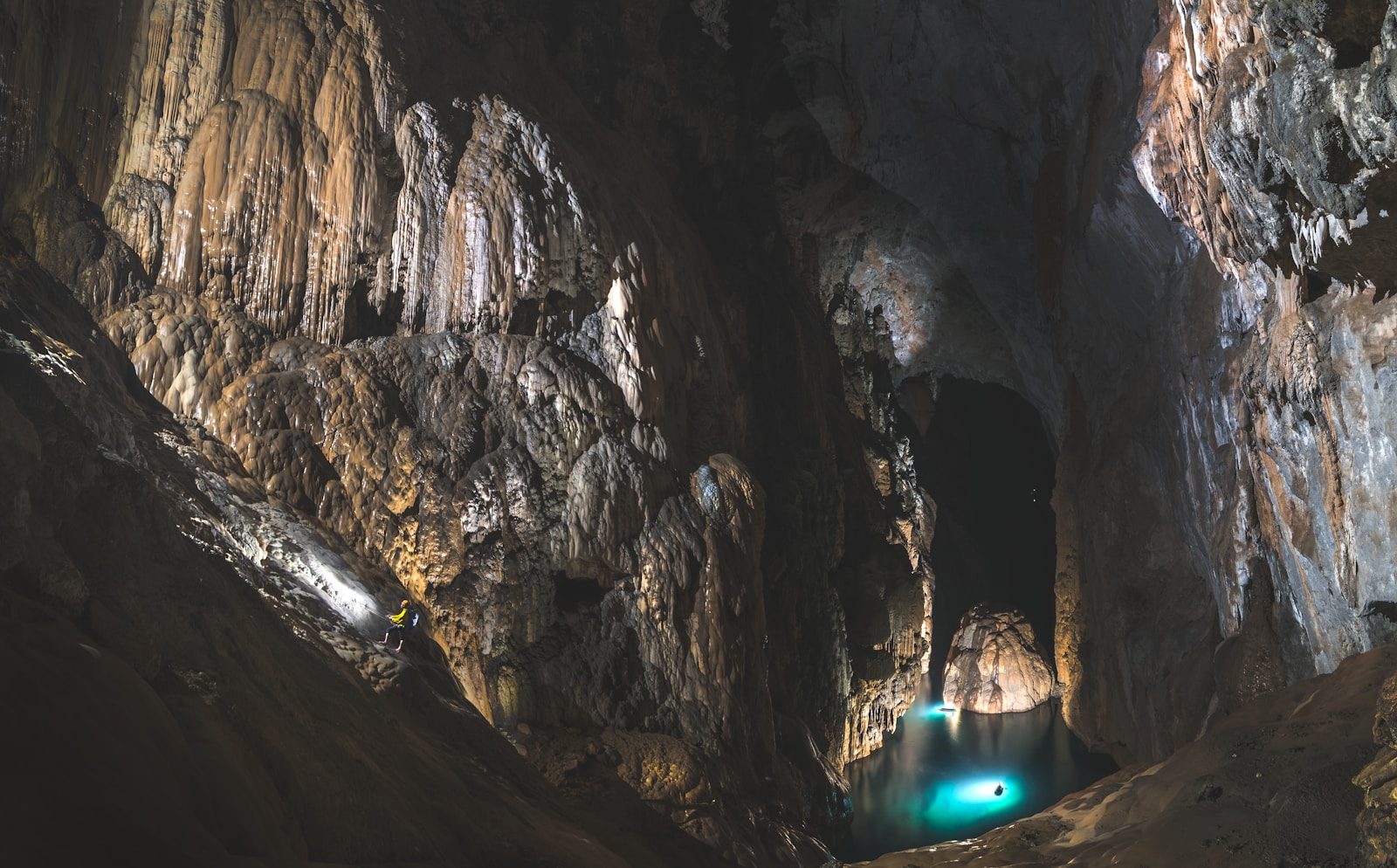
    But an accidental discovery in Tennessee has revealed a mind-bending underground world. A massive hidden sea lies untouched in the dark depths of a giant cave.

    The Small Muddy Crawl

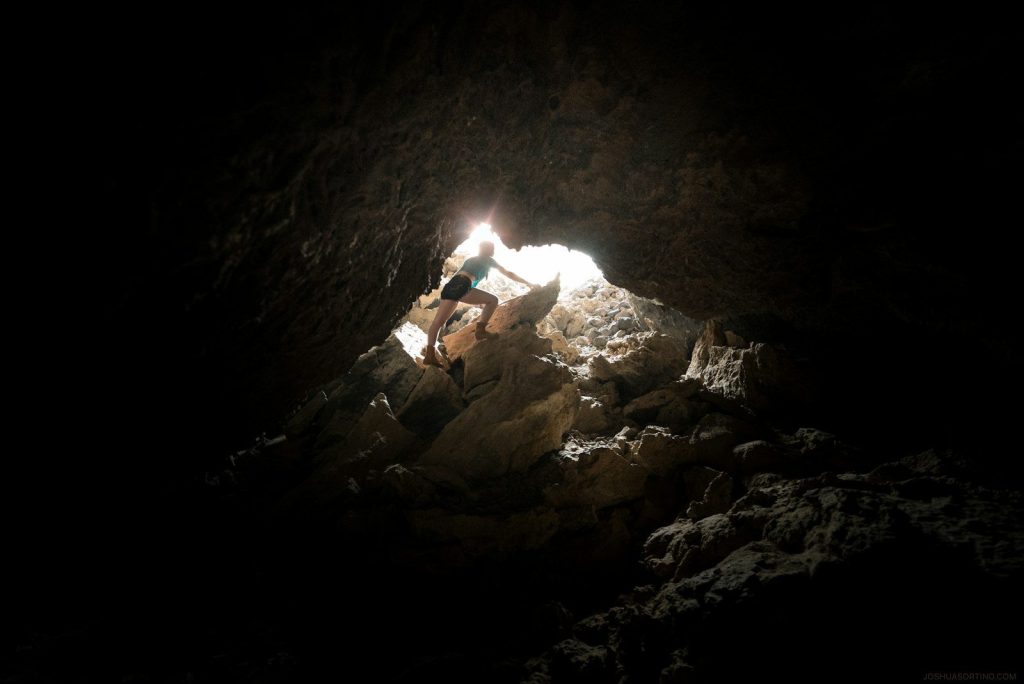
    person standing on rocks near cave
    Photo by Joshua Sortino on Unsplash

    A young explorer made the discovery of a lifetime in 1905. According to historical cave records, thirteen-year-old Ben Sands wiggled through a tight opening no larger than a bicycle tire. The space was tiny. He crawled forty feet in total darkness before dropping down into knee-deep water. But his small lantern was not strong enough to reveal what lay ahead.

    Thrown Into The Dark

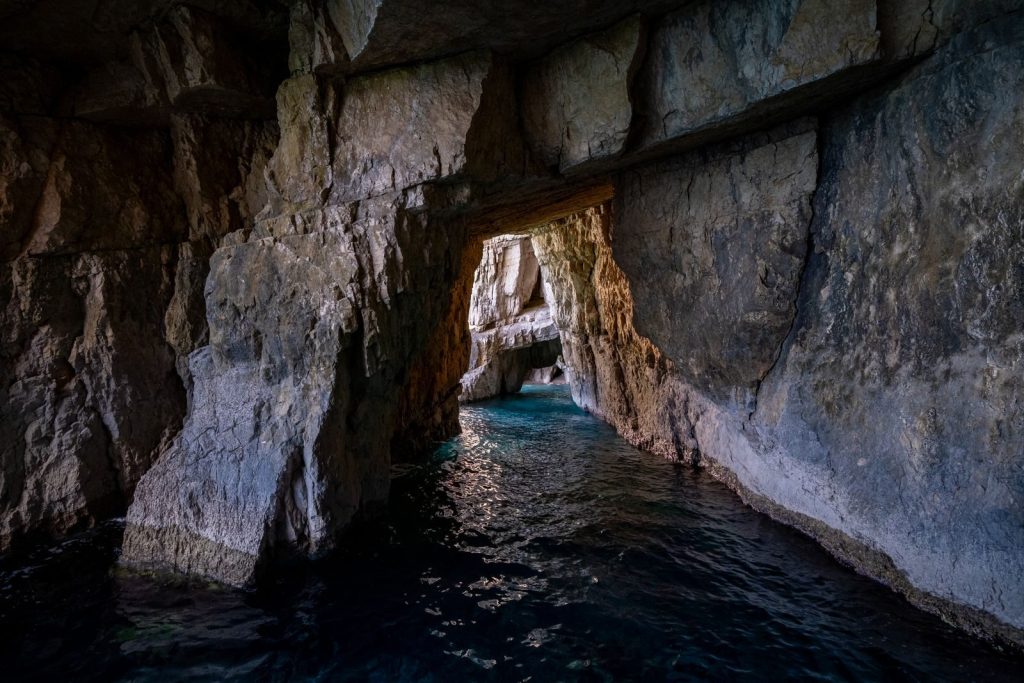
    Explore a tranquil limestone cave with shimmering water reflections in a serene atmosphere.
    Photo by Francesco Ungaro on Pexels

    He stood on the edge of a massive body of water. According to local historical archives, he began throwing mudballs in all directions to test the size of the room. He heard only splashes. The cavern was so immense that the absolute darkness swallowed his light before it could hit any walls. But this giant underground lake would remain hidden from the public for decades.

    Mapping The Lost Sea

    a small boat is docked on the water
    Photo by Luis Benito on Unsplash

    Scientists eventually arrived to chart the mysterious body of water. According to geological measurements, the visible portion of the lake is over eight hundred feet long. The scale is stunning. This massive pool is now recognized as the largest non-subglacial underground lake in North America. Yet the visible surface only represents a small fraction of what is actually hiding in the deep.

    The Bottomless Underwater Chambers

    man in black jacket standing on brown wooden ladder
    Photo by Victor Furtuna on Unsplash

    Divers descended into the black waters to find the bottom. According to search expedition files, divers mapped over thirteen acres of submerged tunnels without ever finding the end. The pressure was intense. They encountered completely flooded chambers that descended to extreme depths where sonar signals failed to bounce back. But the deep water held more than just geological mysteries.

    Prehistoric Beasts In The Dark

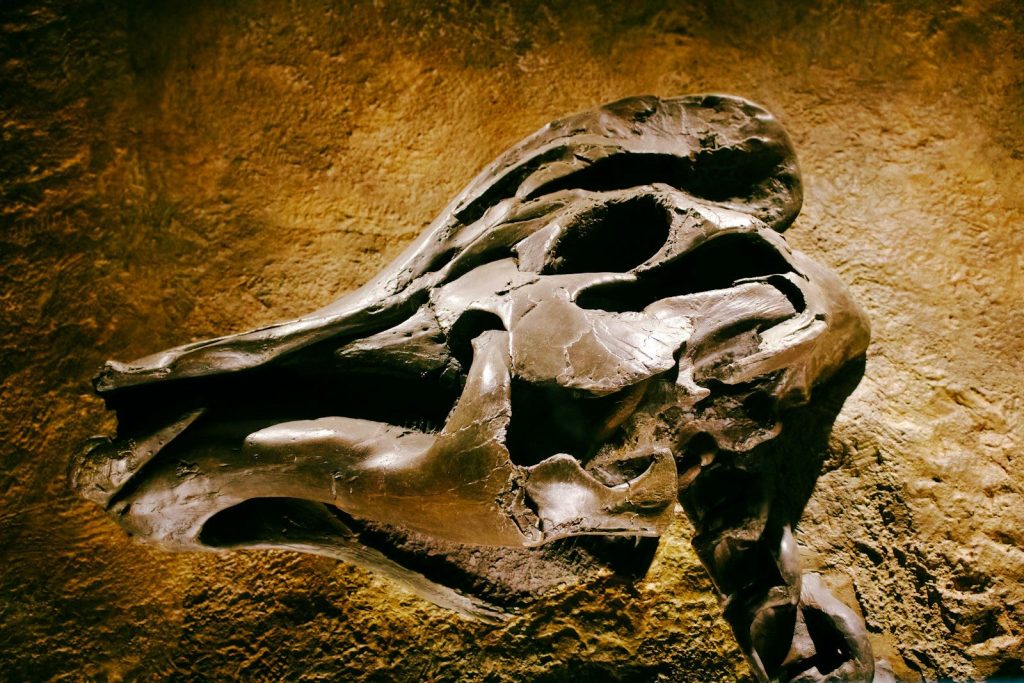
    A large animal skull on a rock wall
    Photo by James Lee on Unsplash

    The caverns surrounding the lake held evidence of a very different era. According to paleontologists from the American Museum of Natural History, explorers discovered the fossilized bones of a massive Pleistocene jaguar. The find was incredible. This prehistoric predator wandered into the deep cave twenty thousand years ago and became permanently lost. But the modern lake contains its own highly unusual residents.

    The Blind Cave Dwellers

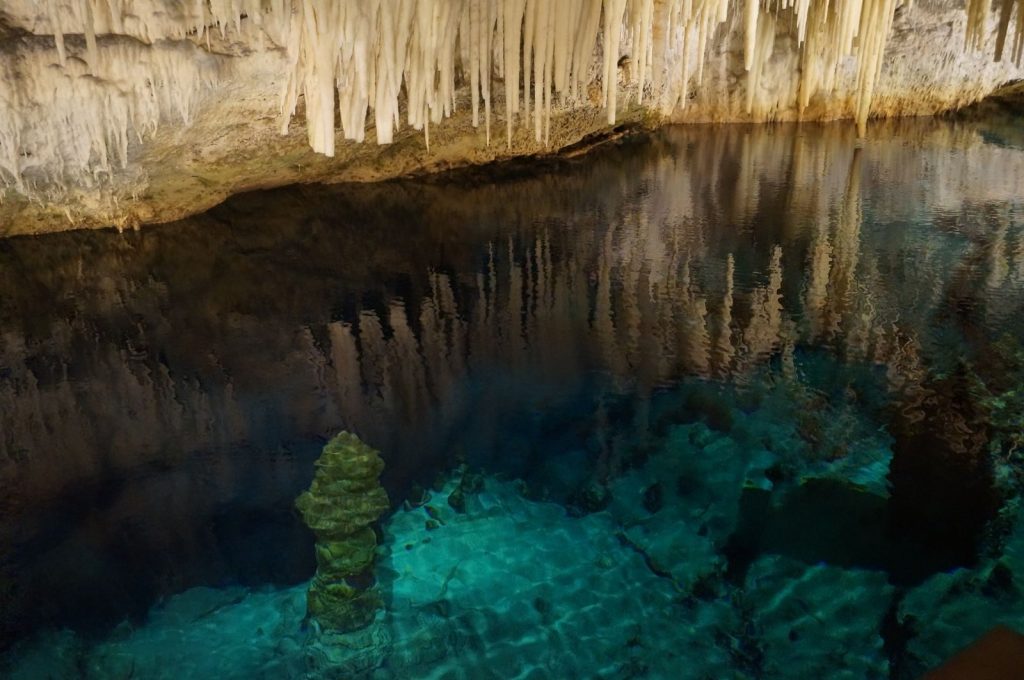
    Explore the beauty of a natural underground cave featuring stalactites and crystal clear water.
    Photo by Katrina Rodriguez on Pexels

    A small population of rainbow trout lives in the underground waters. According to local naturalists, these fish have adapted to the constant darkness of the cave in striking ways. They are completely blind. Lacking exposure to natural sunlight, the creatures have slowly lost their eyesight and their bright color pigments. But these strange adaptations are just a small part of a highly fragile ecosystem.

    Preserving The Lost Sea

    a cave with a pool of water inside of it
    Photo by Leon Andov on Unsplash

    This subterranean wonder remains a key focus for geologic research and environmental protection. According to National Landmark records, protecting these delicate cave networks preserves natural history. Exploration is still ongoing. This article is for informational purposes only.

    Featured Image: Photo by Andrew Svk on Unsplash

  • The Secret Green Tablets That Mystified Isaac Newton

    The Secret Green Tablets That Mystified Isaac Newton

    For centuries rumors have persisted of ancient green tablets containing the ultimate secrets of the universe. These mysterious texts supposedly hold the key to alchemy and human immortality.

    While modern historians view them as ancient legends some of the greatest minds in history spent decades trying to decode them. The story of these tablets reveals a hidden world of ancient science.

    The Legend of the Indestructible Stone

    a room that has some paintings on the walls
    Photo by Dmitrii Zhodzishskii on Unsplash

    According to esoteric lore the Emerald Tablets were carved from an indestructible green substance that resists all natural elements. They were allegedly written by an ancient Egyptian priest-king named Thoth thousands of years ago. The text was said to contain the foundational laws of reality and the secrets of matter itself.

    But finding the physical tablets proved to be an impossible task.

    Lost in the Mists of Ancient Egypt

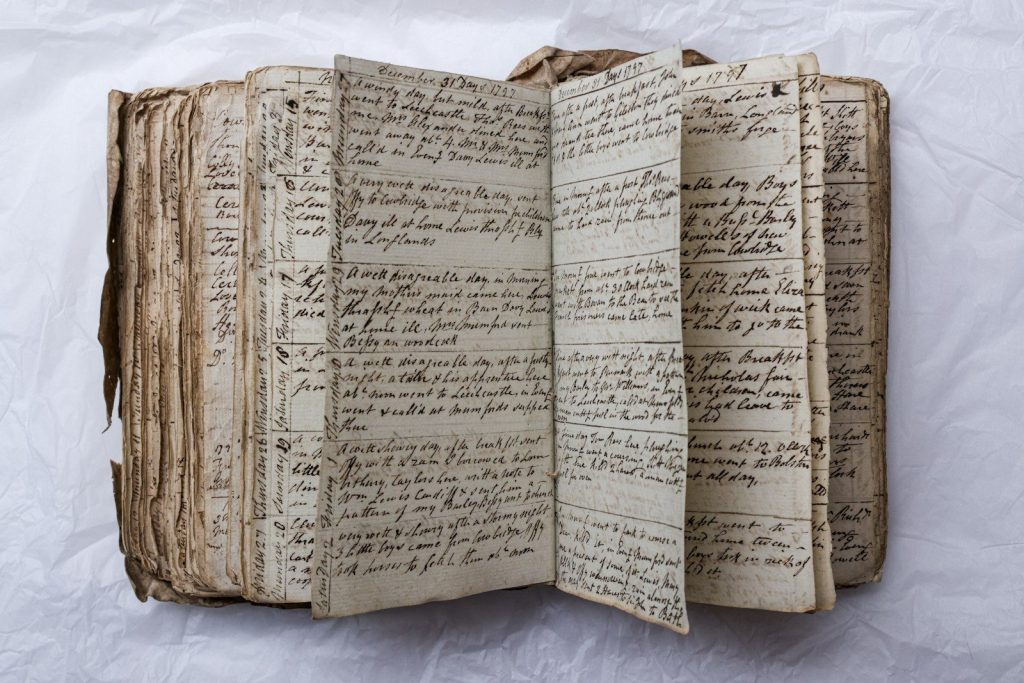
    A close-up of an old, open ledger with handwritten notes.
    Photo by camera obscura on Unsplash

    No one has ever presented the original physical green tablets to modern scientists. The oldest known references to the text appear in early Arabic writings from the eighth century. Translators claimed they discovered the secret words carved on a tablet held by a mummy in an ancient Egyptian tomb.

    Despite their mysterious origins the written words spread rapidly across Europe.

    The Obsession of Sir Isaac Newton

    Antique wooden desk with quill pen, old papers, and inkwells.
    Photo by Magic Fan on Unsplash

    Isaac Newton is famous for his laws of gravity but he was also a deeply devoted alchemist. He spent years translating the Emerald Tablet from Latin into English. Newton believed the short text contained hidden instructions for manipulating the structure of matter and creating the legendary philosophers stone.

    The actual text of the tablet is famously cryptic.

    As Above So Below

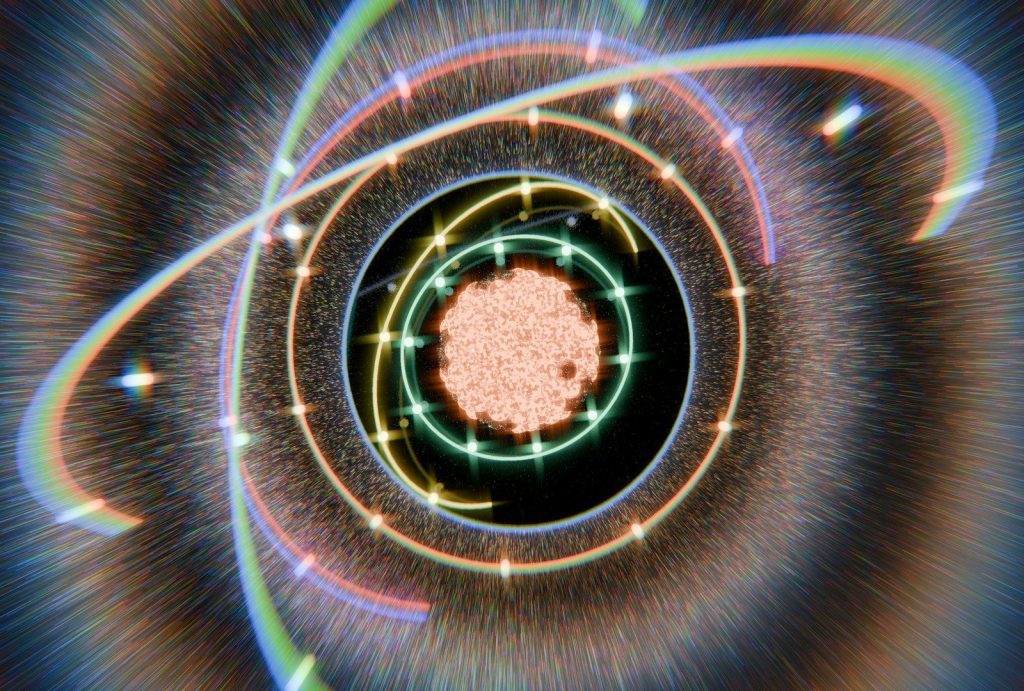
    Abstract atom model with orbiting rings and energetic background.
    Photo by Brecht Corbeel on Unsplash

    The most famous phrase from the translation is the concept of as above so below. This idea suggests that the patterns of the massive cosmos are mirrored in the tiny microscopic world. Modern physicists find this concept intriguing because it echoes the struggle to unite quantum mechanics with general relativity.

    But early alchemists took these words very literally.

    The Birthplace of Modern Chemistry

    Exploring a vintage laboratory filled with classic chemistry equipment and glassware.
    Photo by Christopher Moon on Pexels

    While the search for literal alchemy failed the obsession with the tablets sparked a scientific revolution. Alchemists trying to decode the text built the very first laboratories and developed basic experimental methods. Their endless search for chemical transformation eventually laid the groundwork for modern scientific chemistry.

    The mystery of who actually wrote the text remains unsolved.

    A Masterpiece of Ancient Hermetic Philosophy

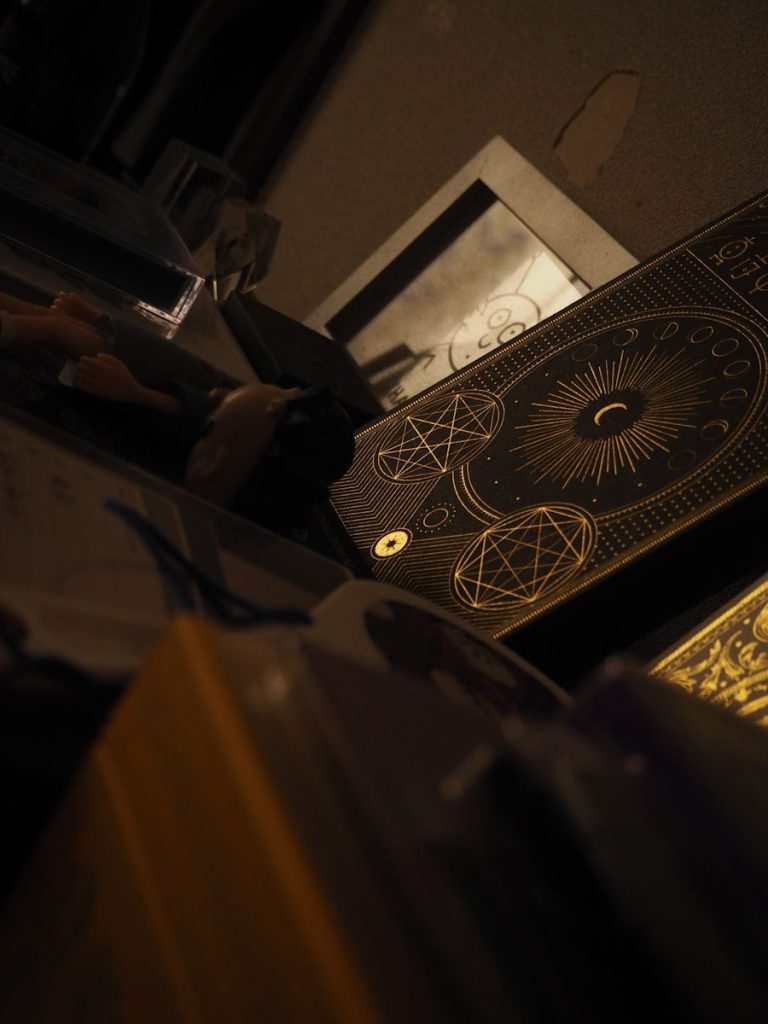
    a box with a pentagram on it sitting on a table
    Photo by Kaede Nakamura on Unsplash

    Historians believe the text was likely composed in the early centuries after Christ by Greek-Egyptian philosophers. This school of thought blended eastern mysticism with western logic to explain the natural world. They used highly symbolic language to protect their early scientific observations from religious persecution.

    This leaves us with a fascinating perspective on ancient wisdom.

    The True Legacy of the Emerald Tablet

    a large stone building with a large archway
    Photo by Le Mucky on Unsplash

    The Emerald Tablet may not be a literal key to physical immortality or magical transformation. Instead it serves as an inspiring monument to human curiosity and our drive to unlock the secrets of nature. The search for its hidden meaning helped guide our ancestors out of superstition and into the light of science.

    Featured Image:Photo by Raimond Klavins on Unsplash

  • The Real Reason the Military Covered Up Roswell in 1947

    The Real Reason the Military Covered Up Roswell in 1947

    In July 1947 a mysterious crash in the New Mexico desert sparked the greatest UFO mystery of all time. The local airfield initially announced they had captured a flying saucer.

    Within hours the military retracted the statement and claimed it was just a simple weather balloon. That clumsy cover-up fueled decades of alien conspiracy theories that persist today.

    The First Wild Press Release

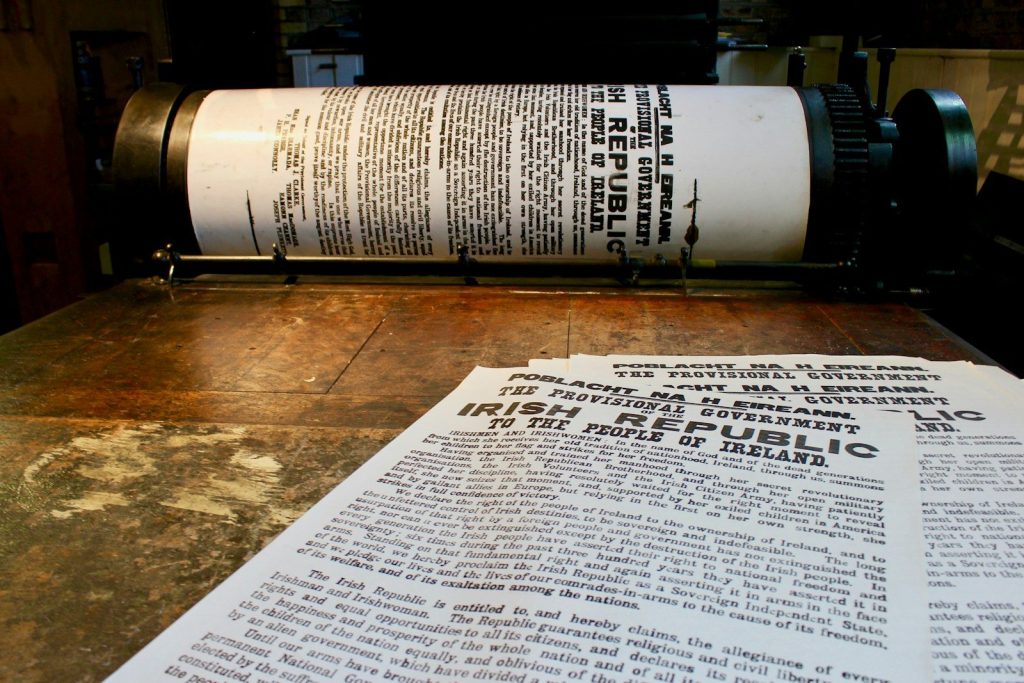
    a piece of paper with writing on it
    Photo by Chris Kofoed on Unsplash

    Mac Brazel a local rancher discovered strange metallic debris scattered across his pasture after a massive thunderstorm. He contacted the local sheriff who alerted the Roswell Army Airfield. Colonel William Blanchard immediately ordered a press release announcing the recovery of a flying disc which shocked the nation.

    But the military high command reacted with absolute panic.

    The Sudden Weather Balloon Story

    Soldiers marching in formation with airship overhead
    Photo by Museum of New Zealand Te Papa Tongarewa on Unsplash

    General Roger Ramey quickly took control of the situation from his headquarters in Texas. He summoned reporters and showed them pieces of tinfoil and wood from a standard weather balloon. He declared the young officers in Roswell had made a foolish mistake and misidentified a common meteorological instrument.

    This explanation satisfied the public for decades until researchers dug deeper.

    The Secret Project Behind the Debris

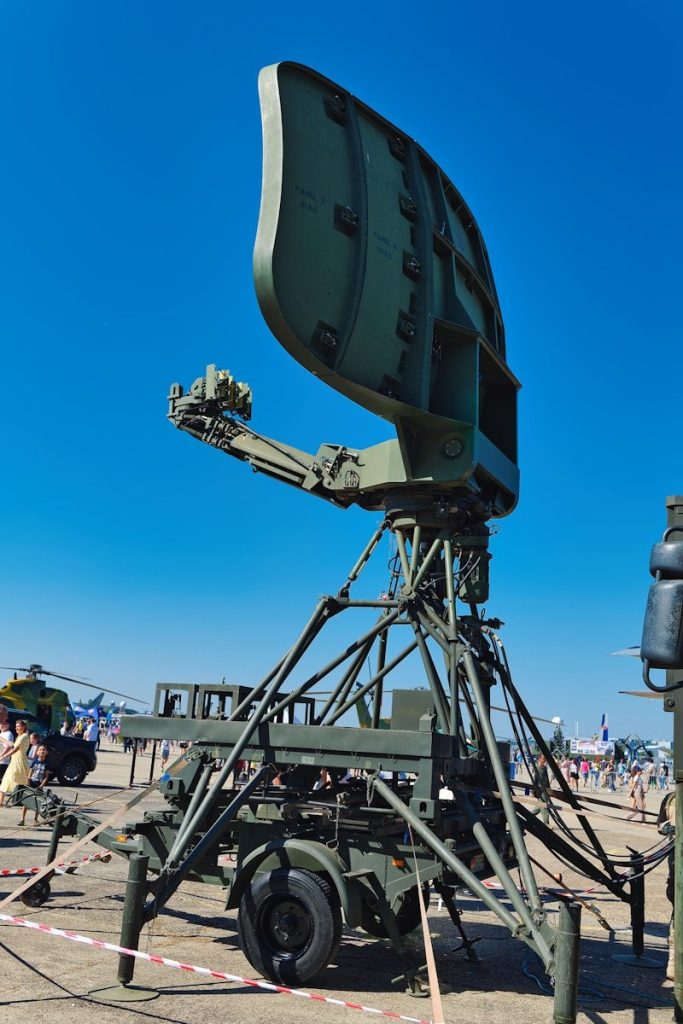
    Large radar dish on a mobile trailer
    Photo by Gabriel Vasiliu on Unsplash

    Decades later declassified government documents revealed that the weather balloon story was indeed a lie. But the real truth was linked to a highly classified Cold War spy operation called Project Mogul. The military was launching massive trains of balloons equipped with microphones to detect Soviet atomic tests.

    This explains why they needed absolute secrecy at all costs.

    Why the Materials Baffled the Rancher

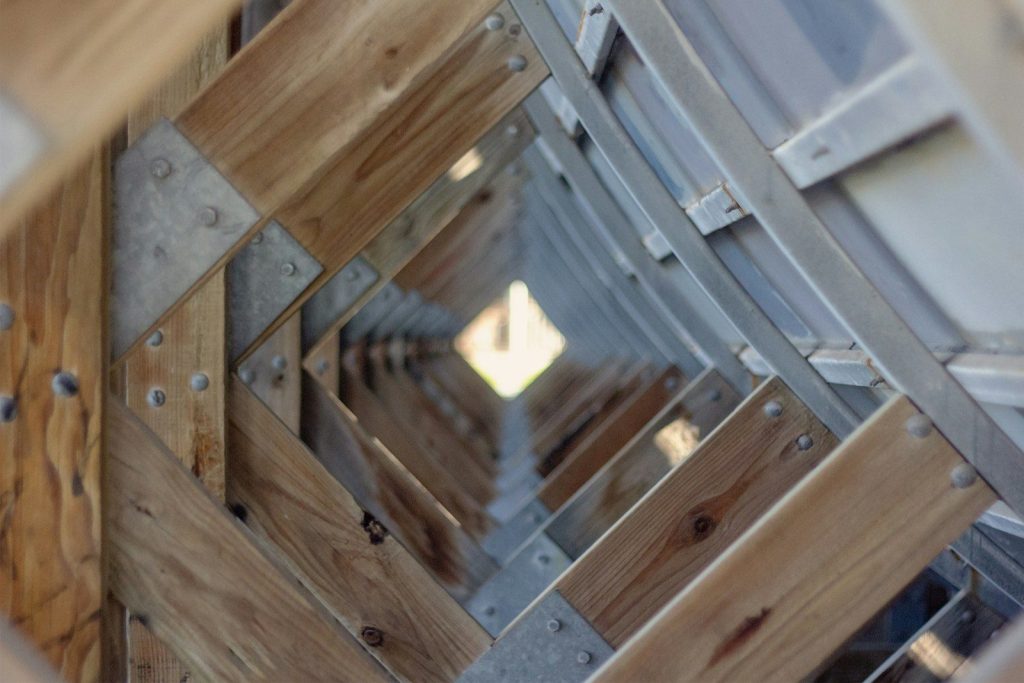
    a close up of a wooden structure with metal bars
    Photo by Ben on Unsplash

    The debris Brazel found did not look like a normal weather balloon because Project Mogul used experimental materials. The balloons carried metallic targets made of heavy foil and lightweight balsa wood structures. Some of these structures had unusual geometric patterns printed on them which looked like alien hieroglyphics to untrained eyes.

    But this explanation did not stop the wild rumors about bodies.

    The Mystery of the Small Dummies

    two white parachutes
    Photo by Untitled Photo on Unsplash

    Stories of recovered alien bodies did not actually start in 1947 but emerged decades later in the late 1970s. Researchers believe witnesses may have confused the 1947 crash with later military experiments. During the 1950s the military dropped anthropomorphic dummies from high altitudes to test parachutes near Roswell.

    This timeline gap reveals how human memory can play tricks over time.

    A Perfect Cold War Cover Story

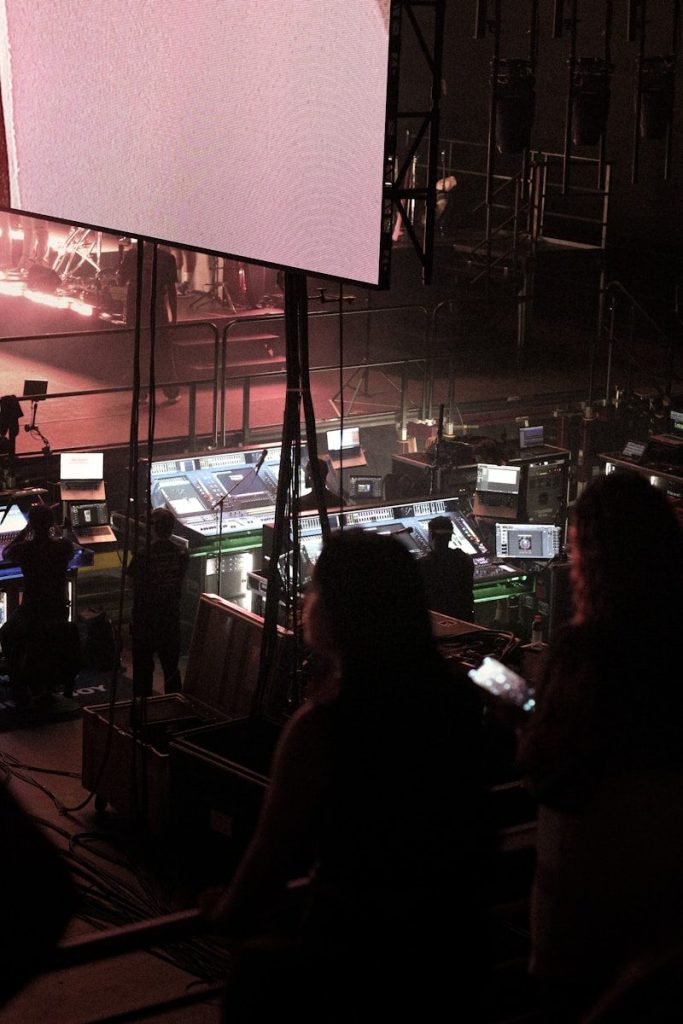
    People working at a control desk with screens.
    Photo by ANGIE BAONGOC on Unsplash

    Government officials realized that letting the public believe in flying saucers was actually highly useful. It provided a perfect cover story that distracted people from the top-secret nuclear detection technology they were testing. By encouraging a bit of UFO folklore the military successfully protected their most sensitive national security secrets.

    Yet this strategy created a permanent cultural phenomenon.

    The Legacy of the Roswell Myth

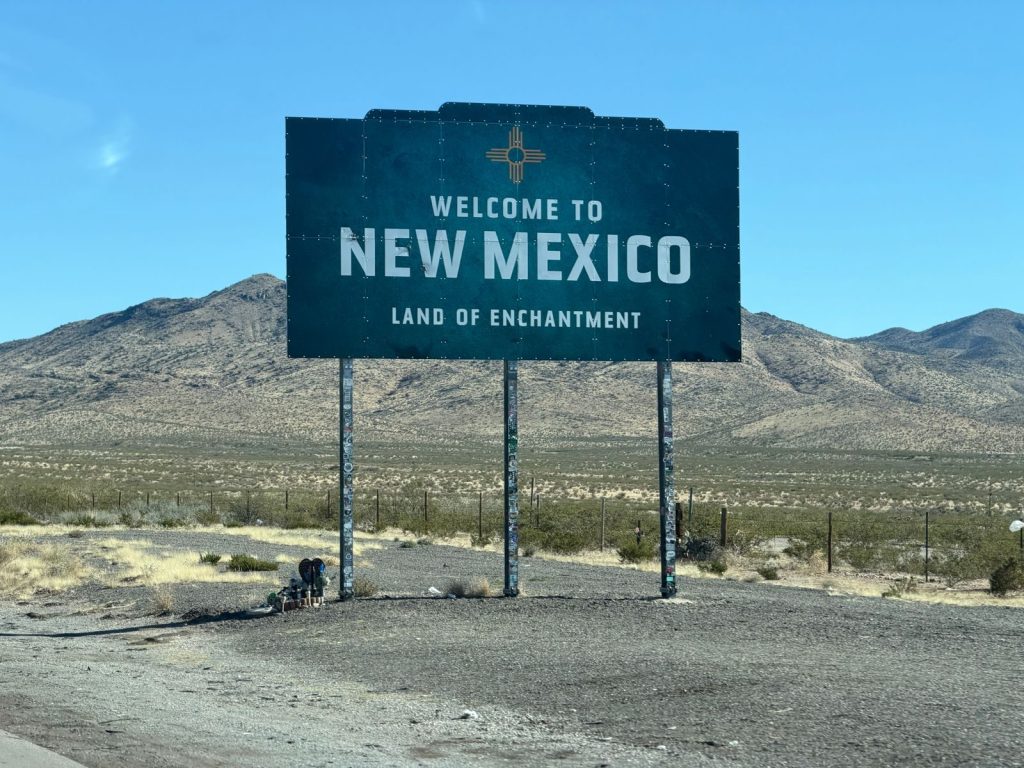
    Iconic welcome sign for New Mexico in a desert landscape, tracing the state's enchanting charm.
    Photo by B. Kane on Pexels

    Today the Roswell incident is a massive part of modern pop culture and has turned a small desert town into a global tourist hub. It shows how easily a combination of secret military tech and poor public relations can create an enduring myth. In the end the real secret of Roswell was not visitors from another world but human anxiety.

    Featured Image: “U.S. 285 North of Roswell, New Mexico 1” by Ken Lund is licensed under CC BY-SA 2.0

  • What the Dying Brain Sees in the Final Minutes

    What the Dying Brain Sees in the Final Minutes

    What happens in our final moments of life is one of the deepest mysteries in science. Thousands of people who survived clinical death report incredibly consistent and peaceful experiences.

    For centuries these stories were dismissed as mere spiritual visions. Today modern neurologists are studying the chemical secrets of the dying brain and uncovering a biological masterpiece.

    Inside the Brains Sudden Surge of Energy

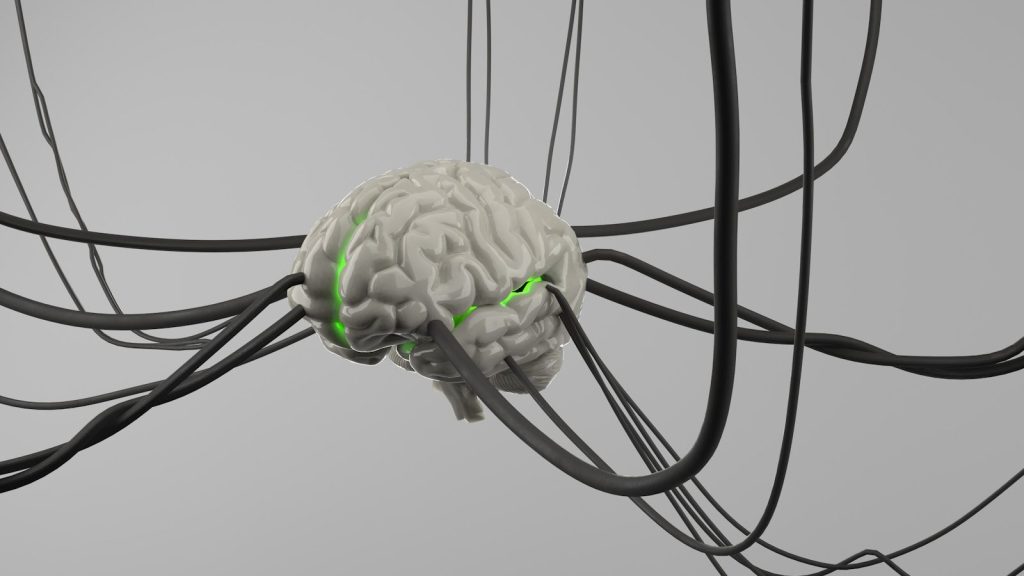
    A computer generated image of a brain surrounded by wires
    Photo by Bhautik Patel on Unsplash

    When the heart stops beating and blood flow halts the brain is assumed to shut down instantly. However recent scientific studies on animals show a surprising spike in brain activity just after clinical death. This intense burst of electrical energy is far more organized than the brain activity of healthy conscious states.

    This neurological surge might explain the incredibly vivid visions.

    The Chemistry of the Tunnel of Light

    Speeding down a dark tunnel with light streaks
    Photo by Gunther Samson on Unsplash

    Many survivors recall traveling through a dark tunnel toward a brilliant white light. Scientists believe this classic vision is caused by a rapid drop in blood flow to the eyes. As oxygen levels plunge in the retina peripheral vision fails first and leaves only a central patch of bright light that mimics a tunnel.

    But the deep feelings of peace require a different explanation.

    A Biological Shield Against Pain

    Molecular structures are seen against an orange backdrop.
    Photo by Omar:. Lopez-Rincon on Unsplash

    Near-death survivors frequently describe an overwhelming sense of calm and a total absence of fear or pain. Researchers suggest the brain releases a massive flood of natural endorphins and protective chemicals during extreme trauma. This chemical defense mechanism acts as a built-in biological cushion designed to ease our final moments.

    Other survivors report an even stranger sensation of floating.

    The Science of Floating Above Your Body

    Close-up of an MRI scan showing a sagittal view of the human brain for analysis.
    Photo by MART PRODUCTION on Pexels

    Out-of-body experiences are common in near-death accounts where patients claim to see doctors working on them. Neurologists can actually trigger this exact floating sensation in healthy patients by stimulating the temporoparietal junction of the brain. This specific area is responsible for combining sensory data to construct our physical sense of self.

    If consciousness is just chemistry then some cases still baffle doctors.

    The Mystery of Veridical Perception

    doctors doing surgery inside emergency room
    Photo by Natanael Melchor on Unsplash

    Some patients have reported highly detailed observations of their surroundings while they were clinically dead with no brain activity. They accurately recalled conversations and specific medical instruments used during their resuscitation. While skeptics argue these are reconstructed memories after waking up these precise accounts continue to challenge researchers.

    This leads to a fundamental debate about human consciousness.

    Is Consciousness More Than Brain Waves

    a computer generated image of lines and dots
    Photo by MARIOLA GROBELSKA on Unsplash

    A minority of medical researchers suggest that consciousness might not be entirely dependent on active brain function. They theorize that our minds could exist in a more fundamental state that survives temporary physical shutdown. While this remains highly controversial it has pushed scientists to design more rigorous hospital studies to test the theory.

    These ongoing studies are changing how we define death itself.

    Redefining the Border of Life and Death

    a man in scrubs and a stethoscope looking at a monitor
    Photo by César Badilla Miranda on Unsplash

    Modern resuscitation medicine has made the line between life and death much blurrier than it used to be. Death is no longer viewed as a single sudden moment but rather as a gradual cellular process. This biological transition provides a window where the mind seems to experience its most profound moments.

    This incredible journey ultimately reshapes how survivors live.

    A New Perspective on Our Final Chapter

    a beach with a body of water and mountains in the background
    Photo by Cole Freeman on Unsplash

    This article is for informational purposes only and does not constitute scientific or professional advice. Ultimately science is showing that our final moments are not filled with cold darkness. Instead the dying brain seems engineered to guide us gently through the transition. Survivors almost always return with a deep appreciation for life and a complete loss of fear.

    Featured Image: Photo by WrongTog on Unsplash
  • Where Is the Time Traveler Who Warned Us in 2001?

    Where Is the Time Traveler Who Warned Us in 2001?

    In the winter of 2000 a mysterious user named John Titor appeared on public web forums. He claimed to be an American soldier sent back from the year 2036.

    He shared complex technical designs of his time machine and made terrifying predictions. Then he vanished. Decades later investigators are still trying to solve the mystery of who he really was.

    A Military Mission From the Future

    woman sitting at desk with desktop computer
    Photo by National Cancer Institute on Unsplash

    Titor claimed his mission was not to save the world but to retrieve an ancient computer. He needed an IBM 5100 from 1975 to debug a catastrophic system glitch in 2036. This specific detail shocked computer experts because the machine had a hidden feature the public did not know about yet.

    But his technical explanations were about to get even more bizarre.

    The Anatomy of a Time Machine

    Blackboard with complex mathematical formulas and symbols.
    Photo by Erwan Hesry on Unsplash

    Instead of a magic box Titor shared detailed schematics of a heavy device installed in a Chevrolet Corvette. He claimed it used dual micro-singularities to warp gravity. Physicists analyzed his notes and confirmed the mathematics matched theoretical models of Kerr black holes.

    Then his predictions started to sound alarmingly realistic.

    When the Predictions Began to Fail

    an aerial view of a city at night
    Photo by Jezael Melgoza on Unsplash

    His warnings stated that a massive civil conflict would tear America apart by 2005. He also described a devastating global conflict that would erupt a decade later. While those specific years passed without incident believers argue that his very presence changed our timeline.

    This theory gained weight when researchers started looking for his digital footprint.

    The Sudden Disappearance of John Titor

    Candles surround old computers in the dark room.
    Photo by Zh haris on Unsplash
    In March 2001 Titor posted his final message online and advised everyone to prepare for the future. He promised he would never return to this era. He simply stopped posting and left behind a massive digital puzzle that amateur sleuths have tried to crack for twenty-five years.

    The hunt for his true identity led to a surprising suspect.

    The Florida Lawyer and His Brother

    Modern architecture blends with palm trees.
    Photo by Austin Hervias on Unsplash

    Private investigators eventually traced the John Titor Foundation to a Florida attorney named Larry Haber. His brother Richard was a computer scientist with deep knowledge of advanced programming. Many suspect the entire story was an elaborate science fiction hoax designed by the duo.

    Yet some bizarre clues suggest the mystery might go deeper.

    Why the IBM Detail Still Baffles Experts

    blue circuit board
    Photo by Umberto on Unsplash

    The IBM 5100 computer did indeed possess a secret debugging capacity that was kept quiet to prevent competitor copying. How did a simple internet hoaxer in 2000 know about this highly obscure engineering trick? Some think a rogue engineer wanted to test the limits of early viral storytelling.

    That leaves one final haunting question.

    An Enduring Digital Legend of the Internet

    gray concrete road under sky full of stars
    Photo by Jesse Sewell on Unsplash

    Whether John Titor was a brilliant computer scientist playing a game or a real soldier from 2036 his story remains a masterpiece of early digital folklore. It proved how easily a compelling narrative can capture the imagination of millions. Today his empty forum posts serve as a monument to our endless curiosity about the future.

    Featured Image: Photo by Matias Mango on Pexels

  • Deep Divers Just Found a Submerged Stone Age World

    Deep Divers Just Found a Submerged Stone Age World

    A team of European researchers has made an incredible discovery beneath the cold waves of Denmark. They uncovered a perfectly preserved prehistoric settlement that is already being called the real Atlantis.

    This ancient coastal outpost sank beneath the rising ocean thousands of years ago. Now it is offering scientists a rare look into a forgotten chapter of human history that survived in the dark.

    Diving Twenty-Six Feet Into the Past

    a couple of people that are in the water
    Photo by Karl Callwood on Unsplash

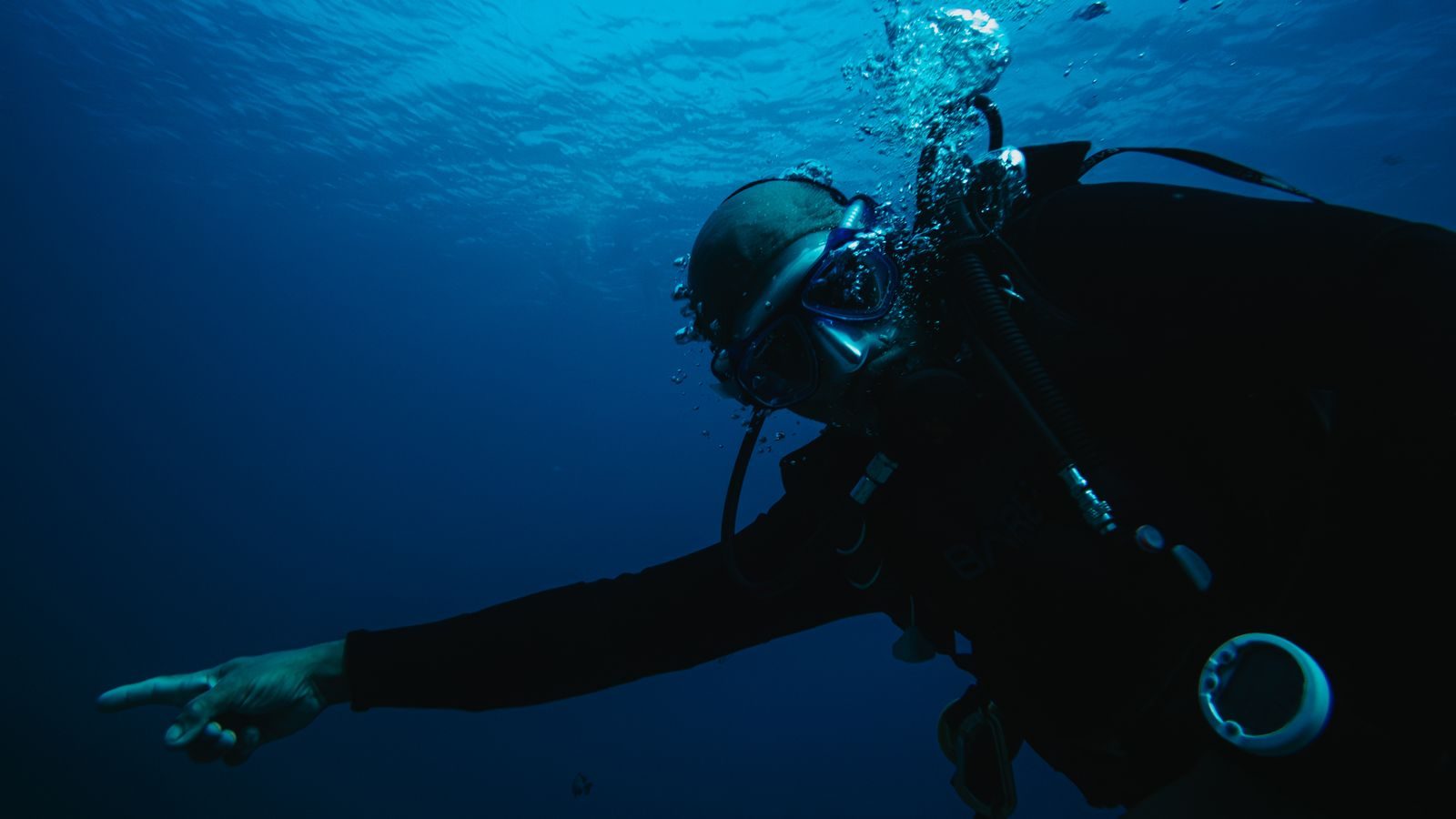
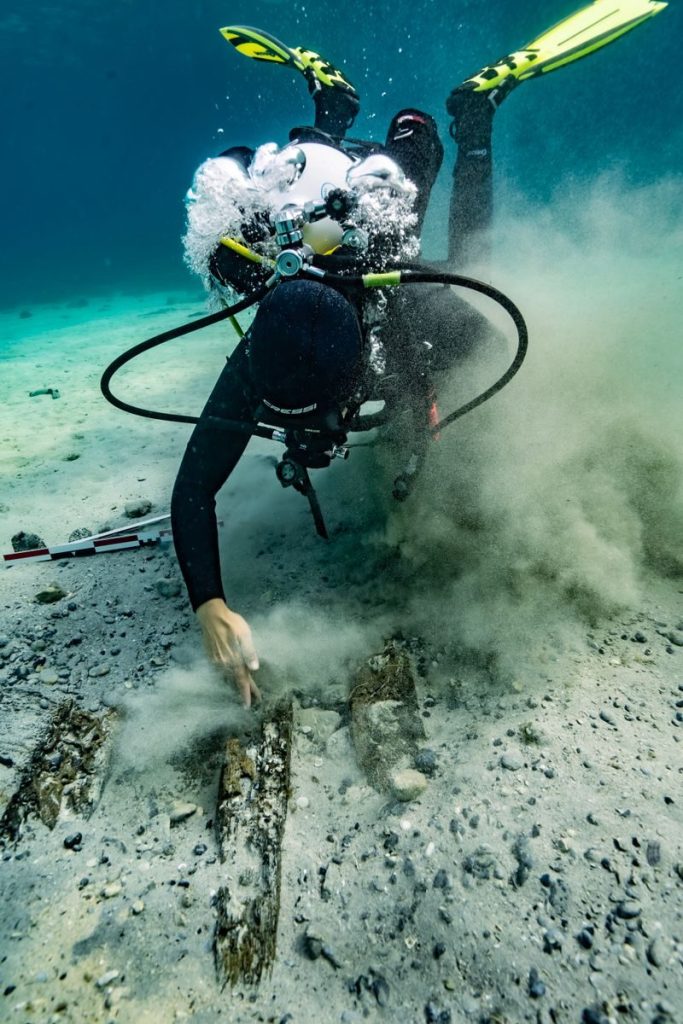
    Underwater archaeologists braved the freezing waters of the Bay of Aarhus to locate the site. Using specialized underwater suction gear they carefully vacuumed away layers of seabed. What they found underneath stunned the entire research community because of how well the ocean had guarded these prehistoric remains.

    The unique underwater environment acted like a prehistoric vault.

    A Perfect Time Capsule Under the Sea

    statue under ocean water
    Photo by Jeremy Bishop on Unsplash
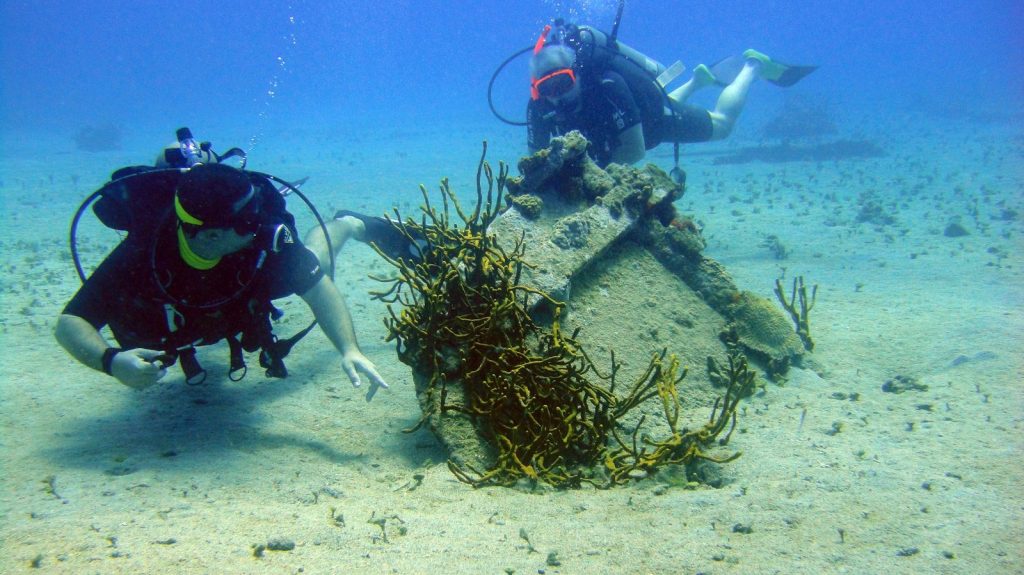
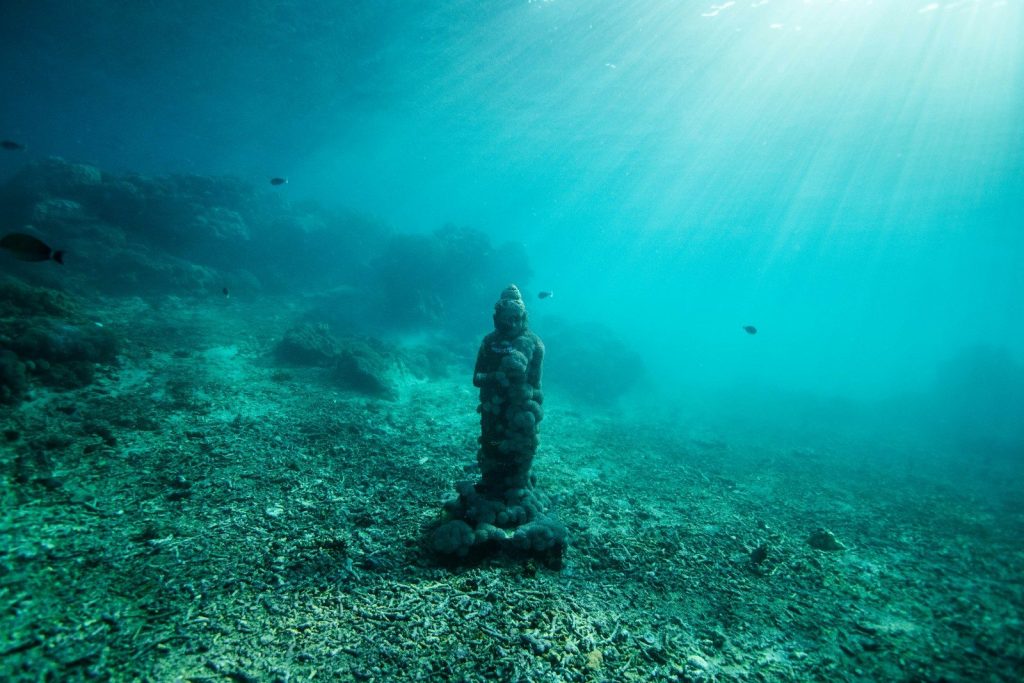
    Organic materials like wood and animal bones usually rot away on land within a few centuries. But the bottom of this Danish bay lacks oxygen which prevents bacteria from destroying ancient items. Because of this natural preservation scientists recovered intact wooden tools and delicate hazelnut shells that are thousands of years old.

    These small items tell a surprising story about daily prehistoric survival.

    How Our Ancestors Conquered the Coast

    A scuba diver inspects the seabed underwater in Croatia, surrounded by bubbles and sand.
    Photo by Mateusz Popek on Pexels

    The recovered artifacts paint a picture of a sophisticated hunter-gatherer community that thrived on the ancient coastline. Divers brought up sharp flint arrowheads and bone tools designed for fishing. These early Europeans had mastered their marine environment and relied heavily on the rich resources of the sea.

    But their successful coastal lifestyle was about to face a global threat.

    The Ice Age Meltdown That Changed Everything

    A stunning aerial shot capturing vast icebergs in frigid Arctic waters during daylight.
    Photo by Mikhail Nilov on Pexels

    Around 8,500 years ago the last Ice Age was drawing to a close. As massive continental ice sheets melted global sea levels began to rise at a terrifying speed of up to two meters every single century. This rapid ocean expansion slowly swallowed up entire valleys and coastal plains.

    The rising tides forced these prehistoric families to make a difficult choice.

    A Slow Motion Retreat From the Waves

    Captivating ocean waves crash against the shore under a soft morning light, creating a serene view.
    Photo by Robert So on Pexels

    As the ocean invaded their territory the hunter-gatherers had to abandon their homes and flee inland. This was not a sudden catastrophe but a relentless generation-long march away from the rising water. Their homeland vanished beneath the waves and eventually became a forgotten memory buried under the North Sea.

    This Danish site is actually part of a much larger lost continent.


    The Legend of Doggerland

    grey rocks during daytime
    Photo by K. Mitch Hodge on Unsplash

    Scholars believe this settlement was connected to Doggerland a massive landmass that once linked Great Britain directly to mainland Europe. Thousands of years ago humans walked across what is now the bottom of the North Sea. A series of rising tides and a massive tsunami eventually drowned this European heartland forever.

    Now scientists are planning to explore even deeper into the abyss.

    Searching the Treacherous German Waters

    a couple of boats in the water
    Photo by Anne Nygård on Unsplash

    This discovery in Denmark is only the beginning of a massive European research project. Teams of international scientists are now preparing to dive into the rough waters off the coast of Germany. They hope to map more drowned settlements to understand how ancient humans adapted to shifting climates.

    Their findings carry a critical lesson for our modern world.

    A Warning Written in the Sea Bed

    black and silver asus laptop computer
    Photo by Erik Mclean on Unsplash

    Studying how these ancient coastal communities reacted to rising sea levels offers vital data for modern science. It shows the sheer scale of planetary change and how resilient humanity must be to survive. The drowned ruins of Aarhus prove that the oceans can completely rewrite our maps.

    Featured Image: Photo by Mido Makasardi ©️ on Pexels

  • Why did an Egyptian mummy carry a lost European book?

    Why did an Egyptian mummy carry a lost European book?

    In 1848, a Croatian traveler purchased an ancient mummy in Egypt. He brought the artifact home to Vienna as a souvenir.

    When experts unwrapped the bandages years later, they made a shocking discovery. The linen wraps were covered in a mysterious writing that was not Egyptian.

    The mysterious writing on the linen

    text, letter
    Photo by Chris Linnett on Unsplash

    The bandages consisted of long strips of fine linen. These wraps were covered in a strange script of black and red ink. For decades, scholars failed to decode the characters. They quickly realized this was not a standard burial text. A breakthrough came from an unexpected researcher.

    Unmasking a forgotten language

    text
    Photo by 2H Media on Unsplash

    In 1892, an Egyptologist named Jakob Krall identified the writing. It was Etruscan, the language of a sophisticated civilization that ruled Italy before Rome. The Etruscan language is still largely undeciphered today. This text remains the longest Etruscan inscription ever found. But how did this European book end up buried in Egypt?

    The only linen book in existence

    An old, handwritten book is open to view.
    Photo by Nick Russill on Unsplash

    The bandages were originally a single piece of cloth. It was a linen book, or liber linteus, folded like an accordion. Inscribed around 250 BC, the text detailed a complex religious calendar of animal sacrifices. Scholars believe it was created near Perugia, Italy. The survival of this book was a complete accident.

    Recycled for a cheap burial

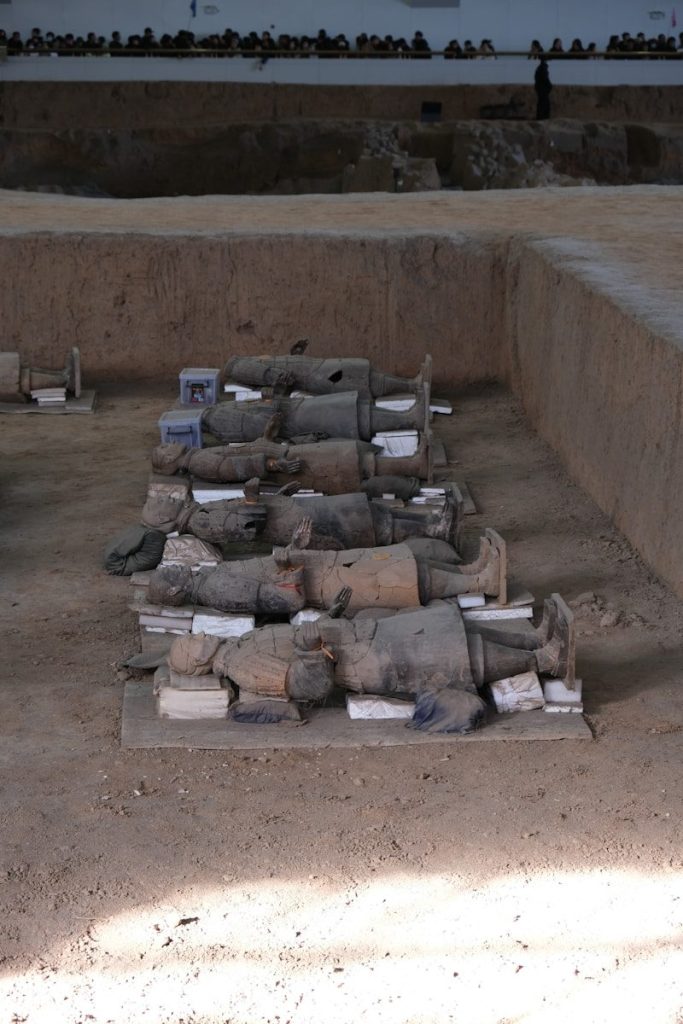
    Terracotta warriors lie in excavation pit
    Photo by HsinKai Tai on Unsplash

    Linen was expensive in ancient Egypt. When the Etruscan community in Alexandria collapsed, their religious books lost value. Embalmers viewed the heavy linen book as scrap material. They sliced the holy text into strips to wrap a middle-class woman. This disrespectful act preserved the book for millennia.

    The woman beneath the bandages

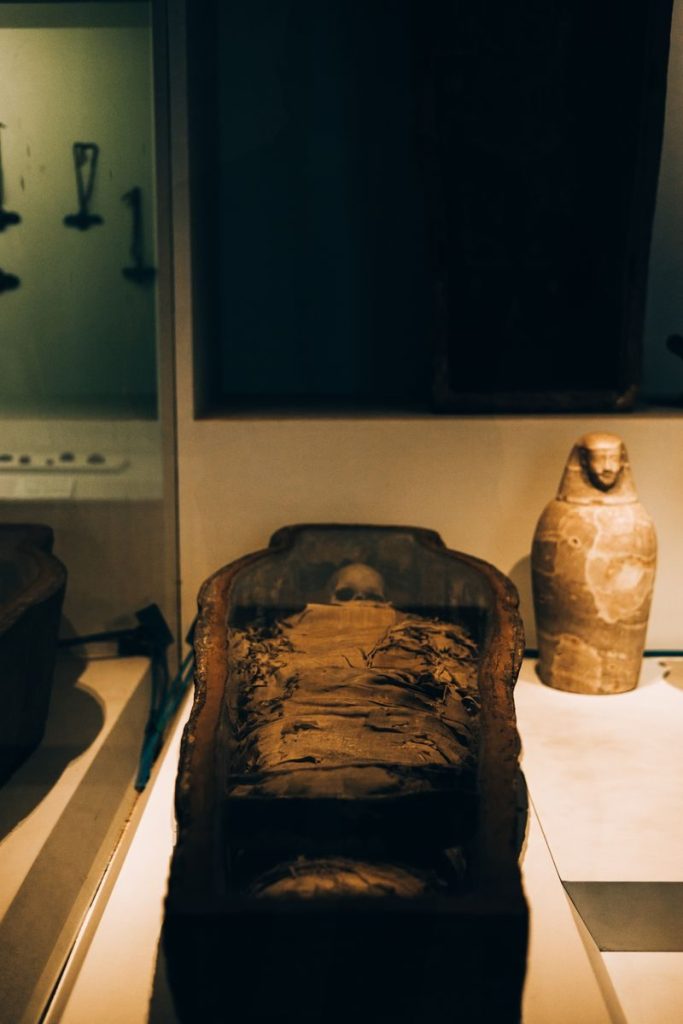
    Close-up of an ancient Egyptian mummy displayed in a museum exhibition.
    Photo by Lokman Sevim on Pexels

    Scientists used modern imaging to study the mummy itself. She was a woman named Nesi-hensu who died in her thirties. She was not royalty, yet she received a careful mummification. She lay undisturbed for over two thousand years with a unique treasure wrapped around her. Today, the artifact sits in a quiet museum.

    Deciphering the sacred calendar

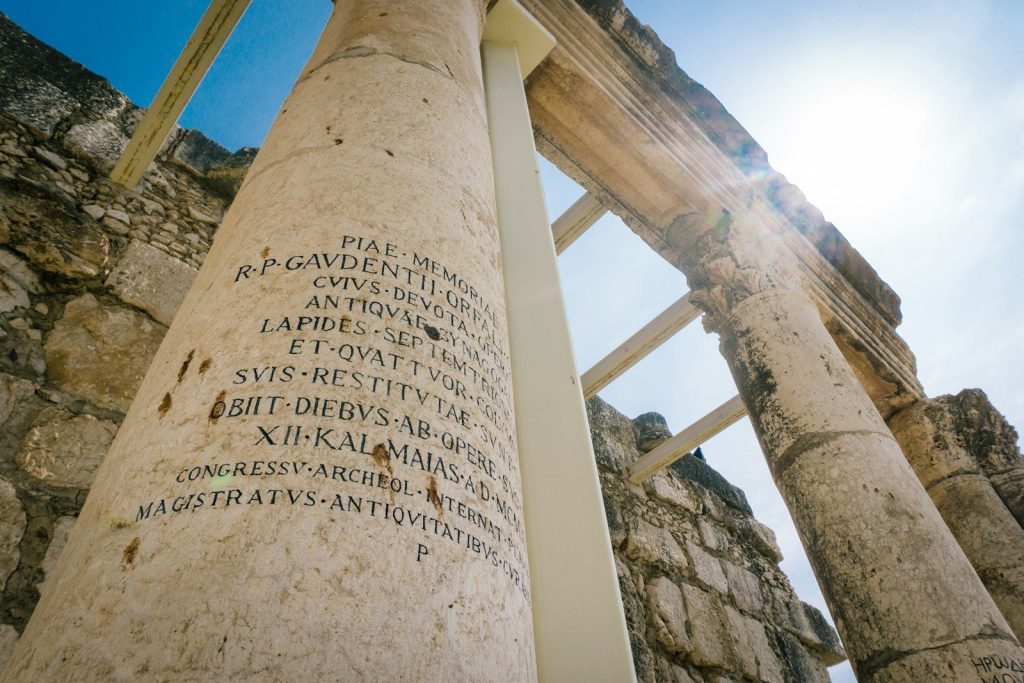
    concrete structure with black texts
    Photo by Phil Goodwin on Unsplash

    Infrared photography has helped scholars read the faded ink. The text lists ceremonies, dates, and named deities. It shows how the Etruscans organized their year and worshipped their gods. This single fragile artifact provides most of our knowledge about their lost rituals. The mystery of their language still remains.

    A bridge between two worlds

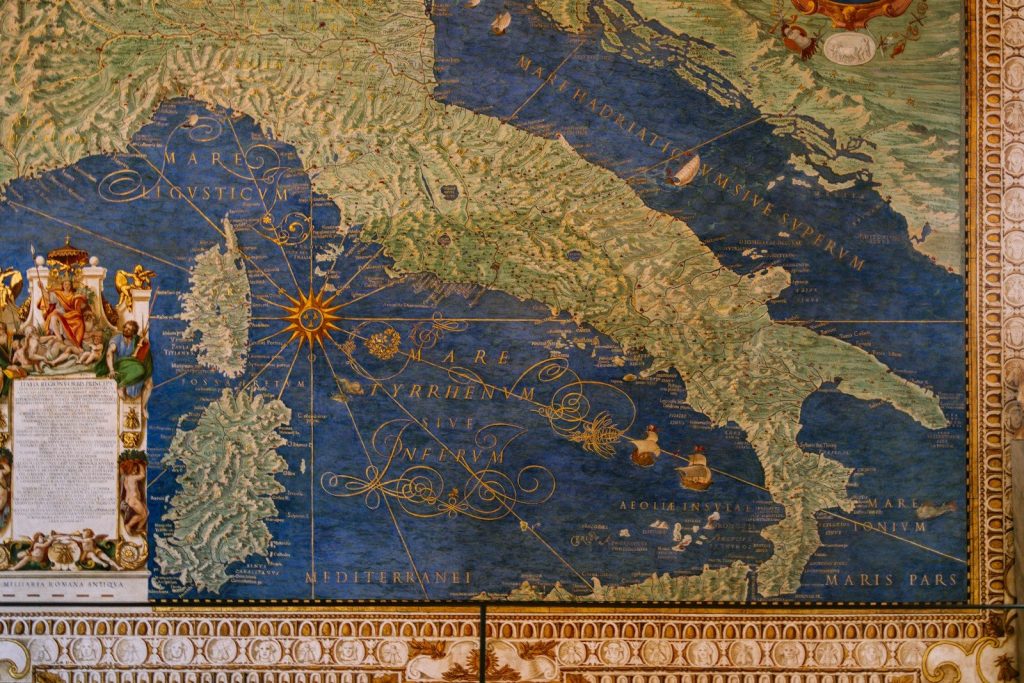
    A painting of a map on a wall
    Photo by Josh Withers on Unsplash

    The Zagreb Mummy represents a remarkable cultural collision. An Italian book preserved by an Egyptian custom, now housed in Croatia. It shows how the ancient Mediterranean was deeply connected. This fragile linen survived because it was discarded.

    Featured Image: Photo by Shreyas Nair on Unsplash

  • What will happen when a giant asteroid grazes Earth?

    What will happen when a giant asteroid grazes Earth?

    In April 2029, an asteroid named Apophis will pass closer to Earth than our own communication satellites.

    This huge space rock, measuring over one thousand feet wide, was once feared to be on a collision course. While Earth is safe, the encounter will trigger a spectacular scientific event.

    A rare cosmic close call

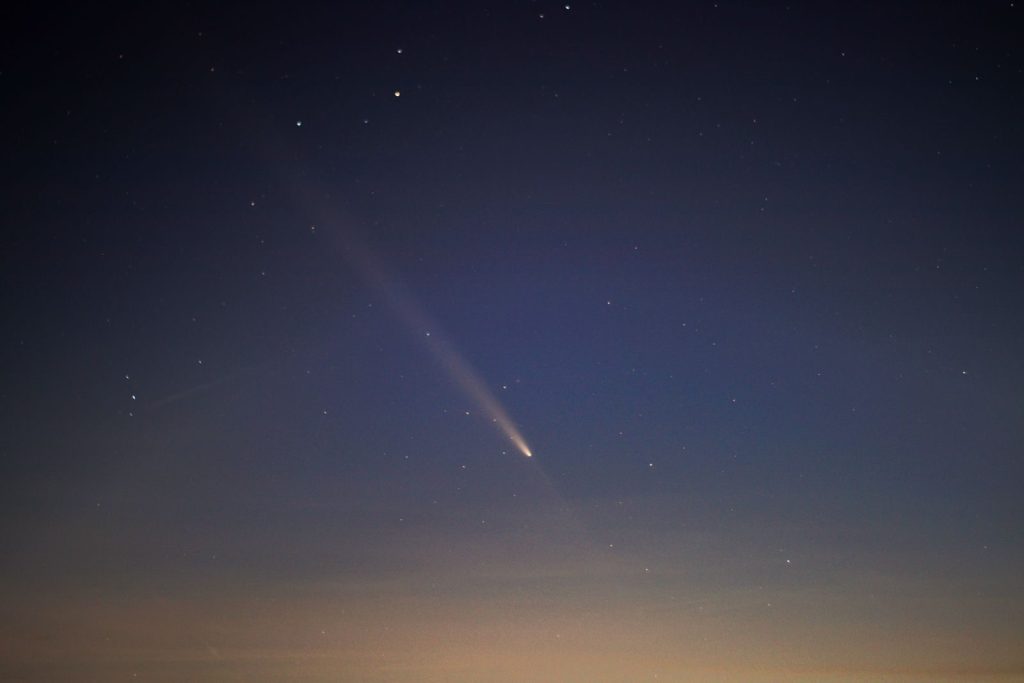
    Captivating view of a comet streaking across the night sky with twinkling stars.
    Photo by Headshotgames12 on Pexels

    Asteroid Apophis will pass within twenty thousand miles of Earth. NASA states that an object this size comes this close once every few thousand years. It will be easily visible to the naked eye across Europe. Earth’s gravitational pull will warp the space rock forever.

    Earth will shake the space rock

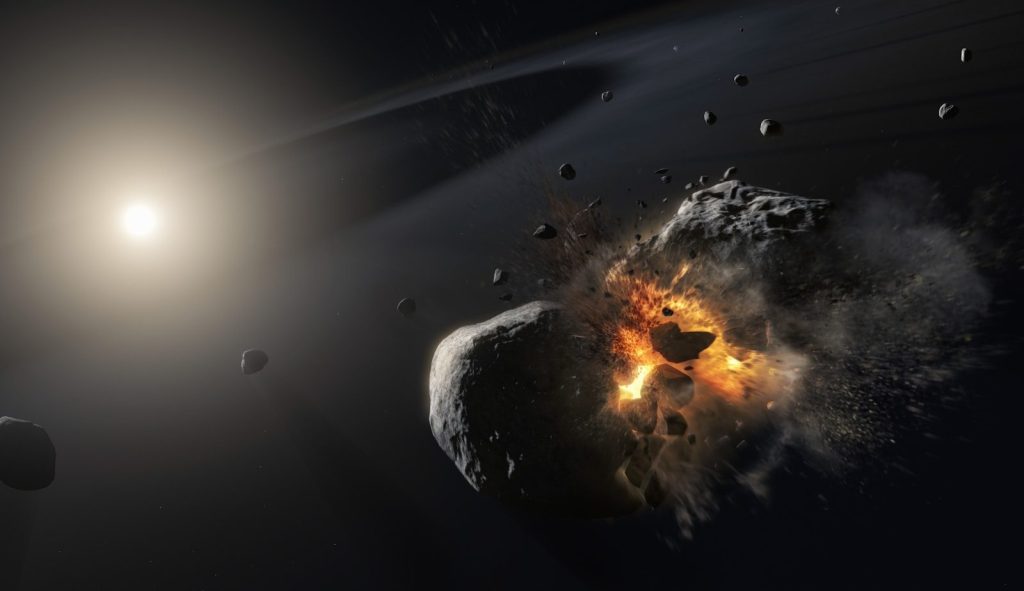
    an artist's impression of a collision between two planets
    Photo by NASA Hubble Space Telescope on Unsplash

    Apophis is a loose accumulation of rocks held together by gravity. As the object flies past, Earth’s intense gravitational pull will squeeze it. This force will likely trigger massive landslides on its surface. It will also alter the asteroid’s spin rate. Scientists are sending a spacecraft to watch this happen.

    A recycled spacecraft on a new mission

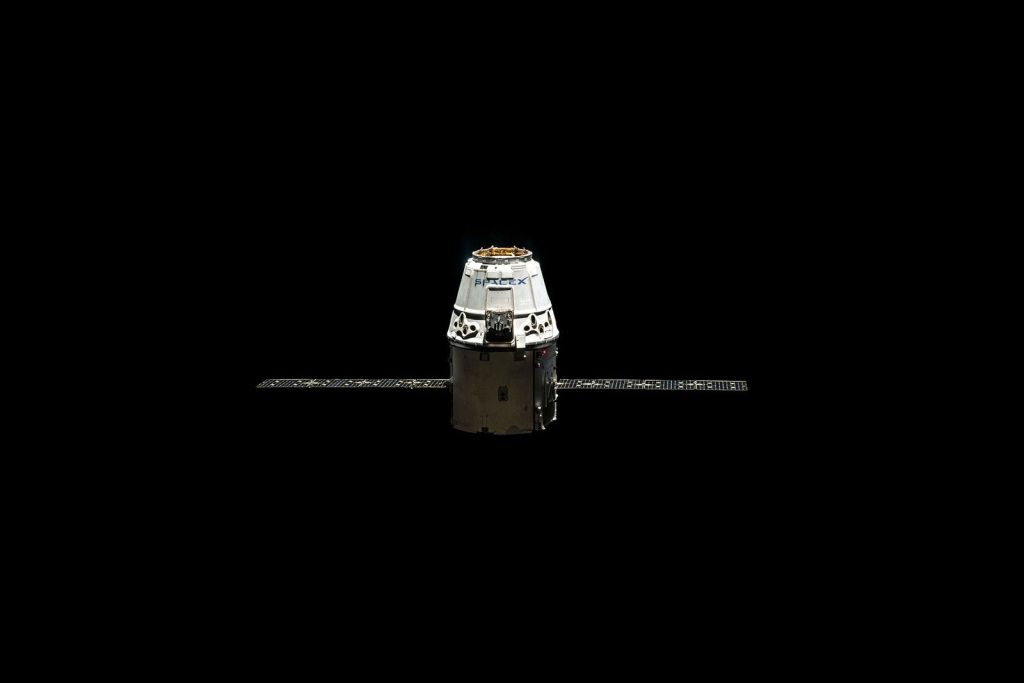
    A SpaceX Dragon capsule orbited against the dark vastness of outer space.
    Photo by Pixabay on Pexels

    NASA is redirecting the OSIRIS-REx spacecraft to intercept Apophis. The probe previously collected samples from asteroid Bennu. It has been renamed OSIRIS-APEX for this new journey. It will arrive at Apophis just as the asteroid reaches its closest point. The spacecraft will perform a daring maneuver.

    Blasting the asteroid with thrusters

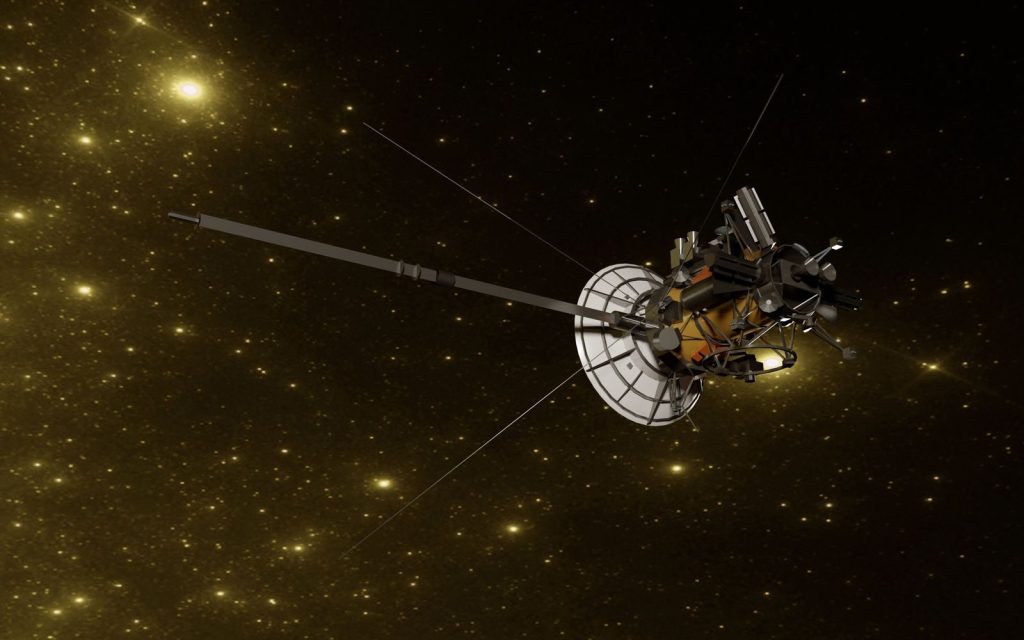
    Detailed render of a space probe navigating through the vast starry universe.
    Photo by Paul Seling on Pexels

    The spacecraft will orbit Apophis for eighteen months. It will map the surface and analyze its chemical composition. Near the end of the mission, the probe will fire its thrusters close to the surface. This will blow away loose dust to reveal what lies beneath. This data is critical for our planetary defense.

    Preparing for future impact threats

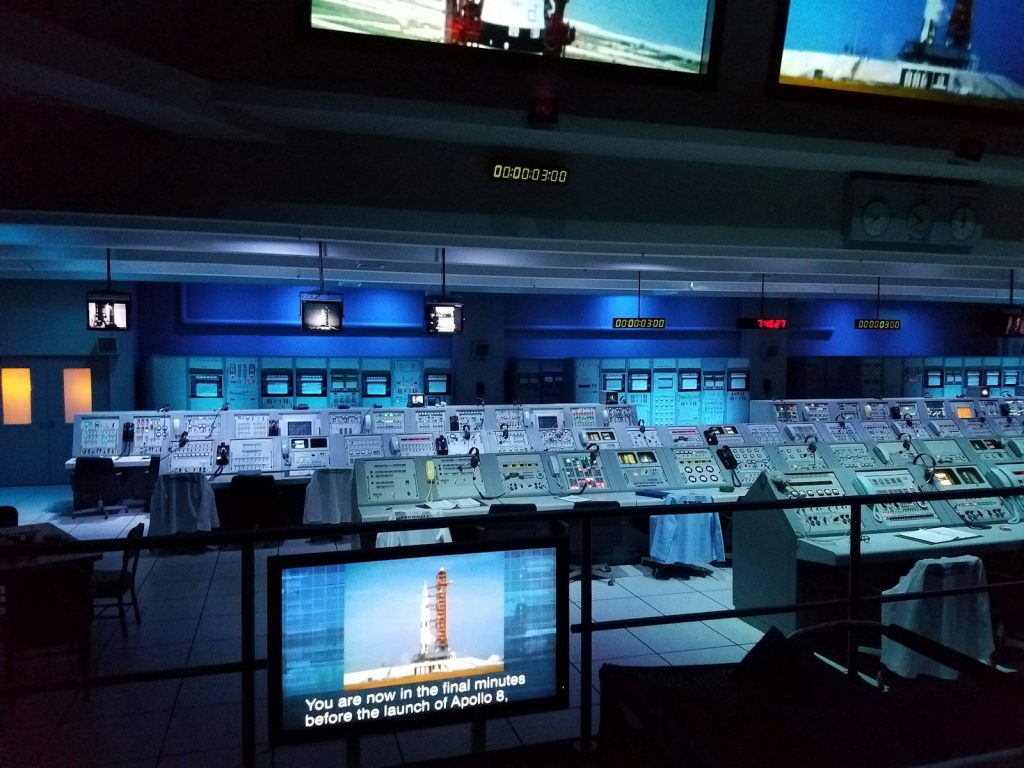
    a room with many screens and monitors
    Photo by Ana Garnica on Unsplash

    Understanding the internal structure of asteroids helps us design deflection missions. If a dangerous rock ever threatens Earth, we need to know if it is solid or a loose rubble pile. A rubble pile requires a different deflection strategy. The upcoming 2029 flyby serves as a perfect dress rehearsal.

    The threat is not entirely gone

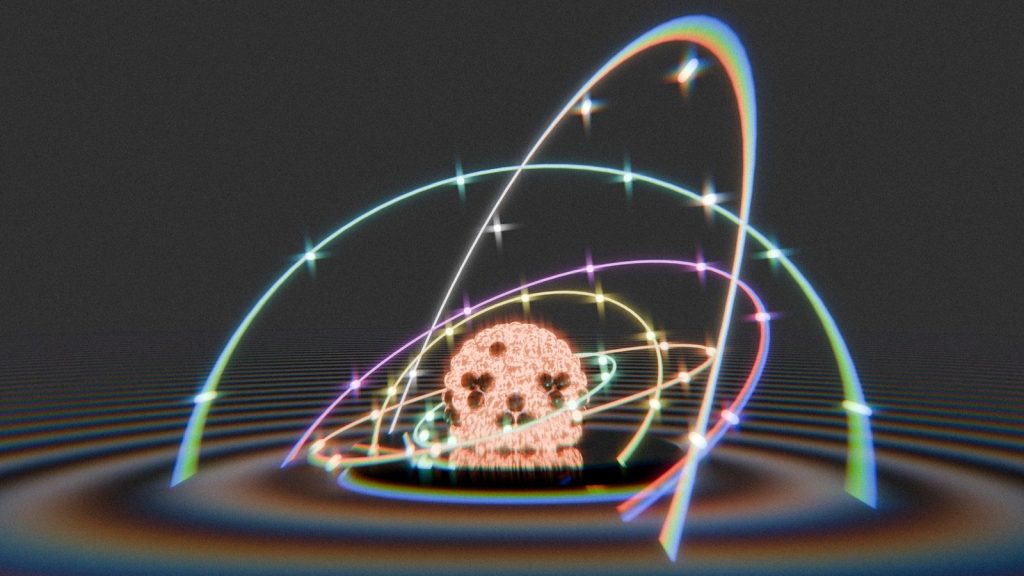
    Abstract skull surrounded by glowing, colorful orbits and sparkles.
    Photo by Brecht Corbeel on Unsplash

    While NASA ruled out an impact in 2029, future encounters are still being analyzed. The gravitational tug of Earth will shift its orbit. Astronomers must recalculate its path for its next return in 2068. A tiny change could alter its future trajectory.

    Watching from your backyard

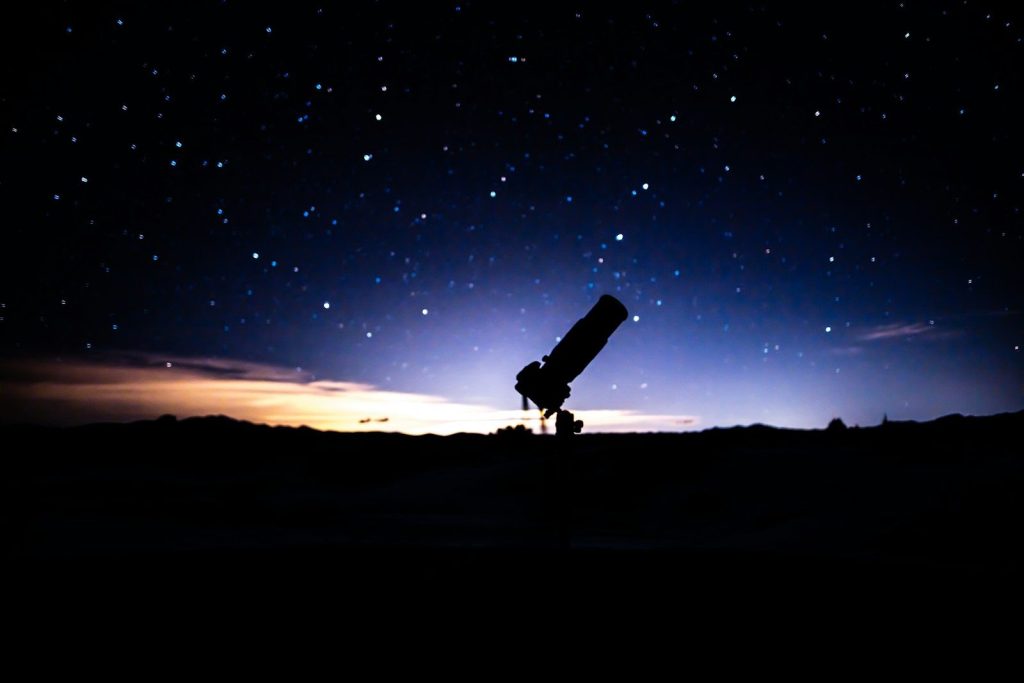
    a telescope sitting on top of a hill under a night sky
    Photo by Patrick Hendry on Unsplash

    On April 13, 2029, millions of people will see Apophis. It will look like a bright star moving across the night sky. This is a rare moment when a space threat becomes a public spectacle. The event will inspire a new generation of scientists.

    A milestone for space science

    yellow, blue, and purple sketch
    Photo by Cody Dagg on Unsplash

    The encounter with Apophis will provide unprecedented data. We will watch a planetary body change in real-time under the influence of gravity. It is a reminder of our dynamic solar system and the technology we have built to understand it.

    Featured Image: Photo by Zelch Csaba on Pexels

  • Why this forbidden island must remain completely isolated

    Why this forbidden island must remain completely isolated

    In the Bay of Bengal lies a small island covered in thick jungle. It is home to the Sentinelese, one of the last uncontacted tribes on Earth.

    For thousands of years, they have fiercely defended their shores from outsiders. But the real danger of contact is not their spears. It is an invisible biological threat.

    A shield of extreme hostility

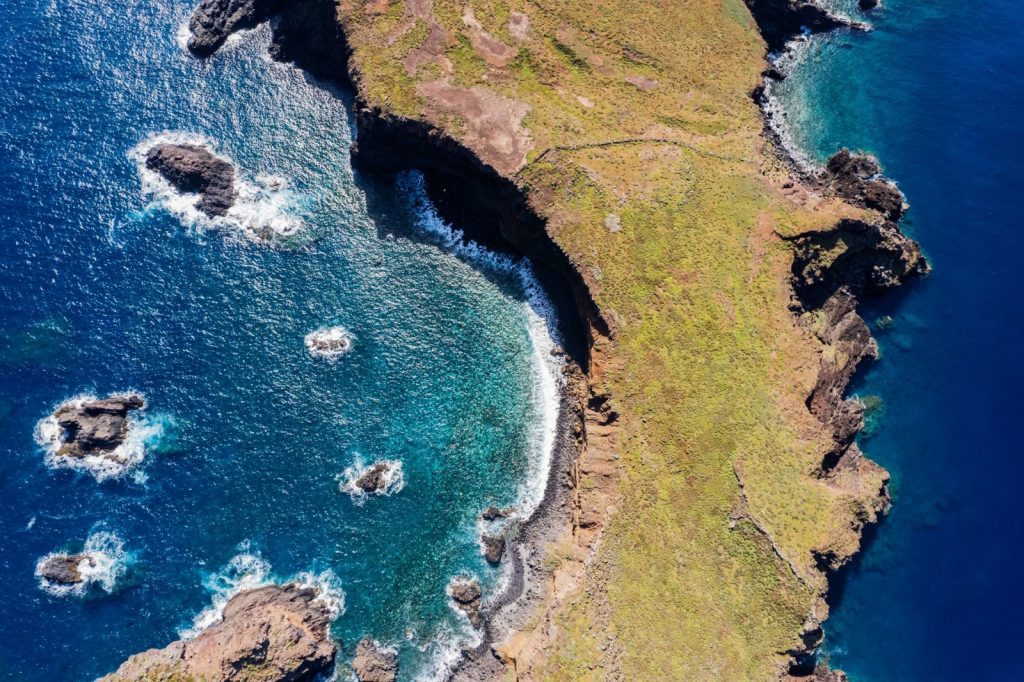
    Breathtaking aerial view of Madeira's coastline with rocky formations and blue ocean.
    Photo by Rino Adamo on Pexels

    The Sentinelese reject all contact with the modern world. Anyone who approaches North Sentinel Island is met with a hail of arrows. The Indian government bans all travel within five miles of the coast. This boundary protects both the islanders and curious travelers. But this isolation has a deep historical cost.

    Surviving sixty thousand years alone

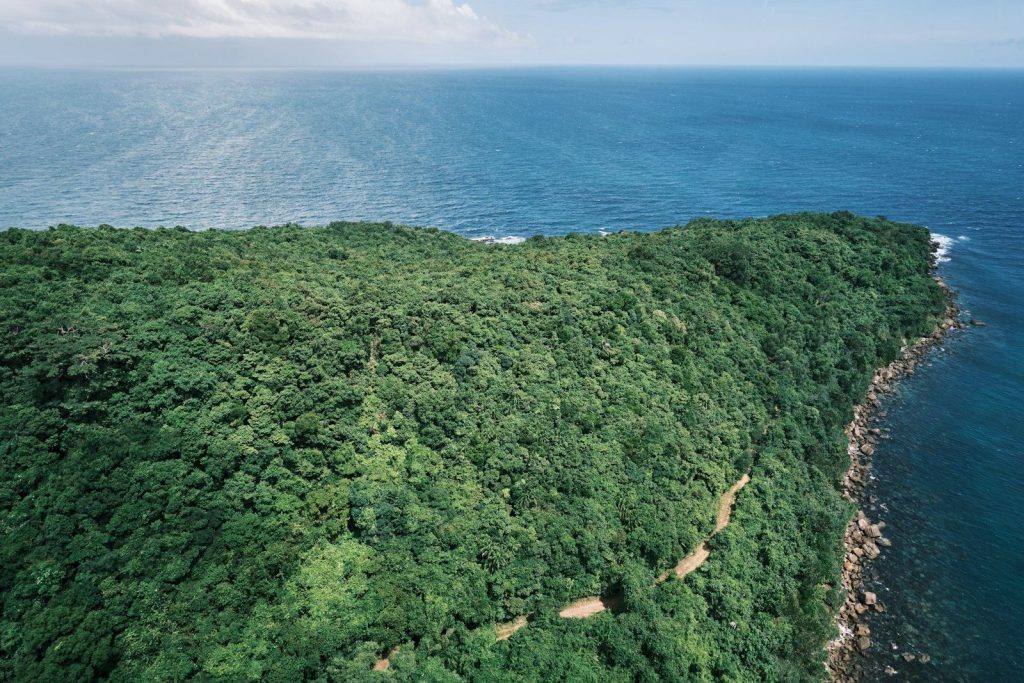
    Lush green forest meets the blue ocean coastline.
    Photo by Khai Hoan Chu on Unsplash

    Anthropologists believe these people have lived on the island for sixty thousand years. They survived the massive 2004 Indian Ocean tsunami without any modern aid. They live as hunter-gatherers using resources from the forests. Their survival is a miracle of human history.

    The invisible biological shield

    a close up of a red and blue cell
    Photo by National Institute of Allergy and Infectious Diseases on Unsplash

    The greatest threat to the tribe is immunological. Because they have lived in complete isolation, their bodies lack immunity to common diseases. A tourist carrying a common cold could wipe out the entire population. This makes physical contact a potential act of genocide. Past events show what happens when outsiders interfere.

    A tragic colonial experiment

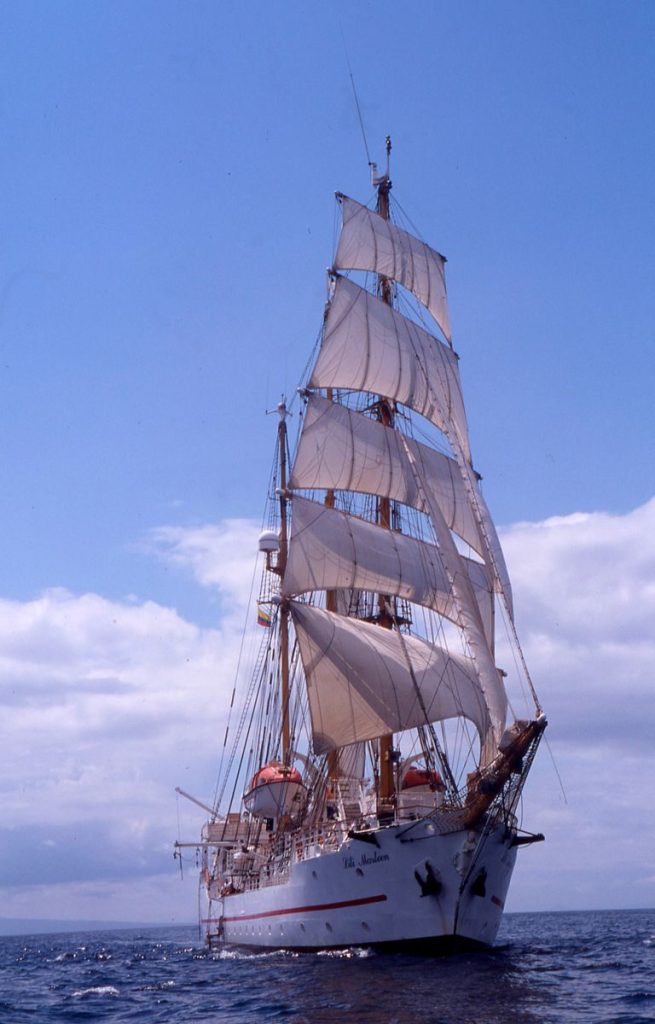
    A classic tall ship with full sails glides over the ocean against a backdrop of blue sky and clouds.
    Photo by Manfred Hönig on Pexels

    In 1880, a British naval officer named Maurice Portman kidnapped six Sentinelese people. He took them to Port Blair to study them. The two adults quickly became sick and died. Portman returned the four children to the island, likely carrying deadly pathogens with them. The islanders learned to fear the outside world.

    The shipwrecks on the reef

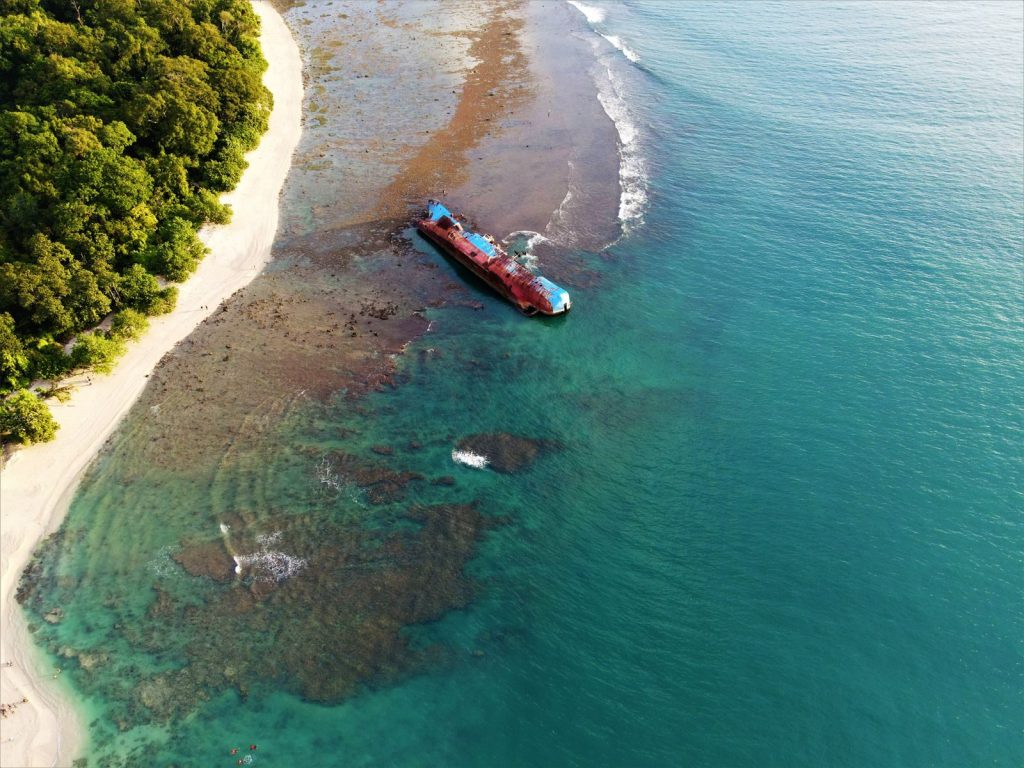
    Dramatic aerial shot of a shipwreck near Pangandaran's lush coastline in Indonesia.
    Photo by AL FARIZ on Pexels

    Multiple ships have run aground on the reefs surrounding the island over the decades. In 1981, a cargo vessel called the Primrose got stuck. The crew watched as armed islanders built boats to board the ship. A helicopter rescued the sailors just in time. Today, the rusting wreck still sits on the shallow reef.

    What we actually know about them

    A large white cylinder rests among lush green foliage.
    Photo by Jean Carlo Emer on Unsplash

    We know very little about their language. High-resolution aerial photographs show that they build small temporary huts. They do not make fire. Instead, they wait for lightning to strike and keep embers alive. This lack of knowledge fuels international curiosity.

    The failed gift-giving missions

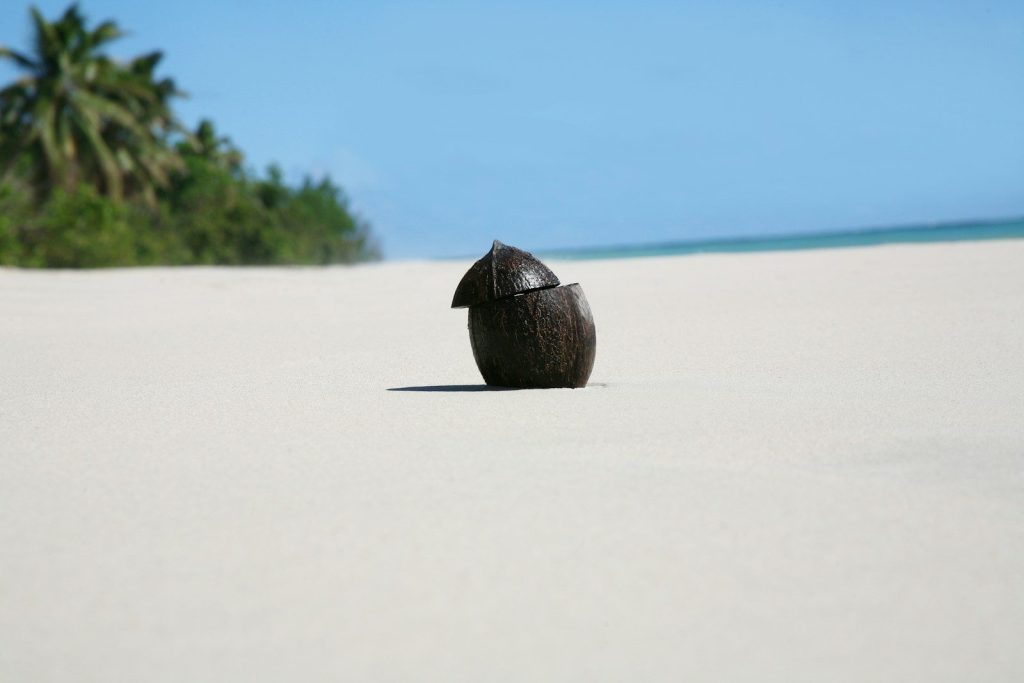
    black coconut shell on shore
    Photo by Cassius Prudent on Unsplash

    During the late twentieth century, Indian scientists attempted to leave gifts on the beach. They left coconuts, dolls, and pigs. The Sentinelese accepted the coconuts but buried the dolls and pigs in the sand. Scientists realized these visits achieved nothing and stopped them. Now, the policy has changed completely.

    Respecting the final frontier

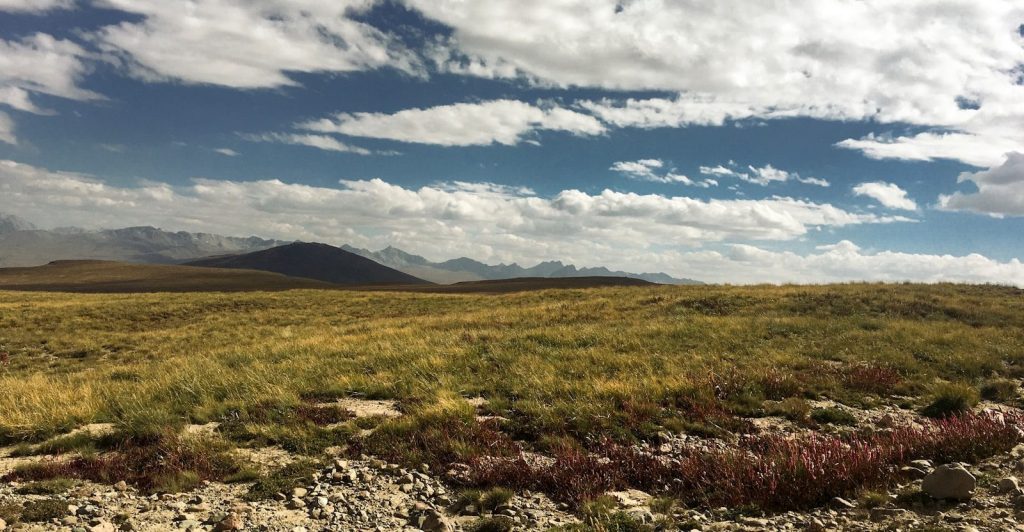
    a grassy field with mountains in the background
    Photo by Shehzy Alam on Unsplash

    Today, the consensus is clear. The Sentinelese have chosen isolation, and we must respect it. By leaving them alone, we protect a unique human culture and save lives. Their island remains a living window into our ancient past.

    Featured Image: Photo by Kyle Petzer on Unsplash