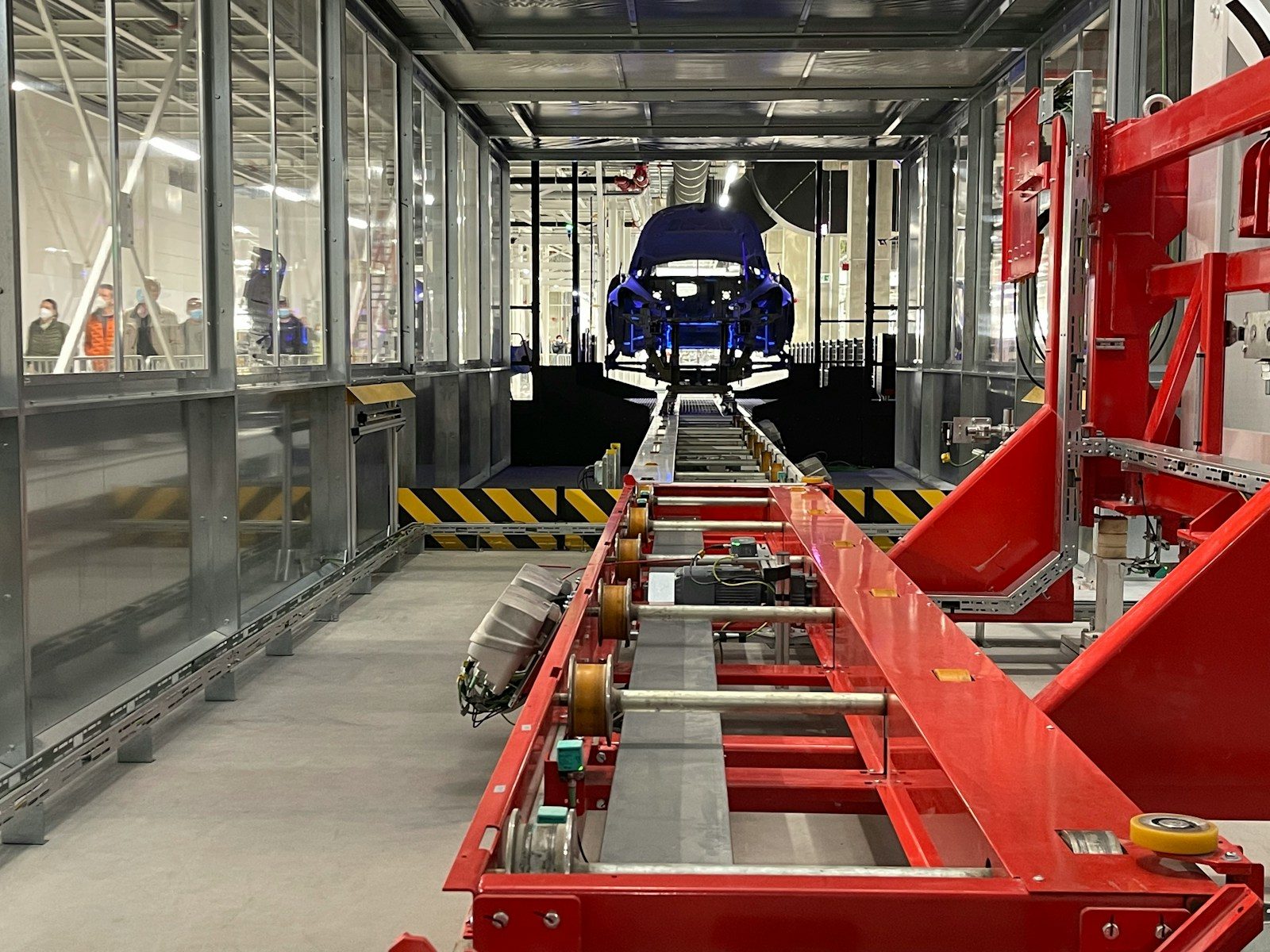
Most truck buyers assume that vehicle design is purely a matter of personal style and basic cargo capacity. We believe that standard pickup shapes have been perfected over decades of manufacturing history.
But a bizarre wedge-shaped vehicle is completely disrupting traditional automotive engineering standards. Its radical stainless steel exoskeleton has sparked intense global debates over vehicle safety and manufacturing physics.
The Stainless Steel Shell

Traditional pickup trucks rely on thin painted aluminum panels attached to a heavy internal frame. According to automotive engineering reports, this new vehicle uses a highly durable cold-rolled stainless steel outer skin. It is remarkably tough. This thick metallic shell is designed to resist dents, scratches, and even small bullets effortlessly. But this ultra-hard exterior introduces a major safety challenge during collisions.
The Missing Crumple Zones
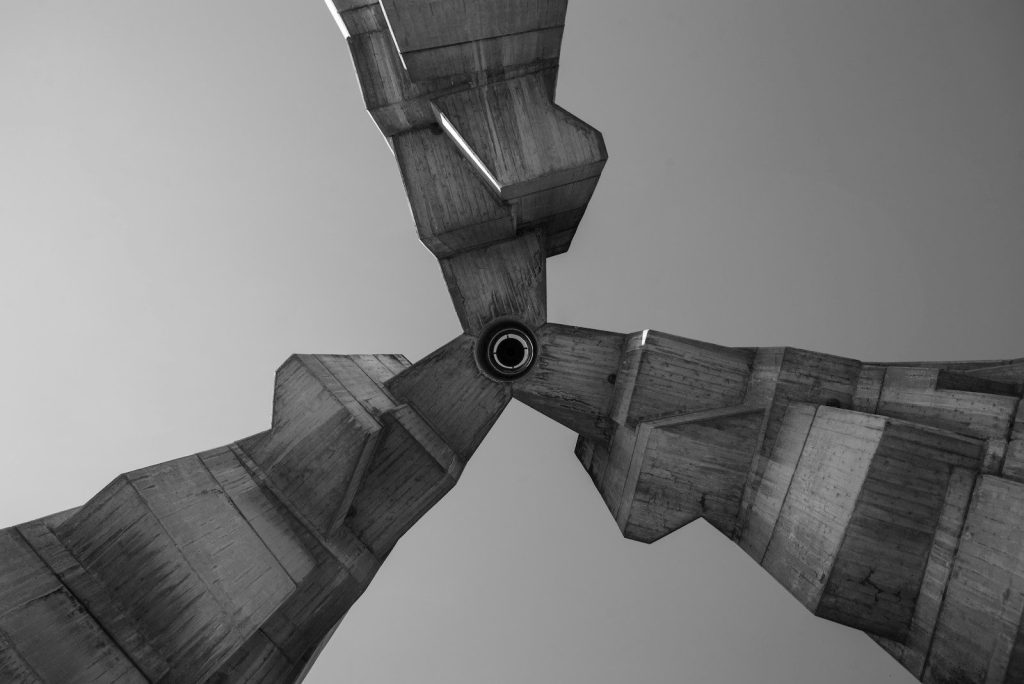
Modern cars protect passengers during a crash by physically folding to absorb intense impact forces. According to vehicle safety analysts, the rigid stainless steel body of the truck does not bend easily. This rigidity is controversial. Critics worry that the impact forces will travel straight into the cabin rather than being absorbed by the car. But testing the vehicle in real conditions revealed a highly unique design.
Clever Internal Castings
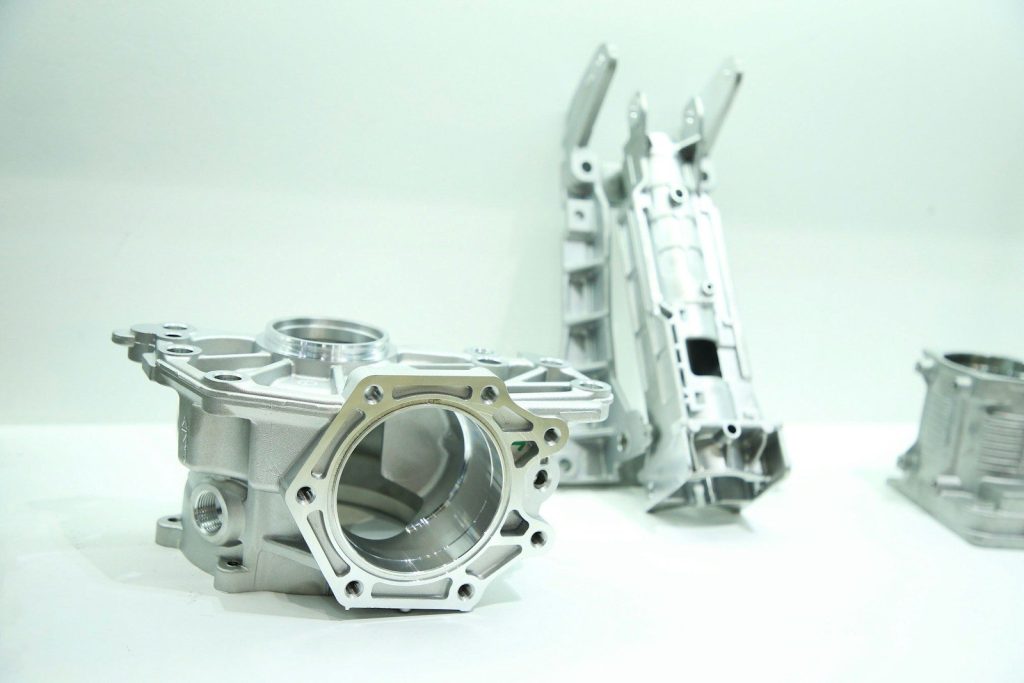
To offset the rigidity of the outer shell, designers integrated massive aluminum castings inside the frame. According to manufacturing studies, these internal structures are designed to break and absorb energy during a severe impact. Engineering is complex. This hidden system ensures the vehicle still meets rigorous modern crash standards. But the sharp geometric edges are raising different concerns for pedestrians.
The Pedestrian Impact Threat
Standard cars feature rounded hoods designed to minimize injuries if they strike a pedestrian. According to road safety reports, the rigid, sharp corners of the steel truck could cause severe injuries during low-speed impacts. The risk is high. These sharp geometric angles are why European regulators are currently blocking the vehicle from their roads entirely. But the manufacturer is using advanced software to protect passengers.
Steer By Wire Control
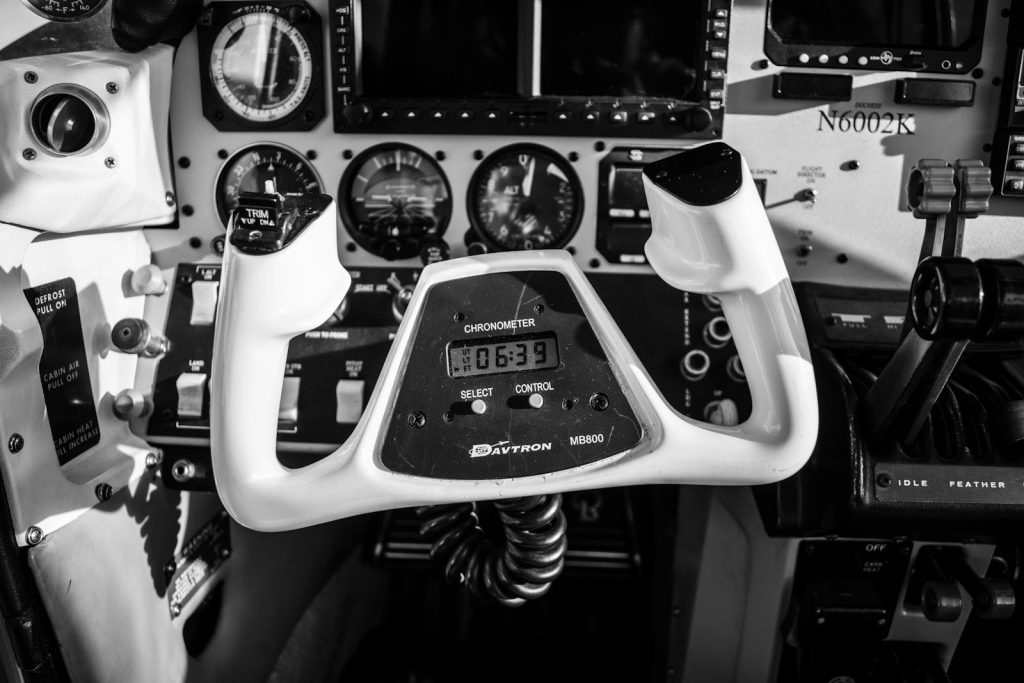
Navigating a heavy metallic wedge through tight city streets requires an incredibly responsive steering system. According to vehicle testing logs, the truck features an all-digital steer-by-wire setup with no physical steering column. It is highly advanced. A computer translates the driver’s movements into precise wheel angles instantly based on speed. But keeping this heavy platform moving efficiently requires one final engineering trick.
High Voltage Power Grids
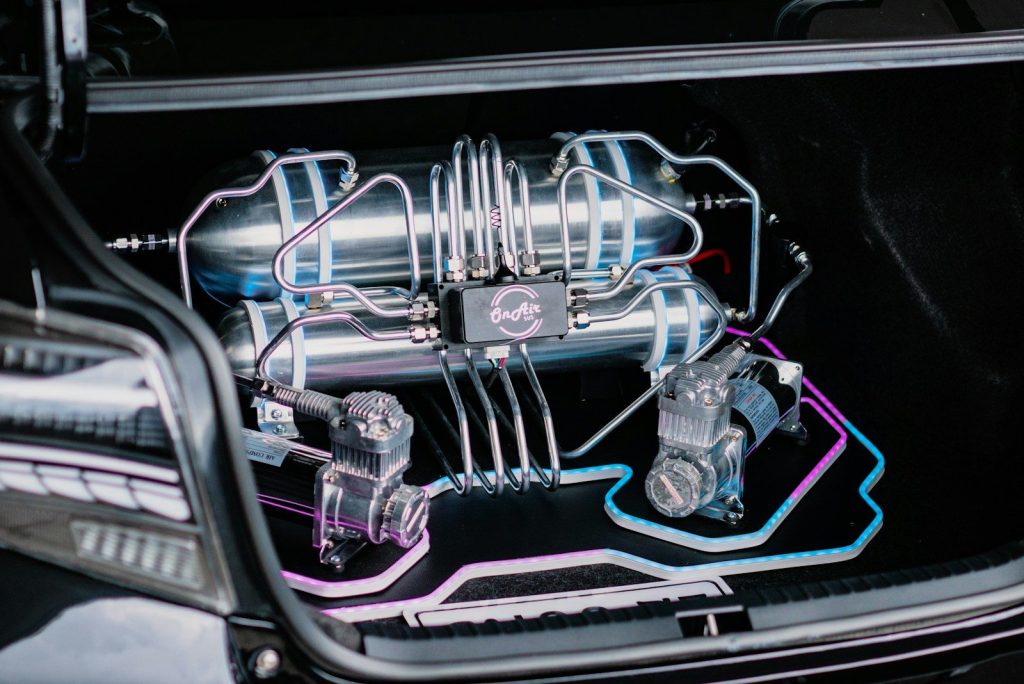
Moving a massive stainless steel frame drains battery power at an incredibly rapid rate. According to electrical engineering reviews, the vehicle uses a highly efficient eight-hundred-volt electrical system to distribute current. The current is strong. This advanced grid allows the truck to charge faster and run thinner wiring to reduce total weight. But the long-term success of this radical design remains a major gamble.
Redefining The Pickup Truck

This controversial steel vehicle is pushing materials science and automotive design into an entirely new era. According to industry experts, the lessons learned from this project will shape future transportation manufacturing. Innovation requires taking risks. This article is for informational purposes only.
Featured Image: Photo by Martin Geiger on Unsplash
Leave a Reply